You can spot hip dysplasia early in German Shepherds, often around 3–8 months, by watching for a bunny-hop, wobbly hip gait, trouble rising, stairs discomfort, or stiffness that “warms out” in 5–10 minutes. If you see limping, toe knuckling, or a sudden “can’t bear weight,” get a vet exam. They’ll do an ortho test and hip X-rays, then discuss weight control, NSAIDs, rehab, or early surgery (like JPS/TPO) vs FHO/FHNO or THR—so keep going to learn more.
Swift Summary
- Watch early signs (3–8 months): limping, bunny-hopping, hind-end sway, stiffness after rest, and difficulty rising/stairs.
- Differentiate patterns: pain flares after running/jumping; stiffness “warms out” in 5–10 minutes; weakness causes wobbly hindquarters.
- Get veterinary evaluation with orthopedic exam, ROM/pain testing, and hip laxity checks; don’t confirm dysplasia from gait alone.
- Use hip radiographs (PennHIP/OFA timing, sometimes with sedation) to assess subluxation and severity; grads guide prognosis.
- Treatment and prevention: weight control, low-impact exercise/rehab, NSAIDs if needed, supplements, and early screening for high-risk puppies.
Signs of Hip Dysplasia in German Shepherds
When you’re watching your German Shepherd, you’ll want to notice the small changes early, because hip dysplasia often shows up in how they move. You’ll see german shepherd limping, bunny-hopping, or a wobbly “swaying” hip gait. You might ask, do german shepherds have hip problems, and how to tell if german shepherd has hip dysplasia. Look for german shepherd limping after lying down, trouble rising, stairs, or jumping, and reduced play. You may also notice hindquarter muscle loss, nail scuffing, pain when you extend or move the hips, crepitus (grinding/clicking), and pelvic muscle atrophy. Early signs often appear from 3–8 months, typically around 5–6 months during growth. Because hind-end weakness can also stem from degenerative myelopathy, a progressive spinal disease common in German Shepherds, a veterinarian should evaluate any persistent back-leg symptoms.
How to Tell Hip Pain vs Stiffness vs Weakness
You can tell hip pain from stiffness and weakness by watching what happens next.
If your German Shepherd hesitates, limps, or guards when you touch or move the hip, and symptoms flare after running, jumping, or stairs, that’s likely hip pain; if they’re noticeably stiff after rest or cold weather and “warm out” after 5–10 minutes of gentle walking, that points to stiffness. Limping indicates pain and should be treated as a sign of discomfort that may need veterinary evaluation.
But if you see hind-end wobbliness, toe dragging or knuckling, trouble rising, and muscle loss in the hips and thighs, you’re looking at weakness. As hind-end weakness progresses, it can significantly reduce a dog’s quality of life, so tracking your dog’s daily comfort and mobility helps you know when to discuss options with your veterinarian.
Recognize Hip Pain Signs
How can you tell hip pain from stiffness or weakness in your German Shepherd? Watch the walk first.
Look for bunny-hopping, where both rear legs move together, that often signals hip discomfort.
Notice hind-end sway or a rolling, wobbly gait, which can mean chronic hip trouble with pain.
Next, time it.
If lameness worsens during, or right after, a long walk or hard play, you’re likely seeing pain, not just slow stiffness.
Also, expect sudden “can’t bear weight” after exercise.
During the exam, watch for flinching or strong withdrawal when you palpate or move the hip.
Pain with full flexion or extension matters.
Additionally, hip manipulation that causes pain on hip extension can help confirm coxofemoral involvement rather than a purely neurologic or soft-tissue problem.
Identify Stiffness After Rest
After your German Shepherd has been resting, watch how they start to move—because stiffness and pain can look similar, but their timing gives clues.
You’ll often see stiffness right when they rise, with a rigid, short hind‑limb stride.
Then, within a few minutes of walking, it eases.
That warm-up pattern matters.
Stiffness usually improves as joints warm up, not worsens with gentle low activity.
Look for choppy steps, reduced hip flexion, nail scuffing, or bunny‑hopping.
If stiffness keeps returning, or gets worse after rest, schedule a vet exam for hip degeneration.
Assess Weakness And Muscle Loss
Start by comparing strength, not just comfort, because hip pain, stiffness, and true hind-limb weakness can look similar at first.
Watch your dog walk. Do you see skinny hips, thinner thigh muscles, and wobbly hind quarters? Check for reduced rear muscle bulk, and whether weight shifts forward.
Next, do a quick “rise test.” Time how long it takes to stand from lying; weakness makes it slow and hard.
Then palpate gently. Hip pain brings flinching on touch. Stiffness gives crepitus, a gritty feel, and less hip motion. Weakness shows less resistance, joints still move freely.
When to Suspect Hip Dysplasia in Puppies?
If your puppy seems to swing or carry their hind legs less, wobbles, hesitates to extend the hips, or you see a “looser” gait, you’ve got a real clue to investigate.
And since hip laxity (loose hip joints) can be spotted early, ask your vet for hip laxity screening between 12–20 weeks so you catch risk before arthritis starts changing the joint.
Keeping an eye on movement is a key part of German Shepherd care from puppyhood onward, since subtle changes in gait are often the first sign owners notice.
Early Lameness After Activity
When your German Shepherd puppy starts limping *right after play*, don’t shrug it off—hip dysplasia can show up early, usually between 3 and 12 months. Look closely after runs or rough games.
If the hind-leg lameness worsens during activity, or comes back after, you should suspect hip joint laxity—looseness that causes pain.
Some puppies seem fine at first, then suddenly stiffen at 4–12 months. You may notice a wobbly, swaying back end, trouble rising, or avoiding stairs and jumps.
Even mild, repeated post-play limps need a vet check soon.
Reduced Hind Leg Motion
How do you tell if “reduced hind leg motion” might be early hip dysplasia in your German Shepherd puppy? Watch closely between 4 and 12 months.
If you see hind stiffness, less extension or flexing while walking, or a wiggly pelvic gait, don’t brush it off.
Note patterns, not one-off clumsiness.
Look for bunny-hopping, wobbly swaying, or scuffing nails as your puppy moves.
You may also notice trouble rising, stairs, or jumping.
If full hip range feels painful, that’s more cause for concern.
Contact your vet promptly for an exam.
Hip Laxity Screening Age
Hip screening matters because early signs can turn into arthritis if you miss the timing. For your German Shepherd puppy, ask your vet for a physical hip exam during routine shots at 10–16 weeks.
Between 12–20 weeks, focus on hip laxity and a positive Ortolani sign, a test that checks joint looseness. The Ortolani maneuver can start at 7–8 weeks, but it’s less reliable.
A positive Ortolani in young pups strongly predicts hip arthritis by about one year. If you choose PennHIP, plan imaging from ~16 weeks onward.
Otherwise, standard OFA films wait until ~12 months.
How Veterinarians Diagnose Hip Dysplasia Step by Step
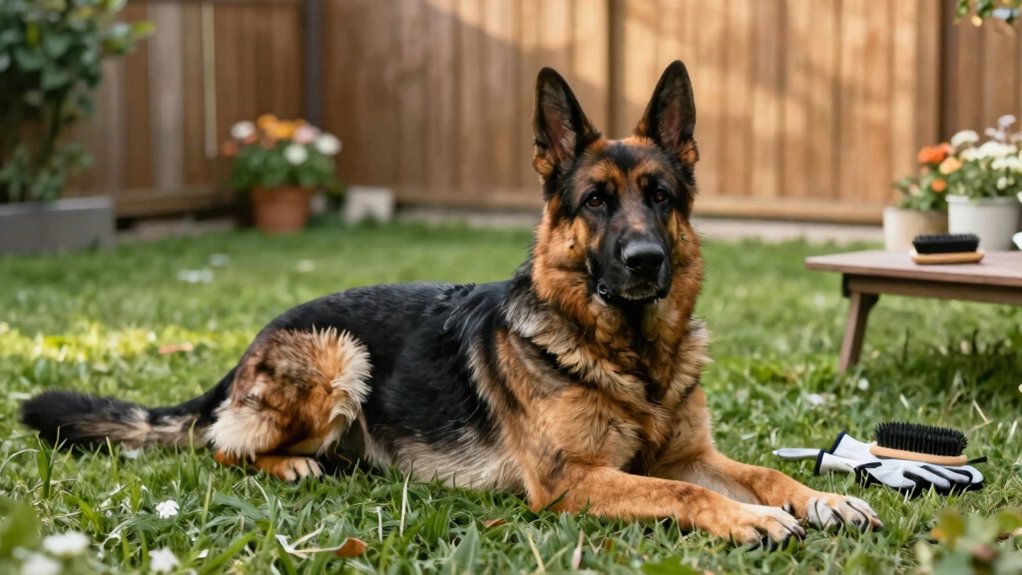
The diagnosis of hip dysplasia starts the moment you bring your German Shepherd in, because a good workup links clues in history to what the vet sees on exam.
First, you share signalment, age at onset, lameness, stiffness after rest, and how cold or wet weather worsens things.
Share your dog’s age, when symptoms began, lameness or stiffness, and how cold or wet weather seems to worsen hips.
Then you watch stance and gait, noting muscle loss, hip sway, bunny-hopping, and slow rising.
Next, the vet performs a full orthopedic exam, testing flexion, extension, range of motion, and pain.
They check joint laxity with an Ortolani (a subluxation test) and feel for crepitus or grinding.
If needed, you get hip radiographs, often with sedation, plus PennHIP in younger dogs.
Because lameness and stiffness also appear with other common health issues in German Shepherds, vets must rule out those conditions before confirming hip dysplasia.
What Hip Radiographs and Grading Mean
Once you’ve scheduled radiographs, you’re not just “taking pictures”—you’re collecting hard evidence about how your German Shepherd’s hip joint fits and how much arthritis risk they carry later.
You’ll get a hip-extended ventrodorsal view, the standard check.
Dysplasia shows up as subluxation, meaning the femoral head partly slips, plus widened or incongruent joint space.
You may also see shallow acetabula, thickened femoral neck, and head shape changes, including a reduced Norberg angle.
OFA grades range Excellent to Severe.
FCI uses A–E, worst hip first, and BVA/KC adds feature points, helping you spot laxity and later osteoarthritis risk. Veterinarians also consider rarer developmental disorders, such as pituitary dwarfism, when unusual skeletal changes appear on the films.
Severity Scores: Likely Treatment Next Steps
After your radiology report and grading, the next step depends a lot on how “severe” those numbers look, because severity score usually tracks how much hip laxity (looseness) and arthritis risk you’ll likely deal with over time.
If your score is low, you’ll focus on strict body-weight control, plus low-impact walks on leash, and swimming. You may also use omega‑3 and joint supplements.
If your dog seems painful, you’ll reassess every few months, sometimes repeating laxity measures.
For mild scores, start weight control, limit high-impact work, use NSAIDs, and add rehab.
For moderate scores, intensify care and discuss early surgery options. Keep in mind that German Shepherds go through seasonal coat blowing, a heavy shedding period that can be managed with regular brushing.
Common Tests to Rule Out Knee and Spine Issues
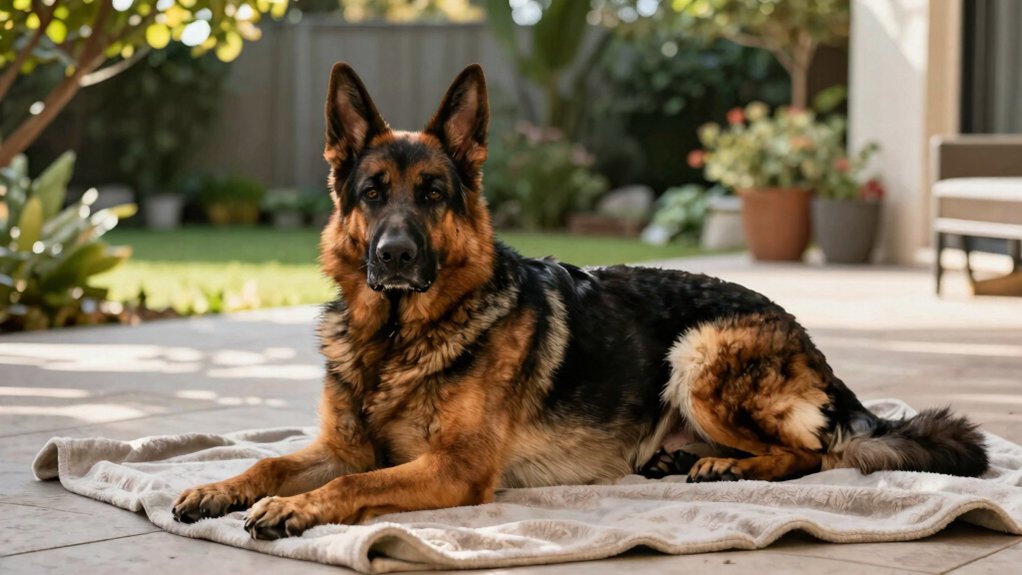
Before you blame the hips for a wobble or pain, you’ll want to rule out knee (stifle) and spine issues, because treatment changes a lot when the “source” is different.
Start with a rear-limb stifle exam.
Palpate for joint swelling (effusion) and thickened tissue, check range of motion, then flex–extend to spot crepitus, reduced motion, and odd patella tracking.
Stand back and watch weight-bearing, limb asymmetry, and muscle loss. Just as owners learn to watch for warning signs of ear problems, careful observation of posture and gait can reveal subtle changes long before a dog shows obvious lameness.
Next test cruciate and menisci: cranial drawer and tibial thrust, noting translation size and endpoint.
Also do a full neuro exam—gait, reflexes, spinal palpation—then use radiographs first, myelography, CT, or MRI if needed.
Conservative Care: NSAIDs, Rehab, and Activity Limits
With knee, spine, and nerve problems ruled out, you can start focusing on hip pain control, and that usually means a smart combo of NSAIDs, rehab, and activity limits.
NSAIDs—like meloxicam, carprofen, or deracoxib—reduce inflammation, helping your German Shepherd feel better.
NSAIDs like meloxicam, carprofen, or deracoxib can ease hip inflammation, improving comfort for your German Shepherd.
Ask your vet about the lowest effective dose, because GI, kidney, and liver risks exist, so blood tests monitor safety.
Use daily dosing only for persistent pain, and switch to intermittent when signs allow.
In rehab, strengthen glutes and periarticular muscles, add hydrotherapy, and use laser or massage.
Limit jumps, stairs, and fast runs. Low-impact mental stimulation, such as practicing basic obedience commands at home, can keep your German Shepherd engaged while physical activity is restricted.

Perfect tasty blend of Glucosamine, Chondroitin, Perna Canaliculus, and Omega-3 Fatty Acids. Dogs love the taste. They think it is treat time!

VET RECOMMENDED FORMULA – Proprietary formula with Glucosamine, Chondroitin, Organic Turmeric, MSM, HCI, and more to help improve your dog’s quality of life!

Perfect tasty blend of Glucosamine, Chondroitin, Perna Canaliculus, and Omega-3 Fatty Acids. Dogs love the taste. They think it is treat time!
Weight Management Tips to Reduce Hip Load
Keeping your German Shepherd lean is one of the smartest ways to protect their hips, and it can slow the slide from hip dysplasia into painful osteoarthritis.
Extra pounds add force to the hip, and in trotting dogs peak load hits about 65% of body weight.
So you’ll help them by aiming for a body condition score around 4.5/9 (about 2.5–2.7/5).
Weigh weekly, not monthly.
Measure meals with a kitchen scale.
Feed about 60% of maintenance calories only if they’re obese, and use low-calorie treats, under 10% daily.
Also, avoid fast puppy overgrowth.
Puppies sold at suspiciously low prices are sometimes linked to puppy scams, so ask for hip screening results before committing.
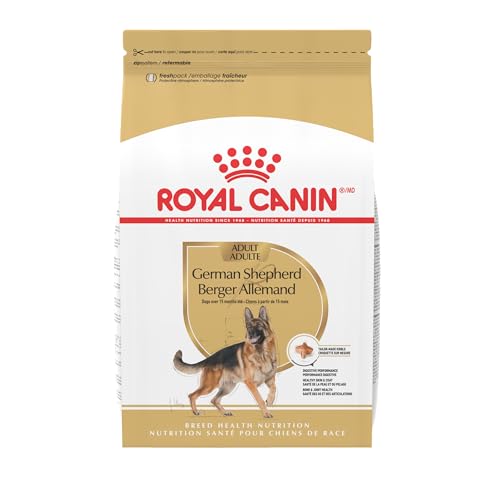
BREED HEALTH DOG FOOD: Royal Canin Breed Health Nutrition German Shepherd Adult Dog Food Dry Formula for purebred German Shepherds 15 months and older

BREED HEALTH DOG FOOD: Royal Canin Breed Health Nutrition German Shepherd Adult Dog Food Dry Formula for purebred German Shepherds 15 months and older
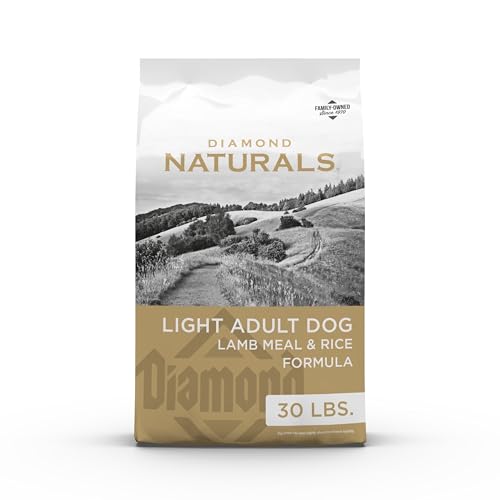
Diamond Naturals Light Adult Dog Lamb Meal and Rice dry dog food; REAL PASTURE-RAISED LAMB PROTEIN is the #1 ingredient; specially formulated with fewer calories to support the needs of LESS ACTIVE and OVERWEIGHT dogs
Exercise and Rehab Plan for Dysplastic Hips
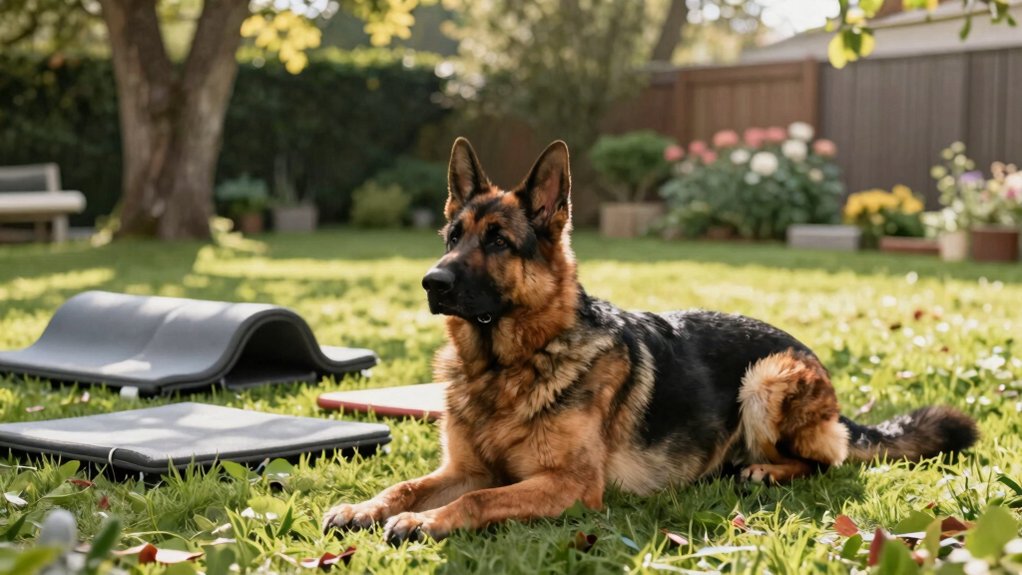
For dysplastic hips, your goal is simple, gentle movement every day, not a “big workout” that flares pain.
Stick to controlled, low-impact leash walks on soft ground, and split them into short sessions you can repeat. Keep the slow, steady pace consistent, since a relaxed walking speed is generally easier on the hip joints than trotting, running, or steep hiking.
Avoid jumping, sprinting, and rough play.
If surfaces are hard or slippery, you’ll likely increase impact, so choose safer footing.
Watch your dog’s gait and tolerance, then scale back during flare-ups and build up gradually.
Add strength and range-of-motion work: balance drills, proprioception (body-position awareness), and short, frequent exercises.
After surgery or acute flare-ups, use a sling or harness, and consider hydrotherapy or underwater treadmill for low-loading resistance.

Harness Object: The Rear Legs support Harness is designed to help your elderly, disabled, or injured dog, who are unable to navigate the stairs, has a difficult time getting up and down, needs help walking and at any risk of falling

SUPPORT HIP SLING- Loobani lift sling is a simple and effective solution for mobility especially for elderly dogs, weak hind legs, orthopedic injuries, hip dysplasia, Arthritis pain, ACL / CCL surgery or other debilitating ailments
SUPPORT HIP SLING- Loobani lift sling is a simple and effective solution for mobility especially for elderly dogs, weak hind legs, orthopedic injuries, hip dysplasia, Arthritis pain, ACL / CCL surgery or other debilitating ailments
Best Pain Control Options for Hip Dysplasia
You’ll usually start with NSAIDs (nonsteroidal anti-inflammatory drugs) for hip pain, and you’ll keep things safer by doing periodic blood work to watch kidneys, liver, and the stomach.
If you still see limping or stiffness, you’ll add adjunct pain meds like gabapentin or tramadol, because multimodal plans—NSAID plus one other—often calm pain better, especially in flare-ups.
Don’t forget the monitoring piece: track how your German Shepherd acts daily, and when symptoms don’t improve within about 7 to 14 days, you’ll talk with your vet about adjusting the doses or adding joint-support options.

MADE FOR GERMAN SHEPHERDS: a hip and joint supplement dosed by weight for a breed built to work. Devoted German Shepherd parents get a simple daily routine, 1/2 to 2 soft chews a day, from active adult years to senior. One 60 count jar delivers a full month of daily joint support at the large-breed dose.

Z Flex Minis is our small breed formula and Z Flex Max is our large breed formula. Use the drop-down menu for your breed!

Joint Health Supplement for Dogs - Cosequin is the #1 vet recommended retail joint health supplement brand▼, supporting joint health in dogs for over 25 years.
NSAID And Analgesic Monitoring
Start by using prescription NSAIDs the right way, then track how your German Shepherd responds, because good pain control only works when the kidneys, liver, and stomach stay safe.
Before you start, ask for baseline bloodwork and urine tests.
Check kidney markers like BUN and creatinine, and liver enzymes like ALT, AST, ALP.
Then recheck in 2–4 weeks, so you catch early problems fast.
After that, test again every 3–6 months, sooner if your dog is older or high-risk.
At home, watch appetite, vomiting, black stools, and drinking habits.
This care helps you serve your best friend.
Multimodal Rehab Pain Relief
Before you rely on any one “magic” pain option, build a multimodal rehab plan, because hip dysplasia pain usually improves best when you tackle it from several angles at once.
Start with structured physiotherapy, including hydrotherapy, laser, and gentle manual therapy. These build periarticular muscle, maintain range of motion, and ease pain, especially in mild or non-surgical cases.
Next, manage weight and activity. Keep your dog’s waist visible, ribs easy to feel, and use leash walks, swimming, ramps, and non-slip floors.
Add acupuncture or electroacupuncture. Studies show gold-bead acupuncture can reduce osteoarthritic pain long-term.
Do Supplements Help German Shepherd Hip Dysplasia?
Supplements can help you manage German Shepherd hip dysplasia symptoms, but they won’t fix the underlying hip shape. Think of them as support, not a cure.
Supplements can ease German Shepherd hip dysplasia symptoms, but they won’t reshape the hip—support, not a cure.
Many joint products get marketed for “cartilage repair,” yet evidence is mixed, and some experts say results are weak or inconsistent.
Some dogs do see modest less pain, better mobility, or less limping.
Glucosamine and chondroitin are common, they’re usually safe, but they don’t clearly change long-term disease.
Fish oil omega-3s have the best proof, helping inflammation and comfort.
Use supplements alongside weight control, safe exercise, and vet care.

Comprehensive Joint Chews for Dogs: Formulated to help maintain normal healthy cartilage and joint function in active dogs over the age of 12 weeks
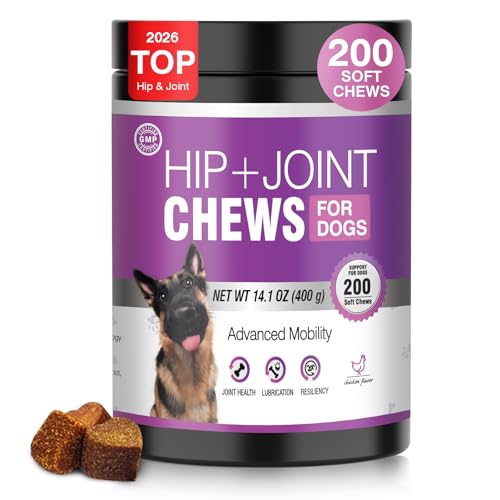
[Dog Joint Pain Relief] Dog joint and hip supplement provides relief for dogs from joint discomfort they may be facing. Dog joint chews are rich in natural ingredients. The ingredients in dog glucosamine chews can reduce discomfort and dog joint pain relief in dogs by reducing swelling and redness. Joint supplements for dogs are gentle on dog's joints and improves dog's comfort. Joint health supplement for dogs allow dogs to enjoy a happy life

Enhanced Senior Formula: This joint supplement for dogs&horses is perfect for seniors, offering increased glucosamine and hyaluronic acid to promote your pet's active lifestyle and smooth movements. Our formula is a top choice among senior dog supplements
Juvenile Pubic Symphysiodesis (JPS) for Young Dogs
When your German Shepherd is still a puppy, Juvenile Pubic Symphysiodesis (JPS) can be a smart early option for certain at-risk hips. JPS is a small surgery that closes the pubic part of the pelvic growth joint in growing dogs. You use it to reduce hip looseness, help the socket cover the thigh bone, and lower the chance of arthritis later.
Best candidates have mild to moderate laxity, a PennHIP DI about 0.40–0.69, and no existing osteoarthritis. Aim for 12–18 weeks, ideally 12–15.
You confirm laxity with PennHIP X-rays and an Ortolani test.
Pelvic and Femoral Osteotomy Choices by Age
And if you’re weighing pelvic osteotomies for your German Shepherd, aim for TPO/DPO during growth—roughly 5–12 months—because early, minimal-arthritis hips respond best.
But timing matters: you’ll usually want at least ~5 months for DPO and ~6 months for TPO, with many vets targeting TPO around 6–7 months (sometimes a window like 8–10 months) before the joint wears down.
If you’re past that, don’t assume it’s hopeless—selected dogs around 10–28 months can still improve when laxity is present but osteoarthritis is minimal, and that’s when your x-rays and exam guide the call.
Juvenile Pubic Symphysiodesis Timing
If you’re weighing juvenile pubic symphysiodesis, timing matters, because you want your puppy’s pelvis to still be growing and able to reshape the hip socket (the acetabulum). Most surgeons use 10–18 weeks, with 12–18 weeks the sweet spot. Aim to perform before 16 weeks for more predictable results.
JPS works best under 20 weeks, since pelvic growth slows; by about 17 weeks, you may have reached ~80% growth.
You also screen early, ideally 12–16 weeks, using PennHIP or X-rays to confirm mild-to-moderate laxity.
Triple Pelvic Osteotomy Suitability
You’re already thinking about how pelvic growth affects outcomes with juvenile pubic symphysiodesis, so now it helps to map the next “age window” for bigger moves like triple pelvic osteotomy (TPO).
For TPO, you usually wait at least 6 months, because pelvic bone needs strength.
Many surgeons treat best between 6–10 months, when lax hips show minimal arthritis.
For large-breed dogs, like German Shepherds, an ideal 8–10 month window often fits.
You can still consider TPO up to about 3 years, but benefit drops as degeneration grows.
You choose TPO when rims and laxity fit criteria.
Total Hip Replacement Considerations
Once your German Shepherd has outgrown the growth-dependent fixes, you’ll usually start thinking in “replacement” terms—most often total hip replacement (THR), sometimes a femoral head ostectomy (FHO).
THR usually waits for skeletal maturity, about 10–12 months, and it fits severe dysplasia or advanced osteoarthritis when pain meds, weight control, and rest fail.
And if your dog is older than a year, with osteoarthritis or chronic dislocation, you typically avoid pelvic osteotomy.
But FHO can be used at any age, it’s a salvage option to remove the painful ball.
Serve your dog by matching surgery to age, size, and damage.
When FHO or FHNO Is the Right Move?
So, when should you seriously consider FHO or FHNO for your German Shepherd’s hip dysplasia?
FHO (Femoral Head and Neck Ostectomy) and FHNO (Femoral Head and Neck Ostectomy) are salvage options, meaning they’re usually the right move only after medical care can’t control the pain and other joint-preserving or replacement surgeries aren’t realistic.
And that matters.
You’ll consider them when your dog has severe, ongoing hip pain, joint laxity, or end-stage arthritis that NSAIDs, weight control, and physical therapy can’t manage.
But you also weigh size and age—best results often come under ~17–22 kg, and mature dogs do better than immature ones.
You’ll want confirm testing first.
Total Hip Replacement for Severe, Advanced Cases
When your German Shepherd has severe hip dysplasia with advanced osteoarthritis, and pain still wins after medications, weight control, and physical therapy, total hip replacement (THR) becomes a real option.
You pursue THR when lameness is severe, and the joint damage is too far gone to fix.
THR replaces the ball and socket, using metal and plastic parts, under general anesthesia.
Most candidates are skeletally mature, often after 10 months, and otherwise healthy.
You should expect major relief in about 90–95% of dogs, but complications can reach 5–30%, so discuss risks, implant type, and careful follow-up.
How to Choose a Breeding Plan Using Hip Scores
How do you turn hip scores into a breeding plan you can trust? Start by reading OFA grades. Prefer “excellent” or “good,” and skip any dysplasia on radiographs.
Then add PennHIP DI, where lower means tighter hips and less risk. If you can, use both: many programs set DI ≤0.30 plus OFA excellent or good.
Next, use BVA/KC total hip scores, add traits for both hips, and breed only below the breed median, about 11 now. Avoid near the mean.
Also consider heritability, use family data, and favor EBVs over raw scores. Recheck medians often.
Preventing Hip Dysplasia With Growth and Lifestyle
Once you’ve chosen a breeding plan based on hip scores, you can stack the odds in the puppy’s favor with growth and lifestyle choices you control.
Keep your at-risk German Shepherd lean.
Overweight pups are nearly twice as likely to get hip dysplasia, and lean dogs face about five-fold lower risk.
Feed measured portions, not free-choice.
Overfeeding and rich, energy-dense food can speed skeletal growth, increasing risk.
Use a large-breed growth diet with controlled calcium and phosphorus.
Avoid extra calcium or vitamin D.
For exercise, aim for about 10 minutes of structured activity per month of age.
Skip stairs before 3 months, slippery floors, and rough, jumpy play.
Provide dry, draft-free rest.
Frequently Asked Questions
Can Hip Dysplasia Cause Sudden Worsening or Nighttime Crying in German Shepherds?
Yes, hip dysplasia can cause sudden worsening and nighttime crying. You may notice abrupt lameness, stiffness, or hind-end pain after rest or activity. Arthritis inflammation or injury spikes discomfort, making your German Shepherd whine, cry, or struggle to settle.
Are X-Rays Necessary if My Dog Seems Painful but Is Young?
Yes, you should consider hip X-rays if your young dog seems painful. They help you confirm or rule out hip laxity and early arthritis, guiding safer treatment. Don’t delay—get a vet to choose sedation and the right view.
Will Hip Dysplasia Always Affect Both Hips or Only One Side?
Hip dysplasia won’t always hit both hips. Like a seesaw that tilts one way first, about 35% of affected dogs show unilateral signs. You still examine both sides, because pain can switch as arthritis changes.
What Lifestyle Changes Help Prevent Arthritis Progression Beyond Medication?
You can slow arthritis progression beyond medication by keeping lean body condition, feeding measured balanced calories, and using daily low-impact walks or swimming. Avoid running, jumping, and rough play, and use non-slip floors, ramps, and soft warm bedding.
When Should I Consider Orthopedic Referral if Conservative Care Isn’T Helping?
When conservative care stops helping, don’t wait—like a boat leaking water, you act fast. Refer if pain, lameness, or muscle atrophy persists ~6 weeks, or if imaging shows worsening/moderate-severe arthritis.