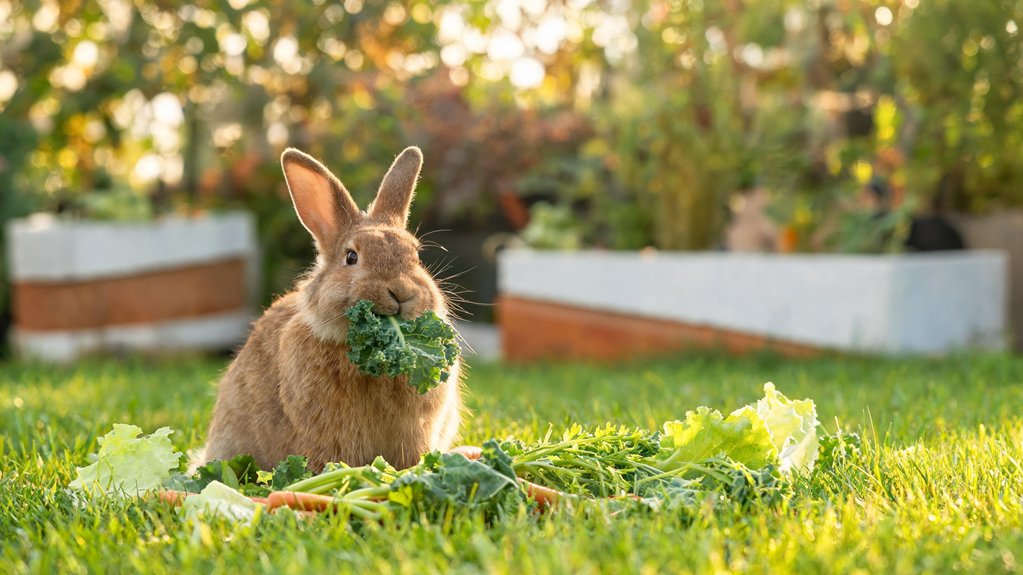
Yes, rabbit protein can be great for dogs, especially if they have food sensitivities. You’ll often see rabbit used as a “novel” protein, meaning your dog may’ve never had it before, so it can help with multi-protein allergies. It’s lean, so it supports weight control and lean muscle, and it’s usually easy to digest for steadier stools. It also contains complete amino acids, B vitamins, and key minerals. For best results, introduce slowly and try for 6–12 weeks—there’s more to know if you keep going.
Swift Summary
- Rabbit protein is a novel, generally hypoallergenic protein option that can help dogs with multi-protein food sensitivities.
- It’s often easier to digest for sensitive stomachs, supporting steadier stools when introduced gradually.
- Rabbit is lean and high in quality protein, which may support lean muscle maintenance and weight control.
- Limited-ingredient rabbit-and-carbohydrate diets are commonly used in elimination trials for suspected allergies or IBD under vet guidance.
- Choose safe feeding forms (kibble/canned for most dogs); raw adds germ/parasite risks and requires extra caution.
Is Rabbit Protein Good for Dogs?
If your goal is to find a new food or treat that your dog might actually do well on, rabbit protein is a great place to start. You’ll often hear “is rabbit protein good for dogs?” because it’s a novel protein, meaning most dogs haven’t eaten it often before. That can help you manage multi-protein allergies and chronic skin or tummy sensitivities. And because it’s lean, it supports weight control and heart-friendly feeding. Plus, it’s packed with protein and is generally easy to digest, which can mean steadier stools. High protein is also one of the key benefits of Shepherd Boy Farms Freeze Dried Raw Dog Food made with rabbit. Always introduce slowly, and check with your vet first.
What Nutrients Come From Rabbit Protein?
Rabbit protein brings a lot more to the table than “just meat.” It gives your dog a complete amino acid profile, which means it contains all the building blocks the body needs to maintain muscle and repair tissues. And with around 18.6–22.4 g protein per 100 g, you get a protein-dense option that stays digestible. Rabbit is naturally hypoallergenic and can be a great choice for dogs who struggle with food sensitivities or itchy skin. Next, rabbit benefits for dogs include B vitamins, especially B12, niacin (B3), and B6, which support energy, nerves, and red blood cells. You’ll also find key minerals like iron, selenium, phosphorus, magnesium, potassium, and zinc, plus lean fats with omega-3 support. Always check with your vet before changes.
Why Rabbit Supports Lean Muscle and Recovery
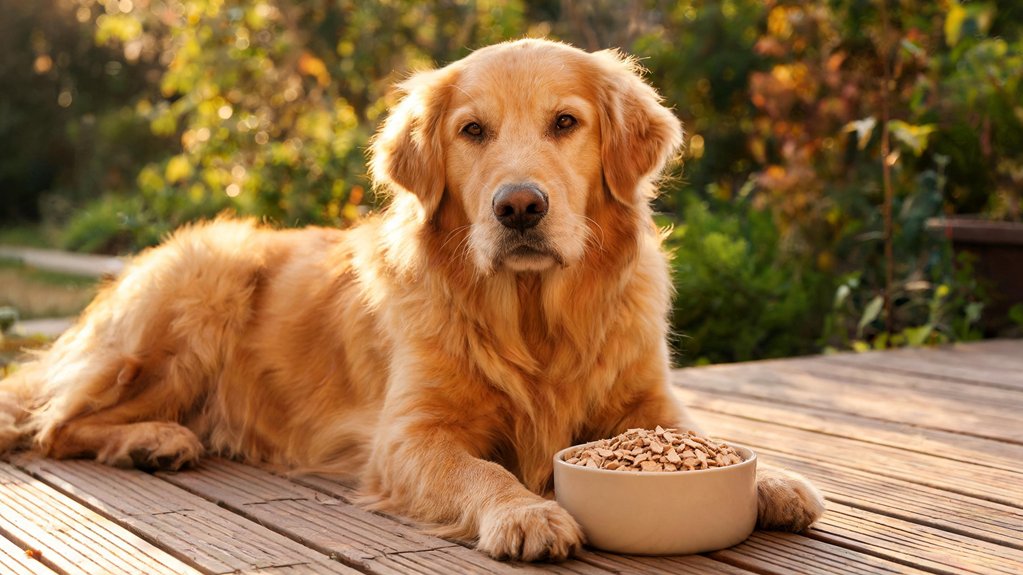
You’ll support lean muscle when your dog eats rabbit, because it’s naturally very lean, high in protein, and packed with essential amino acids (building blocks for tissue repair).
And since rabbit is highly digestible, you’re more likely to keep nutrients coming in smoothly, which helps recovery after workouts or any rough days.
But if you’re switching diets or using rabbit-based treats for allergies or a sensitive stomach, check with your vet first—especially if your dog’s ever reacted to new foods.
Lean Muscle Maintenance
Lean protein helps your dog keep strong muscles, and rabbit fits that job really well. If you’re searching “rabbit for dogs,” here’s why it matters for lean muscle maintenance.
Rabbit meat is high in protein—often about 18.6–22.4g per 100g—and it’s naturally lower in fat. That combo helps you support muscle without adding extra calories.
Plus, rabbit protein contains essential amino acids, including lots of lysine and branched-chain amino acids, which your body uses for muscle protein synthesis.
“Easily digestible” means fewer issues in the gut, so nutrients reach muscle consistently.
Always check with your vet before changes.
Recovery With Complete Protein
When your dog’s body is stressed—after hard play, surgery, or an illness—recovery matters as much as the “work” itself. If you’re wondering, is rabbit good for dogs for this? Yes.
Rabbit is a novel, highly digestible complete protein, meaning it contains all essential amino acids. Those building blocks help repair tissue, support muscle and connective fibers, and speed healing.
Because rabbit protein is lean and easy to digest, your dog’s gut works less, so more energy goes to recovery.
Plus, is rabbit good for dogs with allergies? It’s often gentler, helping reduce inflammation that can slow healing.
Always check with your vet.
Rabbit for Itching, Vomiting, and IBD
If your dog gets itchy skin, sore paws, or recurring vomiting, rabbit protein is often one of the first “food trial” options vets discuss.
When you’re asking, “is rabbit good for dogs with allergies,” think of food allergy signs like pruritus, plus tummy upset.
Rabbit-based hypoallergenic diets use one protein, often rabbit plus rice, to reduce immune reactions that trigger itching.
For vomiting or diarrhea, switch to a limited-ingredient rabbit-and-carbohydrate formula, and try 6–12 weeks.
Some owners also ask their vet about probiotic supplements to help rebalance gut flora after stress or antibiotic use during a diet change.
For suspected IBD, controlled elimination diets with novel proteins like rabbit may lower antigen exposure.
Always ease in gradually, and check with your vet first.
When Is Rabbit a Good Novel Protein?

Rabbit can be a really helpful “novel protein” choice for your dog, especially during an elimination diet. Novel protein means a food source your dog hasn’t eaten much before. Because rabbit is uncommon in most dog foods, it can help you avoid repeating allergens.
You can use rabbit when your dog reacts to common proteins like chicken, beef, or lamb. Many vet-formulated rabbit and rice diets keep ingredients limited, so you can spot triggers faster.
If you’re asking is raw rabbit good for dogs, ask your vet first, and shift slowly over 7–10 days. Watch your dog’s stools closely during the switch, since changes in gut motility often show up first.
Rabbit for Skin, Itching, and Ear Issues
After you’ve considered rabbit as a novel protein for an elimination diet, you’ll probably notice it can also help with skin and ear problems.
Food allergies often show up as itchy skin, especially around the ears, rear, and feet, and that itching can lead to sore spots.
You switch to a rabbit and rice or other rabbit-based hypoallergenic diet, then watch closely for 8–12 weeks.
That strict single-protein plan helps you answer why are rabbit ears good for dogs.
When you feed rabbit, many dogs scratch less, and their ear inflammation may calm.
Always check with your vet first.
How Rabbit Affects Digestion and Stool Quality
When you switch your dog to rabbit, you’re not just changing flavors—you’re changing what their gut has to digest.
Is rabbit easy to digest for dogs? Often, yes. Rabbit is lean, so fat usually won’t trigger loose stools. It also works well as a novel protein, meaning fewer ingredients help lower irritation in the intestinal lining.
Still, introduce it gradually, because sudden changes can cause short-term vomiting or diarrhea. Owners who care for rabbits often use products that support gut motility in their pets, but for dogs, a slow diet transition is usually the safest first step.
For raw meals, fur and extra bone can make stools drier or chalky. Add warm water or low-sodium broth, or swap 15–25% with boneless rabbit to soften.
With pumpkin, you may see more regular, easier stools.
Rabbit vs Chicken or Beef for Common Allergies
If your dog keeps scratching, licking their paws, or getting recurring ear trouble, food allergies might be the culprit—and the protein you choose matters.
You’ll often find is rabbit or beef better for dogs when chicken and beef cause issues.
Beef shows up as a top allergen in many adverse food reaction cases, while chicken is also common.
Rabbit appears far less often, so it’s a strong option.
Still, rabbit isn’t risk-free.
Still, rabbit isn’t risk-free—proteins can cross-react, so follow a vet-guided elimination diet to be sure.
Because meat proteins can cross-react, you should run a vet-guided elimination diet for 8–12 weeks.
Kibble, Canned, or Raw: Which Rabbit Form Wins?
You’ve got three smart rabbit options, so think about your dog’s routine first.
Kibble gives steady, balanced daily nutrition, canned adds extra hydration support, and raw can work great but only if you plan a careful change—ideally over 7–14 days—so your dog’s stomach can keep up.
Whichever form you choose, check with your vet first, especially if your dog has allergies or a sensitive gut.
Kibble: Balanced Daily Nutrition
Kibble can be a smart, steady daily choice when you want “rabbit for dogs” to do the work every day.
Pick a rabbit kibble balanced complete diet, meaning it already includes vitamins, minerals, and a fiber blend for daily maintenance.
It uses single rabbit protein, so you reduce exposure to common allergens like corn or wheat in some formulas.
You also get prebiotics, which are “food for good gut bacteria,” to support digestion.
With controlled energy, you help maintain lean body mass and easier weight management.
For sensitive stomachs or food sensitivities, use vet-approved portions and switch gradually.
Canned: Extra Hydration Support
Canned rabbit food can be a hydration powerhouse for dogs, especially when you’re trying to help them drink more without extra work on your end.
In canned rabbit diets, the moisture content is typically about 70–80%, far above kibble’s roughly 10–12%. That extra water helps support kidney and urinary health, because it reduces how hard the body has to work to manage fluids.
It’s also great in hot weather, and it can boost satiety, so you’re less likely to overfeed.
Serve measured portions, and check with your vet before any diet change.
Raw: Gradual Transition Considerations
If you’re thinking about adding raw rabbit to a dog’s diet, start with a gradual adjustment, not a sudden swap.
Many people worry raw rabbit bad for dogs, but the risk drops when you phase slowly. Aim for at least 7–10 days.
Start with 10–25% raw rabbit mixed with the old food, then increase by 10–25% each day, watching stool, gas, and any mucus.
You can even feed morning raw, evening old, early on, so you spot issues faster.
If your dog eats highly processed kibble, stretch to 2–4 weeks.
Always check with your vet first.
How to Transition Your Dog to Rabbit
Before you switch your pup to rabbit, pause and plan it—talk with your vet first, especially if your dog has skin itching, stomach upset (vomiting or loose stool), or you suspect a food allergy.
To learn how to transition your dog to rabbit safely, use a gradual schedule. Days 1–3: 75% current food, 25% rabbit-based diet.
Days 4–6: 50/50.
Days 7–9: 25% current, 75% rabbit.
Day 10+: 100% rabbit if stool stays firm.
If digestion gets sensitive, slow to up to two weeks, and track weight, energy, and comfort.
Raw Rabbit Risks: and How to Reduce Them
When you feed raw rabbit to your dog, you’re choosing a food that comes with real risks—mostly germs, parasites, and injury from bones. Is raw rabbit bad for dogs? It can be.
Feeding raw rabbit poses risks—germs, parasites, and bone-related injury—so it can be bad for many dogs.
Raw rabbit may carry Salmonella, Listeria, toxigenic E. coli, Campylobacter, and Clostridium, and freezing won’t reliably remove them.
Avoid raw diets for puppies, seniors, or dogs with weakened immune systems.
Rabbits can also carry tapeworms, tularemia, and even coccidia from organs.
Plus, bones can cause choking or blockages, so don’t feed unsupervised.
To reduce risk, use purpose-raised sources, handle safely, portion small, and ask your vet first.
How to Pick Rabbit Foods for Sensitive Stomachs
Picking a rabbit food for a sensitive stomach gets easier once you know what to look for—so start with the label basics and go slowly.
Now, here’s how to pick rabbit foods for sensitive stomachs: choose a limited-ingredient, single-protein formula where rabbit is the only animal protein.
Next, scan for grain-free, gluten-free, and recognizable vegetables, like potato, to support digestion.
Rabbit is a novel protein, meaning your dog may have had little or no exposure, which can help with food reactions.
Introduce the new diet gradually over 7 days, and ask your vet before switching.
Monitor stools and energy closely.
Frequently Asked Questions
Is Raw Rabbit Good for Dogs, or Should I Avoid It?
You should avoid raw rabbit: it can carry Salmonella/E. coli and rarely tularemia, plus bones or fur may cause choking or stomach upset. If you want rabbit, choose cooked, boneless portions, and check with your vet first.
Is Rabbit Bad for Dogs With Bone-Heavy Raw Grinds?
Rabbit is often fine for dogs, but bone-heavy raw grinds can be risky. You should avoid big bone portions, watch for choking, constipation, or vomiting, and check ingredients with your vet before feeding.
Is Rabbit Good for Dogs With Allergies, and How Long Should I Try It?
Yes, rabbit can be good for dogs with allergies as a novel protein; you should try a strict rabbit-based elimination diet for 8–12 weeks, then confirm with your vet before adding anything back.
Is a Rabbit Ear or Foot Safe for Dogs, and What’s the Risk?
Rabbit ears and feet can be safe for dogs, but you’ve got risks: ears can splinter or choke; feet can splinter or block. Offer one at a time, supervise closely, and choose additive‑free, air‑dried chews. Ask your vet.
Why Are Rabbit Ears Good for Dogs Compared With Other Chews?
Rabbit ears are good for dogs because they’re lean, chewable, and long-lasting. You’ll scrape plaque as your dog chews, get gentle fiber from the fur for digestion, and support sensitive stomachs with a simple rabbit protein.