Most rabbit sneezes are harmless reflexes from dust or mild irritants, like hay chaff or bedding dust. If you see only 1–2 quick sneezes, with clean or dry nostrils, normal appetite, and no noisy breathing, you can watch and improve airflow.
But if sneezing becomes frequent or forceful, or you notice snoring or wheezing, watery to thick yellow or green mucus, crusted nostrils, eye discharge, or no eating or poop for 12 hours, call a rabbit-savvy vet. The why matters, and there’s more to learn.
Swift Summary
- Occasional one or two mild sneezes with normal appetite often come from dust, hay, scents, or temporary environmental irritation.
- Repeated, forceful sneezing, especially over days, commonly signals snuffles or another upper respiratory infection.
- Thick yellow/white nasal mucus, crusting around nostrils, or soiled forelegs are worrying signs needing prompt veterinary evaluation.
- Eye discharge (watery to mucoid/puslike), squinting, or eyelid crusting can indicate an infection spreading beyond the nose.
- Seek emergency care if breathing becomes noisy/labored or if your rabbit refuses to eat or stops defecating for over 12 hours.
Normal vs Worrying: How to Judge Rabbit Sneezing
So, before you panic, take a quick “pattern check” on your rabbit’s sneezing to determine whether it’s a normal or worrying sign. First, compare typical rabbit sneezing patterns versus concerning symptoms.
Occasional one or two sneezes, especially when no other signs of illness are present, often result from mild irritants such as dust, strong scents, or environmental allergens. This is usually not a cause for alarm and can be alleviated by cleaning the habitat or removing potential irritants.
However, repeated, forceful sneezes—commonly referred to as snuffles—indicate a probable upper respiratory infection that requires prompt attention. respiratory infections can become fatal if left untreated, so it’s important not to wait too long once symptoms appear.
Pay close attention to the timing of the sneezing: if it gradually increases over several days, or if accompanied by snoring, wheezing, or rattling sounds, these are signs that your rabbit needs veterinary evaluation.
Observe the nature of any nasal or eye discharge. Clear, brief moisture is generally less serious, but thick, puslike crusting, watery eyes, or crusted eyelids suggest a possible bacterial infection and require professional diagnosis and targeted treatment.
Additionally, fast, labored breathing is an urgent concern that demands immediate veterinary care to prevent complications or respiratory distress.
By recognizing these signs early and consulting with a qualified exotic pet veterinarian, you can ensure your rabbit receives the appropriate treatment, whether it’s environmental modifications or medication, for quick recovery and improved quality of life.
Protect your beloved pet with proactive monitoring and timely intervention.

SOFT TEXTURE & SWEET FLAVOR: With its soft texture and naturally sweet flavor, Orchard grass hay appeals to rabbits, guinea pigs, and small herbivores; This high-fiber hay supports healthy digestion while encouraging natural chewing behaviors

SOFT TEXTURE & SWEET FLAVOR: With its soft texture and naturally sweet flavor, Alfalfa hay appeals to rabbits, guinea pigs, and small herbivores; This high-fiber hay supports healthy digestion while encouraging natural chewing behaviors

PROUDLY GROWN IN THE USA: Harvested fresh from Oxbow?s family of farms by our expert hay growers˜
What “Normal” Sneezing Looks Like Day to Day
When your rabbit experiences “normal” day-to-day sneezing, you’ll typically observe one or two quick, mild sneezes, followed by extended periods of calm, steady breathing.
During these episodes, you should notice clean, dry nostrils, which indicate a lack of excess moisture or discharge, and a strong appetite, reflecting your rabbit’s good overall health.
Additionally, their droppings should remain normal in size, shape, and consistency, with only brief, natural bursts of sneezing occurring after exposure to dusty hay, burrowing activities, or during cleaning.
It’s important to monitor your rabbit for signs of persistent sneezing beyond the usual short episodes, as continuous, frequent sneezing throughout the day can signal underlying health issues such as allergies or upper respiratory infections.
Furthermore, if your rabbit stops eating, or if there’s a noticeable decrease or absence of droppings combined with ongoing sneezing, immediate consultation with a rabbit-savvy exotic vet is crucial.
Prompt professional intervention ensures accurate diagnosis and effective treatment, helping your pet recover quickly and maintain optimal respiratory health.
Taking proactive steps with veterinary guidance can prevent minor irritations from developing into serious health conditions.

ODOR CONTROL for long-lasting freshness, Kaytee Clean & Cozy can be used with any type of habitat for a fresh animal home

ODOR CONTROL for long-lasting freshness. Kaytee Clean & Cozy can be used with any type of habitat for a fresh animal home

ODOR CONTROL for long-lasting freshness. Kaytee Clean & Cozy can be used with any type of habitat for a fresh animal home.
Occasional Dust Irritant Sneezes
In day-to-day life, occasional dust-triggered sneezes can occur in healthy rabbits and are often brief and predictable. You might notice these sneezes right after handling dusty hay, bedding materials, or when your rabbit digs and burrows in their enclosure. Typically, you’ll see a single sneeze or a quick cluster of sneezes that stop once the dust clears, and during this time, your rabbit remains bright, with quiet breathing and a relaxed posture. These are normal reactions to environmental dust and generally don’t indicate serious health issues.
However, if your rabbit experiences frequent or persistent sneezing after exposure to dusty hay, old bedding, wood shavings, or indoor sprays, this is likely a sign of irritation and environmental sensitivity. To ensure your rabbit’s health and comfort, consider switching to hypoallergenic bedding, using dust-free hay, and minimizing exposure to airborne irritants. In addition, rhinitis can be triggered by environmental irritants.
Monitoring your rabbit’s sneezing frequency and the environment they’re in allows you to identify and reduce potential allergens effectively. Implementing these simple, targeted solutions can greatly improve your rabbit’s well-being and prevent ongoing respiratory discomfort.
Clean Nostrils, Normal Appetite
If Your rabbit has clean nostrils, normal breathing, and a steady appetite, an occasional isolated sneeze is typically just a reflex and not an immediate emergency.
When you’re asking, “Why is my rabbit sneezing,” it’s important to evaluate the entire day rather than focusing on a single moment.
Common causes for rabbit sneezing include grooming behaviors, exploring their environment, or encountering a tiny irritant that quickly passes.
In cases of normal sneezing, you’ll observe no mucus or crusts around the nostrils, no noisy wheezing sounds, and no discharge from the eyes.
Your rabbit should continue to eat hay, leafy greens, and produce normal droppings.
If your rabbit persists in sneezing or shows signs of a decreased appetite, it’s crucial to seek veterinary care from a rabbit-savvy exotic animal veterinarian immediately.
Similarly, if your rabbit refuses to eat or poops for more than 12 hours, treat this as an urgent health concern and take swift action.
For continuous reassurance and to prevent potential respiratory issues, consider investing in high-quality rabbit health supplements and environment-enhancing products that reduce irritants.
Regular health check-ups with a specialized vet can help you maintain your rabbit’s overall well-being, ensuring they stay free from sneezing episodes and related respiratory concerns.
Short Bursts After Cleaning
After you clean or add new bedding such as fresh hay, straw, wood shavings, or litter, it’s common for your rabbit to sneeze in short bursts, similar to a quick “pardon me” reflex, as dust or tiny particles become airborne.
This sneezing pattern typically indicates that irritants like fine dust or debris from bedding materials are temporarily affecting your rabbit’s respiratory system.
Usually, you’ll observe one or two sneezes within about an hour after cleaning, and then no further symptoms for the rest of the day.
To ensure your rabbit’s comfort and health, make sure that lingering fumes and dust don’t remain in the environment.
Ventilate your living space thoroughly and allow all surfaces to fully dry before reintroducing your rabbit to the area.
If sneezing continues persistently or your rabbit shows signs of irritation, discomfort, or respiratory distress, it’s essential to consult a veterinarian specializing in exotic animals, particularly one experienced with rabbits.
An experienced rabbit-savvy exotic vet can assess for underlying allergies, infections, or other health issues and recommend appropriate treatment options or high-quality, dust-free bedding solutions to prevent future respiratory irritation.
Prioritize a clean, well-ventilated habitat with respiratory-safe bedding to promote your rabbit’s overall health and well-being.
Snuffles Signs: Nasal and Eye Discharge to Watch For
And if you’re seeing watery or thick nasal discharge in your rabbit, it’s crucial to monitor closely—early signs of snuffles, an upper respiratory infection, can appear as clear or thin mucus but often progress to thick, mucusy, and yellow or green discharge, accompanied by crusts around the nostrils or on the forepaws. Recognizing these symptoms early can make a significant difference in effective treatment and recovery.
Don’t overlook the importance of monitoring your rabbit’s eyes, either. Watery, runny eyes can be an initial sign of infection, but if the discharge becomes mucoid or pus-like, and if you notice redness, squinting, or matted fur near the eyelids, it’s essential to seek prompt veterinary care from a rabbit-savvy, exotic animal veterinarian. Early intervention can prevent escalation and more serious complications.
Additionally, be vigilant for signs of respiratory distress, such as noisy breathing, which may include sneezing, snoring, or wheezing sounds. If your rabbit shows any signs of decreased appetite or stops pooping for more than 12 hours, treat the situation as an emergency.
Immediate veterinary attention can provide targeted treatment options—including antibiotics, supportive care, and environmental adjustments—to help your rabbit recover swiftly and prevent long-term health issues.

ALL-NATURAL RESPIRATORY SUPPORT An all-natural, homeopathic oral liquid designed to support respiratory health in bunnies, offering gentle daily care without harsh...
Watery Or Thick Nasal Discharge
Watery or thick nasal discharge is one of the clearest signs of respiratory issues, or “snuffles,” that you can observe at home. Thin, watery fluid often indicates early rhinitis or simple irritation caused by environmental factors such as dust from hay or water droplets.
If the nasal discharge remains clear and your rabbit only sneezes intermittently, it may be a temporary reaction. However, if the watery discharge increases in volume, or if your rabbit becomes less active, exhibits changes in breathing patterns, or shows signs of distress, these can be indicators of a developing bacterial infection or more serious respiratory disease.
Thick, yellowish or whitish mucus, often accompanied by dried crusts around the nostrils and soiled forelegs, is the classic presentation of snuffles. It’s crucial to seek prompt veterinary intervention from a rabbit-savvy exotic veterinarian if you notice these symptoms.
Early diagnosis and treatment can prevent complications and improve your rabbit’s recovery chances.
Additionally, if your rabbit refuses to eat or defecates for more than 12 hours, consider this an emergency condition requiring immediate veterinary care.
Investing in professional treatment and consultation with an experienced exotic vet ensures the proper management of respiratory infections like snuffles, safeguarding your rabbit’s health and well-being.
Eye Discharge And Conjunctivitis
Eye discharge can appear alongside sneezing and nasal snuffles, so if you’re already monitoring for watery or thick nasal mucus, be sure to also check your rabbit’s eyes thoroughly. Look for signs such as excessive tearing (epiphora), wet fur at the inner corners of the eyes, or discharge that appears white or yellow, often accompanied by crusting on the eyelids. These symptoms can indicate underlying eye issues that require prompt attention.
Red, swollen conjunctiva, combined with a significant buildup of ocular gunk, is a strong indicator of bacterial conjunctivitis, which can sometimes be associated with pasteurellosis. Severe discharge may cause eyelids to stick together, making it difficult for your rabbit to open its eyes properly. Early detection and treatment are crucial to prevent complications and ensure your rabbit’s comfort.
If you notice these symptoms, contact a veterinarian who specializes in exotic animals immediately. A rabbit-savvy veterinarian can provide targeted treatment options such as antibiotic ointments or drops, and address any underlying infections.
Noisy Breathing With Sneezing
When your rabbit sneezes and also exhibits noisy breathing, it’s crucial to act quickly, as this combination often indicates an upper respiratory issue such as snuffles.
Recognize that it’s typically accompanied by nasal discharge, which can range from clear watery drip to thick, yellow, or crusty mucus, signaling a potential infection.
Pay close attention to additional symptoms like wheezing, raspiness, or coarse snoring sounds emanating from your rabbit’s nose.
If the breathing becomes noticeably loud or labored, or if sneezing occurs repeatedly alongside thick, crusty, or colored nasal discharge, it’s time for immediate intervention.
Early signs such as watery nasal drip and mucus or pus—often cream-colored—are signs of a progressing and more serious respiratory infection.
Evaluate your rabbit’s overall condition; look for signs like dullness, reduced appetite, or lethargy.
These indicators suggest the condition may be worsening and require prompt veterinary attention.
Consult a rabbit-savvy exotic veterinarian without delay to determine the most effective treatment plan, which may include antibiotics, supportive care, or environmental adjustments.
Remember, if your rabbit stops eating or pooping for more than 12 hours, treat this as an emergency.
Seek urgent veterinary care to prevent complications and ensure a swift recovery.
Proper diagnosis and early treatment are critical in resolving respiratory infections and restoring your rabbit’s health and comfort.
Environmental Irritants That Trigger Frequent Sneezes
Many common environmental irritants in your home and rabbit habitat can cause frequent sneezing in your beloved pet. These airborne particles typically originate from irritants such as dusty hay, fine bedding dust, and chaff found in the bottom of hay bags, which quickly inflame your rabbit’s sensitive nasal passages.
Additionally, sawdust, dusty wood bedding, and aromatic pine or cedar shavings release airborne oils and fine particles that can irritate and inflame the airways, leading to discomfort and respiratory issues.
Avoid sawdust and pine or cedar shavings; their airborne oils and fine particles can inflame your rabbit’s airways and cause respiratory discomfort.
In busy rabbit rooms with high foot traffic, accumulated fur, feed bits, and litter dust further clog the air and contribute to sneezing occurrences.
Chemicals in your environment also play a significant role—scented candles, perfumes, essential oils, and aerosol cleaning products release irritants that exacerbately impact your rabbit’s respiratory health, especially in enclosed or poorly ventilated spaces.
Smoke from cigarettes or wood stoves, along with ammonia fumes from soiled bedding near the cage floor, heighten the risk of respiratory irritation and sneezing episodes.
For optimal health, it’s crucial to minimize exposure to these environmental triggers and use rabbit-safe cleaning alternatives.
If your rabbit stops eating or pooping for more than 12 hours, treat it as an emergency and consult with a rabbit-savvy exotic veterinarian immediately to ensure prompt and effective treatment.
Protecting your rabbit from these airborne irritants not only reduces sneezing but also promotes overall respiratory well-being and longevity.

RESPIRATORY SUPPORT SUPPLEMENT FOR SMALL PETS: HomeoPet Nose Relief for small animals may help relieve certain nasal and sinus-tract issues. It may also help soothe symptoms like congestion, a runny nose, sneezing, and nasal irritation.
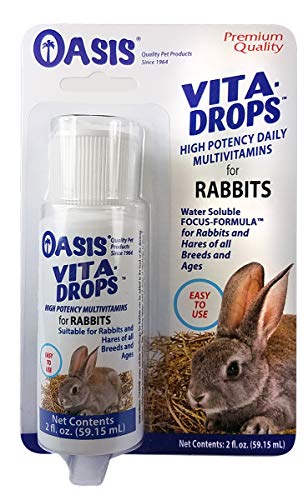
PROMOTES OVERALL HEALTH: Specially formulated to provide rabbits the essential vitamins and antioxidants supports joints & bones, improves skin & coat health, and is easy to digest.

Rabbit Nutri-Drops W/Pump Made in USA.
Foreign Bodies and Tooth Issues Behind Repeated Sneezing
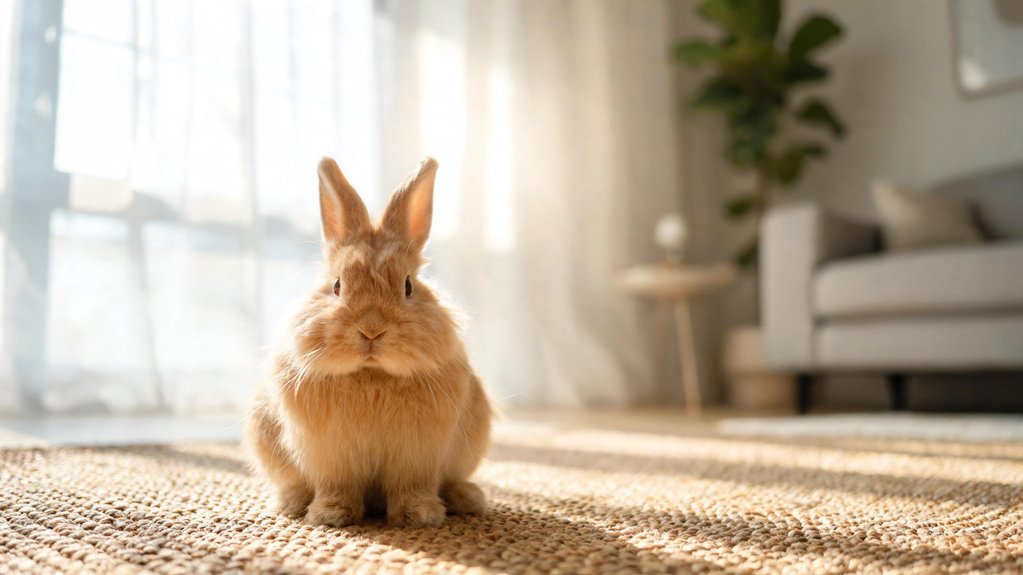
If your rabbit’s persistent sneezing continues, it could be caused by a foreign body such as a strand of hay, bedding, or other debris lodged in the delicate nasal passages. This foreign matter can trigger repeated sneezing episodes accompanied by watery or mucous discharge, indicating irritation or obstruction.
To address this issue promptly, consider consulting a specialized exotic advantage rabbit veterinarian who can perform thorough diagnostics and safely remove the foreign object.
Additionally, don’t overlook the potential for dental problems, particularly tooth-root infections or abscesses, which can expand into the surrounding nasal cavities. These dental issues often result in chronic nasal discharge, facial swelling, and noisy breathing, significantly impacting your rabbit’s health and quality of life.
Early intervention with skilled exotics dental care can effectively resolve the problem and prevent further complications.
In any case, immediate veterinary attention is crucial if your rabbit isn’t eating or drinking and hasn’t pooped for over 12 hours. This could indicate a serious underlying condition requiring urgent treatment.
Invest in professional veterinary services specializing in rabbit health to ensure your pet receives the appropriate diagnosis, treatment, and ongoing care needed to restore its well-being.

HAND-SELECTED TIMOTHY HAY FOR RABBITS, GUINEA PIGS, CHINCHILLAS, & SMALL ANIMALS to ensure long fiber strands and proper leaf to stem ratio
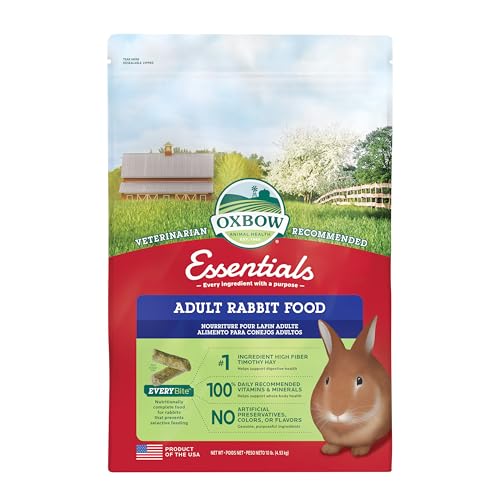
COMPLETE NUTRITION IN EVERY BITE: Oxbow EVERYBite foods are specially formulated to deliver balanced, complete nutrition in every serving; Each bite ensures your rabbit gets the essential vitamins and minerals needed for a healthy, active, and happy life

Sudden Hay Or Bedding Lodging
Sudden rabbit sneezing often indicates that foreign material, such as hay particles, bedding debris, or bedding-litter mix, has become lodged in the nasal passages, causing mechanical irritation.
This is especially common after intense hay feeding, fresh bedding changes, or bedding applications that introduce finer particles into the environment.
You’ll notice sneezing episodes cluster immediately following behaviors like sniffing, chewing, or nose-burying, as these actions often displace hay, straw, wood shavings, or litter into narrow nasal passages.
This irritation can trigger sudden, vigorous sneezing fits and may be accompanied by nose rubbing, a front-paw “mess,” or discharge that initially appears watery and later thickens.
If your rabbit’s sneezing persists despite changing out hay and bedding materials or shows signs of being unilateral (worse on one side), it’s crucial to seek prompt consultation from an experienced exotic veterinarian specializing in rabbit health.
Immediate veterinary care is essential if your rabbit stops eating or pooping for more than 12 hours, as these could be signs of more serious respiratory or gastrointestinal issues.
Ensure a safe, clean environment and timely professional intervention to prevent potential complications and support your rabbit’s respiratory well-being.
Dental Root Infection Nasal Spread
Because your rabbit’s teeth sit so close to the nasal area, a dental root infection can cause repeated sneezing that closely resembles a persistent cold.
The upper cheek teeth, which are critical for chewing and dental health, are situated near the maxillary sinuses—air-filled cavities located behind the nose—and the nasal passages.
When a tooth root becomes inflamed or develops an abscess, an infected pocket of pus can irritate the nasal tissues, leading to frequent sneezing, nasal discharge, and ongoing discomfort.
The proximity of these structures also affects the nasolacrimal duct, responsible for draining tears from the eyes into the nose.
If pus from a dental abscess tracks along nearby tissues, you may notice one-sided, thick nasal discharge, indicating a possible complication.
Early detection and prompt intervention are essential to prevent further complications and ensure your rabbit’s wellbeing.
If you notice your rabbit experiencing a sudden loss of appetite or not passing stool for over 12 hours, seek emergency veterinary care immediately.
Consult a rabbit-savvy exotic pet veterinarian to diagnose the root cause accurately and initiate effective treatment, which may include dental procedures, antibiotics, or other specialized therapies.
Protect your rabbit’s health by investing in professional veterinary evaluation and personalized treatment solutions to address dental root infections and nasal spread effectively.
Chronic Discharge, Facial Swelling
When your rabbit exhibits persistent sneezing along with chronic nasal discharge—especially accompanied by facial swelling—it’s crucial to take immediate action. Don’t dismiss these signs as mere irritation from dusty hay; instead, recognize them as potential indicators of underlying health issues requiring prompt veterinary intervention.
Chronic, unilateral mucus—whether white, yellow, or bloody—often signals the presence of a nasal foreign body, such as hay particles, seeds, or hair, lodged near the soft palate.
This debris can lead to sinusitis, characterized by inflamed sinuses and associated discomfort. Additional symptoms may include noisy or labored breathing, frequent nose wiping, and progressive facial swelling.
These signs warrant a thorough evaluation by a rabbit-savvy exotic veterinarian to identify and treat the root cause effectively.
Dental disease can mimic these symptoms, presenting with cheek or jaw swelling, excessive drooling, watery eyes, and messy chewing behaviors.
To ensure your rabbit’s health and prevent further complications, seek professional veterinary care promptly.
If your rabbit stops eating or pooping for more than 12 hours, treat this as an emergency. Immediate veterinary attention is essential to prevent potentially life-threatening outcomes.
Get your rabbit diagnosed and treated quickly with a trusted exotic vet to restore their health and comfort.
Allergies in Rabbits: What’s Plausible and What’s Not
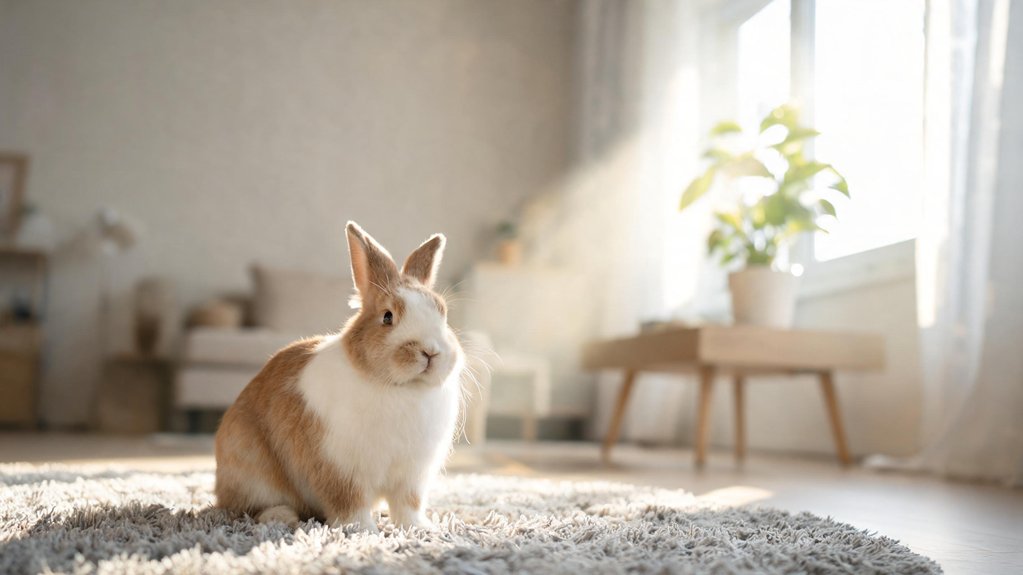
Allergies in pet rabbits can seem like the straightforward explanation for their symptoms, but they’re actually less common than typically assumed.
Most often, what appears to be an allergy is actually an irritant causing sneezing episodes.
Common culprits include hay dust, mold spores, pollen, perfumes, cigarette smoke, and aerosol sprays, all of which can inflame the delicate mucous membranes inside a rabbit’s nose and respiratory tract.
Poor ventilation and unclean housing conditions also play a significant role.
Accumulated urine ammonia and inadequate airflow can exacerbate respiratory irritation.
Bedding choices are particularly important; pine and cedar shavings are known triggers that can cause sneezing, and dust from bedding materials can carry irritants harmful to your rabbit’s respiratory health.
It’s worth noting that true food or hay allergies are rare, so focus on reducing environmental irritants first.
You can improve your rabbit’s environment by providing low-dust hay options, switching to paper-based bedding, enhancing ventilation, and avoiding strong household cleaners or aerosols around their living space.
If you notice additional symptoms such as decreased appetite or abnormal bowel movements in conjunction with sneezing, seek immediate advice from a rabbit-savvy exotic veterinarian.
Addressing these issues early is crucial to maintaining your rabbit’s respiratory health and overall well-being, so prioritize environmental adjustments and professional consultation for optimal results.
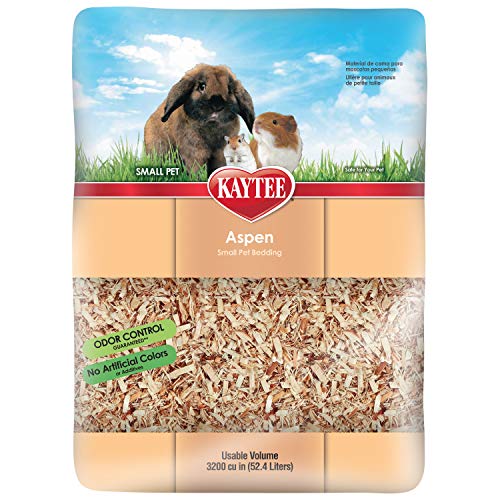
ALL-NATURAL ASPEN SHAVINGS, crafted for a natural, comfortable habitat
ODOR ABSORBENT TO MINIMIZE PET ODORS: Effectively neutralizes odors to keep bunny bedding & hamster bedding fresh; Ideal for pet bedding, ferret cages, and litter boxes, it helps maintain a clean environment for your pets and a better experience for you
14-DAY ODOR CONTROL for long-lasting freshness. Kaytee Clean & Cozy can be used with any type of habitat for a fresh animal home
Could It Be Lower Lung Trouble? Breathing Red Flags
If your rabbit’s sneezing is accompanied by noisy or labored breathing, don’t wait—listen carefully for additional signs such as wheezing, rattling, or crackling sounds. Watch for visible belly movement as they breathe, which can indicate respiratory distress.
These symptoms often point to lower lung issues, including infections, airway obstructions, or inflammation affecting the lungs or airways.
Immediate action is crucial if you notice open-mouth breathing or rapid breathing that suggests your rabbit can’t catch their breath. These are serious red flags signaling potential lower lung trouble, such as pneumonia, bronchitis, or lung collapse, which require urgent veterinary attention.
Contact a rabbit-savvy exotic pet veterinarian right away to ensure prompt diagnosis and treatment.
In cases where your rabbit stops eating or pooping for more than 12 hours, treat this as a life-threatening situation.
These signs can indicate severe respiratory distress or systemic illness. Early intervention with specialized veterinary care and appropriate medication can significantly improve outcomes.
For ongoing respiratory health and peace of mind, consider consulting a veterinarian about preventive measures and effective treatment options tailored specifically for rabbits.
Noisy Or Labored Breathing
Noisy or labored breathing in a rabbit isn’t “just sneezing,” it’s a critical warning sign indicating potential lower respiratory tract complications. If you notice wheezing, rattling sounds, or a deep, stertorous respiration, don’t delay seeking veterinary intervention. These noises often signify serious conditions such as respiratory infections, pneumonia, or lung abscesses, which require prompt diagnosis and treatment.
Look for additional symptoms like a heaving chest, vigorous abdominal movement during breathing, or difficulty breathing even when resting. These signs point to dyspnea, a condition of severe breathing distress that demands immediate attention. Other indicators include a snotty nasal discharge, ocular discharge, fever, pale or bluish gums, and sudden anorexia or refusal to eat.
If your rabbit refuses to eat or defecate for more than 12 hours, it necessitates urgent veterinary care. Contact a rabbit-savvy exotic veterinarian immediately. Proper diagnosis and targeted treatment—such as antibiotics, supportive care, or oxygen therapy—are essential to ensure a swift recovery and prevent life-threatening complications. Early intervention can significantly improve outcomes and restore your rabbit’s health and well-being.
Open-Mouth Or Rapid Breathing
Open-mouth breathing in a rabbit isn’t a normal “snuffle” behavior and should be regarded as a critical warning sign indicating a potentially life-threatening respiratory issue. Since rabbits typically breathe exclusively through their noses, observing mouth breathing warrants immediate veterinary attention from a rabbit-savvy exotics veterinarian to diagnose and address underlying respiratory distress or airway obstruction effectively.
Additional symptoms such as rapid panting or gasping, weakness, collapse, or bluish discoloration of the lips or tongue suggest severe oxygen deprivation and require urgent intervention.
Fast or labored breathing can also signal significant health concerns that need prompt diagnosis and treatment.
If your rabbit exhibits signs such as sitting hunched, tilting the head upwards, or using its belly to breathe—these are indicators of serious airflow obstruction or possible lower lung involvement, necessitating swift medical response.
Furthermore, if your rabbit refuses to eat or defecate for more than 12 hours, don’t delay seeking professional care.
Timely intervention from a dedicated exotic veterinarian is essential to identify causative factors early, provide appropriate treatments, and implement supportive therapies to restore your rabbit’s health and breathing capacity.
When Rabbit Sneezing Is an Emergency Right Now
Act fast—your rabbit’s sneezing could indicate a serious emergency, especially when accompanied by signs of respiratory or systemic failure. Recognize that symptoms such as rapid, noisy, or open-mouth breathing, along with visible belly heaving or flared nostrils, require immediate veterinary attention.
Act fast: rapid, noisy or open-mouth breathing with belly heaving or flared nostrils means urgent veterinary care.
In these critical situations, call an emergency exotic pet veterinary clinic without delay. Observe for signs like cyanosis, which manifests as blue, gray, or pale gums, collapse, or extreme weakness, as these indicate oxygen deprivation and demand urgent intervention.
Additionally, don’t wait if your rabbit experiences sneezing coupled with loss of appetite, absence of droppings, bloating, diarrhea, thick or colored nasal or ocular discharge, or significant behavioral changes. These symptoms suggest severe underlying health issues that need prompt diagnosis and treatment.
Ensure your rabbit is transported safely—keep it warm and minimize stress during transit. Immediate action can be life-saving, so prioritize rapid response and professional veterinary care to address these urgent health emergencies effectively.

Vita drops for rabbit adds a consistent source of nutritional supplements Feature supplements the pet's dry diet to assure proper nutrition Includes eye-dropper dispenser and...
How Vets Diagnose Snuffles, Dental Disease, and Blockages
If your rabbit’s sneezing isn’t just a one-off, veterinarians begin by accurately diagnosing which system is primarily involved—whether it’s the respiratory system, dental structure, or gastrointestinal tract. The first step involves gathering a detailed medical history, including appetite levels, the size and frequency of droppings, the occurrence and frequency of sneezing episodes, and any observable behavioral changes. This comprehensive information helps narrow down potential causes and guides targeted diagnostic procedures.
Next, the veterinarian conducts a thorough physical examination, which includes auscultating the lungs and sinuses to listen for abnormal sounds, palpating the abdomen to assess digestive health, weighing your rabbit to determine body condition, and evaluating hydration status.
For diagnosing snuffles, advanced diagnostic tests such as nasal swab PCR testing for specific pathogens, bacterial culture and sensitivity tests, and imaging studies like head and chest X-rays are essential.
In more complex cases, they may recommend computed tomography (CT) or magnetic resonance imaging (MRI) for detailed visualization of sinus and nasal cavity structures to pinpoint the infection’s extent.
When dental disease is suspected, the vet palpates the jaw to detect pain or swelling, and uses an otoscope or speculum to thoroughly inspect the teeth and oral cavity.
If a slow or disrupted gut is observed, the veterinarian quickly evaluates whether it’s due to gastrointestinal stasis or an intestinal blockage, enabling prompt and appropriate intervention.
If your rabbit displays signs of not eating or passing feces, immediate consultation with a rabbit-savvy exotic animal veterinarian is critical.
These specialized professionals utilize advanced diagnostic tools and targeted treatment strategies to restore your rabbit’s health and comfort.
Seeking specialized care ensures rapid, effective resolution of these potentially life-threatening issues, emphasizing the importance of early detection and tailored treatment plans.

MINIMIZE WASTE AND MESS WITH THIS HANGING ALFALFA AND TIMOTHY HAY DISPENSER - Frustrated about the mess of alfalfa and hay strewn about your pet's cage? Are you so done cleaning off the hay mixed with pee and poop? This hanging alfalfa and timothy hay dispenser will change the way you feed and clean after your pet rabbits, guinea pigs, and chinchillas.

SUPPORTS DIGESTIVE HEALTH IN RABBITS & GUINEA PIGS: Helps maintain healthy digestion in rabbits & guinea pigs; ideal for pets with sensitive stomachs or prone to GI stasis, promoting better gut motility, nutrient absorption, & overall digestive wellness

100% ALL-NATURAL HAY: Oxbow hay is 100% all-natural with no additives or binders, providing a healthy, natural option for your pets; Perfect for rabbits, guinea pigs, and other small animals, it’s ideal for bunny food, guinea pig hay, and rabbit hay
Common Treatments for Sneezing: Antibiotics and More
When your rabbit experiences persistent sneezing, your veterinarian typically initiates targeted treatment to address the underlying cause—most commonly a bacterial upper respiratory infection such as Pasteurella multocida, also known as “snuffles.” To ensure the most effective therapy, your vet may recommend culture and sensitivity testing, which helps identify the specific bacterial strain and determine the optimal antibiotic resistance profile.
Common antibiotics used in rabbit respiratory infections include enrofloxacin, trimethoprim–sulfa, azithromycin, doxycycline, chloramphenicol, and cefalexin. These medications are generally prescribed for durations ranging from two to four weeks, with some cases requiring extended treatment periods of six weeks or longer for thorough pathogen eradication.
Common antibiotics for rabbit respiratory infections include enrofloxacin, trimethoprim–sulfa, azithromycin, doxycycline, chloramphenicol, and cefalexin, typically for 2–4 weeks.
For severe cases like Pasteurella “snuffles,” long-term systemic antibiotics such as enrofloxacin or tetracycline are often necessary to control chronic infections and reduce clinical symptoms effectively.
If your rabbit exhibits thick mucus buildup, your veterinarian may incorporate nebulized sterile saline treatments into the therapy plan to loosen mucus, sometimes combined with carefully selected medications to enhance respiratory comfort.
Additionally, non-steroidal anti-inflammatory drugs (NSAIDs) may be used to reduce inflammation, and probiotics can support gut health during antibiotic therapy.
It is crucial to seek immediate veterinary assistance if your rabbit stops eating or shows signs of worsening respiratory distress. Early intervention with a comprehensive, veterinarian-guided treatment plan can significantly improve your rabbit’s recovery and long-term respiratory health, ensuring they remain healthy and comfortable.

NATURALLY SCENTED with real, pet-safe lavender buds

ODOR CONTROL for long-lasting freshness. Kaytee Clean & Cozy can be used with any type of habitat for a fresh animal home.
ODOR ABSORBENT TO MINIMIZE PET ODORS: Effectively neutralizes odors to keep bunny bedding & hamster bedding fresh; Ideal for pet bedding, ferret cages, and litter boxes, it helps maintain a clean environment for your pets and a better experience for you
Supportive Care at Home While You Wait for the Vet
Supportive Care at Home While You Await Veterinary Assistance
While your rabbit waits to see a rabbit-savvy exotics veterinarian, you can perform several supportive measures at home that can significantly improve its condition, especially if initiated promptly.
Begin by meticulously monitoring vital signs and clinical signs, including sneezing frequency, the presence of mucus around the nose and eyes, and any breathing irregularities.
Record these observations daily to provide your veterinarian with detailed information.
Additionally, observe and document your rabbit’s energy levels, posture, appetite, and fecal output to track potential changes in health status.
To support your rabbit’s recovery, ensure constant access to fresh water to prevent dehydration.
Offer and encourage consumption of high-quality, palatable grass hay, which is essential for maintaining gut motility—the normal movement of digestion vital for preventing gastrointestinal stasis.
Provide a consistent supply of normal high-fiber foods that your rabbit typically eats, avoiding sudden dietary changes that could exacerbate gastrointestinal issues.
Minimize stress by creating a calm and secure environment; provide hiding spots where your rabbit can retreat and feel safe.
Limit handling to prevent additional stress, and if you have multiple rabbits, separate the ill rabbit to reduce the risk of cross-infection.
Always use clean, separate food and water bowls for each rabbit to maintain hygiene.
Only warm your rabbit slightly if it’s cold, avoiding excessive heat that could cause additional stress.
Be vigilant for signs of emergency, including labored or mouth breathing, significant lethargy, or complete refusal to eat or pass feces for more than 12 hours.
In such cases, seek emergency veterinary care immediately to ensure your rabbit receives urgent medical attention and advanced treatment.
Changes to Clean Housing That Reduce Airway Irritation
After you’ve been monitoring your rabbit closely and providing gentle support at home, it’s an ideal time to optimize its living environment to reduce airway irritation and promote respiratory health.
Start with proactive daily spot-cleaning routines, promptly removing feces, urine-soaked bedding, and leftover moist hay to prevent mold growth and airborne irritants. Ensure you empty the litter box every 3–4 days and perform a comprehensive weekly cleaning, including a full bedding change, to maintain a hygienic habitat that supports your rabbit’s respiratory well-being.
In addition, discard damp hay or uneaten fresh foods quickly to prevent mold accumulation. Regularly sweep or vacuum the enclosure area using high-quality, dust-reducing equipment to lift settled dust and minimize airborne particles.
Use low-dust, high-quality hay and paper bedding that’s free from dust and artificial scents; avoid cedar and pine bedding, which can exacerbate respiratory issues.
Enhance ventilation by improving airflow within the living space, keeping the environment consistently dry, and avoiding aerosol sprays and strong cleaning chemicals that can irritate your rabbit’s airways.
These improvements are crucial for preventing respiratory distress and supporting overall health. Remember, if your rabbit stops eating or pooping for more than 12 hours, seek emergency veterinary care immediately to address potential airway or health emergencies effectively.
Diet and Stress Control to Prevent Pasteurellosis Flare-Ups
A consistent, high-quality diet combined with a calm, routine environment is essential for preventing pasteurellosis flare-ups in rabbits. Stressful situations and digestion upset can significantly weaken your rabbit’s immune system, increasing susceptibility to disease.
To support optimal health, provide your rabbit with unlimited access to nutrient-rich grass hay, which should comprise approximately 80–90% of daily intake. This high-fiber forage promotes healthy gut motility, facilitates natural dental wear, and enhances the rabbit’s ability to resist infectious diseases.
Enhance your rabbit’s preventive health plan by offering a daily variety of fresh leafy greens, complemented by measured portions of grass-hay-based pellets formulated for maximum nutritional value.
Always ensure a continuous supply of clean, fresh water to encourage hydration.
To avoid digestive disturbances and potential flare-ups, limit sugary carbohydrate sources, such as fruits, yogurt, grains, nuts, and seeds, which can upset gut flora balance.
Implement gradual dietary transitions when introducing new foods to minimize stress and prevent gastrointestinal upset.
If your rabbit exhibits signs of anorexia or stops defecating for more than 12 hours, seek prompt veterinary consultation from a qualified exotic animal specialist.
Adopting this comprehensive, diet-centered approach maximizes your rabbit’s health and reduces the risk of pasteurellosis outbreaks, ensuring a long, healthy, and stress-free life.
Recovery Outlook: How Long Sneezing Should Take to Improve
Recovery depends on the underlying cause of your rabbit’s sneezing, and observing the timeline can provide valuable clues for effective treatment. If your rabbit experiences brief sneezing episodes or a single sneeze after exposure to dusty hay, bedding, or during cleaning, you should notice improvement within hours, typically by 24 to 48 hours after removing the irritant.
Monitor symptoms after dusty hay or cleaning: brief sneezes should improve within hours, usually by 24–48 hours once the irritant is removed.
If the sneezing persists but remains mild, without accompanying eye or nasal discharge, expect the symptoms to subside within approximately 24 hours. In cases where clear nasal discharge is present, the recovery process may take longer, generally around 3 to 5 days.
However, persistent sneezing beyond 24 to 48 hours, especially if accompanied by runny eyes, noisy or labored breathing, or a noticeable decrease in appetite, requires immediate consultation with a rabbit-savvy exotic veterinarian. Prompt professional assessment is crucial to accurately diagnose and treat potential respiratory infections or other health issues.
Furthermore, if your rabbit stops eating or pooping for more than 12 hours, consider this a veterinary emergency. Early intervention can prevent severe complications and ensure a swift recovery, emphasizing the importance of quick response and tailored care to support your rabbit’s respiratory health and overall well-being.
Frequently Asked Questions
Why Is My Rabbit Sneezing Only After Eating Hay?
If your rabbit sneezes only after eating hay, it may be caused by dust, fines, or mild irritation from moldy or dusty hay. Ensuring you provide high-quality hay, free from dust and mold, can significantly reduce allergic reactions and sneezing episodes. Switching to low-dust, orchard, Timothy, or other premium hay varieties can improve your rabbit’s respiratory health and overall well-being.
If sneezing persists, accompanied by nasal discharge, labored breathing, or if your rabbit continues to sneer after multiple feedings, it’s essential to consult a rabbit-savvy exotic veterinarian promptly. Persistent symptoms could indicate respiratory infections or allergies requiring professional diagnosis and treatment.
It’s critical to monitor your rabbit’s eating and bathroom habits; if your rabbit stops eating or pooping for more than 12 hours, contact a veterinarian immediately as this can be a veterinary emergency. Addressing hay-induced sneezing early with the right hay quality and professional advice can prevent health complications and ensure your rabbit remains healthy, comfortable, and happy.
Could Dust Mites or Bedding Cause Nonstop Sneezing in Rabbits?
Dust and bedding materials, such as fine-fiber hay dust, wood shavings, and lingering household particles, can significantly irritate a rabbit’s delicate airways and cause nonstop sneezing. These airborne irritants are common triggers that can compromise your rabbit’s respiratory health, especially if they are exposed to low-quality bedding or dusty hay.
To effectively reduce your rabbit’s sneezing episodes, consider switching to low-dust bedding options like soft paper-based substrates or dust-free hay. Regularly cleaning and ventilating your rabbit’s enclosure can also help eliminate airborne irritants. If your rabbit’s sneezing persists despite these adjustments, it’s crucial to consult a rabbit-savvy exotic veterinarian for a thorough assessment and appropriate treatment.
Seek emergency veterinary care immediately if your rabbit stops eating or pooping for more than 12 hours, as these could be signs of a more serious respiratory or gastrointestinal issue that requires urgent attention. A proactive approach involving quality bedding, proper enclosure hygiene, and prompt veterinary consultation can prevent respiratory complications and promote your rabbit’s overall well-being.
How Do I Tell Nasal Allergies From Snuffles in My Rabbit?
You can distinguish nasal allergies from snuffles in your rabbit by carefully observing the nasal discharge, sneezing patterns, and overall comfort. Allergies typically cause brief sneezes accompanied by mostly clear, watery drips from the nose. These symptoms are often transient and may occur in response to environmental triggers like pollen, dust, or strong scents.
In contrast, snuffles, a bacterial or infectious respiratory condition, results in ongoing sneezing episodes with thick, yellow or white nasal discharge. Rabbits suffering from snuffles may develop crusted areas around the face and forepaws due to continuous rubbing or nasal wiping. Additionally, eye signs such as swelling, discharge, or watering are common indicators of more severe respiratory infection.
To effectively manage your rabbit’s health, it’s crucial to differentiate these conditions early. If your rabbit exhibits signs of snuffles or persistent nasal issues, consult a veterinarian specializing in small animals promptly. Proper diagnosis and targeted treatment—such as antibiotics, environmental adjustments, and supportive care—are essential for restoring respiratory health and preventing complications. Regular monitoring and tailored care ensure your pet’s comfort and well-being, making professional intervention your best course of action.
Can Dental Problems Behind the Face Cause Repeated Sneezing and Discharge?
Yes, dental problems can indeed cause repeated sneezing and nasal discharge, particularly when cheek teeth roots overgrow or develop abscesses. These dental issues can exert pressure on the nasal passages and sinus spaces, leading to persistent respiratory symptoms.
If you notice signs such as frequent sneezing, nasal discharge, weepy eyes, poor appetite, or drooling in your rabbit, it’s crucial to consult a rabbit-savvy veterinarian promptly. Early diagnosis and targeted dental treatment can address the underlying cause, reduce discomfort, and prevent further complications. Investing in professional dental care and veterinary advice ensures your pet’s health, comfort, and overall well-being are maintained.
What Should I Do if My Rabbit Won’T Eat and Keeps Sneezing?
If your rabbit won’t eat and keeps sneezing, treat this situation as urgent and contact a specialized, rabbit-savvy exotic veterinarian immediately to ensure proper diagnosis and prompt treatment. In the meantime, offer fresh, high-quality, low-dust hay to encourage eating and reduce respiratory irritations caused by dust or allergens.
Remove any potential environmental irritants such as strong-smelling cleaning products, cigarette smoke, or drafts that could worsen the sneezing. Carefully monitor your rabbit’s fecal output and breathing patterns; a decline in eating or pooping for more than 12 hours indicates a serious health concern requiring urgent veterinary attention. Quick action using professional veterinary advice and appropriate supportive care can significantly improve your rabbit’s chances of recovery while preventing complications from underlying respiratory or gastrointestinal issues.