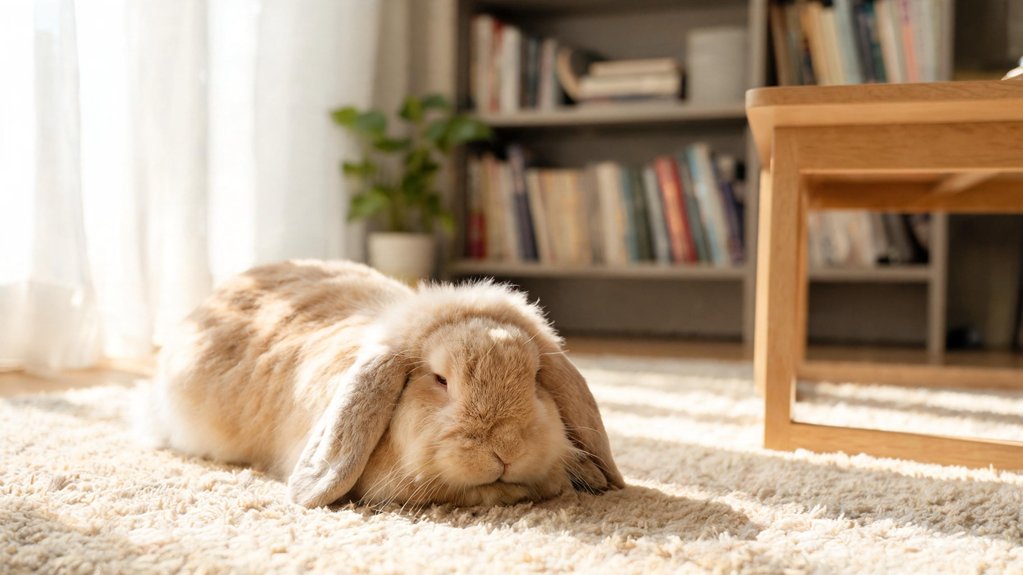
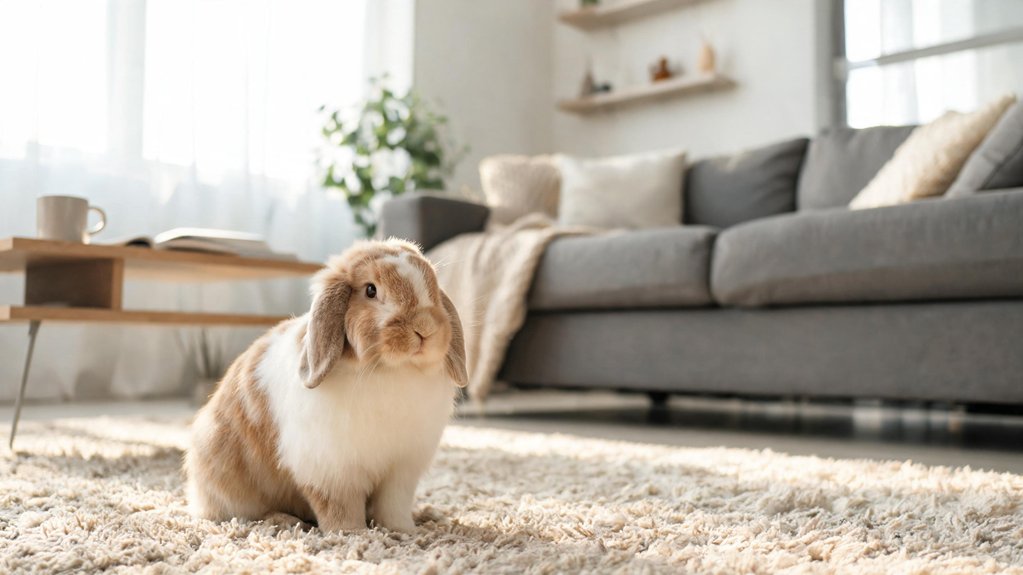
If your rabbit’s lying down a lot, it might be relaxed flopping, which includes a loose body, soft or horizontal eyes, a warm posture, and normal eating and droppings. But it’s more concerning when they display lethargy, staying still for hours, acting less responsive, stopping eating, making fewer or no fecal pellets, or seeming limp.
Sudden limp or unresponsiveness, cold ears, hunched posture, open-mouth breathing, or loud tooth grinding mean urgent vet care is needed immediately. Meanwhile, keep your rabbit warm and quiet, offer unlimited hay and water, and track their appetite and droppings. Then, continue monitoring to learn the next steps.
Swift Summary
- Lying down can be relaxed flopping: loose posture, soft/half-closed eyes, relaxed ears, and ongoing normal grooming.
- Lethargy is more concerning if your rabbit stays immobile for hours, seems weak, or reacts less to food and stimuli.
- Seek urgent vet care if your rabbit is limp, unresponsive, unusually sleepy, has cold ears, or shows open-mouth breathing.
- Common causes of lethargy include GI stasis, dental pain, stress, and internal illness—often linked to reduced appetite and fewer droppings.
- At the vet, expect temperature, hydration, heart/breathing rate, gum color checks, plus abdominal and dental/oral exams to guide treatment.
Rabbit Lying Down: Relaxed Flopping or Lethargy?
When your rabbit lies down frequently, it can be easy to panic, but not every flop indicates a health issue. A relaxed flop, characterized by a comfortable, natural posture, is usually a sign of contentment and well-being. You might observe your rabbit settling into a loaf position, with legs tucked under their body, or sprawled out with paws extended forward, body stretched out. Noticing loose muscles, ears in a relaxed position, and eyes that appear soft or half-closed are clear indicators that your rabbit is at ease.
The key to understanding your rabbit’s health is recognizing when their posture genuinely reflects relaxation versus signs of lethargy or illness. Look for lethargic patterns only if your rabbit has been immobile for hours, remains limp, exhibits reduced reaction to stimuli such as food, and displays dull, half-open eyes.
It’s also important to check whether they’re still eating hay—essential for their digestive health—and grooming regularly. If these behaviors are consistent, you can relax, but if your rabbit stops eating hay or grooming, or shows additional signs of discomfort, seek prompt advice from a rabbit-savvy exotic veterinarian to ensure their health and well-being.
Proper observation and timely veterinary consultation are crucial for maintaining your rabbit’s optimal health and happiness.

SUPPORTS DIGESTIVE HEALTH IN RABBITS & GUINEA PIGS: Helps maintain healthy digestion in rabbits & guinea pigs; ideal for pets with sensitive stomachs or prone to GI stasis, promoting better gut motility, nutrient absorption, & overall digestive wellness

SUPPORTS GI MOTILITY: Formulated to help support healthy digestive tract movement and function in rabbits

Homeopathic Digestive Support Formula: HealthyAnimals4Ever Rabbit Gastrointestinal Stasis Treatment combines four active homeopathic ingredients, Calc Phos, Ferr Phos, Mag Phos, and Nat Sulph, to support digestive comfort in rabbits.
Red Flags to Check Right Now (Call a Vet?)
How do you distinguish between a rabbit that’s simply resting versus one that’s displaying signs of a serious health emergency? If your pet rabbit is sitting quietly in one spot and suddenly appears limp, unresponsive, or unusually sleepy, treat it as an urgent situation.
Quickly assess for critical symptoms: Are they hunched, with cold ears, breathing through an open mouth, or grinding their teeth loudly? Examine their gums—pale gums can indicate distress or shock.
Call now for immediate help if you’re seeing any of these warning signs, since prompt care can make a major difference in outcomes.
Take immediate action if your rabbit can’t stand, has diarrhea coupled with lethargy, or refuses to eat or pass stool for more than 12 hours. These are signs of severe underlying issues requiring urgent veterinary intervention.
If you notice wheezing or labored breathing, don’t delay—call a rabbit-savvy exotic vet or emergency clinic right away.
Recognizing and responding swiftly to these red flags can be lifesaving, so keep contact information for a trusted rabbit-experienced veterinarian readily accessible to ensure prompt professional care when needed.

EASY TO MIX FORMULA: Oxbow Critical Care Herbivore blends easily with water for syringe feeding; Essential for any pet care emergency kit, this veterinarian-approved formula provides recovery support for rabbits, guinea pigs, and other herbivores

ESSENTIAL RECOVERY NUTRITION FOR HERBIVORES: Specialized high-fiber formula supports rabbits, guinea pigs & other herbivores during illness or post-surgery recovery; helps maintain weight & energy in small pets needing critical nutritional care

Sherwood Pet Health
Common Causes of Rabbit Lethargy After Reduced Appetite
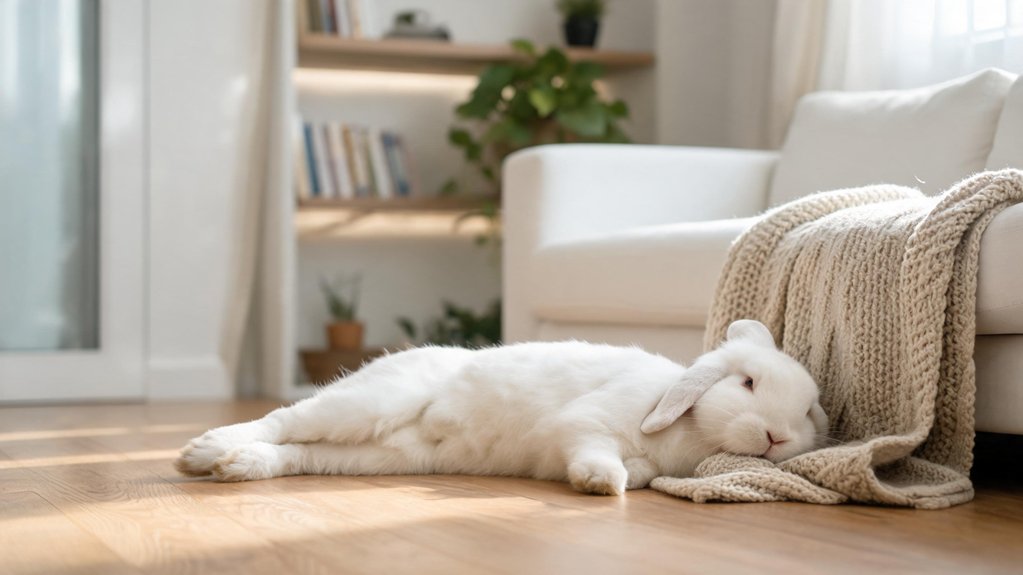
After a rabbit eats less, you’ll often notice them lying down more, and this “low energy” can be a significant indicator of underlying health issues. Common causes include gastrointestinal stasis, dental disease, pain, diet imbalance, and stress.
Gastrointestinal (GI) stasis involves a slowdown or cessation of gut motility, which may result in fewer or absent fecal pellets, along with signs of abdominal discomfort and lethargy.
Ensuring your rabbit has consistent access to high-quality hay or fresh grass is essential, as a deficiency can lead to teeth not wearing properly, resulting in oral pain. This oral discomfort may cause your rabbit to avoid hay and reduce chewing activity, further contributing to gut slowdown.
Additionally, organ disease, ulcers, or other internal health problems can cause pain, loss of appetite, and increased restlessness or heavy, quiet sleeping patterns.
If your rabbit’s appetite remains low, it’s crucial to seek immediate advice from a rabbit-savvy exotic veterinarian to prevent further complications.
Addressing these issues promptly with professional veterinary care can restore your rabbit’s vitality, prevent serious health deterioration, and improve their overall quality of life.

Mental Stimulation: Keeps pets mentally engaged and prevents boredom by challenging them to find hidden treats or kibble.

Rabbit Interactive Toys: With this rabbit tunnel, your pet can entertain himself for hours! This unique rabbit toy is three spacious tunnels in one, giving your rabbit room to roam.

【3 Way Tunnel】 Our rabbit hideout boasts 3 way tunnels, ensuring endless entertainment for your pet; Measuring approximately 7.9 inches tall and 25 inches deep, it provides ample space for your furry friend to enjoy
What a Vet Will Check and Treat for Lethargy
At the vet, your rabbit receives a rapid, targeted examination designed to identify underlying issues quickly and accurately, enabling prompt and effective treatment. The veterinarian begins with essential vital signs assessment, checking the rabbit’s body temperature, hydration status, heart rate, breathing rate, and gum color to evaluate circulatory and respiratory health. They meticulously feel the abdomen to assess pain levels and gut motility, and listen for gut sounds to determine digestive activity, which is crucial in diagnosing gastrointestinal issues causing lethargy.
At the vet, your rabbit gets vital checks, abdominal palpation, and gut-sound listening to quickly spot causes of lethargy.
Next, the veterinarian observes the rabbit’s posture and mental status—distinguishing between bright, alert behavior and signs of discomfort, hunching, dullness, or collapse. They also screen for critical emergencies such as inability to stand, shock, seizures, hypothermia, or severe bloating, which require immediate intervention. To stabilize stressed or severely compromised rabbits, they may pre-oxygenate and administer sedation using medications like midazolam or butorphanol, ensuring safety and comfort during examination.
Following this initial assessment, a detailed history is obtained, including dietary habits, recent activity, and any previous health concerns.
The vet also performs a thorough oral and dental examination, checking for dental disease or other oral pathologies. Further diagnostic work may include inspecting the urine for signs of infection or scalding and evaluating the abdomen for abnormalities.
To pinpoint the underlying cause of lethargy, the veterinarian may recommend laboratory tests such as Complete Blood Count (CBC) and chemistry panels.
This comprehensive approach ensures an accurate diagnosis, enabling targeted treatment plans that restore your rabbit’s health efficiently and effectively.

Clean Pets, Clean House: Depets cat & dog brush for shedding can easily remove loose hair, shedding mats, dander and dirt of your pet, which not only keep your pet clean, but also provide you with a clean and hygienic home environment

7-in-1 Rabbit Grooming Kit: Not only gentle and safe for small animals, such as rabbit, hamster, guinea pig, and chinchilla; but also work great for larger animals like cats and dogs. Soft silicone small animal massage comb can help you protect your pet's skin and effectively keep their fur clean, healthly.
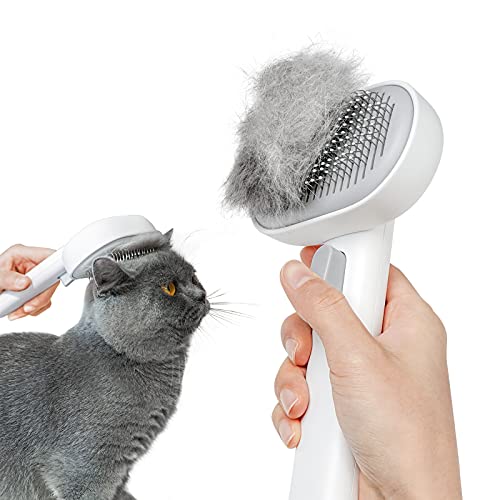
【Professional Cat Hair Brush】Perfect gift for pet owners, vets, and pet groomers. Using this cat brush for long haired cats on a regular basis can gently and effectively remove loose hair, tangles, knots, dander and trapped dirt. Suitable for short, medium or long, thick, thin or curly haired dogs/cats/rabbits, making your pets shiny and healthy.
What to Do at Home While Waiting for a Vet
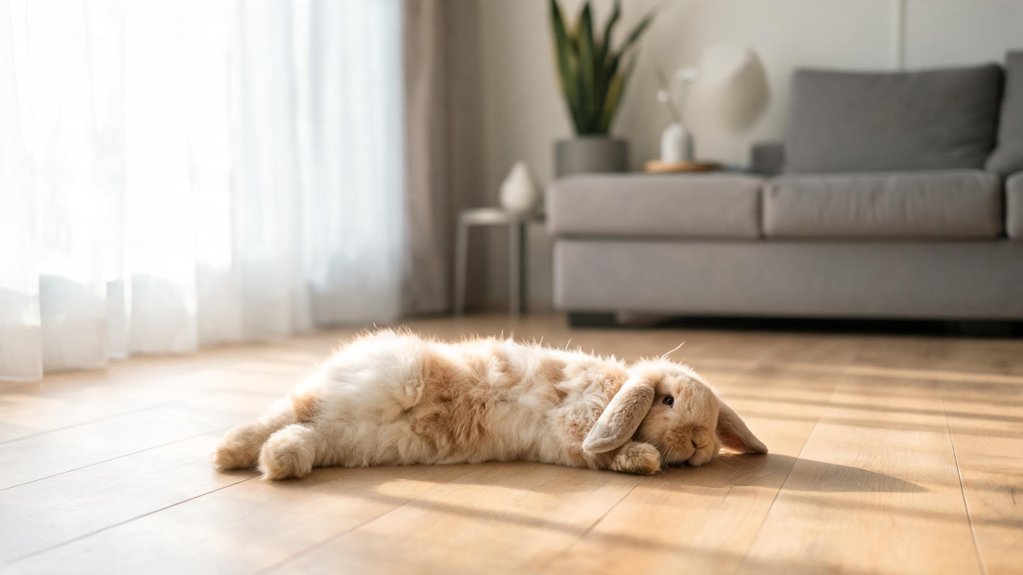
While your rabbit waits to be seen by the veterinarian, it’s crucial to monitor its condition closely and create a calm, safe environment to reduce stress. Keep the room quiet, warm, and free of any loud noises or sudden disruptions.
Constantly observe your bunny for signs of appetite loss, abnormal droppings, and unusual posture, as these are key indicators of potential health issues.
If your rabbit stops eating for more than six hours, consider it a sign of gut stasis, a life-threatening condition where food movement slows or stops within the digestive system. Treat this emergency immediately—especially if your rabbit also stops pooping—by administering appropriate at-home care and seeking veterinary attention as soon as possible.
Regularly count and check the number of dry, normal droppings in the litter box to assess gut health.
Watch for signs of pain or distress such as hunched posture, hiding, tooth grinding, bloating, or repeated stretching. Any signs of collapse, open-mouth breathing, pale or blue gums, severe diarrhea, or noticeable bloat demand urgent emergency veterinary care right away.
Ensure your rabbit has unlimited access to hay and fresh water to promote digestion and hydration.
Prepare for your vet visit by gathering detailed notes on your rabbit’s behavior, eating habits, and any symptoms you observe. Providing comprehensive information will help your exotic pet veterinarian make an accurate diagnosis and recommend effective treatment options to ensure your rabbit’s quick recovery.

UP TO 10 HOURS OF WARMTH: Microwave the SnuggleSafe pet heat pad in minutes for long-lasting, gentle warmth without wires or plugs; ideal for use in a cat bed, dog beds, hutches & outdoor pet shelters

Advanced Heat Loop Technology: ASTM lab-tested and engineered with a premium aluminized polyester core that acts like a space blanket. The pad reflects and retains your pet’s body heat, providing a safe, cordless alternative to electric heating pads or battery powered pet beds.

🐶Upgraded Temperature Adjustable Function: Our pet heating pad has 11 levels of adjustable temperature setting, and 5℉/2.8℃ higher than most other heating pads. Controlling the temperature of electric dog heating pad with the LED controller, it can adjust the temperature easily with 11 temperature settings ( 80-130℉/26.6-54.5℃) to accommodate your pets.
Frequently Asked Questions

SOFT TEXTURE & SWEET FLAVOR: With its soft texture and naturally sweet flavor, Alfalfa hay appeals to rabbits, guinea pigs, and small herbivores; This high-fiber hay supports healthy digestion while encouraging natural chewing behaviors

PROUDLY GROWN IN THE USA: Harvested fresh from Oxbow?s family of farms by our expert hay growers˜

PEELS OFF IN LAYERS Wafer Cut Timothy Hay reduces mess and makes feeding easier
How Can I Tell Relaxed Flopping From Pain or GI Stasis?
You can differentiate relaxed flopping from signs of pain or gastrointestinal (GI) stasis by carefully observing your rabbit’s posture, muscle tension, and waste output. A relaxed rabbit will typically stretch out or loaf comfortably, with loose, supple muscles, and will eat and poop normally, indicating good health and relaxation.
In contrast, signs of pain in your bunny include a hunched or curled posture, tense muscles, stillness, and bruxism—grinding or clicking teeth—which signal discomfort. A reduced or absent appetite further indicates potential pain issues.
If you notice your rabbit producing small or absent droppings, this may suggest GI stasis, a serious condition requiring immediate attention. Should your rabbit stop eating or pooping for more than 12 hours, it is critical to contact a rabbit-savvy veterinarian urgently to prevent complications and ensure prompt treatment. Prioritizing these observations can help you promptly identify normal relaxation versus urgent health concerns, enabling you to seek the necessary veterinary interventions effectively.
My Rabbit Won’T Eat—When Is It an Emergency?
If your rabbit won’t eat, treat it as an urgent emergency, because prompt action can prevent serious health complications. A rabbit that ceases to eat, especially if it also stops pooping or goes 12 hours without food, requires immediate veterinary attention to avoid potentially life-threatening conditions.
Contact a specialized exotics veterinarian experienced with small mammals and domestic rabbits today. Many clinics offer same-day appointments for urgent cases and can provide critical diagnosis and treatment plans to get your rabbit back to optimal health. Don’t delay—acting quickly with expert care can make all the difference in ensuring your pet’s recovery and long-term well-being.
Can Loneliness or Boredom Make Rabbits Lie Down All Day?
Yes, loneliness or boredom can cause your pet rabbit to lie down all day, indicating they may be feeling unstimulated or anxious. You’ll notice signs such as hiding more frequently, a reduced interest in their environment, and a lack of typical playful behavior, which are common indicators that your rabbit needs more enrichment and social interaction.
To ensure your bunny’s health and happiness, it’s essential to provide a stimulating environment with toys, tunnels, and regular social interaction. If your rabbit refuses to eat or poop, appears hunched, or shows other signs of distress, it’s crucial to contact a rabbit-savvy exotics veterinarian promptly. Addressing these issues quickly with expert advice can prevent health complications and improve your rabbit’s overall well-being.
What Symptoms Mean Head Tilt, Seizures, or Neurological Issues?
Watch for persistent head tilt, nystagmus, loss of balance, circling or rolling behaviors, drooping facial features, and seizure episodes characterized by collapse, twitching, blank staring, or air chewing. These symptoms are critical indicators of underlying vestibular or neurological issues that require immediate professional evaluation.
If you observe any of these signs in your rabbit, it is essential to seek prompt consultation with a highly specialized, exotics veterinarian experienced in rabbit neurology. Early diagnosis and targeted treatment can significantly improve your pet’s prognosis and quality of life. Don’t delay—prioritize expert veterinary care to address these potentially serious health conditions effectively.
What Should I Offer Immediately While Waiting for an Exotics Vet?
Offer unlimited fresh Timothy hay, which is essential for maintaining gut motility and preventing gastrointestinal stasis, along with clean, fresh water immediately—think of these as a vital life raft for your rabbit’s health. Only introduce small amounts of familiar leafy greens, such as Romaine lettuce or parsley, if your rabbit is actively eating, to encourage intake without causing digestive upset.
Carefully monitor your rabbit’s droppings and appetite on an hourly basis. If your rabbit stops eating or producing droppings for more than 12 hours, it is crucial to seek prompt medical attention from a rabbit-savvy exotics veterinarian. Acting quickly ensures timely diagnostics and interventions that are vital for preventing serious health complications.