Yes, you can have a rabbit while you work full time. The key is setup. Aim for 8–10 hours alone, sometimes up to 12 if everything’s secure and enriched.
Give your rabbit 24/7 unlimited hay, plus at least two fresh water options. Before you leave, refill hay in the morning and offer measured pellets and greens later. Scatter hay to encourage foraging. Plan for 1–2 hours of exercise at dawn or dusk, and do a quick 5-minute health check to monitor eating and droppings.
Stick around for the simple details.
Swift Summary
- Full-time work can work with rabbits if you maintain a consistent daily routine and planned check-ins.
- Many healthy adult rabbits handle about 8–10 hours alone (up to ~12 with strong enrichment and secure setup).
- Provide 24/7 access to fresh, high-quality hay, plus fresh water from at least two reliable sources.
- Keep exercise and enrichment for bonding and stimulation, aiming for about 1–2 hours after work.
- Watch for early stress signs like reduced eating, fewer poops, hiding, tense posture, or bar-biting to prevent gut stasis.
Can You Keep Rabbits While Working Full Time
Yes, you can keep a pet rabbit even if you work full time, provided you establish a consistent routine that thoroughly meets all of your rabbit’s essential needs each day. A well-cared-for rabbit benefits most from scheduled, reliable care rather than sporadic check-ins, ensuring their health and happiness are maintained. By dedicating approximately 1 to 2 hours daily, you can efficiently cover feeding, replenishing hay and fresh water, and performing quick litter box checks within 30 to 45 minutes. Rabbits are active and inquisitive, so they particularly need that dependable daily stimulation rather than occasional visits. An additional 1 to 2 hours should be allocated to supervised exercise, playful interaction, and bonding activities, which are crucial for their mental stimulation and physical health. Since rabbits are naturally active during dawn and dusk, aligning your care routine with these peak activity periods enhances their well-being. However, it’s important to recognize that rabbits, as social and sensitive animals, can’t be left entirely alone for extended periods. They require a safe, enriched environment that provides protection from potential hazards, along with opportunities for climbing, hiding, and exploring throughout the day. Investing in high-quality enclosures, interactive toys, and secure spaces ensures your rabbit remains happy and stress-free during your working hours. Implementing a reliable routine designed with your rabbit’s behavioral patterns and needs in mind guarantees they receive optimal care, leading to a healthy, vibrant, and content companion. With appropriate planning and commitment, maintaining a full-time work schedule while caring for a rabbit isn’t only feasible but also rewarding.

MINIMIZE WASTE AND MESS WITH THIS HANGING ALFALFA AND TIMOTHY HAY DISPENSER - Frustrated about the mess of alfalfa and hay strewn about your pet's cage? Are you so done cleaning off the hay mixed with pee and poop? This hanging alfalfa and timothy hay dispenser will change the way you feed and clean after your pet rabbits, guinea pigs, and chinchillas.

Keep Pets Comfortable: This wooden hay feeder keeps hay in appropriate place, which not only avoids hay from being wasted due to getting dirty, but also keeps your pet's cage clean and tidy, providing your pet with a healthy living environment

【Easy Eating】: Our hay feeder is perfect for small animals like rabbits, guinea pigs and chinchillas, making eating easy. Size:6.9 inches long x 4.7 inches wide x 6.6 inches high,it's big enough to hold a day's worth of hay.
How Many Hours Alone Is Too Long for Rabbits
You can’t just set and forget your rabbit—many rabbits can handle about 8 to 10 hours alone if their housing setup is solid and thoughtfully designed.
However, stress signals such as reduced eating, fewer poops, or acting “off” can appear within just a few hours without proper enrichment and monitoring.
To ensure your rabbit’s well-being and prevent isolation, plan for at least one check-in within 24 hours and treat a 24-hour absence as a rare, hard maximum rather than a normal schedule.
During your time away, maintain a stimulating environment by providing fresh hay, a backup water source if possible, and engaging chew toys. detection delay
These enrichment elements help keep your rabbit mentally stimulated and physically comfortable throughout your absence.
Prioritizing these strategies ensures your rabbit remains happy, healthy, and stress-free, so you can confidently leave them alone knowing they’re well-cared for.

If the feeder could not fit the cage, you can also use tools such as pliers to tweak the cage.

Warm Tips !!: The cage wire mesh spacing for this caged pet drinker should preferably be more than 1.2 inches; if your cage wire mesh spacing is slightly smaller than 1.2 inches, you can bend the wire cage bar slightly. Successful installation. For details, see Video installation Procedure

This rabbit water bottle set requires horizontal bar spacing greater than 1.2 inches (3.00 cm) on your cage. The metal hooks need enough gap to grip securely – measure before buying to ensure a stable, wobble-free fit.And it is designed for feed pellets < 0.4 in (1 cm) to prevent jamming.
Detect Stress Within Hours
Notice the signs quickly, because rabbits can tip into stress within just a few hours alone.
In the first hours, watch for specific indicators such as ear flattening tightly against the head, a tense and crouched posture, and a noticeable decrease in nose twitching activity. These are clear signs that your rabbit is experiencing stress or anxiety and requires immediate attention.
You might also observe your rabbit hiding in corners, engaging in bar-biting behavior, or suddenly chewing on inappropriate objects, which are common stress responses.
If you notice a quiet, hunched rabbit with minimal movement, this indicates fear or high stress levels.
In the most severe cases, hard biting or lunging can occur, signaling urgent concern.
Stress can also cause rapid appetite loss, increasing the risk of dangerous gut stasis or blockage, which can threaten your rabbit’s health.
To prevent complications, check your rabbit’s condition within 3 to 6 hours if they’re left alone or display any of these stress signs.
Using high-quality monitoring tools and stress-minimizing solutions can help you detect early signs and respond promptly, ensuring your pet remains healthy, calm, and comfortable.
Limit Isolation To Avoid
But how many hours of solitary time is considered “too long” for a healthy adult rabbit? To maintain your rabbit’s well-being, limit supervised alone periods to approximately 8–12 hours, ensuring continuous access to fresh hay, clean water, and secure, comfortable housing.
If you have a demanding work schedule, aim for absences of up to around 10 hours, and always check on your rabbit before leaving and upon return to minimize stress.
For rabbits that are either solo by choice or exhibit high dependency, it’s essential to restrict isolation to roughly 3–6 hours at a stretch.
Extended periods of loneliness and stress can rapidly impact their mental health and digestive health.
Remember, leaving your rabbit alone for a full 24 hours should only be reserved for emergencies.
To ensure optimal care, consider hiring a pet sitter or enrolling your rabbit in reputable boarding facilities.
Doing so helps safeguard their digestion, emotional peace, and overall lifespan, offering peace of mind while you’re away and maintaining their health in the long term.
Ensure Enrichment During Work
Most days, you can confidently manage your rabbit’s well-being during your workday without needing constant supervision by implementing effective enrichment strategies. The key to ensuring your rabbit’s health and happiness lies in providing a comprehensive setup that addresses their natural behaviors and dietary needs while you’re away.
For healthy adult rabbits, a safe alone time ranges from 8 to 10 hours, with some setups allowing up to 12 hours if their environment is thoroughly enriched and secure.
To support their digestive health, ensure unlimited access to high-quality hay, placed in multiple secure locations to prevent pile tipping and promote natural foraging behaviors.
In addition, offer a balanced diet of nutritious pellets, fresh greens, and clean, fresh water, providing at least two water sources to encourage hydration.
Prior to leaving, rabbit-proof your living area to prevent potential hazards and safely contain their environment.
Always clean litter areas thoroughly to promote cleanliness and reduce odors, creating a comfortable space for your pet.
After your workday, dedicate several hours to facilitating physical activity and mental stimulation, which are critical for preventing boredom and promoting overall well-being.
Finally, allocate at least two hours of focused, interactive attention—whether through gentle grooming, play, or social interaction—to strengthen your bond and address your rabbit’s emotional needs.
Plan Hay, Water, and Meals That Don’t Miss
Plan Your Rabbit’s Hay, Water, and Meals Like Reliable, Always-On Essentials That Ensure Optimal Nutrition. A Well-Structured Feeding Routine Prevents Disruptions and Keeps Your Pet Healthy.
Start with hay: provide 80–90% of your rabbit’s daily diet through high-quality, high-fiber timothy or orchard grass hay, accessible at all times—24/7. Position hay near their litter area, resting spots, and frequently used zones to encourage consistent consumption. Refill hay in the morning and evening to maintain freshness, and promptly remove damp, dusty, or moldy hay to prevent respiratory issues and digestive problems. When choosing quality hay for daily feeding, owners can compare the available hay options to find one that suits their rabbit’s needs.
Using commercial-grade hay ensures your rabbit receives essential fiber for digestion and dental health, making it an indispensable part of their daily nutrition plan.
Next, water: offer constant access through a heavy ceramic bowl or a reliable drip water bottle, with a backup source in case of equipment failure. Always replace the water at least once daily to ensure freshness and prevent bacterial growth. Regularly inspect bottles for blockages or leaks, and verify that bowls are stable and secure to avoid spillage.
Hydration is critical for maintaining your rabbit’s overall health, and a consistent water supply aligns with best practices for responsible pet ownership.
Finally, manage your rabbit’s pellets with precision: measure approximately a quarter cup per 5 to 6 pounds of body weight daily, and incorporate fresh leafy greens—about one cup per 1 to 2 pounds of weight—divided between morning and late afternoon meals. This balanced approach ensures proper nutrient intake, supports dental wear, and promotes digestive health.
Utilizing a proven commercial pellet formula tailored for rabbits maximizes nutritional value, making your pet’s diet both comprehensive and easily manageable.
Investing in a systematic hay, water, and meal plan with quality products enhances your rabbit’s wellbeing and simplifies daily care routines. Implement these solutions to guarantee your pet receives the dependable, nutrient-rich nutrition they need for a happy, healthy life.

SPACIOUS 16 SQ FT PLAY AREA: Eight connected panels (24"W x 24"H) create a secure 16 sq ft exercise space for Fox Terriers, Pugs, Chihuahuas & similar breeds. Consider adding a sunscreen for outdoor use or mesh top for pets that jump or climb.

Extra-Small 24-inch exercise play pen (single door) for dogs up to 16 inches tall or for other small pets
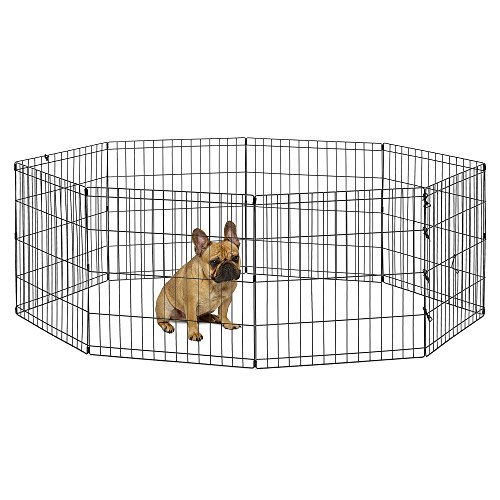
SPACIOUS 16 SQ FT PLAY AREA: Eight connected panels (24"W x 24"H) create a secure 16 sq ft exercise space suited non-climbing pets up to 16" tall, including a variety of dog breeds, rabbits, ducks and other small animals.
Do Daily Health Checks in Minutes, Not Hours
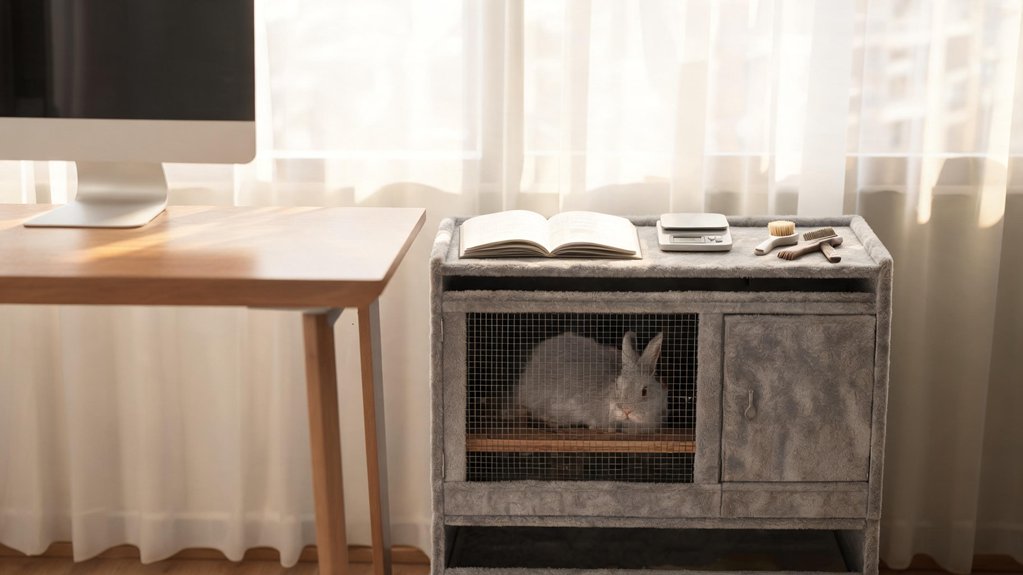
You don’t need hours to keep your rabbit healthy. Dedicate just 5 minutes each day to a quick health scan to ensure your furry friend stays in optimal condition.
During this brief check, observe their behavior, appetite, and toileting habits carefully because signs like quiet, hunched sitting, decreased eating, or fewer droppings can indicate early stress or gut health issues.
By regularly monitoring these vital signs, you can detect warning indicators such as messy eyes, a dirty bottom, or changes in activity levels promptly.
Addressing these concerns early allows you to take swift action, preventing minor issues from escalating into serious health problems.
Investing a few minutes daily with these health checks can significantly enhance your rabbit’s well-being and provide peace of mind, making it easier to keep your pet happy and thriving.

【Funny Pet Foraging Mat for Rabbits】This pet snuffle mat features flowers in different eye-catching colors and shapes to hide food, and there is also a carrot-shaped area that can hide hay and vegetables inside. These unique patterns can hide a lot of treats and evokes your adorable pet to go foraging.

NATURAL CHINCHILLAS TREATS: Rabbit treat and chews are handmade of 100% natural material, no glue, no additives, no added coloring. Healthy, attractive and original flavor making your love pets chew safely, encouraging them keep health by chewing and playing

FUN FORAGING DESIGN: Star-shaped timothy hay dish adds enrichment and variety to your pet’s day: Perfect for holding hay, herbs, or treats, it encourages natural foraging behaviors while promoting activity and curiosity in rabbits and guinea pigs
Quick Daily Behavior Screening
Once a day, perform a quick behavior and “looks” check in just 2 to 5 minutes—think of it as a brief yet essential health snapshot for your rabbit, not a time-consuming routine.
Regular monitoring helps you catch early signs of discomfort or illness, even with a busy schedule.
Start by observing your rabbit’s posture and activity levels; sudden hunched sitting, half-closed eyes, or stiffness while hopping can indicate pain that requires immediate attention or a visit to your veterinarian.
Next, scan your rabbit’s mood and social behavior.
Increased aggression, hiding more often, or withdrawing from a bonded buddy can be signs of stress or underlying health issues.
This quick mood check helps you identify subtle changes before they become serious problems.
Then, inspect the eyes, nose, and respiratory function.
Look for any discharge, fast breathing, noisy breaths, or head tilting, as these are urgent clues that warrant prompt medical evaluation.
Finally, glance at your rabbit’s fur condition and grooming habits.
Check for bald patches, heavy scratching, or signs of skin irritation.
Maintaining a daily health screening like this provides peace of mind and allows you to take quick action, ensuring your rabbit remains healthy, stress-free, and happy.
Incorporate this simple routine into your daily care to support early detection and effective treatment, and keep your beloved pet thriving.
Watch Appetite And Toileting
After you do that quick posture and breathing check, spend 1–3 minutes closely monitoring your rabbit’s appetite and toileting habits, as their digestion and urination provide critical health insights. Consistent observation of these signs allows for early detection of potential health issues, ensuring prompt intervention.
Start with your rabbit’s food intake: provide steady access to high-quality hay throughout the day, as it’s essential for optimal digestion and dental health. Observe their consumption of leafy greens and pellets, and compare their current intake to yesterday’s to identify any changes.
If your rabbit skips meals or shows a decline in appetite over a period of 2 to 7 days, treat this as a serious health concern requiring immediate veterinary attention.
Next, examine the litter box: you should see many large, round, dry pellets indicating normal gut function.
If you notice no new pellets for more than 12 hours, consider this an emergency situation and seek veterinary care without delay.
Keep the bottom clean to promote proper hygiene and prevent infections.
Finally, assess your rabbit’s urine: monitor for abnormal color, straining, or blood presence, and check for wet fur that may indicate urinary issues.
Any signs of straining or blood should prompt an urgent veterinary consultation.
Regularly monitoring appetite and toileting can detect early signs of health problems, enabling swift action to maintain your rabbit’s wellness and prevent costly or severe complications.
Check Stress Signs Early
And while you check your rabbit’s appetite and toileting habits, it’s essential to scan for early signs of stress, as unmanaged stress can quickly lead to serious health issues.
In just 2 minutes daily, look for behavioral changes such as increased hiding, listlessness, or jumpiness, especially with bulging eyes that indicate heightened alertness or fear. Monitoring these signs enables you to intervene promptly, maintaining your rabbit’s overall well-being.
Next, examine your rabbit’s ears and face closely. Flattened ears and fixed staring suggest high alertness or anxiety that may require immediate attention.
Also, observe the nose twitching and breathing patterns; heavy or loud sounds during respiration could be signs of respiratory distress or pain, necessitating urgent veterinary care.
Additionally, check your rabbit’s posture and muscle tone— crouching, freezing, or tense muscles are common indicators of emotional or physical distress.
Finally, pay attention to grooming behaviors, as sudden over-grooming or bald patches often signal ongoing chronic stress.
Identifying these behavioral and physical cues early allows you to address environmental factors, introduce calming solutions, and seek professional veterinary advice before problems escalate.
Your proactive approach in recognizing stress signs ensures a healthier, happier life for your rabbit, and supports your goal of providing optimal, comprehensive care using trusted, high-quality products and expert guidance.
Keep Litter Clean to Prevent Stress Chewing
Keeping your rabbit’s litter area clean is essential to prevent the stress-related chewing behavior that often arises when their toilet space becomes damp or odorous. Regular spot-cleaning every day by removing wet bedding and feces ensures the environment remains dry and comfortable for your rabbit, reducing stress and promoting better digestion.
Additionally, it’s crucial to empty and thoroughly disinfect the entire litter box at least once per week. For optimal odor control and hygiene, replace the bedding and litter every 1 to 3 days, especially if you have multiple rabbits or use newspaper litter. Consistent cleaning helps prevent ammonia buildup from urine, which can irritate your rabbit’s respiratory system and cause discomfort.
Maintaining a stable scent environment is also vital for your rabbit’s well-being. After cleaning, leave a small amount of familiar, unsoiled bedding to help your rabbit feel secure. Utilizing high-quality, absorbent bedding and commercial disinfectants designed for small animal enclosures can significantly improve your rabbit’s living space, ensuring it remains fresh, odor-free, and inviting. Choosing absorbent litter materials that lock in urine and control odor can make daily spot-cleaning easier and keep the box drier for longer.
Proper litter management not only promotes a healthy living environment but also reduces the risk of respiratory issues and stress behaviors, encouraging your rabbit’s overall health and happiness.

The Perfect Fit:Measuring 17.5"L x 13.6"W x 4"H, the Nyutu stainless steel litter box provides ample space for small to medium cats, kittens, or rabbits to move comfortably. It's incredibly easy to clean and works with any litter type - pine, crystal, pellets, or clumping.
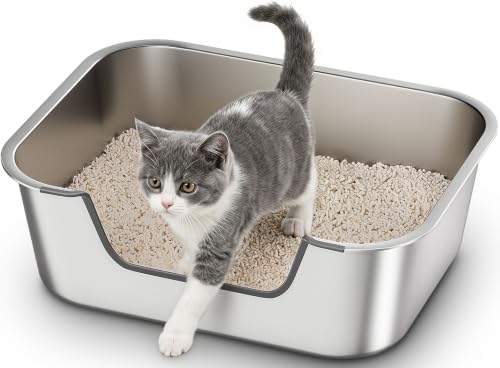
Thoughtful 3.15in Low Entry Design – Each litter box features a 3.15" low front entry, making it easy for kittens, senior cats, or injured pets to step in and out with confidence. High sides still provide excellent splash protection, combining care and practicality

OPEN TOP STYLE: Just as we love fresh air and open spaces, your cat doesn't like enclosed spaces any more. An open top litter box gives your beloved cat open space that can reduce the anxiety of enclosed spaces. At the same time, the open top litter box is easy for your cat to get in and out
Schedule Exercise at Dawn and Dusk Every Day
Dawn and dusk are your key opportunities for providing essential exercise to your pet rabbit, ensuring their happiness and health while you manage a full-time schedule. To optimize your rabbit’s well-being, aim to offer a minimum of 1–2 hours of exercise outside the enclosure daily, with a preference for closer to 3 hours if possible.
Break these sessions into two segments: one in the morning from dawn through mid-morning, and another in the early evening extending into late night.
Create a secure, spacious, and expertly fenced play area designed specifically for rabbit safety—at least 24 square feet, ideally measuring around 3 meters long and 2 meters wide to comfortably accommodate two rabbits. A well-built indoor rabbit playpen keeps your rabbit contained and protected from hazards while it exercises in your absence.
Enhance this environment with engaging tunnels, rabbit-safe toys, and enriching obstacles to encourage natural movement and mental stimulation.
Establish and adhere to consistent daily exercise routines at these designated times, which helps regulate your rabbit’s circadian rhythm, digestion, and overall physical health, leading to a happier, healthier pet.
Investing in a thoughtfully designed, secure exercise space and a reliable schedule offers proven benefits that improve your rabbit’s quality of life, reducing stress and promoting longevity.

Easy Installation & Space Saving:No complex assembly needed for this rabbit hay feeder. Pre-drilled holes support wall mounting, matched metal locks fit wire cages firmly, and built-in hooks allow fence hanging. This compact guinea pig hay feeder perfectly saves indoor cage space for small pets.

【VALUE 2-PACK】Includes 2 hay feeder bags. Each bag measures 11 x 10.5 inches and has 2 feeding openings. Made for rabbits, guinea pigs, and chinchillas.

X-Large Bunny Hay Feeder: Introducing a groundbreaking rabbit hay feeder, now with a larger size of 9.7x4.7x6.6 inches, offering more hay capacity and reducing the need for constant refills. The guinea pig hay feeder's sealed bottom effectively contains the hay, preventing spills and messes, ensuring a convenient and tidy feeding experience. This pet feeder minimizes hay wastage by preventing rabbits from scattering or soiling the hay, avoids unnecessary waste.
Meet Social Needs With a Bonded Rabbit Pair
Because rabbits are highly social animals, providing a bonded pair is typically the most effective way to meet their core needs, especially if your schedule keeps you away during the day. A bonded pair, consisting often of neutered, compatible rabbits—such as a male-female pair or same-sex companions—ensures consistent companionship, reducing feelings of loneliness and promoting emotional well-being.
Facilitating rabbit-to-rabbit bonding through gradual introductions and offering ample shared space is crucial. Incorporate multiple hideaway retreats and retreat areas within their environment, allowing them to rest, groom, play, and eat together in a safe and secure setting.
Human attention is beneficial, but it can’t replace the essential social interactions between rabbits. Providing this companionship not only fulfills their natural social instincts but also reduces stress and destructive behaviors.

Measure Before Purchase: Ensure horizontal bar spacing is greater than 1.1in/2.8cm and vertical bar spacing is over 0.8in/2cm for a proper fit.

Cleaner Water with Every Sip: The floating disk helps reduce splashing, slow fast drinking, and keep water cleaner throughout the day for dogs, cats, rabbits, and other small pets.

WARM NOTICE:This small animal water bottle is designed for cage pet waterer,the recommended cage net spacing is 2.5-6 cm (0.98-2.36 inches),please confirm the cage spacing before purchase.
Use Enrichment to Cover the Midday Quiet
Use Enrichment to Cover the Midday Quiet, Enhance Your Pet’s Well-Being
Even with a bonded pair of small animals or pets, it’s essential to plan for that quiet middle of the day when they might be idle. By providing strategic enrichment, you can transform their downtime into stimulating and engaging foraging activities.
Scatter their daily hay ration throughout their enclosure, encouraging natural foraging behaviors and preventing boredom. Placing hay in racks at varying heights, ideally around 20–30 centimeters and higher, promotes stretching and movement, enriching their physical activity.
Incorporate a variety of enrichment items such as cardboard tubes or paper parcels packed with nutritious food, which are perfect for chewing and shredding. Distribute additional food dishes across their living area, including some empty ones, to encourage exploration and “checking” behaviors.
Providing a slow-feeding block, such as compressed hay, helps regulate eating pace and enriches their environment. Rotate toys every two weeks to maintain novelty and anticipation, and include soft background sounds to create a calming atmosphere that reduces stress.
Implementing these solutions ensures your pets stay active, mentally stimulated, and content during the midday quiet period, supporting their health and happiness.

16 ft² Spacious Space: Provides 16 square feet of living area for small animal. Ideal extension of our rabbit cage or independent use. Give small pets freedom to frolic indoors or outdoors

Ideal for small animals to have their own safe space to play and exercise
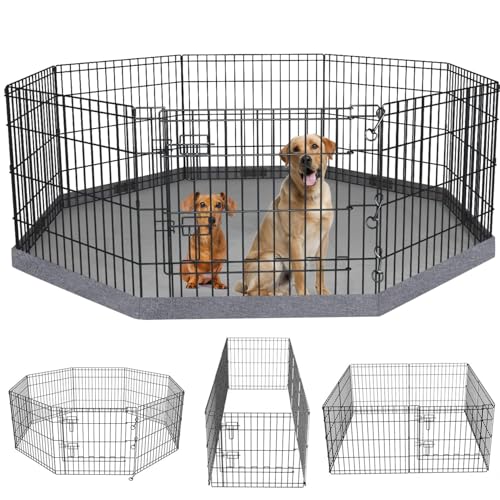
【Durable 600D Oxford Fabric】The bottom pad was made of 600D thick oxford, which is durable and with high strength.
Plan Space for at Least Two Rabbits
Create a dedicated, shared habitat for at least two rabbits, with a minimum footprint of approximately 3 meters by 2 meters (around 10 feet by 6 feet) and a height of at least 1 meter. This enclosure should be accessible to your rabbits 24 hours a day, seven days a week, ensuring they’ve continuous access to their living space—not limited to designated hutch time. Prioritize a fully escape-proof, secure environment that promotes natural behaviors and long-term well-being.
Enhance the enclosure with a variety of enrichment features and hiding spots, including durable tunnels, cozy covered corners, and elevated platforms. These additions provide your rabbits with safe spaces to graze, rest, and retreat, helping them feel secure even when you’re away. Incorporate safe, well-designed activity ramps and hopping areas, enabling spontaneous movement and exercise without the risk of getting stuck or experiencing hard landings.
Design the space large enough to allow multiple full hops along the longest side, which significantly reduces boredom and minimizes potential conflicts such as chasing or territorial disputes, even among bonded pairs. Investing in a spacious, engaging environment not only promotes healthier, happier rabbits but also ensures peace of mind for responsible pet owners seeking a comprehensive, long-term rabbit habitat solution.


FUN & FIBER-RICH DESIGN: Crafted from 100% high-fiber timothy hay, this playful waffle shape keeps small pets engaged while supporting healthy chewing and digestion; Encourages natural foraging and active play to promote daily enrichment and wellness

INTERACTIVE FORAGING FUN: Turn snack time into an engaging brain game! This 8.3" × 8.3" × 1.4" square tray features multiple foraging sections and includes 14 wooden balls, 1 mushroom-shaped piece, and 10 acorn-shaped pieces. Hide treats throughout the tray to encourage natural searching, nudging, and exploring
Provide Minimum Pair Space
A solid and humane setup begins with providing ample space for both rabbits to live comfortably, ensuring they’ve room to hop, stretch, and rest without feeling confined.
When designing a pair enclosure, it’s essential to implement a single, connected shelter and run system that maximizes usability and promotes their well-being.
Aim for a minimum of 3 meters by 2 meters by 1 meter (approximately 10 feet by 6 feet by 3 feet), accessible around the clock, allowing rabbits to engage in natural behaviors such as tall stretching, running, and relaxing in a safe environment.
This enclosure size is recognized by leading animal welfare organizations as a standard baseline, emphasizing the importance of providing an environment that goes beyond a quick-day exercise spot.
For small to medium-sized rabbit breeds, connect a high-quality hutch or shed directly to the run, ensuring the entire setup offers sufficient space and protection from predators and weather elements.
Larger breeds, such as giant rabbits, require even more spacious enclosures to support their physical and mental health.
Investing in a properly designed, spacious shelter-plus-run system not only enhances your rabbits’ quality of life but also minimizes behavioral issues and promotes long-term health.
It’s a practical, solution-focused approach for responsible pet owners and breeders seeking to meet or exceed recommended welfare standards, fostering a happy, active, and healthy environment for your beloved rabbits.
Add Enrichment And Hiding
Once you’ve established a solid space for your pair of rabbits, enhance their environment by adding enrichment features and hiding spots to ensure they feel safe, secure, and encouraged to explore freely.
Incorporate at least one hide per rabbit, along with an additional hide, and distribute these shelters strategically across the enclosure floor.
Use a combination of low, under-cover hides and enclosed options such as sturdy boxes or tunnels, each with two entrances to prevent cornering and promote natural hiding behaviors. Choose enclosed resting spaces that offer shelter and a sense of security, since rabbits rely on secure hideouts to feel safe and reduce stress.
Position these shelters in quiet, out-of-sight locations within the habitat, away from potential stressors like cats, dogs, drafts, and direct sunlight.
To facilitate smooth movement between resting and activity zones, connect these areas with durable cardboard boxes and PVC tunnels.
Enhance their environment further by adding hay bales or platforms that encourage jumping and climbing, and place chew sticks and hay balls near the hides to promote mental stimulation and dental health.
For ongoing engagement and variety, rotate toys and enrichment items every two weeks.
Implementing this comprehensive, solution-oriented enrichment setup will create a safe, stimulating habitat that supports your rabbits’ natural behaviors, encourages exploration, and reduces stress for a healthier, happier life for your pets.
Enable Safe Activity Ramps
Before you add safe activity ramps, carefully map out a secure “two-rabbit lane” that ensures both animals can move, hop, and regroup without traffic jams or obstacles. Plan a floor area of at least 3 meters by 2 meters (approximately 60 square feet), with a height of about 1 meter, combining sleeping quarters and play zones within one enclosed, secure environment for optimal safety and convenience.
Enhance your rabbit habitat with multi-level, stable ramps and platforms designed with commercial-grade materials that prioritize safety and durability. Use non-slip surfaces like textured low-pile carpet or rubberized textures rather than slick wood to prevent slips and falls. Choosing non-slip rabbit mats that offer both comfort and grip can add extra traction around ramps and platforms while giving your rabbits a soft place to rest.
Build ramps that are 5–6 inches wide—wider for larger rabbit breeds—and feature gentle slopes of 20 to 30 degrees for easy and safe navigation.
Incorporate safety features such as clear sides of 2 to 3 inches and lips or rails measuring 1 to 3 inches to prevent falls. Texturing the ramps and platforms further increases grip, providing a secure structure for active and climbing rabbits.
Limit platform heights to under approximately 24 inches to ensure safety while encouraging natural movement and exploration.
Ultimately, investing in a thoughtfully designed, multi-leveled habitat with these safety features will promote healthy activity, reduce stress, and provide a secure, engaging environment for your rabbits, making this approach ideal for both pet owners and professional breeders aiming to optimize animal welfare and enclosure functionality.
Build Escape-Proof Housing for Your Workday
When you work full time, you can’t rely on “she’ll probably stay put” instincts—you need escape-proof housing designed for busy workdays.
Set up a permanent indoor enclosure around 2 m² (approximately 21.5 sq ft) for a single medium-sized rabbit, and aim for at least 16+ sq ft for a bonded pair.
Set up a permanent indoor enclosure of about 2 m² for one medium rabbit, and at least 16+ sq ft for a bonded pair.
Use a dedicated rabbit-proof room or section of your home, then incorporate a secure exercise pen to create multiple protected “sub-zones.” Fencing designed for rabbit exercise areas can also set clear boundaries and give your rabbit a safe place to play while you are at work.
This setup ensures your rabbit remains safely contained while providing ample space for movement and enrichment.
To maximize security, construct tall, sturdy walls that prevent jumping out, and block any gaps or holes that could serve as escape routes.
Extend solid or mesh flooring beyond the fence line, such as with a durable mat or ramp, to prevent digging underneath.
Choose baby or pet gates with narrow spacing that can withstand curious nibbles, and always cover or hide electrical cables to eliminate temptation.
Finally, ensure doors and entry points are securely closed at all times to maintain a completely escape-proof environment, giving you peace of mind during your busy workday.

Spacious Comfortable: This large rabbit litter box offers ample space with dimensions of 16.9" long x 11.8" wide x 6.3" high, making it ideal for adult rabbits, guinea pigs, ferrets and chinchillas.The litter box rabbit, say goodbye to cramped corners

Raised Back for Cleanliness: High rear wall helps contain messes and prevent spills, supporting a tidier and more hygienic ferret cage environment.

Large Size: Measuring 17"L x 13.3"W x 7"H, your rabbit has room to move around and do his business comfortably. Our Rabbit Litter Box is not just for bunnies! It's perfect for various small pets including adult guinea pigs, ferret, adult rats, adult chinchilla, galesaur or other animals is relatively large. This ultimate multi-purpose bunny essentials is a must-have for pet lovers! Additionally, it is a large size, which makes training pet easier.
Add Platforms and Tunnels to Keep Them Moving
You can keep your rabbit actively engaged and physically stimulated even during your busy work hours by incorporating sturdy, safe hide tunnels and strategically placed jump spots. Select tunnels with a minimum of two openings, crafted from durable, pet-safe materials, and ensure they measure around 6 inches in width. This allows your rabbit to run, turn, and explore freely without feeling confined or stuck, promoting natural behaviors and reducing stress.
Enhance your rabbit’s enclosure by stacking multiple jumping platforms, each measuring approximately 12 by 18 inches, and keep their height to no more than about 18 inches to ensure safety for medium-sized rabbits. These platforms encourage energetic movements and provide space for climbing and jumping, which are essential for maintaining healthy muscles and joints.
Additionally, place a couple of hay or food “stations” at different levels within the play area. Doing so creates enticing cues for your rabbit to venture into short, active runs, thereby enriching their environment, boosting mental stimulation, and fostering overall well-being. Foraging toys that encourage chewing and natural foraging behavior can also provide valuable mental stimulation while you are away.
Implementing these solutions with high-quality, rabbit-safe materials ensures a safe, engaging, and dynamic habitat that supports your pet’s natural instincts and keeps them content in your absence.
Offer Safe Hide Tunnels
Hide tunnels are essential as your rabbit’s “safe back-up home,” providing a secure retreat and peace of mind. They help your bunny feel safe and comfortable even while you’re busy with daily activities, offering a quiet escape route and private space to withdraw from stress and social pressure. Well-chosen tunnels also encourage active play, giving your rabbit a way to stay engaged while you’re away. Incorporating such tunnels into your rabbit’s environment ensures a sense of security, which is crucial for their well-being and happiness.
When selecting hide tunnels, choose those approximately 10 to 12 inches wide (20 to 25 centimeters) suitable for medium-sized rabbits. Ensure the tunnel has enough height to allow your rabbit to turn upright comfortably, promoting natural movement and reducing stress. For maximum safety, opt for tunnels with two open ends to enable free entry and exit, eliminating the risk of your bunny becoming trapped in dead ends.
Use high-quality, pet-safe materials such as plant-fiber wicker, seagrass, untreated wood, or thick, unprinted cardboard. Sturdy plastic tunnels without sharp edges are also excellent options to prevent injuries.
Place multiple tunnels strategically throughout the enclosure to prevent territorial behaviors such as guarding and to ensure each rabbit has access to a safe retreat. By providing well-designed, durable hide tunnels, you enhance your rabbit’s environment, promote natural behaviors, and create a stress-free, enriching habitat that supports their physical and mental health.
Add Multiple Jumping Platforms
Once you’ve established a series of secure, rabbit-safe hide tunnels, it’s crucial to enhance your bunny’s environment by adding multiple jumping platforms designed to promote purposeful movement, rather than random hopping.
These platforms should be constructed at heights approximately level with your rabbit’s shoulders or slightly lower, ensuring ample headroom of around 1 meter above to prevent injuries to their sensitive ears and head.
Proper spacing between platforms allows your rabbit to comfortably land and stand upright on their hind legs, encouraging natural stretching and movement.
Use high-quality, non-slip surfaces such as textured wood or rabbit-safe rubber mats to maximize safety during jumps and landings.
Build these platforms from durable, non-toxic materials like sturdy wooden crates, natural fruit-tree stumps, or reinforced platforms designed specifically for small animals.
Secure each platform firmly using appropriate fasteners, ensuring stability and wobble-free standing, which minimizes the risk of falls or injuries.
To facilitate smooth transition between levels, connect the platforms with wide, gentle ramps rather than ladders.
These ramps should have a gentle incline, providing easy access for rabbits of all ages and sizes, including senior or larger breeds.
Supervise your rabbit during their initial climbs, especially when introducing new levels, to ensure safe navigation and build confidence.
By incorporating these well-designed, sturdy jumping platforms into your rabbit’s habitat, you create an enriching environment that encourages natural exercise and mental stimulation, which are vital for your pet’s health and well-being.
Investing in high-quality, purpose-built platforms ensures safety, durability, and promotes active, purposeful movement, making your rabbit’s living space both engaging and secure.
Encourage Daily Active Runs
To help your rabbit stay fit and prevent disruptive “thump” sounds at 6 a.m., it’s essential to establish a comprehensive daily exercise routine that encourages active movement rather than passive lounging. Design a dedicated, rabbit-proofed outdoor or indoor run route that promotes sustained activity and physical health, making exercise an engaging part of their day.
Aim for a total of 3 to 4 hours of safe, well-constructed free-roam or exercise time each day, divided into two sessions—one in the early morning and another in the evening—to maximize your rabbit’s well-being.
Provide continuous access to an spacious exercise area rather than short, isolated trips, ensuring they’ve ample opportunity to move freely and naturally, which supports their physical and mental health.
For households with multiple rabbits, plan an enclosure at least 3 meters long, 2 meters wide, and 1 meter high, with a minimum of 4 to 5 square meters of base space, plus sufficient height clearance for jumping and standing upright.
Incorporate tunnels with two wide openings, capable of accommodating sprints, and connect them to secure boxes or cozy houses to create a stimulating environment that encourages exploration and exercise.
Invest in high-quality, rabbit-safe fencing, tunnel systems, and shelter structures that are easy to clean and modify, ensuring a safe, engaging space that motivates active play, reduces boredom, and promotes overall health.
Prioritize solutions that optimize your rabbit’s physical activity, enabling a happier, healthier pet while providing peace of mind through reliable, spacious, and enriching exercise setups.
Include Hideouts So Fear Isn’t Constant
Since rabbits are prey animals, it’s essential to create a secure and inviting environment by including multiple hideouts throughout your home and exercise area. Ensure each rabbit has access to at least one hideout, with an additional one to prevent any from getting trapped outside, providing peace of mind and continuous safety for your furry companion. Use chew-safe, non-toxic materials such as sturdy cardboard boxes, untreated wood, durable drain pipes, or flexible PVC tunnels to construct these hideouts.
Select snug, well-ventilated sizes where rabbits can comfortably enter, turn around, and rest without feeling exposed. Incorporate two entrances in each hideout to allow easy escape routes and prevent trapping, enhancing their sense of security.
Position these hideouts strategically—both in the main living space and the exercise area—in quiet, draft-free spots, carefully avoiding areas contaminated with cat, dog, or predator scents.
Investing in high-quality, purpose-built hideouts tailored for rabbits offers a crucial layer of protection, reducing stress levels and fostering natural hiding behaviors. This solution not only comforts your pet but also promotes healthier, happier rabbits by mimicking their natural habitat and providing constant refuge, ensuring they feel safe and secure at all times. Many owners find that a rabbit hide gives their pet a dedicated place to retreat and rest whenever it feels threatened.
Spot Stress Fast: Bar Chewing, Circling, Hunching
Watch for the “stress tells,” so you can address the underlying issues before your rabbit develops problematic behaviors. Recognizing early signs like bar chewing, circling, and hunching enables proactive intervention to improve your rabbit’s well-being and prevent escalation.
If you observe bar chewing, it’s often a sign of stress or boredom, particularly when the enclosure is small, and it lacks sufficient exercise and enrichment. This behavior may also indicate your rabbit attempting an escape, signaling the need to enhance habitat size or provide engaging interactive toys and activities.
Next, monitor for circling behaviors. Quick circling around your body can sometimes be playful, but persistent perimeter circling or circling combined with bar biting or head bobbing usually indicates heightened anxiety levels. Addressing these signs promptly with enrichment, mental stimulation, and a more comfortable environment can reduce stress and promote healthy comfort behaviors.
Finally, observe for hunching, where your rabbit adopts a tense, hunched, or flattened posture. This posture might suggest your rabbit feels unsafe or is experiencing pain. If hunching is accompanied by drooling, teeth grinding, or a decreased appetite, it’s crucial to seek veterinary care immediately. Prompt medical attention ensures your rabbit receives the necessary treatment and relief, safeguarding their health and happiness.
Use Clear Triggers to Get a Midday Check
Use Clear Triggers to Get a Midday Check. Set a specific, consistent midday “check-in” trigger to eliminate guesswork about your rabbit’s well-being. Create a work-calendar event titled “Rabbit Health Check” scheduled for 11:30 AM, or align the check with natural dawn or dusk activity times for more accurate assessment.
Implement a quick health screening process: observe if your rabbit is consistently eating fresh hay, drinking water, and passing normal-sized pellets. Evaluate their posture, grooming habits, and movement patterns to identify any early signs of health issues.
Observe whether your rabbit eats fresh hay, drinks water, and passes normal-sized pellets—then check posture, grooming, and movement for early warning signs.
To ensure comprehensive care, pair this routine with a daily lunch reminder sent via text to a designated caregiver. Keep a printed checklist posted near the enclosure, detailing specific health indicators and behaviors to monitor.
Incorporate a simple 1-to-3 energy scale to quantify your activity level during each check. Be vigilant for signs of discomfort, such as tense crouching, flattened ears, or refusal to eat hay.
If these symptoms are observed, immediately contact your veterinarian for professional advice to maintain optimal rabbit health and prevent further complications.
Fix Toileting Changes Caused by Setup Problems
If your rabbit suddenly starts pooping or peeing outside the litter box, don’t assume they’re “being bad.” Most toileting changes are caused by setup problems in the habitat or litter box configuration. By making strategic adjustments, such as selecting the right size and height of the litter box, optimizing its placement, and managing litter and hay arrangements, you can quickly address and resolve these issues.
Begin by choosing a high-quality litter box that measures at least 1.5 times your rabbit’s body length, with sides approximately 10 to 20 centimeters high to prevent spillage and encourage proper use. Place the box in a corner your rabbit already favors, ideally near their hay, food, or water sources, to reinforce positive habits. Using commercial-grade paper-based litter or kiln-dried pine and aspen shavings ensures a comfortable and odor-absorbing environment.
For best results, add plenty of hay inside or next to the litter box to promote natural behavior and reduce accidents. A litter box with an integrated hay rack combines toileting and hay access in one setup, which can make it easier for your rabbit to keep both habits in the same spot. Maintain daily spot-cleaning routines to keep the area hygienic, and replace the litter every 2 to 3 days to prevent odor buildup and ensure your rabbit’s comfort.
These setup improvements are essential components of a proactive, solution-oriented approach to maintaining your rabbit’s toileting health and preventing undesirable habits.
Vet or Adjust: When to Act Immediately
When managing a full-time rabbit care schedule, it’s crucial to implement an immediate “vet or adjust” decision rule to prevent rapid deterioration.
Act without delay if your rabbit ceases eating entirely, shows no droppings for 8 to 12 or more hours, or exhibits labored breathing, mouth open, or nose lifting to breathe.
These signs indicate a critical health emergency requiring prompt veterinary intervention to ensure survival and prevent severe complications.
Additionally, seek urgent veterinary care if your rabbit collapses, experiences seizures, or sustains major bleeding, suspected fractures, or deep open wounds.
Recognizing severe pain signs such as loud tooth grinding, hunching posture, rapid shallow breathing, or a distended or swollen abdomen can be life-saving.
Immediate action is also necessary if you observe symptoms like diarrhea coupled with listlessness, white or thick discharge from the eyes or nose, sudden head tilt, or loss of coordination.
Contact a knowledgeable, rabbit-savvy veterinarian immediately to address these urgent health issues and optimize your rabbit’s recovery prospects.
Frequently Asked Questions
How Much Human Interaction Do Rabbits Need if I Work Full Time?
You’ll want several hours daily with your rabbit, including dedicated morning and evening play sessions, grooming routines, and safe exploring opportunities. Consistently engaging with your rabbit not only nurtures a strong bond but also keeps them mentally stimulated and physically healthy.
If you work full time, ensure you leave ample supplies such as fresh hay, clean water, and appropriate litter set up in a secure environment. However, it’s important to recognize that replacing direct rabbit–rabbit companionship solely with your presence isn’t sufficient. Bonded pairs or small groups of rabbits can significantly enhance their well-being by providing natural social interaction, which is crucial for their emotional health. Investing in a well-socialized, bonded rabbit pair or a small rabbit group can lead to happier, healthier pets and can reduce behavior issues often caused by loneliness. Maximize your rabbit’s happiness and health by choosing the right social arrangements and ensuring they receive regular, enriching interactions, even when your schedule limits your daily availability.
Can a Pair of Rabbits Be Left Alone for Eight Hours?
Yes, healthy, bonded pairs of rabbits can typically be left alone for up to eight hours if they are housed in a secure, spacious enclosure that provides optimal comfort and safety. To ensure their well-being during this period, it is essential to equip their habitat with high-quality hay, nutritionally balanced pellets, fresh water, and leafy greens, along with a clean and odor-free litter spot for their hygiene needs.
For added peace of mind, regular morning and evening check-ins are recommended to monitor their health and behavior. Additionally, incorporating engaging toys, tunnels, and other enrichment items into their environment encourages natural behaviors and prevents boredom. Proper exercise opportunities outside their enclosure are vital for their physical health and mental stimulation. Investing in the right habitat setup and daily care routine guarantees your bonded rabbits remain happy, healthy, and well-cared for, even during longer workdays or outings.
What Enrichment Helps While You’Re at Work Without Daily Supervision?
Enrichment is most effective when you incorporate diverse activities like foraging and movement, ensuring your pets remain stimulated even without daily supervision. Implementing bonding activities such as bonded pair time fosters social connection and reduces boredom, while providing engaging tools like hay forage boxes and snuffle mats encourages natural foraging behaviors.
Enhance mental and physical engagement through puzzle feeders, cardboard tunnels, safe chew rotations, and a dedicated dig box. These enrichment devices not only keep your animals busy throughout the day but also promote overall health and happiness. Investing in high-quality enrichment products helps maintain your pet’s well-being, reduces destructive behaviors, and ensures they stay entertained during your busy work schedule.
How Do I Set up Morning and Evening Routines Around My Work Schedule?
Set a structured morning routine: begin by feeding hay, topping off high-quality pellets, refreshing water supplies, and conducting a quick health check to monitor your pet’s wellbeing. Follow this with tidying the living area and securing the space to ensure safety and comfort for your rabbit. Implementing a consistent morning schedule helps establish stability and promotes overall health and happiness.
After returning from work, prioritize providing fresh greens, along with additional hay and water to support hydration and dietary needs. Scoop litter regularly to maintain a hygienic environment that discourages odor and bacteria buildup. Then, dedicate 30 to 60 minutes to supervised exercise, such as free roaming or interactive play, which is vital for physical health and mental stimulation.
Finish the day with a 15-minute bonding session, offering gentle petting, grooming, or talking to strengthen your emotional connection. These routines, when tailored around your work commitments, ensure your rabbit receives comprehensive care and enrichment. Investing in a well-organized schedule maximizes your pet’s wellbeing and supports a happy, healthy companionship.
What Stress Signs Mean I Need a Midday Check or a Vet?
Midday checks are crucial when your pet shows signs of stress or discomfort. Pay close attention to behaviors such as ears flattened against the head, wide or dilated eyes indicating anxiety, tense or hiding postures signaling fear, frantic circling that suggests agitation, bar-chewing which may reflect boredom or distress, repeated thumping indicating discomfort, or a reduced appetite that could signal illness.
If you notice symptoms like lethargy, absence of droppings, refusal to eat, or hunching that persists, it is essential to contact a veterinarian immediately, preferably on the same day. Prompt professional assessment ensures your pet receives timely care, preventing minor issues from escalating into serious health concerns. Regular midday monitoring paired with swift vet intervention forms the foundation of a proactive approach to maintaining your pet’s well-being, making it easier to address stress or health issues early and keep your furry friend happy and healthy.