You can expect your German Shepherd to live about 7–10 years, with females closer to ~11 and males around ~9.5. But you can often add years by starting senior care around age 7. Keep weight at BCS 4–5/9, so ribs are easy to feel. Switch to senior food, and cut walks to 15–20 minutes 2–3x daily if stiffness shows. Vet checks every 6 months, plus blood pressure, labs, and urine, help catch cancer, joint issues, and bloat early—stay with this for more tips.
Swift Summary
- German Shepherds typically live 7–10 years, with females often living around 11 years and males around 9.5 years.
- Many enter a senior stage around 7–8 years, showing stiffness, slower walks, and longer recovery after play.
- Provide vet checkups every 6 months in senior years, including bloodwork, urinalysis, thyroid testing, and blood pressure monitoring.
- Reduce major health risks by screening for hip/elbow dysplasia and DNA risks, since orthopedic disease and myelopathy can shorten lifespan.
- Prevent emergencies and catch issues early: feed smaller scheduled meals to lower bloat risk and watch for persistent lumps, weight loss, or lameness.
German Shepherd Lifespan Ranges by Sex and Age
Most guides put overall life expectancy somewhere around 7–10 years, but population studies and health summaries often land closer to a mean near 10 years, with a lot of dogs falling in that range.
So, how long can a german shepherd live? Often, about 7–10, yet well-cared dogs may reach 12–14.
Females typically live longer: how long german shepherd live female, about 11 years.
Males average near 9.5 years, how long german shepherd live male.
Studies note median deaths around 11.1 years (females) and 9.7 (males).
If you’re unsure, use how to tell german shepherd age, or how to check german shepherd age, then plan.
For curiosity, what’s german shepherd age; oldest living german shepherd dog, and longest living german shepherd are rare outliers.
Keeping your dog at a healthy weight, which you can judge with a body condition assessment, is one of the everyday factors that supports a longer life.

LARGE BREED DOG FOOD: Royal Canin Large Aging 8+ Dry Dog Food for large dogs weighing 56 to 100 lbs
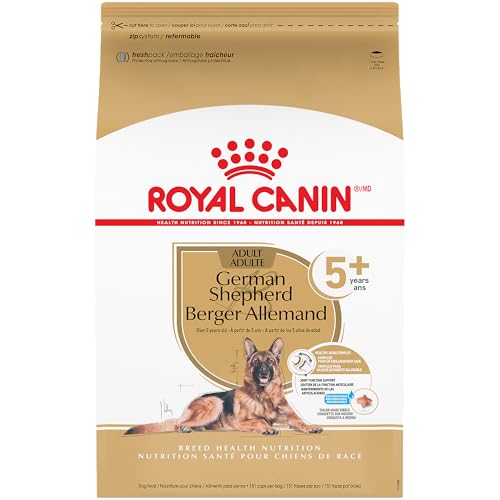
Royal Canin German Shepherd Adult 5+ Dry Dog Food is complete and balanced nutrition designed to meet the specific needs of senior purebred German Shepherds 5 years and older

Diamond Naturals Skin and Coat All Life Stages Salmon and Potato dry dog food; REAL SALMON is the #1 ingredient; from puppy to senior, this formula helps maintain healthy skin and coat
What “senior” Means for German Shepherds at 7
At 7 years old, you should start treating your German Shepherd like they’re in the senior stage, because the shift is about function, not just a number. Watch for small changes—rear-leg stiffness, slower walks, longer recovery after play, and more rest—and then step up monitoring with a vet check about every 6 months, plus quick at-home “lump and limping” scans. Given degenerative myelopathy is a progressive spinal cord disease unique to German Shepherds, catching subtle hind-limb changes early is especially important. But don’t panic—adjust food for healthy weight and ease their routine into gentler, more frequent exercise to protect joints and stamina. Much like German Shepherd puppy ears that slowly stand up during normal ear development, many age-related changes build gradually and are easy to overlook.

Enhanced Senior Formula: This joint supplement for dogs&horses is perfect for seniors, offering increased glucosamine and hyaluronic acid to promote your pet's active lifestyle and smooth movements. Our formula is a top choice among senior dog supplements

Senior mobility routine: Support daily walks, stairs, and play with glucosamine for dogs in chicken flavor soft chews made for senior hip and joint care.

SENIOR DOG HIP & JOINT SUPPLEMENT PROVEN IN 4 WEEKS: Vet-formulated chewable tablets for aging dogs 7+ with stiff mornings and slow stairs, powered by ActivEase Green Lipped Mussel and Hyaluronic Acid that reaches the joint in 2 hours.*
What Changes At Seven
By age seven, you’ll usually start to notice that your German Shepherd isn’t quite in “mature adult” mode anymore—he’s drifting into the senior stage, roughly the final third of the breed’s typical 9–13 year lifespan. You’ll see big shifts, and they’re normal. When senior age begins around seven to eight years, you can also see these changes start as a gradual, individual process rather than a sudden switch. Energy may dip, and walks slow. After rest, stiffness shows up, climbing stairs feels harder, and jumping gets less tempting. You may notice a shortened stride, extra sleep, and slower recovery after play. You might spot a duller double coat, plus graying around the muzzle. Cognition and senses can also start to fade, with vision haze often arriving a bit later.
Senior Care And Monitoring
Once your German Shepherd hits seven, “senior” doesn’t mean they’re broken—it means their body starts asking for more attention.
Aim for twice-yearly wellness exams, then add more visits if you spot chronic issues.
At each visit, ask for a detailed blood panel yearly, plus urinalysis, thyroid checks, and blood pressure, because hypertension can hide in kidneys or hormones.
Track dental health too.
Every day, check body condition by feel, note new lumps, monitor skin, ears, and weight.
Watch stiffness or lameness lasting over 24 hours.
Also observe vision, cognition, and any confusion.
Log soiling or incontinence changes.
Adjust Exercise And Diet
When your German Shepherd turns about 7, you should treat “senior” as a new training and feeding plan, not a scary diagnosis. At this stage, large-breed age shifts show up in stamina and metabolism.
Now you shorten workouts, keeping them low-impact. Aim for 30–60 minutes total daily activity, split into 15–20 minute walks, two to three times per day. Add gentle fetch, and use soft ground.
Swimming is great, it builds strength without hard joint impact.
Then adjust food: switch to senior-formulated, reduced-calorie meals with joint support, kidney-friendly nutrients, and high-quality protein. Feed by label, and monitor body condition.
How Genetics and Breeding Shape German Shepherd Longevity
You shape German Shepherd longevity long before your pup ever joins your home, because genetics and breeding choices set the health baseline.
And if you want longer, healthier years, you’ll start with hereditary disease screening—hip and elbow tests (like OFA, PennHIP, or BVA/KC) before breeding—since dysplasia often leads to arthritis and pain later. Owners should also recognize early signs of hip dysplasia, such as stiffness, reluctance to climb stairs, or a bunny-hopping gait.
But remember, sex-specific genetic risk can shift outcomes too, so ask your breeder for results for both parents, not just one, and choose plans that reduce inbreeding and focus on joint-ready breeding stock.

Health Supplement for Dogs: VetIQ hip and joint chews for dogs are soft and a great way to support mobility, whether they love running, jumping, playing, or resting; They suit senior pets or those who need extra support staying active & comfortable

High-Quality Dog Hip and Joint Supplement: Help dog move freely with dog joint chews, a premium hip and joint supplement for dogs packed with glucosamine for dogs, chondroitin, and MSM. These key ingredients in dog joint supplement strengthen cartilage, support dog joint flexibility, and reduce stiffness, ensuring pup stays active and comfortable. Whether dog arthritis, hip dysplasia, or age-related mobility issues, dog supplements for joint and arthritis provides the relief they need

MOBILITY YOUR DOG CAN FEEL: Help your dog run, jump, and take the stairs like they used to. This daily formula supports healthy cartilage, cushioned joints, and easy everyday movement for dogs of every breed and age.
Hereditary Disease Screening
Through hereditary disease screening, you can directly help your German Shepherd live longer and feel better day to day.
By testing DNA, you reduce the chance that genetic skeletal, neurological, and systemic disorders show up.
Think hips and elbows first.
Hip dysplasia affects about 17.4%, elbow dysplasia about 16.7%, so early radiographs plus OFA-style scoring helps you spot risk.
Next, test for disorders like MDR1, where a single gene can trigger severe drug reactions, and degenerative myelopathy via the SOD1 mutation.
Use panels like the Veterinary Genetics Laboratory panel, and screen before breeding, so fewer affected pups enter the world.
Selective Breeding Health
Selective breeding shapes your German Shepherd’s longevity in a very real, genetics-based way, because the traits you choose to pass on also affect joints, nerves, and overall body wear.
And genetics matters: German Shepherds show limited diversity, plus a modest inbreeding level, around 0.02.
But long-term selection bottlenecks reduced diversity, raising harmful mutations.
Choose breeders who prioritize sound structure.
If show lines chase steep, sloped backs, mobility problems can cut life to 8–9 years.
Meanwhile working lines often favor straighter backs, supporting 12–13 years.
Serve them well—ask about structure, ancestry, and screening.
Sex-Specific Genetic Risk
Sex-specific genetic risk matters because it helps explain why male German Shepherds often don’t make it as long as females, even when they live in the same kind of homes.
In big UK datasets, females average about 11.1 years, males about 9.7, so you can plan with this reality.
Genetics plays a role.
Male-biased congenital idiopathic megaesophagus affects more males, nearly 2:1, and can cut lives early without management.
Also, X-linked haemophilia A affects mostly males because the F8 mutation sits on the X chromosome.
When you breed responsibly, use VNTR testing, track sex risk, and avoid high-risk lines.
Top German Shepherd Health Risks That Shorten Lifespan
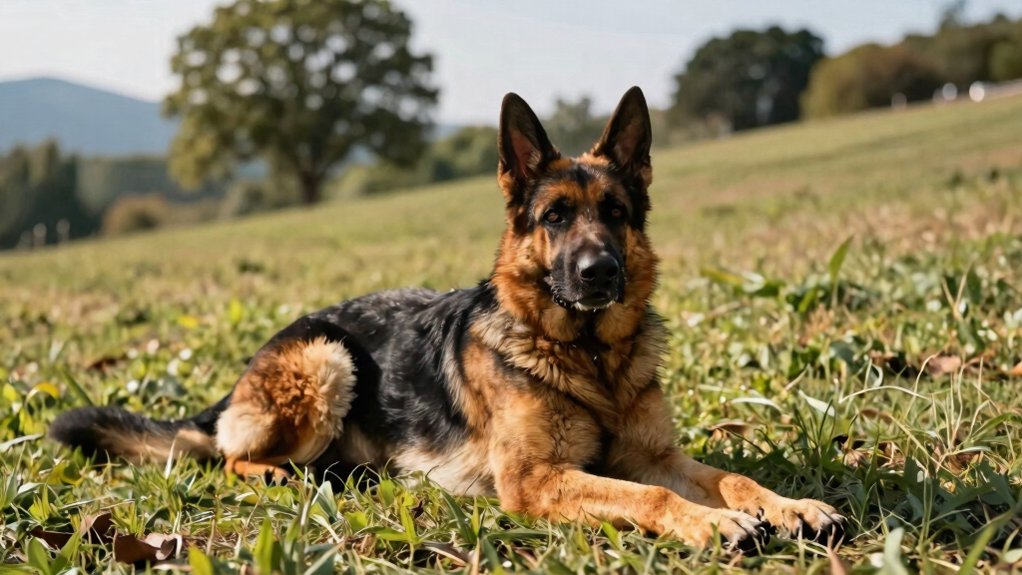
When it comes to a shorter German Shepherd lifespan, a few health risks stand out again and again—mostly because they hit bones, the spine, digestion, or life-critical organs.
Musculoskeletal and spinal issues (degenerative problems and myelopathy, a worsening spinal-cord disease) can cut life down fast, often around 5–8 years.
Musculoskeletal and spinal issues, including degenerative disease and myelopathy, can shorten a German Shepherd’s lifespan to about 5–8 years.
You’ll also want to protect against GDV “bloat,” when a deep-chested stomach twists and blocks blood flow.
This emergency kills quickly without surgery.
Watch for cancer too—tumors, hemangiosarcoma, and osteosarcoma—often bring death near 9 years, so screening helps. Be alert to early warning signs such as persistent lumps, unexplained weight loss, or lameness, and schedule a veterinary evaluation promptly if any appear.
Finally, heart disease can silently worsen.

a first aid how-to manual, thoughtfully prepared by a practicing veterinarian, meant as a guide for the treatment of bloat in large dogs.

Enzymes and Probiotics for Dogs: Our probiotic soft chews for dogs are formulated by trusted vets to help your furry friends over the age of 6 weeks with sensitive stomachs, diet changes, and digestive issues

Gut Health for Dogs: Grumbly tummy, smelly gas or occasional dog diarrhea? This probiotic for dogs gut health gives daily dog digestive support in tasty chicken dog treats, an easy addition to your pet vitamins and supplements routine.
Spot Hip and Elbow Dysplasia Early: What to Watch
You’ll want to watch for a stiff gait, especially when your pup first gets up, then again after exercise—hip and elbow pain can start as early as 5–8 months.
Check for elbow joint pain like intermittent front-limb lameness, shortened stride, or a head bob, and feel for crackling/crepitus (a grinding sensation) plus elbow thickening.
But don’t wait—schedule an early orthopedic screening, ideally soon if you notice symptoms, since clear X-ray results often come after growth plates close, typically around 4–6 months. Keeping your puppy at a lean body weight and choosing breeders who screen their dogs for hip dysplasia can further lower the risk of joint problems.

VET-RECOMMENDED ORTHOPEDIC SUPPORT: Does your large or senior dog seem stiff after long rest? Veterinarian-recommended high-density orthopedic egg-crate foam distributes weight evenly. It cushions pressure points on joints and spine—from a 15 lb dachshund to a 90 lb lab.
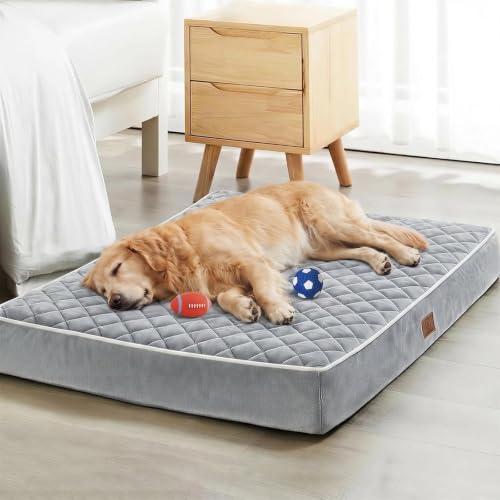
【Velvet Surface & Quilted Design】Cozy dog bed pad is made of soft velvet for a delicate touch on your furry friend's skin. The velvet fabric also helps to keep your pet warm at night.Featuring a one-of-a-kind quilted pattern, Extra Large dog bed adds a touch of sophistication to your home decor.

[Certified Orthopedic Support] Experience professional-grade comfort with our unique "egg crate" foam core, designed to evenly distribute weight and provide crucial support for your dog's hips and joints. This certified CertiPUR-US foam free from harmful chemicals, offering dual safety assurance when combined with our OEKO-TEX certified fabric.
Watch For Stiff Gait
Watch for stiff, abnormal gait, because it often shows up early—before you see clear, severe lameness.
Between 4 and 12 months, you may notice short, stilted steps, especially after rest.
For elbow dysplasia, your dog might hold forelegs stiff, take few steps, or turn paws inward.
For hip dysplasia, look for swaying hips, bunny-hopping, rolling hind legs, or nail scuffing.
And if they’re slow to rise, reluctant to jump, or climb stairs, take that seriously.
Catching this stiffness early helps you seek diagnosis, slow arthritis, and support a longer, higher-quality life.
Check Elbow Joint Pain
Check your German Shepherd’s forelimbs closely for elbow joint pain, because early elbow dysplasia often starts with subtle front-limb lameness.
Watch for front-limb lameness, often intermittent, worse after exercise, or when rising from rest.
If it starts around 4–8 months, often near 5 months, don’t ignore it.
Next, gently check elbow range of motion and posture, reluctance to fully bend or straighten, outward elbow hold, inward paw turning, and shorter strides.
Then feel for swelling, warmth, or thickening, plus crepitus (crackling).
Note pain on flexion/extension, groans, tensing, or resistance.
Seek urgent help for sudden non-weight-bearing or severe swelling.
Schedule Early Orthopedic Screening
When you set up early orthopedic screening for hip and elbow dysplasia, you give your German Shepherd the best shot at catching trouble before it turns into lasting arthritis.
Start at the 12-week puppy visit, ask for an orthopedic risk discussion.
Next, schedule hip laxity checks before 20 weeks, and consider PennHIP, a distraction-radiograph method that measures looseness.
PennHIP can begin as early as 16 weeks.
Then book OFA preliminary evaluations between 4 and 24 months.
Watch between 4–12 months for bunny-hopping, stiffness, and trouble rising.
For elbows, look for reduced extension or stiffness from 6–12 months.
Recognize Degenerative Myelopathy Signs and Progression
Recognize the early signs of degenerative myelopathy in German Shepherds early, because this spinal cord disease usually starts subtle and then speeds up as months pass.
Look for nonpainful hind limb ataxia, meaning wobbly, uncoordinated steps.
You may see scuffed or dragging back feet, worn nails, and knuckling toes.
Notice if your dog struggles to rise, avoids stairs, or enters vehicles slower.
You might even spot it in one back leg first, then both.
Then watch progression: worsening paraparesis, leading to paraplegia and loss of bladder control over 6–12 months.
At around 8–10 years, screen quickly. Veterinarians usually diagnose degenerative myelopathy by ruling out other spinal conditions, and supportive care such as physical therapy can help your dog stay mobile for longer.
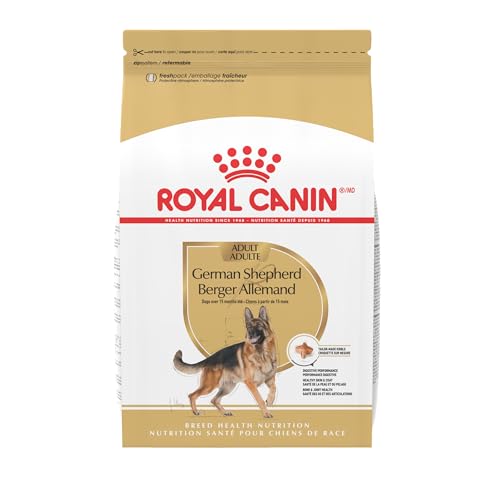
BREED HEALTH DOG FOOD: Royal Canin Breed Health Nutrition German Shepherd Adult Dog Food Dry Formula for purebred German Shepherds 15 months and older

BREED HEALTH DOG FOOD: Royal Canin Breed Health Nutrition German Shepherd Adult Dog Food Dry Formula for purebred German Shepherds 15 months and older

VETERINARIAN-FORMULATED FOR GERMAN SHEPHERDS, ROTTWEILERS, DOBERMANS & LARGE BREEDS – Developed by Dr. Gary Cotton, DVM after repeatedly seeing German Shepherds arrive at his clinic with chronic digestive and skin issues. Holistically formulated to address the unique nutritional needs of large and giant breed dogs.
Prevent Bloat: How to Reduce Gastric Torsion Risk
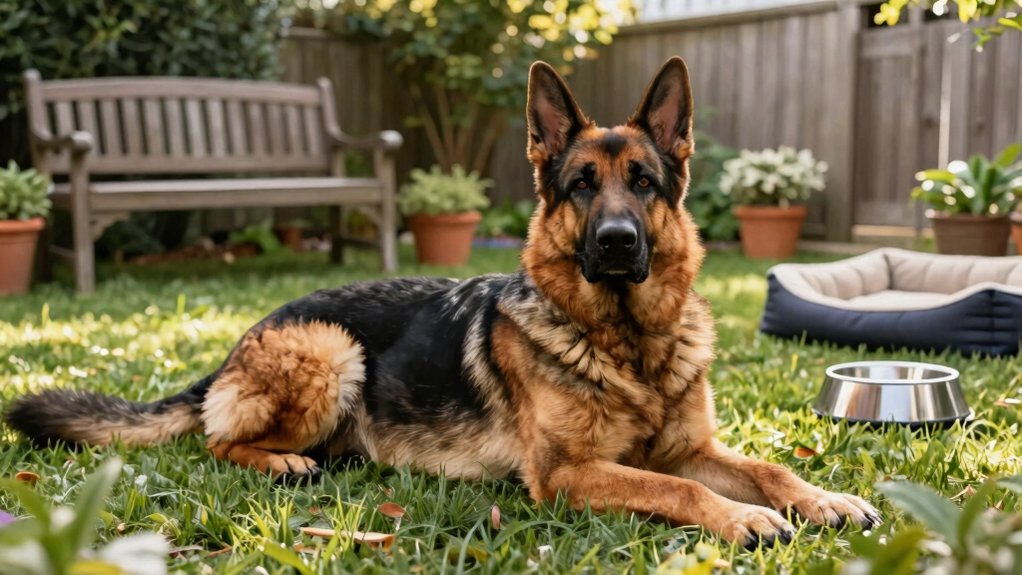
And when bloat (GDV, gastric dilatation-volvulus) hits, you’ve got to act fast, so learn the warning signs—restlessness, a swollen belly, repeated retching, and pale gums. German Shepherds have a deep, narrow chest, a breed trait that is strongly linked to a higher risk of GDV.
Feed smaller, scheduled meals, like 2–4 portions across the day instead of one big one, and slow your pup down with a slow-feeder or puzzle bowl.
But don’t do vigorous exercise for about an hour before or after eating, because that extra push plus a full stomach can raise the odds of torsion (the stomach twisting).

Joint Health Supplement for Dogs: Cosequin is the #1 vet recommended retail joint health supplement brand, supporting joint health in dogs for over 25 years

SENIOR DOG HIP & JOINT SUPPLEMENT PROVEN IN 4 WEEKS: Vet-formulated chewable tablets for aging dogs 7+ with stiff mornings and slow stairs, powered by ActivEase Green Lipped Mussel and Hyaluronic Acid that reaches the joint in 2 hours.*

Joint Health Supplement for Dogs - Cosequin is the #1 vet recommended retail joint health supplement brand▼, supporting joint health in dogs for over 25 years.
Recognize Bloat Warning Signs
Spotting bloat early can save your German Shepherd’s life, because gastric dilatation-volvulus (GDV) is a fast, life-threatening emergency where the stomach fills with gas and twists.
Watch for nonstop retching, repeated vomiting attempts with no food coming out.
Look too, for a rapidly bigger, firm, drum-like belly.
Notice pain clues: tense abdomen, hunched “praying” posture, restless pacing, drooling, or foamy mouth.
Then check breathing, rapid shallow breaths mean the stomach presses on lungs.
Finally, watch gums turning pale or white, weak pulse, fast heart rate.
If you see these signs, go to an emergency vet now.
Feed Smaller, Scheduled Meals
Feeding smaller, scheduled meals helps lower your German Shepherd’s bloat risk, because GDV (gas build-up followed by a stomach twist) often shows up right after a big meal in deep-chested dogs.
So don’t serve one huge bowl. Instead, feed 2–3 smaller meals daily, or 3+ for adults, 4+ for puppies.
Keep meal times consistent, like 7am, 12pm, 5pm.
Portion each ration carefully, use a measuring cup, and consider a slow-feeder bowl so they eat slower.
Offer controlled water too, and skip long fasting followed by overeating.
Avoid Vigorous Exercise After Eating
When your German Shepherd eats, you’ll want to slow the pace too—because vigorous exercise before and after meals can raise bloat risk (GDV, where the stomach fills with gas and twists).
Aim to skip high-speed running, rough play, agility, jumping, and intense ball-chasing for about 1 hour before feeding, and again for 1 hour after.
Instead, offer calm leash walks at a relaxed pace, or let them sniff and settle.
GDV is more likely in deep-chested dogs, since exercise can add gas, delay emptying, and stress stomach ligaments.
After meals, prioritize quiet rest.
Pituitary Dwarfism: Signs and Realistic Lifespan Outlook
If your German Shepherd puppy just seems “too small” even though it started out looking near-normal, pituitary dwarfism is one of the conditions worth ruling out fast.
By 2–3 months, you’ll notice slower weight and height gain than littermates.
Permanent teeth may be late or missing, and old teeth can hang on.
Epiphyseal closure, when growth plates seal, can lag until about 4 years.
You may also see a “puppy coat,” with fewer guard hairs, plus patchy hair loss, dark skin, and skin infections.
Because thyroid and adrenal problems, plus kidney disease sometimes occur, lifespan can shorten.
Pituitary dwarfism is one of several uncommon German Shepherd conditions that affect growth, so a veterinarian should evaluate any puppy with persistently stunted development.
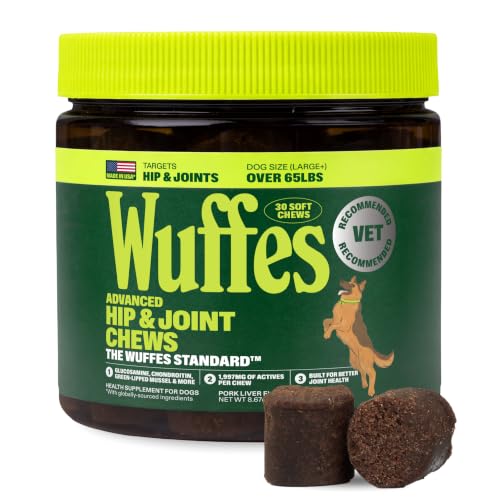
Powerful Joint Support: Advanced Hip & Joint Support chews are designed to help maintain your pet’s joint health and overall mobility, promoting comfort and a better quality of life - especially for aging or active dogs.

ADVANCED JOINT & CARTILAGE SUPPORT: Formulated with joint nutrients including glucosamine for dogs, chondroitin for dogs, and MSM, joint supplement for dogs help maintain healthy cartilage, normal joint cushioning, and connective tissue strength. Dog joint supplement supports dog joints and hips from multiple angles, helping maintain joint resilience and smooth function. Consistent daily use hip and joint chews for dogs provides ongoing nutritional care for long-term joint health and mobility

Powerful Joint Support: Advanced Hip & Joint Support chews are designed to help maintain your pet’s joint health and overall mobility, promoting comfort and a better quality of life - especially for aging or active dogs.
Feed for a Lean Body to Extend German Shepherd Lifespan
Keeping your German Shepherd lean does more than help them look athletic. Feed with controlled calories, high-quality nutrients, and close body checks, and you help lower orthopedic, diabetes, and heart strain risk.
Aim for BCS 4–5/9, ribs easy to feel, waist visible, belly tucked. Measure portions, don’t free-feed.
Estimate maintenance from lean body weight, then adjust by 10–20% each month based on trends. Choose moderate calorie density, about 320–380 kcal per cup.
Feed 2–3 scheduled meals daily. Use protein 25–30% and fat 10–16%.
Keep treats under 10%, using low-calorie options.
German Shepherds can generally learn to swim, and a gradual water introduction helps them build confidence safely.

For Dogs & Small Pets With Sensitive Stomachs: Some pets react to food changes, rich treats, travel, or routine shifts with occasional stomach discomfort, gas, or irregular digestion. This liquid formula is designed to support daily stomach comfort for dogs and small pets
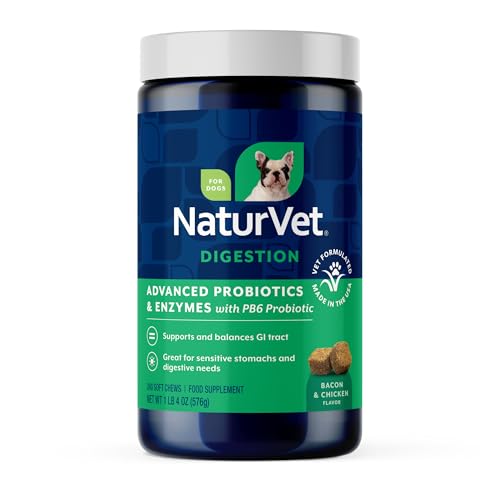
Enzymes and Probiotics for Dogs: Our probiotic soft chews for dogs are formulated by trusted vets to help your furry friends over the age of 6 weeks with sensitive stomachs, diet changes, and digestive issues

DAILY GUT & DIGESTIVE SUPPORT – From sensitive stomachs to irregular stools, daily digestive issues can make your dog uncomfortable. Squeeze Probiotics helps support healthy digestion, balanced stool quality, and everyday gut wellness in one easy squeeze.
Exercise Targets to Protect Joints and Heart
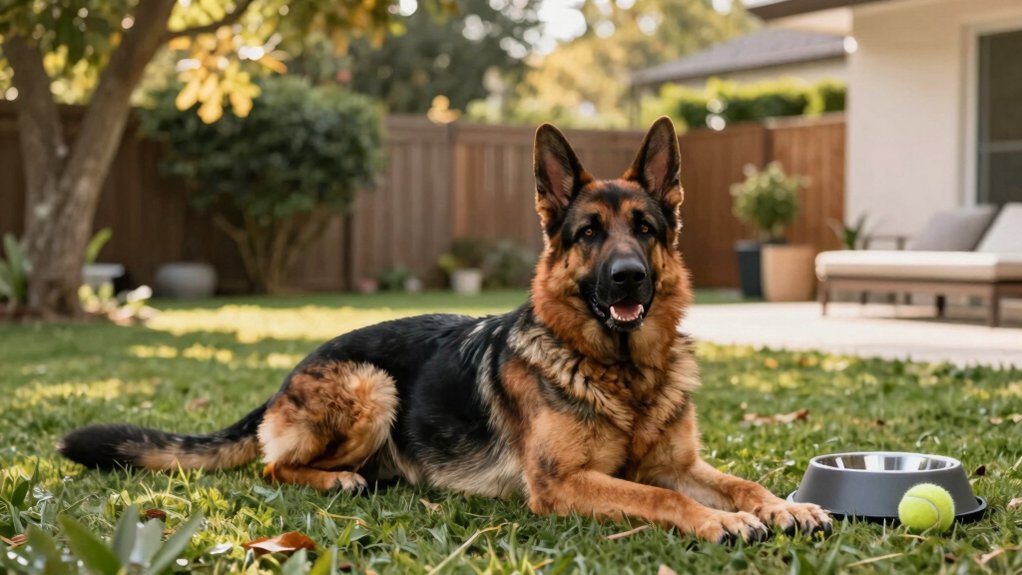
Exercise helps your German Shepherd’s body stay “built to last.” After you dial in a lean, well-portioned diet to protect joints and heart strain, you’ll want to match that care with smart movement.
And that starts with daily aerobic load.
For healthy adults, aim for at least 2 hours total, with 20–30 minutes continuous trot or brisk walk once daily.
Prefer two to three 15–20 minute outings over one long haul, and keep it consistent. Pair these walks with mental stimulation like scent games or obedience drills, since German Shepherds need both physical and mental exercise.
For heart-compromised dogs, use 20–30 minute light walks, 2–3 times weekly, only with vet guidance.
Warm up, then cool down, every time.

7.1-inch Thickness Provides Ample Support: This memory foam dog bed adopt 3-layer design, combines 1.2-inch high resilience support foam, 2-inch pressure-relieving premium memory foam, and 3.9-inch thick supportive base foam to help distribute weight evenly. Whether your pet is a growing companion, an active adult, or a senior dog, the supportive structure helps create a more comfortable resting space for daily relaxation.It was designed as an orthopedic dog bed for everyday comfort and helps relieve joint pain and hip pain.

Removable and Washable Cover: The waterproof dog bed sofa has two layers of covers with high-quality U-shaped zippers, removable and machine-washable. Large dog bed covers are made of soft microsuede material. The fabric is designed to withstand rubbing, digging & nesting. The TPU 100% waterproof lining in the middle easily copes with accidents. This washable dog bed provides a cleaner environment for pets and protects the dog's health.

SOFA-STYLE BED DESIGN: Dog bed with C-shaped design.The 3-sided 3.5" side bolster of dog pillow adds extra support to your pet's neck and head, while the C-shape design makes your dog feel safer and sleep more peacefully.
Mental Training Ideas That Support Long-Term Cognition
Mental training works like cross-training for your German Shepherd’s brain, and it helps slow down age-related decline. Set up structured cognitive enrichment daily.
Use puzzle feeders, food mazes, and hidden-treat games for 5–10 minutes, then end on success.
Add scent searches in different rooms, or “find the treat” outside, for 10 minutes.
This boosts focus, persistence, and calmer behavior.
Reward-based obedience and trick training also help, because new cues challenge working memory.
Rotate toys weekly, change routes, and keep sessions positive, so you serve both their needs and yours.
Build a Vet Plan: Screenings That Catch Issues Early
After you’ve built a solid mental routine to support long-term cognition, it’s time to protect your German Shepherd’s body too, because early prevention makes a big difference.
Start with orthopedic screenings. Around 12–24 months, schedule hip X-rays to grade hip dysplasia, using OFA or BVA/Kennel Club styles, and catch it before arthritis moves in.
Next, plan elbow dysplasia radiographs near age two, since OFA checks for degenerative joint disease and osteophytes.
Then add DNA testing for degenerative myelopathy (DM), tied to the SOD1 mutation. Testing shows clear, carrier, or at-risk status, helping smarter breeding choices.
Keep Teeth Healthy to Prevent Hidden Systemic Disease
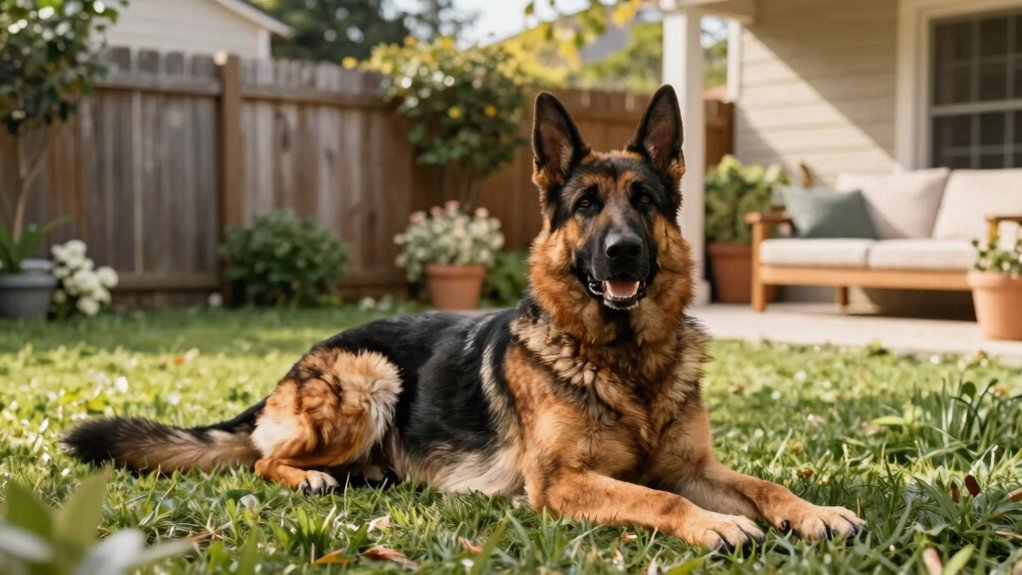
Keeping your German Shepherd’s teeth healthy isn’t just about fresh breath—periodontal (gum) disease can quietly drive whole-body inflammation.
When plaque sits in gum pockets, bacteria enter the bloodstream daily, causing repeated “mini” bacteremia and chronic immune stress.
That ongoing inflammation can raise risk for heart problems like endocarditis, and it can also affect kidneys, liver, and lungs.
And because gum disease triggers acute-phase proteins, your dog may show systemic illness even before symptoms appear.
You can serve your best friend by brushing 2–3 times weekly, using vet-approved toothpaste, and scheduling dental cleanings when needed.
Adjust Care After Age 7: Weight, Activity, Pain
From age 7, you’ll want to change how you care for your German Shepherd—because weight gain and joint pain can ramp up faster in senior bodies. You’ll help them most by tightening weight control, since extra pounds speed up osteoarthritis.
Aim for a BCS of 4–5/9, and reduce portions as activity drops. Use senior food, often higher in nutrients, with fewer calories.
Next, adjust exercise. Swap long outings for 15–20 minute walks, 2–3 times daily, on softer ground. During flare-ups, cut to 5–10 minutes.
Finally, watch stiffness, slipping, and slow rises, and ask your vet about early pain relief.
German Shepherd Longevity Checklist: What to Do Weekly
Once your German Shepherd hits the senior years, small weekly habits can make a big difference in how long they feel good.
Small weekly habits in your German Shepherd’s senior years can greatly improve comfort and longevity.
Review exercise daily, aim for 2 hours total, mix leash walks, play, and short training, and note intensity.
Add 3 mental sessions weekly, like scent games, obedience, or puzzle feeders.
Check food and body condition, use AAFCO-compliant large-breed food, 2.5–3.5 cups daily split into two meals, and keep treats under 10% of calories.
Brush several times weekly, bath every 6–8 weeks.
Brush teeth 2–3 times weekly.
Check ears, nails, appetite, and preventatives—then call your vet fast if anything shifts.
Frequently Asked Questions
What Age Does a German Shepherd Typically Start Slowing Down Noticeably?
You’ll typically notice a German Shepherd slowing down around 7 years old, when stamina and pace drop. Some show earlier stiffness at 5–6, and more obvious mobility limits appear by 8–9 with age-related health changes.
Can German Shepherds Live Longer With Joint Supplements or Glucosamine?
Like tuning a car’s engine, joint supplements may ease stiffness, but they won’t reliably add years. You’ll help more by keeping weight ideal, managing pain, exercising safely, and using glucosamine/chondroitin as comfort support, not lifespan insurance.
How Does Spaying or Neutering Affect German Shepherd Lifespan and Health Risks?
Spaying or neutering often boosts German Shepherd life expectancy—females live about 26% longer, males about 14%. You also cut reproductive cancers, but you’ll face higher overall cancer risks and more joint, obesity, and orthopedic issues if timed early.
Are Certain German Shepherd Bloodlines More Prone to Early Mortality?
Yes—some German Shepherd bloodlines show higher early mortality risk. Extreme angulation, sloping backs, and laxer testing often raise hip/elbow disease, bloat, allergies, and degenerative myelopathy. You improve outcomes by choosing health-tested, structurally moderate lines.
What Symptoms Mean I Should See an Emergency Vet Immediately?
If your dog shows trouble breathing, blue/gray gums, sudden collapse, uncontrolled bleeding, suspected poisoning, severe pain, bloat with a swollen painful belly, repeated violent vomiting/diarrhea, seizures, or sudden paralysis, you should see an emergency vet immediately.