Most adult German Shepherds need 1.5 to 2+ hours of purposeful exercise daily, split into 2–4 sessions, not one long slog. Aim for brisk leash walks, hiking, and brief fetch or tug bursts (15–30 minutes). Pair that with 20–30 minutes of mental work, up to 60–90 for high-drive dogs, like 15–20 minutes training plus puzzle or scent games. For seniors, do 30–45 minutes twice daily. Watch for limping, heavy panting, or drooling, and you’ll find better next steps ahead.
Swift Summary
- Healthy adult German Shepherds typically need 1.5–2+ hours of total daily exercise, split into 2–4 sessions.
- Count purposeful physical time: brisk leash walks, hiking, and steady pace activities that raise heart rate.
- Include high-engagement play like fetch or tug for 15–30 minutes at a time, in safe enclosed spaces if needed.
- Add daily mental stimulation: 20–30 minutes minimum, often 30–45 minutes, using short training plus enrichment blocks.
- Adjust by age: puppies use ~5 minutes per month per session, seniors do 30–45 minutes twice daily with gentle movement.
How Much Exercise Does a German Shepherd Need Daily?
For most healthy adult German Shepherds, you’ll want to plan on about 1.5 to 2+ hours of total exercise each day—and that includes more than just a long walk. If you’re building a daily routine for german shepherd, do german shepherd need a lot of exercise? Yes. Aim for lots of activity—60–120 minutes of purposeful physical time, spread across 2–4 sessions, so you don’t overload one block. Add gentle, low-impact movement for seniors, about 30–45 minutes twice daily, and keep puppies near 5 minutes of structured play per month of age. Always adjust for health, energy, and mobility. Build distance and pace through gradual conditioning when running or hiking, since sudden jumps in intensity can strain developing joints and muscles.
What Counts as Physical Exercise for German Shepherds?
Brisk leash walks and hiking count, especially when you keep a steady pace long enough to raise their heart rate. Daily exercise should be paired with mental effort so your German Shepherd stays engaged, not just physically tired. If you want vigorous work, wait until they’re about 18 months old for sustained jogging, then add short sprints, fetch, or tug for 15–30 minutes at a time. And if you’re looking for a joint-friendly option, swimming is great—just keep sessions moderate and watch for fatigue. Rotating these options with engaging activities helps keep your German Shepherd happy and free from boredom.

【99% Pull Shock Absorbed for Your German Shepherd】 The URCurve bungee leash stretches up to 20 inches to absorb 99% of your German Shepherd's sudden lunges before the force reaches your hand. Whether your GSD spots a squirrel or bolts at a jogger, the bungee turns painful jolts into gentle tugs — ending wrist pain and shoulder strain on every walk.

【99% Pull Shock Absorbed for Your German Shepherd】 The URCurve bungee leash stretches up to 20 inches to absorb 99% of your German Shepherd's sudden lunges before the force reaches your hand. Whether your GSD spots a squirrel or bolts at a jogger, the bungee turns painful jolts into gentle tugs — ending wrist pain and shoulder strain on every walk.

Size Instruction: This large dog harness fits chest girth: 27-37 in, neck girth: 19-25 in. Perfect for German Shepherds, Labradors for hiking, walking, or daily outdoor adventures. Breed suggestions are for reference; please measure your dog's chest, neck, and weight for the best fit.
Brisk Walks And Jogging
When you think about exercise, don’t picture it as one big “workout” button you press once in a while. You’ll help your German Shepherd most with 90–120 minutes daily movement, often through brisk leash walks and moderate jogging. Start with two sessions, morning and evening, each 30–60 minutes, and keep it purposeful, not casual strolls. Exercise matters Some days, add 15–30 minutes of focused training or scent work alongside the walk for extra satisfaction. In smaller spaces, aim for 60–120 minutes combined with other vigorous play. Avoid sudden weekend spikes, and jog when it’s cooler.
Off-Leash Play And Fetch
Off-leash play and fetch can absolutely count as real, heart-pumping exercise for your German Shepherd—not just “fun time.”
In a safe, enclosed space, vigorous retrieving games like fetch, frisbee, or tug make their body work at sprint intensity, which raises their heart rate and gives them bursts of running followed by natural rest. Ten minutes of intense fetch, with repeated sprints and sharp stops, can fatigue a healthy adult like a 30-minute walk.
And you’ll reach daily targets by mixing 2–3 outings, with at least one active fetch block. Use cues like come and drop it, too.
Swimming And Joint-Friendly Options
Swimming can be a fantastic way to give your German Shepherd real, whole-body exercise, especially if you’re trying to protect hips and elbows.
Water takes pressure off joints, because buoyancy lifts their weight.
That means they can work muscles harder, with less pain risk.
Ten minutes of continuous swimming can feel like a 30–40 minute walk.
For beginners, start with 5–10 minutes, add rests, and swim every second day if they’re healthy.
If your dog has dysplasia or arthritis, choose hydrotherapy, often about 30 minutes weekly.
Use a well-fitted life jacket, too.
How to Plan Walks and Play Sessions by Age
Plan puppy walks as short, structured “practice trips,” using the 5 minutes per month of age per session rule, and keep it on soft ground with gentle leash sniffing and tiny training games.
For adult days, aim for multiple outings—think 45–90 minutes total split into smaller walks and play—so your German Shepherd gets steady exercise instead of one exhausting blast.
As a senior, slow the pace, shorten the steps, and focus on gentle walks plus mental work like food puzzles and calm “find it” games to keep their brain engaged without pounding joints.
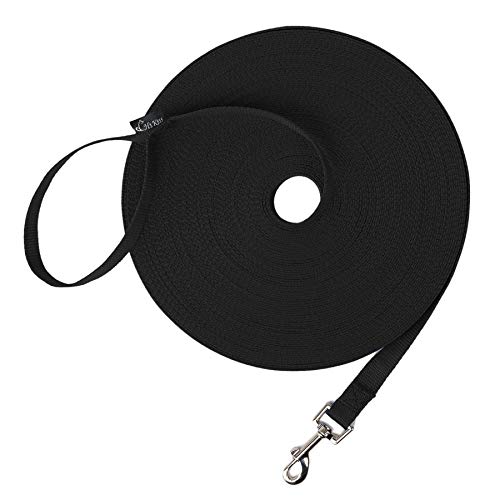
Dimensions - This dog leash measures 3/4in wide by 15 feet long. Great for hiking, camping, training, hunting, backyard, beach, recall training, outdoor play with tennis balls, and swimming!
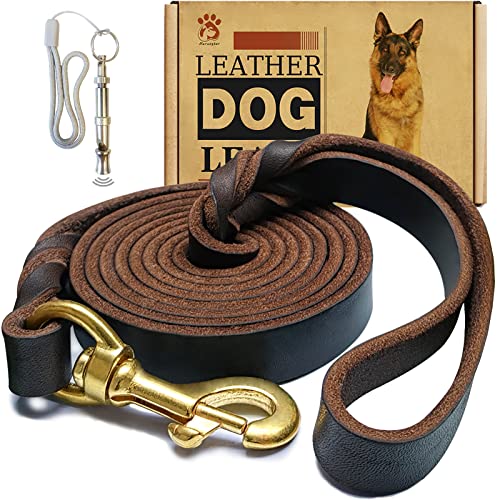
【High quality leather】The dog leash well made of high-quality Italian imported cowhide is strong and soft, with excellent hand feeling, and the hand-woven kink process can greatly relieve the impact of the dog when sprinting.No burning hand feeling when your dog pull hard Comfortable to hold; Great for training, running, walking.

Real Genuine Leather : Dog training leash is real Italian imported leather, assembled and accomplished in China. Has the original authentic flavor and modern fashion style. handmade, tensile resistance is strong and durable
Puppy Walks: Short Structured Sessions
When your German Shepherd puppy is young, you’ll get the best results by keeping walks short and structured, then topping them off with quick bursts of play and mental work.
Use the 5-minutes-per-month rule, age in months × 5 minutes total, split into several rests and sniff breaks.
For 8–12 weeks, aim for under 10 minutes once or twice daily, slow pace, soft grass if possible.
At 12 weeks, try about 15 minutes.
At 4 months, cap near 20 minutes, and at 6 months, around 30 minutes.
Stop early if heavy breathing shows.
Add 10–15 minute training blocks, gentle tug, and calm socialization.
Avoid high-impact running, stairs, and forced fetch.
Adult Routine: Multiple Daily Outings
For most adult German Shepherds, you’ll do best with a routine that breaks exercise into several smaller outings, not one marathon walk.
Aim for 1.5–2 hours total daily, often split into 2–4 sessions.
Start in the morning with a brisk 40–60 minute walk or run.
Add a midday play or training block, 10–20 minutes, to build focus and impulse control.
In the evening, take a decompression walk, 30–60 minutes.
You can also include fetch, safe off-lead running, hiking, or swimming.
Adjust for health and temperament, but keep intensity steady.
Senior Plan: Gentle, Mental Focus
As your German Shepherd moves into its senior years, you’ll get the best results by swapping big efforts for gentle, frequent movement plus calm mental work.
For early seniors (7–8), aim 60–90 minutes/day in 2–3 joint-friendly sessions.
For mid seniors (9–10), use 45–60 minutes/day at low–moderate intensity, split shorter.
For late/geriatric (11–12), keep it 30–45 minutes/day low-impact, no sustained running or jumping.
Plan “shorter, softer, more often,” like 2–3 walks of 15–20 minutes.
Add 5–10-minute sniff breaks.
And before each outing, check stiffness.
Use puzzle feeders, scent trails, and gentle tug or swim for steady, safe focus.
How Much Mental Stimulation Should You Add Each Day?
Most German Shepherds do best with daily mental stimulation, not occasional bursts.
Aim for at least 20–30 minutes of focused work, and lean toward 30–45 minutes, even up to 60–90 minutes for high-drive dogs.
Do it in short blocks: three or more rounds across morning, midday, and evening.
Try 15–20 minute training, then 10–15 minute enrichment “mini-sessions” later, especially with new tasks.
It counts when you pair thinking with routine, like mealtimes, grooming, or leash walks.
Keep it steady, and watch for chewing or barking if you underdo it.
Rotate formats weekly.
Rest between sessions, too.
Consistent house-training schedules for German Shepherd puppies, such as regular feeding and potty times, also build the predictable routine that makes daily mental stimulation easier to maintain.
Best Brain Games and Scent Work Activities for GSDs
Level up your German Shepherd’s day with brain games and scent work that make their nose and problem-solving skills feel like a “job” they can win.
Do 10–15 minute sessions, then switch tasks.
Start with shell games: two or three cups, hidden treat, choose the right one.
Add memory hunts: wait 10 seconds, then release to find scattered treats.
Use puzzle toys like Kongs or muffin tin puzzles for steady focus.
Next, try beginner “find it” with a visible cue, then hide it.
For sport-style scent, use cotton swabs with birch, anise, clove, or cypress oils, searching a set area. Keep your dog wearing a personalized dog collar with their name and your contact details, so they can be safely returned if they wander off during an outdoor search.
Serve success!

Four Challenges & Levels 1-3: Multiple games with a flip game and a linear track sliding game, all requiring dogs to learn steps and find treats. This puzzle is designed to be more fun and difficult, with more unique ways to play. It can enhance your dog's IQ and train their sense of smell
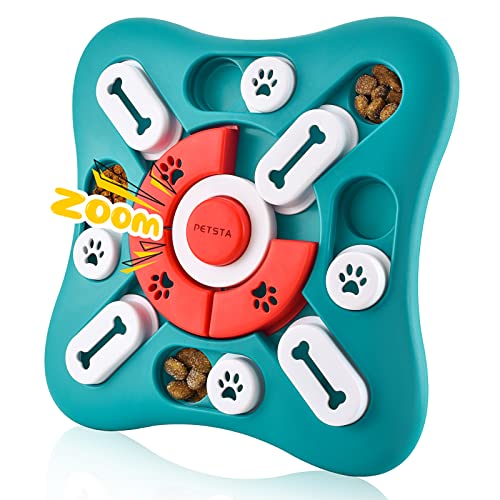

【Size】: L9.44" * W9.44"* H1.14" suitable for cats, puppies and small dogs.
Signs You’re Overdoing It (or Under-Exercising) Your Dog
Not sure if you’re pushing your German Shepherd too hard—or not hard enough? Watch your dog closely after each session. Overdoing it can show as sore, stiff muscles, limping, or trouble rising, plus heavy panting or stopping mid-walk.
Heat stress is serious: drool, bright red gums, confusion, weakness, vomiting, dark urine—call your vet fast.
Afterward, look for hours of lethargy and lower appetite.
Under-exercising shows up as obesity, joint stiffness, muscle loss, quick tiring, destructive chewing, or frantic barking. Many of these behaviors stem from boredom and pent-up energy rather than inherent aggression, a common myth about the breed.
Aim for steady, safe activity, then adjust next day based on recovery.
Frequently Asked Questions
How Many Off-Leash Hours Are Safe for a German Shepherd?
You should keep off-leash time to about 1–2 hours total daily for a healthy adult, split into sessions. Insecure areas, overweight, or joint issues mean less—use short bursts or a long-line instead.
Can I Replace Fetch With Hiking for Exercise and Bonding?
Yes—you can replace fetch with hiking for exercise and bonding; after all, even in 2026 trails give “work.” Keep it regular, varied, and safe, add recall and scent games, and watch joints during steep climbs.
What Exercise Level Suits German Shepherds With Hip Dysplasia?
You should exercise your German Shepherd with hip dysplasia at a moderate, pain-limited level: use short, controlled leash walks on soft ground 2–4 times daily, plus swimming, gentle strengthening, and enrichment. Avoid jumping, hard fetch, and long strenuous sessions.
How Long Should Mental Training Sessions Last for Best Results?
For best results, keep mental training sessions short and sweet: aim 5–15 minutes a few times daily, using 1–3 minute blocks for puppies, and stop while they’re still keen so you both feel fulfilled.
What Weather Limits Walking Time for German Shepherds?
You should limit walks: 60–78°F is best; 80–89°F means only brief potty breaks; 90°F+ skip exercise. In high humidity, shorten further (Temp°F + humidity% >150). In cold, avoid near/below -4°C.