You’ll find this mix is a muscular, dense-coated guardian who bonds deeply with your family. Train them early, socialize them often, and give them 60–90 minutes of daily exercise to keep their sharp minds and strong bodies happy. Watch for hip issues and manage their shedding with regular brushing. If you continue, you’ll discover the full breakdown of their size, grooming needs, and temperament.
Swift Summary
- Appearance: Medium-to-large dog with dense double coat in colors like black-and-tan, red, or sable.
- Socialization: Early and consistent exposure to diverse people is critical to prevent fear or aggression.
- Grooming: High-maintenance double coat requires brushing 3-5 times weekly and regular nail, ear, and teeth care.
- Temperament: Fiercely loyal guardian that is often reserved with strangers and demands structured training.
- Health: Requires 60-90 minutes of daily vigorous exercise and regular vet checks for hip and joint issues.
What Is a German Shepherd Chow Chow Mix?
While often called a Chow Shepherd or Shephrachow, the German Shepherd Chow Chow mix is a deliberate hybrid between two distinct working breeds. You’ll find this chow german shepherd combination merges the German Shepherd’s intelligence and trainability with the Chow Chow’s independence and dignified guarding instincts.
This blend creates a loyal companion deeply devoted to serving your household.
You should recognize that these dogs aren’t standardized, meaning individual traits vary considerably. Their protective nature makes them excellent watchdogs when properly socialized. You’ll appreciate their alertness and commitment to family safety. Grooming demands regular brushing due to their thick double coats. Starting brushing routines in puppyhood helps establish lifelong grooming habits and makes care easier as the dog matures into its senior years.
As someone seeking to serve others, understand this mix requires consistent, structured training. They’re quick learners but need firm handling to channel their protective instincts appropriately. Early socialization helps balance their natural wariness of strangers.
These dogs require at least one hour of vigorous daily exercise to prevent behavioral issues and promote fitness.
Their blended working-dog heritage produces an observant, dedicated partner ready to support your security needs and family life.
What Size Does a German Shepherd Chow Chow Mix Grow To?
When you bring home a German Shepherd Chow Chow mix, expect a medium-to-large dog that stands about 20 to 24 inches at the shoulder and weighs between 50 and 75 pounds on average. You’ll likely see most adults fall within this range, though some lean smaller or larger depending on genetics.
Males often grow bigger than females, reaching up to 90 pounds or 26 inches if Shepherd traits dominate. Chow-influenced pups may stay closer to 45–55 pounds and 18–21 inches.
Their growth slows around 12–18 months, so you can anticipate their final size by then. Like purebred German Shepherds, these mixes track height and weight development from puppyhood through adulthood, so regular weigh-ins can show whether they’re on target. This sturdy build helps them serve confidently in tasks needing strength and presence.
Keep in mind parental sizes for better estimates, and plan accordingly for space, exercise, and care to support their healthy development and service roles. You should note that early socialization is crucial for managing this mix’s protective instincts.
What Do German Shepherd Chow Chow Mix Coat Colors Look Like?
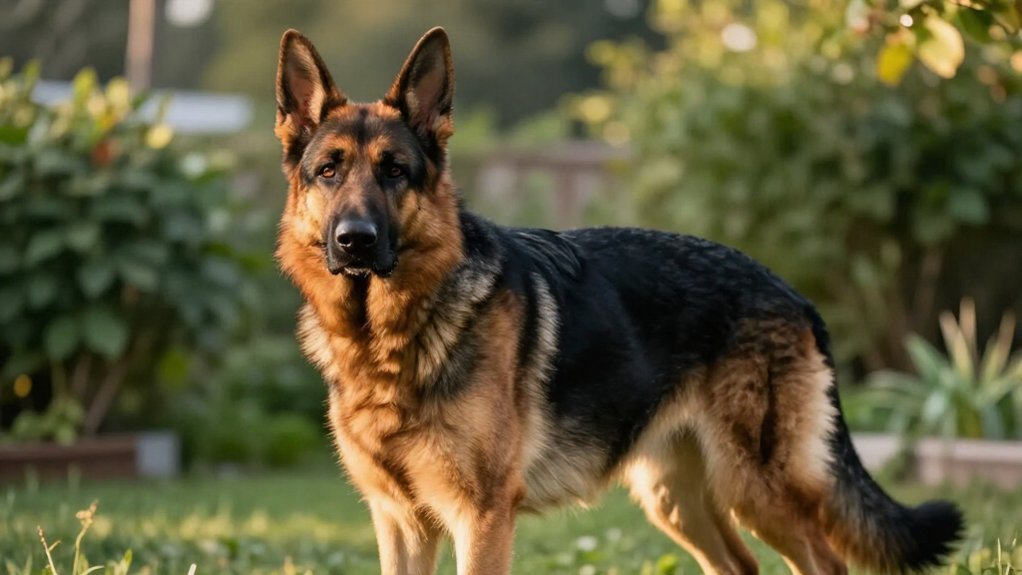
You’ll find German Shepherd Chow Chow mixes wear a wide spectrum of colors, from classic black-and-tan to solid red, cinnamon, cream, sable, blue-gray, and white. A thick ruff can hide the neck, so a properly fitted dog collar keeps identification tags visible and offers comfortable everyday control.
You’ll see how parent traits blend into solid coats, saddle patterns, dark facial masks, or mixed shading across the body. When serving these dogs, note that Chow influences create warm, rich reds or cinnamons, while Shepherd genes often add black-and-tan bases with lighter fur on legs and chest.
You might observe sable hairs banded for a wolf-like look or dilute blue-gray tones from recessive genes. Their lion-like mane emphasizes color contrast between ruff and body.
Whether you encounter solid reds with cloud-like fluff or distinct black-and-tan profiles, understanding these visual traits helps you care for their unique coats with pride and patience. The lion-like mane emphasizes color contrast.
How Much Grooming Does a German Shepherd Chow Chow Mix Need?
Because the German Shepherd Chow Chow mix inherits a dense double coat from both parents, you’ll face high-maintenance grooming needs year-round. Brush your dog three to five times weekly using a pin brush and undercoat rake. During spring and fall blowouts, increase brushing daily to manage heavy shedding.
The breed is prone to dryness and hot spots if the coat remains damp. Bathe every four to eight weeks with canine-specific shampoo to protect natural oils. Never shave their coat as it damages thermal regulation. Trim nails every three to four weeks and clean ears weekly to prevent infections. Brush teeth at least three times weekly for dental health.
Perform these tasks outdoors to reduce indoor fur buildup. Because this mix often inherits strong protective instincts from the German Shepherd side, regular coat checks help you spot cuts or skin irritations from patrolling or guarding the yard. Consistent care guarantees your companion stays healthy and comfortable while keeping your home cleaner. This dedication serves their well-being effectively.
What Is the German Shepherd Chow Chow Mix Temperament?
While grooming keeps your German Shepherd Chow Chow mix comfortable, understanding their temperament guarantees you can meet their emotional and behavioral needs.
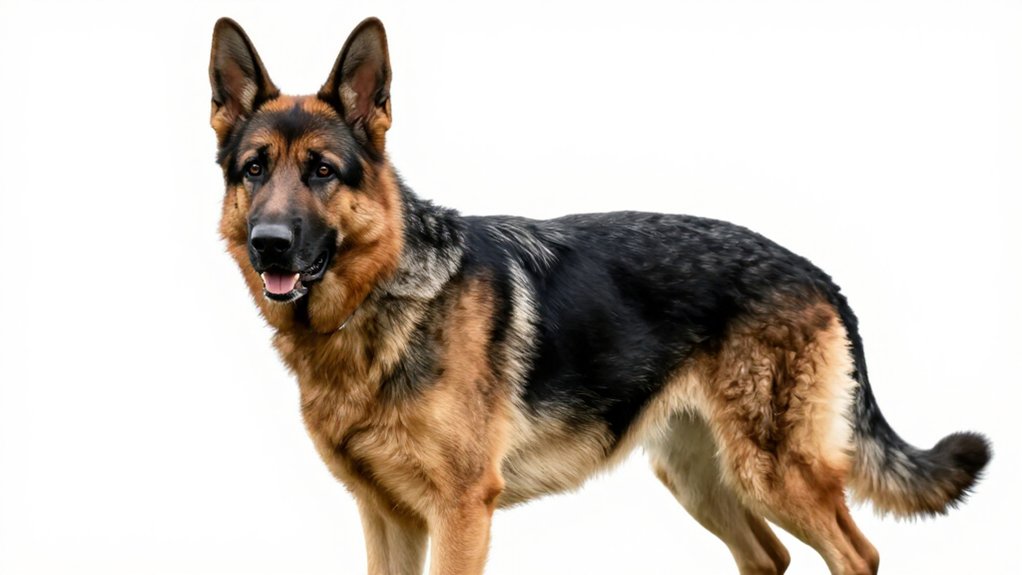
You’ll find your dog fiercely loyal to your household, acting as a dedicated guardian. They form strong bonds with familiar family while remaining wary of strangers, often sounding a vocal alarm when newcomers approach. Like their German Shepherd parent, they often bond closely with their owners and show strong protective instincts.
Your Shepherd Chow Chow desires purposeful work, like protection duties, and thrives when given a job. Expect attention-seeking behavior alongside their independence; they crave interaction but can suffer separation anxiety if left alone too long.
Channel their active, playful energy into structured routines. Early, positive socialization helps curb excessive wariness or guarding instincts.
Their intelligence and independence make them challenging to train for novice owners.
How Intelligent Is a German Shepherd Chow Chow Mix?
When you consider the mix’s intelligence, you’ll find it blends strong working ability with independent decision-making. You see its cognition stands above average, inheriting sharp problem-solving from both parents. The German Shepherd side drives its desire to learn complex tasks quickly. Beginners should know that the German Shepherd side makes this mix generally responsive to training, though the Chow Chow’s independence can temper that eagerness.
However, the Chow Chow parent adds a stubborn, self-centered streak. You must recognize this dog thinks independently and often asks why it should comply. Its brilliance shines when it finds ways to get attention or resources.
Serving others means offering consistent mental stimulation alongside physical exercise. Without it, boredom leads to mischief. You need to reward effort heavily to maintain focus.
This hybrid judges tasks based on value, not blind obedience. You must become a motivating leader to channel its sharp mind into helpful actions for your family.
How Do You Train a German Shepherd Chow Chow Mix Puppy?
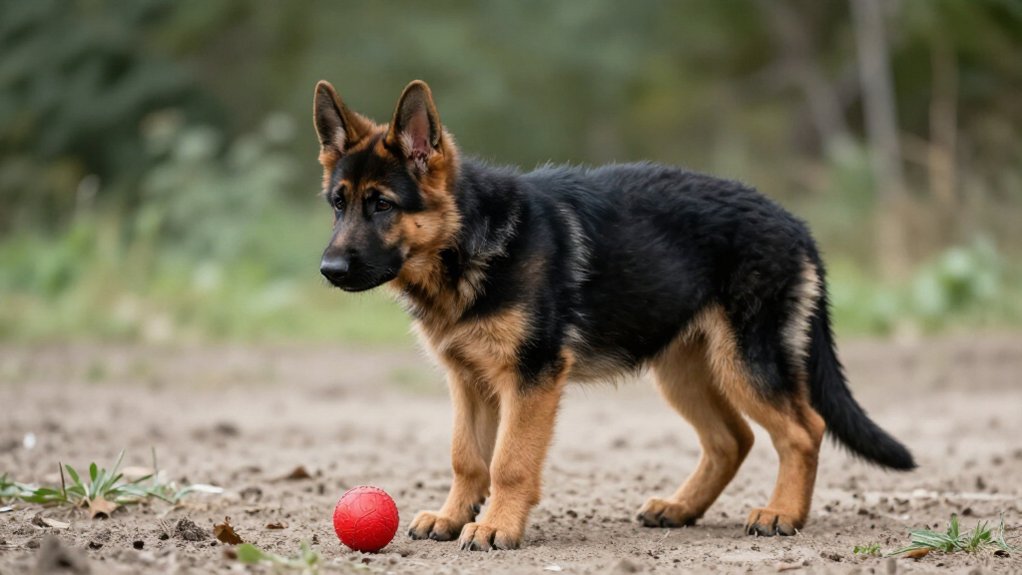
Your German Shepherd Chow Chow mix’s sharp mind and independent streak mean you need to start training early with the right approach. Focus on positive reinforcement, using high-value treats like freeze-dried liver to motivate your puppy.
Keep sessions short, around five to ten minutes, and repeat them two to three times daily. Use consistent cues and clear boundaries to reduce confusion.
Avoid harsh methods or force-based techniques entirely, as they increase fear and resistance.
Practice foundational commands like sit, down, and recall when distractions are minimal.
Integrate “nothing in life is free” protocols to build compliance before meals or walks.
Establish a quiet retreat area and maintain a consistent daily routine for feeding and exercise. Addressing the underlying cause of excessive barking early helps prevent habits like howling and whining from becoming ingrained, since these behaviors often signal boredom, anxiety, or unmet needs.
These steps foster trust and obedience, helping you serve your dog’s developmental needs effectively.
How Do You Socialize a German Shepherd Chow Chow Mix?
Because socialization window closes between 3 and 14 weeks, you need to start early. Expose your puppy to at least 100 different people, environments, and sounds using safe, positive protocols. Aim for structured sessions three to five times weekly.
Since they inherit protective instincts and reserve, you must manage these traits carefully. Invite guests, children, and other pets frequently. Make certain all interactions remain calm and supervised to prevent fear or aggression.
Introduce varied surfaces like gravel, stairs, and grass daily to build confidence. These consistent experiences help your loyal companion remain friendly and balanced.
You’ll reduce standoffishness by prioritizing diverse, positive exposures now. This approach ensures your dog serves others confidently, safely, and lovingly throughout life. Because the Alaskan Shepherd is known for its balanced temperament and high energy, consistent early exposure helps channel those traits into steady, well-adjusted behavior.
How Much Exercise Does a German Shepherd Chow Chow Mix Need?
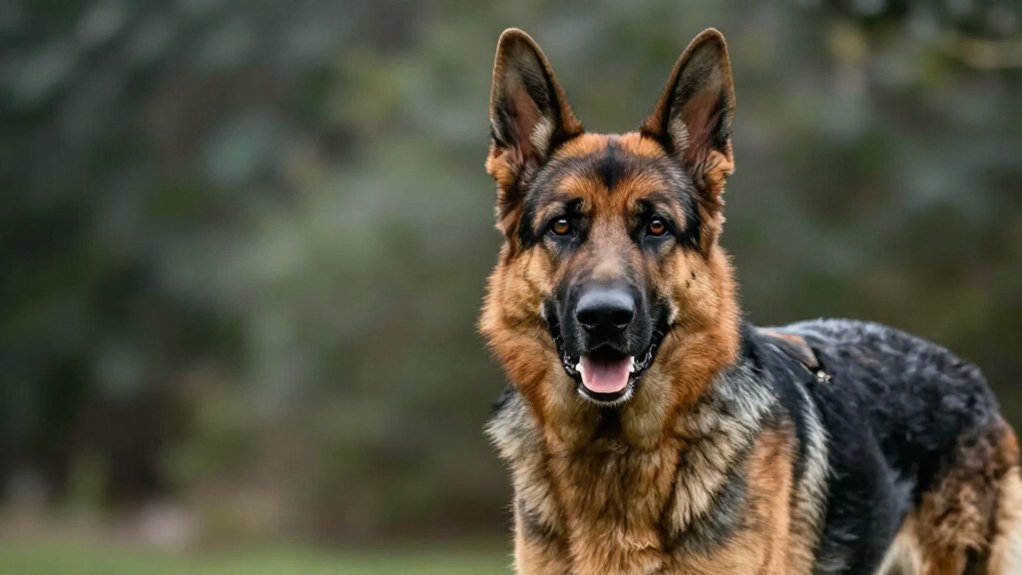
While both parent breeds are active, a German Shepherd Chow Chow mix typically needs 60 to 90 minutes of daily exercise split into two or three sessions. Exercise requirements shift with age and activity level, so adjust these sessions as your dog matures.
You’ll balance their energetic Shepherd drive with the Chow’s more sedate nature by mixing high and low intensity activities. Aim for one brisk walk or light jog alongside a gentle sniffing stroll each day.
Don’t forget mental work like puzzle toys or short training sessions to keep them engaged without overstressing their bodies. Consistent activity prevents restlessness and helps them stay stable.
Always supervise off-lead time in secure areas where they can explore safely.
Meeting both physical and cognitive needs shows your commitment to serving their wellbeing. Regular obedience and trick training satisfy their instincts while respecting the Chow’s lower tolerance for exertion.
What Are the Common Health Issues in German Shepherd Chow Chow Mixes?
When you consider your mix’s health, you’ll find orthopedic concerns like hip dysplasia and joint pain are frequent.
Neurological risks, such as degenerative myelopathy, also pose serious threats to their long-term well-being.
You should watch for these inherited conditions and work with your vet to catch them early.
Rarer abnormalities, such as pituitary dwarfism, can also appear in German Shepherd bloodlines and may be passed on to mixed-breed puppies.
Orthopedic Concerns
Orthopedic concerns are a primary focus for owners of German Shepherd Chow Chow mixes, as you’ll likely face inherited joint issues from both parent breeds.
You’ll encounter hip dysplasia causing pain and early arthritis, often showing signs between five and fourteen months.
Elbow dysplasia creates similar joint incongruity, leading to stiffness and lameness in your active dog.
Knee instability from cranial cruciate ligament disease or patellar luxation further threatens their mobility.
You must maintain a lean body condition and avoid high-impact activities to reduce stress on these joints.
Early veterinary assessments help catch symptoms before they worsen, while anti-inflammatories and physiotherapy support daily comfort.
Surgery remains an option for severe cases.
Neurological Risks
As you navigate the health profile of your German Shepherd Chow Chow mix, be aware that neurological risks center on inherited spinal cord, cerebellar, and motor neuron disorders linked to both parent breeds.
Degenerative myelopathy, prevalent in German Shepherds, causes progressive mobility loss and incontinence as your dog ages.
Spinal compression syndromes like wobbler disease may create a wobbly gait or limb weakness.
Moreover, Chow Chows carry risks for cerebellar hypoplasia and demyelinating disorders, leading to tremors, uncoordinated movements, or head tilts.
You should monitor for early signs like dragging paws, staggering, or difficulty controlling bodily functions.
Regular veterinary checks and genetic testing help you manage these conditions effectively.
While cures remain unavailable, supportive care, physical therapy, and environmental adaptations let you provide the best quality of life for your beloved companion throughout their journey.
What Is the Lifespan and Care for a German Shepherd Chow Chow Mix?
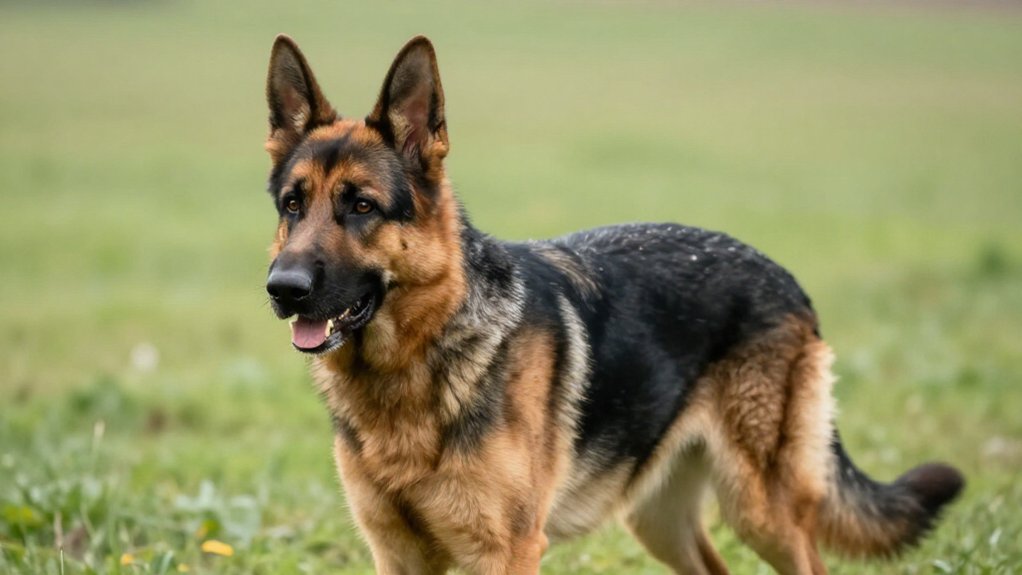
On average, you can expect your German Shepherd Chow Chow mix to live about 10 to 14 years, and some may even reach 15 with ideal care.
You serve this dog best by managing weight to protect joints and prevent bloat, a serious gastrointestinal risk. Schedule regular veterinary screenings to catch hereditary diseases like hip dysplasia early.
Commit to daily walks and mental stimulation, adjusting intensity as your dog ages to maintain mobility without stressing the spine.
Maintain consistent grooming routines to manage skin allergies and ear infections, ensuring your companion stays comfortable and healthy.
Providing balanced nutrition and a stress-free environment supports their immune system.
These proactive measures help ensure your loyal companion enjoys a long, active life, fulfilling their role as a devoted family member throughout their golden years.
Is a German Shepherd Chow Chow Mix Right for Your Family?
You’ll need to match your family’s daily commitment with this mix’s high energy and training needs.
Since they form strong bonds but can be aloof, you should assess if your household can provide consistent supervision and socialization.
Safety first means ensuring your space and routines support their protective nature before you bring one home.
Family Fit
Because a German Shepherd Chow Chow mix thrives best in experienced, stable households, your family’s readiness to manage a loyal, protective, and sometimes aloof large dog determines its fit.
You must guarantee your household offers consistent boundaries and rules, as this breed favors a primary handler.
Early socialization with children under sixteen weeks is vital for fostering trust and preventing reactive behavior.
This dog suits families with older kids who respect its space and handle it gently.
You should prepare for a reserved attitude toward visitors, ensuring guests remain calm.
Your home needs secure outdoor areas to accommodate its size and energy.
Grooming demands frequent brushing due to its thick coat.
Success hinges on your commitment to structured training and ongoing socialization with everyone entering your home.
Daily Commitment
Once your family settles into a consistent routine, you must account for the significant daily commitment this mix demands. You’ll need to dedicate 60–90 minutes daily to vigorous physical activity like running or hiking.
Add 20–45 minutes of mental stimulation through training games and puzzle feeders to serve their working spirit.
Their thick double coat requires brushing three to five times weekly to keep them comfortable and your home clean.
You’ll also commit to multiple short obedience sessions daily to nurture their protective nature with positive reinforcement.
Regular veterinary checkups and weight management support their long-term health over 10 to 12 years.
This breed thrives when you prioritize their exercise, grooming, and structured training as acts of love.
Safety First
While a German Shepherd Chow Chow mix can be a loyal companion, it suits experienced, hands-on households better than first-time or low-structure ones. You must commit to early, thorough socialization with diverse people and dogs to prevent fear-based aggression.
Your family needs consistent boundaries and supervision to manage its strong guarding instincts effectively. Since it often bonds closely with one caregiver, guarantee fair dynamics across all household members.
You’ll need clear rules and experienced handling to address its independent streak during training. Watch out for overprotective behavior around visitors or children by directing protective drives through structured obedience work.
Remember its lower tolerance for chaos or rough handling due to Chow ancestry. Prioritize safety by observing individual temperament carefully before inviting guests or other pets into your home.
Frequently Asked Questions
How Much Does a German Shepherd Chow Chow Mix Weigh?
They typically weigh between 45 and 90 pounds as adults. You’ll see some vary from 40 up to 105 pounds due to genetics. Expect most to fall in that healthy, medium-to-large range for their unique, loyal companionship.
What Is the Typical Lifespan of This Mix?
A well-cared German Shepherd Chow Chow mix lives about 10–12 years on average. You can help your client’s dog reach the upper end of this range by managing their weight and maintaining regular veterinary check-ups throughout their life.
Do German Shepherd Chow Chow Mixes Get Along With Cats?
Yes, they can get along with cats when you socialize them early. You’ll see them stay aloof rather than bond. With your training, they guard the home but ignore the cats.
Are They Good Guard Dogs for Property Protection?
You can rely on them for property protection because their natural guarding instincts, alertness, and loyalty make them effective watchdogs, but you must manage their territorial nature and guarantee early socialization to prevent uncontrolled aggression.
What Specific Health Screenings Should Breeders Provide?
You jump straight into the deep end by providing hip and elbow X-rays, genetic tests for degenerative myelopathy, and annual eye exams to guarantee you breed only the healthiest puppies for others.