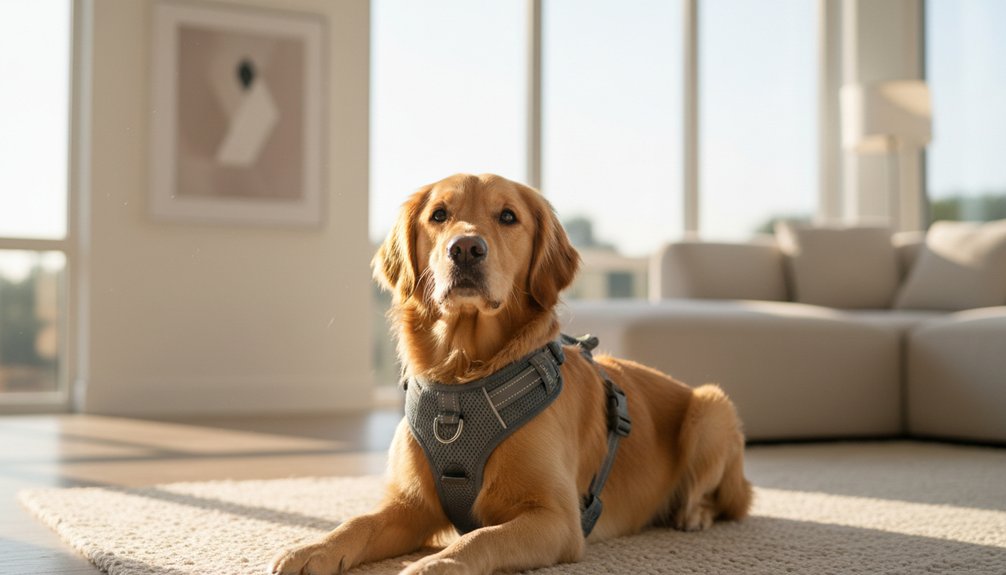
You get a powerful, high-energy working dog when you cross a German Shepherd with a Malamute, but caring for an Alaskan Shepherd demands serious commitment to their massive size, intense exercise needs, and heavy shedding. Expect a muscular 22-to-26-inch frame weighing up to 130 pounds. You’ll need 60 to 120 minutes of daily activity and frequent brushing to manage their thick coat. Their loyalty and protection instincts shine when you provide structured training. Explore further to master their care.
Swift Summary
- Alaskan Shepherds stand 21 to 28 inches tall and weigh 60 to 130 pounds.
- They possess high energy requiring 60 to 120 minutes of daily physical activity and mental stimulation.
- Their dense coats shed heavily, needing frequent brushing with tools like undercoat rakes and slicker brushes.
- These dogs need consistent training and socialization to manage their protective instincts and high energy levels.
- Owners should provide ample space, durable flooring, and regular grooming to manage shedding and joint health.
What Is an Alaskan Shepherd?
What exactly is an Alaskan Shepherd? You find a powerful hybrid bred to serve, combining the german shepherd x malamute lines. You create this designer dog by crossing the Alaskan Malamute with the German Shepherd Dog.
You gain a companion built on strength, endurance, and cold-weather resilience paired with immense intelligence and loyalty. You work with a hardworking canine drawing on a rich working-dog heritage.
You might see them called a German Shepherd–Alaskan Malamute mix used for modern tasks. This hybrid name blends both parent breeds.
You should know this mix lacks AKC recognition as a purebred. You encounter a rare, uncommon cross with no single official breed standard. You accept variability in color and temperament. A comparable German Shepherd-based hybrid, the Czechoslovakian Wolfdog, was developed in the 1950s by crossing German Shepherds with wild Carpathian wolves.
You get a friendly, brave, and protective service dog ready to assist. It typically stands 20 to 26 inches tall as a large mixed breed.
Size, Weight, and Build
You’ll find this mix stands 21 to 28 inches tall and weighs anywhere from 60 to 130 pounds. Its sturdy frame reflects a powerful build that matches its impressive physical dimensions. Because of their substantial neck and chest, owners should prioritize a well-fitted dog collar that offers both daily comfort and control.
Expect to see significant variation, but most adults pack a solid, muscular weight. They often exhibit a wolf-like appearance due to the blend of parent breed traits.
Physical Dimensions
If you consider the German Shepherd Malamute mix, you’ll find it’s a medium-to-large working dog, with adults typically standing 22 to 26 inches at the shoulder. This sturdy build supports your service work, offering a rectangular, thickly muscled frame perfect for demanding tasks.
You’ll notice robust limbs and a deep chest, ensuring endurance during active duties. Their powerful physique remains athletic rather than bulky, maintaining balance under load. While height varies slightly by parentage, most stay within this functional range.
You can rely on their strong bone structure and firm back for stability. The dense coat enhances their imposing presence, making them an effective guardian. Focus on this solid foundation when training them to serve others effectively.
Their physical dimensions truly suit roles requiring strength and loyalty. The breed typically weighs between 60 to 130 pounds.
Weight Ranges
While weights vary by parental influence, most Alaskan Shepherds fall within a solid 60–90 lb band. You’ll find common dogs cluster around 70–85 lb, though some reach 50 lb or rare giants hit 120–130 lb.
Your female typically weighs 60–75 lb, while males average 65–85 lb or 85–110 lb. Expect males to be 10–20 lb heavier, but robust females can match lighter males.
This mix builds a sturdy, muscular frame supporting substantial mass. Their strong bone structure and dense coats add to the bulk. Their appearance reflects the influence of two powerful working breeds, with a noble look and a noble large, muscular, and powerful build.
Aim for a healthy adult weight reflecting their large working-dog nature, ensuring their body supports your service activities comfortably. Monitor their diet to keep them in the ideal range for endurance and strength.
Exercise Needs and Activity Levels
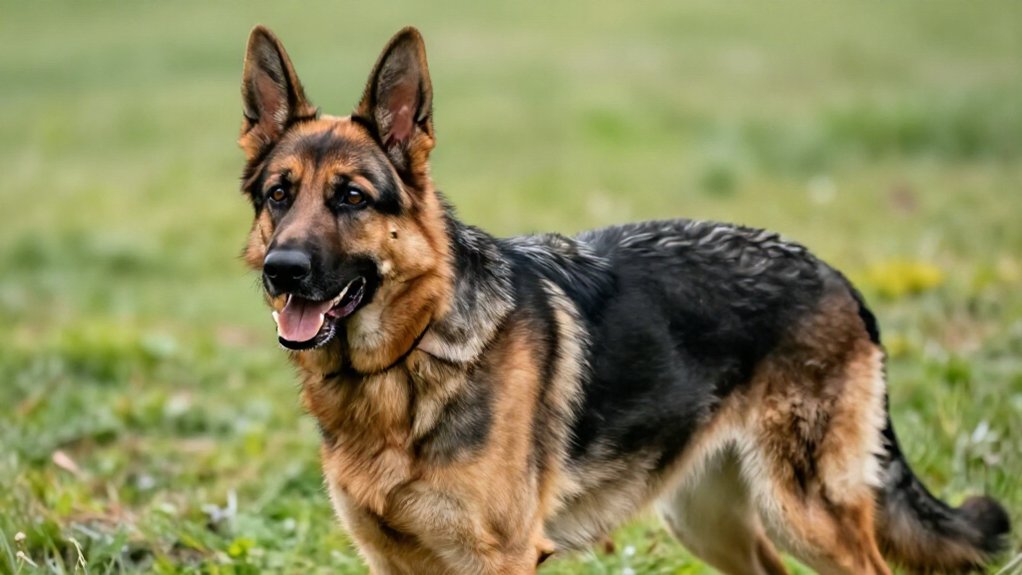
Your German Shepherd Malamute mix requires at least 60 to 120 minutes of daily physical activity plus mental stimulation to stay healthy and well-behaved.
You should provide long walks, jogging, or hiking to match their high endurance and working heritage. Break exercise into multiple sessions throughout the day for better results. Their thick double coat helps regulate body temperature, so schedule strenuous outings during cooler parts of the day rather than shaving them down.
Avoid sedentary living since your dog thrives on task-oriented activity. Incorporate structured sports like agility or obedience to channel their energy productively.
Engage their mind with puzzle feeders, training drills, and scent games to prevent boredom. Without adequate mental challenges, they may develop anxiety or destructive behaviors even if physically tired.
Secure fencing allows safe off-leash running. Your commitment to their vigorous daily needs ensures a happy, well-adjusted companion who serves you faithfully. They need at least 90 minutes of activity due to their high energy levels.
Coat Care and Grooming Tips
You’ll need to brush your Alaskan Shepherd’s dense coat several times a week to manage daily shedding.
During spring and fall, increase this to near-daily sessions to handle the heavy seasonal blowouts.
Keeping up with this routine prevents matting and keeps their double coat healthy.
Many owners also choose a name that suits their dog’s sturdy build, and powerful and classic names remain a popular choice for male German Shepherds.
Daily Brushing Needs
Since you’re caring for a German Shepherd Malamute mix, expect to brush its dense double coat 2–5 times per week, ideally in near-daily sessions. You’ll keep their coat healthy by using an undercoat rake first, then a slicker brush to smooth the topcoat.
Dedicate 10–30 minutes per session, focusing on their neck, ears, armpits, and hindquarters where tangles form. Always brush in the direction of hair growth with light pressure to avoid irritation.
Regularly inspect their skin for hot spots or parasites while brushing, as you care deeply for their well-being. This routine removes loose hair, distributes natural oils, and prevents matting around high-friction areas.
It supports temperature regulation and keeps living spaces cleaner. Consistency truly matters when you serve a dog who relies on your attentive daily care.
Seasonal Shedding Management
While managing seasonal shedding in your German Shepherd Malamute mix requires diligence, you can minimize hair spread by understanding their double-coat dynamics.
During spring and fall coat blowouts, increase brushing frequency to remove loose undercoat before it disperses. Bath every 4–8 weeks with pH-balanced, deshedding shampoo to loosen dead fur. Rinse thoroughly and avoid overbathing, which can dry skin and worsen shedding.
Use a high-velocity dryer on cool settings to blow out trapped undercoat after baths. Vacuum floors and furniture daily with pet-hair attachments to control accumulation. Wash bedding weekly and mist your dog’s coat before grooming to reduce airborne hair.
Maintain stable indoor temperatures to minimize stress-related shedding. Feed omega-3-rich diets and ensure fresh water access for healthy skin. Regular vet checks detect health issues driving excessive hair loss.
Temperament, Training, and Behavior
As you consider bringing home a German Shepherd Malamute mix, you’ll find they’re intelligent, loyal, and highly energetic, but you’ll need an experienced hand to manage their strong-willed and independent nature.
You must commit to structured training and consistent socialization from puppyhood to channel their protective instincts and high energy positively. Because German Shepherds are among the most trainable dog breeds, they respond well to puzzle toys and scent work that challenge their minds.
They form deep bonds with their families but often protect children by herding or supervising play too intensely. You should supervise closely to prevent overwhelming smaller children.
Without ample physical exercise and mental challenges, you’ll see destructive behaviors like digging or excessive barking.
Their reserve toward strangers means you must actively introduce them to new people and animals to foster welcoming adult dogs.
Serving this breed demands patience, leadership, and daily engagement to nurture a well-adjusted, loyal companion.
Home Requirements and Health Concerns
To guarantee a suitable home environment, you must recognize this large-breed mix demands substantial space, secure fencing, and durable surfaces to handle their 60–100 pound stature and heavy shedding.
You should prioritize single-level layouts or ramp access to reduce orthopedic strain on their joints.
Secure off-leash areas support the 60 to 120 minutes of daily activity they need.
You’ll need to budget for regular grooming sessions, especially during spring and fall shedding seasons. Since loose fur can easily transfer to vehicle upholstery during trips, a protective car cover can help keep seats clean from dog hair, dirt, and mess.
Don’t forget to monitor them closely for hip dysplasia, elbow issues, and spinal conditions like degenerative myelopathy.
You’ll want to schedule consistent vet visits to catch eye diseases early.
Frequently Asked Questions
Are Alaskan Shepherds Good With Cats and Small Pets?
No, Alaskan Shepherds often aren’t good with cats or small pets due to strong prey drives. You’ll need early socialization, strict management, and constant supervision to guarantee safety for all animals in your home.
How Do Alaskan Shepherds Typically Get Along With Strangers?
Alaskan Shepherds stay reserved with strangers; only 20% greet them warmly. You’ll need early, positive exposure to help them trust visitors. This vigilance guards your home, but consistent training ensures they welcome guests calmly and safely.
Do Alaskan Shepherds Get Along Well With Other Dogs?
Alaskan Shepherds can get along well with other dogs, but you must prioritize early socialization. You should monitor their prey drive and provide structured introductions to guarantee positive interactions in shared spaces.
How Much Exercise Does an Alaskan Shepherd Need Daily?
Your Alaskan Shepherd needs 60 to 120 minutes of vigorous activity daily. You must provide long hikes, runs, and mental games to keep them healthy and happy while serving as their dedicated caretaker.
Is an Alaskan Shepherd a Good Choice for First-Time Owners?
An Alaskan Shepherd isn’t a good choice for first-time owners. You’ll face a storm of energy and stubbornness. Serve them with firm leadership, deep patience, and relentless dedication to open their loyal heart.