You shouldn’t shave a healthy German Shepherd. Full shaving strips the double coat’s guard hairs, which help trap air for cool-and-warm balance, and they also block sun. You’ll risk overheating, sunburn, patchy regrowth, and sometimes worse shedding that turns into short stubble. Instead, trim only where needed, like hotspots or access points, and keep up brushing 3–4x weekly with an undercoat rake. For summer cooling, use shade, fans, and nonstop water—then keep going for more tips.
Swift Summary
- Shaving a healthy German Shepherd isn’t recommended; double-coat guard hairs are essential for insulation and protection.
- Full shaving can increase shedding and cause patchy, uneven regrowth with months of “weird” coat texture.
- It raises heat and sun risks by removing trapped-air cooling and UV-blocking guard hairs.
- Safer summer cooling focuses on shade, ventilation, indoor AC, hydration, and regular brushing to remove loose undercoat.
- Trim only when needed for medical access, hotspots, or mat removal under professional or veterinary guidance.
Can You Shave a German Shepherd? The Short Answer
You might be tempted to grab the clippers, but—no, you shouldn’t shave a healthy German Shepherd. So, can you shave german shepherds, is it ok to shave a german shepherd? Instead, focus on regular brushing and occasional proper bathing with a dog-safe shampoo, since bathing too often can strip the coat’s natural oils.
Veterinary and professional groomer guidance says shaving a german shepherd isn’t recommended. Shaving removes guard hairs, while the shedding people usually want to reduce is the undercoat “blowing coat.”
Do german shepherds get haircuts? Yes, but only light trims.
What happens if you shave a german shepherd? It can worsen overheating risk, since regrowth keeps shedding and you lose sun protection.
Should german shepherds be shaved? Generally, no.
Can you cut a german shepherd’s hair? Trim mats or small spots, only if a vet instructs, like for surgery, or can you take a german shepherd to the groomer for a second opinion.

DUAL-SIDED DESIGN: Our Undercoat Rake Dog brush is perfect for deshedding your pet's coat. Designed with a dual-sided design, start with a 9-teeth side to tackle stubborn mats and tangles, and finish with a 17-teeth side to thin out and deshed after.
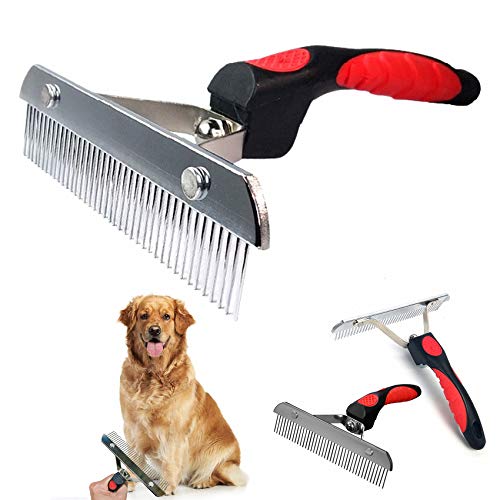
ROUNDED PIN : The long tooth undercoat rake brush has smooth rounded pins that make it easier for pets to accept grooming. The 0.94 foot long steel teeth of the rake penetrate deep into the dog's hair to remove loose fur and remove all mats, tangles and knots. Long tooth undercoat dog rake brush Not suitable for cats, puppies or short-haired pets.

Use it to trim out the undercoat, trim out dead hair, unravel & demat the coat
Why German Shepherd Double Coats Shouldn’t Be Clipped
When you clip your German Shepherd, you disrupt the natural insulation that keeps air near the skin, so the coat can’t cool or protect as it was built to.
Security systems can similarly interfere with how a site functions when an unexpected request is detected.
And once you cut it too short, the undercoat often grows back unevenly and thicker than the guard hairs, which can look plush, patchy, and weird—plus airflow gets worse. Clipping also does not stop seasonal coat blowing, since German Shepherds shed their undercoat heavily in spring and fall regardless of how short the coat is.
But the biggest issue is that regrowth doesn’t always match the original pattern, so you can end up with long-lasting bald spots or a coat that’s harder to manage.

Deshedding Dog Brush: With patented two-tier teeth technology, the longer teeth gently remove dirt, reaching down to the undercoat, and the shorter teeth pick up loose hair, ideal for thick fur & double-coated dogs

✨【FEATURES OUR EU-REGISTERED DESIGN】The distinctive 2-sided hooked-blade head combines wide teeth for stubborn mats with fine teeth for deshedding. Use it as a dog detangler brush, dematting comb for dogs, detangling comb or pet detangler to work through dense double coats and lift trapped undercoat with fewer passes.

【2-IN-1 DUAL-HEAD GROOMING TOOL】 Designed to simplify your pet care routine. This versatile grooming tool features a dual-sided design to provide a larger grooming surface, allowing you to cover more area in less time. It effectively helps you manage stubborn mats, tangles, and loose undercoat for professional-grade results at home
Natural Insulation Disruption Risks
Clipping a German Shepherd’s double coat messes with the dog’s natural “insulation system,” and that matters more than most people think.
You need that undercoat’s trapped air, it buffers heat loss in winter, and heat gain in summer.
Trapped air acts as an insulating layer that helps keep the coat working the way it’s designed.
When you shave, you remove that air pocket, so your dog can’t regulate temperatures as well.
Then the body leans harder on panting, which can’t do the job fully in hot weather.
Guard hairs also protect skin from sun, and without them, you raise sunburn and heat-stroke risk.
Keep the coat intact to serve your dog’s comfort safely.
Uneven Regrowth And Patchiness
Beyond the insulation disruption, uneven regrowth is the problem that really shows up after a German Shepherd double coat gets shaved.
When you clip, you remove undercoat and guard hairs together, so follicles lose their synced cycle.
First, the undercoat grows back fast, soft, and thick, then the guard hairs lag, sometimes many months.
That gap leaves woolly, weak-looking patches, dense in one spot and bare in another.
Some areas thin or bald for a year or longer, especially if you shaved heavily.
You can’t fully “fix” it later, and you may increase matting, hotspots, and grooming costs.
What Risks Shaving Creates in Hot or Sunny Weather
And once the protective fur layer is gone, warm weather makes it easier for irritants and parasites to reach the skin, since micro-scrapes from cutting and exposed areas can get inflamed. German Shepherds are prone to exocrine pancreatic insufficiency, a digestive disorder that can leave the coat dull and thin, so owners should watch for changes in coat quality before and after shaving.

Made in the USA - Our oatmeal formula pet shampoo is pH balanced, alcohol free, paraben free, PEG-80 free and is highly recommended for moisturizing dry skin & providing itch relief
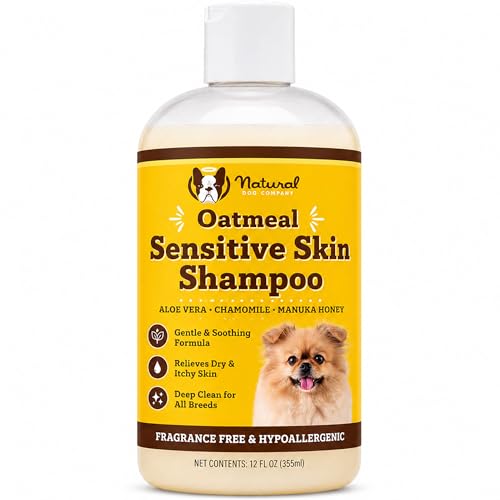
Gentle Oatmeal Shampoo for Sensitive Skin: Natural Dog Company Sensitive Skin Shampoo is a hypoallergenic dog shampoo made for pups with delicate skin. This oatmeal shampoo for dogs gently cleans, helps soothe dry-feeling skin, reduces odor, and leaves coats soft, shiny, and fresh.

GENTLE BUT EFFECTIVE: A 3-in-1 shampoo that cleanses, conditions, and deodorizes dog's skin and coat while adding shine
Heat Stroke From Insulation Loss
When you shave a German Shepherd, you remove the double coat’s built-in “insulation layer,” and that matters fast in hot or sunny weather.
You lose the still-air pocket the coat normally traps, so heat moves into the skin faster.
And you shift cooling onto panting and a bit of sweating through paw pads.
If your dog can’t keep up, breathing works harder, body heat rises quicker, and heat tolerance drops.
Veterinary grooming guidance warns shaved double-coated dogs become more susceptible to heatstroke, a rapid, possibly fatal spike in core temperature.
If you must trim, do it gradually, and avoid midday heat.
Sunburn Risk On Exposed Skin
Before you reach for clippers, understand this: shaving a German Shepherd leaves bare skin that can’t block as much UV (ultraviolet) sunlight, so sunburn becomes a real risk fast.
Remove the coat barrier, and direct rays hit skin with no guard hairs to deflect them.
Aim for less than 0.5–1 cm of hair, and you increase sunburn chances.
You may notice redness, pain, peeling, and even blistering on the belly, nose bridge, or ear tips.
If you keep it shaved, repeat damage can add up.
That cumulative UV exposure can raise long-term actinic changes and skin cancer risk.
Parasite Exposure Without Guard Hairs
Shaving a German Shepherd in hot or sunny weather doesn’t just expose skin to the sun, it also makes life easier for parasites.
When you remove guard hairs, you reduce barriers, so fleas, ticks, and mosquitoes reach skin faster and feed more successfully.
And summer heat makes it worse, because warm humidity helps parasites survive.
You also lose airflow buffering, so shaded or folded areas stay warm and moist.
Faster tick attachment raises Lyme risk, while more bites increase mosquito-borne illness like heartworm.
Flea overgrowth can trigger flea allergy dermatitis, plus yeast or bacterial skin issues.
If you want cooling, choose brief trims, brush often, check daily.
Can Shaving Worsen Shedding, Matting, or Hair Regrowth
If you’re thinking about shaving your German Shepherd, you should know it usually makes shedding and coat problems worse—not better.
When you shave a double coat, shedding volume doesn’t truly drop. It just becomes shorter stubble, which falls into carpets and clings to clothes.
Undercoat removal also changes regrowth. You may see soft, fuzzy undercoat in 2–4 weeks, then cottony, patchy filling by 6–12 weeks.
Without guard hairs (the longer “separating” hairs), mats form faster.
Even worse, regrowth can take 6–18 months, sometimes up to two years, and may stay thinner or abnormal. Regular brushing during a seasonal blowout removes loose undercoat more effectively than shaving, and diet or health problems can also drive excess shedding.
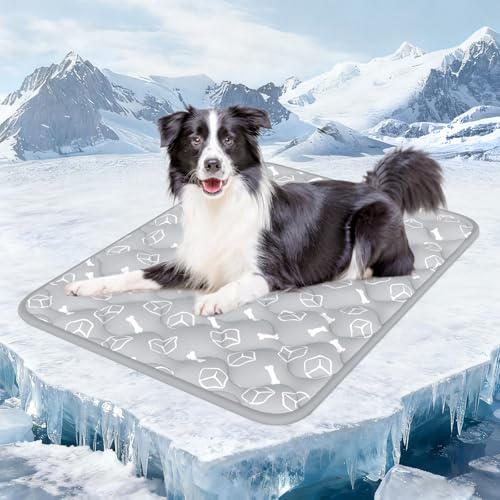
🐶 【Lasting Coolness & Enhanced Durability】Engineered for extended cooling without recharging, our thickened Arc-Chill fabric maintains a refreshing 4–6°F temperature drop throughout hot days. The reinforced materials resist chewing and scratches, offering reliable performance season after season—perfect for active or senior pets who need consistent heat relief.

【Instant Self-Cooling Solid Gel】This dog cooling mat gel uses evenly distributed solid gel to absorb body heat on contact and provide a refreshing resting surface. Use it as a cooling gel mat, cooling gel pad for dogs, pet cooling gel mat, or dog cooling gel pad. No water, electricity, or refrigeration is required.

Instant Cooling, Rapid Relief: Made with Q-Max > 0.5 cool-touch fabric, this mat delivers an instant cooling sensation as soon as your pet lies down—no plug, water, or gel needed, safe and worry-free. Please note: the mat is not an active cooler; prolonged lying may cause slight warming as it absorbs body heat, which is a normal physical property. Simply have your pet move away briefly; the mat then dissipates heat through air convection and resumes cooling, allowing for a cycle of reuse. Placing it in a well-ventilated area speeds up the cooling recovery. Especially ideal for active dogs that sweat easily or need rapid cooling after exercise.
Is a “Summer Trim” Okay: What to Cut Instead
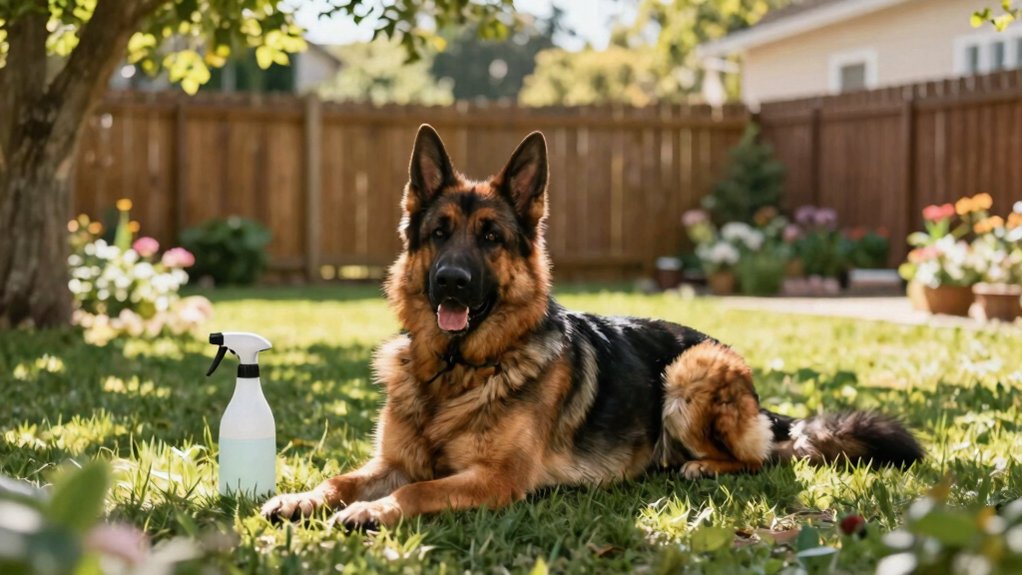
Don’t cut the main double coat. Instead, focus on zones: fringe along the belly edge, feathering on legs, and sanitary areas around groin and anus.
You also trim armpit hair to reduce friction and moisture.
In the same spirit, tidy feathering under the belly and the “skirt” coat, so airflow improves while spine and torso stay protected.
For paws, trim hair between pads, so debris and moisture don’t build up.
Groom weekly, and trim only when hair traps grime. Between trims, a deshedding tool removes loose undercoat without cutting the protective double coat.

SAVE MONEY: Reduce expensive trips to the groomer. Our dog shedding brush works great as a dog brush for short haired dogs & dog brush for long haired dogs. It is an absolute essential for pet supplies, dog supplies, and a dog grooming kit.

【Professional Pet Grooming Kit 】3 Pet grooming tools selected by pet lovers, which can meet daily all the grooming needs of pets. Let you, as the groomer, personally give your furry friend a shiny and healthy coat. This is a must-have beauty product set for pet lovers! The Best Dog Gifts - Merry Christmas
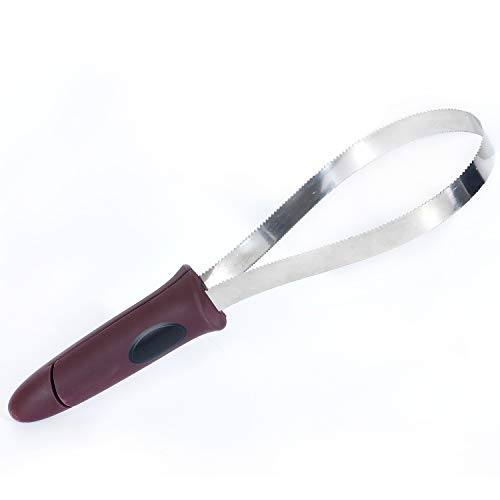
SOFT ERGONOMICALLY DESIGNED HANDLE-Which comfortably forms to your hand. It's a non-slip handle grip. No matter which way you hold, it dramatically maximizes your control while grooming.
When Professional Grooming or Medical Trimming Is Needed
When the coat gets away from you, don’t guess—bring in a pro or ask your vet, especially for German Shepherds.
Aim for salon visits every 6–12 weeks, and more during seasonal coat blows, so you manage shedding and dead hair safely.
Pros also check skin health, tidy paw and sanitary areas, and do deep dry and de-shedding without full-body shaving.
But if you see severe mats you can’t brush out safely, trimming may be needed under veterinary or groomer guidance.
Also clip only where meds or wound care require access, like hotspots, ticks, or incision sites.
Patchy bald spots or hair loss that goes beyond normal shedding may point to possible medical causes, so a veterinary exam is worth scheduling when the loss persists or appears in specific areas.

Shedding Season Helper: When you comb your pet's coat with a long-toothed rake comb, the shed waste hair is collected in the crevices of the comb teeth without hair flying around. At this point, you can easily remove a whole piece of spent hair from the comb

VERSATILE SHEDDING & DEMATTING COMB – Our dual-sided pet grooming tool combines a 12-blade dematting comb for dogs and cats to remove mats, knots, and tangles with a 23-blade deshedding tool for dogs that reduces loose fur, undercoat, and shedding. Works as a pet grooming brush, kitten brush, cat combs for indoor cats, dog brush short haired dogs, short hair dog brush for shedding, undercoat rake for dogs, and grooming brush for long-haired pets. A must-have for golden retrievers, huskies, doodles, poodles, and other thick double-coated breeds.

How to Cool a German Shepherd Without Shaving
Start by giving constant access to well-ventilated shade outdoors, and keep them out of enclosed doghouses where heat traps. Because a German Shepherd’s thick double coat insulation is built for cold weather, it can hold heat in summer, so regular brushing to remove loose undercoat helps air reach the skin.
Then move them indoors to a cool room with a fan, or air conditioning, especially during peak sun hours.
Offer fresh, cool water nonstop, and during walks give small sips every 15–20 minutes.
When your pup overheats, gently wet them with lukewarm or room-temperature water, not ice.
Use cool, wet towels on the abdomen and inner thighs, or a paddling pool for conscious, healthy dogs.
Stop exercise fast at heavy panting.
Call your vet urgently for collapse.

All-in-One Grooming Solution: This upgraded brush combines a dematting comb, undercoat rake, slicker comb, and deshedding blade in one tool. Effortlessly switch between removing stubborn mats, reducing shedding, and daily coat smoothing without needing multiple brushes;

1-CLICK SELF-CLEANING — NO MORE MANUAL HAIR PULLING: This undercoat rake solves the grooming frustration. Just press the button and the release plate pushes out all trapped fur between the tines instantly. No tugging hair by hand, no mess, no interruption. Perfect for heavy shedding season when your deshedding tool fills up fast.

CURVED SLICKER - The Paw Brothers Soft Pin Curved Slicker Brush is an essential tool for anyone who wants to keep their pet's coat looking and feeling its best.
Best Brushing Tools and Deshedding Schedule for Summer
Summer is the perfect time to get serious about brushing, because your German Shepherd’s double coat traps heat and holds onto loose fur—so you’ll feel the difference faster than you’d think.
Grab a slicker or pin brush first, then use an undercoat rake, with metal pins, to reach the dense layer and prevent mats.
When shedding ramps up, you can use a FURminator-style tool, but stop once hair output drops.
Afterward, run a wide-toothed comb to remove debris and tangles. Since loose hair and debris can collect around the ears during shedding season, check them weekly for signs of ear infection such as redness, odor, or head shaking.
For most summers, brush 3–4 times weekly, or even daily during lighter shedding.
Do it outdoors, 15–20 minutes, for easy cleanup.

HELPS RELIEVE ITCHING & DRY SKIN - This pH-balanced conditioner with colloidal oatmeal detangles coats while soothing itchy, dry skin, leaving your best friend's coat soft, plush, & naturally shiny

OATMEAL DOG SHAMPOO THAT MOISTURIZES SKIN & NOURISHES THE COAT: Enriched with oatmeal, a natural source of beta-glucan, DOUXO SPA Oatmeal Dog Shampoo helps moisturize the skin and nourish the coat, leaving it soft, radiant and smelling great after every bath.

Hypoallergenic: Made without dyes, phthalates, parabens and soap.
When to Ask Your Vet About Skin or Overheating Issues
If your German Shepherd seems off after a hot day, don’t wait it out—check them right away.
Heavy, rapid panting, noisy breathing, or repeated attempts to cool down can mean heatstroke.
Watch gums too: bright red, dark red, pale, or blue gums with thick saliva are urgent.
Also act fast if your dog wobbles, collapses, seems confused, loses consciousness, or has tremors, seizures, or coma.
If active cooling for 10–15 minutes doesn’t help, or if rectal temp hits 104°F, call your vet.
If 106°F seems possible, go to emergency now.
After shaving, seek care for sunburn, hot painful skin, persistent itch, pustules, crusts, or fleas/ticks.
German Shepherds are also prone to gastric dilatation-volvulus, so a swollen belly or unproductive retching after a hot day should prompt an immediate call to your vet.

[Instant Cooling With Advanced Technology] Experience the ultimate heat relief with our dog cooling mat, featuring next-generation Japanese cooling technology. With a certified Q-Max > 0.5, this cooling mat for dogs provides an immediate temperature drop of 4-6°F upon contact. Perfect for both indoor and outdoor use, it effectively prevents overheating and dehydration, ensuring your furry friend stays refreshed and comfortable all summer long.

【Instant Self-Cooling Solid Gel】This dog cooling mat gel uses evenly distributed solid gel to absorb body heat on contact and provide a refreshing resting surface. Use it as a cooling gel mat, cooling gel pad for dogs, pet cooling gel mat, or dog cooling gel pad. No water, electricity, or refrigeration is required.
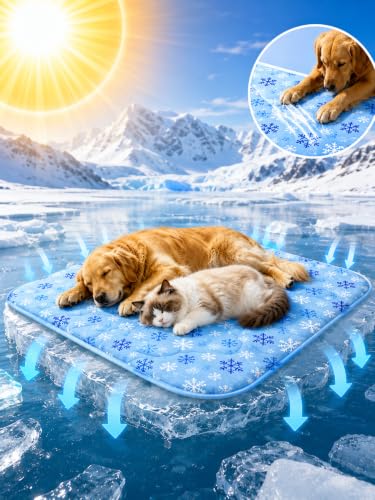
【Instant Self-Cooling Solid Gel】This dog cooling mat gel uses evenly distributed solid gel to absorb body heat on contact and provide a refreshing resting surface. Use it as a cooling gel mat, cooling gel pad for dogs, pet cooling gel mat, or dog cooling gel pad. No water, electricity, or refrigeration is required.
Frequently Asked Questions

Professional Design Exclusively for German Shepherd: This premium German Shepherd brush is engineered for German Shepherds’ thick double coats. It deeply penetrates the dense undercoat and long topcoat, efficiently removing loose hair, tangles, and mats while keeping the coat neat and healthy

Dual-Sided Design: Start with 9 teeth side for stubborn mats and tangles and finish with 17 teeth side for thinning and deshedding. Achieve faster and more professional dematting and grooming results

【Easy Desheding】: Swihauk self cleaning dog brush for long haired dogs with release bottom helps effortlessly reduce shedding. A must have dog brush for short haired dogs, cat brush for indoor cats, cat brush for shedding, slicker brush for dogs.
Can I Shave a German Shepherd for Easier Bathing or Grooming?
No—you shouldn’t shave a healthy German Shepherd just to bathe or groom easier. Shaving won’t stop shedding, can irritate skin, and removes water-repellent guard hairs. Instead, brush often and use a deshedding bath and high-velocity dryer.
Will My German Shepherd’s Coat Look Different After Shaving?
Yes, your German Shepherd’s coat will likely look different after shaving. You’ll often see patchy, slower regrowth, a fluffier or woollier texture, and an uneven outline. Some dogs develop thinner or rougher outer guard hairs.
Is Trimming Paws and Nails Considered “shaving” and Still Safe?
No—trimming paws and nails isn’t “shaving.” You’re just tidying the edges: trim fur between pads and clip nails a tip at a time. Do it gently, avoid the quick, and you’ll keep your dog comfortable and safe.
How Quickly Can a Shaved Dog Overheat Indoors With AC?
A shaved German Shepherd can overheat in roughly 30 minutes to a few hours indoors, depending on room heat, humidity, ventilation, and activity. If AC fails or air stays stagnant, you should watch for heavy panting, drooling, weakness, and act fast.
Can I Use Clipper Guards to Prevent Sunburn on Shaved Areas?
You can’t rely on clipper guards to prevent sunburn on exposed skin—it’s basically UV-proofing with a fig leaf. If your coat leaves skin visible, use shade, cover, and pet-safe sunscreen to protect vulnerable areas.