You’ll usually want to bathe your German Shepherd about every 3–4 months, not on a strict calendar. If they smell, look greasy, or you can’t remove odor with brushing, bathe sooner. During spring and fall “coat blow,” you might need baths every 4–6 weeks, but brush 2–3x weekly (daily if it’s intense). Use dog shampoo only, pH-balanced, often with oatmeal or aloe if itchy. Use lukewarm water, lather dirt only, rinse well, and dry fully—then if they still itch after, you’ll want the next steps.
Swift Summary
- Bathe German Shepherds about every 3–4 months when clean; overbathing can strip coat oils and cause dryness and itching.
- In spring/fall “coat blow,” increase to roughly every 4–6 weeks and rely more on brushing than frequent washing.
- Use dog-only shampoo with a near–skin pH formula (about 6.5–7.5), and avoid harsh sulfates and strong fragrances.
- Start baths sooner after strong odors, skunk/feces, or greasy buildup when grooming can’t remove the smell.
- Brush before bathing, rinse thoroughly (armpits/groin/ears/under tail), and dry completely to prevent irritation and yeast buildup.
How Often Should You Bathe a German Shepherd?
Most German Shepherds do best when you bathe them only every 3–4 months, as long as they stay reasonably clean and don’t have skin problems. Since frequent washing can strip the natural coat oils that help protect the undercoat, it’s best to keep bathing to a low, occasional schedule. So, how often should you bathe a german shepherd? Usually “every few months.” Do german shepherds need baths? Only when dirt, odor, or mud show up, not on a strict calendar. How often should german shepherd be bathed? In clean indoor life, about 3 months; outdoors or after foul rolling, sooner. You can’t overdo it, because frequent washing strips oils. Between baths, regular brushing keeps loose fur under control and helps spread the coat’s natural oils, which often reduces the need for frequent washing. During heavy shedding, you may bathe more, but still use best german shepherd shampoo and conditioner. If their coat stinks even after bath, adjust dirt sources.
Follow a Simple Bath Schedule by Life Stage
To keep your German Shepherd’s skin and coat happy, you should adjust bath timing as they grow—because puppies can’t handle the same washing schedule as adults.
For 0–8 week neonates, skip full baths. You spot-clean with a damp cloth, in a warm, draft-free room, and you only bathe for true emergencies. Ask your vet before any full bath.
From 8–16 weeks, use gentle, puppy-safe tear-free shampoo.
Bath every 2–3 months can help prevent drying out their skin once they’re past the early puppy stage.
Many guides wait until 16–18 weeks or two weeks after core shots, then bathe every 3–12 weeks, just for heavy soil or socialization. Short sessions keep stress low.
At 4–6 months, move toward every 3–4 weeks.
Over 6 months, aim for 6–12 weeks, based on dirt and odor.
Use dog shampoo only, never human.

A uniquely gentle shampoo that cleanses and conditions a puppy's skin and coat. Mild enough for use on the face of puppies 4 weeks of age and older.

Healthy Breeds Chamomile Dog Shampoo with Oatmeal contains the natural botanical extracts of chamomile, cactus, calendula, fir needle oil, colloidal oatmeal and aloe vera.

BRILLIANTLY CLEAN & SOFT - This dog shampoo and conditioner is soap free & pH-balanced to clean & deodorize safely & thoroughly, leaving thier coat shiny, soft, plush, & smelling like wild cherry
Adjust Bathing Frequency for Shedding Seasons
As spring and fall roll in, you’ll usually notice your German Shepherd blowing their undercoat, that dense “fluff” that drops in big clumps. During these coat-blow weeks, you can bathe a bit more often, usually every 4–6 weeks, not every 1–2. Start a shedding bath right at the beginning of the blow, then lean on brushing, not repeated washing. Brush two to three times weekly, and daily if shedding is intense. Use a deshedding shampoo, and dry carefully. This loosens dead undercoat, supports the “defensive shield” of the skin, protects skin oils, and helps you serve a cleaner home—without overbathing. German Shepherds have a double coat that sheds year-round, so a steady brushing routine keeps loose fur under control between seasonal blows.

DESHEDDING FORMULA: Helps reduce excess shedding.

Gentle Clean - Achieves a excellent clean and adds moisture, dramatically reduces shedding when used on a regular basis. Gives hair a fresh start by deeply cleaning, purifying, conditioning, and deodorizing with our tried and true premium formula.

NOURISHED COAT – Our veterinarian-approved formula combines moisturizing botanicals, pH-balanced cleansing, probiotic conditioners, and lab-tested care to soften fur while deodorizing deeply. Engineered as a deodorizing dog shampoo, it enhances shine, boosts coat resilience, and keeps fur fresh for weeks.
When Dirt and Odor Mean It’s Time for a Bath
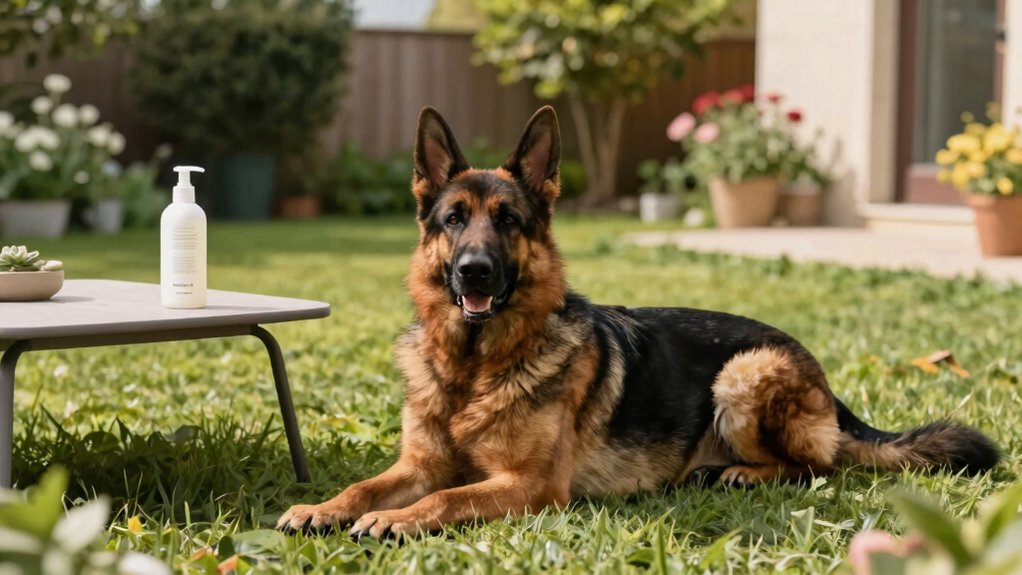
When your German Shepherd starts smelling “doggy” even after you’ve brushed, treat it as a real bath cue, not just a calendar habit.
You should bathe when odor persists, especially if warm months bring a greasy, oily sheen.
If you can’t remove the smell with grooming, dirt and natural oils (sebum) plus outdoor stuff have built up, so it’s time.
Also act fast after skunk spray, feces, or other strong smells.
Look too. Mud, sand, chlorinated pool residue, or debris trapped near the skin means full bathing and thorough drying.
Add baths when scratching, dandruff, hot spots, or flea dirt show up.
If you hear this dog called an Alsatian, know that the Alsatian and German Shepherd names generally refer to the same breed, so these bathing guidelines apply to both.

4-IN-1 COMPLETE COAT CARE: This shampoo cleanses, conditions, deodorizes, and targets shedding, tackling even smelly dogs to make dog wash simple and effective

DEEP CLEANSING FOR THICK COATS: Specially formulated for thick and double-coated breeds like Labrador Retrievers, Golden Retrievers, and German Shepherds, this shampoo penetrates the undercoat and topcoat for a thorough clean

PERFECT ALL-PURPOSE DOG SHAMPOO Our unique deep-cleaning formula removes malodors completely while leaving the coat soft and lustrous! It's a cleanser, deodorizer and conditioner - all in one!
Pick the Right Shampoo for German Shepherd Skin
Choosing the right shampoo matters more than most people think, because German Shepherd skin needs a gentle balance.
Your dog’s skin pH runs about 6.2–7.4, so pick a pH-balanced formula near 6.5–7.5, to protect the skin barrier and reduce dryness.
For itchy, dry patches, choose shampoos with colloidal oatmeal and aloe vera, plus barrier helpers like ceramides or phytosphingosine.
For conditioning, look for glycerin, shea butter, coconut, or honey.
If you make a specialty mix, test it with pH strips first.
Medicated options exist, but use them only when needed.
Keep shampoo and water out of the ear canals during bathing, since trapped moisture can contribute to ear infections in dogs.

REVITALIZE YOUR DOG'S COAT: Keratin & Protein Hair German Shepherd Dog Shampoo is curated to rejuvenate and strengthen your furry friend's fur, leaving it looking healthier and shinier than ever.

GENTLE, pH BALANCED CLEANSER Healthy Breeds offers a high-quality shampoo that is free of soap, detergent and harsh chemicals. Help restore your pet's natural moisture & emollients in your dog’s skin & coat!

NOURISHED COAT – Our veterinarian-approved formula combines moisturizing botanicals, pH-balanced cleansing, probiotic conditioners, and lab-tested care to soften fur while deodorizing deeply. Engineered as a dog shampoo for smelly dogs, it enhances shine, boosts coat resilience, and keeps fur fresh for weeks.
Avoid Human Shampoos and Harsh Ingredients
Avoid human shampoos for your German Shepherd, because they’re built for a different skin pH—yours runs more acidic, while dog skin sits closer to neutral. When you use them, you disrupt the acid mantle, that protective “skin shield,” and strip natural oils.
That loss makes dryness, flaking, and itchy contact dermatitis more likely. And when skin gets irritated, your dog scratches more, which can create abrasions and infection entry points.
Skip harsh detergents, high-alkaline soaps, and sulfates like sodium lauryl sulfate.
Also avoid strong fragrance and multipurpose cleaners, since they can trigger reactions.
Good grooming habits extend beyond the bath, and regular tooth brushing helps prevent tartar buildup and bad breath in your German Shepherd.
Choose Medicated Shampoos Only With Vet Guidance
Medicated shampoos should be used only if your vet directs you, because these products are made for specific skin problems and can have safety rules, dilution needs, and dosing schedules.
You’ll want a proper skin diagnosis first, since using an anti-itch or anti-fungal wash when the cause isn’t microbial can delay the real fix. Itchy skin in German Shepherds is often linked to environmental allergies, food sensitivities, or fleas, so your vet may need to identify the trigger first.
After your vet confirms the issue, follow their frequency closely—often something like 2–3 times per week for about 4 weeks, with the dilution they specify.

ANTIFUNGAL MEDICATED DOG SHAMPOO WITH A DELICATE, PLEASANT SCENT: Veterinarian-formulated with hydrocortisone for powerful relief from skin conditions. This medicated dog shampoo combats fungal infections, soothes irritation, and promotes a clean, healthy coat. Provides fast-acting itch relief for dogs suffering from allergies and skin sensitivities.
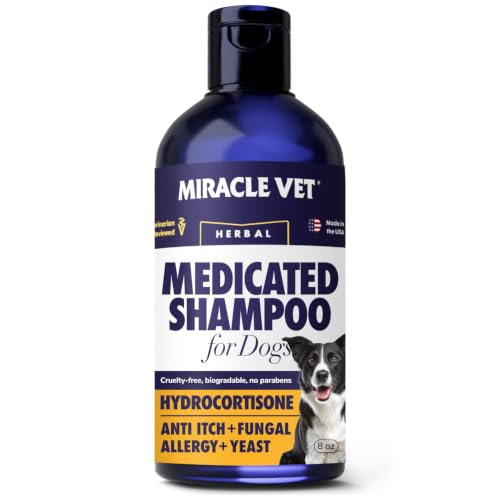
SHAMPOO FOR DOGS WITH ODOR CONTROL: Formula addresses yeast-related symptoms, including itching, redness, and bad odor. Scientifically formulated to help manage canine yeast concerns and dermatitis, leaving your dog's skin balanced, fresh, and odor-free

BPO-3 Shampoo provides a safe, deep clean for dogs, cats and horses when used as directed
Vet-Directed Medication Only
When your German Shepherd has an active skin problem, you should treat medicated shampoo like a medicine, not like a regular bath product. Choose it only with direct vet guidance.
These formulas contain potent drugs that fight specific germs, like chlorhexidine for bacteria, or azole antifungals such as miconazole or ketoconazole for yeast and fungus.
Your vet sets the schedule, how long to leave it on, and when to stop. Avoid use on healthy skin, because over-treating can reduce future benefit.
Also, keep it off eyes, ears, nose, and mouth, and prevent licking during rinsing.
Diagnose Before Using Remedies
Treat medicated shampoo like a medical plan, not a quick fix.
Before you choose any medicated wash, you should help your vet by getting a full skin diagnosis.
Take a detailed history, when itching started, how it spread, seasons, past shampoos, and parasite control.
Then do a thorough skin exam, paws, folds, ears, axillae, and groin.
Since many diseases look alike, you must rule out different causes, not guess from the rash.
Your vet may run cytology, scrapings, flea combing, and ear cytology.
If needed, culture, Wood’s lamp, or PCR.
Skipping this can cause dryness, residue, and more itching.
Use Smart Bathing Technique to Protect Coat Oils
Bathing smartly helps you protect your German Shepherd’s natural coat oils, so their double coat stays soft, shiny, and comfortable.
Limit baths to about every 2–3 months for healthy adults. Overbathing, especially more than once a month, can strip oils.
Limit baths to every 2–3 months for healthy German Shepherds; overbathing more than once a month can strip natural oils.
Use a dog-specific, pH-balanced shampoo, free of harsh detergents and strong dyes.
Choose soothing add-ins like oatmeal or aloe.
Use lukewarm water, then dilute shampoo as directed.
Pre-wet the coat from skin outward.
Work a gentle lather neck to tail, only where dirt sits.
Rinse well, reducing extra re-application.
Once the coat is dry, a deshedding tool can help remove loose undercoat hair that bathing alone won’t lift.
Brush Before and After Bathing to Reduce Shedding
Before you bathe, brush first to loosen the undercoat, and you’ll pull out dead hair before water can trap it and make it shed later.
After the bath, brush again once the coat is mostly dry, and then line-comb (a combing method that pulls hair out) to catch any hair the shampoo and water lifted.
Doing both steps keeps more loose fur in your tools, not all over your home.
Heavy shedding during seasonal blowouts is common as a German Shepherd transitions between coat cycles, so regular brushing helps remove that loose hair before it spreads through your home.
Brush To Loosen Undercoat
Start with a quick undercoat brush-out, because it makes every bath easier.
First, check your German Shepherd’s coat, look for loose fur and any mats, then work in small sections.
Use an undercoat rake to pull dead hair before water hits, it prevents felted tangles.
Aim gently, brush along hair growth from skin outward, and don’t scratch.
In dense areas like ruff, haunches, tail base, armpits, and behind ears, do extra passes.
If shedding’s heavy, brush every 2–3 days, up to daily.
A thorough ten minutes, or a five-minute slicker sweep, helps a lot.
Brush After Bathing Thoroughly
Once your German Shepherd’s coat is fully dry, you’ll want to brush again, because this is when the shed you loosened during the bath actually comes out.
Brush helps remove loose hair, prevents mats (knots), and supports healthy coat oils.
Do this step right after towel drying or after you use a high-velocity dryer.
Use a slicker brush for the outer coat, then switch to an undercoat rake to pull deeper loose hair.
Work in short, gentle strokes.
Follow with a deshedding tool if needed.
In spring and fall, brush daily, or at least a few times weekly.
Rinse and Dry Thoroughly to Prevent Skin Issues
After you shampoo, rinse like you mean it—because leftover soap can cause redness, itching, flaking, and that “allergy-like” irritation that’s really just shampoo residue.
Aim for 5–10 minutes of shampoo contact, then rinse with lots of clean, lukewarm water.
Focus on high-risk spots, armpits, groin, under tail, between toes, and behind ears.
Slide your hand over the coat, looking for slick or foamy areas.
Then dry fast and fully.
German Shepherd double coats hold water, and trapped moisture invites yeast and bacteria. Left damp, this environment can also lead to hot spots, which are painful, inflamed patches of infected skin that can spread quickly in this breed.
Blot with towels, use low cool/low heat, and keep drying until even the undercoat feels dry.
What to Do If Your Dog Smells or Itches After
If your German Shepherd smells sour, fishy, or yeasty, or their skin looks red and feels itchy, start by checking for rashes, bumps, scabs, or hot spots right after the bath. Fleas and ticks can cause the same signs, so part the coat and look for flea dirt or attached ticks before assuming the shampoo is the problem.
Then switch to a gentle, vet-approved or hypoallergenic dog shampoo, rinse really well, and avoid any perfumes, soaps, or fragranced products that could trigger an allergy or skin barrier irritation.
If the odor or itching doesn’t improve within 24–48 hours, or you see ear redness, hair loss, or strong “fishy” smells near the back end, it’s time to call your vet to rule out infections, parasites, or anal gland issues.
Identify Rash Or Irritation
Why does your German Shepherd suddenly smell off or scratch more soon after a bath?
Look for visible signs first: redness, rash, hot spots, small pimple-like bumps, round scaly patches, or moist, weepy skin.
If you see flaking, crusting, or scaling right after grooming, you may be dealing with contact dermatitis or an allergy—“contact” means the product touched the skin.
And if scratching, licking, or pawing starts within minutes to hours, don’t ignore it.
Watch location too: belly, armpits, groin, paws, and inner thighs.
Strong musty, yeasty, or rancid odor, thickened dark skin, or oozing needs a vet soon.
Switch Shampoo And Rinse
But when your German Shepherd smells off or starts itching soon after a bath, don’t just keep swapping products right away—start by fixing the rinse and the shampoo choice.
Normal “wet dog” smell fades once the coat dries, but sour, fishy, or yeasty odor after thorough drying often means something else.
First, rinse well. Leave no shampoo behind. Do three full rinse cycles with clean water, then one cool-water rinse.
Focus on folds, paws, groin, armpits, under the tail.
Then switch to a gentle, fragrance-free or hypoallergenic dog shampoo.
If odor or itching repeats, see a vet—could be ears, teeth, glands, or skin infection.
Dry fully, too.
Frequently Asked Questions
Can I Bathe My German Shepherd After Swimming in Lakes or Pools?
Yes, you can. After lakes, rinse well and bathe if you notice algae, mud, odor, or irritation. After pools, rinse every time; full bath with gentle dog shampoo only if your dog smells or feels itchy. Dry thoroughly.
Is Paw Washing Instead of Full Bathing Enough for Everyday Mud?
About 70% of dirt stays on paws between baths, so you can usually skip full bathing for everyday mud. Rinse or wash paws after walks, brush out clumps, and dry well to protect skin. Use shampoo only when smelly.
How Do I Know My German Shepherd Has Dry or Irritated Skin?
You’ll notice dry or irritated skin through visible dandruff, white flakes, redness, soreness, darkened thick patches, and frequent scratching or licking. Watch for scabs, bumps, foul odor, weeping hot spots, and hair loss or bald spots.
What’s the Safest Way to Bathe a Nervous or Fearful German Shepherd?
Safest first: you set up a calm room, warm water, nonslip mat; pre-desensitize with treats; run water quietly; use a secure harness, not force; wash with gentle, lukewarm rinse and cloth over face; reward through drying. Stop if fear spikes.
Should I Use Conditioner or Detangler on a German Shepherd’s Coat?
Yes—you should use a conditioner after shampoo if your coat needs softness, and use a leave-in detangler between baths for tangles. Apply lightly, wait 2–3 minutes, then rinse well. Brush thoroughly to prevent mats.