German Shepherd “allergies” usually come from three places: food, environmental atopy (allergens through a weak skin barrier), or flea allergy dermatitis. If itch starts within 15–30 minutes of meals, or ears/paws/face get worse within hours to days, food is likely. Try an 8–12 week vet elimination diet, with strict no-treat rules, then reintroduce one food at a time. If you see caudal “flea spots” and year-round itch, start year-round flea control. Need more itch relief options and timing tricks?
Swift Summary
- German Shepherds are prone to atopic dermatitis, where environmental allergens trigger itching and skin barrier breakdown, often starting 6 months–3 years.
- Persistent itch often targets paws, ears, face, tummy, and groin and may indicate food allergy, especially with recurrent ear infections.
- Flea allergy dermatitis can cause intense itch 2–3 weeks after a single bite, and scratching can lead to secondary bacterial infections.
- Suspect aeroallergens based on seasonal patterns and ear otitis externa recurrence; chronic cases often involve both atopy and allergies.
- Confirm food allergy with an 8–12 week strict elimination diet, then stepwise reintroduction with 7–14 day observation and lifelong avoidance.
Why German Shepherds Get Itchy in the First Place
Because German Shepherd itchiness usually isn’t just “dry skin,” you’ve got to think in layers.
First, genetics put you at higher risk: many German Shepherds develop atopic dermatitis, where immune reactions spark itch from environmental allergens. genetic predisposition may also make flares start earlier in life, typically between 6 months and 3 years of age.
You may wonder, what’re german shepherds usually allergic to? Often it’s house dust mites, molds, pollen, and human dander—what are german shepherds allergic to in everyday life.
Second, check parasites. Flea allergy dermatitis can trigger 2–3 weeks of itch from a single bite. Persistent scratching can also lead to secondary skin infections, which often show up as redness, hair loss, and a foul odor.
Third, skin barrier defects let allergens and microbes surge, worsening flares.
A best shampoo for german shepherd with allergies can help support the barrier.
Spot German Shepherd Food Allergy Signs Fast
If your German Shepherd keeps itching year-round, especially on paws, ears, face, tummy, or the groin, that’s a big food-allergy clue, not just a seasonal itch. Food allergies cannot be cured, but symptoms can be managed by changing diet.
Watch the pattern too: if ear infections keep coming back without a clear trigger, plus paw licking/chewing or hives/swelling within hours after meals, start tracking dates and times. Brushing your German Shepherd with an undercoat rake also helps you spot redness, flaky skin, or hot spots hidden beneath the dense coat, which can reveal itch patterns worth noting.
Then change one thing at a time with your vet’s help—when you switch to a carefully chosen diet and the soft stools or diarrhea (more than 3 times a day) and vomiting/flatulence ease within about 2–4 weeks, you’ve got a strong offender.
Year-Round Itching Clues
Year-round itching often gives you the first big clue that food allergy might be the culprit, especially when your German Shepherd seems miserable every single month. If scratching stays pretty constant, not worse in spring or fall, you should look at daily diet exposure. Watch for chewing or licking in any life stage, even young adults or seniors. Note where it happens. Common spots include paws, ventral belly, axillae, groin, face, and pinnae. You may also see redness, hair loss, broken skin, hives, or recurring yeast. If you change food and improve, you’ve strengthened the case. food allergy can also appear without strong seasonal changes, making it easy to miss unless you focus on the diet.
Ear Infections Patterns
Spotting ear infection patterns is one of the fastest ways to catch German Shepherd food allergy signals early. If your dog keeps getting otitis externa, the outer ear infection that returns, treat it like a clue.
Up to 30% of food-allergy cases show ear disease as the only sign. Watch for BOTH ears turning red and itchy, especially with diffuse canal inflammation, not just a one-off injury.
That symmetry often points to systemic hypersensitivity.
Also, expect yeast (Malassezia) and bacteria overgrowth.
Mixed infections can flare after short topical treatment, so don’t ignore repeats.
Diet Change Confirms Offenders
Once you notice the pattern, a careful diet change can basically confirm the culprit fast.
You’ll start an elimination diet, which means you feed a limited, hypoallergenic or hydrolyzed protein diet only.
No treats, no table scraps, no flavored meds, and no chews—this strict diet control matters.
Feed it alone for 6–12 weeks, because inflammation needs time to calm down.
Many dogs improve by 5 weeks, and most by 8. Watch for less itch, calmer belly, and normal stool.
Then you reintroduce the old foods.
If itch or stomach signs return within about one week, you’ve confirmed the offender.
Common German Shepherd Food Triggers: Beef, Chicken, Wheat
When it comes to food allergies in German Shepherds, you’ll most often see the same few troublemakers show up in the bowl.
Beef tops the list, causing about 34% of cutaneous food reactions.
Beef is the most common culprit, triggering roughly 34% of cutaneous food reactions in German Shepherds.
Next, chicken and other poultry proteins show up in roughly 15% of adverse reactions, often in combination with other sensitivities.
Wheat lands around 13%, because grain proteins, including gluten, can trigger immune responses.
And since German Shepherds have a higher predisposition to immune “mishaps,” you should track which protein appears in your dog’s current diet.
Start by checking every label, don’t guess. Royal Canin, Purina Pro Plan, and Eukanuba each offer formulas commonly considered for German Shepherds, so comparing their protein sources on the label is a practical first step.

Supports Healthy Skin & Coat: Formulated with an optimal ratio of Omega-3 and Omega-6 Fatty Acids to support healthy skin and coat in 25 days

SENSITIVE SKIN & STOMACH DOG FOOD: Made with gluten free grains and no chicken, this kibble is ideal for sensitive dogs prone to allergies. It is formulated with proper levels of Omega 3, Omega 6 and Vitamin E to nourish a healthy skin and coat.

SENSITIVE SKIN & STOMACH DOG FOOD: Made with gluten free grains and no chicken, this kibble is ideal for sensitive dogs prone to allergies. It is formulated with proper levels of Omega 3, Omega 6 and Vitamin E to nourish a healthy skin and coat.
Run an 8–12 Week Elimination Diet Safely

After you’ve identified the usual food culprits on the label, like beef, chicken, or wheat proteins, your next step is to run a safe elimination diet for 8–12 weeks. You’ll feed only one new, complete diet, so the results are clear.
Aim for 6–12 weeks, because skin often needs 8+, while stomach signs often improve in 6–8. Many dogs improve by 3–5 weeks, but don’t quit early.
Choose a home, novel-protein, or hydrolyzed diet, and review labels for hidden bits. When selecting a diet, consider food options for German Shepherds that suit sensitive stomachs and food allergies. Switch over slowly in 4–7 days.
Then, remove treats, supplements, and preventives that contain meat, gelatin, or lactose. Store and serve separately.

Wet dog food formula featuring hydrolyzed protein sources

DOGS WITH FOOD SENSITIVITIES: Royal Canin Hydrolyzed Protein dog food is a veterinary-exclusive dog wet food for dogs with food sensitivity

DOGS WITH FOOD SENSITIVITIES: Royal Canin Hydrolyzed Protein dog food is a veterinary-exclusive dog wet food for dogs with food sensitivity
Reintroduce Foods to Confirm the Culprit Allergen
Now you’ll reintroduce foods in a controlled way, so you can confirm the true culprit allergen and stop guessing.
After your dog’s symptoms improve, you’ll feed back the original “pre-trial” diet.
If itch, pruritus (itching), or tummy signs return, the adverse food reaction is likely real.
Watch closely, because relapse often starts in 2–3 days, but it can take 1–2 weeks.
Then you’ll do stepwise single-ingredient tests.
Reintroduce one meat or grain at a time, keep everything else stable, and observe 7–14 days.
Note onset, severity, and resolve after removal.
Consistent flea control helps too.
Keep in mind that German Shepherd shedding releases dander into the home, which can worsen symptoms for people with allergies or asthma.
Long-Term German Shepherd Food Allergy: Avoidance Plan
You’ll manage a confirmed food allergy by avoiding the “offending” ingredients for life, because there’s no cure that reliably fixes the problem once it’s confirmed.
Work with your vet to keep a complete, balanced long-term diet, often the same elimination diet that cleared symptoms, so your German Shepherd stays healthy while you stay strict. Since German Shepherd puppies, adults, and seniors have distinct nutritional needs, your vet may need to revisit this diet as your dog ages.
Then, recheck and refine your plan regularly, because hidden allergens in treats, chews, or supplements can slip in, and even one accidental exposure can restart itching or stomach upset.
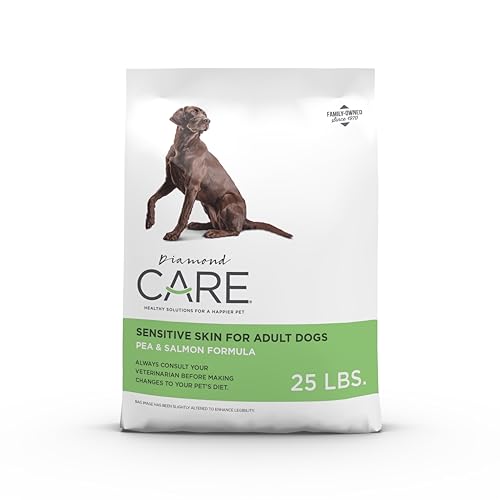
Protein from a single source hydrolyzed salmon and added Omega fatty acids; These acids are Guaranteed for For this condition; ideal for L.I.D diets

Single Animal Protein Nutrition: Natural Balance Adult Grain-Free Dry Dog Food features salmon, a rich primary animal protein to help support strong muscles while delivering complete dog nutrition

A NEW PREMIUM alternative to hydrolyzed protein veterinary diets at a GREAT VALUE with NO prescription needed.
Lifelong Allergen Avoidance Strategy
Because food allergies in German Shepherds don’t usually go away, your best long-term plan is strict, lifelong avoidance of the exact confirmed allergen.
You must exclude that specific protein forever, even tiny bites.
It can trigger itchy skin, ear infections, and stomach upset within days or weeks.
After testing confirms the allergen, keep one approved veterinary limited-ingredient, novel-protein, or hydrolyzed diet as your base.
Choose sealed, allergen-free formulas, and feed only that.
And you should remove all treats, table food, flavored chews, supplements, and meds with unknown ingredients.
Prevent cross-contact by using separate bowls, labeled storage, and careful hand washing.
Recheck with your vet.
Complete Balanced Diet Planning
Once you’ve confirmed the exact allergen, your next job is to build a complete, balanced daily food plan that you can stick with for the long haul.
Choose a limited-ingredient, hypoallergenic diet with one novel protein, like duck, venison, rabbit, lamb, or fish, or use hydrolyzed protein veterinary food.
Keep it complete for your dog’s life stage, and meet AAFCO standards.
Feed measured portions by ideal body weight, split into 2–3 meals.
Don’t overfeed, extra fat can raise pancreatitis risk.
For treats and meds, match the same ingredients, skip chicken, beef, dairy, wheat, soy, and replace flavored chews and pill pockets.
Strict Elimination Diet Rechecks
During an elimination diet trial, you’ll want to recheck on a tight schedule so you can tell whether the new food truly helps.
Aim for 8–12 weeks overall, with an early vet check at 2–4 weeks.
At those visits, assess itching, skin lesions, GI signs, and consider skin cytology, which checks for yeast or bacteria.
You’ll also want to taper antipruritics around week 2–3, then reassess itching at week 4, so symptoms don’t get masked.
Stay strict: no treats, flavored meds, supplements, or table scraps.
When itching drops by at least 50%, proceed carefully to food challenge.
Atopic Dermatitis in German Shepherds: What to Expect
Atopic dermatitis in German Shepherds usually shows up early, often between 6 months and 3 years, and it tends to stick around for the long haul.
German Shepherd atopic dermatitis often begins early, from 6 months to 3 years, and persists long term with ongoing flare-ups.
And it can start as itch with little or no visible rash.
That “pruritus sine materia” means you notice scratching first, then redness and small bumps.
Because it’s genetically predisposed, you’ll likely manage it long term, not “cure” it.
Over time, flares can repeat, so skin thickens (lichenification), hair thins (alopecia), and dark patches appear.
You’ll want a vet plan that controls itch, supports the skin barrier, and treats infections fast.
Understanding the causes, symptoms, treatment, and prevention of skin allergies can help you spot flares early and reduce the risk of hot spots.
Aeroallergens That Trigger Seasonal German Shepherd Itching
Seasonal itching in your German Shepherd usually isn’t random—it’s your dog reacting to aeroallergens, tiny allergy triggers floating in the air.
You’ll often notice tree pollen first, around March to April, then grass from May to July, and weed pollen June to August.
In many regions, signs start by mid-February and peak spring through early fall, with some spring and fall surges.
Ash pollen can sensitize 63.5% of allergic dogs, sage 57.3%, plus others like Johnson grass and plantain.
Also watch outdoor molds.
Alternaria and Pullularia cling to grass and, in warm damp weather, help trigger scratching and licking. Constant licking and chewing can also irritate your dog’s gums and mouth, so a consistent brushing routine helps keep their teeth healthy during allergy season.
Ear Infections and Skin Flare Patterns in GSDs
When your German Shepherd keeps scratching, check their ears first, because allergy-linked otitis externa often shows up as itchy, red, painful ear canals with waxy (ceruminous) discharge and hair loss around the ear. Because a persistent odor, swelling, or discharge can signal a deeper infection, veterinary care should be sought whenever ear problems do not improve with gentle cleaning.
Notice the pattern too, since recurrent or long-term ear infections can be the main sign of atopic dermatitis before other spots—feet, face, ventrum, and groin—flare later.
And when the itch hits suddenly, think “flea-style” vs “food-style”: fleas usually spike fast on the back legs, while food flares often follow a consistent trigger you can track over days.
Ear Infection Triggers And Patterns
If you notice your German Shepherd’s ears getting inflamed again and again, you’re likely not dealing with a one-off infection. Chronic–recurrent otitis externa shows up in about 63% of cases, and around 93% hit both ears.
Allergies often drive this pattern. Atopic dermatitis, a skin allergy, is the most common cause, tied to roughly 43–75% of otitis externa.
About 90% of chronic or recurrent cases connect to atopic dermatitis or food allergies. If flares run year-round, suspect diet allergens, like meat or dairy.
Environmental triggers can also create seasonal or non-seasonal ear, skin, and paw flares.
Itch Severity And Recurrence
But once your German Shepherd’s itch ramps up, it usually doesn’t stay a one-time problem. You’ll often see moderate to severe pruritus, especially in the ears and skin, then it cycles back.
That relapse pattern can start as intermittent flare-ups, then progress to chronic inflammatory disease when allergy and otic (ear) changes aren’t fully controlled.
Recurrent otitis means ear inflammation returns within 3 months after complete resolution.
Expect seasonal or cyclic changes, rapid itch escalation, secondary infection, partial improvement, then a relapse.
In studies, over half relapsed, so plan long-term maintenance and rechecks to reduce severity and recurrence.
Flea Vs Food Flare Clues
But flea allergy dermatitis usually targets the caudal dorsum, tail base, and caudomedial thighs, forming a “flea triangle.”
Look for papules with crusts, fibropruritic nodules, lichenification, and little ear change.
If ears plus ventrum and face flare together, think food first; if tail-base papules lead, start with flea care.
When to Use Allergy Testing for Treatment Planning

Allergy testing becomes truly useful when you’ve already nailed down the diagnosis of canine atopic dermatitis, because the goal isn’t to “prove” the skin problem—it’s to find the specific environmental allergens (like dust mites or pollens) that drive it.
Then, you use intradermal or serum tests to pick targets for immunotherapy “shots” and to plan smart avoidance.
But first, you rule out fleas, scabies, and bacterial or yeast infections.
If signs are nonseasonal, you run a strict food elimination diet for ~8 weeks, until pruritus drops at least 50%.
After that, test if symptoms persist ≥3 months/year or control fails, so you protect your dog’s quality of life.
Alongside these steps, skin and coat supplements may help support a German Shepherd’s skin condition, but they should complement rather than replace a veterinary diagnosis and treatment plan.
Flea Allergy Dermatitis: One Bite Can Trigger Itching
If your German Shepherd suddenly starts chewing, licking, and scratching after even one flea bite, that’s because flea saliva proteins can spark an immune reaction.
But the itching doesn’t always stop when the bites stop, it can hang around for days to weeks, even if you don’t see fleas anymore.
And check the tail base and rump first, since these “hot spots” often show the earliest papules, redness, and crusting from flea allergy dermatitis (FAD).
Flea Saliva Triggers Immune Reaction
When a flea bites your German Shepherd, it doesn’t just “pick” at the skin—it injects saliva, and that saliva sets off an immune reaction. The saliva carries histamine-like compounds, proteolytic enzymes, and allergen proteins.
These include components from about 8 to 150 kilodaltons, and many allergens fall under 60. If your dog is sensitized, type I (IgE) reactions can flare fast, in roughly 15 to 30 minutes, with wheal-and-flare bumps.
Later, type IV reactions may appear 24 to 48 hours after. Either way, you’re seeing inflammation from one bite.
Itching Can Persist Weeks
Once that flea bite happens, the itching doesn’t always fade with the fleas.
You may see nonstop scratching and licking for weeks, even after no live fleas remain.
That’s because your dog stays “sensitized,” meaning their immune system overreacts to leftover flea saliva in the coat, bedding, and home.
It often starts fast, within hours to a few days, then slowly improves but not fully.
You’ll also notice red spots, scabs, and sore areas may linger.
If secondary yeast or bacteria move in, itch can last longer.
Use strict flea control, and keep treatment steady.
Tail Base Common Hotspot
Tail-base itching is one of the most classic clues in flea allergy dermatitis, because a single flea bite can “prime” your German Shepherd’s immune system to overreact.
You’ll notice intense pruritus, mostly on the caudal half of the body, especially the dorsal lumbosacral region and tail base.
You should look for redness, tiny bumps, and crusts on the lower back and under or near the tail.
In FAD, moist hot spots can form, then ooze and smell.
With time, you may see scabs, hair loss, lichenification, and even painful infections.
Check for flea dirt.
Flea Allergy Spots: Rump, Tail Base, Hindquarters
If your German Shepherd has flea allergy dermatitis, you’ll often notice the “flea spots” first on the caudal half of the body—especially the rump, the base of the tail, and the hindquarters.
Look for pruritic (itchy) red bumps that can turn into crusty papules on the lower back, tailhead, and inner thighs.
These often show up in a bilaterally symmetric pattern, so both sides look similar.
And because the itching stays mostly on the caudal dorsolumbosacral area, you’ll see frantic licking, chewing, and rubbing there.
Over time, you may also spot hair loss, thickened skin, dark staining, and hot-spot sores.
Stop Flare-Ups With Year-Round Flea Prevention
Because flea allergy dermatitis doesn’t stick to one season, you can’t wait for warm weather to “maybe” start prevention. Fleas can live indoors, thrive in warm, humid air, and still bite when you least expect it.
Flea allergy dermatitis isn’t seasonal—fleas live indoors and bite anytime. Start year-round prevention now, not “maybe” later.
That means you should use monthly year-round flea preventives—oral or topical—to kill adult fleas and prevent bites. For allergic dogs, choose the most potent adult-killing option your vet recommends.
Also, treat every dog and cat, not just your German Shepherd. Vacuum daily, wash bedding hot, and manage the yard.
Keep this lifelong, without gaps, so allergens can’t keep coming back.

Hassle Free Oral Protection: Ditch the messy topical drops and chemical collars. Our delicious daily soft chews work from the inside out as highly effective flea pills for dogs of all sizes.

Fast-Acting Flea Pills for Dogs: One oral flea tablet starts killing fleas within 30 minutes of administration

Fast-Acting Flea Treatment: CAPSTAR (nitenpyram) oral flea medicine for dogs starts killing adult fleas in just 30 minutes
At-Home Relief vs Vet Care for German Shepherd Itch
When your German Shepherd starts itching, you can usually help at home at first—but you also need to know when to call your vet.
For mild pruritus, with occasional scratching, normal sleep, and no visible lesions, you can try gentle care for a few days.
Bathe with lukewarm water and colloidal oatmeal or a vet hypoallergenic shampoo, and let it sit about 10 minutes.
Wash bedding at ~60°C, vacuum often, and wipe paws after walks.
But call your vet if itch lasts more than several days, or you notice hot, red, thick, weepy skin, bad odor, pustules, or any systemic signs like vomiting or diarrhea.
Prescription Options: Apoquel, Cytopoint, or Steroids
Now let’s talk about prescription options when your German Shepherd’s itch won’t quit, because at-home care can only go so far. Apoquel (oclacitinib) is a non-steroid, oral JAK inhibitor. It targets itch pathways, and it’s for dogs ≥12 months and ≥3 kg.
Apoquel can be daily for flares, then maintained longer. Cytopoint (lokivetmab) is a subcutaneous, caninized monoclonal antibody that targets IL-31.
One injection helps for about 4–8 weeks; label dosing is ≥2 mg/kg every 4–8 weeks. Steroids act fast, but vets limit duration due to side effects.
Discuss risks before starting.
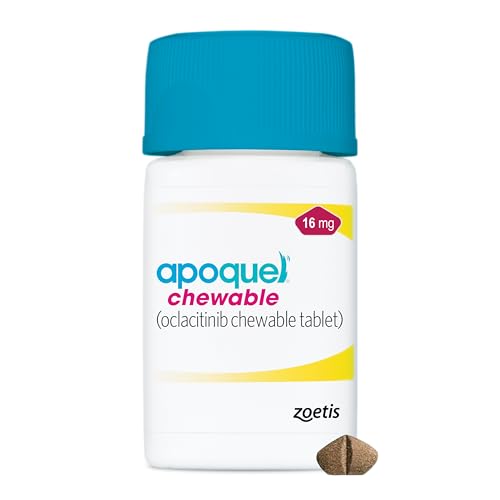
#1 Prescribed Oral Medicine for Allergic Itch¹: Apoquel Chewable (oclacitinib chewable tablet) is a revolutionary oral medicine for dogs with allergic itch. Apoquel can be used short-term or for long-term maintenance therapy²𝄒³ in dogs 12 months of age and older. Apoquel Chewable is expected to provide comparable efficacy to Apoquel Tablet after the first dose, and comparable safety to Apoquel Tablet.⁴𝄒⁵
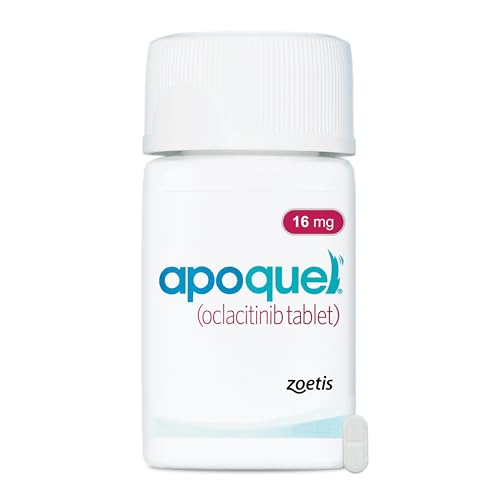
#1 Prescribed Oral Medicine for Allergic Itch¹: Apoquel is a revolutionary oral medicine for dogs with allergic itch. Apoquel can be used short-term or for long-term maintenance therapy²𝄒³ in dogs 12 months of age and older.

#1 Prescribed Oral Medicine for Allergic Itch¹: Apoquel is a revolutionary oral medicine for dogs with allergic itch. Apoquel can be used short-term or for long-term maintenance therapy²𝄒³ in dogs 12 months of age and older.
Environmental Control Steps for German Shepherd Atopy
Start by treating your home like part of the treatment plan, not just the place your German Shepherd happens to scratch. Vacuum carpets and soft furnishings often with a HEPA-filter vacuum.
Treat your home as part of your German Shepherd’s care—vacuum carpets and soft furnishings with a HEPA-filter vacuum regularly.
Damp-dust weekly, skip dry dusting, and reduce clutter. Wash pet bedding and soft toys weekly in hot water, about 130°F, then dry on high heat at least 20 minutes.
Use allergen-proof covers on beds, and choose hard floors when you can.
And for pollen, keep windows closed, run A/C, and limit outdoor time during peak counts, especially wind and early mornings.
After walks, wipe paws and rinse with cool, hypoallergenic baths.
When to See a Vet for Persistent Allergic Itching
If your German Shepherd’s itching keeps coming back despite your home steps—HEPA vacuuming, weekly damp-dusting, and regular bath routines—it’s time to bring in a vet.
If your pal itches, licks, or chews for more than 3–5 days, get a non-emergency visit.
Sudden, very intense scratching means same-day care.
And if sleep or normal activity stops, prioritize the appointment.
Watch skin signs too: redness, thick skin, scabs, crusts, hair loss, or bad odor.
Ear discharge or head shaking needs checking.
If you see pus, oozing, or painful spots, book promptly.
For facial swelling or breathing trouble, go emergency now.
Frequently Asked Questions
How Can I Tell Itching From Normal Seasonal Shedding in My German Shepherd?
You can tell itching from shedding by watching behavior and skin: if you see nonstop scratching, licking, or biting, plus red, scaly, scabby, or smelly patches, it’s itch. Pure shedding leaves smooth skin and no bald areas.
Can Stress, Heat, or Humidity Worsen Atopic Dermatitis in German Shepherds?
Yes—stress, heat, and humidity can worsen atopic dermatitis in German Shepherds. You’ll see more itching and inflammation as stress disrupts the skin barrier, and heat plus humidity boost moisture, allergens, and secondary flare-ups.
Are Probiotics or Omega-3 Supplements Helpful for German Shepherd Allergy Itching?
Yes—omega-3s often help reduce itching by calming inflammatory mediators and supporting skin barrier lipids. Probiotics might help via gut-immune balance, but evidence’s weaker. You should use them as adjuncts alongside vet-guided allergy care.
What Grooming Routine Reduces Allergens Without Triggering More Skin Irritation?
Use gentle, regular bathing and careful brushing: bathe with fragrance-free hypoallergenic shampoo every 1–7 days, rinse well, then brush daily outdoors. You’ll remove dander and allergens while avoiding harsh products and friction that irritates skin.
How Soon Should Improvement Appear After Starting Flea Control or a Diet Trial?
You should see flea-allergy itching improve within a few days after proper flea control and home cleanup. For a diet trial, expect noticeable skin improvement in 4–12 weeks, often around 8 weeks for reliable results.