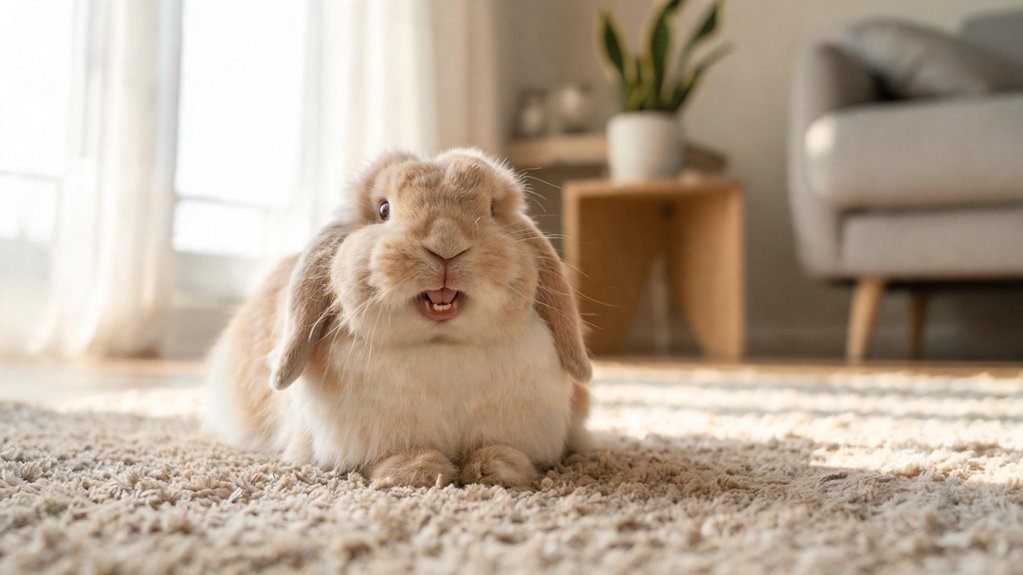
You can use a rabbit as an emotional support animal (ESA) for housing under the Fair Housing Act if a licensed mental health professional writes a letter linking your disability to how the rabbit helps you feel calmer.
But for ADA “service animal” access in public places, the rules are stricter: it must be a trained dog, or in rare cases a miniature horse. Rabbits don’t qualify for that automatic public access.
And for flights, you’ll likely follow standard pet rules—keep going to get the practical tips.
Swift Summary
- Under the ADA, service animals must be dogs (or limited cases: miniature horses), so rabbits aren’t covered for public access.
- ADA service animals are trained to perform disability-related tasks; comfort alone doesn’t qualify.
- Rabbits can qualify as emotional support animals (ESAs) under FHA/mental health housing accommodations, depending on documentation.
- ESA housing requests require a letter from a licensed mental health professional explaining the disability and how the rabbit helps.
- Airline and public-venue access for rabbits depends on policies; many treat ESAs like pets rather than granting special rights.
Can a Rabbit Be a Service Animal Under ADA?
So, can a rabbit be classified as a service animal under the Americans with Disabilities Act (ADA)? According to ADA regulations, a service animal must be a dog, and in some limited cases, a miniature horse, trained specifically to perform tasks that assist individuals with disabilities. Rabbits, regardless of how well-trained they are, are explicitly excluded from being recognized as service animals under the ADA. The Department of Justice (DOJ) regulations clearly specify this exclusion, emphasizing that service animals are defined by their ability to perform specific work or tasks directly related to the handler’s disability. Therefore, only dogs and miniature horses relying on a rabbit for public access as a service animal wouldn’t comply with federal law. If you’re looking for effective support options, consider trained service dogs or miniature horses that meet ADA criteria. For those in need of emotional support, an emotional support animal (ESA) provides comfort, but without the same public access rights. Understanding these distinctions ensures compliance and helps you select the appropriate support animal to enhance your daily activities and public interactions.

SENDING US YOUR INFORMATION AND RABBITS PHOTO IS EASY: Click the "CUSTOMIZE NOW" Button to upload your Information and Rabbits Pic. Your card will be printed with the exact photo and information that you provide.

【Premium Soft & Warm Material】This yellow dog blanket is made from ultra-soft faux fur, perfect as an emotional support blanket yellow for your dog. It’s gentle on paws and skin, keeping your pup cozy and warm while resting. The durable stitching ensures it lasts without tearing or fraying, making it the ideal calming dog blanket for anxious pets.

【Premium Soft & Warm Material】This yellow dog blanket is made from ultra-soft faux fur, perfect as an emotional support blanket yellow for your dog. It’s gentle on paws and skin, keeping your pup cozy and warm while resting. The durable stitching ensures it lasts without tearing or fraying, making it the ideal calming dog blanket for anxious pets.
When a Rabbit Works as an Emotional Support Animal
When a rabbit functions as an emotional support animal, they provide reliable and calming companionship that significantly enhances emotional well-being. Their gentle presence offers consistent comfort, helping to alleviate stress and promote relaxation through tactile interactions such as soothing petting. This steady touch not only reduces anxiety but also encourages mindfulness, grounding individuals during moments of emotional distress or panic attacks. emotional support animals are widely treated as assistance animals that may qualify for reasonable accommodations under the Fair Housing Act. Rabbits are low-maintenance ESAs, requiring only routine care such as feeding and cleaning about once or twice daily, making them an ideal addition to busy routines. Incorporating rabbit care into daily schedules fosters routine and stability, which can be especially beneficial for individuals managing mental health conditions.
In educational, therapeutic, or clinical environments, rabbits serve as empathetic and approachable companions, helping reduce fears and anxieties. Their quiet, non-judgmental nature creates a calming atmosphere that enhances focus and emotional resilience, making them a valuable solution for improving mental health outcomes and supporting daily emotional stability.

【Washable & Safe Material】The rabbit foraging mat overall material is made of polar fleece,which is soft and comfortable,gentle enough and keeps your bunny away from red nose or face friction. You can wash it in machine or wash by hand, durable and easy to maintain

Six-sided Foraging: This large bunny toy with bell has six sides for hiding treats. It's easy for rabbits and chinchillas to find the hidden food. Just watch your bunny enjoy hours of foraging in its living space, staying active and promote mental health

Interactive Foraging Fun: Turn meals into a brain game! This 9.5"x9.5"x2" tray with 29 wood balls and 10 mushrooms mimics natural hunting. It’s the ultimate bunny enrichment toy to stimulate instincts and keep your rabbit or guinea pig engaged, preventing mealtime boredom
FHA Housing Rules for ESA Rabbits and Documentation

Under the FHA, you can request a “reasonable accommodation” from your housing provider, which means they’re required to adjust their rules to allow you to fully enjoy your home environment despite having an emotional support animal, specifically an ESA rabbit. Ensuring your right to such accommodations is essential for maintaining your quality of life and mental well-being when living in rental housing. On a case-by-case basis, your housing provider must evaluate the request rather than issuing a blanket denial based on the animal type. If your disability or the necessity of the ESA rabbit isn’t immediately obvious, your housing provider may require proper documentation. This documentation should include a detailed letter from a licensed healthcare professional, mental health specialist, or authorized medical provider that clearly explains your disability and how the rabbit provides necessary assistance with disability-related symptoms. It’s crucial that this documentation is specific, reliable, and accurately describes the beneficial role the ESA rabbit plays in your treatment or daily functioning. Remember, when submitting your request, your housing provider is obligated to evaluate it on a case-by-case basis. They can’t automatically deny the accommodation simply because your ESA is a rabbit. To ensure a smooth approval process and to protect your rights, gather and present detailed, professional documentation upfront. This proactive approach facilitates a quick and positive resolution, allowing you to secure your right to a supportive living environment with your ESA rabbit, promoting your overall well-being and stability in your home.

Soft Rubber for Gentle Grooming: Crafted from high-quality soft rubber, this grooming brush is safe and gentle on your pet’s skin. Unlike metal brushes, it won’t cause irritation, making it perfect for sensitive pets or those who dislike traditional brushes

【Premium Material】This rabbit hair brush, made of silicone, is a great choice for your beloved rabbit grooming kit. This safe rabbit hair brush is designed to provide gentle yet effective grooming, protecting your pet's delicate skin while effectively keeping their fur clean and healthy. Cleaning is also very easy; simply rinse with water and air dry to maintain hygiene and ensure your pet's grooming tools are always clean and safe.

Does it help with shedding and matted fur for rabbit? Yes, the MCTOURY Rabbit Grooming Brush tackles critical coat management. Its flexible silicone bristles remove over 99% of loose undercoat - the primary cause of deadly hairballs and GI stasis during molting seasons. It also gently loosens minor tangles to prevent mats and skin issues, turning each grooming session into a key health check-up.
FHA Accommodation Requirements Explained
Navigating FHA housing rules for an ESA rabbit can feel confusing, but you can get clear guidance quickly. Under the Fair Housing Act, you have the right to request a reasonable accommodation from housing providers when your disability qualifies, even if the property enforces a no-pets policy.
Your rabbit qualifies as an “assistance animal” because emotional support animals (ESAs) play a crucial role in alleviating symptoms associated with your disability.
You’ll need to demonstrate a clear disability-related nexus, which is a specific link between your disability and the assistance your rabbit provides. Housing providers are legally required to consider your reasonable accommodation request and can’t refuse it based on pet fees, deposits, or breed and size restrictions.
ESA Rabbit Letter Documentation Needed
Once you confirm that your ESA rabbit qualifies as an assistance animal under Fair Housing Act (FHA) housing regulations, the next critical step is obtaining comprehensive ESA rabbit letter documentation.
This documentation must come from a licensed health or mental health professional, such as a physician, licensed psychologist, or certified social worker, who can provide authoritative verification of your condition.
The letter should explicitly confirm your disability or mental health condition and detail how your rabbit significantly alleviates specific symptoms like stress, anxiety, or loneliness, thereby improving your overall well-being.
Ensure that the healthcare provider recommends your rabbit as an integral part of your treatment plan, emphasizing its role beyond merely being an emotional support animal.
It’s advisable to have an established, ongoing therapeutic relationship—typically at least 30 days—before requesting this documentation, as this strengthens the credibility and validity of the letter.
Additionally, the documentation must be current, detailed, and authored by a credentialed professional specializing in mental health or medical treatment.
A properly prepared ESA rabbit letter not only fulfills legal housing requirements but also increases your ability to access pet-friendly housing options, protecting your rights and enhancing your living environment through legitimate and professional support.
Air Travel Options for Rabbit Emotional Support Animals
When planning to fly with a rabbit that’s documented as an emotional support animal (ESA), it’s crucial to approach the process like you’d with any other pet. Keep in mind that most airlines don’t provide rabbits with special cabin rights solely based on ESA documentation. Instead, many carriers treat ESAs under standard pet policy and disability regulations, meaning you should prepare accordingly to ensure a smooth travel experience.
First, verify the airline’s current policies regarding in-cabin rabbits, as rules can vary significantly between carriers. Book your flight early to secure the appropriate seat and to accommodate any specific pet fees or requirements. It’s essential to reserve a carrier that comfortably fits under the seat in front of you, ensuring your rabbit’s safety and comfort during the flight.
Many airlines also require a veterinarian-issued health certificate within a specified time frame prior to travel. If in-cabin access isn’t possible, inquire about approved cargo care options to safeguard your bunny during transit.

【Large Size But Foldable】Large Expand Size: 11.8*9.4*9 inch. Large capacity is big enough for hedgehog, hamster, squirrel, parrot, rat and squirrel etc small animals. The small pet carrier can be folded for easy carrying out and indoor storage with the the Foldable Size: 11.8*10*1.6 inch.

Versatile Design: Small Animal Carriers Backpack can be worn as a backpack or easily carried using the top handle,equipped with side pockets and bind on both sides for store small animal brinker and water cup,providing you with multiple carrying options

Versatile Design: Small Animal Carriers Backpack can be worn as a backpack or easily carried using the top handle,equipped with side pockets and bind on both sides for store small animal brinker and water cup,providing you with multiple carrying options
Public Access Reality: What Rabbits Can and Can’t Do

You should know this upfront: Under the Americans with Disabilities Act (ADA), a service animal must be a dog or a limited miniature horse, meaning that rabbits don’t qualify for automatic public access rights. This distinction is important for pet owners who rely on emotional support animals (ESAs), as ESA protections primarily apply to housing and don’t grant the same access rights to public places such as stores, restaurants, or public transportation.
However, there are still practical ways to bring your rabbit into public settings. Before visiting a business, always check their specific pet or animal policy to confirm if exceptions can be made.
When you bring your rabbit, use a secure, well-ventilated carrier to ensure safety and comfort for your pet and convenience for staff. Be prepared to comply with individual business rules and policies, understanding that staff may permit entry on a case-by-case basis.
This proactive approach allows you to confidently enjoy outings with your rabbit while respecting establishment policies, making the experience smoother and more enjoyable for everyone involved.
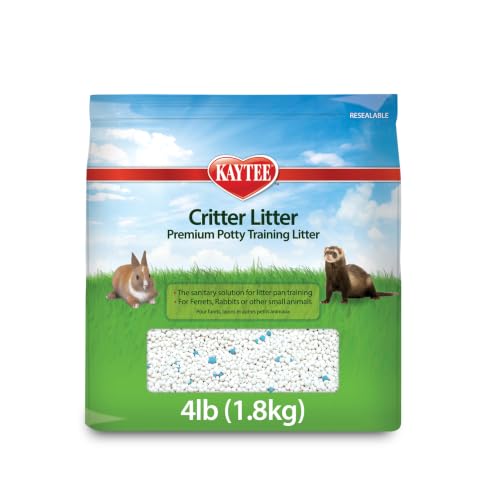
Made of non-toxic 100% bentonite, an all natural minerals so it's safe for your pet

Kit Includes: Corner litter pan, handy scoop, odor absorbing litter, licking brackets, sanitary grid, easy litter training steps
ADA Service Animal Exclusions For Rabbits
Service animal regulations regarding rabbits can be confusing, but the key point to remember is straightforward: under the Americans with Disabilities Act (ADA), a rabbit doesn’t qualify as a service animal in the same way a dog— or, in limited cases, a trained miniature horse— can.
According to ADA standards, a service animal must be a dog that has been individually trained to perform specific disability-related tasks. Simply providing comfort or companionship doesn’t meet the criteria for a service animal under federal law.
The ADA also restricts other service animals to miniature horses that have undergone specific training to perform tasks for individuals with disabilities.
If you rely on a rabbit to help manage stress or anxiety, this support falls under emotional support animal classification, which isn’t covered by the ADA’s public access provisions.
As a result, emotional support rabbits don’t automatically carry the legal rights to access public spaces such as restaurants, stores, or transportation services.
For individuals seeking reliable assistance animals that meet legal standards, it’s essential to consider trained service animals like dogs or miniature horses to ensure compliance with ADA regulations.
Our professional consultancy services offer comprehensive guidance on selecting and training appropriate service animals and navigating legal requirements, ensuring you receive the support you need while adhering to federal laws.
Reach out today for personalized solutions to improve your disability management with legally recognized service animals.
ESA Public Access Limits And Rules
Even though your rabbit can be considered an emotional support animal (ESA) under fair housing regulations, this doesn’t grant automatic access to all public spaces. Under the Americans with Disabilities Act (ADA), only designated service animals—specifically dogs and, in some cases, miniature horses—are permitted broad public access. Rabbits, along with other animals not classified as service animals, generally don’t meet these criteria, limiting their presence in public venues such as restaurants, retail establishments, museums, and entertainment venues.
In housing situations, you retain the right to request a reasonable accommodation for your emotional support rabbit, which may require your housing provider to modify pet policies to accommodate your ESAs. However, landlords can still deny pet requests if your animal poses a direct threat to safety or causes significant, undue financial or administrative hardship.
For air travel, airlines usually adhere to their standard pet policies, which often restrict ESA access, meaning that your rabbit might need to travel as a regular pet with appropriate carriers and fees.
Understanding these limitations empowers you to navigate access challenges effectively. Consulting with housing authorities or airlines ahead of time can help you explore tailored solutions, ensuring your ESA’s presence is accommodated within legal and policy frameworks. This proactive approach helps you secure the necessary support for comfortable, stress-free travel and housing experiences while respecting public access laws.
How to Choose a Rabbit ESA Without Harming Welfare
Choosing a rabbit ESA (Emotional Support Animal) requires carefully balancing your emotional support needs with the well-being and welfare of your bunny. This process begins with thorough temperament screening to ensure a positive and harmonious relationship. Select rabbits that display calm and curious behavior, characterized by a relaxed posture, steady nose twitching, and alert yet gentle movements.
Avoid rabbits that tend to crouch, freeze, or exhibit signs of chronic stress, such as flattened ears, hunched backs, or jumpy reactions.
Steer clear of rabbits that respond aggressively or fearfully, such as those that bite, lunge, or box when handled. Fear-based stress behaviors can hinder emotional support efforts and compromise the rabbit’s health.
Additionally, observe for repetitive motions like bar chewing or circling, as these behaviors often indicate welfare issues or unmet environmental needs.
To provide a suitable environment for your rabbit ESA, create a secure indoor space featuring a spacious pen with non-slip flooring and designated hide boxes. Maintaining quiet, predictable routines is essential for reducing stress and promoting emotional stability.
Handle your rabbit gently, supporting both the front and hindquarters during interactions, and keep handling sessions brief to prevent overwhelm.
【Premium Soft & Warm Material】This yellow dog blanket is made from ultra-soft faux fur, perfect as an emotional support blanket yellow for your dog. It’s gentle on paws and skin, keeping your pup cozy and warm while resting. The durable stitching ensures it lasts without tearing or fraying, making it the ideal calming dog blanket for anxious pets.

NO PULL & CHOKE FREE SERVICE DOG VEST: XS size dog harness recommended weight range: 8.8-15.4 lbs. Distribute the traction pressure of the service dog vest evenly over the body to prevent choking. All-weather breathable Oxford soft mesh vest for maximum comfort and protection for your service and working dogs.

【PACKAGE CONTENTS】The service dog vest set include 1 service dog harness,1 metal serivce dog tag,1 name card,and 10 bright dog Velcro patches such as "SERVICE DOG” ,"DO NOT PET", "IN TRAINING", "EMOTIONAL SUPPORT," and"SERVICE DOG IN TRAINING," You can stick 4 patches at the same time to display useful information on your harness.
Frequently Asked Questions

【Fun Interactive Play】Fun Interactive Play With 1 Ice‑cream Bucket In Orange, Yellow Or Blue And 5 Randomly Coloured Rings, Size 7.8×7.8×8 cm (≈3.07×3.07×3.15 in), Rabbits Can Use Their Mouth To Pick Up The Rings And Drop Them Into The Bucket, Sparking Natural Foraging Instincts And Keeping Them Engaged During Solo Or Shared Play.

A fun way to teach your small pet to search for treats; interactive and rewarding

2 PACK FOR MORE WAYS TO PLAY: Includes 2 different wooden foraging puzzle toys with multiple hiding compartments and interactive mechanisms. Use them together for a larger enrichment setup or place them separately around your pet’s play area for more exploration and variety.
Can a Rabbit Qualify as a Service Animal Under ADA in Public Places?
Sure, you cannot qualify a rabbit as a service animal under the Americans with Disabilities Act (ADA) for public access. The ADA specifically recognizes trained dogs, including some trained miniature horses, as qualified service animals. While rabbits can provide emotional support and comfort, they do not meet the legal criteria for service animals in public settings.
Businesses should be aware that allowing a rabbit as a service animal could lead to compliance issues with ADA regulations. To ensure proper adherence while providing accessible services, it’s essential to rely on trained, ADA-recognized service animals like dogs. For organizations seeking to accommodate individuals with disabilities effectively, partnering with reputable service animal training providers and clearly understanding ADA guidelines will help create an inclusive environment while maintaining legal compliance.
Can a Rabbit Be an Emotional Support Animal (ESA) for Housing?
Yes, you can keep a rabbit as an emotional support animal in housing if you have a disability-related need. To do so, you should request a reasonable accommodation from your housing provider, which generally involves submitting appropriate documentation that verifies your emotional or mental health condition. Providing this documentation is essential if your need for an ESA isn’t obvious, ensuring that your request is considered fairly and promptly.
Including a rabbit as your emotional support animal can significantly enhance your quality of life and emotional well-being. Many housing options now recognize the importance of ESAs in supporting residents with mental health conditions, making it easier to obtain the necessary accommodations. To maximize your chances of approval and secure the rights to keep a rabbit as an ESA, ensure your documentation is clear, comprehensive, and from a qualified health professional. This proactive, solution-focused approach helps you meet legal requirements while enjoying the support and comfort that your rabbit provides.
What ESA Documentation Do Landlords Typically Require for a Rabbit?
Landlords typically require an Emotional Support Animal (ESA) letter from a licensed mental health professional, which must be printed on official letterhead, signed, and dated. This document should clearly identify you as the recipient and specify your disability, emphasizing how it limits major life activities. Additionally, the letter should detail how your rabbit provides specific therapeutic benefits, such as alleviating symptoms related to your mental health condition.
Obtaining a properly structured ESA letter from a qualified mental health provider is a crucial step in ensuring compliance with housing regulations, thereby facilitating a smooth verification process. This verified documentation not only supports your legal right to keep an emotional support animal like a rabbit but also helps prevent potential disputes or delays in your housing applications. Ensuring the letter includes comprehensive details about your disability and the therapeutic role of your rabbit enhances the legitimacy of your request, making it an essential component of your housing accommodation process.
Can I Fly With a Rabbit as an ESA in the Cabin?
You can’t rely on flying with a rabbit as an emotional support animal (ESA) in the aircraft cabin. Recent U.S. regulations have restricted ESAs from receiving the same service animal protections as official service animals. As a result, airlines are empowered to treat your rabbit primarily as a pet, which means they may deny boarding, refuse to allow your rabbit to accompany you in the cabin, or impose additional fees.
However, for travelers who wish to bring their rabbits on flights, it’s important to understand the current airline policies and federal regulations. To ensure a smooth travel experience, consider consulting with your airline ahead of time to confirm their specific pet policies and any necessary documentation or health certificates required. Additionally, exploring options such as booking a pet-friendly cabin, acquiring a proper travel crate, and adhering to the airline’s pet travel guidelines can help you successfully fly with your rabbit. By being informed and prepared, you can maximize the chances of having your beloved pet with you during your journey, making your travel experience more comfortable and stress-free.
Are There Any Risks or Welfare Concerns With Using Rabbits for Emotional Support?
Yes, using rabbits for emotional support can present several risks and welfare concerns that need careful consideration. Handling rabbits in unfamiliar, noisy environments or during stressful situations can trigger chronic fear responses, such as freezing, thumping, or biting, which can negatively impact their emotional well-being and your bond.
Additionally, improper lifting techniques and handling procedures increase the risk of injury to the rabbit, while stress-related health deterioration can lead to costly veterinary treatments and decreased lifespan. To ensure the welfare of your emotional support animal, it is essential to implement gentle, consistent handling practices and select suitable environments that minimize stress. Investing in proper training and care routines will not only enhance the rabbit’s comfort but also promote a sustainable, mutually beneficial relationship, maximizing the supportive benefits for your emotional health.