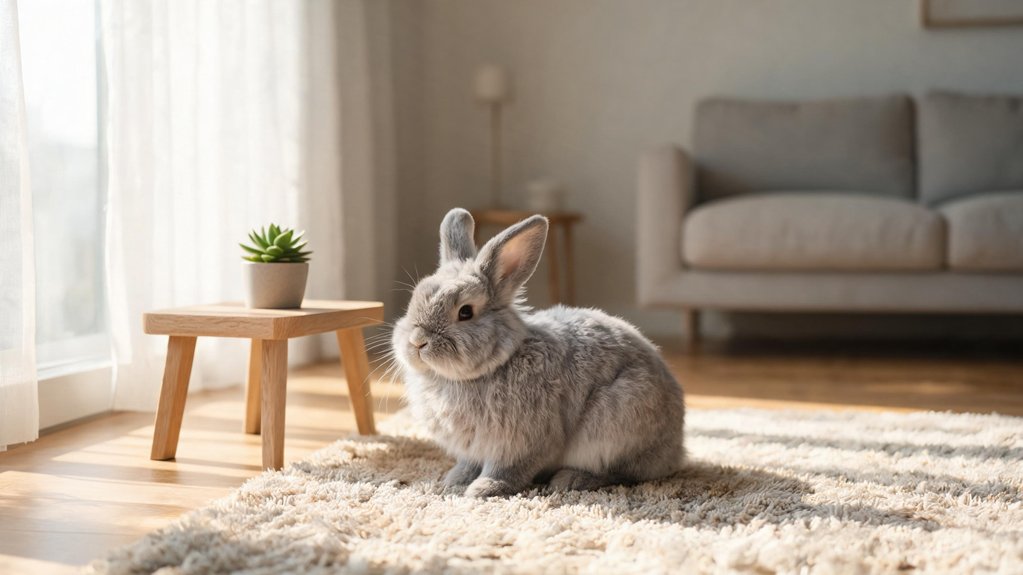
You’ll notice overgrown rabbit teeth as long, crooked incisors, gaps, jagged edges, or a hook sticking out. In daily life, you may see drooling, bad breath, quidding (spitting half-chewed food), less appetite, and fewer, smaller pellets or no poop for more than 12 hours.
It happens when chewing wear isn’t enough, often from a low-fiber diet, missed hay, or misaligned jaws. Call an exotic vet quickly; they’ll trim or even do coronal reduction or surgery if roots are infected. Keep going for more.
Swift Summary
- Overgrown rabbit incisors may appear too long, crooked, jagged, or with hooks, causing gaps and difficulty eating.
- Monitor appetite, drooling, bad breath, quidding, and reduced droppings as early indicators of serious dental discomfort or gut stasis risk.
- Common causes include continuous tooth growth, insufficient long-fiber abrasive hay/greens, and malocclusion from jaw misalignment or genetics.
- Veterinary care often involves oral exams under sedation and sometimes X-rays/CT to assess root elongation and infection.
- Treatment may include incisor trimming, cheek-teeth coronal reduction, or extraction; get urgent help if eating or pooping stops ~12 hours.
What Do Overgrown Rabbit Teeth Look Like?
How do you know if your rabbit’s teeth are overgrown? When checking your rabbit’s teeth at home, look closely for signs of overgrowth, such as teeth that appear excessively long, crooked, or curved. The front incisors may fail to meet properly, resulting in gaps or overlap, which can create jagged, step-like edges. Overgrown teeth can also lead to weight loss, dirty bottom, and drooling if the rabbit is struggling to eat or groom. You might also notice outward or inward hooks on the teeth, or even teeth that appear to be sticking between relaxed lips, indicating misalignment.
Additionally, examine the jawline for sharp spurs on the cheek teeth—small, blade-like points that can cause irritation or pain inside the mouth. These overgrowth problems can lead to difficulties in eating or even prevent the rabbit from fully closing its mouth.
Recognizing these signs early allows you to seek professional veterinary treatment promptly, ensuring your rabbit receives necessary dental care to maintain optimal health and comfort. Regular at-home checks combined with professional dental assessments are essential for preventing serious complications and ensuring your rabbit’s well-being.

【 Easy to eating】 Hay and food two in one multifunctional feeder, with a hanging design, better saves space and can also be placed separately. In addition, it can also be split and placed, with an internal sloping design below the rear bumper, which pushes the hay forward and makes it easier for pets to eat

X-Large Bunny Hay Feeder: Introducing a groundbreaking rabbit hay feeder, now with a larger size of 9.7x4.7x6.6 inches, offering more hay capacity and reducing the need for constant refills. The guinea pig hay feeder's sealed bottom effectively contains the hay, preventing spills and messes, ensuring a convenient and tidy feeding experience. This pet feeder minimizes hay wastage by preventing rabbits from scattering or soiling the hay, avoids unnecessary waste.

【VALUE 2-PACK】Includes 2 hay feeder bags. Each bag measures 11 x 10.5 inches and has 2 feeding openings. Made for rabbits, guinea pigs, and chinchillas.
Signs of Overgrown Rabbit Teeth in Daily Life?
Once you’ve identified the “what” in your rabbit’s mouth, it’s crucial to recognize the “so what”—because overgrown rabbit teeth can significantly impact their health and daily habits. Overgrown teeth don’t just look unusual; they can interfere with essential activities such as eating, grooming, and even normal droppings, potentially leading to serious health issues. Start by regularly checking your rabbit’s teeth at home through close observation of their daily behaviors. Watch for signs such as reduced appetite, slow eating, and food dropping while chewing, which may indicate dental overgrowth. Additional warning signs include drooling or “slobbers,” persistent bad breath, and quidding, where your rabbit spits out partially chewed food. Also, pay attention to messy fur, especially around the face or chin, as well as signs of ocular or nasal discharge, which suggest discomfort or infection. dental issues can cause immense pain even when your rabbit still seems alert. Tracking your rabbit’s fecal output is an important diagnostic step. Fewer or smaller pellets, soft stools, or a complete halt in pooping for more than 12 hours are urgent signs that require immediate veterinary attention from an exotics veterinarian specializing in small mammal health. Early detection of these symptoms ensures timely intervention to prevent severe complications and maintain your rabbit’s overall well-being.

A Happy Tummy --- Packed with fiber from Timothy hay, these balls keep your bunny’s digestive system in top shape, preventing uncomfortable gut issues.

🐰【52 PCS CHEW STICKS】This set of rabbit chewing toys includes four different flavors of hay sticks, including 28 original timothy hay sticks, 8 rose rabbit hay sticks, 8 forget-me-not bunny hay sticks and 8 calendula guinea pig hay sticks.

【20 PCS SET】1x apple wood molar string,1x timothy cake string,2x loofah toys,3x timothy grass ball with flowers, 1x rabbit shape grass cake,5x grass sticks,2x woven carrots,4x rattan balls
Why Do Rabbit Teeth Overgrow in the First Place?
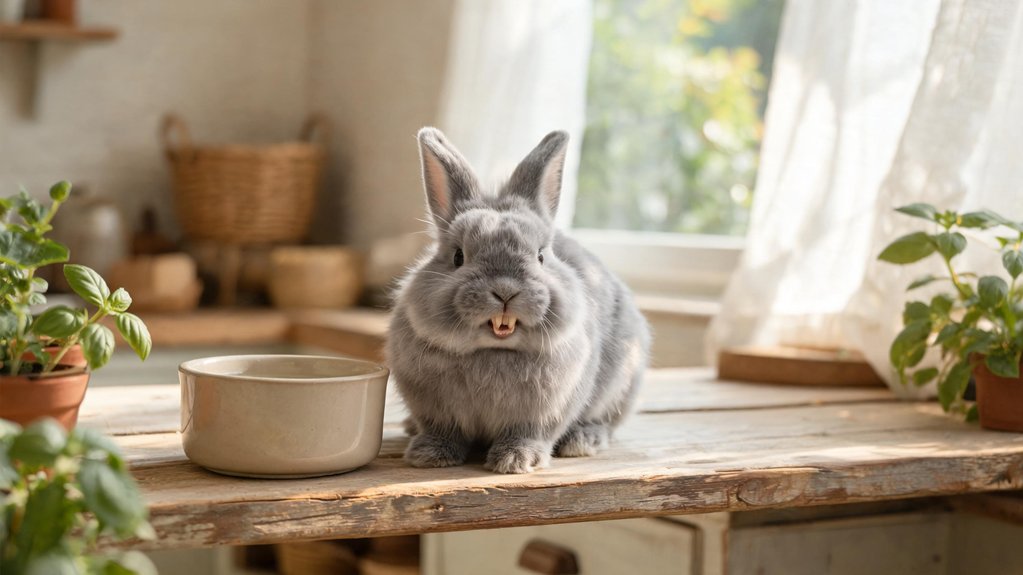
Rabbit teeth overgrow because they’re naturally designed to grow continuously throughout their lives. Normal chewing behavior, which wears down their teeth at a healthy rate, is essential for maintaining proper length. When a rabbit’s diet lacks sufficient high-fiber, abrasive materials like long grass hay and safe greens, the teeth fail to wear down properly, leading to aggressive overgrowth. Providing a diet rich in coarse, fibrous foods encourages natural grinding, helping to prevent dental issues.
They are designed Misaligned jaw structures, such as those caused by genetic factors like lop ears or dwarf skull shapes, can also obstruct normal tooth wear. These malocclusions often require professional intervention to correct, as they predispose rabbits to overgrown teeth despite appropriate diet and behavior. Consulting a veterinarian experienced in exotic or rabbit medicine is crucial; they’ll assess jaw alignment and determine the safest, most effective treatment options.
To address dental overgrowth effectively, don’t attempt DIY trimming. Instead, rely on a specialized, rabbit-savvy veterinarian who can perform safe, precise trims and provide guidance on dietary and behavioral modifications. Investing in professional dental care and educating yourself on optimal diets will help maintain your rabbit’s oral health, preventing future dental complications and ensuring a comfortable, pain-free life for your pet.

PERFECT FOR BABY PETS: The Lixit hand feeding syringes are the perfect tool to help baby birds and small animals when they are not eating. If your baby pet is suffering from decreased appetite or Illness this syringe can help safely and comfortably administer food.

FOOD & MEDICINE DISPENSER - These tools are great for administering food & medicines to small animals.

Colorful and Cute Appearance: Our feeding syringe has four different colors: yellow, blue, pink and purple. Each one has a beautiful appearance, which is very suitable for your cute pet. Its non-medical nature
When Is Overgrown Rabbit Tooth Trouble an Emergency?
Overgrown rabbit teeth can quickly escalate from a routine grooming issue to a critical veterinary emergency. Immediate action is essential because rabbits are unable to compensate for missed eating, which can lead to serious health complications.
Recognizing the signs early by monitoring your rabbit’s appetite and digestive output is crucial for prompt intervention.
If your rabbit shows signs such as no hay or pellets eaten for approximately 12 hours or significantly reduced droppings over several hours, seek urgent veterinary care.
Emergency symptoms also include loud grinding of teeth, a hunched posture indicating pain, excessive drooling, bleeding from the mouth, facial swelling, a bulging eye, or refusal to eat all forms of hard food.
These are clear indicators that immediate professional veterinary attention is necessary to prevent further complications and ensure your pet’s swift recovery.
It is important to emphasize that attempting to address overgrown rabbit teeth at home is unsafe and can cause additional harm.
The safest and most effective solution involves consulting a licensed exotic veterinarian who specializes in small mammal dentistry.
Regular dental check-ups and professional trims are essential to prevent overgrowth and related issues, ensuring your rabbit’s health and well-being.
Don’t delay seeking expert help—your pet’s health depends on it.

7-in-1 Rabbit Grooming Kit: Not only gentle and safe for small animals, such as rabbit, hamster, guinea pig, and chinchilla; but also work great for larger animals like cats and dogs. Soft silicone small animal massage comb can help you protect your pet's skin and effectively keep their fur clean, healthly.

7-in-1 Rabbit Grooming Kit: Not only gentle and safe for small animals, such as rabbit, hamster, guinea pig, and chinchilla; but also work great for larger animals like cats and dogs. Soft silicone small animal massage comb can help you protect your pet's skin and effectively keep their fur clean, healthly.

ALL-IN-ONE PET GROOMING KIT: Contains Double-Layer Needle Slicker Brush, Rubber Tip Shampoo Bath Glove Brush with adjustable ring handle, Double-Tooth Stainless Steel Comb, Pet Nail Clipper & File, Small Cleaning Comb.
How Does a Vet Diagnose Overgrown Rabbit Teeth?
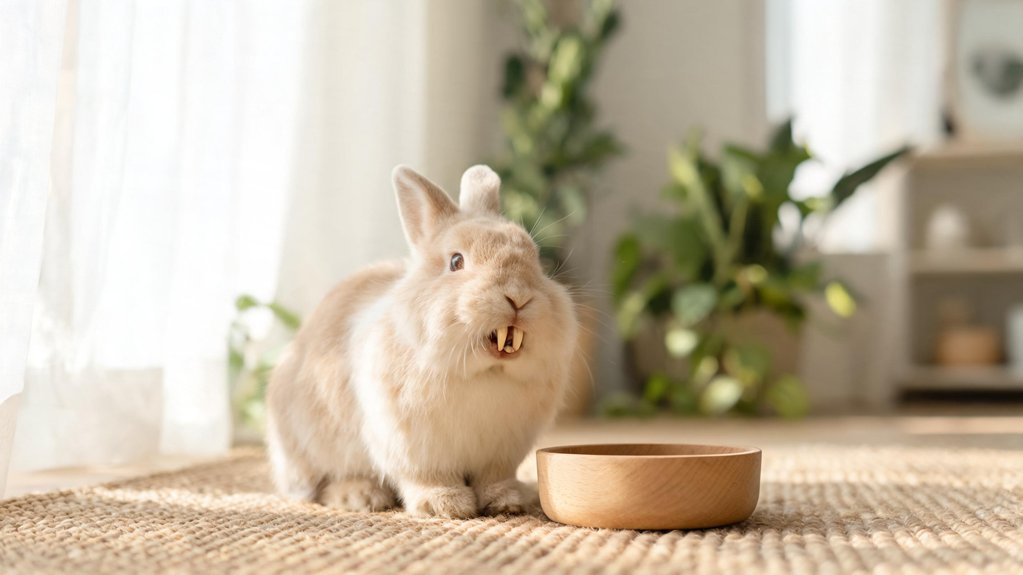
When you suspect overgrown rabbit teeth, your veterinarian begins with a thorough review of your rabbit’s medical history and observing visible symptoms. Since rabbits are adept at hiding pain and subtle changes can escalate quickly, providing detailed information such as decreased hay intake, reduced number of droppings, noisy tooth grinding, a wet chin, foul breath, or instances of quidding is essential.
Gathering this comprehensive history helps the vet identify potential dental issues early and tailor the most effective treatment plan.
Following this, the veterinarian conducts a complete physical examination that includes weighing your rabbit to assess overall health, palpating the jaw bones for swelling or abnormalities, inspecting the eyes and nasal passages for signs of infection, and thoroughly examining the oral cavity.
However, fully visualizing the cheek teeth, which are often involved in cases of overgrown or malaligned teeth, typically requires sedation or anesthesia to ensure accurate assessment and avoid causing stress or discomfort to your rabbit.
Advanced diagnostic imaging, such as high-resolution skull X-rays or computed tomography (CT) scans, plays a vital role in pinpointing root elongation, infected bone areas, or other underlying structural abnormalities.
These imaging techniques provide precise information necessary for designing targeted treatment strategies—such as dental trims, extractions, or corrective procedures—thereby ensuring your rabbit’s dental health is restored efficiently and effectively.
Rely on a vet experienced in advanced dental diagnostics to deliver the most comprehensive care for your rabbit’s overgrown teeth.

Rabbit Tooth Trimming Pliers: This tool is specifically designed for small pets like rabbits. Regular trimming of a rabbit's teeth is essential to prevent overgrowth, which can lead to oral injuries, stomatitis, or feeding difficulties.

Safe Natural Material: KATUMO Rabbit toys are handmade of 100% natural apple branches, organic timothy hay, loofah and ratton, safe to chew. Through strict dehydration and adequate sun drying, toys with full of natural wood scent, yummy. Can be a balanced healthy nutrition combination for bunnies, as well as can protect their teeth healthy growth, and play without any worries.
What Treatments Fix Overgrown Rabbit Teeth (Trim vs Surgery)?
When you’re dealing with overgrown rabbit teeth, you essentially have two treatment options: trimming or surgical extraction, and a qualified exotic veterinarian experienced in small mammal dentistry should determine which approach best suits your bunny’s specific needs.
For incisor overgrowth, professional incisor trimming performed under sedation (not merely clipping) with specialized powered dental tools ensures precise and safe reduction.
Conversely, cheek teeth—such as molars and premolars—require coronal reduction, which involves filing or grinding down the crown (the visible part of the tooth) under anesthesia to alleviate discomfort and prevent further dental issues.
Since rabbit teeth continuously grow, you may need repeat trims every 3 to 8 weeks to maintain proper dental health and prevent overgrowth complications.
However, in cases involving severe or chronic dental disease—including root abscesses, fractured teeth, or infections—surgical procedures like tooth extraction become necessary.
These advanced procedures provide a definitive solution to significant dental pathologies and should be performed by an experienced exotic vet.
If your rabbit shows signs of not eating or defecating for more than 12 hours, consider this an urgent medical emergency.
Prompt veterinary intervention is crucial, as untreated dental problems can lead to serious health complications or even be life-threatening.
Investing in expert dental care and timely surgical options can dramatically improve your rabbit’s quality of life and long-term well-being.

【Easy Eating】: Our hay feeder is perfect for small animals like rabbits, guinea pigs and chinchillas, making eating easy. Size:6.9 inches long x 4.7 inches wide x 6.6 inches high

Foldable Metal Hay Feeder for Small Pets:This heavy-duty wire hay holder features a foldable design for easy storage and assembly. Just unfold the basket, push the side brackets inward, press down the top frame and lock the end hooks, no extra tools required. Perfect for rabbits, guinea pigs, chinchillas and other small animals.

【CONVENIENT DESIGN】This rabbit hay feeder with litter box is designed to be convenient for you and your pet. It features a wooden hay feeder, a litter box, and two iron bowls, all accessories to easily integrate a compact rabbit feeding unit.
Incisor Trimming Under Sedation
You don’t have to guess your way through overgrown rabbit teeth, because incisor trimming is often the most effective solution—especially when the bite is misaligned but the roots don’t show signs of serious disease. Many rabbits require sedation or gas anesthesia during the procedure to prevent injury to their lips or tongue, ensuring safety and reducing stress.
A rabbit-savvy exotic veterinarian uses specialized equipment, including a rotary dental tool fitted with a diamond wheel, along with a tongue guard, to precisely and safely shorten overgrown incisors. This professional approach allows for controlled trimming, minimizing discomfort and potential complications. The veterinarian also conducts a thorough oral examination and takes radiographs to assess root health and underlying issues.
Regularly scheduled trims, typically every 3 to 12 weeks, are recommended based on the rabbit’s individual needs. For persistent overgrowth or ongoing dental problems, scheduling intervals of 3 to 6 weeks may be necessary to maintain proper dental health.
If your rabbit stops eating or pooping for more than 12 hours, treat this as an emergency and seek immediate veterinary care to prevent further health complications.
Cheek Teeth Coronal Reduction
Incisor trims are highly effective for addressing common dental issues in rabbits, but some cases require additional intervention to manage overgrown cheek teeth, including molars and premolars that extend beyond their normal length.
When these teeth overgrow, rabbits often display signs of oral discomfort, such as pain, the development of tongue or cheek sores, and difficulty eating. This can lead to messy eating behaviors, weight loss, and potentially life-threatening gut stasis due to inadequate chewing and digestion.
Cheek teeth coronal reduction is a specialized dental procedure designed to carefully trim the crown—the visible and functional part of the molars and premolars—to restore a smooth and even bite. This procedure enables rabbits to effectively grind hay and other fibrous foods again, promoting better nutrition and overall health.
To ensure precise and safe treatment, a licensed and experienced exotic animal veterinarian typically performs cheek teeth reduction under anesthesia or deep sedation. This approach minimizes the risk of injury, especially to sensitive tissues like the tongue, which can be damaged during awake trimming.
Early intervention with coronal reduction may yield significant improvements, but moderate or severe cases often require repeat procedures to maintain proper dental alignment and function.
Consult with a qualified exotic veterinarian to assess your rabbit’s dental health and determine whether cheek teeth coronal reduction is an appropriate, effective solution to restore your pet’s comfort, chewing ability, and quality of life.
Extraction For Severe Disease
If your rabbit’s teeth continue to overgrow or if you notice signs of severe dental infection such as persistent bad breath, swelling around the jaw, thick and persistent runny discharge, or a non-healing oral sore, traditional trimming may not provide a lasting solution.
In these cases, it’s essential to consult a rabbit-savvy exotic animal veterinarian to discuss the option of surgical extraction.
Surgical tooth extraction can permanently resolve complex conditions like severe malocclusion, infected or fractured incisors, or recurrent dental disease, ensuring your rabbit’s oral health and overall well-being.
While extraction is more costly and involves higher risks compared to routine professional trims, it effectively removes the root cause of ongoing dental problems.
Advanced cases often require the veterinarian to remove affected teeth along with infected tissue, followed by a targeted antimicrobial therapy to prevent infection recurrence.
Prompt intervention is critical; a rabbit refusing to eat or defecate for more than 12 hours indicates urgent medical attention.
Don’t delay seeking specialized surgical options to restore your rabbit’s health and prevent life-threatening complications.
What Can You Do While Waiting for the Vet?
While you’re waiting for a rabbit-savvy exotics veterinarian, it’s essential to provide continuous access to unlimited high-quality hay and soft, fresh greens. Using a hay feeder that keeps hay off the floor and within easy reach can make continuous grazing easier while reducing mess. These dietary elements are crucial because the act of chewing stimulates digestion, helps maintain gut motility, and supports overall gastrointestinal health.
Regularly check your rabbit to ensure they’re actively eating and producing normal droppings, which are key indicators of their digestive status. Additionally, monitor closely for signs of drooling, which could indicate dental or oral issues, and weigh your rabbit daily to detect any sudden weight changes that may signal underlying problems.
If your rabbit refuses to eat or defecate for approximately 12 hours, treat this situation as an emergency requiring immediate veterinary attention. During this waiting period, it’s vital to minimize stress by keeping the environment warm, quiet, and free from disturbances that could cause your pet to reach, slip, or bump into objects.
Even minor injuries or stressors can exacerbate existing dental pain and complicate recovery. Creating a calm, safe space ensures the best possible conditions until professional veterinary care is accessible, helping to promote your rabbit’s comfort and prevent further health complications.


FUN & FIBER-RICH DESIGN: Crafted from 100% high-fiber timothy hay, this playful waffle shape keeps small pets engaged while supporting healthy chewing and digestion; Encourages natural foraging and active play to promote daily enrichment and wellness

【52 PCS CHEW STICKS】This set of rabbit chewing toys includes 52 green Timothy grass sticks.They are packaged in crystal jars for easy access and storage, and effectively prevent spoilage. The grass stick set is very beneficial for small animals.
Offer Hay And Greens Only
Choose nutrient-rich hay options such as timothy, orchard, meadow, ryegrass, or oat hay, and avoid alfalfa for most adult rabbits to prevent excessive calcium intake. Keep hay available free-choice, encouraging continuous grazing, which helps grind teeth naturally and supports oral health. When selecting hay, look for a fresh, sweet smell and a soft, leafy texture, because high-quality hay encourages rabbits to eat consistently throughout the day.
If you typically feed pellets, reduce or pause them temporarily, especially seed and fruit-containing mixes, to focus on hay and greens as the primary diet components. Provide fresh, washed greens daily, measuring approximately 2–4 cups chopped per rabbit, delivering about 10–15% of overall daily intake.
This targeted diet approach ensures your rabbit’s teeth stay healthy through steady chewing, while the greens supply vital nutrients for overall well-being. Always serve greens fresh, encouraging consistent eating, and monitor your rabbit’s response to adjust portions accordingly.
Prioritizing these balanced forage options delivers essential solutions to support your rabbit’s dental and digestive health during this interim period.
Monitor Eating, Drooling, Weight
Right now, keep a close eye on three critical indicators—eating habits, drooling, and weight—to assess your rabbit’s health and determine whether her gastrointestinal function remains normal. Monitoring these signs allows for early detection of pain and potential complications, enabling prompt intervention and improved outcomes.
First, log her daily food intake, including specific details about pellets, fresh greens, and hay. Record any pauses in eating, instances of quidding (where she drops or chews food inaccurately), refusal of hard foods, or any droppings falling out of her mouth. These observations can signal discomfort or digestive issues that require immediate attention.
Accurate food tracking helps veterinarians evaluate her recovery progress and tailor supportive care.
Next, check for drooling, which may manifest as a wet chin, matted fur around the mouth, crusty deposits on her front legs, unpleasant mouth odor, or signs of oral bleeding. Persistent drooling often indicates dental or gastrointestinal discomfort, which should be addressed by a qualified exotic animal veterinarian.
Detecting these signs early allows for targeted treatment to prevent worsening or secondary infections.
Finally, regularly weigh your rabbit on a consistent scale—ideally weekly—and more frequently if she shows signs of illness, to monitor weight fluctuations that could signal underlying health issues. Additionally, count her droppings, observe her water intake, and watch for any changes in drinking behavior.
If she refuses to eat or poop within 12 hours, contact an experienced exotic pet veterinarian immediately. Timely intervention based on these clues can significantly improve her recovery trajectory, ensuring she receives the professional care needed to restore her gut health and overall well-being.
Minimize Stress, Prevent Injury
Once you suspect overgrown rabbit teeth, your primary goal is to keep your rabbit calm, safe, and under control until you can visit a specialized exotic veterinarian experienced in rabbit dentistry. Contact a veterinary clinic promptly, and don’t wait if your rabbit stops eating or pooping for more than 12 hours, as this signals a medical emergency requiring immediate attention.
Ensure your rabbit is placed in a quiet, dimly-lit environment to reduce stress. Handle your rabbit gently with minimal lifting to prevent injury, and refrain from attempting any at-home dental procedures such as trimming teeth or using nail clippers, which can cause teeth to snap or injury the delicate tissues of the tongue and cheeks.
Avoid giving your rabbit hard toys or household objects that could further damage their teeth. Remove any cage bars or hard surfaces that may encourage chewing, and instead, provide appropriate, veterinarian-approved dental enrichment options.
When transporting your rabbit to the veterinary clinic, use a secure, padded carrier to ensure comfort and safety during transit. Additionally, separate boisterous or aggressive cage mates to prevent stress and injury.
Constantly monitor for signs of collapse or distress, and prioritize quick, professional intervention. Partnering with an experienced exotic veterinarian specializing in rabbit dentistry ensures your pet receives the appropriate treatment, such as dental trimming or corrective procedures, restoring comfort and health while minimizing stress and preventing injury.
How to Prevent Overgrown Rabbit Teeth Long Term?
To prevent overgrown rabbit teeth long term, it’s essential to focus on a straightforward, effective goal: ensuring that your rabbit’s teeth are consistently worn down in the natural and healthy way. The best approach is to provide a diet that emphasizes high-quality, fibrous roughage, which is crucial for dental health. Feed grass hay or fresh grass as the main meal, constituting approximately 80–85% of their daily intake.
Ensure they receive at least a body-sized bundle of timothy or orchard hay daily, as these types are specifically designed to promote optimal dental wear. Timothy hay is widely regarded as the most suitable grass hay for everyday feeding.
To further support healthy teeth, measure and portion pellets carefully—about 1/4 cup of timothy-based pellets per 5 pounds of body weight, offered once a day.
Avoid giving your rabbit extra seeds, fruits, or alfalfa, as these can lead to dental or digestive issues. Complement their diet with abundant leafy greens that are rich in fiber, while limiting starchy vegetables to prevent nutritional imbalances.
In addition, promote ongoing natural chewing behavior by providing safe wooden chew blocks and placing hay in multiple locations around your rabbit’s living area.
This continuous chewing activity mimics the natural process of dental abrasion, significantly reducing the risk of overgrowth.
Adopting this comprehensive, solution-focused approach ensures your rabbit’s teeth stay healthy and properly maintained over the long term, promoting overall well-being and reducing costly veterinary interventions.

【Pet Feeding Syringe】Nipple with Syringe is perfect for newborn kittens, puppy, bats, rabbits, squirrels, and other small animal. You will get 2 pcs nipple + 1 pcs 10ml feeding syringe + 1pcs 30ml feeding syringe.
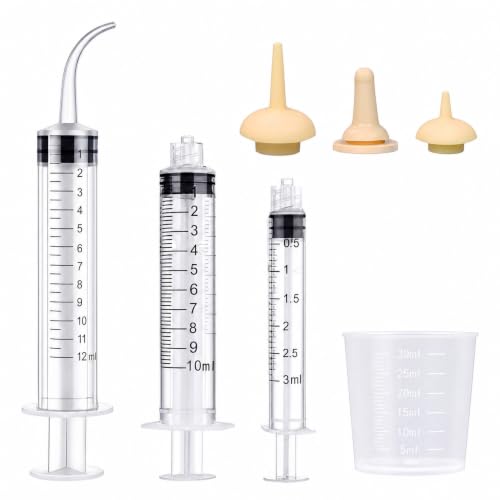
All-in-One Complete Set: OCTKITE newborn kitten feeding kit, suitable for kittens, puppies, squirrels, rabbits, and all other small animals. The kit includes 3 nipples of different sizes and feeding syringes (12ml*1, 10ml*1, 3ml*1). Syringes of various capacities are designed to meet the needs of your baby pet throughout all its growth stages.

【Pet Feeding Syringe】Nipple with Syringe is perfect for newborn kittens, puppy, bats, rabbits, squirrels, and other small animal. You will get 2 pcs nipple + 1 pcs 1ml feeding syringe + 1pcs 3ml feeding syringe+1pcs 5ml feeding syringe.
What to Expect After Treatment and Follow-Ups?
After your rabbit’s dental treatment, it’s important to support their recovery by encouraging proper mouth function, since dental issues can cause pain during eating and impact their gastrointestinal health. Provide a quiet, warm recovery environment and allow for slow, gradual return to normal activity levels to promote healing.
Many rabbits will require assisted feeding for 36 to 48 hours, particularly after incisor correction or oral surgery, to ensure they receive adequate nutrition during recovery.
Keep your rabbit’s face and chin clean and dry to help prevent drool rash and skin irritation.
Plan for indoor housing for at least 7 to 10 days following incisor extraction, and avoid wire-front enclosures that could cause additional discomfort or injury.
Monitoring your rabbit’s food intake and bowel movements daily is essential to detect any signs of complications.
If your rabbit stops eating or pooping for more than 12 hours, immediately contact a rabbit-savvy exotic veterinarian to address potential issues promptly.
Additionally, observe your rabbit for signs of drooling, facial swelling, foul odor from the mouth, and weight loss.
Addressing these concerns early with professional guidance ensures a smooth recovery process, minimizes discomfort, and helps restore your rabbit’s overall health and well-being.

【8 Pieces Pet Grooming Kit】 The set contains pet nail clipper and file, flea comb*2, pet shampoo bath brush , pet shedding slicker brush, bath massage glove, small cleaning comb.

Small Animal Pet Grooming Tools Set: Contains 1 x Slicker Brush with Protective Tips, 1 x Stainless Steel Needle Comb, 1 x Stainless Steel Needle Glove Brush, 1 x Rubber Tip Glove Brush, 1 x Nail Clipper & File. The pet grooming set is safe and effective and promotes a natural shine for your pet.

7-Piece Rabbit Grooming Kit: Includes a rounded-pin shedding brush, grooming glove, long and short fine-tooth combs, nail clipper, nail file and dematting tool for an organized small-pet care routine
Frequently Asked Questions
How Can I Get Rid of Overgrown Rabbit Teeth at Home?
You can’t safely remove overgrown rabbit teeth at home, as improper trimming can lead to brittle fractures and injuries. To ensure your pet’s safety, contact a specialized rabbit-savvy exotic veterinarian who offers professional dental trimming and grinding services. These expert procedures help prevent pain, infections, and further dental overgrowths, promoting your rabbit’s overall health and well-being.
While awaiting professional care, provide unlimited access to high-quality grass hay, which naturally wears down their teeth and supports dental health. Monitor your rabbit closely for signs of discomfort, difficulty eating, or changes in pooping habits. If your rabbit stops eating or pooping for more than 12 hours, seek emergency veterinary attention immediately to prevent serious complications. Prioritize professional dental intervention to maintain your rabbit’s health and prevent long-term issues.
How Do I Check My Rabbit’s Teeth Safely at Home?
Check your rabbit’s teeth safely at home with the precision of a “watchful hawk.” Choose a calm, non-slip space to minimize stress and confinement challenges, ensuring an environment conducive to gentle inspection. Gently hold your rabbit close, using secure but comfortable support to prevent sudden movements, and weekly, carefully part the lips to view the incisors, which should be straight, smooth, and uniform.
Stop immediately if your rabbit shows signs of distress or discomfort. During each check, look for healthy, pink gum color without swelling or bleeding, and watch for excessive drooling or difficulty chewing, which can indicate dental issues. Recognizing signs early allows for prompt attention and prevents costly or painful interventions.
For optimal rabbit dental health and peace of mind, consider investing in specialized grooming tools or dental examination kits designed for small pets. If you notice any abnormalities or are unsure about the health of your rabbit’s teeth, contact a rabbit-savvy exotics veterinarian promptly. Regular at-home inspections combined with professional veterinary care will ensure your rabbit’s teeth remain healthy and pain-free, supporting their overall well-being and longevity.
Can Overgrown Rabbit Teeth Be Fixed Without Anesthesia or Braces?
You can sometimes reduce mild incisor overgrowth in rabbits without the need for braces; however, attempting to do this at home is strongly discouraged. Safe and effective dental trimming should always be performed by a licensed, rabbit-savvy exotic veterinarian who has the appropriate dental tools and, in some cases, sedation options.
If your rabbit exhibits signs of severe overgrowth, such as difficulty eating or droppings, and refuses to eat or poop for more than 12 hours, treat it as a critical emergency requiring immediate veterinary attention. Seeking professional dental care ensures your rabbit’s comfort, prevents complications, and promotes healthy tooth alignment. For optimal pet health and swift resolution of dental issues, consult a specialized exotic veterinarian who can provide precise, safe, and effective overgrown rabbit teeth management solutions.
What’s an Emergency Sign—If My Rabbit Stops Eating or Pooping?
If your rabbit stops eating or pooping for 12 hours, treat it as an urgent emergency and seek immediate care from a rabbit-savvy exotic veterinarian. Prompt professional intervention is crucial to prevent serious health complications, such as gastrointestinal stasis or blockage.
Additionally, rush your pet to the veterinarian if it refuses to eat for more than 4 hours or if you notice tiny or almost absent feces. These symptoms can indicate a potentially life-threatening condition.
Early detection and swift action are key to ensuring your rabbit’s health and recovery. Contact a specialized exotic vet as soon as possible to provide the necessary diagnostics and treatment.
How Often Will My Rabbit Need Dental Trims After Treatment?
After treatment, your rabbit may require regular dental trims every 4 to 12 weeks, depending on their individual needs. Some rabbits with more severe or ongoing dental issues might need trims as frequently as every 2 to 4 weeks to prevent discomfort and ensure proper oral health. Conversely, others with less severe or stable dental conditions may only need dental trims 1 to 2 times annually.
Your experienced rabbit-savvy exotic veterinarian will carefully assess your rabbit’s specific condition and set an appropriate schedule for ongoing checkups and dental maintenance. Regular professional dental trims are essential for maintaining optimal oral health, preventing pain, and avoiding more serious health complications. To ensure your rabbit’s well-being, schedule these important dental care visits with a qualified exotic vet and stay committed to recommended maintenance routines.