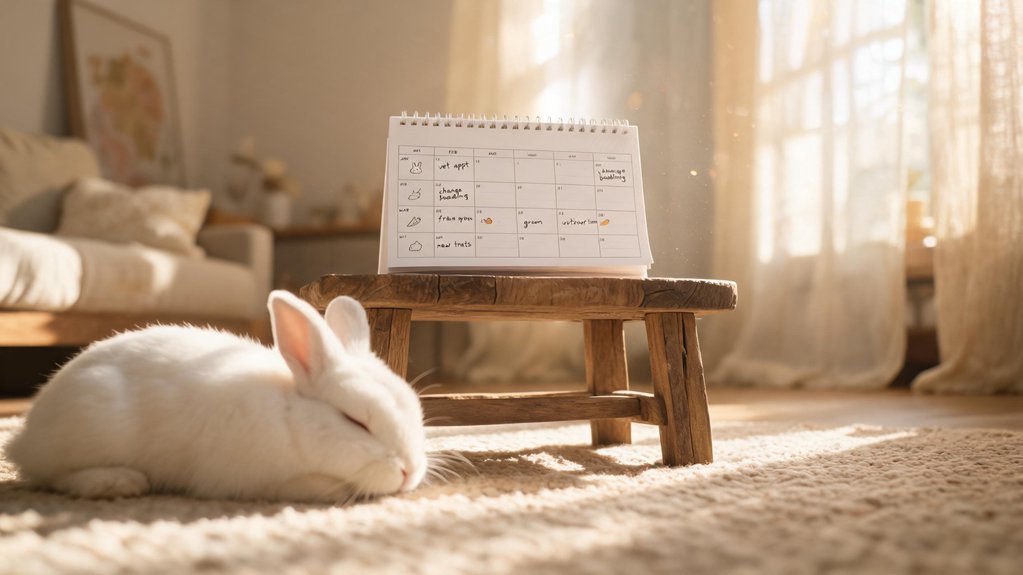
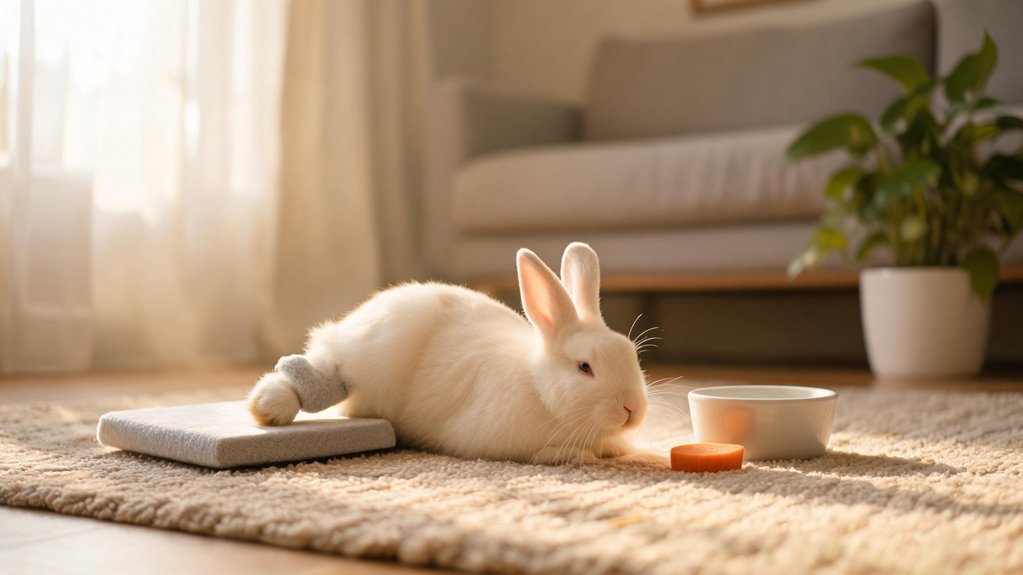
Before you arrive, set up a quiet, indoor home base about 3 meters by 2 meters with a solid pen, nonslip floor, shelter, hay, fresh water, and a litter box with low sides, around 1 to 3 inches. Transport your rabbit in a ventilated carrier, flat on the car floor.
In the first 10 minutes, step back, keep noise low, and let your rabbit exit. For the first 24 to 48 hours, limit space changes, watch for signs of breathing and poops, and offer unlimited hay. On day one, aim for normal eating within 4 to 8 hours—then you’ll know exactly what to do next.
Swift Summary
- Prepare a quiet indoor home base with a safe pen/room, hiding spot, gentle lighting, stable temperature, and rabbit-proofing before arrival.
- During the first 10 minutes, keep the environment calm; place the carrier inside the enclosure first, then let your rabbit exit voluntarily.
- Set up day-one essentials: a low-entry, large litter box, loose paper/wood bedding, unlimited high-quality hay, and consistently refreshed water.
- For the first 24–48 hours, use a smaller, quieter space with shelters and familiar scent items; keep check-ins gentle and predictable.
- Monitor eating and gut output closely in the first week; fewer droppings or no eating/output requires prompt vet contact.
Prep A Calm Rabbit Home Base Before Arrival
Before your rabbit arrives, it’s essential to set up a calm, secure, and inviting “home base” that fosters immediate relaxation and comfort. Choose a quiet, indoor location that’s free from common household distractions such as dogs, televisions, washing machines, or other noisy appliances. This tranquil environment ensures your rabbit feels safe and reduces stress during those critical first days, promoting faster acclimation.
Create a dedicated space using a spacious indoor pen or a rabbit-proofed room featuring solid, nonslip flooring measuring approximately 3 meters by 2 meters. A purpose-built indoor rabbit playpen can make this easier to arrange, since it provides a safe exercise area you can reposition as needed. Add a cozy shelter that comfortably accommodates your rabbit’s upright standing posture and allows for three hops of space, encouraging natural movement.
Maintain optimal environmental conditions with a temperature range of 10 to 20 degrees Celsius, dry air, and gentle, soothing lighting set at around 20 lux, complemented by steady ventilation.
For the safety and health of your new rabbit, thoroughly block electrical cords, hide gaps and small openings, and remove potentially hazardous plants or chewables. Ensure the space is free from any items that could cause injury or stress.
If your rabbit prefers to stay inside the cage initially, provide this secure, enclosed setup to help them feel safe and gradually become accustomed to their new environment. This thoughtful preparation maximizes comfort, reduces anxiety, and establishes the foundation for a happy, relaxed pet.

[Pet Playpen Package]: Each set includes 12pcs 12" x 16" and 12pcs 12" x 12" transparent panels, 50pcs nylon cables, 36pcs connectors,24pcs non-slip mats,1pc wooden hammer, 1pc User manual. This small animal playpen offers a spacious and secure area for your furry friends to play and exercise. Assembled size can be 48" x 24" x 28".

Versatile Size: This 80 x 50 inch mat is compatible with most popular size playpens and works well underneath play yards of various sizes and shapes, great for small or big pets.

16 ft² Spacious Space: Provides 16 square feet of living area for small animal. Ideal extension of our rabbit cage or independent use. Give small pets freedom to frolic indoors or outdoors
Transport Your Rabbit Home Stress-Free
Ensure a smooth and stress-free transportation experience for your beloved rabbit by selecting the optimal carrier, preparing a comfortable interior setup, and implementing a calm driving strategy. Choose a sturdy, non-collapsible rabbit carrier made from durable, chew-proof materials with excellent ventilation. Avoid cardboard carriers, as they can be easily chewed or damp, compromising your rabbit’s safety during travel. The carrier should be spacious—approximately two to three times your rabbit’s body length—and feature a solid, secure bottom for stability. always Line the interior of the carrier with soft bedding such as newspaper, a cozy blanket, absorbent pads, and a generous layer of fresh hay. Incorporate familiar items like a favorite toy or bedding to provide comfort and reduce anxiety. Include a hiding spot within the carrier to give your rabbit a sense of security.
Pick a sturdy, chew-proof, well-ventilated carrier with a secure bottom and proper size for a smooth, stress-free ride.
During transportation, position the carrier flat on the vehicle’s floor behind the passenger seat to minimize bouncing and jolting. Secure it firmly with a seat belt and ensure it faces toward the front for maximum safety. Maintain a stable temperature environment between 50 and 75 degrees Fahrenheit and protect your rabbit from drafts, direct sunlight, and loud noises. Drive smoothly with gentle acceleration and braking to keep your rabbit calm and secure throughout the journey. Confirm that the carrier has a secure door latch so your rabbit cannot push its way out during the trip.

Package & Size: You will receive 1 bunny potty trainer with a sturdy steel grid, along with a mini dustpan, a cushion and a broom for easy cleaning. It measures 15.35 x 11.22 x 4.7 inches, with a grate spacing of providing enough space for small pets to use comfortably.

Large Size: Measuring 17"L x 13.3"W x 7"H, your rabbit has room to move around and do his business comfortably. Our Rabbit Litter Box is not just for bunnies! It's perfect for various small pets including adult guinea pigs, ferret, adult rats, adult chinchilla, galesaur or other animals is relatively large. This ultimate multi-purpose bunny essentials is a must-have for pet lovers! Additionally, it is a large size, which makes training pet easier.

Clean and Comfortable Environment For Your Rabbit: Smooth edges, prevents dirt accumulation in the corners. This litter pan is leak proof and facilitates cleaning. Keeps area clean and tidy.
Handle The First 10 Minutes After You Get Home
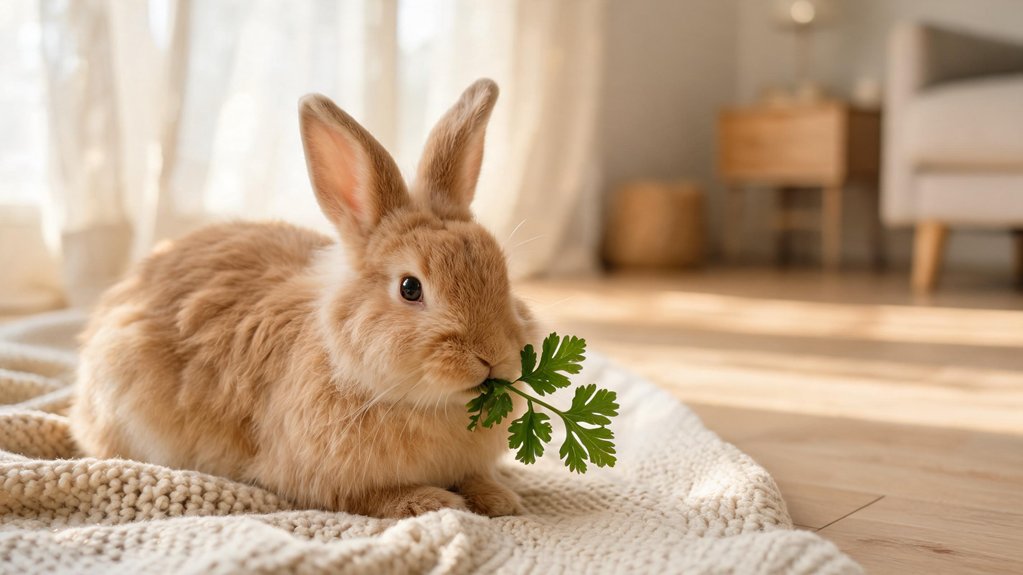
After the drive, it’s essential to allocate the first 10 minutes to a calm, controlled environment, setting the perfect stage for your rabbit’s transition. Think of this initial period as if you’re preparing a scene for a new show—laying the groundwork for a positive and stress-free experience. Managing stress is crucial right away because rabbits are prey animals and can become fearful quickly in unfamiliar situations. Carefully place your rabbit in a quiet corner or small designated room, such as a cozy enclosure, using an exercise pen with a consistent, familiar layout. This approach helps reduce anxiety by providing a familiar, secure space immediately upon arriving home. Keep the television volume low, close doors to limiting foot traffic, and minimize loud noises or sudden movements to create a peaceful atmosphere. Begin by placing the carrier inside the pen first, then gently open the door with slow, deliberate movements. Step back calmly and allow your rabbit the freedom to choose when it wants to exit. Avoid unnecessary handling unless it’s medically necessary, combining patience with gentle cues. Observe your rabbit closely during this period, watching for signs of stress like a hunched posture, flattened ears, freezing in place, rapid or heavy breathing, wide-eyed alertness, or repeated hind-foot stamping. If you notice these behaviors, pause the process, stay composed, and reduce activity levels. Providing a tranquil, predictable environment in these critical initial moments fosters trust and promotes your rabbit’s emotional well-being. This careful approach not only minimizes stress but also sets the foundation for positive interactions, leading to a healthier, happier pet. Using this strategic, solution-driven method helps you ensure a smooth transition and encourages your rabbit to explore and relax in their new space confidently.

1.【Durable Construction】: The metal frame rabbit hay feeder is made of heavy-duty metal that can withstand the wear and tear of daily use, ensuring long-lasting durability.

【Easy Eating】: Our hay feeder is perfect for small animals like rabbits, guinea pigs and chinchillas, making eating easy. Size:6.9 inches long x 4.7 inches wide x 6.6 inches high

PACKAGE INCLUDE: The package contains six classic black rabbit hay rack, each measuring 9 x 4 x 3 inches, and the high-capacity design allows more hay to be stored, reducing the frequency of adding hay and saving you time and effort
Set Up Litter, Hay, And Water For Day One
Start by setting up your rabbit’s litter, hay, and water immediately after you finish settling into your new space. These essential supplies are fundamental for promoting proper bathroom habits and ensuring your rabbit’s nutritional needs are met from day one.
Place a large, open-top litter box in a corner of your enclosure or living area, measuring approximately 9 by 12 inches to accommodate a single rabbit comfortably. Ensure the litter box has a low entry, around 1 to 3 inches, to facilitate easy access. Fill the litter box with high-quality, non-clumping, plant-based or paper-based bedding—such as recycled paper or pelletized wood—which should be spread evenly to a depth of about 1 inch. Avoid clumping clay litters as they can be harmful to your rabbit’s health.
For added comfort and encouragement, layer loose straw or hay over the litter. Provide unlimited access to fresh, high-quality hay, which is essential as the primary fiber source for your rabbit’s digestive health. A litter box with an integrated hay rack can combine toileting and hay access in one setup, keeping hay within easy reach while the rabbit uses the box.
Consistently keep the water supply reliable and topped up daily, ensuring your rabbit stays well-hydrated and healthy from the start. This comprehensive setup not only promotes a clean and healthy environment but also encourages good habits and supports optimal well-being for your pet.

100% Natural Wood Pellets - Made from natural wood, suitable for use in bird and small animal cages

Natural Odor Control – Effectively eliminates odors without chemicals or artificial fragrances, keeping your pet’s space fresh.

Superior Absorbency for Better Odor Control: The high-density pine pellets provide enhanced absorbency, ensuring superior control of odors while reducing the frequency of bedding changes. These pellets absorb more moisture per pellet compared to traditional bedding materials, making them an effective choice for keeping your pet's space fresh and clean for longer periods of time.
Do The 24–48 Hour Settling Plan
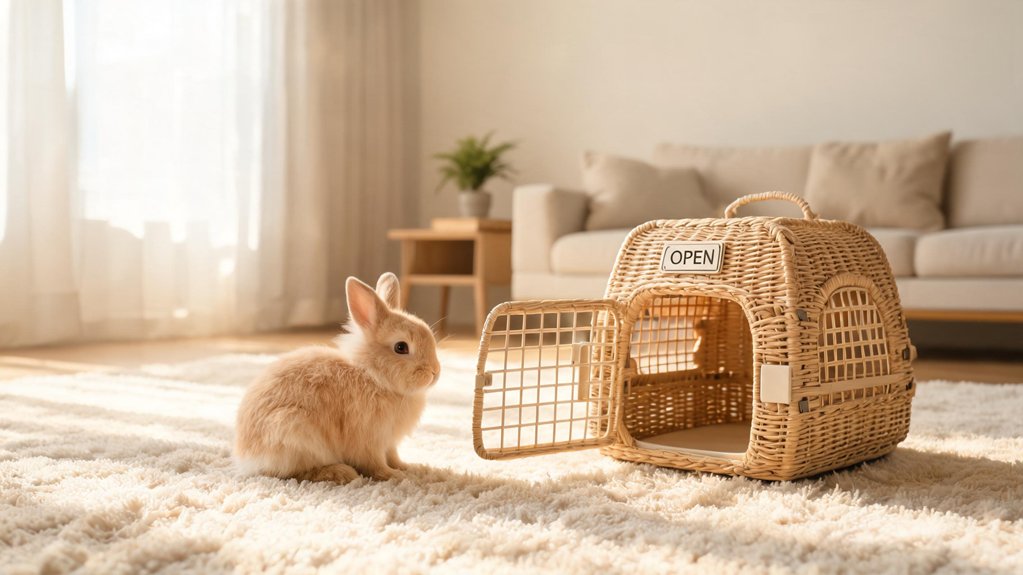
For the first 24 to 48 hours, implement a calm, structured “settling period” designed to help your new rabbit adapt comfortably to their environment. This initial phase is crucial for establishing a sense of security by allowing your rabbit to become familiar with the scents, sounds, and overall ambiance of their home at their own pace.
Keep them confined within the main enclosure, preferably in a quiet corner of your space, and limit their movement with a smaller pen or secure run area to reduce potential stressors.
Keep your rabbit in the main enclosure, ideally in a quiet corner, using a smaller pen to limit movement and stress.
Enhance their comfort by adding hiding shelters, such as small houses or tunnels, along with familiar toys or unsoiled bedding that carry their scent. During this time, conduct gentle, quiet check-ins to observe their behavior without causing disturbance.
It’s important to avoid picking up your rabbit during these first days to prevent overwhelming them. Move slowly, speak softly with soothing tones, and carefully restrict access to children and visitors to minimize sudden movements or noise disruptions.
Allow your rabbit to explore their environment when they show signs of readiness to do so. This slow, patient approach helps reduce stress and fosters trust in the new setting.
While some initial nervousness is normal, most rabbits begin to show signs of calmness and curiosity within a few days. Remember, a carefully planned settling period laid out in this way supports a positive, stress-free transition—ultimately leading to a well-adjusted, happy, and healthy bunny integrated seamlessly into your home.

Multi Compartment Design: this 6 hole foldable rabbit transport cage includes a removable divider to create up to 6 separate compartments, suitable for housing multiple bunnies or small pets; You can easily adjust the layout based on pet size or number, which helps prevent fights during travel or temporary housing; When not needed, remove the divider to form one large open space for exercise

Three-Compartment Design for Multi-Pet Families: This rabbit cage features a removable divider that creates three separate spaces—ideal for households with multiple bunnies. Adjust the layout based on the size or number of rabbits to prevent fights and ensure comfort during travel or temporary housing

Four-Compartment Design for Multi-Pet Families: This black rabbit cage features a removable divider that creates four separate spaces—ideal for households with multiple bunnies. Adjust the layout based on the size or number of rabbits to prevent fights and ensure comfort during travel or temporary housing
Normal Eating And Poops Vs. Red Flags
In the initial days after bringing your rabbit home, it’s essential to observe a predictable and steady eating and fecal pattern. Expect your new rabbit to graze continuously, consuming small, frequent meals throughout both day and night, with consistent water intake. Prioritize offering high-quality hay first, as it provides essential fiber for healthy digestion and helps maintain gut motility.
Within about four hours, monitor whether your rabbit accepts familiar or appealing foods, which indicates proper adjustment. You’ll notice that poops typically come in two distinct forms: dry, round pellets that represent waste and hydration, and soft, dark grape-like clusters called cecotropes, produced in the cecum.
Rabbits usually re-ingest these cecotropes for nutrient absorption, so you may see few on the cage floor.
However, it’s crucial to stay vigilant for red flags indicating potential health issues. No food consumption or stool production for four to eight hours is abnormal and warrants immediate attention.
A decline in droppings over six to twelve hours suggests a slowdown in gut motility, which can be dangerous if unresolved.
Ultimately, if your rabbit stops eating and producing any output for twelve hours, it constitutes an emergency requiring prompt veterinary intervention.

Versatile Size: This 80 x 50 inch mat is compatible with most popular size playpens and works well underneath play yards of various sizes and shapes, great for small or big pets.

360° CRYSTAL-CLEAR VIEW: Crafted from scratch-resistant, high-clarity material, this dogs playpen offers unobstructed visibility. It reduces your pet's confinement anxiety by letting them see their surroundings, while allowing you to effortlessly monitor them from any angle

【 BREATHABLE 360° VIEW FOR SMALL PETS 】:Designed with breathable mesh panels on every side, this small animal playpen promotes airflow while giving you a clear view of your pet during playtime. The enclosed space is ideal for rabbits, guinea pigs, hamsters, hedgehogs, chicks, kittens and other gentle small animals, helping them explore, rest and play comfortably under supervision.
Expand Space Gradually Without Overwhelming Your Rabbit
Once your rabbit’s eating habits and poops appear consistently steady, you can begin to help them feel secure by gradually expanding their living space. It’s important to avoid overwhelming your rabbit with too much at once, so start with a thoughtful, incremental approach.
Maintain a small, secure initial enclosure—approximately 4 by 4 feet—positioned in a quiet corner of your home, and equip it with essential items such as fresh hay, clean water, a cozy hidey house, engaging chew toys, and a litter box to establish a reliable and comfortable “home base.”
Create a small, secure 4×4 home base in a quiet corner, with hay, water, a cozy hidey house, chews, and a litter box.
Only proceed to enlarge the enclosure once your rabbit demonstrates normal eating patterns, calm grooming behavior, and relaxed exploration with a steady nose twitch and relaxed posture.
Begin by increasing the space to roughly one-quarter of the room, ensuring your rabbit remains comfortable and confident. At this stage, include an additional litter box in the expanded area to promote consistent toileting habits and reduce accidents. A flexible exercise pen from Midwest can make it easy to adjust the enclosure size as your rabbit gains confidence.
Pay close attention to your rabbit’s behavior during the expansion process—if you observe signs of freezing, flattened ears, or accidents outside the litter box, it’s crucial to scale back the space enlargement and revert to the previous, smaller enclosure.
Then, gradually increase the area again only when your rabbit exhibits relaxed, confident behavior with no signs of stress. This gradual, solution-focused approach ensures your rabbit’s safety, reduces anxiety, and fosters a positive, trusting environment that supports healthy exploration and overall well-being.

【Ideal for All Pets】: Our low entry stainless steel litter box is perfect for senior arthritic cats, sick pets, and kittens, providing easy access compared to traditional 6-inch high options, making it the best low entry litter box for your furry friends.

Stainless Steel Litter Pan: The build quality is outstanding—thick-walled stainless steel with smooth, rounded edges that is safe and sturdy; The stainless steel construction is much easier to keep clean than plastic, and it doesn't hold the smells like the plastic ones do; Another benefit is that rabbits can’t chew the material, also resists staining and scratching, which will help with long-term durability

【Keep Feet Dry】Guinea pig litter tray has a grid size of 0.91 x 0.31 inch(2.3 x 0.8cm ), reasonable design and is created to avoid your pets contact with their own waste, keep your pet's paws clean and prevent them from getting caught.
Start Gentle Bonding And Safe Treat Training
Start gentle bonding with your pet rabbit by creating a calm, reassuring environment. Keep interactions short and stress-free, allowing your rabbit to initiate contact naturally. Place the hutch in a quiet, distraction-free location to promote comfort.
During the initial 24–48 hours, handle your rabbit minimally and observe from a close but non-intrusive distance. Watch carefully as your rabbit eats, drinks, grooms, and explores the surroundings, fostering a sense of security and trust.
Use a soft, comforting voice while sitting nearby to reinforce positive associations. Maintain a consistent feeding schedule to help your rabbit feel safe and build routine.
To deepen your bond, gradually lower yourself to their eye level rather than reaching from above, avoiding sudden movements that could cause fear. Offer small, rabbit-safe treats—such as fresh parsley or cilantro—about pea-sized to reinforce positive behavior, providing these rewards within seconds of desired actions.
Limit each bonding session to 3–10 minutes and gradually extend the duration as trust develops.
Repeat these positive interactions slowly and patiently, ensuring your rabbit remains relaxed throughout. When your rabbit appears calm and comfortable, introduce gentle nose contact or tender chin rests to encourage closeness and build a strong, gentle bond.
This solution-focused approach ensures your rabbit feels safe, nurtured, and ready for deeper connection, laying the foundation for a lifelong companionship built on trust and mutual understanding.

【Easy Eating】: Our hay feeder is perfect for small animals like rabbits, guinea pigs and chinchillas, making eating easy. Big Size:6.9 inches long x 4.7 inches wide x 6.6 inches high,Small Size:6.2 inches long x 4.4 inches wide x 6.6 inches high

Keep Pets Comfortable: This wooden hay feeder keeps hay in appropriate place, which not only avoids hay from being wasted due to getting dirty, but also keeps your pet's cage clean and tidy, providing your pet with a healthy living environment

【Easy Cage Hanging】This white hay feeder rabbit set includes 6 metal racks with hooks, so you can hang them on many compatible wire cages without separate tools. The raised design helps keep hay within reach while leaving more floor space for small pets to move, rest, and explore.
Avoid First-Week Mistakes That Cause Setbacks
Keep things calm and provide your newly adopted rabbit with quiet time for the first 24 to 72 hours. This initial period is crucial to prevent stress-related setbacks, as forced interaction, excessive handling, or loud environments can cause your rabbit to hide longer and delay their adjustment. Offering a tranquil setting helps foster trust and eases their transition into a new home.
Immediately match their diet to include unlimited high-quality grass hay, which is essential for digestive health and dental wear. Avoid abrupt changes in pellet or hay brands, as sudden diet shifts can cause gastrointestinal upset. If you need to change their diet, do so gradually over a period of 7 to 14 days to ensure smooth adaptation and prevent digestive disturbances.
Support effective litter training from day one by placing a small, easy-to-clean litter box in the corner your rabbit naturally favors. Consistency and patience are key to establishing good habits early.
Additionally, limit visitors from passing your rabbit around, as social pressure and handling from unfamiliar people can increase stress. By applying these proactive measures, you set a solid foundation for your rabbit’s health, happiness, and smooth integration into your home, ensuring a rewarding companionship.

100% Natural Hemp: Made from all-natural hemp fibers, offering a pesticide-free, sustainable bedding alternative for small pets.

ODOR CONTROL for long-lasting freshness. Kaytee Clean & Cozy can be used with any type of habitat for a fresh animal home

Natural Odor Control – Effectively eliminates odors without chemicals or artificial fragrances, keeping your pet’s space fresh.
Keep Quiet, Limit Handling
For the first week, your primary goal is to create a calm, stress-free environment that encourages your new rabbit to feel secure and in control. This begins by handling less and establishing a peaceful, sheltered space that minimizes stress triggers.
Settle your rabbit in a quiet room free from dogs, cats, and busy traffic, ensuring a consistently calm atmosphere. Maintain steady, gentle sounds and avoid loud noises, shouting, or slamming doors, which can increase your rabbit’s anxiety.
To foster trust and reduce stress, limit your handling and avoid picking up your rabbit frequently. Remember, rabbits are sensitive creatures that can become overwhelmed if rough handled, leading to behaviors such as bolting, biting, or tonic immobility, a frozen response that signifies extreme stress.
Allow your rabbit to exit its carrier independently, providing space and time for natural exploration. Be vigilant for signs of distress—including wide eyes, thumping, freezing, or pinned ears—and if observed, back off, give your rabbit space, and pause to let it regain comfort.
Implementing these gentle, consistent steps lays a strong foundation for your rabbit’s well-being and helps build a trusting relationship, making your pet more receptive to future handling, training, and bonding activities that support a happy, healthy life.
Match Diet, Avoid Sudden Changes
When you bring your new rabbit home, maintain their existing diet for the first week to ensure a smooth transition. This includes matching the specific hay type, pellet brand, and feeding amounts provided by the previous owner, as rabbits have sensitive digestive systems that are easily upset by sudden changes. Consistency in feeding schedule—serving meals at the same times each day with the same quantity—helps stabilize digestion and promotes overall health. Because hay should make up the bulk of a rabbit’s daily diet, confirm that the current hay is high-quality hay so you can match it accurately.
If you plan to switch to a different pellet brand or introduce new foods, do so gradually after the initial settling period. Transition over 14 to 28 days by gradually mixing the new food with the old, which minimizes the risk of gastrointestinal issues like GI stasis. Rapid dietary changes can cause slowed digestion, so monitor your rabbit closely for signs of decreased appetite, smaller or abnormal stool, and changes in activity levels.
In case of any decline in appetite, unusual poop size, or lethargy, contact a qualified veterinarian immediately. Adopting this cautious, solution-driven approach ensures your rabbit’s digestive health remains optimal and reduces the risk of medical emergencies, providing peace of mind and supporting your long-term bond with your furry friend.
Support Litter Training From Day One
After you’ve successfully matched your rabbit’s diet and established consistent feeding times during the first week, you can immediately begin focusing on effective litter training. Day-one habits are crucial, as they set the foundational behavior for your rabbit’s future. Keep your rabbit in a spacious 4-foot-by-4-foot exercise pen, rather than a tiny cage, to promote natural movement and reduce stress. Limit supervised play sessions to 10 to 20 minutes to keep your rabbit safe and prevent overexertion.
Observe your rabbit closely during the initial 24 hours to identify its preferred urination corner within the enclosure. Once identified, strategically place a large, rabbit-safe cat litter box filled with high-quality pellet litter designed for small animals in that specific area. Top the litter with fresh timothy or oat hay to encourage consistent use. Incorporate a few droppings and some urine-soaked bedding into the box to serve as scent cues that attract your rabbit to this designated spot.
Immediately reward your rabbit with treats for using the litter box correctly, reinforcing positive behavior.
Maintain a clean and healthy environment by performing daily spot checks for soiled areas and cleaning the litter box thoroughly once a week. Use gentle cleaning practices and avoid punishment to foster trust and promote continued litter training success.
Implementing this solution-oriented approach ensures your rabbit develops reliable litter habits that contribute to a cleaner, happier living space.
What Should You Do If Something Seems Off?
You might notice your new rabbit looks a little “off” within the first 24 hours, and it’s crucial to trust your instincts and act promptly. Early detection of signs of distress can be life-saving. If your rabbit refuses to eat essential foods such as hay, pellets, vegetables, or treats for 8 to 12 hours, contact an experienced rabbit-savvy veterinarian immediately to prevent potential health issues.
Furthermore, if you observe no droppings for more than 12 hours or experience sudden watery diarrhea, treat these symptoms as urgent emergencies requiring immediate veterinary attention. Keep a close eye on your rabbit’s breathing; open-mouth breathing, loud or labored respiration, or bluish gums indicate respiratory distress and demand urgent care.
Act immediately if your rabbit collapses, appears limp or cold, or is unresponsive and won’t wake. Monitoring other symptoms like sneezing, runny eyes, or head tilt is important; these could be signs of underlying health problems that require swift diagnosis and treatment from a qualified exotic animal veterinarian.
Proactively recognizing these signs and seeking prompt veterinary intervention can dramatically improve your rabbit’s health outcomes and ensure swift recovery.

Three-Compartment Design for Multi-Pet Families: This rabbit cage features a removable divider that creates three separate spaces—ideal for households with multiple bunnies. Adjust the layout based on the size or number of rabbits to prevent fights and ensure comfort during travel or temporary housing
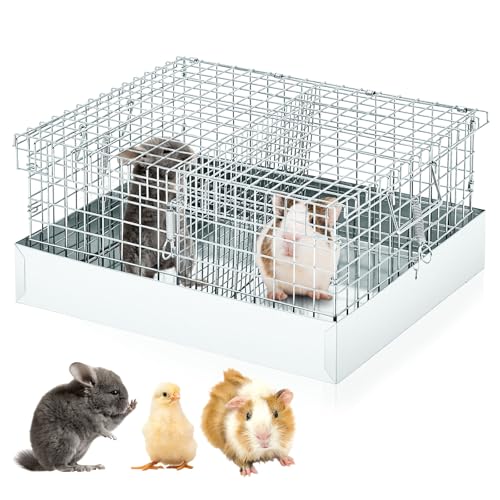
Double-compartment Flexibility for Multi-pet Households: this carrier features a removable divider that separates the interior into two independent sections, allowing owners to tailor the layout according to pet size or temperament; The configurable compartments help prevent scuffles, support calmer interactions, and permit individualized space for each cavy or chinchilla during transport or temporary confinement without compromising ventilation or sightliness

2 Pack Value Set for Home and Travel: includes 2 folding rabbit cages, allowing one to stay at home while another is ready for travel, grooming appointments, pet shows or outdoor activities; The collapsible design saves storage space while providing a reliable temporary habitat whenever needed
Frequently Asked Questions
My Rabbit Is Hiding All Day—Should I Leave It Alone?
Yes, leave your pet rabbit alone and provide a quiet, secure space where they feel safe. Rabbits often instinctively hide when they are feeling uncertain or stressed, so allowing them privacy is essential for their well-being.
However, it’s crucial to monitor their overall health and behavior closely. Keep an eye on their appetite, droppings, and activity levels. Avoid forcing your rabbit out of hiding; instead, offer their favorite treats near the hideout to encourage interaction on their terms.
If your rabbit refuses to eat, stops pooping, or shows signs of illness such as lethargy or abnormal behavior, contact a professional veterinarian specializing in exotic or small animals immediately. Providing a calm environment and attentive care can help ensure your rabbit recovers quickly and remains healthy. Consider consulting a rabbit care specialist to learn additional techniques for managing hiding behavior and promoting a happy, stress-free home for your pet.
When Should I Start Letting My Rabbit Out for Supervised Roaming?
Start supervised roaming after 1 to 3 designated calm days, during which your rabbit consistently eats, poops, and approaches the pen door willingly. This ensures your pet is settled and comfortable in their environment before introducing exploratory time outside the pen.
Begin with 15 to 30 minutes of supervised roaming in a small, thoroughly rabbit-proofed area that has been carefully secured to prevent escape or access to hazardous objects. Gradually increase the duration over the course of the week, monitoring your rabbit’s behavior for signs of stress or curiosity. This structured approach maximizes safety, reduces potential accidents, and promotes positive bonding experiences, ensuring your rabbit’s well-being and confidence during supervised exploration in your home or designated play area.
What if My Rabbit Refuses Hay or Pellets on Day One?
If your rabbit refuses hay and pellets on day one, first ensure that fresh, clean water is readily available, as proper hydration encourages eating. Offer familiar, high-quality hay and pellet brands that your rabbit recognizes, which can help stimulate their appetite and reduce stress during the transition.
Maintain access to hay at all times, as it is vital for their digestive health and natural chewing instincts. If your rabbit continues to refuse foods and you do not observe any droppings within 8 to 12 hours, it is crucial to contact an experienced exotic or rabbit-specialist veterinarian immediately. Prompt professional intervention can prevent serious health complications and ensure your pet receives the necessary care during this critical initial period.
How Often Should I Clean Litter Boxes Without Stressing My Rabbit?
Clean the litter box daily, focusing on spot-cleaning droppings, soiled hay, and wet spots to maintain a hygienic environment and reduce odor. For heavily used litter boxes, perform a thorough wash and scrub every 2 to 3 days using pet-safe cleaning products to prevent bacterial buildup and ensure your rabbit’s health. For lighter use, a complete cleaning at least once weekly is sufficient, helping to minimize stress while maintaining optimal cleanliness.
Always keep at least one clean, sanitized litter box available in your rabbit’s enclosure during cleaning procedures to avoid disrupting your rabbit’s routine and reduce stress. When replacing the litter, opt for odor-neutralizing and rabbit-friendly substrates, and ensure you remove scent residues by replacing the entire litter or box, rather than constant scrubbing, which can produce unpleasant odors and disturb your pet’s sense of smell. Implementing a consistent cleaning schedule and selecting the right cleaning tools will promote a healthy environment, keeping your rabbit comfortable and happy.
Can I Handle My Rabbit if It Won’T Come Near Me Yet?
Yes, but only when necessary, such as during vet visits or urgent health checks—avoid forcing contact if your rabbit, a naturally shy and cautious prey animal, won’t come near you. Allow your rabbit to approach at its own pace, creating a safe and non-threatening environment. Sit quietly nearby, using a calm and patient demeanor to build trust over time. Offering tempting treats can also encourage your rabbit to come closer, reinforcing positive associations with your presence.
Handle your rabbit briefly and gently only when absolutely required, such as during health assessments or emergencies. Always observe your rabbit carefully for signs of fear, stress, or discomfort, and prioritize their emotional well-being. Using this gentle, solution-oriented approach can foster a stronger bond and help your rabbit become more comfortable around you, ultimately facilitating easier handling and a happier, healthier pet.