If your rabbit suddenly limps, won’t bear weight, or has crooked swelling, treat it like a fracture. Keep them still, support the body (don’t pull by ears), and skip straightening or “testing” the leg. If there’s bleeding, press a clean gauze pad firmly for 3 minutes.
Transport in a small, padded carrier at 65–75°F, warm and calm. Call an exotics vet fast, and watch for gut stasis—no eating or poop for 12 hours. Next, learn exactly what recovery involves.
Swift Summary
- Watch for limping, crooked/swollen limb, refusal to bear weight, and rapid swelling or bruising after a fall or impact.
- Seek emergency care if your rabbit shows shock signs, severe pain/instability, open bleeding/bone protrusion, breathing issues, or no eating/pooping within 12 hours.
- For first aid, gently keep them still, protect the body/spine, cover wounds with sterile gauze, and apply firm pressure.
- Do not straighten, rotate, massage, tape splints, apply ice, or encourage hopping; immobilize naturally with minimal handling.
- Transport in a rigid, ventilated carrier with supportive padding, keep warm (about 65–75°F), and follow vet imaging/treatment for recovery.
Signs of a Rabbit Broken Leg or Foot
If you suspect that your rabbit has a broken leg or foot, it’s crucial to recognize the early signs to ensure prompt and effective treatment. Watch for sudden limping, a noticeable decrease in activity, or a dragging leg, as these are key indicators of a fracture or injury. Immediate vet care is needed, especially if the leg looks crooked, swollen, or your rabbit refuses to bear weight. Pay attention if your rabbit refuses to move from a specific spot or avoids using its affected limb altogether.
You might also notice physical deformities such as twisting, a bent or crooked limb, a shortened or dangling leg, or toes that appear out of alignment. Rapid swelling or bruising within a few hours can also signal a serious injury.
Additional signs of distress include flinching when touched, grinding teeth, a hunched posture, and a loss of appetite. Recognizing these symptoms early allows you to seek immediate veterinary care, increasing your rabbit’s chances of quick recovery and reducing the risk of complications. Prioritize professional diagnosis and treatment to ensure your pet receives the specialized care it needs for a safe and speedy healing process.

STOP FIGHTING & STRESS-FREE TRAVEL: Struggling with fighting, biting, or stressed rabbits? Our removable dividers transform the 24” cage into 1-4 individual zones. Give each pet their own safe sanctuary so you don’t have to constantly separate or watch them during travel—no more chaos or injuries.

Size : The size of the bunny carrier is 15 x 9.84 x 10.2 inches. kathson small pet carrier is suitable for small pets, such as rabbit, bunny, guinea pig, ferret, hamster, etc. Please determine pet and carrier size before purchase

One of the Largest Cat Backpacks on Market Suitable for Big Pets: This cat backpack carrier for large cats is one of the biggest on Market! With a roomy design for large cats up to 30 lbs or small to medium dogs up to 25 lbs, it works well for travel, hiking, or vet visits. Please note: it may not suit cats under 10 lbs. Always measure your pet's length and height before ordering to ensure a comfortable fit
When It’s an Emergency: Broken Limb Risks
When it’s an emergency, broken limb injuries in rabbits can escalate rapidly, and immediate action is crucial. Don’t wait to see if the injury improves, as a severely fractured leg or a spine injury can lead to shock, intense pain, and instability of the rabbit’s overall condition. Recognizing early signs—such as a rabbit stopping hopping, favoring crawling instead of jumping, or displaying legs that aren’t functioning—is essential for prompt intervention. Because broken legs are often serious injuries, broken legs commonly occur if a rabbit falls from a height or is dropped. If you notice open bleeding, bone protrusion, urine leakage, or labored breathing, contact a specialized rabbit-savvy exotic veterinarian immediately. These symptoms indicate a serious injury that requires urgent professional care. In the meantime, keep your rabbit warm and still to prevent further shock or injury. Quickly transporting your rabbit to a veterinary emergency facility is vital. If your rabbit refuses to eat or defecate within 12 hours of the injury, seek veterinary assistance without delay. Prompt, solution-focused treatment can significantly improve recovery outcomes—acting fast minimizes pain, prevents complications, and ensures your rabbit receives the specialized care it needs.

STICKS TO ITSELF, NOT TO FUR – There's no painful removal and sticky residue. VetLink self-adherent wrap secures reliably to itself but releases cleanly from fur, skin, and paws — ideal for dogs, cats, and other small pets

Pet Owner's Peace of Mind in a TIn: Your eco-friendly pet medical kit includes essential emergency pet supplies to care for wounds and cuts, ensuring your pet stays safe on hikes, camping, trips, or at home.

STICKS TO ITSELF, NOT TO FUR – There's no painful removal and sticky residue. VetLink self-adherent wrap secures reliably to itself but releases cleanly from fur, skin, and paws — ideal for dogs, cats, and other small pets
Keep Your Rabbit Safe: First Aid Basics
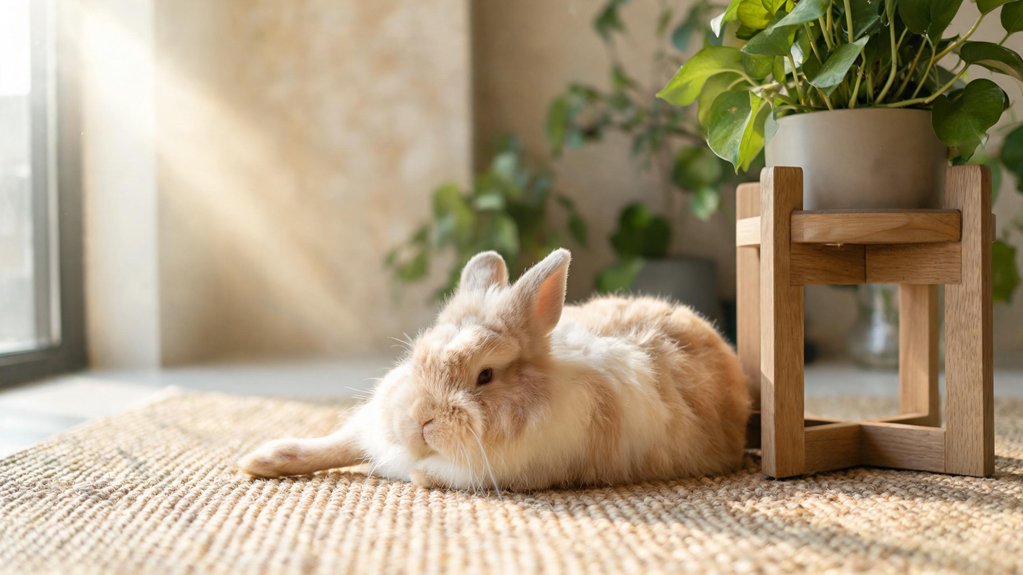
After identifying a serious injury risk, your immediate step should be maintaining calm and ensuring steady safety. Be gentle—slow movement and quiet talking help avoid startling rabbits, which can make injury worse. Support your rabbit’s delicate spine and rump at all times, avoiding lifts by ears or scruff which can cause further harm.
Keep a gentle hand on your rabbit to prevent startling them or causing additional injury, particularly if they’re on a towel or non-slip surface that provides secure footing.
To prevent escalation, use partial cage-door openings to carefully monitor your rabbit, remove any cords, wires, or other hazards from their environment, and block access to high platforms or shelves where they could fall.
When assessing your rabbit, note behaviors such as walking instead of hopping, a sudden refusal to move, guarding a limb, or experiencing low poops and decreased appetite.
These signs can indicate serious issues requiring urgent veterinary attention from a specialized exotic or rabbit-savvy vet.
If your rabbit stops eating or pooping for more than 12 hours, treat it as a critical emergency and seek professional care immediately to prevent life-threatening conditions.

High-quality Material: Rabbit cage mat is made of food-grade PP material, safe and even if the rabbit chews on it, ensuring digestive safety; pp material also makes the rabbit mat highly wear-resistant, preventing it from becoming brittle over time and extending the product's lifespan

【Features】Bunny cage liner is made of soft crystal velvet fabric,large rabbit floor mat can provide a comfortable relaxation space for small animals.Large mat for rabbit is not easy to fade,and the bottom of the bunny floor mat is designed with anti slip particles,bunny cage liners washable are stable and not easy to move.

Designed for Pets: Pet mat provide a comfortable place for pet to relax. Tips: The creases are from the packaging. Roll the rug the other way and leave it flat for a while. Rabbits can tear carpet folds. They need to be smoothed out before pet use them
How to Transport a Rabbit With a Broken Limb
And once you’re in the car, you should keep your rabbit’s movement to a bare minimum by securely placing them inside a small, well-ventilated carrier that’s lined with thick, absorbent towels. This prevents hopping or sliding, reducing further injury and ensuring safe transport. Additionally, gently secure the injured limb with soft padding around the rabbit’s body to provide stability.
Never attempt to straighten, manipulate, or splint the broken limb at home, as improper handling can exacerbate the injury and lead to complications.
Ensure your rabbit remains warm during transit, maintaining a temperature between approximately 65 to 75°F (22 to 24°C) to prevent shock. Cover the carrier loosely with a breathable cloth to help keep your rabbit calm and reduce stress.
It’s crucial to contact a veterinarian who specializes in exotic animals or rabbit care immediately, especially a rabbit-savvy exotics vet, because prompt professional evaluation and treatment significantly improve recovery outcomes.
Be vigilant—if your rabbit stops eating or pooping within 12 hours, this indicates a medical emergency requiring urgent veterinary intervention.

Multi Compartment Design: this 6 hole foldable rabbit transport cage includes a removable divider to create up to 6 separate compartments, suitable for housing multiple bunnies or small pets; You can easily adjust the layout based on pet size or number, which helps prevent fights during travel or temporary housing; When not needed, remove the divider to form one large open space for exercise

Four-Compartment Design for Multi-Pet Families: This black rabbit cage features a removable divider that creates four separate spaces—ideal for households with multiple bunnies. Adjust the layout based on the size or number of rabbits to prevent fights and ensure comfort during travel or temporary housing

Three-Compartment Design for Multi-Pet Families: This rabbit cage features a removable divider that creates three separate spaces—ideal for households with multiple bunnies. Adjust the layout based on the size or number of rabbits to prevent fights and ensure comfort during travel or temporary housing
Limit Movement In Carrier
When your pet rabbit sustains a broken leg or foot, it’s essential to prioritize safe, steady transportation to prevent further injury. Choose a carrier that’s just large enough for your rabbit to lie down comfortably and turn gently, promoting a calm and secure environment during transit.
Opt for a sturdy, rigid carrier with a solid, flat floor, free of bars or gaps, to prevent toes from catching and causing additional pain or injury.
Place the carrier on a flat surface inside your vehicle, preferably behind the front seat, and ensure it’s firmly wedged or secured to prevent sliding during movement. Use a seat belt or another secure fastening method to immobilize the carrier, reducing jostling and sudden movements.
During transport, always position your rabbit on a flat, supportive surface, supporting the entire body to minimize strain and stress.
Remember, keeping your injured rabbit lying or crouched, rather than standing or hopping, minimizes discomfort and avoids aggravating the injury.
Secure Limb With Padding
Ensure your rabbit’s injured leg receives stable, gentle support during transport, avoiding any bouncing or unnecessary movement. Line the carrier with soft, non-slip padding, such as a clean towel or vet bed, over a solid, grid-free base to prevent toes from catching or slipping. Keep the padding moderately flat to maintain the spine and limbs in a level position, promoting comfort and minimizing pain during transit.
First, cover the wound with a clean, sterile cloth to prevent contamination, then carefully place a folded towel under the thigh and lower leg to lift the limb slightly without forcing the joints straight. Cradle the rabbit’s torso with rolled towels on each side, snugly but not tightly, while leaving small gaps around the injured limb to avoid pressure constriction. It’s important to refrain from using at-home splints, as improper immobilization can worsen the injury.
This strategic approach to securing your rabbit’s injured limb ensures optimal safety and comfort, reducing the risk of further damage during transport. Proper padding and limb support are essential components of a professional, veterinarian-approved solution designed to facilitate effective recovery and minimize stress.
Keep Warm During Transport
Keep your rabbit warm and calm during transport to prevent stress and minimize health risks. A broken leg can rapidly lead to shock, and shock can cause a significant drop in body temperature, making prompt and proper heating essential.
Set your vehicle’s interior temperature to a comfortable range of about 65–75°F whenever possible. Pre-warm the car in winter to maintain a stable environment, and use air conditioning or ventilation in summer to ensure good airflow. Avoid drafts that could chill your rabbit and compromise their well-being.
Position your rabbit in a small, well-padded insulated carrier designed for safe transport. Line the carrier with dry towels to provide additional insulation and comfort. Cover part of the carrier to conserve heat and prevent temperature fluctuations.
For gentle indirect warmth, use a warm water bottle wrapped in a towel placed beside the carrier, or consider a low-setting heating pad placed underneath only a portion of the container.
Regularly check your rabbit’s condition; if they appear cold, pale, limp, or if they haven’t eaten or pooped for 12 hours, seek emergency veterinary care immediately. This proactive approach ensures your pet’s safety and reduces the risk of shock or other cold-related health complications during transport.
Control Bleeding and Protect Any Wounds
First, place a clean gauze pad, sterile pad, or a sanitary pad directly on the bleeding site of your rabbit. Apply firm pressure and maintain that pressure continuously for at least three minutes to help form a clot and stop the bleeding. Avoid peeking or removing the gauze prematurely, as this can disrupt clot formation and prolong bleeding.
If the initial layer becomes soaked, layer additional sterile gauze or absorbent material on top without removing the first pad. When applying a light pressure bandage, ensure it’s snug but not so tight that it cuts off circulation; check that your rabbit’s toes remain pink and warm, indicating proper blood flow.
In cases where blood continues to spurting or soaking through multiple layers despite pressure, or if your rabbit shows signs of distress such as not eating or pooping within 12 hours, seek urgent veterinary care. Contact a rabbit-savvy exotic veterinarian immediately to prevent further complications and ensure effective wound management.
Proper bleeding control and wound protection are vital for your rabbit’s recovery and health.
Gentle Pressure On Clean Gauze
When your rabbit sustains bleeding from a cut, bite, or puncture wound, it’s essential to immediately apply firm, gentle pressure with clean, sterile gauze directly over the injury.
Ensuring that the gauze covers not only the affected area but also extends slightly beyond the wound edges will help distribute pressure evenly, enhancing clot formation and controlling bleeding effectively.
Maintain steady, continuous pressure for at least 3 to 5 minutes without lifting to check, as disturbing the clot prematurely can cause re-bleeding.
For optimal bleeding control and to prevent complications, if bleeding persists beyond this period, or if the wound appears deep, exposes fat or muscle tissue, or involves a puncture injury, seek urgent care from a veterinarian specializing in exotic animals and rabbits.
Prompt professional evaluation is critical for proper wound management, infection prevention, and to address any underlying issues.
Additionally, monitor your rabbit closely—if there’s no eating or bowel movement within 12 hours post-injury, treat the situation as an emergency and consult your rabbit-savvy veterinarian immediately for further assessment and appropriate treatment options.
Stabilize Bandage Without Tightness
A high-quality bandage on a rabbit’s leg or foot should effectively control bleeding and protect the wound, but it mustn’t be applied so tightly that it cuts off circulation. Achieve stabilization by applying light, even pressure with a soft, gauze padding layer. Carefully check the rabbit’s toes afterward; they should remain warm, pink, and normal in color. If the toes appear pale, cold, or numb, loosen the bandage immediately and seek prompt assistance from a rabbit-savvy exotic veterinarian.
For optimal protection, first cover the injury with multiple layers of soft gauze to absorb blood and prevent contamination. Then, wrap the area with an elastic cohesive bandage, ensuring minimal stretch to avoid excessive pressure.
Avoid unwrapping the bandage repeatedly, as this can cause additional stress and disturbance to the animal. If bleeding persists or worsens, add additional bandage layers on top; don’t remove the initial dressing.
In cases where blood soaks through the bandage layers or bleeding worsens significantly, this indicates a medical emergency requiring urgent veterinary intervention. Immediate care involves controlling bleeding and preventing infection to ensure the rabbit’s safety.
Transport the injured rabbit in a towel-lined carrier to reduce movement and anxiety. Limiting movement during transport further minimizes risk of worsening the injury and ensures a safer, more effective recovery process.
Keep Wound Clean And Covered
After a rabbit sustains a broken leg or foot, it’s crucial to keep any wound clean and covered immediately to control bleeding and reduce the risk of infection. Gently apply direct pressure using sterile gauze or a clean, absorbent dressing for several minutes to facilitate clot formation and stabilize the injury. If the fracture exposes bone or deep tissue, carefully cover it with a sterile, absorbent dressing to minimize contamination and prevent further injury.
When cleaning the wound, use a mild, rabbit-safe saline solution to gently irrigate the area. Avoid harsh disinfectants unless directed by a veterinarian experienced in exotic animal care, as these can burn the sensitive skin of rabbits. Pat the area dry with a clean cloth or gauze to prepare for dressing application. To provide optimal protection and comfort, layer a contact pad, followed by an absorbent dressing, and secure it with a light, elastic wrap.
Change the dressings as recommended by your veterinarian, and monitor the wound closely for signs of redness or heat, which can indicate infection.
In addition to wound care, ensure your rabbit remains warm and comfortable, as shock and stress can complicate recovery. Never delay seeking professional veterinary attention; prompt, appropriate treatment is essential to ensure proper healing and prevent complications. Using specialized rabbit wound care products, combined with vigilant monitoring and veterinary guidance, will significantly improve the chances of a successful recovery and restore your rabbit’s health efficiently.
What Not to Do With a Suspected Fracture
Don’t play hero if you suspect your rabbit, a fragile and sensitive animal, has a suspected fracture. Your primary goal is to prevent any additional injury rather than assess the severity through manipulation.
First, avoid manipulating the affected limb at all costs. Don’t straighten, rotate, or press along the fracture line, as this can worsen tissue damage and complicate healing. Refrain from testing weight-bearing capacity or encouraging hopping, which can cause further pain and injury. Additionally, skip massaging the limb, as this could aggravate the fracture or cause internal bleeding.
Never attempt to push bone fragments back into a wound, and avoid using homemade splints, bandages, or tight wrapping solutions that could impair circulation. Don’t tape supports directly to the leg, and avoid applying ice directly onto the injury, which can cause cold burns or tissue damage.
Moreover, be cautious when lifting your rabbit—never lift by ears or hind legs—and avoid rough restraint, as it can exacerbate the injury. Timely professional veterinary care is crucial; don’t delay seeking expert assessment.
If your rabbit refuses to eat or poop for more than 12 hours, prompt emergency veterinary intervention is essential to prevent life-threatening complications.
Seeking immediate, professional veterinary assistance ensures proper diagnosis, stabilization, and pain management tailored specifically for your rabbit’s fracture, leading to better recovery outcomes.


Centralized PET Medication Storage: as dedicated dog medicine container, this 6-pack zipper pouch solves scattered pet medicine storage troubles for dog owners; Most pet owners accumulate flea treatments, skin ointments, oral tablets and parasite preventatives for long-term dog care; This dog medicine bag gathers all scattered veterinary supplies in one fixed spot, enabling quick access during sudden dog health issues

Non-woven, low-adherent cover helps prevent bandage from sticking to wound and helps keep cotton fibers out of the wound site.
How Vets Diagnose a Rabbit’s Broken Leg
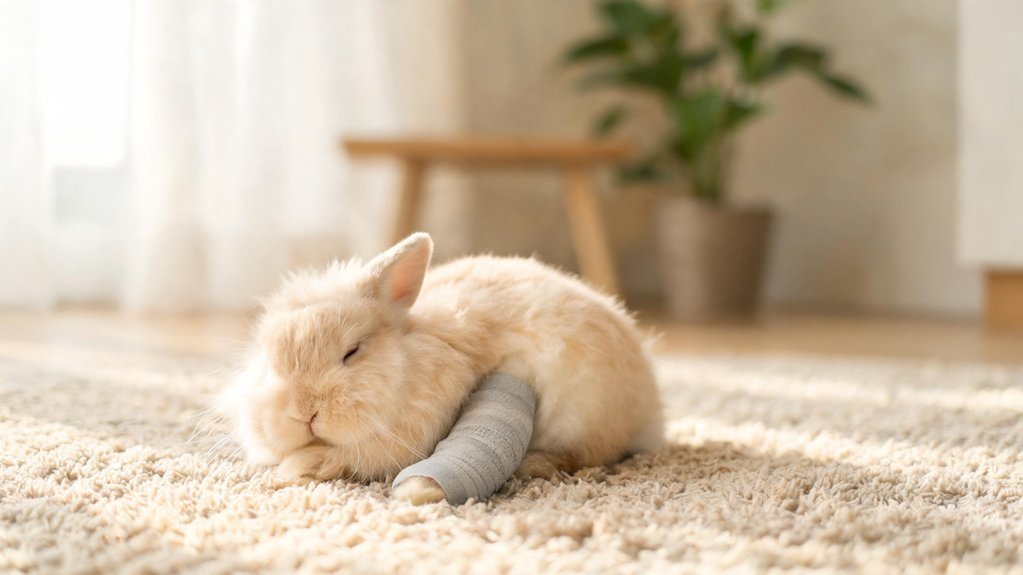
At the vet, you’ll begin with a thorough physical examination and gentle palpation, carefully feeling along the rabbit’s bones and joints to identify signs of pain, swelling, instability, or a cracking, grating sensation that indicates a fracture.
During this examination, the veterinarian also assesses the surrounding soft tissues because injuries often involve not just the broken bone but also damage to adjacent muscles, tendons, and ligaments. Recognizing these associated injuries is crucial for determining the most effective treatment plan to ensure your rabbit’s complete recovery and minimize pain.
Following the initial assessment, the vet will typically perform radiographs, or X-rays, which provide a detailed image of the fracture’s exact location, type, and severity.
This imaging is essential for devising a precise treatment strategy, whether it involves splinting, casting, or surgical intervention.
Prompt and accurate diagnosis with advanced imaging ensures your rabbit receives the best possible care, helping them heal quickly and return to their normal activities.
If your rabbit shows signs of distress, such as not eating or pooping for 12 hours, seek emergency veterinary care immediately, as early intervention significantly improves healing outcomes.

24 Pieces Rabbit Foot Pads Set:You will receive 24 packs of rabbit cage pads, and the included ties to easily attach them to the wire mesh of the cage. Each pad measures 12 x 12 inches /30 cm, very easy to clean with water

PROTECTS RABBIT FEET FROM WIRE FLOORING: Designed to prevent sore hocks and foot irritation caused by wire cage bottoms. Provides a solid resting surface while still allowing airflow and drainage. Ideal for show rabbits and home rabbitries.
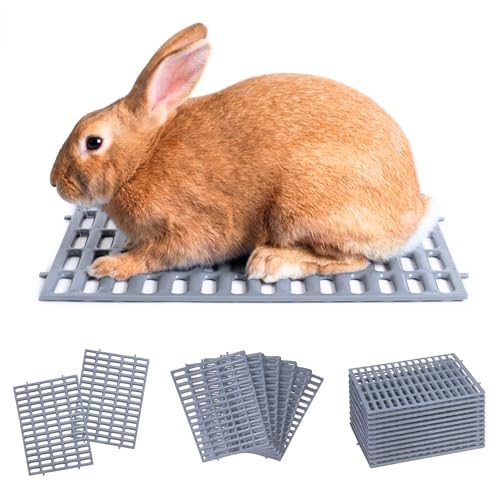
PROTECTS RABBIT FEET FROM WIRE FLOORING: Designed to prevent sore hocks and foot irritation caused by wire cage bottoms. Provides a solid resting surface while still allowing airflow and drainage. Ideal for show rabbits and home rabbitries.
Physical Exam And Palpation
When your rabbit arrives with a suspected broken leg, a rabbit-savvy exotic veterinary specialist begins with a thorough review of your detailed veterinary history and closely observes your rabbit’s behavior for signs of distress or altered mobility. They then proceed with a gentle, methodical physical examination, emphasizing minimal handling to prevent worsening displacement, further injury, or shock. This careful approach ensures your pet’s safety while accurately assessing the injury.
During the exam, the veterinarian evaluates your rabbit’s stance and weight-bearing capability, noting any abnormal elevation, dragging of limbs, hiding behaviors, or signs of pain such as tooth grinding. They meticulously inspect the skin for swelling, bruising, open wounds, exposed bone, or bleeding, which are critical indicators of severity.
Palpation, performed with delicate pressure starting proximal to distal—from the pelvis down to the toes—aims to identify localized heat, focal areas of pain, or crepitus, a characteristic grinding sound associated with fractured bones or joint damage. Additionally, they perform gentle assessments of the nerves and spinal column to rule out neurological involvement.
If your rabbit shows signs of not eating or defecating within 12 hours, this becomes a medical emergency requiring immediate intervention. Seeking prompt, expert veterinary care with a focus on advanced diagnostics and targeted treatment options can significantly improve your rabbit’s recovery prospects and comfort. Rely on specialized exotic veterinary solutions to ensure precise diagnosis, effective pain management, and optimal healing support.
Radiographs For Fracture Mapping
Once your rabbit-savvy exotic veterinarian suspects a fracture in your rabbit’s leg or foot, they’ll typically utilize radiographs, also known as X-rays, to confirm the injury and precisely map the fracture details.
These detailed imaging techniques are essential for accurate diagnosis and effective treatment planning.
You’ll want these images promptly because they directly influence every subsequent step of your rabbit’s care, ensuring a quick and targeted recovery process.
Vets typically take at least two different views, including mediolateral and craniocaudal angles, to ensure no twisty or complex details are overlooked.
To acquire clear images while minimizing discomfort and movement, your veterinarian may use sedation or anesthesia.
Radiographs provide vital information about the fracture location within specific bones and regions, including the pattern, extent of displacement, and potential joint damage.
They also help evaluate callus formation and healing progress, facilitating ongoing treatment adjustments.
Using high-quality radiographs optimizes your rabbit’s recovery by enabling precise, evidence-based intervention strategies that maximize healing outcomes.
Assessing Soft Tissue Damage
First, take a breath, because you’re not imagining it. When assisting a rabbit with a suspected fractured or broken leg, a veterinarian begins by thoroughly evaluating the soft tissues. This involves carefully observing the rabbit’s posture, weight-bearing abilities, and hopping behavior to identify subtle signs of injury.
They then proceed to inspect for irregular angles, dangling toes, or deformities that may indicate underlying trauma.
Next, the veterinarian performs a gentle palpation, meticulously feeling each bone, joint, and surrounding tissue for swelling, pain, crepitus (a grinding sensation), and joint instability.
Comparing both legs side by side helps to detect asymmetries such as joint effusion, muscle atrophy, or swelling caused by fluid accumulation.
Additionally, they look for bruising, especially in the groin and leg areas, since swelling can compromise blood flow and pinch nerves, leading to further complications.
Furthermore, a comprehensive assessment includes evaluating nerve function to detect any neurological deficits, and checking the rabbit’s urine and fecal output.
If your rabbit refuses to eat or defecate for more than 12 hours, this is a critical emergency requiring immediate veterinary intervention.
Employing specialized soft tissue assessment techniques ensures early detection of injuries, facilitating prompt and effective treatment to promote rapid recovery and reduce pain.
Treatment Choices: Splints, Pins, and Fixation
Choosing the appropriate treatment for a broken rabbit leg depends heavily on the fracture’s stability, location on the limb, and severity. For simple, closed, and relatively stable fractures of the lower-leg or foot, veterinary professionals often recommend external support options such as specialized splints and bandaging techniques, also known as external coaptation. These non-invasive solutions provide effective stabilization, promoting healing while minimizing discomfort.
It is crucial to never attempt home splinting on your own, as rabbit skin is notably delicate, and improper application can lead to serious complications. Poorly placed bandages may cause bone displacement, pressure sores, or restricted blood flow, which jeopardize recovery. When surgery isn’t an option, veterinarians can utilize splints as a short-term stabilization method, with regular rechecks every 7 to 14 days and follow-up X-rays at 4 to 6 weeks. For more complex or long-bone fractures, options like pins and internal fixation devices tend to offer superior stability, promoting faster healing and reduced risk of misalignment. By consulting with a qualified exotic veterinarian, you can ensure your rabbit receives a tailored treatment plan that optimizes recovery time, minimizes pain, and delivers long-lasting results with state-of-the-art orthopedic solutions. Using protective cage liners that are easy to clean can help keep a recovering rabbit’s enclosure hygienic while splints or bandages are in place, but any changes to the setup should be discussed with your veterinarian.
STOP FIGHTING & STRESS-FREE TRAVEL: Struggling with fighting, biting, or stressed rabbits? Our removable dividers transform the 28” cage into 1-4 individual zones. Give each pet their own safe sanctuary so you don’t have to constantly separate or watch them during travel—no more chaos or injuries.
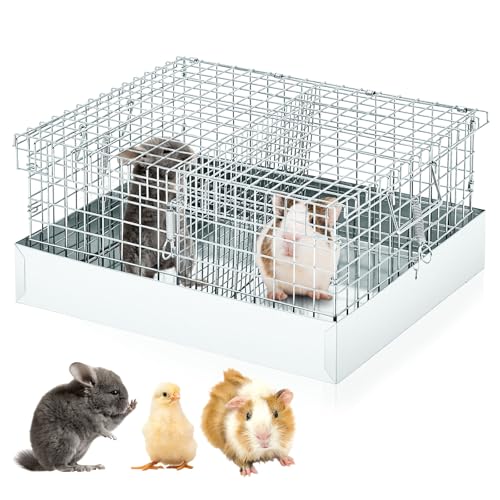
Double-compartment Flexibility for Multi-pet Households: this carrier features a removable divider that separates the interior into two independent sections, allowing owners to tailor the layout according to pet size or temperament; The configurable compartments help prevent scuffles, support calmer interactions, and permit individualized space for each cavy or chinchilla during transport or temporary confinement without compromising ventilation or sightliness

Four-Compartment Design for Multi-Pet Families: This rabbit cage features a removable divider that creates four separate spaces—ideal for households with multiple bunnies. Adjust the layout based on the size or number of rabbits to prevent fights and ensure comfort during travel or temporary housing
Open Fracture Care and Why Antibiotics Matter
Open fractures, where the bone or deep tissue is exposed through an open wound, significantly increase the risk of infection in rabbits, which have limited ability to fight germs naturally. Immediate and appropriate intervention is critical, especially when you observe exposed bones like the tibia or humerus.
Prompt action is essential to prevent contamination from bacteria such as Staphylococcus aureus, which can lead to severe deep infections, including osteomyelitis, even around surgical implants like plates or nails. To effectively combat these risks, consult a rabbit-savvy exotics veterinarian immediately. They may administer broad-spectrum intravenous antibiotics within 24 to 72 hours of injury, after appropriate culture testing, to target specific bacterial strains.
Targeted, timely antibiotic therapy plays a vital role in reducing bacterial load and minimizing the risk of implant-related infections. These specialized antimicrobial treatments are an essential part of comprehensive open fracture management, helping to safeguard your rabbit’s recovery and prevent long-term complications. Trust a specialized veterinarian to provide the most effective treatment plan tailored to your rabbit’s unique needs.
Pain Relief, Feeding Support, and Gut Stasis
Once your rabbit’s leg or foot is stabilized, effective pain management and consistent feeding support become equally vital as repairing the fracture. Immediately contact a rabbit-savvy exotic veterinarian to ensure your pet receives specialized care.
After stabilizing your rabbit’s leg or foot, prioritize pain control and feeding support, and contact a rabbit-savvy exotic veterinarian immediately.
Inadequate pain relief can lead to problematic behaviors such as persistent tooth grinding, a hunched posture, and decreased hopping activity, which can hinder recovery and overall well-being.
Your veterinarian may administer potent analgesics like opioids—including buprenorphine or butorphanol—to ensure effective pain alleviation.
Additionally, non-steroidal anti-inflammatory drugs (NSAIDs) such as meloxicam or flunixin can be prescribed to reduce inflammation and discomfort.
Never administer over-the-counter human pain medications, as these can be toxic to rabbits.
Promptly restart your rabbit’s diet by offering high-quality hay, greens (excluding iceberg lettuce), and fresh water.
If your rabbit refuses to eat, syringe critical care formulas or soaked pellet mash up to four times daily to prevent gastrointestinal stasis.
Closely monitor droppings—absence of poops or no eating for 12 hours constitutes a medical emergency.
Prioritize these steps to facilitate rapid pain relief, maintain gut motility, and support the healing process for a faster, safer recovery.
Recovery Timeline and Preventing Re-Injury
Now that the rabbit’s leg has stabilized, ongoing recovery requires your full attention because bone healing is a time-intensive process, and re-injury can occur rapidly.
Most rabbit fractures, especially those involving the limb, typically take approximately 6 to 8 weeks to fully heal.
Many simple limb fractures, when managed properly with cage rest and adherence to your exotic veterinarian’s detailed recovery plan, often need about 4 to 6 weeks.
Distal fractures, which occur closer to the extremities, generally heal within 20 to 45 days.
Certain front-leg injuries may take up to 2 months to recover completely.
During the primary healing phase, it’s essential to confine your rabbit securely, restrict movement, and follow the specific instructions provided by your exotic veterinarian.
Limiting activity during this critical period—roughly 4 to 6 weeks—helps ensure proper bone union and reduces the risk of re-injury.
After the initial healing phase and confirmed bone union, a gradual reintroduction to activity is crucial.
Carefully rebuild your rabbit’s activity levels over a period of 6 to 8 weeks, increasing movement slowly and under veterinary guidance.
Handle your rabbit gently to avoid unnecessary stress and prevent sudden struggles that could compromise healing.
Schedule regular recheck appointments with your veterinarian to monitor progress and catch any signs of potential setbacks early.
Finally, watch closely for any changes in appetite or behavior, as these can indicate underlying issues or complications during recovery.
Following these structured steps will optimize healing, prevent setbacks, and help your rabbit return to full health safely and efficiently.
Common Causes of Rabbit Leg Fractures
Most rabbit fractures result from specific preventable incidents, and understanding these causes is crucial for implementing effective safety strategies and ensuring swift recovery.
Improper handling is a primary factor; lifting a rabbit without fully supporting the hindquarters can lead to falls or escapes, increasing the risk of fractures in the legs, back, or spine. Additionally, restraining only one limb during handling can inadvertently cause spinal injuries or damage to long bones due to uneven pressure.
Falls from modest heights—such as 2 to 3 feet—are common, especially from elevated surfaces like beds, couches, or furniture, particularly on slippery surfaces like tile flooring.
Panic-induced struggles, such as violent kicking during handling or trapped legs in cage bars, vents, or other narrow openings, can also result in fractures.
To prevent these injuries, it’s essential to adopt proper handling techniques and create a safe environment that minimizes the risk of accidents.
In case of emergencies, immediately consult a rabbit-savvy exotic veterinarian who specializes in small mammal orthopedics and emergency care.
If your rabbit shows signs of not eating, refusing to poop, or exhibits signs of pain or distress for more than 12 hours, this should be treated as urgent.
Timely professional intervention, along with targeted care and safety precautions, ensures the best outcome for your cherished pet.
Prevent Future Rabbit Limb Fractures
Preventing future rabbit limb fractures begins with proactive safety measures long before an emergency arises. By handling your pet responsibly and maintaining a low-risk environment, you significantly reduce the likelihood of injury.
Support your rabbit’s chest and hindquarters with both hands, ensuring all four feet are fully supported and held close to your body for maximum control. When lifting, always start at ground level and lower your rabbit immediately if they exhibit intense struggling, to prevent twisting injuries or accidental drops.
Support your rabbit’s chest and hindquarters with both hands, fully supporting all four feet and holding them close.
Avoid lifting by their ears, back legs, or scruff, as these methods increase the risk of fractures.
Optimize your rabbit’s living space to prevent slips and falls by installing non-slip rugs or mats on all flooring surfaces. Block access to unstable furniture or jump areas that could cause traumatic injuries.
For transportation, use secure, well-designed carriers that provide stability and prevent sudden movements. Educate children to observe and assist safely without handling, and always keep dogs and cats separated to minimize stress and accidental bites or scratches.
Maintaining a calm environment, handling your rabbit gently, and keeping routines steady are crucial for injury prevention.
If your rabbit refuses to eat or defecate for more than 12 hours, treat this as a veterinary emergency. Acting promptly with professional veterinary care can prevent serious complications and ensure your rabbit’s safety and well-being.
Implementing these preventive strategies with high-quality, reliable safety equipment and consistent routines will help you protect your rabbit from limb fractures and promote a longer, healthier life.
Frequently Asked Questions
Why Is My Rabbit Walking Instead of Hopping After a Leg Injury?
Your rabbit walks instead of hopping because leg pain causes it to avoid the push-off phase of movement, resulting in a cautious, flat-footed gait. This altered movement pattern is a protective response to the discomfort from the injury. Even soft tissue damage or joint inflammation can lead to noticeable lameness and change in gait.
To ensure your rabbit’s swift recovery and prevent further complications, it is crucial to contact a rabbit-savvy exotic veterinarian immediately. An experienced vet can accurately diagnose the extent of the injury, whether it involves muscles, tendons, ligaments, or bones, and recommend effective treatment options. Prompt professional intervention will help alleviate your rabbit’s pain, promote healing, and restore normal hopping behavior, making specialized veterinary care a vital investment in your pet’s health and well-being.
Can a Broken Foot Heal on Its Own Without a Vet?
Yes, sometimes a very minor fracture in a rabbit’s foot may heal on its own without veterinary intervention. However, relying on natural healing without proper assessment risks improper alignment of the broken bones, which can lead to long-term complications.
To ensure your rabbit’s injury heals correctly and to prevent permanent lameness or severe pain, it is crucial to contact a highly experienced, rabbit-savvy exotic veterinarian immediately. Seeking professional veterinary care offers the best solution to accurately diagnose the extent of the injury, provide appropriate treatment, and promote proper healing, ultimately safeguarding your pet’s mobility and comfort.
My Rabbit Won’T Eat—How Long Is Too Long During a Fracture?
Like a clock running out, if your rabbit won’t eat within 8 to 12 hours, it’s crucial to seek immediate care from a rabbit-savvy exotic veterinarian. Prompt intervention can prevent serious complications and improve recovery chances, especially in the context of a possible fracture or injury.
If your rabbit goes beyond 12 hours without eating or pooping, treat this situation as an urgent medical emergency. Delaying veterinary treatment can lead to life-threatening conditions such as gastrointestinal stasis, dehydration, or infection. Contact a specialized exotic pet vet now to ensure your rabbit receives comprehensive diagnostic evaluation and targeted treatment to address both pain management and nutritional support. Prioritizing rapid professional care can significantly enhance your rabbit’s chances for a full recovery and long-term well-being.
When Should I Be Concerned About Swelling After a Suspected Fracture?
Be concerned right away if swelling appears alongside non-weight-bearing behavior or an abnormal leg angle in your pet. These signs may indicate a serious fracture or injury requiring immediate professional evaluation.
Seek same-day, rabbit-savvy exotic veterinary care if the swelling worsens within 24 to 48 hours, spreads beneath a bandage or wrap, or is accompanied by pale or cold toes. Prompt intervention is crucial to prevent complications, promote proper healing, and ensure your pet’s comfort and safety.
Will Splints or Bandages at Home Help, or Can They Worsen Injury?
Home splints or tightly applied bandages can aggravate a suspected broken leg by increasing pain, causing further instability, and expanding tissue damage. Attempting to set the injury yourself can lead to more harm, rather than aid recovery. It’s crucial to avoid setting the bone, as improper handling may complicate healing or cause additional internal injury.
Instead, focus on controlling bleeding by applying gentle pressure and loosely covering any wounds to prevent contamination. Immediate professional veterinary intervention is essential. Seek out a specialized, rabbit-savvy exotics veterinarian who can provide accurate diagnosis, appropriate stabilization, and expert treatment—ensuring the best possible outcome for your injured pet. Investing in professional care now can prevent costly complications later and promote faster, safer healing.