If you want to keep your rabbit safe, assume most houseplants and garden greenery are toxic. Block access first, because many “harmless-looking” plants can cause mouth pain, drooling, vomiting, or even heart rhythm problems fast.
Avoid aroids like dieffenbachia and elephant ear, and keep lilies and all bulbs, including amaryllis, completely out of reach—even cut stems or vase water. Skip holiday greens like ivy and mistletoe. Remove fallen leaves daily, and call your rabbit vet immediately if you notice drooling, grinding teeth, or weakness. Stick with this so you’ll know what else to watch for.
Swift Summary
- Assume most houseplants are toxic to rabbits, since many common species are poorly documented.
- Block all plant access using secure rooms, high shelving, and barriers; check daily for fallen leaves or debris.
- Avoid common toxic houseplants like pothos and philodendron, which can cause oral irritation and GI upset.
- Keep holiday bulbs and greens (e.g., amaryllis, ivy, holly, mistletoe) completely out of reach due to rapid poisoning risk.
- Exclude highly toxic ornamentals such as foxglove, lily of the valley, oleander, and azalea/rhododendron.
Rabbit-Safe Rule: Assume All Houseplants Are Toxic
When it comes to ensuring rabbit safety around your household greenery, it’s crucial to adopt a straightforward, risk-averse approach—assume all houseplants are toxic. This comprehensive rule serves as your safeguard, especially in scenarios where you can’t easily identify which plants are safe or harmful.
Many popular indoor plants, including common varieties like dieffenbachia, philodendrons, or pothos, may appear harmless but are actually poisonous to rabbits, making cautious assumption essential. Additionally, some toxic plants for rabbits are poorly documented, increasing the risk of inadvertent exposure. All parts of ivy can irritate if eaten and are potentially poisonous, so treat unknown plants as unsafe.
Even “harmless” houseplants like dieffenbachia, philodendrons, or pothos can poison rabbits—assume risk, since some toxins are poorly documented.
To minimize the danger of accidental ingestion or contact, focus on creating a secure environment by blocking your rabbit’s access to all plants. Keep houseplants in rooms where rabbits aren’t allowed, or place them on high shelves out of their reach.
Regular pruning is essential—not only to keep plants manageable but also to reduce the chance of rabbit curiosity leading to ingestion of fallen leaves or bits. Check your plants daily for fallen leaves or debris that could tempt your bunny and remove any suspicious parts immediately.
If you’re unsure about the safety of a specific plant, it’s prudent to remove it from your home environment entirely before your rabbit has a chance to investigate. Investing in protective barriers or using plant covers can further prevent your rabbit from accessing potentially harmful greenery.

【Upgraded Design, Pet Paradise】: Safety, joy, and happiness are fundamental principles within the Petorldog team's philosophy. The Petorldog dog playpen, with its upgraded design surpassing traditional dog cages and kennels, redefines the pet experience, bringing an unprecedented level of enjoyment to you and your beloved furry companion. Creating a secure space for pet play, Petorldog's pen allows your pet to revel in the pleasures of the game within this safe and sturdy domain. Simultaneously, you can truly relax, free from worries about your cherished companion.

【Upgraded Design, Pet Paradise】: Safety, joy, and happiness are fundamental principles within the Petorldog team's philosophy. The Petorldog dog playpen, with its upgraded design surpassing traditional dog cages and kennels, redefines the pet experience, bringing an unprecedented level of enjoyment to you and your beloved furry companion. Creating a secure space for pet play, Petorldog's pen allows your pet to revel in the pleasures of the game within this safe and sturdy domain. Simultaneously, you can truly relax, free from worries about your cherished companion.
Common Toxic Houseplants to Rabbits
After you’ve taken the “assume all houseplants are toxic” safety rule seriously, it’s crucial to be aware of which common indoor plants pose risks to your rabbit’s health. To ensure their safety and comfort, always avoid offering these toxic plants alongside safe alternatives, creating a secure environment for your beloved pets.
Plants such as pothos (Epipremnum aureum) and philodendron (Philodendron spp.), as well as calla lilies (Zantedeschia spp.) and peace lilies (Spathiphyllum spp.), contain insoluble calcium oxalate crystals. If your rabbit nibbles on these plants, they may experience symptoms like oral irritation, excessive drooling, bruxism (teeth grinding), reduced appetite, and gastrointestinal upset. It’s vital to keep these hazardous plants out of your home to prevent accidental ingestion. in close observation can help you catch hidden illness behavior early, since rabbits may not always show obvious signs right away.
In addition, dieffenbachia (Dieffenbachia spp.) presents a high risk as well. Ingesting any part of this plant can cause intense mouth irritation, leading to discomfort and possible swelling.
To further protect your rabbit, avoid all bulbs such as tulips (Tulipa spp.), hyacinths (Hyacinthus spp.), daffodils (Narcissus spp.), crocuses (Crocus spp.), and narcissus (Narcissus spp.). These plants contain toxic compounds that can pose serious health threats.
Lastly, steer clear of other highly toxic plants including foxglove (Digitalis purpurea), lily of the valley (Convallaria majalis), oleander (Nerium oleander), rhododendron (Rhododendron spp.), and azalea (Rhododendron spp.). Opting for pet-safe, non-toxic houseplants not only enhances the beauty of your living space but also ensures a safe, healthy environment for your rabbit.
Exploring high-quality, rabbit-friendly indoor plants can be a practical solution—consider consulting with a pet-safe horticulturalist or purchasing specifically recommended houseplants that promote your pet’s well-being while maintaining a lush, decorative home.

EASY TO USE: The lightly coiled, wrapper-style cable cover easily slips over charging cables, power cords and more for a just right fit without a fuss. The flexible 10 foot tube can be cut to fit exactly the length you need.

EASY TO USE: The lightly coiled, wrapper-style cable cover easily slips over charging cables, power cords and more for a just right fit without a fuss. The flexible 10 foot tube can be cut to fit exactly the length you need.
Holiday Greens and Amaryllis: Keep Rabbits Away
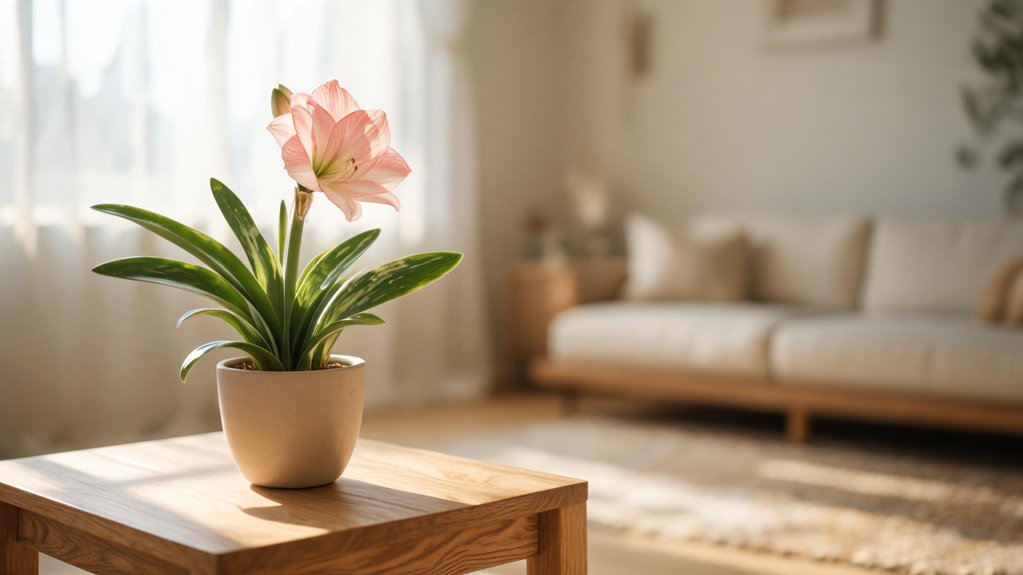
And when the holiday season arrives, it’s essential to keep rabbits away from amaryllis, particularly the bulbs, as all parts of this decorative flower are considered unsafe if chewed or swallowed. To ensure your pet’s safety, replace risky holiday greenery such as evergreens, holly, ivy, and mistletoe, along with festive wreath mixes, with rabbit-safe alternatives. some plants can be harmful and even fatal if consumed, so only offer plants you’re absolutely sure are safe. These toxic plants can cause symptoms like drooling, diarrhea, and tummy pain, so it’s crucial to prevent your rabbit from accessing tempting branches or foliage during celebrations.
Create a secure environment by blocking access to these hazardous plants, placing holiday decor high out of reach, and keeping decorations behind closed doors.
As an alternative, incorporate non-toxic, rabbit-friendly greens**** into your holiday decorating plans. Consistently sticking to the House Rabbit Society’s recommended care routine—unlimited quality grass hay, daily leafy greens, a small portion of pellets, and minimal fruit treats—supports your rabbit’s health while enjoying festive surroundings.
Implementing these safety measures helps safeguard your beloved pet without sacrificing holiday cheer.
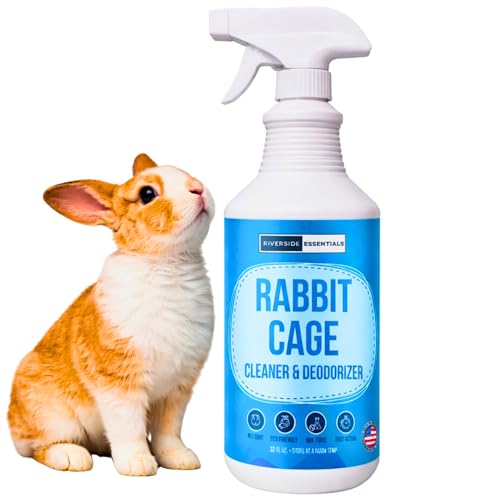
Powerful Rabbit & Bunny Cage Cleaner: Specially formulated to break down stubborn urine stains, droppings, and waste buildup in rabbit habitats. Our powerful cleaning spray helps keep your rabbit or bunny cage fresh, clean, and hygienic.

100% Natural Wood Pellets - Made from natural wood, suitable for use in bird and small animal cages
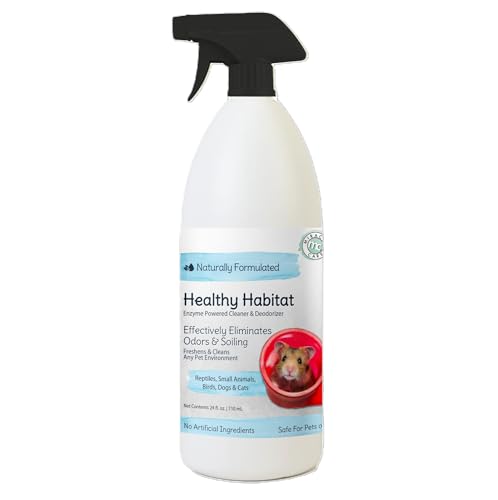
Includes one 24 oz bottle of Miracle Care Healthy Habitat Cleaner & Deodorizer
Amaryllis Toxic Bulbs
Amaryllis bulbs are a major safety concern for house rabbits, as they contain concentrated toxic alkaloids that can pose serious health risks.
Even if you only see the vibrant, festive flowers during the holiday season, the underlying bulbs remain hazardous.
To protect your pet, keep these bulbs completely out of reach, ensuring they’re stored securely and away from curious noses and paws.
The bulb tissues hold potent alkaloids that can trigger severe stomach upset, neurotoxic signs such as drooling, tremors, and overall weakness in rabbits.
Additionally, amaryllis bulbs contain calcium oxalate crystals, which can cause oral irritation and abdominal discomfort if ingested.
Since there’s no safe minimum amount known for consumption, it’s essential to take preventative measures to safeguard your pet’s health.
For a secure and pet-friendly holiday environment, always relocate forced potted plants to high, enclosed spaces or store bulbs in sealed, chew-proof containers.
These steps will effectively prevent accidental ingestion and ensure your rabbit remains safe from the toxic dangers of amaryllis bulbs.
Prioritize the use of pet-safe, non-toxic decorative alternatives to enjoy the holiday season without risking your rabbit’s health.
Holiday Greens Hazardous Foliage
Holiday seasonal greenery, though often perceived as harmless festive decor, can pose serious health risks to your rabbit. Many common holiday plants contain toxic components that can lead to gastrointestinal upset, drooling, vomiting, and a decreased appetite if ingested.
Keep hazardous plants like holly (Ilex spp.), mistletoe, poinsettia, Christmas rose (Helleborus spp.), lilies, ivy, and yew out of your rabbit’s reach. Evergreen decorations may also contain toxic bits that can cause irritation or more severe health issues.
Holly and mistletoe, for instance, can irritate the gastrointestinal tract, resulting in drooling, diarrhea, and appetite suppression. The milky sap of poinsettia can burn your rabbit’s mouth and cause vomiting, while Christmas rose and lilies are highly toxic and should be avoided at all costs.
To ensure your rabbit’s safety during the holiday season, replace risky greenery with nutritious and safe options. Offer unlimited grass hay, daily servings of leafy greens, and provide safe chew toys to keep your rabbit engaged and healthy.
Additionally, provide a small serving of high-quality pellets to complement their diet, ensuring they remain happy and well-nourished throughout the festivities. Prioritize these solutions to keep your rabbit safe and enjoy the holiday season peacefully.
Keep Rabbits Away
When you set out holiday greens and flowers, prioritize safety by considering toxicity first, rather than just their visual appeal. Rabbits are naturally inclined to nibble on new plants, and toxic ingestion can occur rapidly, posing serious health risks.
To protect your furry friend, keep amaryllis bulbs, stems, and foliage completely out of any room accessible to your rabbit. The toxic elements in amaryllis include both the bulbs and leaves, so remove the entire plant, including flowers, to eliminate any potential hazard.
Additionally, proactively block access to other common seasonal plants such as ivy, holly, yew, and mistletoe, which are highly toxic to rabbits. Relying solely on supervision may not be sufficient, as some signs of poisoning can emerge too late for effective intervention.
To ensure safety, store cut greens, wreaths, and bouquets in closed cabinets or place them high behind barriers inaccessible to your rabbit. Similarly, keep extra holiday floral arrangements stored in secure, out-of-reach locations to prevent accidental ingestion.
Implementing these precautionary measures helps create a safe holiday environment, allowing you to enjoy festive decorations without risking your pet’s health. Taking proactive steps now guarantees a joyful and worry-free holiday season for your entire household, emphasizing the importance of toxin avoidance through strategic storage and access restrictions.
Cut Flowers, Bulb Stems, and Vase Water Risks
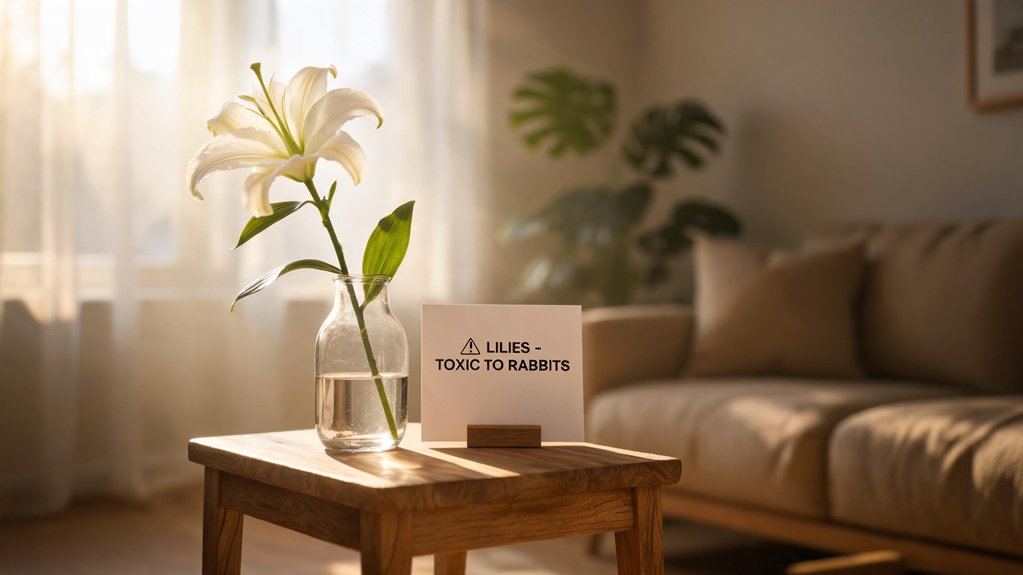
But before you bring that beautiful floral arrangement into your home, it’s important to understand the potential risks it poses to your rabbit. Cut flowers and “pretty stems,” even when freshly cut and placed in a vase, can still be toxic to rabbits.
All bulb flowers—such as daffodils, tulips, hyacinths, irises, lilies, and crocuses—remain hazardous in every part, including the bulb tissue, leaves, flowers, and stems. Tiny bulbs like snowdrops, often considered minor, also carry risks if your rabbit nibbles on them.
All bulb flowers are hazardous in every part—bulb tissue, leaves, flowers, and stems—so even small nibbles are risky.
It’s crucial to keep lily bouquets completely out of reach because every part of the lily, from the petals to the vase water, can cause serious illness in rabbits.
To ensure your rabbit’s safety, opt for rabit-friendly greenery and floral arrangements, and avoid all toxic plants and flowers. Provide your rabbit with unlimited access to high-quality grass hay, daily leafy greens, appropriate pellets, and small fruit treats as a safe and healthy alternative.
Aroids (“Chew-Irritants”): Dieffenbachia and Elephant Ear
You want to keep rabbits away from aroids such as Dieffenbachia and Elephant Ear, because chewing their leaves or stems can cause significant oral irritation, excessive drooling, and painful swelling that may even hinder swallowing. Dieffenbachia, commonly known as Dumb Cane, contains insoluble calcium oxalate crystals that act as potent irritants, making it essential to prevent rabbits from nibbling on its foliage.
Similarly, elephant ear plants, which belong to the Colocasia and Alocasia genera, pose a serious risk when consumed—raw plant parts can induce gastrointestinal upset like diarrhea or vomiting, and an inability or refusal to eat can lead to dangerous gut slowdown.
If a curious rabbit approaches or attempts to chew on these toxic aroids, it’s crucial to remove the risk immediately. Move the plant to an elevated, secure location where it can’t be accessed by rabbits, such as high shelves or hanging planters.
For a safer environment, replace the aroids with rabbit-friendly greens like romaine lettuce, cilantro, or other non-toxic, nutritious vegetation. Implementing physical barriers or using rabbit-proof plant cages can also help prevent accidental ingestion.
Prioritizing safe plant choices and proactive protection methods ensures your rabbit’s health while allowing you to enjoy a beautiful, pet-friendly garden.
Dieffenbachia Causes Oral Irritation
Dieffenbachia, along with other “chew‑irritant” aroids like elephant ear, poses a significant risk to rabbits by causing a rapid and severe oral burn upon ingestion. Even a small exploratory bite can trigger immediate trouble due to the plant’s concentrated toxins.
When chewed, the tiny calcium oxalate “raphides,” which are sharp, needlelike crystals embedded within the plant’s tissues, puncture the delicate tissues of the tongue, gums, and throat, leading to intense pain and inflammation.
The plant’s sap contains chemical compounds that further inflame tissues, making symptoms such as acute tooth grinding, excessive drooling, pawing at the mouth, and facial rubbing common signs of distress.
In some cases, tissue swelling can escalate quickly, potentially risking more serious complications.
To safeguard your rabbit’s health, it’s crucial to remove any Dieffenbachia or similar “chew‑irritant” plants immediately if your rabbit shows signs of chewing.
Promptly contact an experienced rabbit veterinarian for urgent advice.
Using plant-safe alternatives and keeping toxic plants out of your pet’s reach ensures a safe, stress-free environment, preventing painful encounters with dangerous plants and supporting your rabbit’s overall well-being and health.
Elephant Ear Triggers GI Upset
Even though elephant ear plants appear to be tough, low-maintenance houseplants, they can pose significant health risks to rabbits if ingested. These plants are classified as aroids, which contain insoluble calcium oxalate crystals known to be a potent chew irritant. When rabbits nibble on raw leaves, stems, roots, or corms, these sharp crystals cause severe irritation by cutting the soft tissues inside the mouth, leading to intense burning sensations, excessive drooling, and difficulty swallowing.
To protect your beloved pet, it’s crucial to proactively remove elephant ear plants from areas accessible to your rabbit. Use secure shelving, elevated plant stands, or buffers to keep these plants out of reach. Any chewed plant parts should be discarded immediately to prevent accidental ingestion. If your rabbit does ingest any part of an elephant ear plant, promptly contact a qualified rabbit veterinarian to ensure immediate care and prevent complications.
Being vigilant about your rabbit’s environment and promptly addressing potential plant hazards is essential for maintaining your pet’s health. Consider replacing risky houseplants with safer, non-toxic options and invest in secure enclosures or barriers. Your proactive approach can prevent serious gastrointestinal issues like stasis caused by the plant’s toxic components, ensuring your rabbit remains healthy, comfortable, and happy in your home.
Foxglove: One of the Most Lethal Plants for Rabbits
Foxglove (Digitalis purpurea) ranks among the most lethal plants that pose a significant risk to rabbits, especially when accidentally offered as part of their diet or kept as decorative plants.
The entire plant is toxic from root to flower, including leaves, stems, flowers, seeds, and roots, making it a dangerous presence in both outdoor gardens and indoor environments.
If you incorporate foxglove into your garden or as cut flowers, it’s essential to understand the severe health risks involved.
Containing potent cardiac glycosides, also known as “heart-active” poisons, foxglove disrupts the heart’s electrical rhythm, leading to potentially fatal arrhythmias, weakness, collapse, or even death in rabbits.
Recognizing the signs early is crucial, as symptoms can begin within approximately two hours of ingestion and may persist for four to five days.
To protect your pets, it’s advisable to remove or avoid planting foxglove in areas accessible to rabbits.
If you suspect that your rabbit has ingested any part of this highly toxic plant, immediate veterinary intervention is vital.
Contact an experienced rabbit veterinarian without delay to ensure prompt diagnosis and treatment.
Utilizing safe, rabbit-friendly plants in your garden and ensuring your living space is free of hazardous species like foxglove can prevent emergencies and safeguard your pet’s health.
Prioritize professional guidance on non-toxic alternatives to create a secure environment for your beloved rabbit.

Powerful Cleaning Formula: This premium cage cleaner is specially designed to effectively remove tough stains, odors, and residue from guinea pig habitats, leaving a fresh, clean, and hygienic environment for your pet.

FAST-ACTING FORMULA: This natural enzyme cleaner formula is incredibly fast acting and does not leave behind greasy, sticky, or filmy residue like other cleaners or soaps. While this product will leave your cat litter box stain-free, the real detail you’ll notice is how it completely eliminates odors and leaves the room smelling fresh.
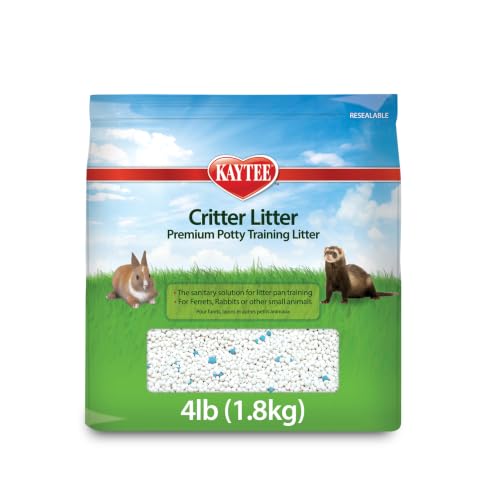
Made of non-toxic 100% bentonite, an all natural minerals so it's safe for your pet
Buttercups: Why Chewing Causes Pain and Drooling
When you allow your rabbit to chew buttercups, it exposes their sensitive oral tissues to protoanemonin, a potent and harmful plant chemical that acts like a chemical burn. This irritant can quickly lead to painful mouth ulcers, excessive drooling, and discomfort within minutes to a few hours after ingestion.
To protect your rabbit’s health, immediately remove access to buttercups if you notice symptoms such as a wet chin, foamy saliva, or your bunny pawing at its mouth. Promptly contact a rabbit-savvy veterinarian to receive expert guidance and ensure proper treatment. Using safe, vet-recommended chew alternatives can help prevent such toxic exposures and promote your rabbit’s oral health and overall well-being.
Protoanemonin Causes Mouth Ulcers
Protoanemonin, a potent plant toxin present in buttercups, active anemones, and clematis, is the primary cause of immediate mouth pain in rabbits that chew these ornamental and toxic plants.
When fresh plant parts are crushed, the enzyme ranunculin converts rapidly into protoanemonin, a highly volatile and irritating substance.
This compound inflicts direct burns on delicate tissue in the rabbit’s lips, tongue, gums, and palate, leading to painful inflammation.
Owners should be vigilant and prevent their rabbits from encountering these hazardous plants to avoid severe oral injuries.
Early symptoms include reddening of the mucous membranes, followed by swelling and blister-like bumps, which quickly progress to painful ulcers or open sores.
Such mouth lesions might cause excessive drooling, refusal to eat hay, and difficulty chewing, significantly impacting the rabbit’s well-being.
The irritation can also extend to the throat, complicating recovery.
To ensure optimal health and safety, it’s essential to provide rabbits with a diet rich in high-quality, unlimited grass hay, daily fresh leafy greens, balanced pellets, and small quantities of fruit treats.
Pet owners seeking a safe, natural environment for their rabbits should actively eliminate exposure to toxic plants like buttercups, anemones, and clematis.
Consulting with a veterinarian for appropriate dietary management and safety measures will help prevent protoanemonin-related oral injuries, supporting your rabbit’s overall health and comfort.
Chewing Triggers Drooling Pain
If your rabbit takes a bite of a buttercup, don’t shrug it off; chewing can trigger immediate mouth pain and excessive drooling.
When the plant’s delicate tissues are damaged, it releases ranunculin, which enzymes swiftly convert into protoanemonin, a highly irritating oily compound.
Fresh, juicy buttercups, especially those that are recently picked, contain higher concentrations of protoanemonin, making a bite significantly more painful for your rabbit.
Protoanemonin affects the sensitive lining of your rabbit’s mouth, leading to redness, swelling, and blister-like vesicant injuries.
You may notice symptoms such as increased salivation, frothy drool around the lips, or even nasal discharge indicating irritation.
In response, your rabbit might refuse to eat, appear lethargic or droop, or grind their teeth in discomfort.
Immediate action is crucial to ensure your rabbit’s safety.
Offer plenty of fresh hay to soothe the mouth and encourage eating while removing the buttercup plant from your rabbit’s environment.
Contact your veterinarian urgently, particularly if symptoms worsen or persist, to receive proper treatment and minimize tissue damage.
Prompt intervention helps prevent further discomfort and promotes a quick recovery, keeping your rabbit healthy and happy.
Rhododendron, Boxwood, and Common Toxic Shrubs
Rhododendron and boxwood are two common evergreen shrubs that pose significant risks to pet rabbits and should be considered off-limits for any rabbit-friendly garden or landscape.
Rhododendron, which includes varieties such as Rhododendron spp., contains potent grayanotoxins present in its leaves, flowers, and even nectar. These toxins can cause severe poisoning in rabbits, with just a few leaves potentially leading to critical health issues.
Symptoms of rhododendron poisoning in rabbits include drooling, vomiting, diarrhea, weakness, tremors, and in severe cases, collapse.
To protect your pet, it’s crucial to remove any access to these plants immediately and consult with a rabbit-savvy veterinarian if exposure occurs.
Similarly, boxwood (Buxus spp.), a popular ornamental shrub used in hedges and landscape borders, is unsafe for rabbits in all parts of the plant.
Even if rabbits show no initial interest in nibbling on boxwood, don’t take any chances. Remove and secure the plants promptly if chewing is observed, and contact your veterinarian immediately.
When seeking professional help, bring plant material samples to assist in diagnosis and treatment.
Choosing rabbit-safe plants and promptly managing poisonous shrub threats can help ensure your pet’s health and well-being, and working with a professional landscape or garden supplier can help you select non-toxic, attractive alternatives.
Spring Bulbs: Tulips, Daffodils, Hyacinths, Narcissus
And when you’re planning vibrant spring garden displays with colorful bulbs like tulips, daffodils, hyacinths, and narcissus, it’s essential to consider your rabbit’s safety.
Tulip bulbs, along with daffodil bulbs, pose significant risks—they are toxic not only to the flowers, stems, and leaves but most critically to the bulbs themselves.
To protect your beloved pet, ensure that these bulbs are planted in areas inaccessible to grazing rabbits, and regularly monitor your garden for any signs of nibbling.
Hyacinths, in particular, require extra caution.
The hyacinth flower and its sap contain toxic compounds that can harm your rabbit if ingested.
Fallen petals and cut stems should be kept out of reach because they can be tempting for curious rabbits and potentially lead to serious health issues.
To create a safe and beautiful springtime garden, invest in rabbit-safe bulb options and consider using physical barriers or pet-proof containers for potentially hazardous plants.
Prioritizing safety ensures your garden remains a stunning, pet-friendly space where both plants and your rabbits can thrive.


CHEMCIAL FREE and safe for amphibian and reptile pets. Proudly collected, treated (to temperatures over 110° F) and packaged in the USA

Paper pellet litter for rabbits, ferrets, and other small animals that use the litter box
Tulip Toxic Bulbs
Tulips, daffodils, hyacinths, and other popular spring bulbs are visually appealing but pose a significant health hazard to rabbits, particularly due to the toxic nature of the bulbs themselves.
Tulip bulbs contain high concentrations of tulipalin A and tulipalin B, which are highly toxic compounds, making all parts of these plants unsafe for your pet.
If your rabbit chews on bulbs, it can lead to severe health issues such as stomach and gut inflammation, dehydration, weakness, tremors, and heart or respiratory problems.
Additionally, physically blocking the esophagus, stomach, or intestines with chewed bulbs can be life-threatening.
To protect your rabbit’s health, avoid offering cut tulip flowers as enrichment and always keep potting debris or leftover plant material out of your pet’s reach.
To ensure your rabbit’s safety, consider pet-safe alternatives for enrichment and decoration.
Consult with a veterinarian to identify non-toxic plants and secure all potentially hazardous bulbs and debris in sealed containers or stored safely out of your rabbit’s environment.
Daffodil Poisoned Plant Parts
Before you let your rabbit roam near spring bulbs, remember this: Daffodils (Narcissus) are highly toxic, with all parts—bulbs, leaves, stems, flowers, and even the sap—posing a danger.
The bulb, in particular, is the most hazardous component. If your rabbit chews or ingests it, symptoms such as nausea, vomiting, diarrhea, excessive drooling, and abdominal pain can occur.
Additionally, bulb irritation can cause burns to the mouth and throat, risking discomfort and further health complications.
It’s important not only to prevent ingestion but also to be aware that sap and cut-flower water from daffodils can irritate your rabbit’s skin.
Licking contaminated plant fragments can also result in health issues, even if the plant isn’t ingested.
To protect your pet’s health, keep daffodils completely out of reach in your garden or home, especially during peak blooming seasons.
Instead of risking exposure to these toxic spring bulbs, opt for pet-safe leafy greens and vegetables that provide essential nutrients without the danger.
When designing a rabbit-friendly garden, choose non-toxic, rabbit-safe plants and flowers, ensuring a safe environment for your furry friend while enjoying the beauty of spring.
Prioritize safety and switch to herbaceous plants that promote wellbeing, and always consult with a veterinary or pet-safe gardening expert for the best solutions.
Hyacinth Flower And Sap
Why take chances with spring bulbs when your rabbit’s curious nose does the deciding? Hyacinth (Hyacinthus orientalis) is highly toxic, especially the bulb, which contains potent poisonous compounds.
If your rabbit chews or swallows any part of the hyacinth—be it the flowers, leaves, roots, capsules, seeds, offsets, or even dried debris—you risk serious health issues.
Symptoms of poisoning include mouth irritation, excessive drooling, abdominal pain, diarrhea, loss of appetite, weakness, and dehydration.
In severe cases, large exposures can cause tremors or heart problems, making it crucial to prevent any access.
To protect your rabbit and ensure their safety, keep every hyacinth part out of reach, including flowers, leaves, roots, capsules, seeds, offsets, and dried plant debris.
Since there’s no proven safe amount of hyacinth bulbs or plant material, treat any exposure as potentially hazardous.
Instead, opt for rabbit-safe plants that promote health without risk, such as fresh grasses, leafy greens, and other non-toxic foliage.
Choosing safe, non-toxic greenery not only prevents emergencies but also provides your rabbit with a satisfying foraging experience.
Investing in rabbit-proof plants and secure planting areas is a proactive solution to safeguard their health, reducing stressful vet visits and maintaining a happy, healthy pet environment.
Prioritize quality, rabbit-safe plants in your home or garden to eliminate the danger of hyacinth poisoning and promote your pet’s well-being.
Ivy Types and Berry Ornamentals: Toxic to Rabbits
If you keep rabbits at home, it’s crucial to take ivy seriously because most ivy varieties are highly toxic to rabbits. Specifically, English or common ivy (*Hedera helix*) presents a significant risk due to its potent toxicity.
You must be vigilant about all parts of the plant, including leaves, stems, sap, and especially berries, as all can pose dangers to your rabbit’s health.
Ivy contains saponins, natural irritants that damage the gut lining and can lead to severe health issues if ingested.
Symptoms of poisoning include loss of appetite, diarrhea, lethargy, agitation, and cramps.
In more severe cases, affected rabbits may exhibit twitching, seizures, collapse, or paralysis, which can be fatal.
To ensure your rabbit’s safety, avoid exposure to ivy and related plants.
Additionally, be aware that deadly berry ornamentals like holly, privet, buckthorn, mistletoe, and Virginia creeper also pose significant risks.
To protect your beloved pet, opt for rabbit-safe plants and ornaments.
For peace of mind and the health of your rabbit, consider using non-toxic, ornamental alternatives and consult with a professional about safe plant choices for your home environment.
Your proactive approach can prevent dangerous encounters and promote a safe, happy habitat for your rabbit.
Yew and Monkshood: Extreme Acute Poisoning Risk
When your rabbit roams your backyard, it’s essential to treat Yew (Taxus spp.) and Monkshood (Aconitum spp.) as critical emergency hazards that require immediate attention. These highly toxic plants pose severe health risks, and quick action can make the difference between life and death for your pet.
Yew, one of the most acutely toxic garden shrubs, contains dangerous compounds in every part, including needles, seeds, stems, bark, and wood. The red aril surrounding the seed is also perilous if chewed. Even ingesting small amounts of yew can cause rapid, fatal heart failure within minutes to hours, leading to symptoms such as tremors, difficulty breathing, excessive drooling, and sudden collapse.
Protect your rabbit by removing or fencing off yew plants within their reach.
Monkshood (Aconitum spp.), another toxic plant commonly found in gardens, contains potent narcotic alkaloids primarily in its leaves and roots, which can be nearly always fatal if ingested. Exposure can result in neurological symptoms, respiratory distress, and cardiac arrest.
Immediate veterinary intervention is crucial. If you suspect your rabbit has ingested monkshood, contact a specialized exotic pet veterinarian right away.
For pet owners, preventing exposure is the first line of defense—consider replacing hazardous plants with non-toxic, rabbit-safe alternatives. Should an incident occur, acting swiftly by seeking professional veterinary assistance can save your rabbit’s life.
Prioritize safety, and keep these toxic plants out of reach to ensure your pet’s health and happiness.
Nightshade Foliage: Tomato, Potato, and Eggplant Plants
Nightshades, which include the tomato, potato, and eggplant families, can pose a significant health risk to rabbits, not only through the fruit but also via the green plant parts.
To safeguard your furry friends, it’s essential to prevent them from accessing leaves, stems, vines, and unripe green fruits within your garden.
These green parts of nightshade plants contain natural toxins called glycoalkaloids, such as tomatine and solanine.
Exposure to these compounds can lead to gastrointestinal upset, nervous system disturbances, and overall health issues in rabbits.
It’s particularly important to note that unripe green tomatoes, potato greens, sprouts, flowers, and green potato skins are all unsafe for pets.
To ensure your garden remains a safe environment, consider installing sturdy fencing around your vegetable beds to restrict rabbit access.
When harvesting or offering your vegetables, serve only small quantities of ripe, red tomato flesh, explicitly avoiding any plant greens.
Unsafe “Garden Edibles”: Rhubarb Leaves and Apple Seeds
Rhubarb and apple seeds in the garden may appear harmless, but they aren’t considered “rabbit-safe edibles.” The edible part of rhubarb is the stalk, while the leaves contain harmful compounds. These leafy greens are rich in oxalic acid and other toxins that can severely upset a rabbit’s stomach, lead to stress on the kidneys, and pose serious health risks.
Similarly, apple seeds contain amygdalin, a cyanide precursor, which becomes dangerous especially when the seeds are crushed or broken.
To ensure your rabbit’s safety, it’s essential to keep every leaf, trimming, and fallen piece out of reach.
Always remove apple cores and seed-containing prunings from outdoor rabbit enclosures to prevent accidental ingestion.
Instead, offer your rabbit a variety of fresh, rabbit-safe greens and vegetables that promote health and well-being.
Rabbit Poisoning Symptoms: When to Call the Vet
If your rabbit has had access to a suspect houseplant or garden plant—especially those known to be toxic—do not wait around to see if symptoms develop. Early detection and prompt veterinary intervention are crucial for effective treatment and recovery. Call your veterinarian immediately if you notice a sudden loss of appetite, reduced interest in hay, hiding behavior, or unusual quietness, as these are common early signs of poisoning.
Next, monitor for signs such as mouth irritation, excessive drooling, teeth grinding, pawing at the mouth or abdomen, and abdominal discomfort. These symptoms indicate serious distress and require urgent attention.
Additionally, contact your vet right away if your rabbit experiences diarrhea, repeated abnormal droppings, very small pellet-sized feces, or a significant decrease in droppings, which can signal poisoning or gastrointestinal distress.
Seek emergency veterinary care immediately if your rabbit exhibits tremors, wobbliness, seizures, difficulty breathing, collapse, or refuses to eat. Rapid response and expert treatment from a trusted exotic pet vet specializing in rabbit health can save your pet’s life.
Always keep the contact information of an emergency veterinary clinic handy, especially if you suspect poisoning, and ensure your rabbit’s environment is free from toxic plants to prevent future incidents. Prioritizing swift veterinary attention and prevention measures will help keep your rabbit safe and promote quick recovery from poisoning symptoms.
Barrier Plan: Fence Off, Remove Clippings, Block Access
To keep your rabbit safe from dangerous, poisonous plants in your garden, it’s essential to block access quickly using sturdy, physical barriers—not just relying on hope or temporary measures. Start by installing a secure fence around any toxic plant areas, utilizing durable wire mesh such as galvanized chicken wire with mesh openings no larger than 1 inch. Garden fencing designed to keep wild rabbits out of yards and planted areas can also help prevent unwanted visitors from reaching toxic plants.
Ensure the fence is constructed to a height of 24 to 36 inches to prevent rabbits from jumping over, and reinforce it by burying the bottom 6 to 10 inches underground or adding a 6 to 12-inch apron on the rabbit side to deter digging and burrowing.
Regularly inspect the barrier for damage, including gnawed holes, loose netting, or burrows that could compromise the enclosure’s integrity. Immediate maintenance, like repairing or replacing damaged sections, is crucial for ongoing security.
Additionally, promptly remove fallen leaves and all outdoor plant clippings, especially from toxic plants such as lilies, yew, ivy, and nightshades, to prevent accidental ingestion.
For added protection, consider covering individual toxic plants with small, secure cages or protective enclosures. This multi-layered approach ensures your rabbit remains safe, protected from hazards with a reliable, physical barrier, making your gardening environment both secure and pet-friendly.
Investing in professional-grade fencing, regular inspections, and strategic plant protection solutions deliver peace of mind and enhance your garden’s safety for your beloved rabbit.
Frequently Asked Questions
Can Rabbits Nibble “Just a Little” From Any Houseplant Without Harm?
No, you can’t assume “just a little” from any houseplant is safe for rabbits. Many common houseplants, even those that seem harmless or decorative, can be toxic or cause gastrointestinal upset in rabbits. It’s essential for rabbit owners to recognize that all houseplants should be treated as potentially harmful, regardless of their appearance or perceived safety.
To ensure your rabbit’s safety and well-being, keep all houseplants out of reach and avoid offering them as treats. Instead, provide a diet rich in safe greens, such as romaine lettuce, cilantro, and parsley, along with unlimited access to high-quality grass hay. This approach offers a nutritious, rabbit-safe alternative that minimizes the risk of poisoning or digestive issues. Investing in secure, rabbit-proof plants and a nutritious diet is a proactive, effective strategy that supports your pet’s health and happiness.
Are Fallen Lily or Foxglove Clippings and Vase Water Also Dangerous?
Yes, fallen lily or foxglove clippings and the vase water are highly dangerous for your pet rabbit. These plant debris and contaminated water contain potent toxins that can cause serious health issues. To protect your rabbit’s well-being, it’s crucial to prevent access to dried lily and foxglove plant remnants and to always remove these materials promptly.
If your rabbit does chew on dried plant debris or sip water from floral arrangements containing these toxic plants, it can lead to severe, potentially life-threatening heart and kidney problems. For safe pet ownership, consider using secure, pet-proof floral arrangements and regularly check your living space for stray plant clippings. Investing in safe, rabbit-friendly plant alternatives and employing pet-safe barriers can help prevent accidental ingestion. Prioritize these preventative measures to ensure your rabbit’s health and peace of mind, and consult your veterinarian immediately if you suspect ingestion of any poisonous plant material.
What Should I Do Immediately if My Rabbit Chews a Toxic Plant?
Act quickly, similar to responding in an emergency situation, by immediately removing your rabbit from the toxic plant to prevent further ingestion. Carefully clean up all chewed plant pieces from the rabbit’s environment to reduce ongoing exposure.
Next, contact a certified emergency rabbit veterinarian or an exotic pet emergency clinic without delay. Do not attempt to induce vomiting or administer any home remedies, as this may worsen your rabbit’s condition or cause additional stress.
Be prepared to provide detailed information, such as clear photos or labels of the toxic plant, the approximate time of ingestion, and any observable signs of distress or illness. Transport your rabbit to the veterinarian promptly, ensuring minimal stress and maximum safety for your pet. Quick, decisive action with professional guidance is crucial to safeguarding your rabbit’s health after ingesting a toxic plant.
Are Tomato Leaves, Potato Plants, and Eggplant Safe if Fruit Is Eaten?
No, don’t assume its fruit makes it safe. Tomato leaves, potato plants, and eggplant foliage, including stems, vines, and flowers, remain toxic even if you only consume the ripe fruit.
For the safety of your rabbit, it is essential to keep them away from all green parts of these plants, including unripe pieces. Implement a secure, pest-proof garden enclosure and utilize plant barriers or organic repellents to prevent accidental ingestion.
Investing in proper plant identification and maintaining a safe distance from toxic plant parts is crucial. Consider using rabbit-safe plant supports or protective covers to safeguard your pets and ensure a healthy, enjoyable garden environment.
Which Garden Plants Are Safest Alternatives to Plant Near Rabbit Fencing?
Plant the safest, most rabbit-resistant flowers and herbs beside your outdoor fencing to create a resilient and attractive garden barrier. Recommended options include hardy geraniums, which are known for their robust nature and low rabbit appeal, along with select perennial roses featuring thorny stems and unpalatable petals and leaves that deter nibbling. Bright sunflowers serve as an eye-catching, rabbit-resistant focal point, while pansies and nasturtiums offer vibrant color with low palatability for rabbits.
Incorporate marigolds, lavender, and catmint, all renowned for their natural repellence and aromatic properties that discourage rabbit intrusion. Add culinary herbs such as thyme, oregano, dill, basil, and mint, which not only provide fresh flavor for your kitchen but also serve as effective rabbit deterrents due to their strong scents. Complement these with hardy yarrow and echinacea, valued for their resilience and urban compatibility.
To maintain a balanced garden ecosystem and prevent rabbits from damaging your plants, keep a healthy supply of leafy greens available elsewhere in your yard. This strategic plant placement with selectively chosen, rabbit-resistant plants enhances the safety and productivity of your garden, providing an effective, natural barrier that integrates seamlessly into your landscaping plan.