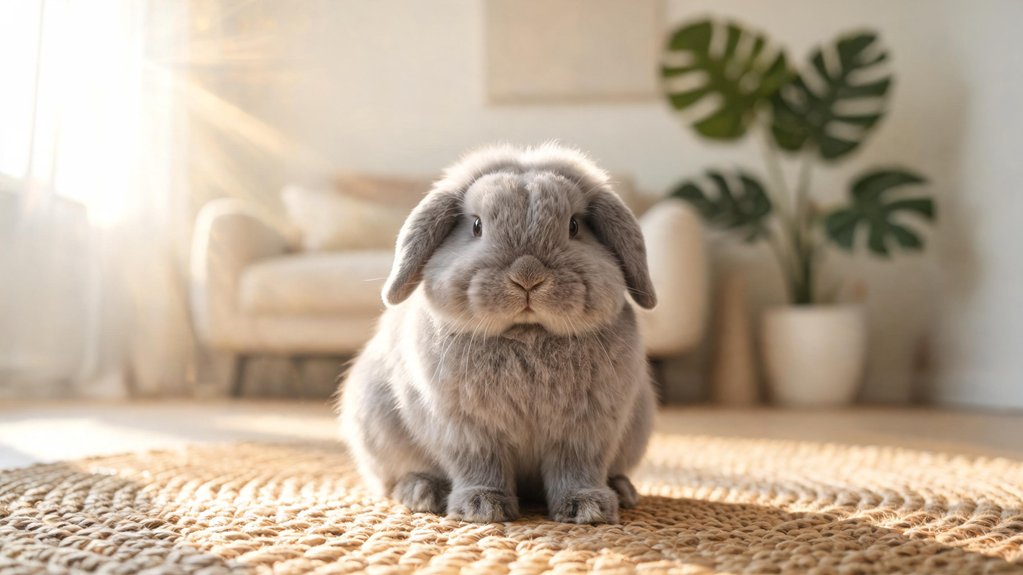
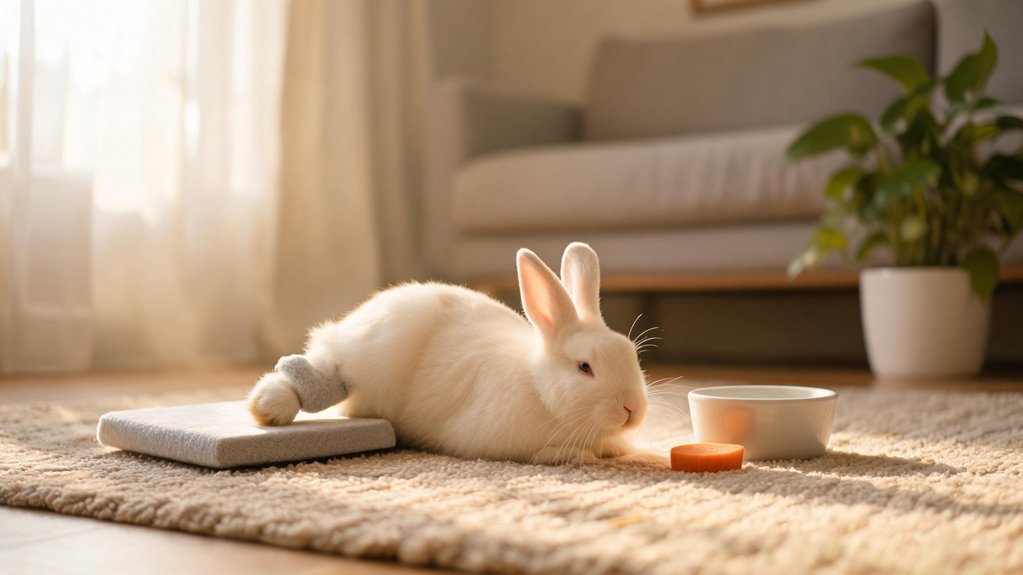
Set up a calm, familiar spot with a non-slip towel, dim light, and no stressors. Weigh your rabbit and do a quick body check: ribs should be easy to feel, not poking. Watch posture and gait for 30 seconds, and note any head tilt that doesn’t go away.
Check eyes to ensure they are clear and not weepy. Then look at the nose and ears for crusts or sneezes, and listen to the breathing at rest for 30 seconds. Finally, examine the teeth, gums, droppings, and fur or skin, plus the hocks. Keep going to see the full steps.
Swift Summary
- Set up a calm, familiar, dim space and use a non-slip surface for gentle handling during a quick, non-stressful check.
- Assess body condition by weighing consistently and visually feeling ribs, spine, hips, and rump for thinness or fat.
- Observe posture and gait, then check head position for persistent tilt, falling, circling, or weakness requiring immediate vet evaluation.
- Examine eyes for clarity and any discharge, squinting, cloudiness, or swelling, and contact a vet if symptoms persist or worsen.
- Check nose/ears and breathing by listening for snuffles, looking for crusting, and monitoring respiratory rate for labored or emergency signs.
Choose a Calm Setup for a Rabbit Health Check
Before you touch anything, set up a calm, distraction-free environment that promotes a relaxed and cooperative behavior from your rabbit during the health check. Choose a quiet, familiar space within their usual habitat—such as their enclosure, cage, or preferred corner—away from dogs, children, and other potential stressors that might introduce unfamiliar scents or noise.
Create a calm, distraction-free space in their familiar habitat, away from stressors, to encourage relaxed cooperation during the health check.
Conduct the check during a time when your rabbit is naturally resting or less active, ensuring they’re in a calm state prior to inspection.
This designated space should have consistent sights, sounds, and scents to minimize stress and promote a sense of safety. Use a non-slip, absorbent towel or a specialized bath mat to prevent slipping during handling, and opt for moderate or slightly dim lighting to avoid startling your rabbit.
Maintain a comfortable room temperature, ideally between 60-70°F (15-21°C), with good airflow to ensure your rabbit’s comfort throughout the process. Keep glare off reflective surfaces, soften your voice to sound reassuring, and leave the carrier or pen open to encourage voluntary exploration, always update resources. helping your rabbit associate the environment with positive experiences.
For optimal health monitoring and early detection of potential issues, perform a weekly rabbit health check, following a gentle and methodical approach. Use these calm and inviting setup guidelines as part of your routine to make each inspection efficient, stress-free, and solutions-focused.
Consistent attention to your rabbit’s health environment empowers you to promptly identify any signs of illness, pain, or discomfort, supporting your goal of maintaining their wellbeing and preventing costly vet visits through proactive care.

Designed for Pets: Pet mat provide a comfortable place for pet to relax. Tips: The creases are from the packaging. Roll the rug the other way and leave it flat for a while. Rabbits can tear carpet folds. They need to be smoothed out before pet use them

Fast Drying: Premium Microfibre Material. Lightweight, Super Absorbent, Fast Dry, these ferret towel bags have applied high absorbent fabric material, extremely durable, comfortable, can quickly absorb the moisture on the small pet body, prevent the pet cold.
Do a Quick Body Condition and Weight Check
Now, perform a quick body condition and weight check on your rabbit—think of it as a rapid “spot the trend” assessment rather than a stressful test. Use a reliable digital scale to weigh your rabbit consistently, ideally at the same time each day or week, and record the measurements diligently. Tracking weight stability helps you identify health trends early and ensures your rabbit maintains an optimal weight range. Body Condition is especially important because overweight rabbits face higher risks for cardiovascular, joint, gastrointestinal, urogenital, and liver diseases.
Next, evaluate your rabbit’s body shape from the side and top views, focusing on specific visual cues. Look for a slight waist difference between the ribs and hips, and observe if the abdomen gently tucks in rather than hanging or bulging. This visual assessment is essential for maintaining your rabbit’s overall health and detecting early signs of weight changes.
Additionally, gently feel for the ribs, spine, hips, loin, and rump areas. Ideally, these landmarks should feel rounded and easily palpable. Sharp, prominent bones indicate a thin condition, while difficulty feeling bones combined with a firm layer of fat suggests your rabbit may be overweight.
For more precise evaluation, utilize a 1–5 or 1–9 Body Condition Score (BCS) chart to identify thin or obese statuses early. Employing these methods provides a practical, solution-focused approach to maintaining your rabbit’s optimal health and ensuring proactive care.
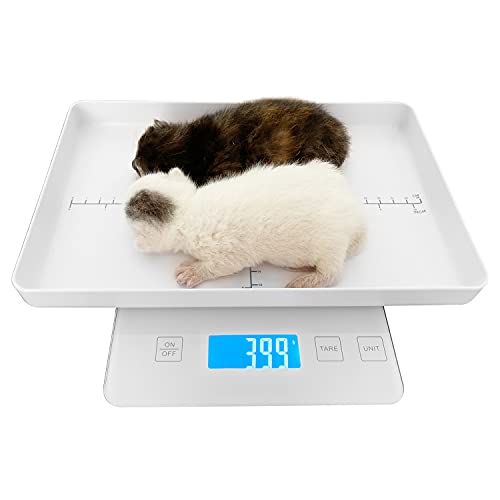
【This pet scale can measure the weight Maximum: 33lbs, minimum: 2g/0.07oz】Accurately measure newborn pets or small pets, hamsters, squirrels, spiders, small snakes, lizards, kittens, dogs, rabbits, and other small animals' weight, to ensure accurate assessment and supplement feeding. Please do not weigh large pets that weigh more than 15kg/33lbs.

🐾 PUPPY & KITTEN SCALE FOR DAILY GROWTH TRACKING – Designed for newborn puppies, kittens and other small pets, this digital puppy scale makes it easy to monitor weight changes during the important early stages of growth. Ideal for breeders, foster families, whelping and everyday pet care.

【Cute Pet Scales Designed for Small Animals】With a tray, size 12"X 9", perfect for weighing guinea pigs, rabbits, reptile turtles, spiders, tree frogs, newborn kittens, puppies and more, this The 1-gram scale ensures accurate assessment of the small animal's weight. Note: Please do not weigh pets over 15kg/33lbs.
Check Posture, Gait, and Head Tilt
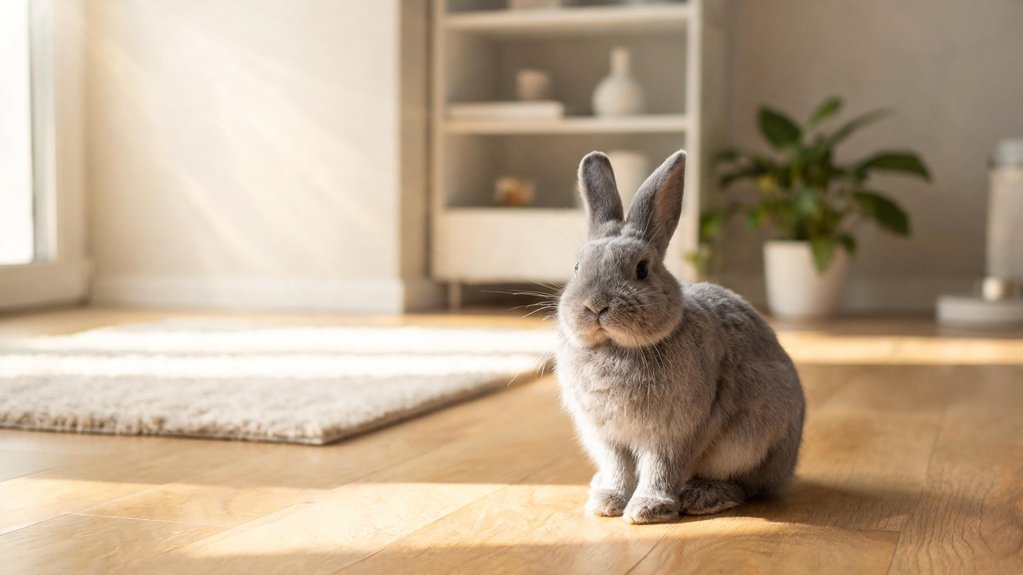
Start by carefully observing your rabbit from the side, then from the front, while they’re relaxed and curious. A healthy rabbit maintains an upright, comfortable posture, displays symmetrical gait, and moves easily without limping or discomfort. Don’t rely on a single glance—spend at least 30 seconds watching their movement, hopping, and turning to detect subtle signs of health issues. Also note whether your rabbit shows trouble breathing, since this can appear along with abnormal movement or posture.
Next, check for warning postures that may indicate health concerns. Look for hunched sitting, teeth grinding, floppy weakness, or frantic shifting, as these signs require immediate consultation with a rabbit-savvy exotic veterinarian. If your rabbit refuses to hop, walks stiffly, limps, or moves on tiptoes, these are serious indicators that prompt urgent veterinary intervention is necessary.
Watch for hunched sitting, teeth grinding, floppy weakness, or frantic shifting—signs needing immediate consultation with a rabbit-savvy exotic veterinarian.
Then, assess your rabbit for head tilt abnormalities. A persistent head tilt, falling, circling, or bumping into objects can signal severe health problems. Immediate professional evaluation is essential to diagnose and treat underlying issues, ensuring your rabbit’s swift recovery and ongoing well-being.
Taking these proactive monitoring steps and seeking prompt veterinary care when warning signs appear can significantly improve your rabbit’s quality of life and prevent severe health complications.

7-in-1 Rabbit Grooming Kit: Not only gentle and safe for small animals, such as rabbit, hamster, guinea pig, and chinchilla; but also work great for larger animals like cats and dogs. Soft silicone small animal massage comb can help you protect your pet's skin and effectively keep their fur clean, healthly.
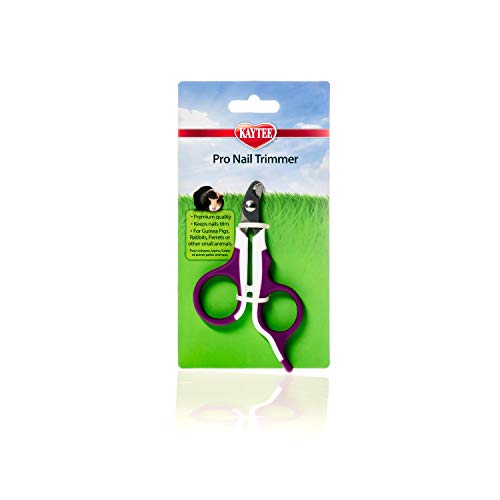
Professional quality

Vet & Groomer Recommended Professional Design: Preferred by veterinarians, trainers and groomers, these clippers deliver fast, safe and precise trimming for medium and large dogs, ideal for at-home daily grooming.
Inspect Eyes, Nose, and Ear Health
Now, check your rabbit’s eyes carefully, as clear, bright eyes should appear smooth and free of weepy, crusty, or cloudy conditions. If you notice any discharge, squinting, or if one eye remains closed, it’s essential to contact a rabbit-savvy exotic veterinarian promptly to address potential health issues early.
Next, examine the rabbit’s nose closely and listen attentively for about 10 seconds. Healthy nostrils should be dry and silent, indicating proper respiratory function. However, sneezing combined with wetness or crusting around the nose may signal a respiratory or dental problem that requires immediate veterinary attention to prevent further complications.
Finally, gently flip the ears to assess their health. Healthy ears are clean, free of thick scabs, brown or white crust buildup, foul smells, or crust spreading onto the face or neck. The presence of these signs suggests underlying issues that shouldn’t be ignored, and seeking expert veterinary care can help ensure your rabbit’s comfort and well-being. Regularly inspecting these areas using a trusted animal health care provider can prevent minor issues from escalating into more serious conditions.

【Pet Eye Wipes】300Pcs Eye Wipes Can Effectively and quickly removes dried mucus secretions, discharge, crust, tear stains, and saliva stains around your pet's eyes.

Flushable,Gentle and High Absorbency: Dr.Easy Dog and cat eye wipes are proudly made by flushable non-woven pads, it is high absorbency, soft, gentle, lock in liquid and flushable. After use, just throw it into toilet and flush it away.

GENTLE CLEANING & EXCELLENT DESIGN: 120 pcs, 3-inch diameter. The wet wipes are made of high-quality non-woven fabric and are designed with exquisite pearl threads to increase friction, provide deep cleaning and are more comfortable. Designed specifically for pet eye cleaning, it safely and effectively removes sensitive and dry mucus secretions, secretions, and scabs.
Check Eyes For Discharge
When conducting your rabbit health check, start by examining the eyes carefully, as eye issues can serve as early indicators of infections, dental problems, or other underlying health conditions.
Use a bright, focused light to illuminate the eyes while sitting quietly to ensure you get a clear view.
Look for signs of discharge, which can range from normal to concerning.
Healthy rabbit eyes appear clear, bright, and free of redness, cloudiness, or swelling.
Pupils should be about equal in size and reactive to light, with eyelids smoothly functioning without swelling or puffiness.
Pay close attention to the fur surrounding the eyes, ensuring it’s dry, clean, and free of tear staining.
Detect any watery, white, or mucous discharge that could indicate minor irritation or a developing infection.
Be vigilant for thick, colored, or pus-like discharge, or persistent weeping, all of which warrant immediate consultation with an exotic pet veterinarian.
If you notice your rabbit squinting, blinking rapidly, or showing signs of pain during eye examination, seek professional veterinary help promptly to address potential issues early and ensure your pet’s well-being.
Regular eye checks using these focused guidelines can help you detect problems early and maintain your rabbit’s optimal health.
Monitor Nose Sneezing And Crusting
Next, thoroughly check your rabbit’s delicate nasal area for signs of sneezing, crusting—dry, scab-like formations caused by mucus buildup—or any abnormal wetness or discharge around the nostrils.
Occasional, single sneezes are often normal and triggered by common irritants like dust particles or hay dust. However, frequent, repetitive sneezing episodes, especially coupled with noisy “snuffles,” strongly indicate underlying health issues such as rhinitis or a respiratory infection that require prompt attention.
Observe the nature of the nasal discharge—initially, it might be thin and watery, but as the condition progresses, it can become thicker, yellow, or milky in appearance, possibly accompanied by small particles or crusts.
Don’t forget to inspect the fur inside your rabbit’s front legs, as sticky nasal fluids can cause matting from repeated wiping, leading to further discomfort and potential skin issues.
If your rabbit exhibits rapid or labored breathing, or if there’s a sudden cessation of eating or normal bowel movements, immediate consultation with an experienced exotic pet veterinarian specializing in rabbit health is crucial.
Early intervention can prevent serious complications, ensuring your pet recovers swiftly and maintains optimal respiratory function.
Always prioritize professional veterinary advice for persistent or severe symptoms to safeguard your rabbit’s well-being.
Examine Ears For Scabs
Grab a comfortable spot and gently examine your rabbit’s ears as part of a thorough health check. Carefully observe the outer ear flap for any signs of crusting, discoloration, or abnormal buildup, paying close attention to the presence of brown or red-brown crusts, thick scales adhered to the skin, or “ear canker” crust lining the ear canal.
Next, inspect the canal opening for abnormalities, including redness, swelling, inflammation, bleeding, or foul, sour odors which could indicate infection or mite infestation.
You might also notice mites moving within wet exudate, a common sign of ear mite infestation. Feel the base of the ear for warmth, thickening, or the presence of nodules that could suggest underlying issues.
Be alert for behavioral signs such as scratching, head shaking, drooping ears, or head tilt, which can indicate discomfort or neurological complications. Additionally, observe for balance issues, decreased appetite, or reduced activity levels.
If your rabbit’s ears are painful, discharge is visible, or your pet stops eating or pooping for more than 12 hours, it’s essential to seek prompt evaluation from a rabbit-savvy exotic veterinarian.
Regular ear checks using these detailed inspection techniques help prevent minor issues from developing into serious health problems, ensuring your rabbit remains comfortable, healthy, and happy.
Always prioritize swift action to address potential ear infections or mite infestations with appropriate treatment recommended by an experienced veterinarian.
Listen for Breathing Trouble and Noisy Airways
After you’ve carefully checked your rabbit’s nose, face, and surrounding facial features, listen with calm, focused attention for signs of breathing trouble and noisy airways. Monitor their respiratory rate at rest, noting how many breaths per minute they take, and observe for chest heaving, strained or irregular breathing patterns, which may indicate distress. If you notice your rabbit breathing through an open mouth, or if their lips or tongue appear blue or purple, treat this as a medical emergency and contact a rabbit-savvy exotic veterinarian immediately for professional assessment and urgent care.
Next, thoroughly check for abnormal respiratory sounds such as wheezes, rattles, grunts, or clicking noises, and carefully observe for sneezing episodes accompanied by nasal discharge or mucus. Be attentive to any “mucky” or moist sounds as air moves through their nasal passages, which can signal upper respiratory infections or airway obstructions. Addressing these issues promptly with expert veterinary guidance can significantly improve your rabbit’s respiratory health and prevent life-threatening complications.
For ongoing respiratory concerns or persistent symptoms, seek a specialized exotic veterinary provider to ensure comprehensive diagnosis and tailored treatment options for your beloved pet.

DELICIOUS, NUTRITIOUS RABBIT TREATS FOR BONDING: Crunchy, flavorful rabbit treats for bunnies made with real strawberries to support healthy enrichment; perfect treats for rabbits, guinea pig treats, and even hamster treats to build trust & interaction

HEALTHY SNACK FOR SMALL PETS: Made with Western Timothy Hay, carrots, and dill, these heart shaped treats are the perfect healthy snack; Great for rabbits, guinea pigs, and bunnies looking for tasty pet treats that support a balanced rabbit food routine

Delicious, teddy bear shaped treats with hint of vanilla
Check Breathing Rate And Effort
Take a moment to carefully assess your rabbit’s breathing rate and effort, as these vital signs provide critical insights into their health and well-being. When your rabbit is calm and undisturbed, count the number of breaths for 30 seconds, then double that number to determine the breaths per minute. Normal resting breathing for a healthy rabbit typically ranges from about 30 to 60 breaths per minute.
Next, observe the rhythm of your rabbit’s breathing. Smooth, even chest movements indicate normal respiratory function, while irregular or labored breathing patterns can be signs of underlying health issues. Watch for short, rapid, shallow breaths or slow, deep respirations, as these can signal distress and may require immediate veterinary attention.
Evaluate the effort your rabbit makes when breathing. Signs such as belly “pumping,” flaring nostrils, or a hunched posture can indicate respiratory difficulty. Persistent labored breathing, irregular breathing patterns, or cyanosis—a bluish discoloration of the mucous membranes—are urgent signs that require prompt veterinary care.
Additionally, note if your rabbit hasn’t eaten or defecated for more than 12 hours, which is a serious emergency.
Watch For Wheezes Or Clicks
Once you’ve checked the rabbit’s breathing rate and how hard your furry companion works to breathe, it’s essential to listen closely for wheezes or clicks. Use your ear to carefully monitor their chest, pausing between breaths to detect any abnormal sounds. Wheezing—harsh, high-pitched noises—indicates airway constriction or difficulty airflow, which requires prompt attention. Clicking or rattling sounds that align with each breath could signal mucus buildup, fluid presence, or a blocked airway, all of which demand immediate veterinary diagnosis.
In addition, listen for crackling or popping sounds that may occur during inhalation or exhalation, as these often point to respiratory infections or lung issues. You might also notice “snuffly” congestion sounds from the upper nose, indicating sinus or nasal passage problems.
If your rabbit exhibits repeated noisy breathing while at rest or if these sounds are a new development, contact a rabbit-savvy exotics veterinarian without delay. Recognizing these early warning signs ensures timely intervention, helping to safeguard your pet’s respiratory health and prevent potentially serious complications such as respiratory distress or pneumonia.
Always treat struggling or persistently noisy breathing as an urgent medical condition that requires professional evaluation and treatment.
Listen For Nasal Discharge Noises
But don’t just watch your rabbit’s chest; Listen closely to the nose, too. Place your ear near the nares—avoiding direct contact—and breathe quietly for a full minute to establish a baseline.
Rabbit breathing is typically quiet, even when they breathe rapidly, so any deviation can signal underlying issues.
Pay close attention to nasal discharge sounds such as snuffling, persistent snorts, loud sneezes, or rattling airflow.
These noises can indicate conditions like rhinitis, nasal infections, or other nasal diseases that require prompt diagnosis.
Thick yellow, crusty, or mucoid mucus often causes airflow obstruction, making breathing sound congested or stuffed.
If you notice your rabbit snoring, grunting, or exhibiting open-mouth breathing, these are signs of urgent respiratory distress.
Seeking immediate consultation from a specialized exotic veterinarian experienced in small mammal health is critical.
Additionally, if your rabbit isn’t eating or pooping for more than 12 hours, treat this as a medical emergency that necessitates urgent veterinary attention to prevent severe health deterioration.
Prioritize regular nasal and respiratory checks to ensure your furry friend maintains optimal health and comfort.
Look in the Mouth: Teeth and Jaw Signs
When you look in your rabbit’s mouth, you’re checking for potential tooth and jaw problems that can develop silently and cause discomfort before other symptoms become apparent.
Performing this examination on a non-slip surface and using a gentle, secure hold is essential because rabbits are experts at masking pain and panic, which makes early detection critical.
Carefully lift the lips to assess the incisors: healthy, well-maintained teeth should be smooth, white, and symmetrical with two upper and two lower incisors.
They should meet evenly, with the upper incisors slightly overlapping the lower, and no gaps or protrusions beyond the lips.
Next, examine the gums for signs of health or concern: look for a normal salmon-pink color, with no redness, swelling, sores, or bleeding.
Any difficulty performing this check, combined with symptoms such as drooling, a wet chin, mouth ulcers, bad odor, or facial swelling, indicates a potential dental or jaw issue.
These signs are critical indicators that prompt the need for a professional, rabbit-savvy exotic veterinarian consultation.
Addressing dental health promptly can prevent further complications and ensure your rabbit’s comfort and well-being.
Using specialized tools and expertise, a veterinarian can perform necessary treatments or adjustments, ultimately protecting your pet’s health and quality of life.

【Safe and Sturdy】StarSpeed food and water bowls for dog is made from 18/8 (304) food grade stainless steel, BPA free, specifically designed for small or large-sized dogs. The metal dog bowl has the functions of keeping cold, safe and Sturdy, rust-proof and wear-resistant

CUTE CERAMIC DOG BOWLS – Show some love to your furry friend and make their mealtime even more exciting with our super cool personalized dog bowls, featuring playful accents like bones and paws. Suitable for serving dry kibble, treats, wet food, or water.
Part Fur to Find Skin, Coat, and Parasites
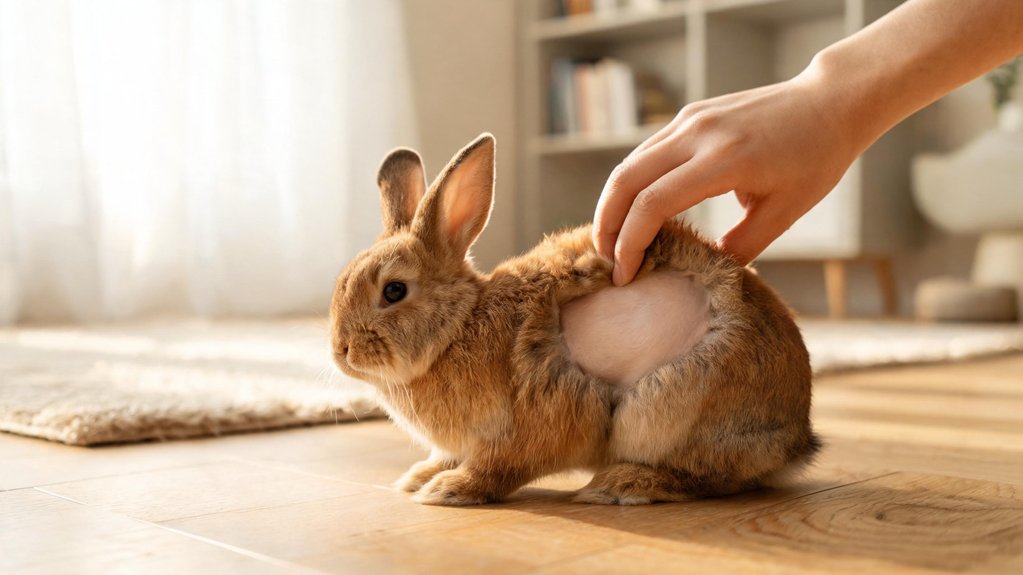
And now, you’re going to part your rabbit’s dense, soft fur in small sections along the back and shoulders.
Use a strong, focused light to clearly see the rabbit’s delicate skin underneath the fur.
Carefully examine for healthy, pale-to-pink, smooth skin, and be vigilant for signs of skin problems such as red patches, scabs, crusty flakes resembling dandruff, or black specks.
Collect any black specks with a fine comb to check for flea dirt, which indicates flea infestation.
Early detection of skin issues is crucial in maintaining your rabbit’s overall health and preventing discomfort.
If you notice sticky, wet fur around the bottom, worsening patches, or if your rabbit stops eating or pooping for more than 12 hours, contact a rabbit-savvy exotic veterinarian immediately.
Regular and thorough fur inspections are essential for catching parasites and skin disorders early, ensuring your rabbit stays comfortable, parasite-free, and healthy.
Proper examination and prompt veterinary intervention can prevent minor issues from escalating, helping you provide optimal care for your beloved pet.

【Ideal for Weighing Newborn Cats and Dogs】This MINI puppy scale is perfect for weighting newly born pets or little pets. the length of the tray is 11.4". can measure weight (Max : 33lbs),For pets under 33 pounds but longer than 11.4 inches, this scale may be too small. NOT LARGE ENOUGH FOR ADULT CATS/DOGS.

🔧 No Assembly Required: The all-in-one design enhances stability and durability, requiring no assembly. Ready to use right out of the box, it’s ideal for busy pet owners who want convenience and reliability in one product
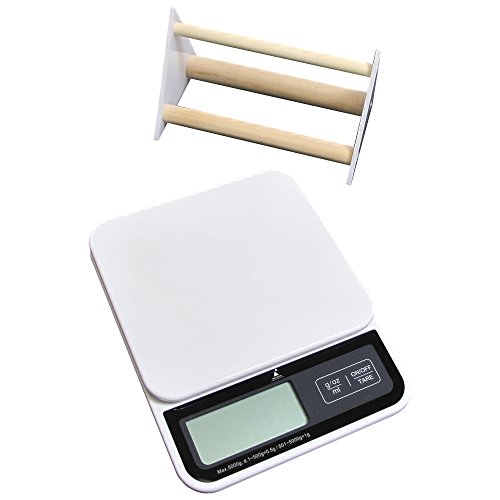
complete small pet or aviary weight monitoring system
Part Fur To Inspect Skin
To conduct a comprehensive rabbit health check, it’s essential to carefully part the dense fur to reveal the underlying skin and identify any potential issues.
Start by selecting a calm and quiet moment, placing your rabbit on a stable, non-slip surface to ensure safety and minimize stress.
Support the rabbit’s body gently—avoid pulling or stretching the fur during this process—while you handle the grooming.
Run your hand against the coat’s natural lay to lift the fur easily.
Then, perform short, repeated partings along critical areas such as the back, sides, neck, and rump.
For rabbits with dense wool, use a gentle blow of air to open up the coat and access the skin more effectively.
Healthy rabbit skin should be pale pink, smooth, and free from redness or inflammation.
The fur should be even, shiny, and free from mats, while the skin underneath should show no signs of sores, thickened spots, crusts, or moist redness.
Regularly inspecting your rabbit in this manner is vital for early detection of skin infections, parasitic infestations, or other health concerns.
If you notice any abnormalities such as sores, thickened areas, crusts, or persistent redness, contact a rabbit-savvy exotic veterinarian immediately.
Implementing routine skin inspections with these detailed steps ensures your rabbit remains healthy, comfortable, and well cared for, promoting overall well-being and longevity.
Check For Parasites And Dandruff
After you part the rabbit’s fur to check the skin, it’s essential to look for signs of parasites and dandruff, as these indicators often reveal underlying health issues before other symptoms become visible. Carefully examine the coat for scratching, nibbling, and overgrooming behaviors, which can all signal discomfort caused by external parasites or skin irritation.
Pay close attention to patchy hair loss on the neck, shoulders, back, and hindquarters, as these areas are common sites for mite infestations and other parasitic problems. Look for tiny, moving specks or small insects hidden within the fur—such as fur mites or flea eggs—since early detection can prevent serious health complications.
Additionally, identify thick, white flakes concentrated over the shoulders and back; these “walking dandruff” signs are often indicative of fur mite infestations that require prompt treatment.
To further assess the problem, wet any black specks you find; if they turn reddish-brown, this is a sign of flea dirt or flea feces, which suggests a flea infestation. Also, carefully check the rabbit’s ears for thick, brown crusts, as ear mites or other infections may be present.
If you notice crusting, spreading redness, or if your rabbit shows signs of discomfort such as not eating or persistent scratching, it’s crucial to consult a rabbit-savvy exotic veterinarian. Early intervention can effectively eliminate parasites and dandruff, ensuring your rabbit remains healthy, comfortable, and parasite-free.
Check Nails, Feet, and Sore Hocks
Check your rabbit’s nails, feet, and hocks regularly as part of your comprehensive health maintenance routine. Think of this as a quick “shoe and skin” inspection that enables early detection of potential issues, ensuring your rabbit’s comfort and well-being.
Start by thoroughly inspecting all four feet, including the dewclaws. A nail check should be performed approximately every 4 to 6 weeks. Look for nails that extend past the toe fur or produce clicking sounds when your rabbit walks on hard floors, as these indicate the need for trimming.
Inspect all four feet and dewclaws every 4–6 weeks; trim nails if they snag or click on hard floors.
Use calm handling techniques, support your rabbit’s body gently, and trim front and back nails separately to reduce stress. If the nails are very dark, seek assistance from a veterinarian experienced in rabbit care to prevent injury.
Next, examine each hock for a small match-head-sized bald spot. Watch for signs of sore hocks, such as red, thinning fur, swelling, scabs, or open sores. These symptoms require prompt attention to prevent discomfort and further complications.
If you notice any of these indicators, contact a rabbit-savvy exotic veterinarian for professional evaluation and treatment plans. Regular monitoring combined with timely grooming and veterinary care ensures your rabbit’s feet remain healthy, pain-free, and fully functional.

7-in-1 Rabbit Grooming Kit: Not only gentle and safe for small animals, such as rabbit, hamster, guinea pig, and chinchilla; but also work great for larger animals like cats and dogs. Soft silicone small animal massage comb can help you protect your pet's skin and effectively keep their fur clean, healthly.

Vet & Groomer Recommended Professional Design: Preferred by veterinarians, trainers and groomers, these clippers deliver fast, safe and precise trimming for medium and large dogs, ideal for at-home daily grooming.

🐶【PERFECT DESIGN】High Quality Stainless Steal blade Cat & Kitten and easy for cut which is Small, lightweight claw clippers ideal for cats, kittens and other small animals.
Inspect the Rear End for Stuck Poo
Take a minute to thoroughly inspect your rabbit’s rear end every day, as a “stuck poops” problem can quickly escalate into a serious health issue if left untreated.
Gently lift the base of the tail and carefully examine the area for signs of faecal staining, wetness, or clumps of stuck feces, which indicate potential blockages.
Check the fur surrounding the anus and genitals, ensuring it remains clean, dry, and free of sticky cecotropes that can cause discomfort or infection.
Additionally, carefully scan the skin around the rear for redness, chapping, swelling, or open sores that may signal irritation or underlying health concerns.
Look out for any waxy brown discharge or unusual odor that might suggest infection or impaction.
During warmer months, it’s especially important to be vigilant for external parasites such as blowflies, eggs, or maggots, which can pose serious threats to your rabbit’s health.
If you notice a persistently dirty bottom or signs of diarrhea, seek immediate guidance from a rabbit-savvy exotics veterinarian.
Regular inspection and prompt intervention help prevent complications, ensuring your rabbit stays comfortable, healthy, and happy.
Investing in routine checks and professional advice from specialized vets ensures effective management of grooming issues and prevents emergencies.

Daily Tear Stain Care for Dogs & Cats: Gently wipe away tear residue, dried discharge, eye boogers, crust and daily buildup around your pet's eyes. A simple daily grooming routine helps keep white and light-colored faces looking clean, fresh and well cared for.

VET-DEVELOPED EYE WIPES: Formulated in consultation with a US-licensed veterinarian to help remove dirt, discharge, and debris while being gentle enough for the delicate eye area during routine cleaning and maintenance

Gentle Dog Eye Wipes for Tear Stains & Buildup: Clean and refresh with these dog eye wipes designed to remove tear stains, eye discharge, and crusty buildup. Ideal for daily eye care routines to help keep your dog’s eyes clear, comfortable, and healthy-looking.
Monitor Eating, Drinking, and Toileting Habits
Monitor Eating, Drinking, and Toileting Habits to Maintain Your Rabbit’s Health
Begin by observing your rabbit’s daily behaviors, focusing on eating, drinking, and pooping patterns, as these vital signs provide crucial early indicators of health issues. Establish a clear baseline over 1–2 weeks by tracking the quantity and quality of hay consumption, leafy green intake, pellet feeding, and water consumption. Record the consistency and volume of wet spots, hard pellet output, and your rabbit’s weight regularly to identify subtle changes that may signal underlying problems.
Twice daily, check your rabbit’s hay piles to ensure they’re being consumed adequately and note the finishing time of the green portion—rapid consumption may indicate good health, whereas slow or no eating warrants immediate attention. Measure how much fresh water disappears within 24 hours to gauge hydration levels effectively. Additionally, monitor the number and size of urine spots daily, watching for decreases in frequency or darker urine coloration, which can suggest dehydration or urinary issues. Be vigilant for any signs of straining during urination or defecation, as these are common symptoms of potential health emergencies.
Any sudden decrease in eating, water intake, or pooping, or if your rabbit stops eating or pooping altogether for more than 12 hours, should prompt an urgent consultation with a rabbit-savvy exotic veterinarian. Regularly tracking these detailed health indicators enables early intervention, ensuring your rabbit maintains optimal health and wellness. Using these precise monitoring techniques enhances your ability to catch and address health concerns before they escalate, providing peace of mind and a better quality of life for your pet.

WHOLESOME VEGGIES: Made with wholesome veggies like bell peppers and carrots, these nutritious pet treats provide a tasty, healthy reward for rabbits, guinea pigs & small pets; Perfect for bunnies, hamsters, and more, they add variety to your pet’s diet


DELICIOUS RABBIT TREATS MADE WITH REAL BANANA: Wholesome, crunchy rabbit treats for bunnies made from freeze-dried bananas; a healthy, flavorful reward that encourages bonding & supports enrichment for rabbits, guinea pigs, hamsters, and other small pets
What Do Normal Rabbit Droppings Look Like?
When performing a rabbit health check at home, your primary focus should be on the litter box and surrounding areas, as normal rabbit droppings are key indicators of gut health. Recognizing the characteristics of healthy fecal matter can help you quickly identify potential health issues and take proactive steps.
Look for two main types of droppings. The first are hard fecal pellets, which are small, round, and dry. They resemble fibrous “cocoa puffs” and typically vary in color from golden to dark brown. These pellets usually emit little odor, indicating healthy digestion.
The second type are soft cecotropes, also known as caecals, which appear as dark, shiny, grape-like clusters coated in mucus. These cecotropes are generally produced overnight or early in the morning and are essential for nutrient absorption.
Since cecotropes are usually eaten immediately by the rabbit, you typically won’t see them scattered around the cage or living area. However, noticing their presence or absence can be a critical sign of your rabbit’s overall digestive health.
Maintaining regular checks of these droppings can help you identify early signs of digestive or health problems. Using quality rabbit-specific litter and environmental enrichment, alongside consistent health monitoring, ensures your rabbit stays healthy and happy.
If you observe any abnormal droppings or changes in size, shape, or odor, consult a veterinarian to address potential underlying concerns promptly.
Emergency Rabbit Illness Signs: No Poops, Collapse
No poops and collapse are two of the most alarming signs your rabbit can display, and they require immediate attention. If you notice your rabbit hasn’t produced feces and shows a reduced or loss of appetite, don’t delay in seeking urgent veterinary care.
Time is critical—if your rabbit hasn’t eaten or produced droppings for 12 hours, it’s an emergency situation that demands prompt intervention.
Watch for additional distress signals such as lethargy, hunching, teeth grinding, a bloated abdomen, or cold ears and body temperature.
Collapse may indicate shock, evidenced by pale gums, delayed capillary refill time, or a weak pulse.
To stabilize your rabbit, keep them warm with appropriate bedding or blankets and seek out a specialized exotic or rabbit-savvy veterinarian immediately.
Acting swiftly with the right veterinary intervention can make the difference between life and death for your beloved pet.
If Something’s Off: What to Do Next and Call the Vet
If your at-home rabbit health check reveals any signs of concern, such as abnormal behaviors or physical symptoms, don’t delay seeking professional advice. Contact a rabbit-savvy exotic veterinarian promptly to assess the urgency and determine the appropriate course of action. Early veterinary intervention can make the difference between quick recovery and serious complications, so take every symptom seriously.
If your rabbit isn’t eating or hasn’t pooped for more than 12 hours, treat it as a medical emergency to prevent dehydration, gastrointestinal stasis, or other critical conditions. Before calling the vet, document the timing of symptom onset, changes in droppings—such as consistency, frequency, or color—along with any alterations in appetite, energy levels, posture, or breathing rate. Note any signs of eye, nose, or ear discharge, along with behaviors like a hunched stance, limping, or lack of movement.
Vets are especially alert to severe symptoms like diarrhea accompanied by listlessness, abdominal bloat with loud gut sounds, gasping or labored breathing, and head tilt. These signs often indicate serious conditions requiring immediate diagnosis and treatment. Acting quickly with expert veterinary guidance ensures your beloved rabbit receives targeted care that can stabilize their health and support recovery.
Frequently Asked Questions
How Often Should I Do a Full Rabbit Health Check at Home?
You should perform a comprehensive at-home rabbit health check approximately every four weeks. Regular assessments are essential for early detection of health issues, ensuring your rabbit remains in optimal condition. If your rabbit tolerates handling well, conducting weekly hands-on checks can be highly effective for ongoing health monitoring.
Healthy indoor rabbits have a bit more flexibility and can typically be checked every 6 to 8 weeks, but it’s important to observe their daily behavior and physical condition closely. Incorporate these regular checks into your routine to maintain their well-being and identify any signs of illness promptly. Additionally, scheduling an annual veterinarian examination with a certified rabbit-savvy vet provides a professional assessment of your pet’s overall health, reinforcing your proactive care approach. Using quality health check kits and grooming supplies from trusted pet care brands can enhance your ability to monitor and maintain your rabbit’s health efficiently.
What Rabbit Poop Changes Mean I Should Call an Exotics Vet Today?
Call an exotic veterinarian today if your rabbit produces significantly fewer fecal pellets than usual, indicating potential gastrointestinal stasis or dietary issues. Immediate consultation is essential if your rabbit has gone 8–12 hours without passing fecal pellets, which can signal serious health concerns such as gut motility problems.
Additionally, seek urgent veterinary attention if your rabbit passes soft, unformed stool or mucus, or if you notice blood within their feces. These symptoms may suggest underlying infections, parasitic infestations, or gastrointestinal trauma that require prompt diagnosis and treatment.
Furthermore, if your rabbit shows signs of anorexia, lethargy, or exhibits a bloated, painful abdomen, these are critical indicators of potential severe health issues. Early intervention by a qualified exotics veterinarian can prevent complication escalation, alleviate discomfort, and restore your rabbit’s digestive health efficiently. Prioritize professional care immediately to ensure the well-being and longevity of your beloved pet.
How Can I Tell if Sneezing Is Normal or a Respiratory Infection?
You can determine if sneezing is normal or indicative of a respiratory infection by observing the frequency and nature of the symptoms. Occasional, isolated sneezes with no accompanying eye or nose mucus are typically minor and not a cause for concern. However, repetitive, forceful sneezing, especially if accompanied by noisy breathing or abnormal nasal or eye discharge, may signal a developing respiratory infection.
Additional signs to watch for include a runny or pus-like nasal or eye discharge and a decrease in appetite or reduced eating behavior. These symptoms often require prompt intervention. To ensure your pet’s health and obtain an accurate diagnosis, it is highly recommended to consult with a rabbit-savvy exotics veterinarian. Timely veterinary care can help diagnose the issue early and provide appropriate treatment, preventing potential complications.
Should I Trim My Rabbit’s Nails Myself, or Is a Vet Better?
Trim your rabbit’s nails yourself only if the nails remain at a normal length, the process keeps your rabbit calm, and you feel comfortable handling your pet’s paws. Regularly maintaining the nails at an appropriate length can prevent painful overgrowth, reduce the risk of infection, and promote overall paw health.
However, if the nails are overgrown, appear sore, show signs of infection, or cause your rabbit to panic during trimming, it’s safer to consult a specialized exotic vet experienced in small animal care. A professional can ensure precise, gentle trimming that minimizes stress and prevents injury. Prioritizing expert assistance when necessary helps maintain your rabbit’s comfort and safety, making regular vet visits a valuable part of responsible pet ownership.
If My Rabbit Stops Eating, When Exactly Is It a Medical Emergency?
“When it comes to rabbits, don’t play the waiting game. If you observe your rabbit experiencing complete anorexia—meaning no food intake at all—or if it hasn’t eaten for 12 hours, this is a critical sign that requires immediate veterinary attention. Additionally, if your rabbit goes 4 to 6 hours without eating and produces significantly less fecal output, it indicates possible gastrointestinal stasis, which can quickly become life-threatening.
In such urgent situations, promptly contacting an experienced, exotic animal veterinarian specializing in rabbit healthcare is crucial. Early intervention can prevent the progression to severe health crises or death. To ensure your pet’s safety, consider incorporating regular dietary checks, providing a high-fiber diet, and scheduling routine wellness exams with a rabbit-savvy veterinary professional. Immediate action and professional guidance are essential to maintain your rabbit’s health and prevent fatal complications.”