If your rabbit’s “hairball” (wool block or trichobezoar) is brewing, act fast—rabbits can’t vomit. You’ll see appetite drop within 2 to 7 days, then often no droppings, a bloated belly, and reduced gut sounds, hunched posture, or teeth grinding.
It usually happens when hair ingestion rises during grooming and hay intake drops, slowing gut “traffic.” This becomes an emergency if they refuse to eat or poop for 12 hours. A rabbit-savvy vet uses x-rays and medications.
Prevent it with 70 to 80 percent grass hay, daily brushing, and steady greens—stay with this for more.
Swift Summary
- Wool block forms a dense, matted hair plug in the stomach, often with reduced stomach movement and discomfort.
- Watch GI signs: reduced or stopped eating, fewer/smaller dark droppings or none, bloating, lethargy, hunched posture, teeth grinding.
- Treat as emergency if the rabbit won’t eat or defecate for 8–12 hours, since rabbits can’t vomit and obstruction can worsen quickly.
- Common causes include excess fur ingestion from grooming plus slowed gut motility from low hay intake, pain, stress, or dental disease.
- Prevention: ensure unlimited long-stem grass hay, manage dental health, support grooming (regular brushing), hydration, and prompt vet care for any appetite drop.
What a Rabbit Wool Block Looks Like in the Gut
A rabbit “wool block,” also known as a trichobezoar, appears as a dense, matted mass of hair, often resembling a solid plug located within the stomach. This compact formation consists of tightly interwoven rabbit hairball strands combined with thick or partially undigested fibrous food material. Typically, the wool block has less liquid content than normal stomach contents and exhibits slower movement around the affected area, indicating potential digestive discomfort. Understanding how it forms is critical for effective treatment and prevention. A wool block often develops from ingested hair, which rabbits naturally groom, combined with fibrous, partially digested food. While small amounts of hair in the stomach can be normal, the presence of a wool-like, firm mass distinguishes a problematic trichobezoar. This mass is usually rounded, predominantly tan or brown in color, and may sometimes extend beyond the stomach boundaries, which can lead to serious health issues. In rabbits, diarrheal disease can occur when digestive balance is disrupted, so watch closely for changes in stool and appetite. If you’re seeking a reliable solution to prevent and treat these wool blocks, consult veterinary professionals experienced in rabbit digestive health. They may recommend dietary adjustments, increased fiber intake such as fresh hay, and specialized grooming routines to minimize hair ingestion. Early detection and intervention are essential to avoid serious complications. Implementing targeted preventive measures can significantly improve your rabbit’s digestive wellness and overall quality of life.

SUPPORTS DIGESTIVE HEALTH IN RABBITS & GUINEA PIGS: Helps maintain healthy digestion in rabbits & guinea pigs; ideal for pets with sensitive stomachs or prone to GI stasis, promoting better gut motility, nutrient absorption, & overall digestive wellness

DIGESTION SUPPLEMENT FOR SMALL PETS: HomeoPet Digestive Upsets for small animals is a natural supplement that may help support animal digestion. It may help reduce problems with digestion, such as appetite loss, gas, diarrhea/wet tail, and constipation.

Formulated for Healthy Stool Support – Pets such as dogs, cats, rabbits, and other small animals may experience occasional digestive sensitivity that can lead to loose or irregular stools. This supplement is carefully crafted to help maintain normal stool consistency and support daily digestive comfort, promoting a more balanced routine for your pet.
Signs and Symptoms of Hairballs in Rabbits
If your rabbit is dealing with a wool block, which is a dense hair mass accumulating in the stomach or intestines, you’ll usually notice early signs such as changes in appetite and reduced gut motility, rather than “coughing fits.” Many rabbits begin eating significantly less over a period of 2 to 7 days; as the blockage or gut slowdown worsens, they may stop eating altogether. In the study of nine rabbits, swollen stomachs and lethargy were common findings. Additionally, you might observe tiny, dark, dry droppings indicative of gastrointestinal stasis or, in some cases, no droppings at all, signaling a serious issue requiring immediate attention. You may wonder, can rabbits cough up hairballs? While rabbits can display discomfort, respiratory coughing is uncommon, and gastrointestinal signs are the primary indicators of a wool block. Keep a close eye on symptoms such as a hunched posture, teeth grinding, bloating, and reduced gut sounds, which are critical warning signs. If your rabbit refuses to eat or defecate for more than 12 hours, this should be treated as an urgent emergency. Immediate veterinary intervention from a rabbit-savvy exotic veterinarian is essential to diagnose and manage the condition effectively, ensuring your pet receives the necessary treatment to resolve the hairball or gastrointestinal blockage promptly.

SOFT TEXTURE & SWEET FLAVOR: With its soft texture and naturally sweet flavor, Orchard grass hay appeals to rabbits, guinea pigs, and small herbivores; This high-fiber hay supports healthy digestion while encouraging natural chewing behaviors

PROUDLY GROWN IN THE USA: Harvested fresh from Oxbow?s family of farms by our expert hay growers˜

HAND-SELECTED TIMOTHY HAY FOR RABBITS, GUINEA PIGS, CHINCHILLAS, & SMALL ANIMALS to ensure long fiber strands and proper leaf to stem ratio
Why Wool Block Happens and What Triggers It
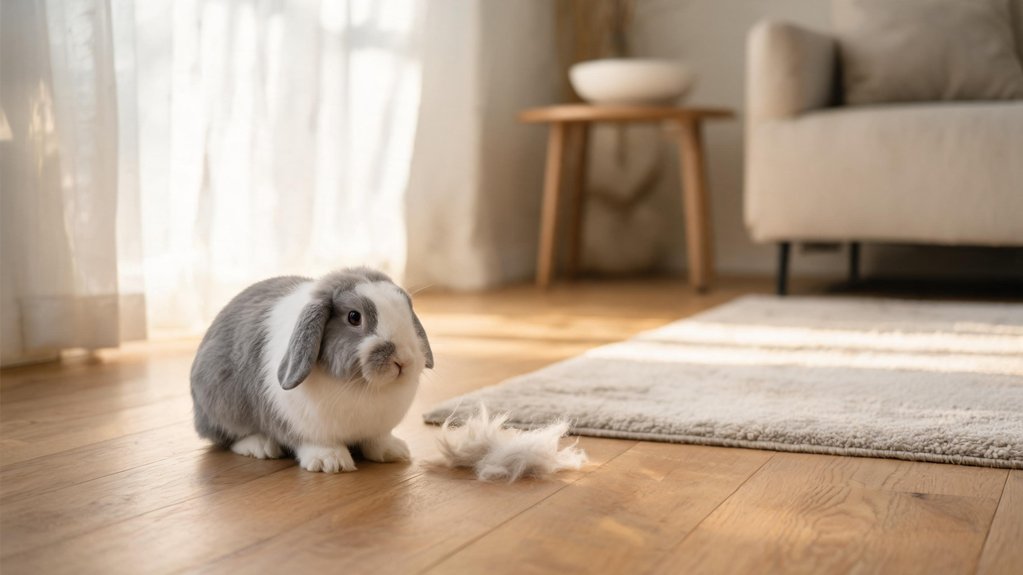
When your rabbit isn’t consuming enough high-fiber, long-stem grass hay, its gut movement slows down significantly. This slowdown can cause hair and undigested food to accumulate in the stomach, increasing discomfort and health risks. To prevent wool block, it’s essential to supply premium-quality, nutrient-rich hay that encourages proper digestion and supports dental health. True Gastrointestinal stasis can rapidly become life-threatening, so prompt recognition and treatment are crucial. Pain or stress can trigger ileus, a condition characterized by a temporary traffic jam in the rabbit’s intestines, where the digestive mixture becomes compacted into wool block rather than passing through normally. Additionally, dental disease can impair your rabbit’s ability to chew and eat properly, leading to decreased food intake, dehydration, and impaction. If you notice that your rabbit isn’t eating or pooping for more than 12 hours, this is a critical emergency. Immediate veterinary intervention from a rabbit-savvy exotic pet expert is essential to prevent severe complications. Prompt treatment can include pain management, hydration therapy, and supportive dental care, ensuring your rabbit’s swift recovery and ongoing health. Invest in high-quality hay, regular dental checks, and quick veterinary response to keep your rabbit happy, healthy, and wool block-free.

✅ 12-IN-1 ALL-ROUND PET GROOMING KIT:This comprehensive pet care set contains 1 nail file, 1 nail clipper, 1 self-cleaning slicker brush, 1 fine-tooth flea comb, 1 dematting comb, 1 deshedding brush, 1 silicone bath brush, 1 finger toothbrush, 1 stainless steel grooming comb, 1 pair bathing & grooming gloves, 1 super absorbent towel, 1 electrostatic hair removal glove and 1 storage bag. It fulfills full daily grooming demands including fur brushing, knot removing, nail trimming, bathing cleaning and household hair cleaning.

✅ 8-IN-1 COMPLETE GROOMING SOLUTION:This all-in-one pet grooming kit includes everything you need for daily care: 1 deshedding brush, 1 dematting comb, 1 flea comb, 1 self-cleaning slicker brush, 1 lice & tick comb, 1 pair of nail clippers, 1 nail file, 1 electrostatic hair removal glove, and 1 storage bag. It covers all core grooming steps from shedding reduction and knot removal to nail trimming, making at-home pet care easier than ever.

【2-Piece Design (Extra Large & Small) for Versatile Grooming】 Comes with 2 slicker brushes (1 extra large, 1 small). The extra large brush is suitable for large-area grooming of medium/large dogs and long-haired pets; the small brush is ideal for sensitive areas (face, ears) and small pets like cats and rabbits. One set meets all grooming needs.
Reduced Fiber Slows Motility
Reduced fiber intake is one of the leading causes of wool block, also known as hair or trichobezoar buildup, in rabbits. Wool block occurs when indigestible hair fibers accumulate in the stomach, leading to serious health issues.
To prevent this condition, it’s crucial to provide rabbits with a diet rich in long, indigestible hay fiber, such as timothy or grass hay, which promotes optimal gastrointestinal function.
Feeding low-fiber pellets or offering insufficient hay can significantly impair peristalsis—the wave-like muscular contractions essential for moving food through the digestive tract.
When fiber intake is inadequate, normal cecum fermentation decreases, resulting in fewer helpful hormonal signals that stimulate gut contractions.
This slowdown can cause swallowed fur to become trapped, mixing with partially digested food and forming a semi-solid mass that obstructs the stomach.
To maintain healthy motility and prevent wool block, it’s recommended to brush your rabbit regularly during shedding seasons, offer unlimited access to high-quality timothy or grass hay, and ensure a consistent supply of fresh, clean water.
These measures promote natural fiber intake and support proper digestion. If a rabbit stops eating because of slowed gut movement, a critical care formula designed for syringe feeding can help supply nutrition while digestion recovers.
Pain Or Stress Triggers Ileus
Pain or stress can trigger ileus in rabbits, a condition where the gastrointestinal (GI) motility slows significantly, causing food and digestive contents to stagnate. This slowdown impairs the normal peristaltic waves essential for healthy digestion, leading to potential complications like fur pooling, formation of trichobezoars (fur masses), and wool block, which can be life-threatening if not promptly addressed.
Common stressors include pain from arthritis, injury, urinary issues, or abdominal discomfort, as well as illness, inflammation, loud noises, travel, fireworks, or significant routine changes.
When your rabbit exhibits signs such as reduced appetite, decreased water intake, or lethargy—especially if they stop eating or pooping for more than 12 hours—immediate veterinary intervention is critical.
Contact a veterinarian who specializes in exotic small mammals or has extensive experience with rabbit health to prevent severe complications.
Early detection and treatment are vital, and solutions such as pain management, hydration therapy, prokinetic medications, and supportive care can restore normal gut motility, prevent fur buildup, and avoid wool block.
Implementing environmental enrichment, minimizing stressors, and maintaining routine health checks help prevent triggers of ileus.
Prioritize your rabbit’s health by seeking prompt, professional care to ensure swift recovery and ongoing well-being.
Dental Disease Cuts Feeding
Over time, dental disease in rabbits can silently increase the risk of hair blockages, as this condition often results in decreased appetite and slowed gut motility. When your rabbit has overgrown teeth, it will chew poorly, leading to reduced hay intake, which is critical for maintaining digestive health and preventing hair ingestion issues. Additionally, sharp points that develop on the molars further complicate this problem by making it even harder for your rabbit to grind long-fiber hay effectively.
Mouth pain caused by malocclusion can also lead to symptoms such as excessive drooling, dropping food, or outright refusal to eat solids. Despite this, hair continues to be ingested during grooming sessions, and since rabbits can’t vomit, these hair ingestions can accumulate, resulting in potentially serious health complications like trichobezoars or hair impaction.
As fiber intake diminishes and gut motility slows, hair and ingesta tend to compact, increasing the risk of dangerous blockages.
If your rabbit shows signs of not eating or pooping for more than 12 hours, it’s critical to seek immediate advice from a rabbit-savvy exotic veterinarian. Timely intervention and tailored dental treatments, including professional trimming or corrective procedures, can restore normal chewing and digestion.
Maintaining proper dental health through regular check-ups and professional dental care is essential to prevent hair blockages and ensure your rabbit’s overall well-being, helping you avoid emergency situations and costly health issues.
When a Rabbit Hairball Is an Emergency
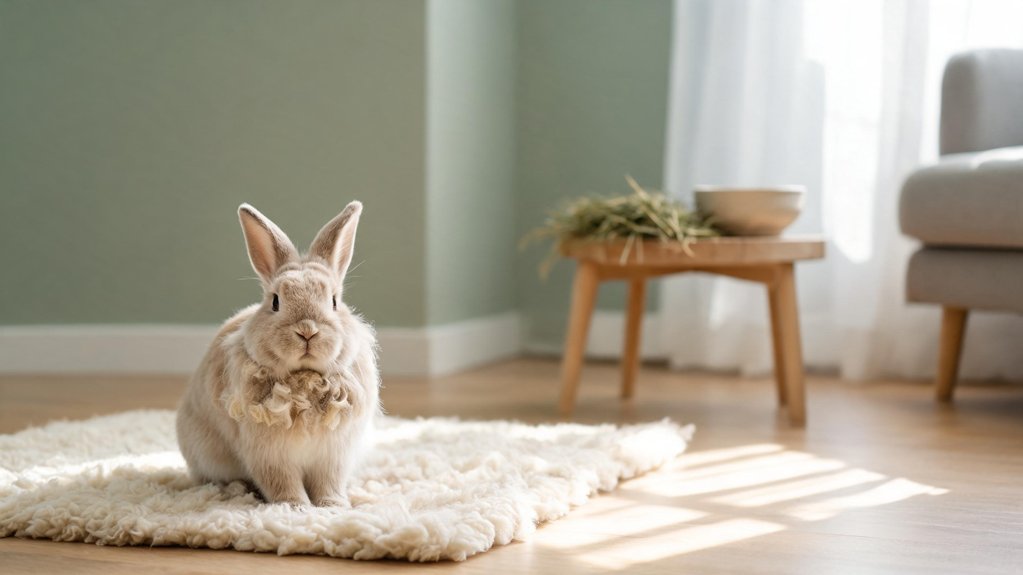
When a rabbit’s hairball, also known as a wool block, causes a complete intestinal blockage, immediate veterinary intervention is critical. Rabbits are unable to vomit, so swallowed fur can quickly stall their digestive tract, leading to life-threatening complications.
Recognize the emergency signs early by monitoring your rabbit for a lack of appetite and absence of fecal output for 12 hours, tiny droppings that diminish or nearly disappear, a visibly bloated or hard abdomen, teeth grinding, hunched posture, or labored breathing.
If you notice any of these symptoms, don’t delay—contact a rabbit-savvy exotic veterinarian right away. Even if your rabbit has been eating less or producing significantly fewer droppings for 6 to 12 hours, this is a serious warning sign and warrants urgent care.
If your rabbit still refuses food after 8 hours, treat it as a critical emergency. Prompt professional treatment, which may include pain relief, hydration therapy, and gastrointestinal stimulation, is essential to prevent severe health consequences and ensure the best chance for recovery. Gut motility support products can help with mild digestive upset, but they are not a substitute for emergency veterinary care when a blockage is suspected.
Protect your rabbit’s health with swift action and expert veterinary support for hairball-related blockages.

PROBIOTICS FOR RABBITS: HealthyGut Probiotics for Rabbits holistically promotes normal digestion, helps defend against effects from stress, aids relief from digestive upset or antibiotic use, and aids general microbiome support for your rabbit

Homeopathic Digestive Support Formula: HealthyAnimals4Ever Rabbit Gastrointestinal Stasis Treatment combines four active homeopathic ingredients, Calc Phos, Ferr Phos, Mag Phos, and Nat Sulph, to support digestive comfort in rabbits.

🐰 OPTIMAL DIGESTIVE BALANCE: Specially formulated to meet the unique needs of hindgut fermenters. This high-potency powder introduces beneficial live cultures that support robust intestinal flora, aiding in the efficient breakdown of complex fiber.
Signs Of Complete Obstruction
Watch closely, because a complete gastrointestinal obstruction caused by a wool block can quickly escalate into a life-threatening emergency.
Recognize the early signs and act swiftly to prevent serious health consequences for your rabbit.
You may notice a sudden, total loss of appetite within 24–48 hours, accompanied by the absence of normal droppings—either tiny, pellet-like feces or none at all.
Your rabbit might refuse to eat essential foods such as hay, pellets, fresh greens, and treats, signaling a critical issue.
Next, observe for severe abdominal pain, which manifests as a hunched or arched posture, teeth grinding (bruxism), squinted eyes, and a hard, gas-filled belly distension.
These are classic signs of gastrointestinal distress and require immediate attention.
Fewer gut sounds or none at all can further indicate a blockage.
In advanced stages, shock symptoms may develop, including weakness, pale gums, slow capillary refill time, a cool body temperature, and potential collapse.
These signs are urgent and require immediate veterinary intervention.
If you detect these symptoms, contact an experienced, rabbit-savvy exotic veterinarian right away.
Early diagnosis and prompt treatment are essential for resolving the obstruction, preventing severe complications, and ensuring your rabbit’s recovery.
Immediate Vet Treatment Needed
When a suspected wool block or hairball causes a slowdown in your rabbit’s gastrointestinal system, it’s a critical emergency that requires immediate veterinary attention. Don’t adopt a “wait and see” approach; quick intervention is essential to prevent life-threatening complications. If your rabbit stops eating for more than 8 hours or doesn’t produce stool for 12 hours, contact a specialized rabbit-savvy exotic veterinarian immediately.
Rabbits lack the ability to vomit, making the accumulation of swallowed fur and hairballs especially dangerous, as they can lead to gastrointestinal stasis—a condition where the digestive system slows dramatically or halts. This condition can cause severe discomfort, dehydration, and even bowel impaction if left untreated.
Watch your rabbit carefully for signs of distress, including hunched posture indicating pain, teeth grinding which suggests discomfort, or a firm, bloated abdomen signaling severe gas or impaction.
If your rabbit is immobile, appears extremely depressed, or if there’s persistent silence or decreased activity in the abdominal area, seek emergency veterinary care right away.
Prompt action with the right veterinary diagnostics and treatments such as fluids, gastrointestinal motility drugs, or abdominal massage can significantly increase your rabbit’s chances of recovery.
Always prioritize immediate professional intervention to ensure your pet receives the necessary specialized care to resolve gut stasis caused by wool block or hairball buildup.
How Vets Diagnose and Treat Hairballs in Rabbits
To help a rabbit with a wool block, also called a trichobezoar, veterinarians begin with a detailed medical history and a thorough physical examination. Since rabbits can’t vomit, swallowed fur can accumulate, leading to gastrointestinal slowdown or life-threatening obstructions. Asking about symptoms such as appetite loss, reduced or absent stool production, and changes in grooming behavior provides critical diagnostic clues.
During the examination, the veterinarian assesses the rabbit’s overall health by checking body weight, hydration status, gum color, and signs of discomfort or pain. They then gently palpate the abdomen to detect gas buildup, enlarged organs, or firm masses indicating a potential blockage.
To confirm the diagnosis, imaging techniques such as abdominal X-rays are employed first; ultrasound may follow if X-ray results are inconclusive, and CT scans are utilized in complex or ambiguous cases to provide detailed visualization of the gastrointestinal tract.
In addition to imaging, comprehensive blood work helps identify underlying issues and assess the rabbit’s overall health. The veterinarian also evaluates dental health and investigates pain sources that could contribute to abnormal grooming behaviors or fur ingestion.
Treatment strategies are tailored based on the severity of the blockage, ranging from dietary management and hydration therapy to manual removal or surgical intervention when necessary. Early and accurate diagnosis combined with targeted treatment can effectively resolve hairball issues, restoring your rabbit’s health and preventing serious complications.
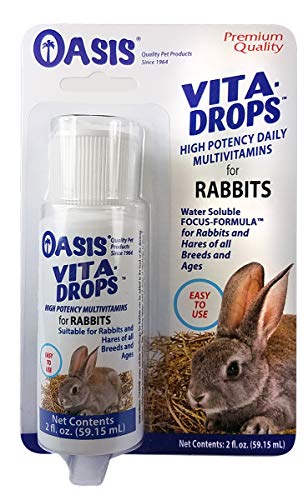
PROMOTES OVERALL HEALTH: Specially formulated to provide rabbits the essential vitamins and antioxidants supports joints & bones, improves skin & coat health, and is easy to digest.

Rabbit Nutri-Drops W/Pump Made in USA.

Promotes a Balanced Gut Microbiome – Infused with probiotics, prebiotic fiber (oat + inulin), and soothing herbs like fennel & mint to naturally support regular, comfortable digestion — all in a tasty banana chew your small pet will actually want to eat!
Safe Supportive Care for Rabbits With Suspected Wool Block
If your rabbit suspects a wool block, also known as a trichobezoar, you’re recommended to provide supportive care at home while seeking immediate intervention from a rabbit-experienced exotic veterinarian. Since rabbits are unable to vomit, this fur buildup can obstruct intestinal movement, so prompt, calm, and consistent supportive measures are essential to improve their chances of recovery.
Ensure your rabbit has continuous access to fresh water to prevent dehydration. Offer wet leafy herbs frequently to promote hydration and stimulate gastrointestinal motility.
Maintain gentle warmth using a heating pad or warm environment and closely monitor your rabbit’s behavior and physical condition.
Leave unlimited grass hay accessible at all times to help pass the blockage naturally and support gut health.
If your rabbit stops eating, promptly syringe-feed a high-fiber recovery diet such as Oxbow Critical Care in small, frequent portions over a 24-hour period. You can soften pellets into a warm slurry to make feeding easier and more palatable. Once your rabbit starts eating again, easy-to-eat recovery foods can help rebuild strength lost during illness or loss of appetite.
Keep handling your rabbit in a calm, quiet environment to minimize stress and avoid any unnecessary disturbance.
Allow supervised, gentle floor time to encourage movement and circulation.
Light abdominal massage may aid in stimulating intestinal motility but should be performed cautiously.
Regularly assess your rabbit’s hydration status and supply additional fluids or seek urgent veterinary care if your rabbit shows no signs of eating or pooping within 12 hours.
Immediate vet consultation is crucial to address potential complications and determine the need for advanced medical intervention.


PEELS OFF IN LAYERS Wafer Cut Timothy Hay reduces mess and makes feeding easier

SOFT TEXTURE & SWEET FLAVOR: With its soft texture and naturally sweet flavor, Orchard grass hay appeals to rabbits, guinea pigs, chinchillas, and small herbivores; This high-fiber hay supports healthy digestion while promoting natural chewing behaviors
Preventing Wool Block With Diet, Grooming, and Daily Routine
Start prevention early by implementing a comprehensive care routine, as wool block, also known as trichobezoar, typically develops gradually from ingested fur combined with sluggish gut motility. To effectively prevent this life-threatening condition, provide your rabbit with unlimited access to high-quality, nutritious grass hay such as timothy or orchard grass, comprising approximately 70–80% of their daily diet. This natural fiber promotes healthy digestion and minimizes fur ingestion from grooming.
Offer small, precisely measured pellets formulated for rabbits, selecting brands that contain at least 22% fiber to support gut health. Keep sugary treats to a minimum to prevent digestive disruptions and excess weight gain.
Incorporate fresh dark leafy greens daily, providing essential nutrients and additional fiber. Implement a weekly pellet-free hay day to encourage natural foraging behaviors and enhance digestive function.
Regular grooming is essential; brush long-haired or shedding rabbits thoroughly at least once daily during shedding seasons, with increased frequency for long-haired breeds, to remove loose fur before ingestion can occur.
Always supply fresh, clean water and supervise daily exercise outside the cage to promote gastrointestinal health and reduce stress levels.
Maintain a clean environment by removing carpet fibers, dust, and potential stressors that may interfere with digestion.
Vigilantly monitor your rabbit’s digestive health; if your rabbit ceases to eat or defecate for 12 hours, prompt action is critical. Consult with a rabbit-savvy veterinarian immediately to prevent potentially fatal wool block and safeguard your pet’s well-being.

7-in-1 Rabbit Grooming Kit: Not only gentle and safe for small animals, such as rabbit, hamster, guinea pig, and chinchilla; but also work great for larger animals like cats and dogs. Soft silicone small animal massage comb can help you protect your pet's skin and effectively keep their fur clean, healthly.

【Longer 25mm Bristles Deep Reach Thick Coat.】- Our dog slicker brush is good to get in touch with the root of your pet's hair.Remove underlayer fluff to prevent tangles.The dog slicker brush has soft needle,buffer force,make brush have resilience,effectively avoid injury to the skin.Light weight save the time and energy of grooming and brushing.Great use for Fluff,detangle and style with one tool.Also good use for daily gently brush away loose hair,undercoat,mats,and tangles.
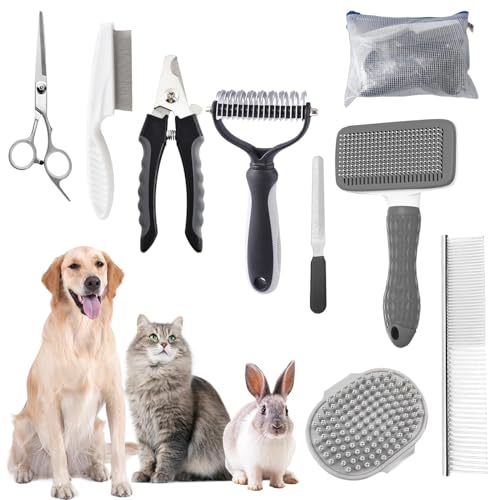
All-In-One 9-Piece Set:complete set of cat rabbit dog grooming brushes for grooming, all the essentials in one easy-to-find, easy-to-carry bag;Includes all the tools needed for your pet's daily care shedding with a self-cleaning brush, double-sided deshedding rake,bathing brush,coarse and fine-toothed rows of combs, flea comb,dog grooming scissor, dog nail clippers and sharpening pads;All-around care for your pet;This is a great choice for pet owners of dogs, cats, and rabbits—whether as a gift or for personal use.
Frequently Asked Questions

Respiratory Support Formula: HealthyAnimals4Ever Rabbit Respiratory Support combines 12 natural ingredients to support rabbits’ everyday respiratory wellness.

Supports Healthy Digestion – High-fiber, timothy hay–based biscuits formulated to help maintain digestive comfort and encourage healthy gut function in small animals

Nutritionally Advanced for Peak Show Performance Natural Octacosanol can help support cardiovascular system, respiratory health, and muscle development by improving oxygen transmission.
Can Rabbits Get Hairballs, or Is It Something Else?
Yes, rabbits can develop hairballs, but these are typically more than just loose fur—often a combination of ingested hair, dry food, and digestive debris accumulating in the stomach due to slowed gut motility. When gut motility slows, dehydration can set in, compounding the issue and increasing the risk of impaction or gastrointestinal stasis, which can be life-threatening for your pet rabbit.
Since rabbits are incapable of vomiting, early signs such as anorexia (loss of appetite) or the absence of normal droppings should be taken very seriously. These symptoms indicate a potential hairball or gastrointestinal blockage and require prompt veterinary intervention. To prevent hairball formation and support optimal gut health, consider feeding your rabbit a high-fiber diet rich in timothy hay, providing regular grooming to reduce loose fur ingestion, and ensuring access to fresh water.
If you notice any of these symptoms, consult an exotic or rabbit-savvy veterinarian immediately for a tailored treatment plan, which may include medical management, specialized fiber supplements, or assistive therapies. Taking proactive measures and seeking urgent veterinary care can significantly improve your rabbit’s health and prevent serious complications related to hairball buildup.
Can Rabbits Cough up Hairballs Like Cats?
No, rabbits cannot cough up hairballs like cats do. Unlike feline companions, rabbits lack the ability to vomit, which means that swallowed fur must pass through their gastrointestinal (GI) tract. This makes proper dietary management and regular grooming essential to prevent hair buildup and potential health issues.
If your pet rabbit stops eating or pooping for more than 12 hours, it is crucial to seek immediate care from a rabbit-savvy exotic veterinarian. Prompt evaluation and treatment can prevent serious complications such as gastrointestinal stasis. Investing in high-quality hay, grooming tools, and regular veterinary check-ups ensures your rabbit stays healthy, comfortable, and free from dangerous hairball obstructions.
What Should I Do if My Rabbit Stops Eating or Pooping?
Act fast, like a fire alarm going off. If your rabbit suddenly stops eating or pooping, immediately contact a rabbit-savvy exotic pet veterinarian who specializes in small mammals and has experience diagnosing gastrointestinal and dental issues in rabbits. This situation is a critical emergency that requires prompt professional intervention to prevent life-threatening complications.
In the meantime, provide your rabbit with unlimited high-quality Timothy hay and fresh, clean water to support digestive health and hydration. Keep your rabbit comfortably warm in a quiet, stress-free environment to promote recovery. Avoid medicating or force-feeding your rabbit with any homemade or over-the-counter remedies, as improper treatment can worsen the condition. Prioritize quick, expert veterinary care to address the underlying cause and get your rabbit back to good health as soon as possible.
Does Stress or Pain Cause Wool Block in Rabbits?
Yes, stress or pain can trigger gastrointestinal stasis (GI stasis) in rabbits, which is a serious health concern. When your rabbit experiences discomfort or distress, it may stop eating, leading to slowed digestion and the accumulation of fur and food in the stomach, ultimately causing wool block—a potentially life-threatening condition.
To prevent wool block, it is crucial to treat pain promptly and minimize stress by providing a calm, comfortable environment. Regular veterinary check-ups with a rabbit-savvy exotic veterinarian are essential for early detection and intervention. Additionally, ensuring your rabbit receives a high-fiber diet, ample exercise, and proper grooming can significantly reduce the risk of wool block.
Investing in professional veterinary care and adopting proactive health management strategies can help your rabbit stay healthy, comfortable, and free from this dangerous condition.
How Can I Prevent Hairballs if My Rabbit Sheds a Lot?
Prevent hairballs in your rabbit by implementing comprehensive grooming routines. Brush your rabbit daily during heavy shedding periods to efficiently remove loose fur, reducing the risk of hairball formation. Ensure your rabbit has unlimited access to high-quality, fresh grass hay, which promotes healthy digestion and natural hair ingestion that minimizes hairball buildup.
Complement this with daily servings of leafy greens rich in fiber and nutrients, which support gastrointestinal health. Always provide fresh, clean water to keep your rabbit hydrated and aid in digestion. Incorporate daily exercise to promote overall well-being and prevent hairball-related issues.
Regularly monitor your rabbit’s droppings—if your rabbit stops eating or shows a decrease in normal bowel movements, contact a veterinarian who specializes in exotic small mammals, particularly one experienced with rabbits. Prompt veterinary consultation is essential to address potential hairball complications early and ensure your rabbit’s health and happiness.