Start by vet-checking both rabbits, confirm they’re eating and using the litter box, and make sure they’re parasite-free. After spay or neuter, wait 4–6 weeks, longer if healing isn’t complete.
Next, house them separately for 2 weeks, but side-by-side with a 3–4 inch (10 cm) gap, swapping bedding and toys daily. Then bond in a true neutral space, with 5–10 minute sessions, no free-roaming, starting near 1–2 minutes, and ending quickly if chasing starts. If they remain calm, move to 1–2 hour cohabitation, then 48–72 hours. Keep going—there’s more you can do.
Swift Summary
- Vet-check both rabbits, ensure they’re healthy and eating, and wait 4–6 weeks post-neutering before starting bonding.
- Quarantine and do 2 weeks of side-by-side housing, with daily scent swaps using bedding and toys.
- Start neutral-ground sessions in an unfamiliar space with minimal resources, using short, controlled side-by-side visibility time.
- For direct meetings, use a truly neutral room/pen and strict time limits (start ~1 minute, gradually increasing) with constant supervision.
- Watch body language; separate immediately for repeated lunging/growling, then resume slower scent-sharing to prevent escalation.
How to Prepare Rabbits for Rabbit Bonding Safely
Before you ever let two rabbits meet face-to-face, it’s essential to set them up for success rather than conflict. Begin with comprehensive pre-bond health assessments conducted by a rabbit-savvy veterinarian.
Before introducing two rabbits face-to-face, schedule thorough pre-bond health assessments with a rabbit-savvy veterinarian to reduce conflict.
These checks should confirm that each rabbit is eating well, using the litter box properly, and free of parasites or illnesses that could jeopardize the bonding process.
Plan the timing for neutering recovery carefully.
Wait at least 4 to 6 weeks after surgery, and allow additional time if healing isn’t fully complete.
Proper timing helps ensure both rabbits are in optimal health and reduces the risk of post-surgical complications during bonding.
Next, implement a quarantine period before initiating bonding.
Keep the rabbits in separate enclosures for a minimum of two weeks, positioning them side-by-side with secure barriers.
During this time, perform scent swapping by exchanging bedding and toys.
This process is crucial for reducing territorial aggression, building familiarity, and minimizing stress, illness transmission, and potential fights when they finally meet face-to-face.
By following these expert steps—focusing on health, timing, and scent familiarity—you create a safer, stress-free environment conducive to successful rabbit bonding.
These solutions are designed to enhance safety and increase the likelihood of forming a harmonious, long-lasting bond between your rabbits.

【 BREATHABLE 360° VIEW FOR SMALL PETS 】:Designed with breathable mesh panels on every side, this small animal playpen promotes airflow while giving you a clear view of your pet during playtime. The enclosed space is ideal for rabbits, guinea pigs, hamsters, hedgehogs, chicks, kittens and other gentle small animals, helping them explore, rest and play comfortably under supervision.

Spacious Space: Overall size is 48"L x 48"W x 24"H. Provides 16 square feet of living area for guinea pigs as recommended by vets. Ideal extension of our rabbit cage or independent use. Give small pets freedom to frolic indoors or outdoors

🏆【Multiple Combinations】Our small animal cage is made of high-quality coated steel, which is more durable and sturdy. The distance between the encrypted fence iron mesh is about 0.5 inches, which will not trap small animals. You can customise the small animal pet playpen into various sizes according to your needs easily.
Set Up a Neutral Room for Rabbit Bonding First
Choose a completely unused, unfamiliar room for rabbit bonding first, ensuring it’s rabbit-proof and scent-free to create the perfect neutral ground.
Select a space that has never housed a rabbit before, and thoroughly clean and inspect it to eliminate any lingering odors or hazards. This approach minimizes territorial instincts and helps prevent guarding behaviors, setting the stage for a successful bonding process.
Select a space that has never housed a rabbit before, and thoroughly clean and inspect it to eliminate any lingering odors or hazards, side-by-side scent familiarity before you attempt closer introductions.
Set up the room in a smaller, controlled area, such as a 4-foot by 4-foot space, approximately a 6-foot square, to facilitate early bonding sessions.
Keep the environment minimalistic by providing only essential resources, such as fresh hay and two water spots at opposite ends, to prevent resource competition.
Prioritize thorough floor cleaning by deep-cleaning, removing old litter trays, toys, and any clutter that might cause territorial disputes.
Additionally, leave tunnels and boxes open at both ends to ensure the rabbits can easily navigate without becoming trapped during more energetic or tense moments, ultimately promoting a safe and comfortable bonding experience.

100% Natural Wood Pellets - Made from natural wood, suitable for use in bird and small animal cages

Made of non-toxic 100% bentonite with all-natural minerals so it's safe for your pet

Choose Unused Familiarity-Free Space
Choose an Unused, Neutral, Familiarity-Free Space
A truly neutral, dye-free bonding space can make a significant difference in fostering a harmonious relationship between your rabbits. It begins with selecting a room that neither rabbit has previously inhabited or spent considerable time in, ensuring minimal prior scent or emotional associations. Creating neutral territory helps prevent established territorial behaviour and supports a smoother first meeting.
Opt for a dedicated bonding area that’s away from their usual enclosures, ideally measuring less than 3 meters by 2 meters by 1 meter. This size allows for close supervision while providing enough space for rabbits to comfortably move away if needed.
Creating a fresh, scent-neutral environment is essential—thoroughly scrub floors, clean walls, wash soft items like towels or mats, and remove any old litter or bedding. These steps eliminate residual odors and help establish a calm, unfamiliar setting conducive to positive interactions.
Keep the space quiet, well-ventilated, and rabbit-proofed to prevent escapes or injuries. Use this lightly used, neutral zone exclusively for bonding sessions, and monitor behavior closely.
If signs of conflict or stress emerge, immediately reset by removing the rabbits, cleaning the area again, and starting the process anew. This diligent, solution-focused approach ensures a safe, stress-free environment that promotes successful bonding and long-term harmony between your rabbits.
Provide Minimal First-Session Resources
Next, provide minimal first-session bonding resources, including ample constant hay distributed in several small, manageable piles placed strategically within the enclosure. Ensure the hay is replenished frequently to encourage calm foraging behavior and reduce stress.
Position two water spots, such as separate bowls or bottles, approximately two water spots apart to promote exploration and reduce competition.
In addition, include tiny pellet and leaf portions scattered gently around the enclosure to foster positive associations with the environment.
Provide one or two lined litter trays filled with suitable bedding material to facilitate natural grooming and elimination behaviors, which are crucial indicators of comfort and bonding progress. A litter tray with an integrated hay rack combines toileting and hay access in one setup, keeping hay within easy reach near the toileting area.
Keep toys, furniture, and other stimulating items out of the initial bonding space to prevent overstimulation and potential aggression.
Always perform a thorough deep-clean between bonding sessions to eliminate scent cues that could trigger territorial behaviors.
These carefully curated, minimal resource setups are designed to support calm interactions, help you observe initial bonding cues such as relaxed body language, and identify signs of successful bonding, including mutual grooming, calm cohabitation, and the absence of chasing or biting.
This approach ensures that you establish a strong foundation for long-term rabbit companionship, ultimately making future bonding phases more seamless and rewarding.
Use Side-By-Side Housing to Speed Up Scent Bonding

Set up adjacent pens or crates, separated by secure wire or mesh, so the rabbits can see and smell each other, but not bite. Each rabbit’s safe indoor playpen gives it room to move while keeping the two rabbits apart. Keep them side-by-side for about a week to facilitate gentle scent bonding and visual familiarity.
Each day, swap shared scent items such as hay, bedding, and even a litter tray. This process allows their “territory” scent to blend naturally without creating pressure or stress. Aim for one swap per day, complemented by having the rabbits share mirrored meals along the barrier to strengthen positive associations.
If either rabbit exhibits signs of tension, such as lunging repeatedly at the divider or displaying aggressive body language, slow down the process. Add more space and hiding spots to reduce anxiety, and stick with calmer scent-sharing steps initially. This gradual approach is essential in creating a strong, stress-free bond, resulting in a harmonious multi-rabbit household.
Using this method, you can efficiently and safely accelerate scent bonding, improving compatibility and reducing future conflicts in your multi-rabbit setup.

High-Quality Flea Comb: Higher grade metal for the teeth, making them stronger than the previous version. Rubber-sheathed handle, increases the comfortableness of holding the comb/dog comb when combing your pet

THOUGHTFUL SET: Our pet grooming comb set includes 4 combs, 1 tooth comb, 1 double sides lice comb, 1 long-needle & 1 short-needle comb to meet different needs. Perfect for straightening out the knotted tangles hair, as well as finishing and fluffing

DURABLE, EASY CLEAN AND EFFECTIVELY :High strength close stainless steel teeth dog cat comb, remove float hair form your love pet in one times,easy wash by water after using for flea removing, smoothing teeth head won’t hurt your pet, let them enjoy the comb massage right now
Use Adjacent Pens Daily
Use adjacent pens daily, and you’ll give your rabbits a safe “meet and greet” before any direct contact.
Set two secure enclosures side-by-side, separated by a 3–4 inch (10 cm) gap, so they can see and smell each other but not bite.
Ensure each enclosure is equipped with essential hides, litter, and a constant supply of fresh food and water, especially near the shared wall.
Maintaining these elements helps create a controlled environment that fosters safe bonding experiences.
Keep their routines consistent, and clean the enclosures carefully without washing away all shared scents.
During rabbit bonding sessions, observe for signs of relaxation such as flopping, grooming, or eating near the barrier, which indicate comfort.
If you notice repeated lunging or growling, it’s a sign to slow down the process.
Recognizing these cues is essential for successful bonding.
Implementing these strategies not only promotes safe and effective bonding between your rabbits but also helps ensure a harmonious living environment.
By consistently providing a secure, scent-rich, and routine-based setting, you lay the groundwork for long-term companionship.
Proper setup and observation are key to creating a positive, bonded relationship that enhances your rabbits’ well-being and happiness.
Swap Shared Scent Items
Once your rabbits are comfortable relaxing next to each other through adjacent pens, you can accelerate their bond development by swapping shared scent items.
Maintain side-by-side housing with a safe mesh gap, ideally between 3 to 10 centimeters, to promote gentle scent exchange without direct contact.
Begin by swapping low-value items such as toys, tunnels, and hideouts, which facilitate initial scent familiarization in a non-threatening manner.
Gradually progress to trading bedding and nesting mats once the rabbits show calm behavior, further strengthening their recognition of each other’s scent.
Finally, introduce litter trays into the scent-sharing process, phasing them gradually over several weeks.
This deliberate approach helps you observe and understand how your rabbits might react, including potential chasing or lunging behaviors indicative of territorial stress, allowing you to adjust your bonding strategy proactively.
If conflicts arise, remember that separating the rabbits temporarily and resuming scent swaps at a slower pace can prevent escalation and build a positive, trusting relationship more effectively.
Prioritize this structured scent exchange method to foster a harmonious and long-lasting bond between your rabbits.
Rabbit Bonding: Do Neutral Intros With Hard Time Limits
Before allowing your rabbits to interact within their familiar environment, perform neutral, timed introductions with strict time limits. This proactive approach is essential to prevent territorial disputes and aggressive behavior before the rabbits establish any permanent bonds.
Choose a neutral territory for these introductions, such as an unused room, a bathtub lined with a clean towel, or a similarly neutral space that neither rabbit perceives as their own.
Thoroughly clean and disinfect the future shared living space afterward to remove any residual scents or markings that could trigger territorial tendencies.
Remove toys, tunnels, and hiding spots from the area to ensure both rabbits remain visible and can focus on each other without territorial distractions.
Utilize a small to moderately sized enclosure, around 4 feet by 4 feet, to facilitate controlled interactions.
Start each session with a one-minute timer, and immediately separate the rabbits at the end of this period, regardless of their behavior, to maintain a sense of safety and predictability.
Gradually increase the duration to 90 seconds and then two minutes for subsequent sessions.
Aim to conduct at least one short, controlled introduction session daily, with the goal of fostering calm, positive interactions through consistency.
This method serves as a practical, solution-focused approach to successful bond formation, reducing stress for both rabbits and promoting a harmonious companionship over time.

【20 PCS SET】1x apple wood molar string,1x timothy cake string,2x loofah toys,3x timothy grass ball with flowers, 1x rabbit shape grass cake,5x grass sticks,2x woven carrots,4x rattan balls

Safe: Crafted from high-quality wood, our rabbit toys are finely polished for sturdiness and resistance to biting. With smooth edges designed to prevent harm to your small pets, they provide peace of mind while your furry friends play.

SAFE, NATURAL CHEW RINGS: Made from 100% pet-safe, untreated fibers, Oxbow Twisty Rings are perfect rabbit toys, guinea pig toys, hamster toys, and chinchilla enrichment. These chewable rings encourage safe gnawing while supporting natural instincts.
Spot Rabbit Bonding Body Language: and Separate Fast

Spotting rabbit bonding body language quickly is essential for maintaining safety and ensuring a positive interaction. Early recognition of calm signals like side-by-side loafing, relaxed ears, mutual grooming, and eating in close proximity helps you gauge compatibility and reinforce successful bonding. These behaviors indicate a harmonious relationship, making it easier to foster a healthy, long-lasting bond.
When observing playful and relaxed behaviors, such as flopping, playing near each other, and binkying with a loose posture, you’re on the right track. These signs suggest a comfortable, trusting environment that promotes social bonding and emotional well-being. Monitoring these indicators allows you to confidently support their relationship, whether you’re preparing for introduction, ongoing socialization, or reinforcement training.
However, be alert for warning signs like pinned-back ears, a raised tail, rigid bodies, or sudden lunges, which signal discomfort or aggression. Immediate separation is crucial if you notice persistent chasing without stopping, growling sounds, face or belly biting, boxing with front paws, or high-pitched screams. Swift intervention helps prevent injuries and reduces stress, allowing you to manage the situation proactively.

Versatile 6-Panel Hexagon Design: Spacious 47”L x 23.6”W x 15”H layout provides ample safe space for small pets to exercise. The unique hexagon shape offers superior stability compared to circular or square pens, making it ideal for small animals such as rabbits, guinea pigs, hamsters, chinchillas, ferrets, hedgehogs, and reptiles.

🏆【Good Guinea Pig Cages】Our small animal cage is made of high-quality coated steel, which is more durable and sturdy. The distance between the encrypted pet fence c&c grids is about 0.5 inches, which will not trap small animals. There is a small animal pet playpen with a door inside the set for easy management of your pet's entry and exit. Add a unique transparent panel design and place it at the top of the fence for easy observation of small pets. Assembled size can be 47.5" x 23.7" x 31.5".

Spacious Octagon Design:Upgraded octagonal shape provides 30% more roaming space than traditional hexagonal playpens, perfect for rabbits, bunnies, chicks, and small pets to exercise freely. The 43-inch wide base ensures ample room for multiple animals to coexist comfortably.
How to Tell When Bonded Cohabitation Is Safe
So, you want to know when bonded cohabitation between rabbits is genuinely safe and beneficial—not just when they happen to avoid fighting for a brief moment. To ensure a harmonious shared living environment, start by monitoring for consistent peace. Watch for signs of mutual comfort such as relaxed body language, gentle grooming behaviors, and calm eating habits. Remember, rabbits can appear calm during short interactions but still exhibit aggression later, so patience and observation are key.
Begin by allowing supervised cohabitation sessions of 1 to 2 hours daily, ensuring there’s no aggression like chasing, lunging, or guarding. Gradually increase these supervised periods, ideally leading up to several hours in the same space without incident. After that, aim for a minimum of 48 to 72 hours of continuous housing where the rabbits display clear signs of mutual comfort, such as mutual grooming, sleeping side by side, and sharing food bowls calmly. These behaviors indicate a strong bond and safe cohabitation.
To facilitate a safe introduction, utilize neutral territory initially to prevent territorial disputes. Maintain multiple, evenly spaced food stations and supervise interactions at all times to discourage aggression. If separation becomes necessary for care or health reasons, reintroduce the rabbits gradually and gently to reinforce positive associations. Implementing these best practices with patience and consistency will maximize your chances of achieving a peaceful, bonded relationship that enhances your rabbits’ well-being and makes cohabitation a rewarding experience.
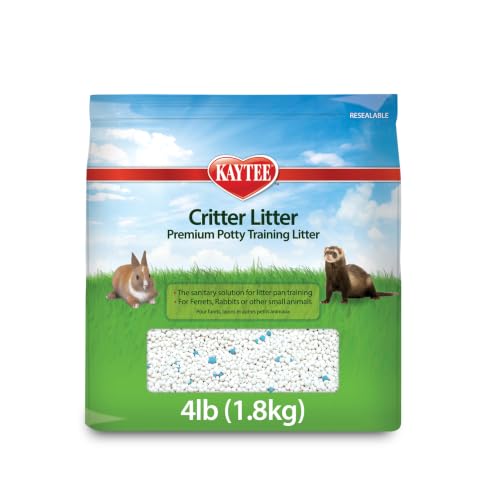
Made of non-toxic 100% bentonite, an all natural minerals so it's safe for your pet

Natural Odor Control – Effectively eliminates odors without chemicals or artificial fragrances, keeping your pet’s space fresh.

Paper Pellets Small Animal Litter from So Phresh
Common Rabbit Bonding Mistakes (and Fixes When It Fails)
Even when you follow all the recommended bonding protocols, the process can still stall if you inadvertently introduce common mistakes. Rabbits build trust through calm, repeatable experiences, so it’s crucial to handle their bonding environment carefully. To optimize your success, always wait a settling period of several days after the arrival of a new rabbit before initiating bonding sessions. This pause allows both rabbits to adjust individually, reducing stress and increasing the likelihood of positive interactions.
Use a true neutral space—an environment that neither rabbit considers home turf—such as a neutral room or a specialized bonding pen. This helps prevent territorial disputes and fosters mutual trust.
Keep bonding sessions short, about 5 to 10 minutes, to avoid overwhelming the rabbits and to encourage positive associations with each interaction. Never conduct free-roaming meetups that can easily turn into chasing or aggressive behavior; instead, supervise closely to ensure calm, controlled encounters.
Before starting, thoroughly clean and neutralize any existing “single-rabbit” areas or spaces associated with previous territory to eliminate lingering scents that might trigger territorial responses. During sessions, watch closely for warning signs like tail-up posture, circling, and ears pinned back, which indicate discomfort or aggression.
If a rabbit clenches its body or shows signs of distress, safely break the interaction using a towel or cardboard—never bare hands—to prevent injury.
Always conclude the bonding session on a calm note, avoiding ending after conflicts or fights to reinforce positive experiences.
Adhering to these practices—such as proper environment management, short and supervised interactions, and careful monitoring—maximizes the likelihood of successful bonding.
These steps create a trustworthy foundation, leading to happier, more harmonious rabbit companionship, and are essential when seeking professional-grade results in rabbit behavior and welfare.

Wooden Handle : Compared with plastic and metal cat combs, wooden cat combs feel better and are more durable. It will not break and fade easily

【Durable Stainless Steel Construction】This flea brush for catfeatures high-quality stainless steel teeth, ensuring it won't bend or break even with long-term use. It's the ideal tool for effectively maintaining your pet's coat, removing dirt and loose hair

Durable Material: Our fine tooth bunny comb features stainless steel teeth, ensuring longevity and effective grooming for your furry friends. Ideal for rabbits, cats, and small pets
Frequently Asked Questions
What Should I Do Immediately if Rabbits Start Fighting During Bonding?
If your domesticated rabbits begin to engage in aggressive fighting during bonding sessions, it is crucial to act immediately to ensure their safety and well-being. Stop the bonding session promptly to prevent further injury or stress. Insert a thick, sturdy barrier made of durable material between them to break contact and create a safe separation, using gloves to protect your hands from bites or scratches during this process.
Next, carefully separate the rabbits into separate, secure enclosures designed for rabbits, which allows them to cool down and recover from any heightened aggression. Carefully inspect both rabbits for any signs of injury, such as bites, scratches, or bleeding, and provide necessary first aid or veterinary attention if needed. Only consider reintroducing the rabbits into supervised bonding sessions once both rabbits have calmed down, their injuries are treated, and they show no signs of ongoing hostility.
This proactive approach minimizes injury risk, reduces stress during bonding, and promotes a successful, long-term bond between your pet rabbits, ensuring a harmonious living environment.
How Can I Tell if My Rabbits Are Bonded, Not Just Calm Together?
You’ll know they’re truly bonded when they frequently groom each other, especially around the head and neck areas, demonstrating mutual trust and affection. They should also sleep side by side with their bodies touching, indicating a deep physical and emotional connection. Additionally, look for behaviors such as cuddling contentedly, sharing food and hay without signs of guarding, and using a common litter box harmoniously—showing absence of territorial disputes.
A genuine bond is also reflected in their daily interactions, where they choose to be calm together over time, not just tolerate shared space. Recognizing these signs can help you ensure your rabbits are happily and securely bonded, fostering a peaceful, affectionate environment. Properly identifying a true bond allows you to invest in targeted behaviors and environments that strengthen their relationship, ensuring long-term companionship and well-being.
What Does Mounting or Mild Chasing Mean During the Bonding Process?
Mounting or mild chasing during the bonding process typically indicates that your rabbits are actively negotiating their social hierarchy. This behavior, such as brief mounting lasting about 5 to 20 seconds and short chases, is a normal part of their communication as they establish dominance and acceptance.
Following these interactions, calm eating or resting behaviors usually occur, signaling that the rabbits are not in distress but are engaging in natural, healthy social signals. Recognizing these signs allows pet owners and shelter staff to monitor bonding progress with confidence. Providing a controlled environment and appropriate resources can support this process, ensuring a positive bonding experience that fosters a harmonious relationship between your rabbits. This approach ultimately promotes their well-being and helps establish a strong, social connection.
How Do I Bond Rabbits That Seem Afraid or Aggressive Toward Each Other?
To successfully bond rabbits that display signs of fear or aggression, begin by ensuring their health and reproductive status are optimal; this typically involves comprehensive veterinary health checks and neutering procedures, which significantly reduce territorial behavior and hormonal aggression. Start the introduction process in a neutral, spacious environment that neither rabbit has claimed as their territory, minimizing territorial disputes and promoting positive associations.
Initially, facilitate calm, non-direct contact by allowing the rabbits to meet through secure barriers such as wire mesh or glass, which helps reduce immediate confrontations and anxiety. When they show signs of tolerance or curiosity, gradually transition to supervised, brief, in-person interactions, continuously observing their body language for signs of stress or aggression.
It’s crucial to separate them at the emergence of serious aggressive behaviors such as lunging, biting, or raised fur, and to interrupt any mounting or chasing safely to prevent injury or further stress. Progress at a pace suited to the more fearful rabbit, consistently prioritizing their comfort and safety throughout the bonding process. This methodical, solution-focused approach helps foster trust and ultimately leads to a harmonious, multi-rabbit household.
What Happens if the Bond Breaks—Can I Restart Bonding Safely?
Yes, you can restart bonding safely if you first separate the rabbits at the first serious fight, get a thorough check-up from a rabbit-savvy veterinarian, and ensure that both rabbits are properly neutered or spayed. These steps are essential for establishing a healthy, harmonious bond and preventing future conflicts.
Once these conditions are met, reintroduce the rabbits gradually in a neutral territory, such as a playpen or bathroom, to minimize territorial behavior. Monitor their interactions closely and be prepared to step back and give them time if signs of aggression or stress reoccur. Using gentle, positive reinforcement and specific bonding tools can significantly improve the success of the re-bonding process. By following this structured approach, you can confidently restore a peaceful, long-lasting bond between your beloved rabbits.