Yes, German Shepherds are usually easy to train for beginners. They learn fast, focus well, and love a job, especially with short reward-based sessions. Plan about 10 minutes twice daily for 8 weeks, then add classes. Keep training blocks to 5–10 minutes, reward right after the behavior with treats and a marker like “yes.” But training can get harder at 6–24 months, so manage exercise and distractions. If you keep going, you’ll uncover more tips below.
Swift Summary
- German Shepherds are often easy for beginners to train because they learn quickly and respond well to positive, reward-based methods.
- Start with short, structured sessions (about 5–10 minutes) using treats or toys and immediate “yes”/clicker marking for clarity.
- Training success usually depends more on consistency and management than on teaching difficulty, so stick to clear rules and routines.
- Expect normal adolescence challenges around 6–24 months, like distraction, jumping, and selective hearing, and plan for extra structure.
- Continue socialization, impulse control drills, and handling desensitization early, and get professional help if aggression or safety risks appear.
Are German Shepherds Easy to Train for Beginners?
German Shepherds are often pretty easy to train at a basic level, especially when you use clear, positive methods. Their intelligence and problem-solving skills help them pick up new commands quickly.
German Shepherds are often pretty easy to train at a basic level, especially with clear, positive methods.
If you’re wondering are german shepherds hard to train, you’ll usually find the basics come quickly, with top scores for trainability and willing-to-please drive.
You can also ask, how difficult are german shepherds to train?
For beginners, training comes from your time, consistency, and management more than from teaching cues.
Plan about 10 minutes twice daily for ~8 weeks, plus classes.
You’ll need boundaries and socialization, so are german shepherds easy to raise, easy to own, and easy to train a puppy?
Yes, with support.
What Makes German Shepherds So Trainable
German Shepherds are trainable because they combine exceptional intelligence with strong drive, and that drive means they naturally want to work and focus. You’ll notice it when you keep sessions structured—think short training blocks of 5 to 10 minutes, with clear rewards right after the behavior. But the real win is your consistency: clear rules, fair leadership, and reward-based cues help them learn fast and stay engaged. ( intelligence ) Teaching them to accept gentle handling for tasks such as ear cleaning with treats also makes routine care far less stressful and helps you notice problems early.
Exceptional Intelligence And Drive
You’ll notice it fast—your German Shepherd learns with real “working” intelligence, and it shows in how quickly they pick up what you ask. Many dogs grasp new commands in fewer than five tries.
They’re “eager to please,” and that 5/5 trainability score fits real life. High obedience and working intelligence mean they process info quickly, then perform the job calmly, even under pressure.
But the real driver is motivation. You’ll see huge willingness to work, especially in working-line dogs.
They want purpose, steady activity, and a clear task. Give them outlets, or their energy will find its own job.
Strong Response To Structure
Because German Shepherds are built for structured, task-based work, they respond fast when you give clear rules and a steady routine.
Their history in herding, guarding, and police, guide, and detection roles trained them to follow strict protocols.
You’ll notice confidence and steadiness, not random reactions, which helps you teach in an orderly way.
Also, they bond strongly with one “primary” caregiver, so they focus on your cues.
Use reward-based training, like treats or toys, and keep expectations consistent.
Aim for 5–10 minute sessions, daily.
When you act calmly and predictably, they learn faster—and protectively.
When German Shepherd Training Gets Harder
And then, around 6–24 months, you’ll see adolescent impulse control challenges as your German Shepherd suddenly gets distracted, jumps more, and ignores cues in exciting places.
But when you don’t keep clear boundaries and consistent structure, that overprotective instinct can show up as barking or guarding, especially if you sometimes “let it slide” for a second.
Add high energy on top of that—train in short 3–5 minute bursts, keep routines daily, and don’t move on walks once the leash tension starts, because that can quietly teach more pulling. Match exercise to your dog’s fitness, since gradual conditioning helps a young German Shepherd handle longer walks and hikes without overexertion.
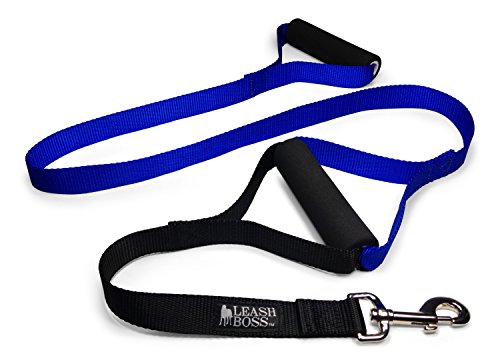
Pulling Dog Leash: The Leash Boss padded double handle dog leash won't dig into your hands allowing you to maintain a firm grip even when a medium or large sized dog starts to pull. Perfect for safety and control on walks or during training.

PROFESSIONAL SLIP LEAD DESIGN – Combines a collar and leash in one convenient design. This slip lead dog leash provides gentle correction to help reduce pulling and improve leash manners during walks and training sessions
Adolescent Impulse Control Challenges
Adolescence can mess with impulse control, often right when your German Shepherd seems strongest, fastest, and most curious.
That’s because hormones surge from about 6–24 months, while the prefrontal cortex—your dog’s decision “brake”—still rewires.
You may see “selective hearing,” longer attention gaps, and training regression, but they’re not forgetting.
Chasing, exploring, leash pulling, jumping, chewing, and barking often win when excitement spikes.
Also, during fear/secondary fear phases (around 6–14 months), distractions feel bigger.
Use 5–10 minute sessions, reward calm thresholds, and raise criteria gradually.
Overprotective Instincts Without Structure
When your German Shepherd seems to “own” the house—especially at the door, around visitors, or near furniture—training gets harder fast, not because you’re doing everything wrong, but because the routine never gives them clear rules.
German Shepherds have strong guarding instincts, and police-style traits can mean higher aggression risk when expectations stay inconsistent. Without structure, arousal can tip into threat displays.
Male dogs show higher rates too, so you manage carefully.
You’ll see blocking at the door, rehearsed every knock, because you never set boundaries.
Start “place” or mat training 10–15 minutes daily, 6 feet from the door, and keep visitors neutral.
High Energy Requires Consistency
Because German Shepherds run on high drive, training gets harder fast if your routine slips, even a little.
You need 60–120 minutes of vigorous exercise daily for adults, plus 15–30 minutes of mental work.
If you under-exercise, your dog gets bored and frustrated, then chews or digs.
And when focus wobbles, you must build outlets first, walks and sniff games, then obedience.
Consistency matters.
Use the same cues, rewards, and rules every time, with clear boundaries.
Mixed consequences make them anxious and shut down.
Keep short 5–10 minute sessions several times a day.
How Much Exercise and Structure Do German Shepherds Need Daily?
You’ll get the best behavior from your German Shepherd when you match both their body and their brain every day. Plan 90–120 minutes of total exercise for a healthy adult, mixing moderate and vigorous play.
Aim for 30–45 minutes of sustained aerobic work, like jogging or off-leash fetch, most days.
Instead of one long session, use 2–3 structured blocks daily to prevent over-arousal and joint strain.
Add variety in grass or mild hills a few times a week.
Also schedule 30–60 minutes of mental “job” time, like scent games or short drills.
Keep routines fixed, and you’ll see calmer impulse control.
Exercise needs shift with a dog’s age and activity level, so puppies, seniors, and high-energy working dogs may need these amounts adjusted.
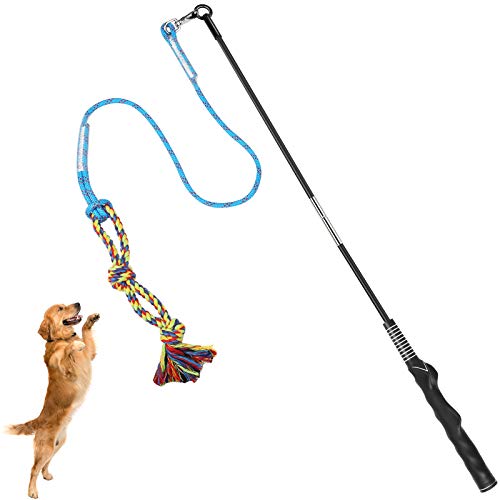
🐶【Great Flirt Pole for Dogs 】- The interactive flirt pole dog toy is one of the best training tool for realising the natual of your dog by Chasing and tug of war. Also this teaser flirt pole can promote mutual communication between you and your dog during the entertainment time.
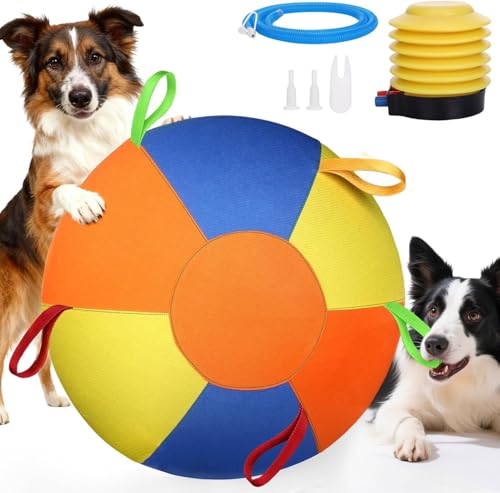
🐾 【18" Herding Ball for Sheepdog】 Tailored for working breeds like Border Collies, Australian Shepherds, Australian Cattle Dog, and German Shepherds, this 18-inch ball taps into their natural herding instincts, delivering endless mental and physical engagement to curb boredom and destructive behaviors.

Bungee Tug Dog Toy: Our dog hanging bungee tug toy is a high-quality backyard play equipment that will keep your dog busy and relieve their boredom, releasing their excess energy, perfect for small to large dogs and aggressive chewing dogs play outside
The Best Beginner Training Approach for German Shepherds
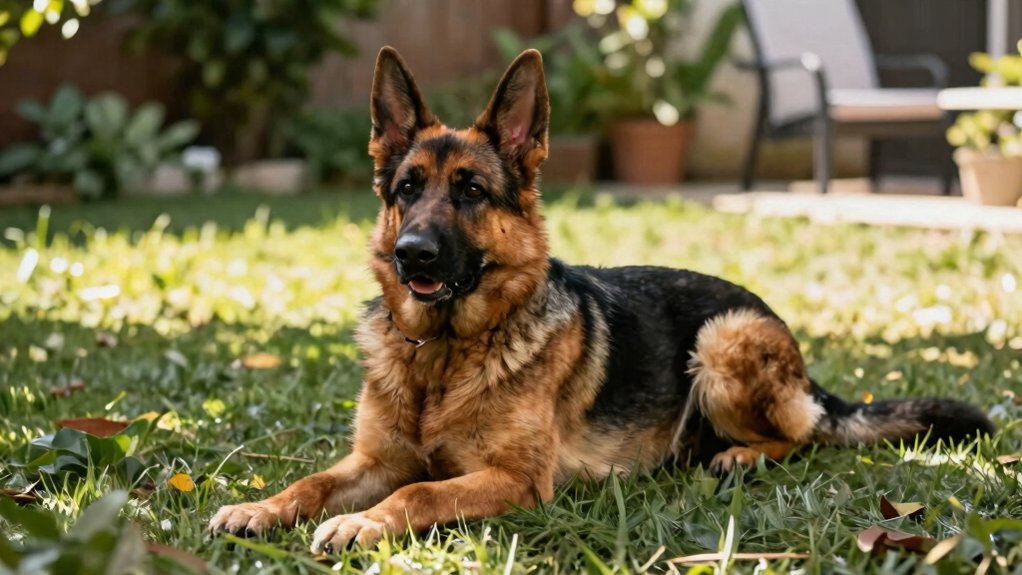
German Shepherds learn fast and love working, so start your beginner plan with structure from day one. Use positive reinforcement, meaning you reward the behavior you want, with treats, toys, and a clear marker like “yes” or a clicker.
Keep sessions short, 5–10 minutes, 2–4 times daily, in a quiet room first, then slightly busier areas.
Set clear boundaries, use consistent commands, and avoid physical force.
Begin around 8 weeks old with name response, sit, down, and come. A week-by-week puppy training plan can help you move from these basics to socialization, house training, and polite manners.
Also build impulse control gently, then add leash manners and door waits.
You’ll guide their focus, and they’ll thank you.

【Rich Dog Training Kit】 Includes a training waist bag, a silicone dog treat bag, 2 dog training clickers with wrist strap(one dark green, one black), an adjustable ultrasonic dog whistle with lanyard, a 2-in-1 dog whistle clicker (light green), a roll of dog waste bags, and a dog clicker training manual, meeting various training needs.

New communication tool about you and your puppy.
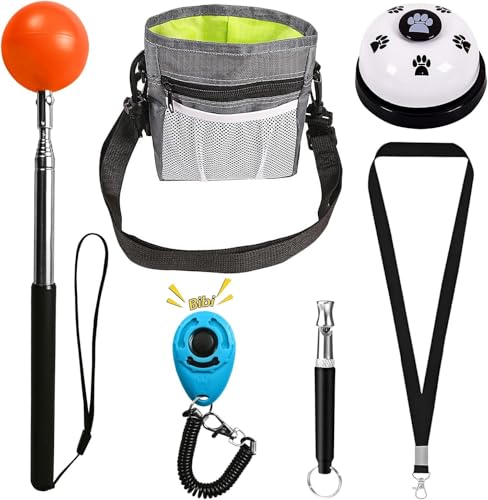
All-in-one Complete Dog Training KIt: This training kit includes Target Stick,Training Clicker,Whistle,Bell,Treat Pouch. If you love pet training than this is the product for you! Once the dog or cat has learnt to follow you can easily direct him into position.
Essential Socialization and Obedience Foundations
Start socialization and obedience early, and you’ll set your German Shepherd up to feel secure in the real world. Comparing German Shepherds with giant breeds like Cane Corsos and Mastiffs can clarify differences in temperament, size, and ownership needs before training begins.
Aim for 3–14 weeks overall, with peak sensitivity around 6–8 weeks.
Keep pup with mom and littermates until then, then begin controlled, positive visits through at least 8–10 weeks.
Expose your pup to kind people of different ages, plus well-behaved dogs, and many places like parks and quiet rooms, 2–3 times weekly.
Short car rides help too.
Desensitize to umbrellas, vacuums, stairs, and gentle paw/ear handling.
Teach “place” and calm greetings.

🦴BUILD BOND FOR PET OWNER & DOGS-Engage your dog’s brain with our interactive dog scent training kit. Perfect for mental exercise, confidence building, and stress relief, this scent work kit for dogs offers a calming effect and bonding experience with your dog.

🐶 Everything A Puppy Needs: This puppy starter kit for small dogs has every component a puppy owner needs. Perfect for a dog starter kit for medium dogs and small dogs. This acts as puppy supplies for puppy female and puppy supplies for puppy male. We offer a variety of colors to suit your puppies preference and to suit your aesthetic.

🐶 Everything A Puppy Needs: This puppy starter kit for small dogs has every component a puppy owner needs. Perfect for a dog starter kit for medium dogs and small dogs. This acts as puppy supplies for puppy female and puppy supplies for puppy male. We offer a variety of colors to suit your puppies preference and to suit your aesthetic.
When Should You Hire a Trainer for German Shepherd Behavior?
When your German Shepherd starts showing behaviors that put people or pets at risk, you should stop guessing and bring in a qualified trainer or behaviorist.
If your dog growls, snaps, lunges, or bites, get help right away. Aggression in German Shepherds often stems from fear, pain, or poor socialization, and a professional can pinpoint the underlying triggers behind it.
If your German Shepherd growls, snaps, lunges, or bites, get professional help right away to keep everyone safe.
Any bite, or any time family members feel unsafe around your dog, counts as urgent.
Also hire a pro for resource guarding, like guarding food or toys from kids, or for resistance to handling.
If your dog bolts, escapes yards, or runs toward traffic, build reliable recall with expert guidance.
Seek help for severe separation anxiety, too.
And if home training stalls after about 3 months, don’t wait.

Designed for Dogs: Our break stick is tailored for most medium and large doggy breeds. It provides a safe way to train your dog or intervene in dog disputes or attacks. Works great for training, playing, and exercise in your backyard, garden, or any open area.
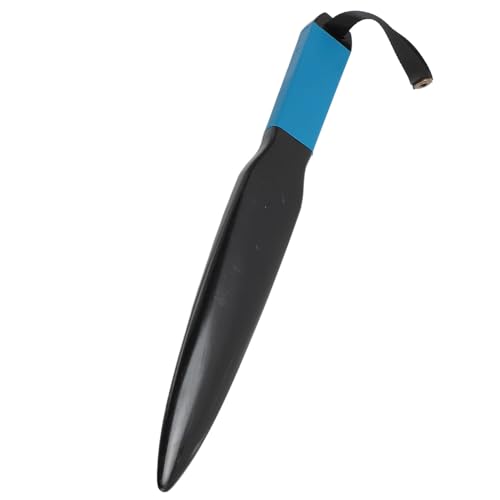
Easy to Use & Effective Dog Fight Stopper:Simply insert the dog breaker stick into your dog’s mouth, rotate 90 degrees, and the mouth will open, effectively prying it open to safely remove objects. This can also prevent dogs from harming each other, making it ideal for managing aggression and controlling dog fights.

Built for Working Dogs & Strong Pullers — Heavy-duty reinforced nylon with bar-tack stitching at every stress point. Weight rated by size: Medium up to 66 lbs, Large up to 99 lbs, XL up to 143 lbs. Designed for German Shepherds, Belgian Malinois, Labs, and high-drive large breeds used in training, patrol, hiking, and public access service work.
Frequently Asked Questions
What Age Should German Shepherds Start Obedience Training?
Start obedience training when you bring your German Shepherd puppy home, around 6–8 weeks. Begin simple cues, name response, and gentle socialization at 7–8 weeks. By 8–12 weeks, add short 10–15 minute positive sessions.
Are German Shepherds Good for First-Time Dog Owners?
Yes, they can be good for first-time owners—if you bring structure and consistency, and you don’t mind serious daily training. With strong instincts, you’ll need committed socialization and leadership, or you’ll earn chaos, not companionship.
How Do I Prevent Pulling and Jumping During Training?
Prevent pulling and jumping by using a fixed leash or harness, starting in quiet areas, stopping when tension appears, rewarding slack with treats at your side, and cueing sit or “place” before greetings, ignoring jumping. Consistency matters.
Do German Shepherds Learn Faster With Treats or Toys?
Treats usually help you teach German Shepherds faster—like a steady metronome—because they reward instantly and clearly. Toys can match their drive for recall and excitement, but they often slow repetition during early cue building.
What Common Mistakes Slow German Shepherd Training for Beginners?
You slow training when you skip early, positive socialization, change rules, ignore cues, use fear-based corrections, and under-exercise or under-train daily. You’ll build reactivity and confusion, so keep calm routines, treats, and consistent practice.