You’ll get the best German Shepherd color by matching your goal first, not by chasing shade. For most people, pick the pup with a calm, steady temperament and strong, trainable drive. Black (rare solid, often ~6.8%) needs specific gene switches. Sable comes from hair “banding,” so puppies shift from dark tips to adult pattern by 2–3 years. White is usually disqualified in conformation. Color doesn’t predict hip issues, so choose by stable breeding, testing, and suitability—then keep going to learn your next best step.
Swift Summary
- Choose the best German Shepherd color by temperament and drive fit for your goal, not shade alone.
- Solid black is rare (~6.8%); true solid black usually needs recessive a/a genetics plus other locus interactions.
- Sable is agouti-driven banding that develops over time; puppy coat can change before adult pattern settles by 2–3 years.
- White is typically a conformation disqualification in major standards, so it’s usually not show-eligible.
- Health risks aren’t determined by color; focus on reputable breeding, early risk awareness, and proper exercise/care.
Pick Your Use Case First (Pet, Sport, Protection)
Start by choosing the job you want your German Shepherd to do—because the best match comes from purpose, not shade.
Start by choosing your German Shepherd’s job—purpose first—so the right match comes from temperament, not coat color.
If you’re building a family bond, pick temperament first, then health, then training.
Many people chase the most common german shepherd color, but “black vs white vs sable” is mostly cosmetic. Coat color is governed by coat genetics, so shade alone tells you little about a dog’s health or temperament.
And remember, there’s a list of german shepherd colors—so ask, how many german shepherd colors are there, really?
Because German Shepherds are purpose-built for work, your dog’s drive and training fit matter far more than the coat shade you choose.
Then decide: pet, sport, or protection.
West working lines often fit high-drive sport, while show lines suit calmer homes.
What’s the best german shepherd color for you?
Serve your goal, not rarity.
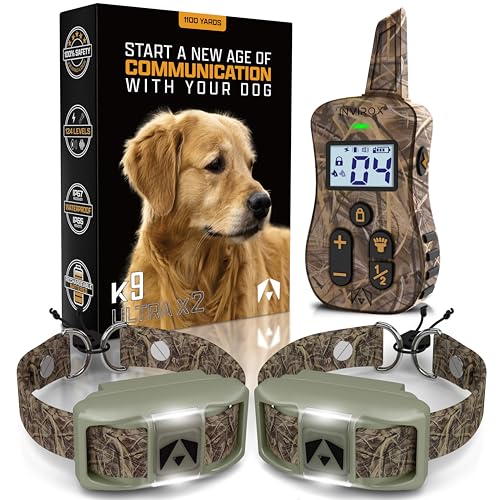
Veteran-Designed Training System: The INVIROX Ultra K9 Dog Training Collar is engineered for serious training, offers 124 adjustable training levels. Tailor the beep, vibration, and feedback to suit stubborn dogs' specific needs. This shock collar for dogs is a tool for precise dog collar training
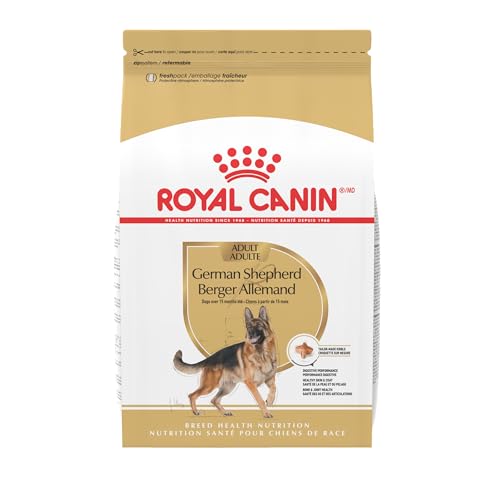
BREED HEALTH DOG FOOD: Royal Canin Breed Health Nutrition German Shepherd Adult Dog Food Dry Formula for purebred German Shepherds 15 months and older
How Black German Shepherd Coat Color Is Inherited?
If you’re wondering why some German Shepherds come out truly black, you’ll want to think in regard to “gene switches,” not just appearance.
Black color mainly depends on ASIP at the A-locus, plus K-locus and E-locus switches. A locus banding patterns determine whether a dog develops sable (banded) versus black-based patterns, and this is controlled by key pigment-distribution genes.
Recessive black needs two a alleles at the A-locus, an a/a genotype, so both parents must carry the gene.
That’s why solid black is rare, about 6.8% of dogs.
If both parents are solid black, most puppies will be black too.
Also, dominant black (KB) can override pattern genes.
The E-locus affects how strong the dark pigment looks. Unlike the white coat seen in German Shepherds, the White Swiss Shepherd is a separate breed with its own origin, appearance, and breed standards.

【Train Like a Pro】Heouvo dog treat pouch and clicker kit are designed to help you train your dog like professionals. With easy access to your pet's favorite treats and a training clicker to supercharge your training sessions, you'll see better results in no time

【Rich Dog Training Kit】 Includes a training waist bag, a silicone dog treat bag, 2 dog training clickers with wrist strap(one dark green, one black), an adjustable ultrasonic dog whistle with lanyard, a 2-in-1 dog whistle clicker (light green), a roll of dog waste bags, and a dog clicker training manual, meeting various training needs.
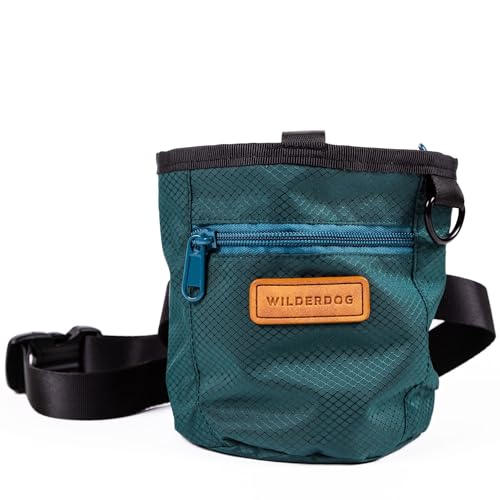
Two pockets with zipper closures and additional magnetic closure on the big pouch. Adjustable strap fully extended measures up to 52 and 1" wide to fit perfectly through belt loops
What Makes Sable German Shepherd Puppies Look Different?
And when you look at sable German Shepherd puppies, you’ll notice how hair banding creates built-in contrast, with one hair showing dark tipping over a lighter base. But don’t judge too fast, because their shades can range from light cream or silver sable to dark charcoal that may look almost black, especially as the black tipping strengthens over the first few weeks to months. Watch the gradual shift as the puppy’s coat grows in and sheds its early fluff—by about 2 to 3 years, you’ll finally see the adult pattern settle in. Sable is caused by the agouti gene, which controls pigment distribution along each individual hair shaft. Unlike sable, the black and tan pattern confines darker pigment to the saddle, back, and ears while the legs and underside stay tan.

Four Challenges & Levels 1-3: Multiple games with a flip game and a linear track sliding game, all requiring dogs to learn steps and find treats. This puzzle is designed to be more fun and difficult, with more unique ways to play. It can enhance your dog's IQ and train their sense of smell

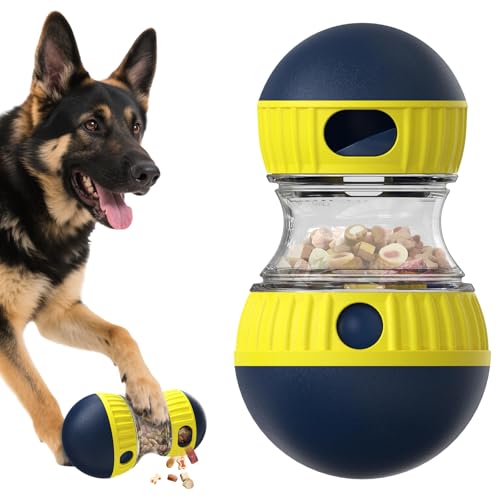
MAKE MEALS A BRAIN GAME — Dog rolls, kibble drops, dinner lasts longer. Slow feeder and puzzle toy in one.
Hair Banding Creates Contrast
Ever wonder why a sable German Shepherd puppy can look almost solid tan one day, then “mysteriously” peppered or grizzled the next?
It’s hair banding—each hair has multiple color bands along its length, not one flat color from root to tip.
You may see a pale base near the skin, then a richer mid-band, then a black or dark tip.
As these banded hairs pile up, the dark tips overlay the lighter base, making a frosted, salt-and-pepper look.
You’ll notice changes as new hair grows, revealing contrast over time.
Shades Vary From Light To Dark
From the moment you bring a sable German Shepherd puppy home, you’ll notice their color can range from light, warm tan to much darker charcoal. That happens because Agouti-driven genetics mix light and dark pigments, and modifier genes shift the facial mask and pattern.
You’ll also see coat structure change. Puppy fur starts softer and unevenly pigmented. As guard hairs replace that fluff, more black-tipped hairs show. And your puppy’s shade can shift dramatically in the first 18–24 months.
Why White German Shepherds Get Disqualified In Conformation?
If you’re training for conformation shows, you need to know this: under the AKC German Shepherd breed standard, a solid white coat is an automatic disqualifying fault, so judges must penalize it. Unusual coat patterns, such as those seen in Panda Shepherds, can spark debate among breeders because of their distinctive genetics and the controversy surrounding them.
Even though a white dog might still be registered and you can compete in some performance events, you won’t be show-eligible in the breed ring.
Start by checking the current show rules before you travel, because registration and conformation eligibility aren’t the same thing.

Professional Design Exclusively for German Shepherd: This premium German Shepherd brush is engineered for German Shepherds’ thick double coats. It deeply penetrates the dense undercoat and long topcoat, efficiently removing loose hair, tangles, and mats while keeping the coat neat and healthy

SAVE MONEY: Reduce expensive trips to the groomer. Our dog shedding brush works great as a dog brush for short haired dogs & dog brush for long haired dogs. It is an absolute essential for pet supplies, dog supplies, and a dog grooming kit.

【Easy Desheding】: Swihauk self cleaning dog brush for long haired dogs with release bottom helps effortlessly reduce shedding. A must have dog brush for short haired dogs, cat brush for indoor cats, cat brush for shedding, slicker brush for dogs.
AKC White Color Disqualification
In AKC conformation shows, white German Shepherds get disqualified mainly because the breed standard treats a white coat as a disqualifying fault, not because AKC denies their existence or their ability to compete elsewhere.
In the late 1960s, GSDCA and AKC policy changes took effect, with the revised standard approved April 9, 1968.
You still can register a white GSD, because AKC registration isn’t denied for coat color, including color code 199.
But shows bar them from the breed ring.
White comes from a recessive gene, not a proven health flaw.
Judges And Breed Standard
When you watch a conformation show, you’ll notice judges don’t guess—breed standards tell them exactly what to reward, and they must follow that rulebook.
If you bring a white German Shepherd, many main standards explicitly bar the color.
The FCI standard says “colour white isn’t allowed,” and SV repeats that white coat, even with dark eyes and nails, is a disqualifying fault.
The German Shepherd Dog Club of America also requires disqualification.
So you serve others best by checking your show’s exact standard first.
If needed, seek venues with separate white evaluations instead.
Registration Vs Show Eligibility
Registration and conformation are two different doors.
You can register a white German Shepherd as a purebred in major registries, like AKC or CKC, even if the coat color counts as a fault.
But in conformation shows, “fault” can become “disqualifying,” so judges must excuse white dogs from the breed ring.
Still, you won’t lose options.
You can serve your dog’s goals through obedience, agility, herding, tracking, and rally—events AKC and CKC allow.
If you want show wins, look for non-AKC/UKC white-specific classes.
Does Coat Color Affect Health And Longevity?

Coat color—black, white, or sable—doesn’t really decide how healthy your German Shepherd will be, or how long they’ll live.
You should care about what matters most: genetics, body structure, and daily care.
Hip dysplasia and elbow dysplasia can affect dogs of every color.
Degenerative myelopathy, a slow spinal disease, shows up across lines too.
Bloat, or gastric dilatation-volvulus, also comes from body depth, not pigment. Owners should recognize bloat symptoms such as a swollen abdomen, unproductive retching, and restlessness, because the condition can become fatal within hours.
You’ll see similar lifespan ranges, roughly 9–13 years, no matter the pattern.
Choose responsible breeding, feed well, exercise steadily, and plan vet checkups.

Polyurethane Foam: The EHEYCIGA orthopedic dog bed features memory foam and egg crate foam to provide even support and pressure relief. It offers a good balance of softness and support, making it particularly suitable for elderly dogs to alleviate joint pressure.
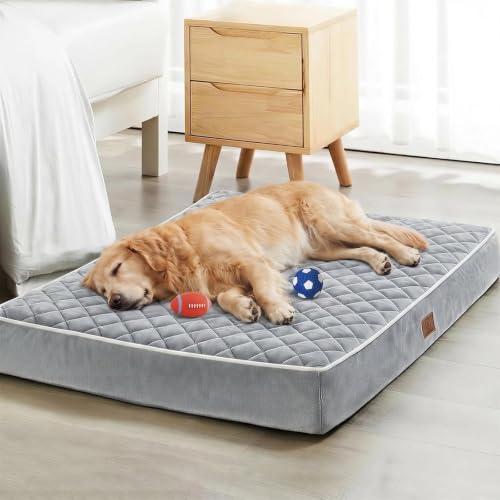
【Velvet Surface & Quilted Design】Cozy dog bed pad is made of soft velvet for a delicate touch on your furry friend's skin. The velvet fabric also helps to keep your pet warm at night.Featuring a one-of-a-kind quilted pattern, Extra Large dog bed adds a touch of sophistication to your home decor.

MEMORY FOAM: The EHEYCIGA orthopedic dog bed features memory foam and egg crate foam to provide even support and pressure relief. It offers a good balance of softness and support, making it particularly suitable for elderly dogs to alleviate joint pressure.
Temperament: Does Coat Color Change German Shepherd Behavior?
So, does coat color actually change how a German Shepherd acts? No.
You’ll find pigment genes control black, white, and sable coloring, while temperament genes control trainability, calmness, and confidence.
No proven evidence links any coat color to more aggression, loyalty, or protectiveness.
Breed standards and kennel clubs also say color doesn’t determine working ability.
If you notice differences, look deeper.
You should judge breeding goals, early development, socialization, and training instead.
Protective or territorial reactions often come from missing early exposure, not the coat.
Choose by parents’ temperament, then evaluate each puppy in person.
Well-socialized German Shepherds with a stable temperament can often fit successfully into family life when their owners provide consistent training and daily exercise.
Energy/Drive Expectations In Working-Line Dogs
You should expect working-line German Shepherds to need more than a casual walk—plan on about 1.5–2 hours of solid daily exercise, often split into two sessions, because their energy and drive stay high.
You’ll usually see strong prey drive too, meaning they get intensely motivated to chase and engage, so you have to channel it with safe play like tug, fetch, or a short training game.
But don’t stop at movement; add 15–30 minutes of real mental work each day—think scent games, tracking (following a scent), or 2–3 fifteen-minute training blocks—to keep them settled and prevent destructive behavior. Because German Shepherds need steady conditioning, build up their hiking distance gradually rather than jumping straight into long, fast outings.

QUICK-ACCESS FIXED CLIP OPENING – Reward your dog without fumbling with zippers or drawstrings.The fixed clip design keeps the dog treat pouch open for quick, one-handed access to treats, then presses securely closed to help prevent treats from spilling while you move

【Functionality&Durability】Dog treat pouch crafted with a non-toxic that is water-resistant. Lightweight and easy to wear so that you have quick access to treats to reward your dog's good behavior while training.Pouch size:2.7'' x 7.5'' x 8.5''

ONE-HAND TREAT ACCESS — TRAIN SMARTER, REWARD FASTER: The OllyDog Goodie Treat Bag’s powerful magnetic closure opens and snaps shut in one smooth motion — no zippers, no fumbling, no missed moments. Reach in and reward your dog’s good behavior the instant it happens, so every training session is sharper, faster, and more effective. Perfect for obedience work, recall training, agility, and everyday walks.
Higher Exercise Demands Daily
If you choose a working-line German Shepherd, plan on serious daily outlets—because these dogs usually need about 90 minutes to 3+ hours of combined, high-intensity exercise and mental work. You’ll help them stay stable when you meet it every day.
Split it into two sessions, like morning and evening. Aim for two brisk runs or walks, 30–45 minutes each, plus one focused training or enrichment block.
Add at least 30 minutes of mental work, like obedience drills, nosework, tracking, or scent games—slow strolling won’t cut it.
In secure areas, include off-leash running, sprinting, and structured tug or fetch.
Strong Prey Drive Often
Strong prey drive is one of the biggest “personality tells” in working-line German Shepherds. You’ll often see it in Czech and West German lines, where breeders select for bite work, detection, and other tasks.
That drive can show up by 6–8 weeks, with intense object fixation and puppy play biting.
Yes, every German Shepherd has prey drive, but working types can react hard to moving squirrels, cars, joggers, or kids playing fast.
Without a job, you may get shadow-chasing, tail-spinning, or circling.
Build structure: practice “leave it” and “come,” and use positive tug or bite sports, plus impulse-control waiting.
Reliable recall keeps pets safe.
Mental Stimulation Needs High
Working-line German Shepherds need real “brain work,” not just long walks, so plan on structured mental stimulation every day.
Aim for 45–60 minutes of structured cognitive work, separate from physical exercise, as your baseline.
If your dog runs high-drive, budget 90–120 minutes daily, using obedience, nose work, and problem-solving games.
Many peak working years require 2–4 hours on top of exercise.
Do 5–20 minute blocks, 6–7 days weekly.
Start scent and puzzle games easy, then raise difficulty.
Without mental work, you’ll see digging, chewing, barking, or frustration aggression.
Provide proofed obedience, tracking, and food puzzles daily.
Which Coat Color Fits Families And First-Time Owners?
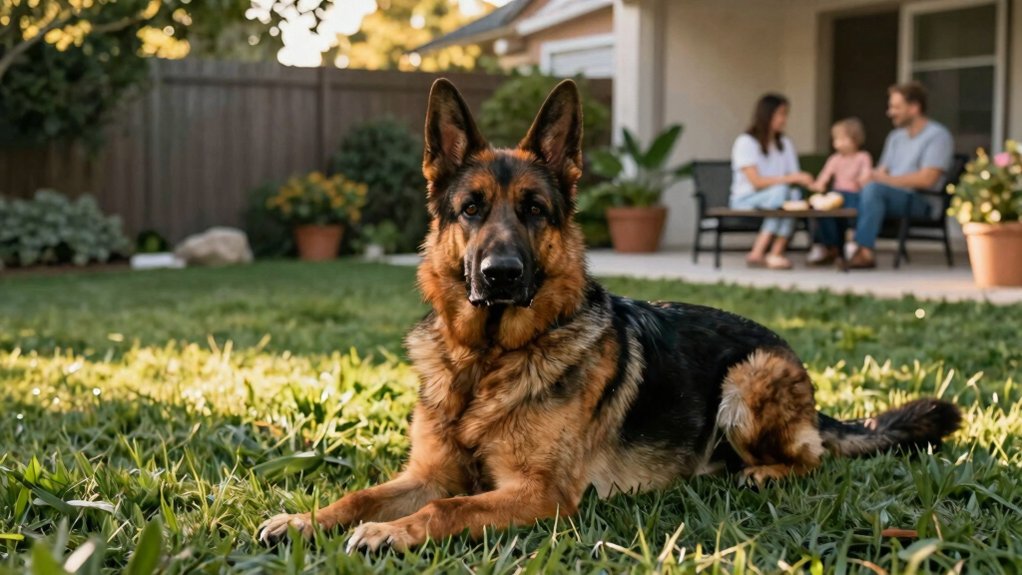
So, which German Shepherd coat color really fits families and first-time owners? Here’s the truth: color doesn’t automatically change temperament, intelligence, or health. What matters most is the breeding line, socialization, and training.
If you want an easier start, companion-bred white German Shepherds often feel calmer and more sociable, great for novice households. But keep in mind, any white dog can get anxious or bark a lot if you leave them alone too long.
Black dogs can also be affectionate and protective. Still, high-drive working-line sable dogs may demand more time, patience, and structure. Choose wisely, train consistently. Even among closely related shepherd lines, the Lycan Shepherd shows how a dog tied to the German Shepherd can develop a very different wolf-like appearance and temperament.
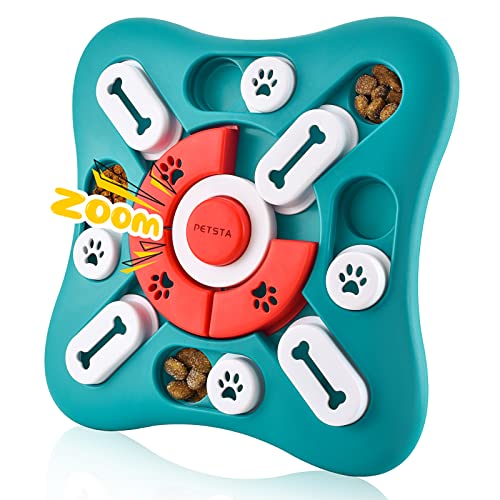

3 LEVELS, 4 WAYS TO PLAY — Open cups first, then spin the center to dispense, then add twist locks. Grows with your dog.

【Upgrade Dog Puzzle】Our dog puzzle toy is moderate level with more challenging ,difficult than level 2, not only easy slide steps, but require your dog's ability to learn sequential steps and combinations to seek hidden treats while keeping mental active .There are easy slide step and harder step in the puzzle box , dogs have to find a right way to move the red round sliders and the center parts for food, higher skills and mind required , great for the smart dogs.
Best Coat Color For Protection Or SAR Work
When you’re hunting for a German Shepherd that’ll shine in protection work or SAR (search-and-rescue), coat color can give you a useful clue—but it’s not the whole story. Most working-line dogs come in sable or solid black, because breeders historically favored utility, security, and demanding service tasks.
Sable (agouti) is often dominant, so many guard hairs show banding, helping camouflage in forests and fields.
Solid black needs a recessive gene, so it’s rarer, but still common in working lines.
White is largely excluded as a fault or disqualification, limiting options for protection-focused breeding.
Regardless of color, the dense double coat of a German Shepherd provides good cold weather tolerance, though handlers should still watch for winter risks during long outdoor training sessions.
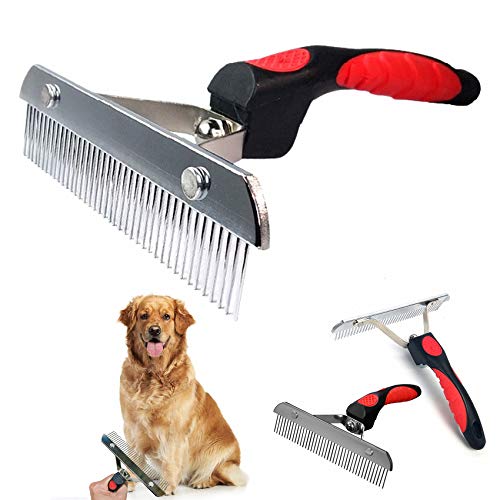
ROUNDED PIN : The long tooth undercoat rake brush has smooth rounded pins that make it easier for pets to accept grooming. The 0.94 foot long steel teeth of the rake penetrate deep into the dog's hair to remove loose fur and remove all mats, tangles and knots. Long tooth undercoat dog rake brush Not suitable for cats, puppies or short-haired pets.

Dual-Sided Design: Start with 9 teeth side for stubborn mats and tangles and finish with 17 teeth side for thinning and deshedding. Achieve faster and more professional dematting and grooming results

VERSATILE SHEDDING & DEMATTING COMB – Our dual-sided pet grooming tool combines a 12-blade dematting comb for dogs and cats to remove mats, knots, and tangles with a 23-blade deshedding tool for dogs that reduces loose fur, undercoat, and shedding. Works as a pet grooming brush, kitten brush, cat combs for indoor cats, dog brush short haired dogs, short hair dog brush for shedding, undercoat rake for dogs, and grooming brush for long-haired pets. A must-have for golden retrievers, huskies, doodles, poodles, and other thick double-coated breeds.
Show Vs Working Lines: What Color Changes
You’ll notice the biggest color “differences” between German Shepherds that come from show breeding versus working breeding, and it has a lot to do with what each program tries to reward.
In show lines, you’ll most often see rich black-and-red or black-and-tan saddle patterns, paired with strong, dark pigment. But in working lines, you’re more likely to see sable, bi-color, or solid black, because herding and service traits guided selection.
You’ll also meet darker “overall” looks, especially in East German (DDR) working lines. Beyond color, show-line dogs are generally bred for a more refined structure and calmer temperament, while working-line dogs are selected for higher drive and training performance.
None of this proves superiority. It just reflects different goals. Choose the line that fits your service life.

Fluffy Orthopedic Dog Bed – When my dog finally crashes after playtime, I want them sinking into ultra-soft long plush—not a thin mat. This calming orthopedic dog bed (great for medium & large breeds) helps anxious pups settle faster for all-night, joint-friendly sleep.

MADE FOR COMFORT:High density egg crate foam orthopedic dog bed supports your fur baby's muscles and joints, relieves joint pain, a great choice for elderly or sick dog pets. they will love a day in the extra large dog bed.

Orthopedic Dog Bed for All Life Stages: Designed to provide pressure and pain relief for dogs with arthritis, joint pain, hip dysplasia, or mobility issues, this supportive dog bed features egg crate foam that helps distribute weight evenly and reduce pressure on joints
Pick The Best Coat Color Using Breeder Test Results
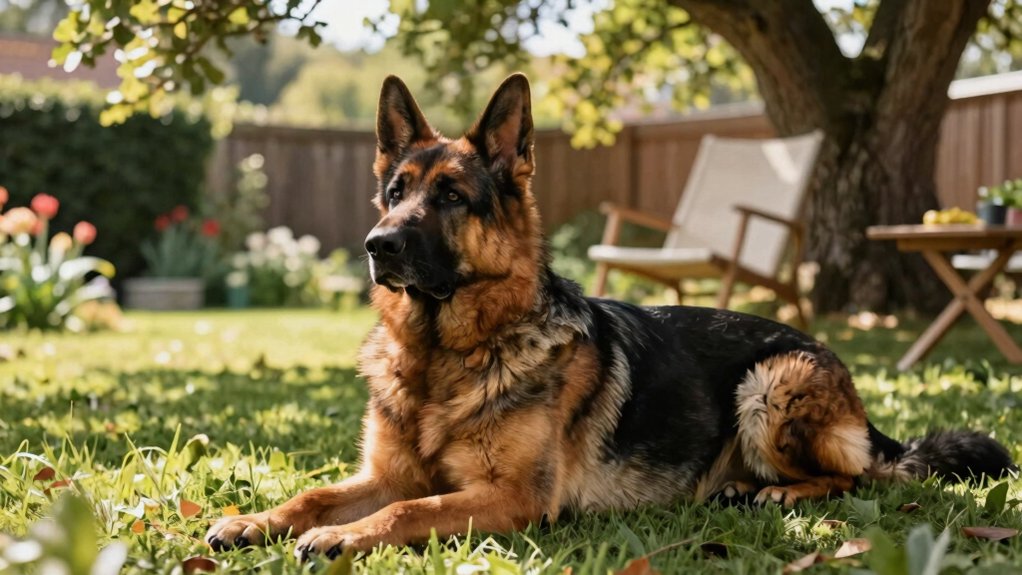
Pick the best coat color by letting breeder test results do the talking first.
Pick the best coat color by letting breeder test results lead—then compare health, nerve notes, and Volhard-style puppy scores.
Start by asking the breeder for formal health screens—hips, elbows, and any DNA panels—and for in-kennel nerve and drive notes, plus Volhard-style puppy scores.
Coat genes drive color, but they don’t control structure, health, or intelligence.
That means black, sable, and white can all be equally capable when you choose by results, not looks.
Ask how puppies score, then compare littermates on the same rubrics.
Prioritize the calm, steady pups with strong work drive.
This helps you serve others with a dog you can trust.
Frequently Asked Questions
Do Black, Sable, and White Puppies All Have the Same Shedding Level?
Like a steady metronome, black, sable, and white German Shepherd puppies shed at similar levels. Their double coats drive hair fall, not color. You’ll still brush and serve your home with tools during seasonal blowouts.
Can Two Sable Parents Produce a Solid Black or White Puppy?
Yes, two sable parents can produce a solid black puppy if both secretly carry the recessive black gene. You can also get a white puppy if both carry the recessive white (masking) gene. Genetic testing confirms it.
Are Black, White, or Sable Coats Associated With Different Allergies in Dogs?
No—black, white, and sable German Shepherd coats don’t meaningfully change dogs’ or humans’ allergy risk. You should focus on dander, saliva, shedding intensity, and other triggers like fleas, food, and environmental allergens.
Do Coat-Color Genes Influence Size, Bone, or Overall Structure?
No—coat-color genes usually don’t influence size, bone, or overall structure. You’ll see color driven by pigment pathways (like Agouti/MC1R), while body size and conformation come from separate growth and morphology genes.
How Can I Spot a Reputable Breeder Regardless of Color Preference?
Around 1 in 5 puppies sold by unethical breeders end up with serious health problems. You’ll spot a reputable one fast: ask for OFA/CERF test results, visit the clean facility, meet the dam, review vet records, and insist on a written contract.