You’ll notice that show‑line West German Shepherds have a sloped topline, longer trunk, and a flowing gait for the ring, while working‑line dogs keep a straighter back, compact build, and efficient trot for stamina. Show dogs wear a glossy black‑red coat and display a calm, moderate drive; working dogs sport a coarser sable or bi‑color coat and a high‑energy, protective temperament. You’ll need hour for a show dog, but 2–3 hours for a working dog—more.
Swift Summary
- Show‑line West Germans have a sloping topline, longer trunk, and heavier bone structure, emphasizing elegant gait and show‑ring appearance.
- Working‑line West Germans feature a straighter, athletic back, compact build, and efficient gait designed for stamina, maneuverability, and functional tasks.
- Temperament differs: show lines are calm, sociable, and moderate‑driven; working lines are high‑energy, intensely focused, and more protective or territorial.
- Exercise needs vary: show lines thrive on 60‑90 minutes of varied activity; working lines require 2‑3 hours of high‑intensity physical and mental work daily.
- Health outlook: working lines generally live 10‑13 years with lower hip/elbow dysplasia rates, while show lines face higher joint‑issue prevalence and slightly shorter lifespans.
What’s the Biggest Difference Between Show‑Line and Working‑Line West German Shepherds?
So, what truly sets show-line and working-line West German Shepherds apart? You’ll notice the structural blueprint first: as a west german shepherd, west german showline german shepherd displays sloped topline and rear angulation, creating flowing silhouette.
West german showline german shepherd vs american. In contrast, the west german working line german shepherd carries a straighter, athletic back with angulation, for stamina maneuverability.
This divergence reshapes gait—working line german shepherd vs show line, the working line trots upright, conserving energy for tasks like police german shepherd vs show german shepherd duties.
Size follows form; show dogs are bulkier, larger, whereas working dogs are leaner with medium bone.
Coat color also splits, with show lines favoring rich black‑red saddles, working lines showing sable or bi‑color patterns. Owners who bring either line on road trips can keep grooming brushes, water bowls, and waste bags organized with dog travel bags designed for on-the-go essentials.
All West German Shepherds, regardless of line, experience heavy shedding year‑round, with peak periods in spring and fall.
How Do Breeding Goals Shape Each Line’s Temperament and Drive?
Because breeders prioritize different objectives, the temperament and drive of West German show‑line and working‑line German Shepherds diverge markedly. You’ll see working‑line litters are selected for prey, pack, and defense drives; they shift from calm to intensity within seconds, which equips them for police, sport, and rescue tasks.
Their nerve strength is honed to stay clear‑headed amid loud noises, crowds, and terrain, reflecting Max von Stephanitz’s original working vision. In contrast, show‑line breeders favor an even, confident disposition suitable for families and public settings. Because high‑drive working dogs can overexert themselves on long runs, owners often rely on gradual distance increases and steady pacing to build their conditioning safely.
They accept lower arousal and milder defense responses, ensuring your dog can settle quickly after excitement. Both lines retain enough drive for basic protection, but the working line’s drive remains high, while the show line’s is moderated for household stability. Working‑line breeders also prioritize parents that hold recognized sport titles, ensuring the puppies inherit strong drive and trainability.

Size Instruction: This large dog harness fits chest girth: 27-37 in, neck girth: 19-25 in. Perfect for German Shepherds, Labradors for hiking, walking, or daily outdoor adventures. Breed suggestions are for reference; please measure your dog's chest, neck, and weight for the best fit.

【Large Dog Molle Vest】: Neck Girth: 21-28 inch, Chest Girth: 24-39 inch, Belly Length: 24-39 inch, Back Length: 13.5 inch. Ideal for Large Breeds such as German Shepherds, Belgian Malinois, Golden Retrievers, Huskie, Labrador, Akita. A professional working dog vest for service, police, or military dogs, but also suitable for outdoor companion dogs. Please refer to our size chart, make sure match up your dog's measurement, Do not choose the size base on dog's weight or guess

【Heavy-Duty No-Pull Control for Large Dogs】 Our tactical dog harness features dual metal D-rings (chest for no-pull training, back for daily walking) and a reinforced top handle to stop pulling and control your dog instantly in emergencies. Perfect for large breeds like German Shepherds, Golden Retrievers, Labradors, and Malinois.
How Size, Angulation, and Topline Differ Between the Two Lines?
When you compare West German show‑line and working‑line German Shepherds, the differences in size, angulation, and topline stand out clearly.
Show‑line dogs reach greater height, possess a longer trunk, and carry heavier bone with a broad chest that creates a sweeping ring silhouette.
Working‑line dogs stay more compact, with balanced height‑to‑length ratios that preserve a stable center of gravity for endurance tasks. Handlers often rely on a long leash for recall practice because the dog’s stamina lets it cover distance and still return reliably.
Hindquarter angulation diverges: show‑line hocks and stifles flex an extra 20–30°, producing a low, sloping croup and a “flying trot” appearance; working‑line hindquarters retain moderate angles for efficient acceleration.
The topline mirrors these traits: show lines often display a pronounced downward slope, sometimes a slight roach, whereas working lines maintain a level to sloping back that supports sustained movement and structural longevity.
This functional selection preserves a higher working drive that fuels stamina and focus during demanding tasks.

Engineered for Ultimate Strength: Constructed from 1/2 inch diameter rock climbing rope, this heavy duty dog leash is distinctively durable and strong. It is designed to withstand the strongest pulls from large and energetic dogs, giving you peace of mind that your pup won't break free during walks
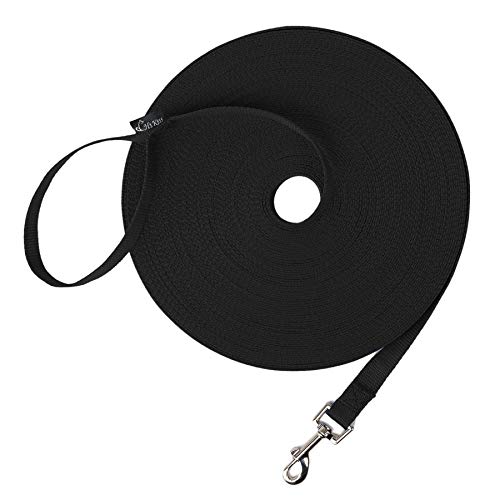
DIMENSIONS - This dog leash measures 3/4in wide by 30 feet long. Great for hiking, camping, training, hunting, backyard, beach, recall training, outdoor play with tennis balls, and swimming!

【EASY AND CONVENIENT】- No collar or harness needed. With the adjustable loop, extremely simple and easy to put on or off
Which Coat‑Color Patterns Signal a Show‑Line Versus a Working‑Line Shepherd?
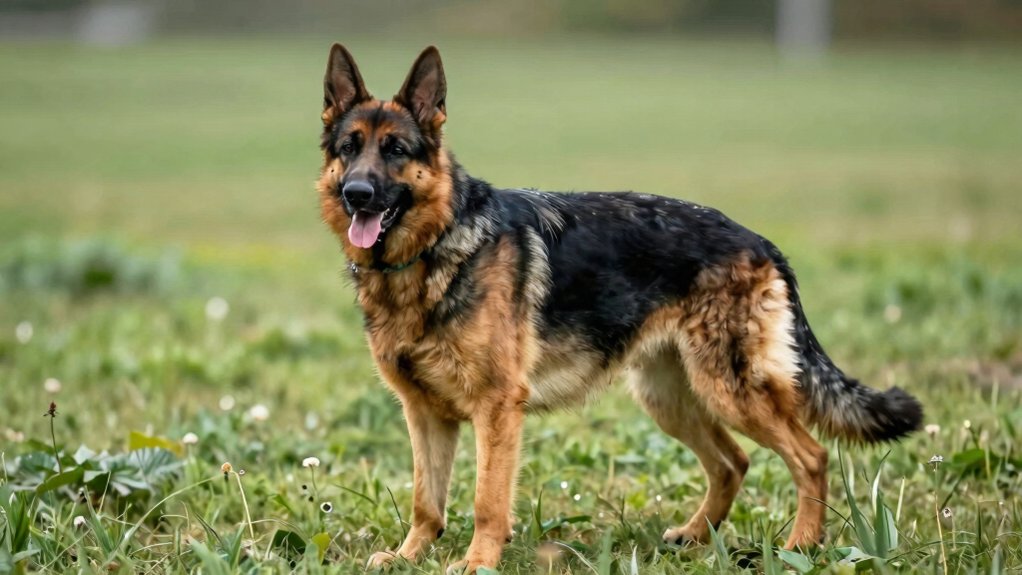
Although the two breeding streams share the iconic German Shepherd silhouette, their coat‑color patterns often give the first clue about whether a dog belongs to a West German show line or a working line.
In show lines you’ll see a black‑and‑red saddle with deep red tan, glossy fur, and strong contrast between saddle and field.
Working lines favor sable or solid black shades, banded hairs, and minimal light areas; many display dark sable with subtle limb shading or a bi‑color mask.
Recognizing these patterns lets you match your dog’s appearance to its service role and respect each line’s purpose.
Show‑line coats feel heavier and luxurious; working coats are coarser for weather.
Both textures serve functional goals, so adjust grooming accordingly. Under breed standards, black, sable, and bi‑color coats are accepted, whereas pure white coats are disqualified from conformation shows.
Choose training that respects heritage.

DUAL-SIDED DESIGN: Our Undercoat Rake Dog brush is perfect for deshedding your pet's coat. Designed with a dual-sided design, start with a 9-teeth side to tackle stubborn mats and tangles, and finish with a 17-teeth side to thin out and deshed after.

【Professional Pet Grooming Kit 】3 Pet grooming tools selected by pet lovers, which can meet daily all the grooming needs of pets. Let you, as the groomer, personally give your furry friend a shiny and healthy coat. This is a must-have beauty product set for pet lovers! The Best Dog Gifts - Merry Christmas

SAVE MONEY: Reduce expensive trips to the groomer. Our dog shedding brush works great as a dog brush for short haired dogs & dog brush for long haired dogs. It is an absolute essential for pet supplies, dog supplies, and a dog grooming kit.
What Temperament Traits Separate West German Show‑Line From Working‑Line Dogs?
When you compare a West German show-line shepherd to a working-line counterpart, the former typically shows a calm, moderate drive that settles quickly.
Meanwhile, the working-line dog maintains a consistently high energy and intense focus.
You’ll notice the show-line dog balances sociability with mild stranger curiosity, offering a friendly yet composed presence.
In contrast, the working-line dog concentrates its attention on protective vigilance and strong territorial instincts.
Because of these traits, you can match each temperament to the lifestyle that best supports its off‑switch and stress resilience. Owners of high-drive working lines should also be aware that this intensity can show up as prey drive, which may lead to chasing cats or small animals without proper management.
Calm Versus High Drive
Because show-line German Shepherds have been bred for temperament stability rather than task intensity, they typically display a calm, confident demeanor in everyday settings. When you evaluate a companion, you’ll notice their lower baseline arousal: they settle quickly after a walk, keep vocalizations minimal, and accept downtime without stress.
In contrast, working-line dogs possess a high-drive profile; they shift rapidly from relaxed to intense, crave continuous physical and mental challenges, and often vocalize when under-stimulated. You must provide structured tasks daily to keep a working-line balanced, whereas a show-line tolerates occasional exercise and still remains poised.
Understanding this spectrum lets you match the dog’s drive to your service-oriented lifestyle responsibly. By respecting these differences, you guarantee the dog’s well-being and contribution to your mission.
Social Balance Versus Intense Focus
Having compared calm versus high‑drive temperaments, you’ll now see how those drive levels shape each line’s social dynamics. You’ll notice show‑line dogs spread affection across the whole household, greeting siblings, guests, and elders with warmth. Their temperament favors family attachment, making them approachable in public and low on defensive aggression.
Working‑line dogs concentrate social energy on a primary handler; they track movements, anticipate cues, and keep vigilant focus. This intense dyad supports complex tasks but creates a reserved, suspicious stance toward strangers until the handler signals acceptance.
At home, show‑lines settle quietly, tolerate idle periods, and integrate into routine without stimulation. Working‑lines demand structured activity; inactivity triggers arousal, restlessness, and destructive behavior. Matching the line to your service‑oriented lifestyle prevents stress and promotes harmonious companionship.
How Much Training and Daily Exercise Does Each Line Really Need?
Although both German Shepherd lines thrive on regular activity, working‑line dogs require roughly 2–3 hours of high‑intensity exercise and structured mental work each day.
West German show‑line dogs function well with about 60–90 minutes of varied movement plus lighter training sessions.
You’ll schedule two brisk walks or trots lasting 30–45 minutes each for a working‑line, then add a vigorous run, hill hike, or sport session to meet the total.
Follow with 30–45 minutes of scent, obedience, or bite‑work to satisfy mental demands.
For a show‑line, provide a steady 30–45 minute walk, a moderate jog or play period, and 15–30 minutes of obedience or puzzle enrichment.
Consistency prevents frustration and promotes the calm service‑oriented demeanor you seek. Between scheduled sessions, a stairway safety gate can keep an energetic dog from unsupervised trips up and down the stairs.

STURDY & DURABLE: We use a thick all aluminum frame so this jump will not blow over with the elements

Build Your Dog's Agility Course: Includes 12 cones & 6 durable rods. Mix and match to create endless training layouts!

COMPLETE 80-PIECE DOG AGILITY COURSE: Build a varied dog obstacle course with a hoop jump, hurdle, 68-inch tunnel, 6 weave poles, pause target and training accessories. This dog agility training equipment gives beginners multiple ways to create an obstacle course for dogs indoor/outdoor. It included an agility tunnel with 2 sandbag, 6 weave poles, adjustabel angility hurdle, jump rings, a pause box, 2 ball toys, 2 flying discs, 2 tracking clicker,1 whistle, 1 carrybag.
Do Health and Longevity Differ Between West German Show‑Line and Working‑Line Shepherds?
When you compare West German show-line and working-line German Shepherds, you’ll notice clear differences in lifespan and health‑issue prevalence. Working-line dogs reach ten to thirteen years, about one to two years longer than show-line counterparts, reflecting sturdier toplines.
Hip and elbow dysplasia affect roughly 22% of show lines versus 12% of working lines, and pronounced hindquarter angulation in show dogs predisposes earlier mobility loss.
Degenerative myelopathy, linked to the SOD1 mutation, appears in both lines; DNA screening in working‑line programs lowers incidence.
Both lines share GDV and pancreatic insufficiency risks; regular veterinary checks and responsible breeding extend functional years. Crossbred dogs such as the German Shepherd Great Pyrenees mix, a gentle giant with considerable size, show how body mass and exercise needs can influence joint and mobility health over the long term.
Frequently Asked Questions
What Price Range Should Buyers Expect for Show‑Line Versus Working‑Line Puppies?
Like a balancing scale, you’ll find show‑line pups typically $2,500‑$5,500, while working‑line pups range $2,000‑$6,000, depending on pedigree, testing, and performance records. Remember, you’re investing in health, temperament, service; choose responsibly and request full certifications.
Can a West German Show‑Line Dog Excel in High‑Level Agility Competitions?
Yes, you’ve seen a West German show‑line dog excel in high‑level agility if you select sound structure, balanced drive, and condition it carefully, providing consistent training, supportive handling, and attentive health monitoring for rigorous competition.
Do Insurance Companies View Working‑Line German Shepherds Differently Than Show‑Line Ones?
You’ll find insurers generally treat working‑line and show‑line German Shepherds alike, pricing health coverage identically and basing liability decisions on breed, not lineage, though some policies may exclude occupational injuries or activity‑related claims under policy.
Are Grooming and Shedding Needs Noticeably Different Between the Two Lines?
When you groom Max, a plush‑coated show‑line German Shepherd, you’ll spend ten extra minutes daily; show‑line coats need more frequent brushing, but shedding volume remains similar to working‑line dogs throughout the year and during blows.
How Do Adoption or Rescue Statistics Differ Between Show‑Line and Working‑Line German Shepherds?
You’ll notice that show‑line German Shepherds experience higher family adoption rates, whereas working‑line dogs are rescued more frequently by experienced handlers or specialty organizations, reflecting differing lifestyle compatibility and training demands, requiring longer commitment periods.