For your German Shepherd, aim for spay/neuter around 12–18 months, not before 12. Waiting helps growth plates close, which can lower joint risks, like hip and CCL problems. But early surgery has trade-offs: early neuters link to higher joint disorder in male GSDs, and early spays raise urinary incontinence risk in females (often years later). You’ll still get big benefits—no pyometra, less cancer risk, and calmer roaming. Ask your vet about screening, labs, and the pain plan, then keep going to get more details.
Swift Summary
- Aim for spay/neuter around 12–18 months for German Shepherds, using vet guidance since risk varies by breed and individual growth.
- Early neutering/spaying before 12 months can affect orthopedic development by delaying growth plate closure and altering joint stress.
- Early neutering in males is linked to higher joint disorder diagnoses and increased CCL/ligament risk compared with intact males.
- Early spaying in females raises urinary incontinence/USMI risk years later, with timing strongly influencing the likelihood.
- Weigh benefits (preventing cancers, pyometra, and certain prostate issues) against risks, and discuss pre-op screening and anesthesia safety.
Optimal German Shepherd Spay/Neuter Age and Timing
When you’re planning to spay or neuter your German Shepherd, aim to do it after his or her skeleton finishes most of its growth. So, should german shepherds be spayed? Vet guidance says generally no earlier than 12 months, because early timing can raise joint problems and some cancers. However, a 10-year UC Davis study found huge disparity among different breeds, meaning there isn’t a single “one size fits all” age for health risks. You can ask when can you spay a german shepherd, and when can you neuter a german shepherd, based on sex, size, and risk. Many owners target 12–18 months, sometimes up to 24 for big dogs. For fixed german shepherd planning, think: when can a german shepherd be neutered, and what age to get german shepherd spayed. Weigh german shepherd neutering pros and cons, neutered vs unneutered german shepherd, and when can you neuter a german shepherd puppy. Understanding the care a German Shepherd puppy needs during its first four weeks helps owners appreciate how early development shapes long-term health.

YOUR DOG’S COZY WAY TO RECOVERY WITH RECOVERTECH MATERIAL - Made with proprietary RecoverTech material that is soft, breathable, stretchable, moisture-wicking, and bathroom-friendly for quick recovery. This recovery suit replaces dog cones by protecting stitches without restricting movement, making it ideal as a dog surgery suit for females after spay or a dog body suit after surgery.

Cone of Shame Alternatives: Swap out uncomfortable dog cones for a cozy dog surgery suit. Our dog suit is made with soft cotton and lycra that promotes better airflow than dog spandex nylon suits and has an inner layer pocket for ice packs and pads. Medium size fits chest 25-35.5 inches, neck to tail 21.7-27.2 inches.

[Soft, Breathable Fabric]:Our dog recovery suit is crafted from 100% polyester, ensuring exceptional air permeability and comfort for your furry friends. The highly malleable material allows for unrestricted movement, making it comfortable for puppies during all activities. Plus, our onesie is easy to clean – just toss it in the washing machine or hand wash without worrying about deformation or color fading.
Why Delaying Helps German Shepherd Joints and Urinary Health
By waiting to spay or neuter until your German Shepherd has finished key growth milestones, you help their joints mature normally, including growth plate closure, which can lower the risk of hip dysplasia and cranial cruciate ligament (CCL) problems. In a study of German Shepherd Dogs, neutering before age 1 tripled the chance of being diagnosed with one or more joint disorders (21% vs. 7% for males, and 16% vs. 5% for females). And if you’re concerned about urinary health too, delaying can reduce urinary incontinence: spayed females often see rates around 5–20%, but intact dogs are closer to about 0–1%. But don’t guess on timing, because your vet can use age and body development to pick a safer window, often after about 2 years. Owners should also watch for hind leg lameness or stiffness after exercise, since these can be early signs of hip dysplasia or CCL injury.

HOW TO CHOOSE THE CORRECT SIZE - SPINE > GIRTH >WEIGHT Measure spine length first (base of neck to base of tail). This determines size. Measure chest girth behind the front legs for final confirmation. Confirm weight range to narrow the correct fit. If not sure, go up in size. Currently Viewing Size: Large Long - fits dogs with a 21–24 inch spine length | 22–28 inch chest girth | approximately 45–60 lbs. Choosing the correct size of dog surgery recovery suits helps avoid delays or exchanges.

SIZE GUIDE: X-Small (Back:8.3-11.4in,Chest:12.6-15.7in, Weight:4-7 LB), Small (Back:11.4-13.4in,Chest:15.7-19.3in, Weight:7-15 LB), Medium (Back:13.4-16.1in,Chest:19.3-23.2in, Weight:14-25 LB), Large (Back:16.1-20.1in,Chest:23.2-27.6in, Weight:23-48 LB), X-Large (Back:20.1-24.8in,Chest:27.6-32.3in, Weight:42-75 LB), XX-Large (Back:24.8-29.5in,Chest:32.3-39.3in, Weight:70+ LB)

Flexible and Comfortable Design: With its round-neck pullover and convenient button closure on the back, the dog recovery suit female offers excellent flexibility, allowing your pet to move freely and comfortably. It’s easy to put on and take off, while the thoughtful design helps the dog surgery suit stay in place as your pet walks, plays, or rests
Joint Growth Plate Maturation
If you’re weighing when to spay or neuter your German Shepherd, delaying a bit can give their growth plates time to mature. Growth plates are cartilage “growth zones” at bone ends. In large breeds, they usually close around 12–18 months, but it varies.
German Shepherds mature later than smaller dogs, so timing matters for joint shape. Sex hormones help endochondral ossification, so removing hormones too early keeps growth plates open longer.
That can shift limb angles, stress stifles and hips, and raise orthopedic risk. Aim for gonad removal after growth completion when your vet agrees.
Reduced Urinary Incontinence Risk
One reason to think twice about very early spaying in a German Shepherd is urinary incontinence risk, and it links right back to hormone timing that also affects joint growth.
If you remove ovaries too soon, before 3 months, your urethral sphincter may not work well.
That leads to “urethral sphincter mechanism incompetence,” a fancy term for weak valve control.
In large-breed studies, incontinence hits about 4–20% of spayed females, often 3–5 years later.
German Shepherds seem rarely affected, yet risk still rises with very early surgery.
Delaying from under 3 months helps.
Consider discussing 6–11 months timing.
German Shepherd Age Differences: Males vs Females Risks
You’ll want to match the timing to your dog’s sex, because early neutering hits joints in males and urinary control in females.
If you neuter a male German Shepherd before 1 year, his joint disorder rate jumps from about 7% to 21%, while in females early spaying raises the chance of joint problems too but also increases urinary incontinence (especially before full maturity), which means urine leaks because the urethral “sphincter” doesn’t hold as well.
But if you wait until about 18–24 months, you can lower orthopedic risks for both sexes, then weigh the female-specific trade-offs like mammary tumor protection versus urinary and urethral sphincter mechanism issues. Because joint problems can signal hip dysplasia, owners should also watch for lameness, bunny-hopping when running, and reluctance to climb stairs.

Upgraded Sturdy Material: Made from reinforced, crack-resistant plastic, this dog cone is thicker and sturdier than standard elizabethan collars. The clear design preserves your dog’s full 360° vision, helping prevent anxiety and accidental bumps during recovery

Effective Protection and Stop Licking: This cone-shaped dog recovery collar provides wider coverage than inflatable dog cones, effectively preventing your pet from licking or biting wounds. Ideal for post-surgery recovery, neuter or spay aftercare, hot spots, skin conditions, grooming, and more. A must-have e-collar for dogs after surgery to speed up healing.

Revolutionary Donut Neck Donut - Say goodbye to bulky cones! Our upgraded inflatable dog collar redefines post-surgery care with a detachable protective shield that actively blocks biting and licking while maintaining a playful donut silhouette. This clever dual-purpose design keeps wounds secure and transforms it into a cozy accessory your pet won’t mind wearing.
Male Joint Risks With Early Neutering
When you neuter a male German Shepherd early, you may unintentionally raise the odds of joint problems as his bones finish growing.
Intact males show about 7% joint disorder incidence, but males neutered before 1 year rise to about 21%, roughly triple.
Biggest risk centers on CCL tears, a ligament in the knee that helps stabilize it.
Under 6 months, risk sits near 19%, and 6–11 months stays around 18%.
If you delay until at least 1–2 years, risk drops to about 9%, closer to baseline.
Also, hip and elbow dysplasia risk increases in large breeds before maturity.
Female Urinary Incontinence Before One
If you’re weighing neuter timing because early surgery can affect joints in males, you should also know that early spaying in female German Shepherds can raise the odds of urinary incontinence, especially before age 1.
After spay, some females lose urethral sphincter tone, called USMI—urethral sphincter mechanism incompetence.
In German Shepherds, about 7% spayed before one year developed USMI, while intact females in that cohort had none.
Broader data shows 5–20% of spayed bitches get incontinence, versus 0–1% intact.
And many cases appear young, sometimes even soon after surgery.
Timing Tailored To Sex Differences
Because male and female German Shepherds grow on different schedules, the “best age” to spay or neuter isn’t one-size-fits-all.
For males, you’ll reduce roaming and certain risks, but neutering before 12 months can raise joint problems.
Intact males show about 6–7% major joint issues by age 8.
Neutering before 12 months jumps to 19–21%, with cranial cruciate ligament tears especially amplified.
Neutering at 1–2 years lowers incidence to about 9%, still above intact.
For females, intact risk is ~5%, but early spay before 12 months raises it to 16–17%, again most tied to early CCL tears.
Benefits of Spay/Neuter for German Shepherds
Spaying and neutering your German Shepherd can set you up for an easier, healthier life together—and it helps both your dog and your community.
First, you prevent serious disease. Spaying stops uterine infection, pyometra, and greatly lowers uterine and ovarian cancers. It also reduces mammary tumor risk, around 0.5% when done before the first heat. Neutering removes testicles, preventing testicular cancer, and it lowers prostate problems like benign prostatic hyperplasia and prostatitis.
Next, you improve safety. Neutering cuts roaming, fights, and urine-marking, plus it reduces mounting and heat-driven restlessness. You also support longer, healthier lives, and fewer accidental litters, easing shelter strain. Since German Shepherds are also prone to degenerative myelopathy, a progressive spinal cord disease that typically causes hind-limb weakness in later life, it’s worth discussing your dog’s overall long-term health with your veterinarian when planning spay or neuter surgery.

MADE FOR GERMAN SHEPHERDS: a hip and joint supplement dosed by weight for a breed built to work. Devoted German Shepherd parents get a simple daily routine, 1/2 to 2 soft chews a day, from active adult years to senior. One 60 count jar delivers a full month of daily joint support at the large-breed dose.
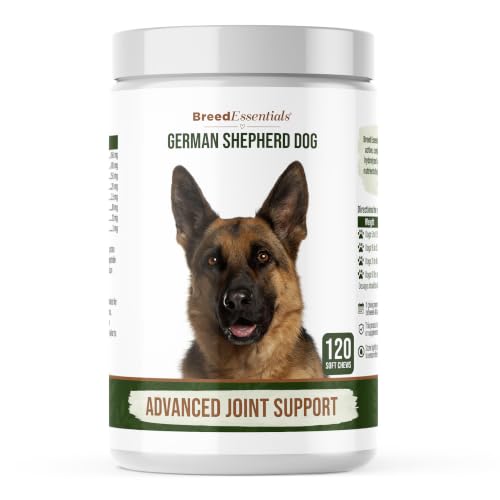
MADE FOR GERMAN SHEPHERDS: a hip and joint supplement dosed by weight for a breed built to work. Devoted German Shepherd parents get a simple daily routine, 1/2 to 2 soft chews a day, from active adult years to senior. One 120 count jar delivers two full months of daily joint support at the large-breed dose.

Health Supplement for Dogs: VetIQ hip and joint chews for dogs are soft and a great way to support mobility, whether they love running, jumping, playing, or resting; They suit senior pets or those who need extra support staying active & comfortable
Risks of Early Spay/Neuter: Joints, Incontinence, Weight
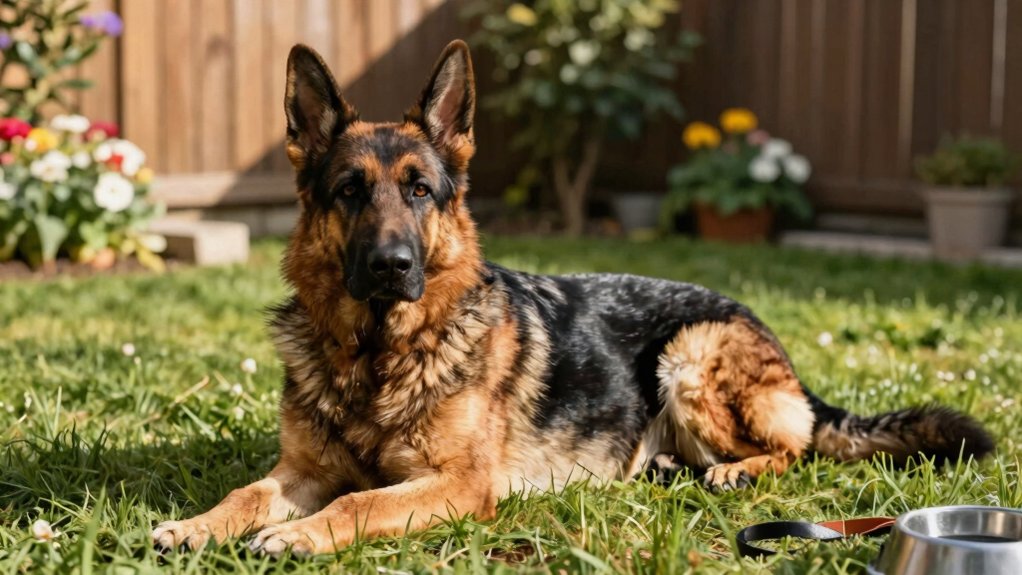
Even though spay/neuter offers big health upsides, doing it very early can bring trade-offs you should plan for with your vet.
Neutering before 12 months roughly triples diagnosed joint problems in German Shepherds.
Neutering before 12 months can roughly triple diagnosed joint problems in German Shepherds, increasing risk of issues like cranial cruciate injuries.
In one report, only ~7% intact males had joint issues, but ~21% of males neutered before 1 year did.
For females, it rose from ~5% to ~16%.
Often, it’s cranial cruciate ligament injury.
These risks tie to sex hormones that help bone growth plates close.
Early spay can also raise urinary incontinence, about 7% vs none in one study.
Beyond joint and bladder concerns, German Shepherds are also prone to uncommon neurological disorders such as degenerative myelopathy, which owners should discuss with their vet when weighing spay/neuter timing.

DOG BLADDER CONTROL: Empower your furry friend with confidence; the Nutri-Vet Bladder Control Supplement for Dogs helps maintain bladder control, reduce dog incontinence, and is an immune support supplement to help improve your pets overall wellness

Urinary tract harmony - Supports the natural cleanliness and health of your dog's entire urinary tract, promoting a comfortable and healthy flow.

POWERFUL CRANBERRY FOR DOGS: Our delicious cranberry for dogs is formulated to support urinary tract health, bladder control, kidney, immunity and overall UT health. Each tasty bacon flavored chew provides powerful urinary tract support for dogs, so your pet can stay more comfortable throughout the day and to support a healthy urinary flow. Each urinary tract bite is packed with cranberry to support kidney, bladder, and immune health for dogs of all ages, sizes and breeds. Our cranberry supplement for dogs is delicious and easy for your pet to take daily for optimal immunity, kidney, urinary and bladder health!
Questions for Your Vet Before Surgery
Before you say “yes” to surgery, ask your vet a few clear questions so you know exactly what happens and what to watch for.
Ask how they screen health first, reviewing history, doing a full exam of heart, lungs, belly, and gums, plus weight and vitals.
Then ask about baseline tests, like CBC, chemistry, and clotting, and whether older dogs need chest X-rays or an ECG.
Confirm surgery is postponed if your dog has coughing, sneezing, runny eyes, or diarrhea.
Ask fasting rules, usually 6–8 hours, and expected wake time.
Finally, ask the pain plan, drug names, and banned human meds. Also ask how long your dog must rest before returning to physical and mental activities that help German Shepherds burn energy and avoid boredom.

Perfect Dog Surgery Recovery Solution--Kintor dog surgery recovery suit is designed for protecting your dogs from licking,scratching or rubbing surgical incision,keeping dog’s abdominal area stiches or wound in perfect condition and our soft dog recovery suit also can make your pet feel warm and safe after surgery,which will promote the healing effectively.

ANTI-LICKING WOUND COVERAGE: Designed to cover abdominal surgical sites after spay or neuter procedures and help limit licking, scratching, and biting during recovery.
Frequently Asked Questions

HOW TO CHOOSE THE CORRECT SIZE - SPINE > GIRTH >WEIGHT Measure spine length first (base of neck to base of tail). This determines size. Measure chest girth behind the front legs for final confirmation. Confirm weight range to narrow the correct fit. If not sure, go up in size. Currently Viewing Size: 2 Extra Large - fits dogs with a 31–35 inch spine length | 31–38 inch chest girth | approximately 110–140 lbs. Choosing the correct size of dog surgery recovery suits helps avoid delays or exchanges.

SIZE GUIDE: X-Small (Back:8.3-11.4in,Chest:12.6-15.7in, Weight:4-7 LB), Small (Back:11.4-13.4in,Chest:15.7-19.3in, Weight:7-15 LB), Medium (Back:13.4-16.1in,Chest:19.3-23.2in, Weight:14-25 LB), Large (Back:16.1-20.1in,Chest:23.2-27.6in, Weight:23-48 LB), X-Large (Back:20.1-24.8in,Chest:27.6-32.3in, Weight:42-75 LB), XX-Large (Back:24.8-29.5in,Chest:32.3-39.3in, Weight:70+ LB)
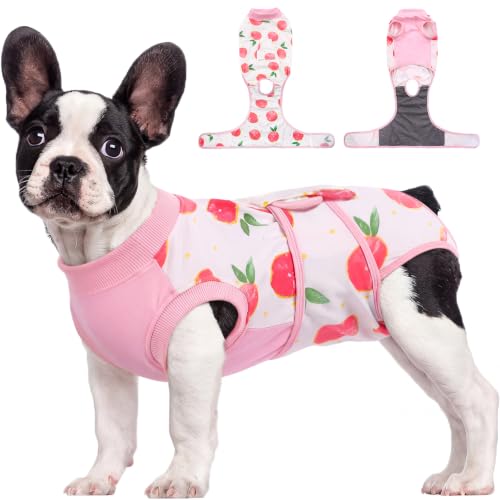
[PATENTED DOG RECOVERY SUIT: COMFORTABLE PROTECTION AFTER SURGERY]:Designed for dogs recovering from spay, neuter, and abdominal procedures, Kuoser recovery suit provides gentle coverage to help protect surgical areas, stitches, and sensitive skin. Made with soft, breathable, and stretchy fabric, it allows comfortable movement while your dog rests, walks, eats, and sleeps during recovery
Is It Safe to Delay Spay/Neuter Until My Puppy Is Full-Grown?
Yes, it’s usually safe to delay spay/neuter until your German Shepherd’s full growth, often around 12–18 months, but you should consult your vet. You’ll reduce joint risks, yet you must plan to prevent unwanted litters.
How Will Timing Affect My German Shepherd’s Growth Plates and Future Mobility?
Timing impacts growth plates: delay neuter lets plates fuse later, so your German Shepherd grows taller with different limb angles. That can stress joints and raise degenerative-mobility risks, especially if done before about 12 months.
Do Intact Males or Females Have Higher Urinary Incontinence Risk Long-Term?
Intact females carry higher long-term urinary incontinence risk than intact males, though both stay under 1% overall. You should expect most documented cases to involve females, while intact males show rare occurrences.
Should Working or Sport German Shepherds Wait Longer Than Pet Dogs?
Yes—if you train for working or sport, you should usually wait longer than pet dogs. Let your German Shepherd mature first (often 12–24 months). You’ll better protect joints while still planning sterilization to match your program.
What Cancer and Behavior Benefits Are Lost or Gained by Delaying Surgery?
Delaying spay/neuter can reduce missed mammary-cancer protection; early surgery sharply lowers mammary risk. For behavior, you’ll gain fewer post-surgery anxiety and reactivity issues, but you may lose some reduction in roaming, marking, and mounting.