You’ll feel more confident caring for a German Shepherd when you plan around their size, drive, and health needs. Aim for 55–66 cm tall, 23–41 kg, with a double coat that needs 2–4 brushings weekly, daily during coat blows. Expect a lot of energy, 60–120 min purposeful exercise plus 30–60 min mental “work.” Train with short 5–15 min reward bursts in the 3–16 week social window. Watch hips/elbows, and prevent bloat with 2–3 smaller meals, slow feeders, and calm around food—then keep going for more.
Swift Summary
- German Shepherds are medium-to-large dogs (55–66 cm, 23–41 kg) with a harsh double coat in black & tan or sable.
- They’re intelligent, courageous, and highly trainable, often forming strong primary bonds and showing watchful, alert guarding behaviors.
- Expect significant daily needs: 1–2 hours purposeful exercise plus 30–60 minutes mental “working” tasks for best balance.
- Socialization and training are crucial from 3–16 weeks, focusing on short, calm positive-reinforcement sessions (5–15 minutes).
- Monitor major health risks: hip/elbow dysplasia and GDV bloat; use smart feeding, vet checks, and seek urgent care for bloat signs.
German Shepherd Key Facts: Size, Coat, and Colors
When you’re getting to know a German Shepherd, start with the basics—size, coat, and color—because these traits shape what you’ll see every day. Their size also changes considerably as they grow, so a puppy’s height and weight development continues steadily from puppyhood until they reach full adult size.
Start with the basics—size, coat, and color—since these traits define what you’ll see every day.
In this german shepherd overview, use these german shepherd facts to know:
shoulder height runs 55–66 cm (22–26 in), males 60–65 cm, females 55–60 cm, with 23–41 kg typical weight. males can sprint up to about 30 mph.
A double coat gives weather protection, with a harsh outer coat and dense undercoat, not woolly.
You’ll notice a medium length body coat, plus a neck ruff and hind “trousers.”
Colors vary—black and tan, sable, and more—while washed-out shades count as faults.

✨【FEATURES OUR EU-REGISTERED DESIGN】The distinctive 2-sided hooked-blade head combines wide teeth for stubborn mats with fine teeth for deshedding. Use it as a dog detangler brush, dematting comb for dogs, detangling comb or pet detangler to work through dense double coats and lift trapped undercoat with fewer passes.

2-IN-1 DESHEDDING + DEMATTING IN ONE TOOL: Stop switching between brushes. One side features 17 deep-reach rounded rake teeth that glide through mats and tangles without tugging. Flip it over and 68 fine de-shedding teeth lift loose undercoat fur in a single pass. Two jobs, one comfortable session - your dog stays calm, you save time.
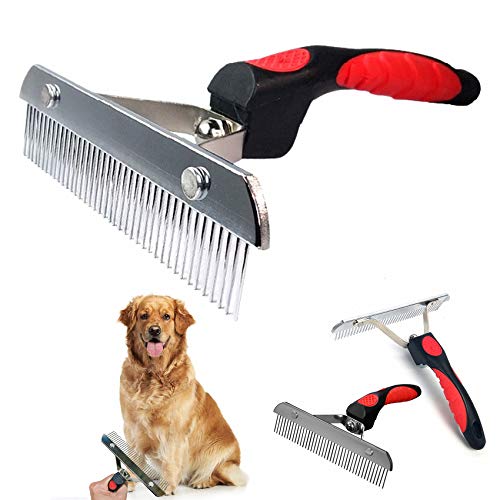
ROUNDED PIN : The long tooth undercoat rake brush has smooth rounded pins that make it easier for pets to accept grooming. The 0.94 foot long steel teeth of the rake penetrate deep into the dog's hair to remove loose fur and remove all mats, tangles and knots. Long tooth undercoat dog rake brush Not suitable for cats, puppies or short-haired pets.
German Shepherd Temperament: Drive, Loyalty, and Guarding
German Shepherds don’t just look alert—they *are* alert, and their temperament shows it in everyday life.
You’ll see intelligence, courage, and a self-assured, willing-to-learn attitude as your dog readily works for a purpose.
Expect a strong working drive, often at the top energy level, so they stay focused for long tasks.
German Shepherds also develop a primary bond and often choose one main person in the household.
They’ll bond deeply with you, usually choosing one primary person, and follow your cues closely.
With strangers, they often stay reserved, not fearful.
For guarding, you’ll notice watchful behavior, barking at threats, and controlled readiness.
A German Shepherd’s guarding instincts are strongest when channeled through consistent training, since its natural role is to alert and deter rather than attack without cause.
Train early, socialize well, and guide that instinct.
How Much Exercise Does a German Shepherd Need?
Most healthy adult German Shepherds need about 1–2 hours (60–120 minutes) of exercise every day—and many breed guides say at least two hours as a solid baseline. And the trick is spacing it out. Aim for 2–4 walks plus active play, not one long marathon. Then add 30–60 minutes of mental “working” tasks, like nose games or simple tracking, to tire the mind. For adults 2–7 years, plan 60–90 minutes of purposeful movement, plus 15–30 minutes focused. Puppies get about 5 minutes structured exercise per month of age, 1–2 times daily. Avoid hard jumping, stairs, and forced runs. Because a tired mind helps prevent boredom, mental stimulation should be paired with physical exercise rather than replacing it. Because they are very active and intelligent, they often do best with a consistent at least 2 hours daily routine.

HIGH QUALITY DOG TOY: Crafted from tough materials, this dog toy, like the Ultra Ball, makes for long-lasting interactive play for energetic fetch games with your dog.

Dog Chew Training Set: you will receive 1 piece of dog chew sleeve, 1 piece of dog training stick, 1 piece of dog chew rubber ball and 1 piece of dog chew tug toy, good combinations to meet your needs, suitable for training dogs

Glue‑free pineapple‑shaped chew toy with realistic textured surface, no paint applied. Measures 7.1" height × 4.2" diameter, weighs 320g, features a hollow cavity for stuffing treats. Suitable for adult dogs weighing over 40 pounds
Best Training and Socialization for German Shepherds
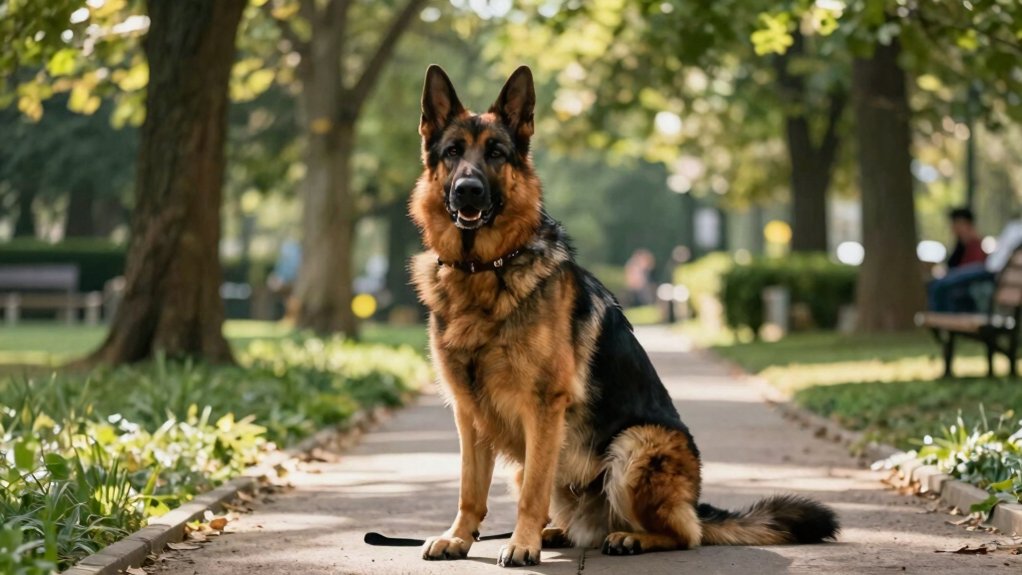
Start socializing your German Shepherd puppy early, aiming for gentle, controlled exposure from about 3–16 weeks, with extra focus around 8–12 weeks, and keep each session short and calm so you don’t overwhelm them.
Use positive reinforcement—rewarding what you like with treats, toys, or calm praise—so your pup learns trust fast, and do reward-based obedience in 5–15 minute training bursts for best focus.
Then build a structured mental enrichment plan with puzzle toys, fetch, and “leave it” practice, so their smart brain stays busy and calm instead of turning boredom into misbehavior. Pair these habits with a puppy training plan that builds from basic commands to house training and good manners.

GRAIN-FREE PUPPY TREATS: These bite-sized, soft puppy training treats are the perfect reward during training sessions or any time you want to thank your dog for good behavior. Puppy bites contain 6 calories per individual treat!

High Value, Irresistible Flavor: Pups love the taste and aroma, making training sessions more effective and enjoyable

REAL CHICKEN FIRST: Baby BLUE Training Treats are made with delicious real chicken as the first ingredient, plus DHA for cognitive development, making them the ideal reward for your puppy’s best behavior
Early Socialization Exposures
Right now, you’re working in the most important socialization window for your German Shepherd—roughly 3 to 14 weeks. Start outings by 3–5 weeks, and aim for about 90 pleasant, distinct situations by 14 weeks.
Schedule 3–5 short trips weekly, 20–30 minutes each, plus daily exercise to match high energy.
Invite varied people: men, women, kids, hats, glasses, uniforms, beards, walkers, wheelchairs.
Keep greetings calm at home, and introduce one visitor at a time.
Handle paws, ears, mouth, collar, harness, grooming tools.
Meet vaccinated dogs safely, but skip dog parks early.
Practice surfaces, stairs, ramps, elevators, bikes, skateboards, and short car rides to build steady confidence.
Positive Reinforcement Training Methods
When you’ve been exposing your German Shepherd to new people, sounds, and surfaces, it’s time to teach them what to do in those moments.
Use positive, reward-based training.
Do the right behavior first, then deliver an immediate high-value treat, toy, or praise.
This builds confidence, strong cue compliance, and a deeper dog–handler bond.
Add a marker word like “yes” or a clicker to mark the exact correct second, then reward.
Pair marker and food 10–20 times per session.
Keep sessions 5–10 minutes, a few times daily.
Start low-distraction, then slowly expand locations.
Structured MentAL Enrichment Plans
Structured mental enrichment keeps your German Shepherd busy in the best way, and it also supports the training and social skills you’ve already started building.
Start by planning early socialization, 0–16 weeks, especially 12–16, with a checklist of people, animals, objects, surfaces, sounds, and places.
Rank each stimulus easy-to-hard, then begin with low-intensity versions so your puppy notices, not fears.
Track progress in a log, and keep supervised, calm introductions in new settings.
Next, rotate daily brain games: puzzle toys, food-dispensing feeders, “find the treat,” muffin-tin puzzles, short trick sessions, scent trails, scatter feeding, and safe cardboard shredding boxes.
German Shepherd Health Risks and Typical Lifespan
You can usually expect a German Shepherd to live about 10 years, sometimes a bit longer, but health risks can change that fast.
The big ones are joint problems like hip and elbow dysplasia that can lead to painful arthritis (inflammation of joints), plus degenerative myelopathy (a nerve disease) and stomach bloat (GDV), a sudden emergency. Hip dysplasia in German Shepherds occurs when the hip joint develops abnormally, causing looseness and wear that can worsen over time.
But you’ll often improve your odds by keeping their weight in check and watching early signs like limping, trouble standing, or a swollen belly—call your vet right away if you see them.
Common Lifespan Expectations
German Shepherds usually live about 9–13 years, and most real-world records cluster around a 10–11 year average, which is a bit lower than the overall average for dogs.
If you’re planning your caregiving, use that as your baseline. Many studies and insurance datasets land between about 10.0 and 11.3 years.
Some references cite a more conservative 7–10 year span, so don’t assume the high end.
Females often live roughly 1.4 years longer than males, which shifts averages. Working lines may reach 10–14, while some show lines average 8–10.
Major Health Risk Factors
When you plan for a German Shepherd’s lifespan, you also have to plan for the health risks that can shorten it—because some problems start quietly, then show up as pain or disability later.
Start with joints and bones. Hip dysplasia hits about 17–20% and elbow dysplasia about 16–19%, often leading to arthritis, stiffness, and limping.
Next, watch the spine. Degenerative myelopathy affects about 14–15% clinically, with many carriers, and it can progress to hind-limb paralysis.
And food emergencies matter: bloat (GDV) can kill fast, so learn early warning signs. Feed smart, track mobility weekly, and schedule vet checks.
Grooming and Nutrition Tips for German Shepherd Care
Grooming and nutrition work best as a team, so you’ll get happier skin, better shedding control, and steady energy.
Brush 2–4 times weekly, and go daily during spring and autumn coat blows, using a pin brush, slicker brush, and an undercoat rake to lift dead hair. For heavy seasonal shedding, a deshedding tool can remove loose undercoat more efficiently than a standard brush.
Do it outdoors or in a controlled spot to keep fuzz off your home floors.
Don’t shave—your double coat insulates, and it won’t regrow evenly.
Bathe every 6–8 weeks with lukewarm water and dog shampoo, then dry well.
Feed high-quality protein, healthy fats, and fiber.
A 66‑lb adult often needs ~1,200 kcal/day, about 3 cups daily, split meals.

DUAL-SIDED DESIGN: Our Undercoat Rake Dog brush is perfect for deshedding your pet's coat. Designed with a dual-sided design, start with a 9-teeth side to tackle stubborn mats and tangles, and finish with a 17-teeth side to thin out and deshed after.

FOR LARGE DOGS WITH LONG HAIR: Designed especially for dogs that weigh more than 50 pounds.

【Professional Pet Grooming Kit 】3 Pet grooming tools selected by pet lovers, which can meet daily all the grooming needs of pets. Let you, as the groomer, personally give your furry friend a shiny and healthy coat. This is a must-have beauty product set for pet lovers! The Best Dog Gifts - Merry Christmas
Prevent Bloat and Joint Issues With Smart Routines
Feed 2–3 smaller meals daily, skip one big meal.
Serve food at floor level, and slow down gulping—use a slow feeder.
Keep meals calm.
Avoid hard play 60–90 minutes before and after eating.
In hot weather, offer shade and stable water access, not constant chugging.
And watch body weight closely; extra pounds load hips and raise bloat risk.
If you can, ask your vet about gastropexy, especially with family history.
Watch for unproductive retching and a swollen belly, which can signal bloat and require an immediate emergency vet visit.
Keep exercise moderate, and build muscle over time.

Medium slow feeder dog bowl – helps slow down eating up to 10X; this SLOW level feeder is designed for small to medium dog breeds who need to slow their pace a little

Medium slow feeder dog bowl – helps slow down eating up to 10X; this SLOWEST level feeder is best for very fast eaters and small to medium dog breeds

Large slow feeder dog bowl – helps slow down eating up to 10X; this SLOWEST level feeder is best for very fast eaters and medium to large dog breeds
Frequently Asked Questions
Are German Shepherds Good for First-Time Dog Owners?
No, German Shepherds usually aren’t ideal for first-time owners. You’ll need daily training, lots of exercise, and strong, consistent leadership. Without early socialization and professional support, their high drive and protective instincts can overwhelm you fast.
Do German Shepherds Bark a Lot, and Can They Be Trained to Be Quieter?
Sure, German Shepherds bark a lot—how considerate of them to announce everything. Yes, you can train them to be quieter with consistent positive reinforcement, “quiet” cues, desensitization to triggers, and enough exercise and mental stimulation.
What’s the Best Way to Manage a German Shepherd’s Separation Anxiety?
You manage your German Shepherd’s separation anxiety by using gradual desensitization and counterconditioning with short calm exits, pairing departures with treats, enriching alone time, keeping a consistent routine, and getting vet or trainer help when needed.
Can German Shepherds Live With Cats or Other Dogs Safely?
Yes—when temperament fits, you can safely cohabitate. But first, you must socialize early, manage introductions slowly, supervise always, and separate if prey drive or guarding flares. If aggression appears, you should choose permanent separation.
How Often Should a German Shepherd’s Nails and Teeth Be Checked?
Check your German Shepherd’s nails every 1–2 weeks at home, trim every 3–4 weeks if needed. Inspect teeth and gums weekly, brush daily or 2–3x weekly, and schedule vet dental checks yearly.