You won’t find standard miniature German Shepherds, but you will encounter dogs marketed as such. These typically result from deliberate crossbreeding or pituitary dwarfism, an autosomal recessive disorder causing hypopituitarism. They range from 30 to 50 pounds with high health risks like hip dysplasia and bloat. Understanding these anatomical realities is essential before commitment. Explore the specific genetic and health implications in the full guide.
Swift Summary
- There are no official breed standards recognizing miniature German Shepherds as a distinct purebred.
- True miniature traits often stem from pituitary dwarfism, a genetic condition causing systemic health issues.
- Many smaller German Shepherds are actually mixed breeds or hybrids bred to reduce size.
- Ethical concerns arise as breeding for small size risks inherited skeletal and organ health problems.
- Prospective owners should verify pedigree and health clearances rather than relying on size claims.
Do Miniature German Shepherds Really Exist?
Do miniature German Shepherds really exist as a distinct breed? You won’t find a recognized mini german shepherd breed in kennel clubs. Most ads for miniature german shepherd for sale or mini german shepherd for sale actually market mixed german shepherd small dogs or teacup german shepherd types.
While some short german shepherd or tiny german shepherd dogs appear in listings, these are often crossbreeds or puppies with uncertain adult sizes. Sellers sometimes also promote the rare Isabella coat color as a sign of a smaller dog, but this dilution-based coat color affects only appearance, not size. True anatomical differences come from pituitary dwarfism.
If you seek a german shepherd with dwarfism, understand an adult german shepherd with dwarfism faces serious health issues. This dwarf german shepherd typically has disproportionate growth and dental problems.
When comparing mini german shepherd vs german shepherd, focus on health. You might find a compact german shepherd, but do they make a miniature german shepherd? No, not as a standard lineage.

Perfect tasty blend of Glucosamine, Chondroitin, Perna Canaliculus, and Omega-3 Fatty Acids. Dogs love the taste. They think it is treat time!

VET RECOMMENDED FORMULA – Proprietary formula with Glucosamine, Chondroitin, Organic Turmeric, MSM, HCI, and more to help improve your dog’s quality of life!

Z Flex Minis is our small breed formula and Z Flex Max is our large breed formula. Use the drop-down menu for your breed!
Are Miniature German Shepherds a Real Breed?
No official body recognizes the Miniature German Shepherd as a distinct breed, so the label actually signals a hybrid or designer cross rather than a purebred lineage.
You must understand that these dogs lack standard conformation traits like consistent skeletal proportions or coat texture. Because breeders often cross German Shepherds with smaller herding breeds like Corgis or Collies, you see unpredictable genetic expression affecting joint health and spinal alignment.
This variability means you can’t rely on predictable size or temperament. A name picked from German Shepherd name ideas cannot guarantee a particular size or temperament either. When serving others, you should clarify that no governing body sets official standards, leaving owners vulnerable to undisclosed health risks.
You need to warn clients about potential hip dysplasia and dwarfism. Recognizing these dogs as mixed-breed hybrids ensures you provide accurate, responsible guidance that prioritizes animal welfare and informed decision-making for families seeking a companion.
No officially recognized miniature German Shepherd exists, so breeding often results in dwarfism health issues.

High Value, Irresistible Flavor: Pups love the taste and aroma, making training sessions more effective and enjoyable

Lots of flavor, not fillers: Just three simple, all-natural ingredients mean low calories and high nutritional value, making a tasty but healthy treat that your pup will actually love
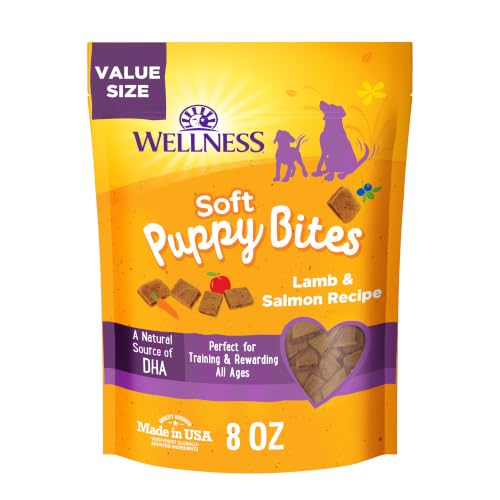
GRAIN-FREE PUPPY TREATS: These bite-sized, soft puppy training treats are the perfect reward during training sessions or any time you want to thank your dog for good behavior. Puppy bites contain 6 calories per individual treat!
How Mini German Shepherds Are Bred
Because no official breed standards define these dogs, you’ll find their size reduction relies on deliberate crossbreeding strategies rather than selective inbreeding. You pair a standard German Shepherd dam with smaller sire breeds like Collies or Poodles to minimize whelping risks.
When you breed an F1 generation, you anticipate variable morphology and unpredictable adult weights. To stabilize phenotype and reduce height, you select the smallest adults from subsequent litters for mating.
You might target specific traits like reduced shedding or reinforced herding drive by choosing parent breeds carefully. These crosses typically yield dogs between 30 and 50 pounds, standing 15 to 20 inches at the shoulder. For a benchmark of working temperament and physical traits, compare your results with DDR German Shepherds from established working lines.
You maintain their core intelligence and coat patterns while managing skeletal health through careful generational planning. This process is distinct from using genetic dwarfism, which can lead to significant health risks.

Taurine for Dogs Brain Health: These cognitive support soft chews are formulated to support brain health, focus and mental alertness. With taurine, spirulina, CoQ10 and B vitamins, they provide daily nutritional support for dogs of all ages and sizes.
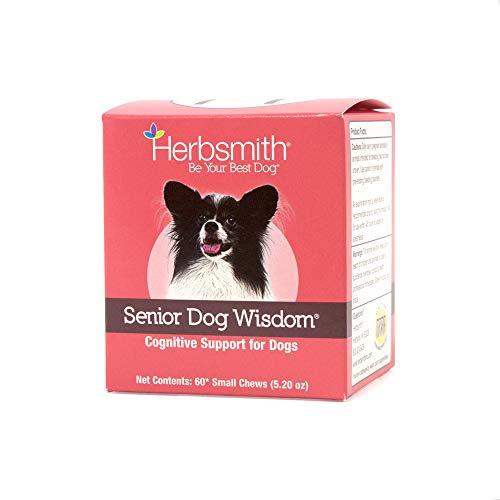
Manage doggy dementia - you know the day-to-day struggles a pet with dementia has - accidents in the house, restlessness at night, getting stuck in corners. These symptoms can be helped. Senior dog wisdom can provide the building blocks to support healthy aging, so you can help your dog live their best life, Longer.

MANAGE DOGGY DEMENTIA - You know the day-to-day struggles a pet with dementia has - accidents in the house, restlessness at night, getting stuck in corners. These symptoms can be helped. Senior Dog Wisdom can provide the building blocks to support healthy aging, so you can help your dog live their best life, longer.
What Is Pituitary Dwarfism in German Shepherds?
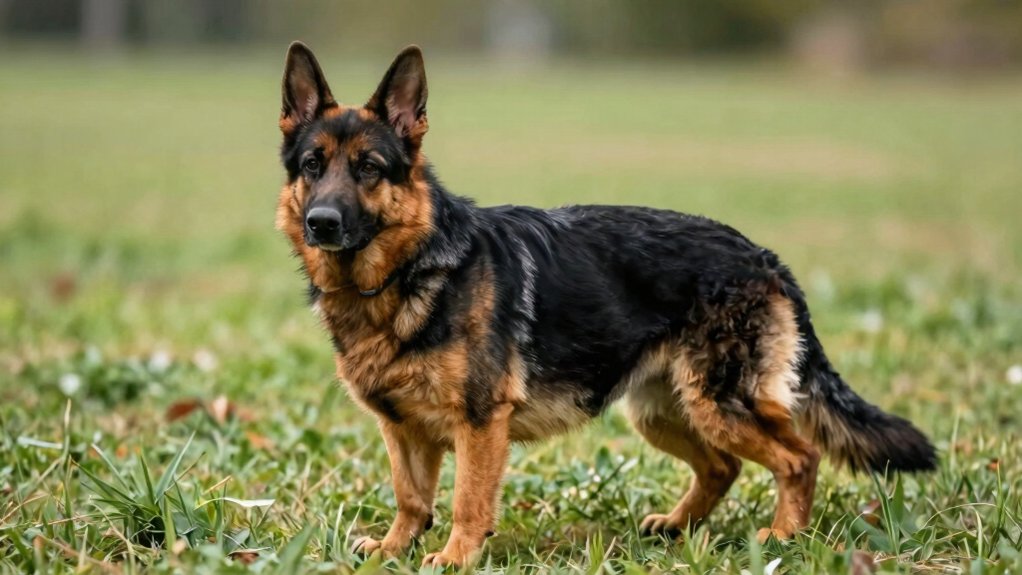
When you breed for tiny German Shepherds, you may unintentionally select for pituitary dwarfism, an autosomal recessive disorder caused by LHX3 gene mutations that halt normal pituitary development.
Affected pups suffer from panhypopituitarism, lacking essential hormones like growth hormone and thyroid stimulating hormone, which stunts their skeletal maturation well into adulthood. Even with a sparse coat, these dogs still shed and produce pet dander, so they are not a guaranteed choice for people with allergies or asthma.
These health risks mean your dogs face lifelong vulnerabilities, including delayed bone maturity, alopecia, and impaired immune function. Research indicates this condition is most common in German Shepherds.

SAFE AND STURDY MATERIAL--- This dog slow feeder bowl is independently developed mould by ourselves,the unique in the market. Made with food safe,High-Strength PP materials. Bowls are BPA, PVC, and phthalate free. Secure your pets to use.

SAFE AND STURDY MATERIAL--- This dog slow feeder bowl is independently developed mould by ourselves,the unique in the market. Made with food safe,High-Strength PP materials. Bowls are BPA, PVC, and phthalate free. Secure your pets to use.

SAFE AND STURDY MATERIAL--- This dog slow feeder bowl is independently developed mould by ourselves,the unique in the market. Made with food safe,High-Strength PP materials. Bowls are BPA, PVC, and phthalate free. Secure your pets to use.
Causes Of Dwarfism
While the primary cause of pituitary dwarfism in German Shepherds stems from a specific genetic mutation, you need to understand how this flaw disrupts normal development. You must recognize the LHX3 gene mutation as the culprit.
This autosomal recessive trait means two carrier parents produce affected puppies when both pass the flawed allele. The mutation impairs pituitary stem cell expansion during gestation, causing hypoplastic adenohypophysis. Specifically, a 7 base pair deletion in intron 5 of the LHX3 gene disrupts normal splicing.
Consequently, your shepherd fails to develop adequate hormone-secreting cells. This deficiency restricts growth hormone, thyrotropin, and gonadotropins.
Without these critical signals, skeletal and soft-tissue growth halt prematurely. You see a proportionate dwarfism where the dog retains a juvenile body conformation.
Understanding this precise anatomical failure helps you serve affected dogs better through informed breeding decisions and targeted health management strategies for this specific breed population.
Health Risks Involved
Pituitary dwarfism in German Shepherds manifests as a hereditary endocrine disorder where you see proportional growth retardation, a retained puppy coat, and systemic hormonal deficiencies that result in a miniaturized adult size.
You encounter severe dermatologic issues like alopecia and bacterial skin infections due to fragile, thin skin.
Dental problems arise from delayed adult tooth eruption and abnormal bite alignment.
Your dog faces musculoskeletal risks including atlantoaxial instability, hip dysplasia, and angular limb deformities.
Neurologic deficits can develop from spinal cord compression or pituitary cysts.
You must monitor endocrine instability leading to secondary hypothyroidism, hypoadrenocorticism, and potential diabetes mellitus during treatment.
Underdeveloped liver and kidney function often progress to chronic organ failure.
Cardiac abnormalities like patent ductus arteriosus increase heart failure risk.
This condition markedly shortens lifespan compared with unaffected German Shepherds, requiring vigilant, specialized veterinary care to manage multi-organ dysfunction and systemic illness effectively.
This condition is caused by the inability of the pituitary gland to produce essential hormones.
How Big Do Miniature German Shepherds Get?
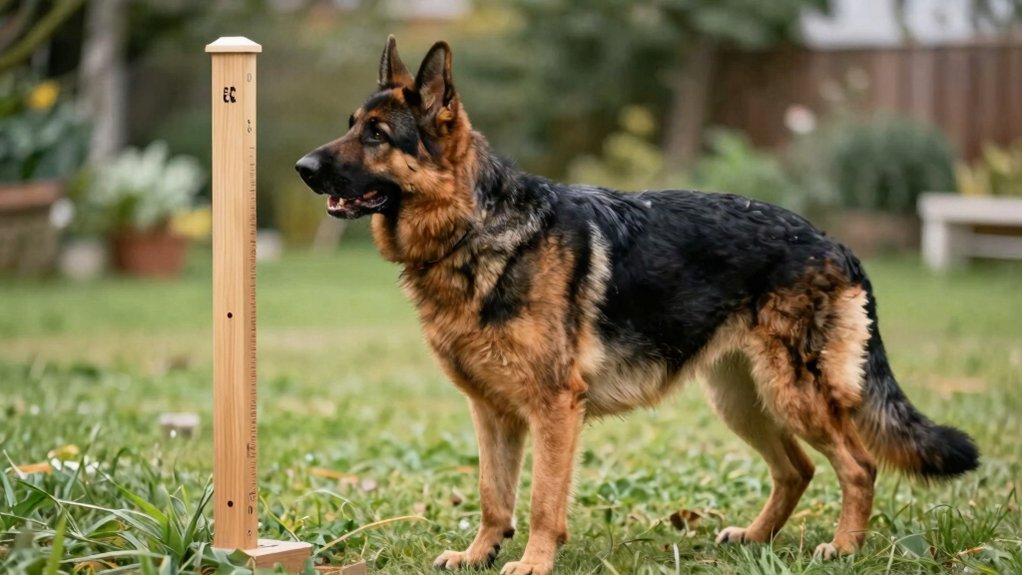
Miniature German Shepherds typically reach a shoulder height of 15–20 inches and weigh between 30–50 pounds as adults, though size varies widely since they’re usually mixed-breed dogs rather than a standardized breed.
You should monitor their skeletal development carefully during growth, as many reach height by 9–12 months but continue filling out through the second year. While they are young, you can limit their access to certain areas of the home with a pressure-mounted dog gate, which installs without permanent hardware.
Expect significant variation depending on parentage; crosses with smaller breeds often produce more compact frames with proportionally shorter legs.
While males tend toward the upper weight range, females generally stay lighter.
Watch for runts or pituitary dwarfism, which cause substantially reduced size.
These dogs remain solidly medium-sized, not toy breeds, requiring appropriate nutrition and exercise to support their unique musculoskeletal needs.

MADE FOR MINIATURE AMERICAN SHEPHERDS: a hip and joint supplement dosed by weight for active mid-size dogs. Devoted Miniature American Shepherd parents get a simple daily routine, 1/2 to 2 soft chews a day, from active adult years to senior. One 120 count jar lasts up to 8 months of daily joint support at this dose.

Health Supplement for Dogs: VetIQ hip and joint chews for dogs are soft and a great way to support mobility, whether they love running, jumping, playing, or resting; They suit senior pets or those who need extra support staying active & comfortable

Perfect tasty blend of Glucosamine, Chondroitin, Perna Canaliculus, and Omega-3 Fatty Acids. Dogs love the taste so much; they think it is treat time!
What Do Miniature German Shepherds Look Like?
When you observe a miniature German Shepherd, you’ll see a scaled-down, muscular frame that preserves the breed’s robust proportions and deep chest. You’ll notice their lean bodies feature a slightly sloping topline, reflecting working heritage.
Their forelegs and hindquarters remain straight and strong, creating a sturdy, athletic build rather than a toy silhouette. You’ll see a medium-length, thick double coat that feels dense and weather-resistant. While these coats offer climate protection, you should expect heavy seasonal shedding.
Classic black-and-tan and sable colors dominate, though solid black appears frequently. Their heads stay proportionate with tapering muzzles. Ears typically stand large and upright, though puppies often display floppy ears that erect as cartilage strengthens. Owners who want a companion with a wolf-like appearance might also consider the American Alsatian, a gentle dog whose size and temperament make it a suitable companion.

Perfect tasty blend of Glucosamine, Chondroitin, Perna Canaliculus, and Omega-3 Fatty Acids. Dogs love the taste. They think it is treat time!

A COMPLETE CANINE SUPPLEMENT - A multivitamin (Vitamins A, B, C, D, E, K & other minerals) PLUS Essential Fatty-Acids for Skin & Coat Support, Glucosamine for Hip & Joint Support AND Probiotics to promote the absorbtion of nutrients for Digestion and Gut Health.
A COMPLETE CANINE SUPPLEMENT - A multivitamin (Vitamins A, B, C, D, E, K & other minerals) PLUS Essential Fatty-Acids for Skin & Coat Support, Glucosamine for Hip & Joint Support AND Probiotics to promote the absorbtion of nutrients for Digestion and Gut Health.
What Temperament Do Mini German Shepherds Have?
You’ll notice these dogs combine intense loyalty with high intelligence, forming strong bonds while learning commands in just a few repetitions.
Their high energy levels demand daily exercise to keep their working drives satisfied and prevent behavioral issues.
You must provide consistent, positive training to channel their trainability into well-behaved actions.
Prospective owners should also weigh the breed’s exercise needs and ongoing costs, since caring for a German Shepherd involves significant daily responsibilities.

REAL CHICKEN FIRST: Baby BLUE Training Treats are made with delicious real chicken as the first ingredient, plus DHA for cognitive development, making them the ideal reward for your puppy’s best behavior
FREEZE DRIED RAW BEEF LIVER DOG TREATS – BITE SIZED FOR TRAINING, 2.1 OZ BAG: High protein dog treats made with beef liver. Perfect as high value dog training treats, puppy training treats, and everyday rewards

Natural dog treats made with added vitamins and minerals and no corn, wheat, or soy at only 2 calories per treat
Intelligent Loyalty Traits
Even though these dogs are smaller, they keep the intense loyalty, protective instincts, and high working intelligence of the standard breed. You’ll find their temperament centers on deep family bonding, often displaying velcro-dog attachment to handlers.
They remain devoted to your household but typically prioritize a routine caregiver, often following you from room to room. Expect strong natural guarding drive; they instinctively position their bodies between you and perceived threats.
Their quick alert barking at unusual sounds serves as an excellent watchdog feature. While they possess high working intelligence, learning commands within few repetitions, they need consistent mental stimulation to avoid stubbornness.
Expect cautious, reserved behavior with strangers. If you desire a canine companion for serving others, their steady, courageous demeanor makes them highly reliable for structured tasks, deep service roles.
High Energy Trainability
While their loyal temperament establishes a strong bond, their working heritage drives a high-energy trainability that demands physical and mental engagement. You must provide at least 1–2 hours of daily activity to prevent restlessness and destructive behavior.
Their rapid-learning capacity means they master cues in 5–15 trials, but inconsistent reinforcement leads to undesirable habits. You should channel their intense focus through structured training and positive reinforcement.
Their environmental sensitivity requires careful socialization to prevent hyper-vigilance. Expect herding instincts to manifest as heel-nipping or circling; redirect these with agility or obedience work.
Puzzle toys and scent games satisfy their cognitive needs. Novice owners may find this drive overwhelming without experienced handling.
Consistency and clear boundaries guarantee they thrive as devoted companions. Without sufficient stimulation, boredom quickly undermines their potential.
Serve them with intentional engagement, and you’ll access their full working spirit.
How Do Mini Shepherds Compare to Standard GSDs?
Mini and Miniature German Shepherds: Do They Really Exist?
How Do Mini Shepherds Compare to Standard GSDs?
How do miniature German Shepherds compare to standard GSDs regarding conformation and temperament? You’ll find standards stand 22–26 inches, weighing 50–90 pounds, while minis measure 15–20 inches and weigh 30–50 pounds. This compact build preserves breed-specific structural integrity without dwarfism.
Both share loyalty, protectiveness, and intelligence. You’ll see minis retain the standard’s working drive but adapt better to smaller homes. Their moderate mass reduces joint stress, supporting long-term mobility for service roles.
Trainability remains equally high. You can channel minis’ alertness into protection or emotional support work more easily than with massive standards. Early socialization is critical for both sizes to shape stable behavior.
Minis offer the same intelligence and task focus as full-size GSDs, making them excellent candidates for families seeking an active, obedient companion without excessive spatial demands or physical strain. Because their necks are smaller, owners should select a properly fitted collar that balances daily comfort with control and identification.
What Health Risks Affect Miniature German Shepherds?
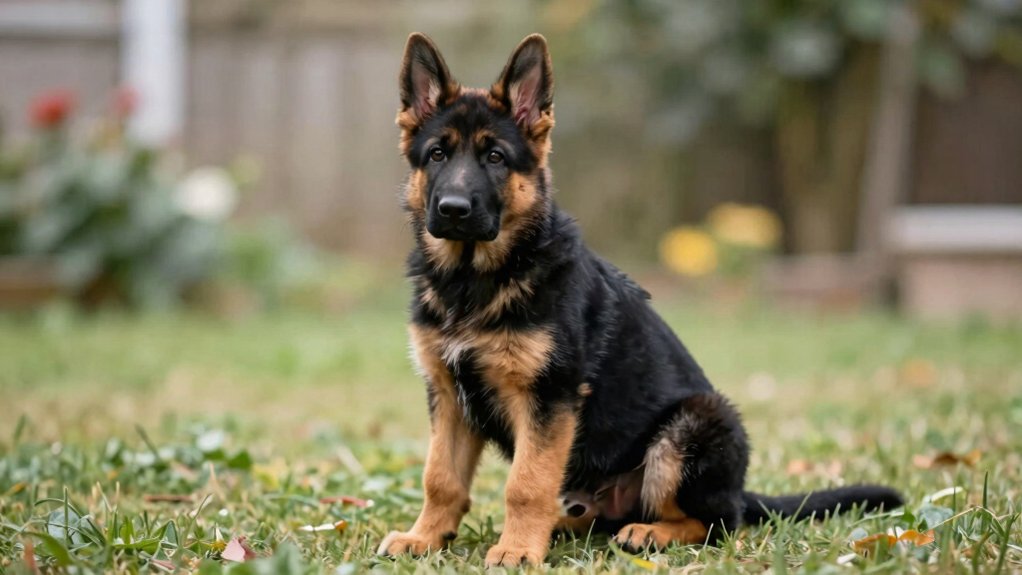
When you consider health risks for miniature German Shepherds, orthopedic and spinal conditions dominate the clinical picture. Hip and elbow dysplasia trigger chronic inflammation and osteoarthritis, while cruciate ligament tears destabilize joints during sharp pivoting.
Intervertebral disc disease, linked to chondrodysplasia, affects 20–25% of dwarfism-line dogs, often necessitating spinal surgery.
You also face degenerative myelopathy, a progressive cord disorder causing hind-limb paralysis in middle-aged dogs.
Pituitary dwarfism disrupts endocrine function, halting growth and causing hypothyroidism, coat loss, and renal failure by age four. Dental malformations and organ dysfunction further compromise health. Among the rare abnormalities documented in German Shepherd lines, these endocrine and neurological conditions are some of the least common but most serious.
These breed-specific systemic issues demand vigilant monitoring and proactive veterinary care to ensure their well-being. You must weigh these substantial medical burdens before choosing this variant.

SAFE AND STURDY MATERIAL--- This dog slow feeder bowl is independently developed mould by ourselves,the unique in the market. Made with food safe,High-Strength PP materials. Bowls are BPA, PVC, and phthalate free. Secure your pets to use.

SAFE AND STURDY MATERIAL--- This dog slow feeder bowl is independently developed mould by ourselves,the unique in the market. Made with food safe,High-Strength PP materials. Bowls are BPA, PVC, and phthalate free. Secure your pets to use.

SAFE AND STURDY MATERIAL--- This dog slow feeder bowl is independently developed mould by ourselves,the unique in the market. Made with food safe,High-Strength PP materials. Bowls are BPA, PVC, and phthalate free. Secure your pets to use.
Why Are Mini German Shepherd Breeding Ethically Controversial?
You see breeders breeding the smallest specimens repeatedly, concentrating undesirable traits like hip dysplasia. They often pair runts, increasing risks of inherited skeletal weaknesses. Owners of these dogs may also need to install stairway safety gates to prevent falls caused by fragile joints.
Some programs use dwarfism-affected dogs, compromising anatomical integrity for size reduction. This prioritizes profit over welfare, linking demand to puppy mills with minimal health screening.
You face misleading marketing claiming superiority or hypoallergenic traits without evidence. The misnomer exploits the Shepherd’s reputation, confusing buyers about genetics and long-term care needs.
Ethical breeding demands sound physical and behavioral traits, not aesthetic trends. By rejecting these practices, you protect dogs from exploitation and ascertain responsible stewardship of the breed’s health standards.

MADE FOR MINIATURE AMERICAN SHEPHERDS: a hip and joint supplement dosed by weight for active mid-size dogs. Devoted Miniature American Shepherd parents get a simple daily routine, 1/2 to 2 soft chews a day, from active adult years to senior. One 60 count jar lasts up to 4 months of daily joint support at this dose.

MOBILITY YOUR DOG CAN FEEL: Help your dog run, jump, and take the stairs like they used to. This daily formula supports healthy cartilage, cushioned joints, and easy everyday movement for dogs of every breed and age.

Joint Health Support for Small Dogs: Cosequin, the #1 veterinarian recommended retail joint health supplement brand, is formulated to help support healthy joints in dogs. Contains glucosamine hydrochloride and sodium chondroitin sulfate
How to Verify a Breeder Selling Mini German Shepherds
To protect against health risks and ethical violations, you must rigorously verify breeders before acquiring a Miniature German Shepherd.
Demand written health clearances for hips, elbows, and eyes from independent databases like OFA or PennHIP.
Insist on specific LHX3 mutation testing for pituitary dwarfism when mini size is claimed.
Confirm purebred registration through major kennel clubs and check breeder accreditation against published ethics codes.
Search orthopedic databases using the dog’s name to validate hip and elbow scores.
Scrutinize listings for refusal of live video, prohibited visits, or hard-to-reverse payment requests.
Verify pricing aligns with health-tested market rates.
Confirm contracts include detailed health warranties and genetic screening results traceable to official laboratory reports before finalizing any transaction.
What Questions to Ask Before Buying a Mini Shepherd?
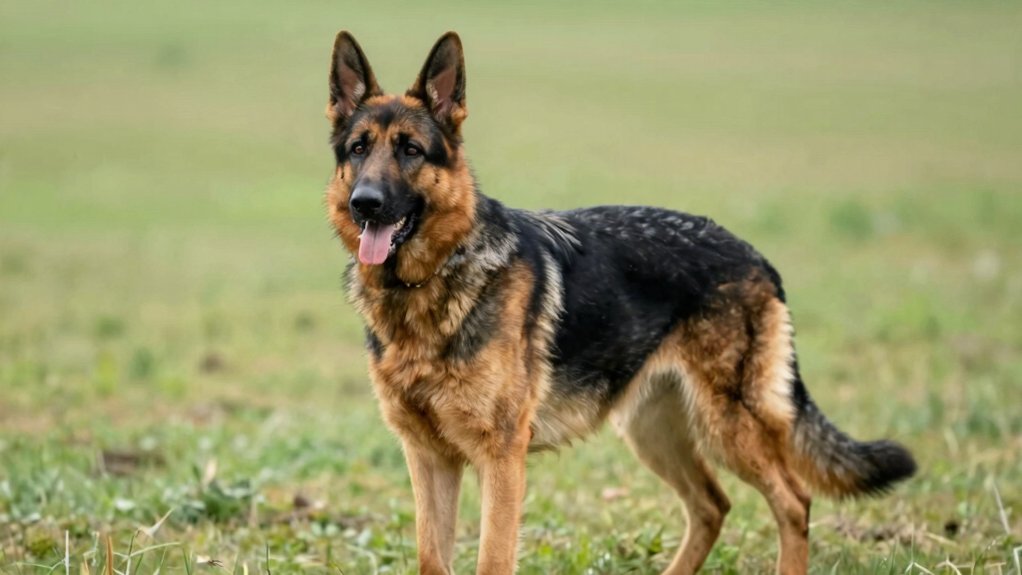
Before you buy a Miniature German Shepherd, ask breeders to confirm whether the small size stems from intentional crossbreeding or from pituitary dwarfism mutations, since these genetic origins dictate vastly different health risks, structural soundness, and lifelong care needs.
Verify parent breeds and genetic testing for SOD1, MDR1, and dwarfism genes. Scrutinize hip and elbow dysplasia screenings, and IVDD risk given potential chondrodysplastic traits.
Ask about GI disease history, especially EPI, and gastric dilatation‑volvulus precautions.
Expect 30–50 lb adults with varied coat types.
Assess growth plate closure timelines for safe activity initiation.
Guarantee the dog has adequate mental stimulation and herding outlet needs.
Evaluate temperament for protectiveness and reactivity in small spaces.
Confirm long-term care requirements for kidney underdevelopment or coat loss if dwarfism exists.
How Much Do Miniature German Shepherds Cost?
Why does the purchase price for a Miniature German Shepherd vary so widely? You’ll see ranges from $800 to $5,000, averaging $1,500. Reputable breeders charge $1,000–$2,000; health-tested compact lines run $1,800–$3,500. Tiny marketed “minis” may hit $4,500 due to extreme size or hype.
Adoption offers an ethical path: shelters charge $100–$300, rescues $250–$600, often bundling vaccines, microchips, and sterilization.
Remember, “Miniature German Shepherd” isn’t a recognized breed—it’s often a mix or dwarf variant. Paying more doesn’t guarantee health; verify genetic testing for hip dysplasia, degenerative myelopathy, and cardiac screening.
Avoid cheap sources risking inherited disorders.
Budget $4,500–$8,000 total first year, including care.
True service means prioritizing anatomy, longevity, and ethical sourcing over trends.
What Training Needs Do Mini German Shepherds Have?
Now that you’ve budgeted for your Miniature German Shepherd, focus on channeling their working-dog drive into structured training. You must provide 60–120 minutes of mixed daily activity, including brisk walks and agility-style obstacles to manage their high-energy physiology.
Integrate structured obedience drills during exercise to satisfy cognitive needs typical of German Shepherd working lines. Frequent short brain work sessions using puzzle feeders prevent anxiety and destructive chewing.
During the critical 8–16 week socialization window, expose your puppy to diverse environments using high-value rewards to build confident behavior.
Initiate formal training around 8 weeks, prioritizing core cues like loose-leash walking to control their compact, powerful frame. Use brief 5–10 minute training blocks to match their attention spans while maintaining enthusiasm.
Enrollment in obedience classes offers essential professional feedback tailored to this high-drive breed.
How to Care for a Miniature German Shepherd’s Coat?
You’ll keep your Miniature German Shepherd’s double coat healthy by brushing daily to manage the dense undercoat and guard hairs.
Regular grooming distributes natural skin oils, which protects against irritation and reduces excessive shedding.
This routine supports overall skin integrity while preventing tangles in the weather-resistant outer layer.
Brush Brush Daily
While your Miniature German Shepherd’s double coat demands consistent attention, daily brushing manages shedding, prevents tangles, and keeps its dense undercoat and topcoat functioning well. Aim for fifteen to twenty minutes per session, working systematically from neck to tail in the direction of hair growth.
Use an undercoat rake to reach the dense undercoat, following with a slicker brush to smooth the outer coat. Finish with a steel comb to check for missed tangles around the ruff, ears, and rear feathering.
Increase frequency to daily during spring and fall coat blows to keep loose undercoat manageable. For shorter coats, brushing every few days suffices.
Always maintain small sections to prevent skin discomfort and guarantee thorough coverage from shoulders to hindquarters. This routine keeps fur volume under control while supporting your companion’s skin health and coat integrity.
Grooming For Health
Once you understand how your Miniature German Shepherd’s double coat functions as a thermoregulatory shield, proper grooming becomes essential for maintaining skin integrity and preventing matting.
You preserve their dense, weather-resistant undercoat by bathing every four to eight weeks with pH-balanced, double-coat specific shampoo. Avoid frequent washing since it strips natural oils, promoting dryness and irritation.
Use an undercoat rake or slicker brush to remove loose hair effectively, always directing strokes along natural growth patterns. Never shave this breed, as removing protective layers increases risk of heat stress and sunburn.
During seasonal coat blows in spring and fall, increase grooming frequency to manage intense shedding. These consistent, gentle routines ensure their guard hairs remain intact while supporting overall dermatological health for your service dog.
Are Mini German Shepherds Good Family Dogs?
If you seek a loyal companion, a Miniature German Shepherd makes an excellent family dog when you provide structured training, daily exercise, and proper socialization.
Their high intelligence and working-breed drive mean you must channel their energy into purposeful tasks. You’ll find them deeply affectionate, yet their protective instinct requires you to supervise interactions with visiting children.
Because of their strong herding heritage, you need to manage their chase instincts around small pets. Positive reinforcement works best for this breed.
You must prioritize their need for mental stimulation to prevent separation anxiety and behavioral issues. When you fulfill their physical and psychological needs, they become devoted, gentle guardians for your household.
Their temperament suits families dedicated to active service and consistent leadership.
What Are the Limitations of Owning a Mini Shepherd?
You’ll face unpredictable health risks since mini shepherds lack standardized pedigrees, leading to variable lifespans tied to inherited conditions like hip dysplasia and degenerative myelopathy.
Size variability challenges arise when breeding for compact frames, as genetic dilution often results in chondrodysplastic body types that stress joints and increase orthopedic disease risk.
You must carefully screen breeders to avoid these anatomical and medical pitfalls that directly impact your shepherd’s long-term mobility and quality of life.
Limited Lifespan Concerns
Before you consider a miniature German Shepherd, understand that its lifespan hinges on breeding ethics, as the use of pituitary dwarfism or unstandardized dwarf lines can truncate life to roughly 8–10 years due to progressive endocrine collapse, renal failure, and severe orthopedic complications.
You face high risks of hip and elbow dysplasia, degenerative myelelopathy, and epilepsy, which compromise mobility and neurological function. Dwarfism breeds often suffer organ-system failure, chronic skin infections, and hypothyroidism requiring lifelong medication.
Additionally, their deep-chested anatomy predisposes them to gastric dilatation-volvulus, a fatal emergency demanding immediate veterinary intervention.
These inherited conditions increase medical burdens and emotional strain, limiting their reliability as companion animals for service or support roles. You must weigh these health realities against your commitment to long-term care when choosing a Shepherd-type dog.
Size Variability Challenges
Beyond the health risks of dwarfism, you face unpredictable physical outcomes when acquiring a miniature German Shepherd–type dog. Crosses vary bone structure, body length, and build, making adult size hard to predict. Without breed standards, advertised minis range from small-medium to nearly standard size.
Selecting crates, harnesses, and home layouts becomes complex due to differing proportions across bloodlines. You risk orthopedic issues like hip dysplasia, elbow dysplasia, and intervertebral disc disease from disproportionate frames and shortened limbs.
Metabolic problems including exocrine pancreatic insufficiency and gastric dilatation-volvulus threaten deep-chested formats. Herding heritage and working energy demand ninety to one hundred twenty minutes of daily activity.
Urban environments lacking outdoor space foster separation anxiety and destructive behavior. Chronic complications from poorly selected breeding stock increase veterinary costs and management effort relative to other medium companion breeds.
Where Can You Adopt a Mini German Shepherd Type?
Where can you find a compact German shepherd with sound conformation? You locate these dogs through breed-specific rescues that evaluate skeletal structure and joint health. Organizations like German Shepherd Rescue & Adoptions in North Carolina rehome smaller-framed shepherds with verified medical histories.
You also visit general shelters and humane societies for shepherd mixes under 25 pounds, often bundled with spay-neuter and vaccinations. Online platforms like Petfinder let you filter by breed and small size to identify healthy candidates.
You must prioritize rescues charging $200–$600, as these fees reflect thorough veterinary care and behavior assessment. By choosing these channels, you guarantee the dog’s anatomical integrity before adoption.
Regularly check listings since compact shepherd mixes appear and get adopted quickly across states.
Final Verdict: Is a Mini GSD Right for You?
To decide if a Mini GSD fits your life, honestly evaluate your living space and daily activity capacity against their high-energy needs.
Assess your readiness to manage breed-specific health risks like hip dysplasia and degenerative myelopathy through proactive veterinary care and ethical breeding selection.
Finally, understand that their compact size doesn’t guarantee uniform traits, as mixed genetics create wide variability in coat, temperament, and physical conformation.
Evaluating Your Space And Lifestyle
When you evaluate whether a miniature German Shepherd fits your home, prioritize matching your available square footage and daily schedule to the breed’s inherent physiological and behavioral needs.
These compact herding-type crosses, despite weighing under 40 pounds, retain full-size intensity. You must provide open pathways for patrol and guard instincts. A secure outdoor area is essential; simple yard time fails to meet their 60–120+ minutes daily physical and mental work requirements.
Your household schedule must support multiple activity blocks. High drive without structured outlets like agility or scent work manifests as destructive chewing or escape attempts.
Moreover, their rapid learning means inconsistent handling reinforces unwanted behaviors like heel-nipping. Ensure you have prior experience managing working dogs to provide clear leadership, consistent rules, and critical early socialization against fear-based reactivity.
Considering Health And Genetic Risks
While you consider a miniature German Shepherd, understand that the label often points to dogs with pituitary dwarfism—a hereditary endocrine disorder linked to an LHX3 gene mutation—or to mixed-breed crosses that still carry standard GSD genetic risks like hip dysplasia, degenerative myelopathy, and gastric dilatation-volvulus.
You must recognize that dwarfism causes growth hormone deficiency, leading to underdeveloped kidneys, chronic renal failure, and a shortened lifespan. Your potential dog may inherit major risk genes for joint instability, progressive arthritis, and spinal cord degeneration.
Commercial breeding often prioritizes size over health, risking severe endocrine dysfunction and recurring skin infections. As you wish to serve others, prioritize ethical breeding programs utilizing DNA testing.
Avoid untested runts or chondrodysplastic lines carrying intervertebral disc disease. Protect your ability to help by choosing a healthy, verified companion ready for service work rather than a medically compromised animal.
Understanding Size And Trait Variability
Unless you account for the wide phenotypic range within the miniature German Shepherd label, you may misjudge the dog’s actual space needs and exercise demands.
While crosses often land between 30–55 pounds and 15–22 inches, their structural diversity remains high. You must recognize that miniatures retain core working traits—loyalty, alertness, and athletic drive—despite their smaller frames.
These dogs frequently exhibit high energy and mental stimulation needs similar to standard GSDs. Their suitability for service or emotional support work hinges on matching your lifestyle to their persistent drive.
Whether in an apartment or rural setting, you need structured outlets for their herding instincts. Don’t assume smaller size means lower activity.
Evaluate the specific crossbreed lineage for behavioral predictability before committing to this versatile, active companion.
Frequently Asked Questions
Can Mini German Shepherds Be Trained for Advanced Working Tasks?
You can train mini German Shepherds for advanced work, but hip dysplasia, dwarfism, and orthopedic issues limit reliability. You’ll need standard, health-screened dogs for police, military, or service roles to guarantee stamina and structural integrity.
What Is the Typical Lifespan of a Mini German Shepherd?
You’ll witness a lifetime of devotion when you adopt a well-bred, crossbred mini German shepherd, which typically lives nine to fourteen years, offering you sustained, health-focused service to the animals and communities you proudly serve every single day.
Are Mini German Shepherds Suitable for Apartment Living?
Yes, mini German Shepherds suit apartments if you commit to 90 minutes of daily exercise and mental enrichment. Their high-drive working nature demands structured tasks to prevent anxiety, barking, and destructive behaviors in confined living spaces.
Do Miniature German Shepherds Shed as Much as Standard Ones?
Yes, miniature German Shepherds shed as much as standard ones. You’ll observe their dense double coat releasing undercoat in spring and fall, requiring consistent grooming to manage health-focused shedding for your service animal.
Are Miniature German Shepherds Generally Good With Cats and Small Pets?
They don’t inherently get along. You must socialize them early to manage high prey drive. Without structured management, their instincts risk chasing cats. Train them with commands like “leave it” and always supervise interactions for safe coexistence.