You’ll get a loyal, energetic mix of German Shepherd and Labrador Retriever. Expect 60–90 lbs, heavy shedding, and a need for 60–120 minutes of daily activity. They bond closely with families, guard warmly, and thrive with early socialization and training. If you’re ready to match their energy and commit to consistent care, you’ll find a deeply affectionate companion. Keep going to see costs, health risks, and living condition tips.
Swift Summary
- Expect a loyal, energetic mix combining German Shepherd intelligence with Labrador friendliness and sociability.
- Anticipate moderate to high grooming needs due to heavy year-round shedding requiring frequent brushing.
- Plan for substantial daily exercise and mental stimulation to prevent boredom and manage high energy.
- Expect early socialization and consistent training to manage protective instincts and herding behaviors like nipping.
- Be prepared for significant long-term costs covering food, vet care, and potential genetic health issues.
What Are the Pros and Cons of a Sheprador?
While the Sheprador offers high intelligence, trainability, and loyal family companionship, you’ll need to handle its intense exercise demands, heavy shedding, and need for experienced training to make it a good fit for your home.
As a labrador german shepherd mix, this dog thrives when you commit to daily vigorous activity and consistent guidance. Your sheprador, whether a german shepherd labrador or yellow lab german shepherd mix, demands engagement to prevent boredom. Its inherited prey drive from the German Shepherd side may lead it to chase cats and small animals, so secure fencing and supervised introductions are essential.
You must manage its protective instincts through early socialization. A german shepherd x labrador puppy requires your dedication to training and grooming.
When you seek sheprador puppies for sale, guarantee breeders address health risks like hip dysplasia.
Raising these sheprador puppies means serving an active, loyal companion who rewards your effort with steadfast devotion and protection for your family.
Raising these sheprador puppies means serving an active, loyal companion who rewards your effort with steadfast devotion and protection for your family. They are not a recognized breed, so coat type, size, and temperament can vary.

Professional Design Exclusively for German Shepherd: This premium German Shepherd brush is engineered for German Shepherds’ thick double coats. It deeply penetrates the dense undercoat and long topcoat, efficiently removing loose hair, tangles, and mats while keeping the coat neat and healthy
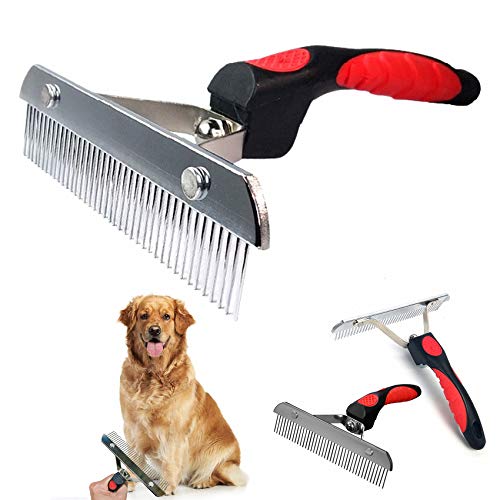
ROUNDED PIN : The long tooth undercoat rake brush has smooth rounded pins that make it easier for pets to accept grooming. The 0.94 foot long steel teeth of the rake penetrate deep into the dog's hair to remove loose fur and remove all mats, tangles and knots. Long tooth undercoat dog rake brush Not suitable for cats, puppies or short-haired pets.

Designed for Poodles: This best dog grooming brush for poodle is specifically designed for curly-haired dogs such as Poodles, Shih Tzus, and Teddy. It easily removes tangles and mats.
How Much Does a Sheprador Puppy or Adoption Cost?
You’ll see that purchasing from reputable breeders typically costs between $500 and $2,000, while adoption fees from shelters often range from just $50 to $500.
Choosing adoption can save you a significant amount of money upfront and frequently includes essential medical care like vaccinations and spaying.
To plan effectively, you should factor in these initial costs alongside ongoing expenses like food and vet visits to determine your overall budget. Because a Sheprador is a large dog, it often has higher recurring expenses than smaller breeds, particularly for food, medications, and supplies.
Responsible breeders recommend verifying OFA scoring on parents to help reduce the risk of inherited joint issues in your new puppy.

FOR LARGE DOGS WITH LONG HAIR: Designed especially for dogs that weigh more than 50 pounds.

SAVE MONEY: Reduce expensive trips to the groomer. Our dog shedding brush works great as a dog brush for short haired dogs & dog brush for long haired dogs. It is an absolute essential for pet supplies, dog supplies, and a dog grooming kit.

FOR LARGE DOGS WITH SHORT HAIR: Designed especially for dogs that weigh more than 50 pounds.
Purchasing From Reputable Breeders
Once you start looking for a Sheprador, expect to pay anywhere from $800 to $2,000 from a reputable breeder who health-tests their parents. This investment guarantees your future companion serves well, minimizing risks like orthopedic diseases that could hinder their ability to help others.
When you prioritize health guarantees and contracts, you secure long-term value for your service work. Breeder costs often include vaccinations, deworming, and early socialization, preparing puppies for demanding roles.
Avoid cheaper backyard sources; their lower prices frequently lack essential health screening, potentially costing you thousands in future vet bills. By choosing responsible breeders with documented parent testing, you increase the likelihood of receiving a healthy, stable dog ready to support and serve others effectively in various capacities.
The breed’s general health is good, with a typical lifespan of 10 to 14 years when maintained properly.
Adoption Fees And Savings
If you choose to adopt a Sheprador instead of buying one, you could save hundreds of dollars upfront. Municipal shelters often charge $50 to $150, while breed-specific rescues typically range from $150 to $500. These fees include essential services like spaying or neutering, vaccinations, and microchipping, which would otherwise cost you several hundred dollars.
You also receive basic deworming and wellness exams before bringing your dog home. Some rescues even add starter kits with toys and collars.
By adopting, you offset initial veterinary expenses that might otherwise reach thousands. While ongoing costs remain similar, your immediate financial burden drops considerably.
This choice lets you serve a dog in need while keeping your budget intact for future care. The adoption fee generally includes health screening for issues like orthopedic disorders inherited from the parent breeds.
Overall Budget Considerations
You might save upfront costs by adopting, but you still need to budget for the long term. When acquiring a Sheprador puppy, expect purchase prices ranging from $125 to $2,500+, with designer breeders often charging at the upper end.
Initial setup costs for supplies plus first-year veterinary care can total between $3,000 and $4,000.
Ongoing monthly expenses typically range from $150 to $400, covering food, routine vet visits, training, and grooming for large working breeds.
Over a ten to thirteen-year lifespan, these recurring costs add up considerably.
Plan carefully to guarantee you provide consistent, high-quality care that meets this dog’s needs while maintaining your own financial stability throughout their life together. This investment is justified by the dog’s loyal protective nature.
What Is a Sheprador and Who Should Get One?
You’ll find that a Sheprador is a cross between a purebred German Shepherd and Labrador Retriever, often called a Labrashepherd or German Shepherd Lab mix.
This energetic hybrid needs an active owner who can commit to plenty of daily exercise and mental stimulation. Inheriting the German Shepherd’s protective instincts, a Sheprador often shows a strong guarding ability, so consistent early training is essential.
If you have experience with large working breeds and a securely fenced yard, you’re likely a perfect match for this loyal companion.
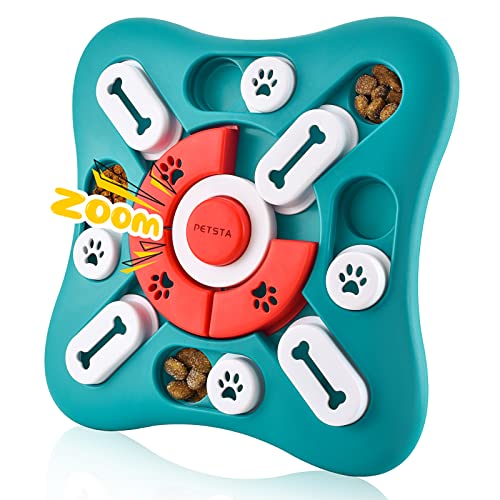

Four Challenges & Levels 1-3: Multiple games with a flip game and a linear track sliding game, all requiring dogs to learn steps and find treats. This puzzle is designed to be more fun and difficult, with more unique ways to play. It can enhance your dog's IQ and train their sense of smell

[Treat Distribution] Our food dispenser has differently sized spheres at both ends. As dogs push the toy, it moves within a fixed area, allowing dogs to continuously chase and play with it. During movement, food is dispensed from the food holes on both sides of the toy.
Origins And Naming
While the Sheprador emerged as a designer cross in the late 20th century, you’ll find this mix blends the German Shepherd’s working drive with the Labrador’s friendly adaptability. You’ll call it a Sheprador or German Shepherd Lab mix, reflecting its hybrid status. No major kennel club recognizes it as a standardized purebred. Instead, you’ll see labels like Labrashepherd used informally across listings and shelters.
This first-generation hybrid results from crossing purebred German Shepherds and Labrador Retrievers. You’ll appreciate how its lineage combines the Herding group’s intelligence and loyalty with the Sporting group’s sociability.
While intentional breeding likely started in the U.S. during the 1980s and 90s, earlier accidental mixes existed. You’ll value this cross for its potential to serve, train, and adapt alongside you and your community.
Ideal Owner Profile
Because this mix demands a high-energy, structured lifestyle, it best matches experienced owners who can commit to over an hour of vigorous daily activity. You must dedicate time for running, hiking, and training sessions daily.
You’ll need experience managing intelligent, protective dogs with clear boundaries. If you have children, make sure they’re school-aged to handle their boisterous energy.
You should provide a secure yard rather than a small apartment. Consistency matters; you must exercise them regardless of weather or season.
You’ll benefit from puppy classes and ongoing professional training. This breed thrives when integrated into active family life, serving as a loyal guardian.
You’re unsuited if you seek a low-maintenance companion or lack time for mental stimulation. If you’re ready to serve this dog’s needs through dedicated care, you’ll find a rewarding partner in this crossbreed.
What Is the Typical Size and Weight of a Sheprador?
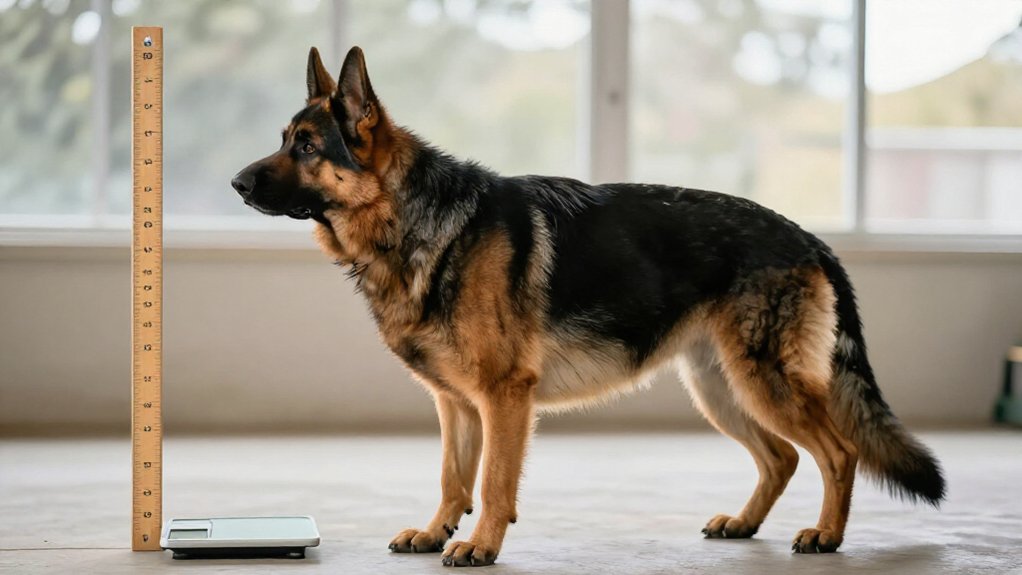
Shepradors are typically medium-to-large dogs that stand 21–26 inches at the shoulder and weigh between 50–90 pounds. You’ll find most fall in the 60–80 pound range, with males often tipping the scales higher than females. Height averages sit comfortably between 22 and 25 inches for the majority of adults.
Remember that genetics play a huge role; Lab-dominant builds tend toward stockier frames, while GSD-influenced pups often grow taller and rangier. Your dog might continue filling out with muscle mass until age two or three. Because the German Shepherd side of the family influences growth timing, you can compare your puppy’s progress against German Shepherd growth patterns to get a sense of how tall and heavy they may become.
Proper nutrition and exercise help guarantee they reach their healthy, ideal size without becoming overweight. Understanding these dimensions helps you prepare your home, choose the right harness, and provide the appropriate amount of food and space for your loyal companion to thrive while serving your family.
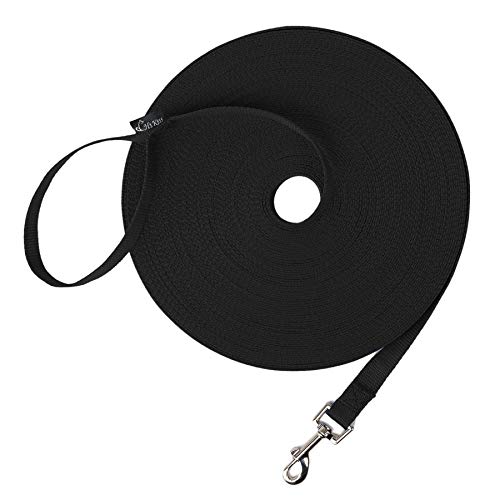
Dimensions - This dog leash measures 3/4in wide by 15 feet long. Great for hiking, camping, training, hunting, backyard, beach, recall training, outdoor play with tennis balls, and swimming!

2 Swivel Hooks Design:There are 2 Swivel Hooks in both ends of the long leash, one is the unique lockable bone-shaped hook which added locked latch to make sure that the clasp of the rope leash is secure and will not open unexpectedly. You can tie one end of this training leash to your body or trees,so that you can free your hands when traning, hiking,walking,etc.

(Easy to Use and Convenient) With the rotate heavy duty clip and braided nylon rope, extremely simple and easy to tie on or off
What Is the Sheprador’s Temperament and Behavior Like?
As you consider whether a Sheprador fits your lifestyle, its temperament blends loyal, energetic companionship with alert protection. You’ll find this dog forms deep bonds with your family, showing patience and warmth toward children. They’re naturally playful and affectionate, making them wonderful companions for those who serve others.
Their alert nature means they’ll watchfully guard your home, often barking at strangers but rarely showing aggression. You should socialize them early to guarantee they respond calmly to visitors.
These intelligent dogs thrive on mental stimulation and love learning new skills. They’re eager to please, so positive reinforcement works best. Without enough engagement, they can become bored or anxious.
You’ll appreciate their versatility—they’re great for active families and those seeking a devoted protector. Just remember, their energy requires your commitment, but the reward is a loving, loyal partner ready to serve alongside you. Because over-bathing can strip the coat’s natural oils, you should follow a proper bathing schedule to keep their skin healthy.

【Train Like a Pro】Heouvo dog treat pouch and clicker kit are designed to help you train your dog like professionals. With easy access to your pet's favorite treats and a training clicker to supercharge your training sessions, you'll see better results in no time

DURABLE,WATERPROOF & SAFE - It's made of waterproof Oxford cloth fabric material that keeps your dog treats bag dry,Dirt-resistant, firm and strong, safe and easy to clean.

SNACK PACK WITH WAIST BELT: AOKLANT SNACK PACKS come with a tested and reliable waist belt design that can be freely retracted up to 55 inches in length, ensuring that you and your pet can enjoy your walks together without worrying about the bag accidentally falling or breaking, so you and your pet can go on walks or training without worrying
How Much Exercise and Training Do Shepradors Need?
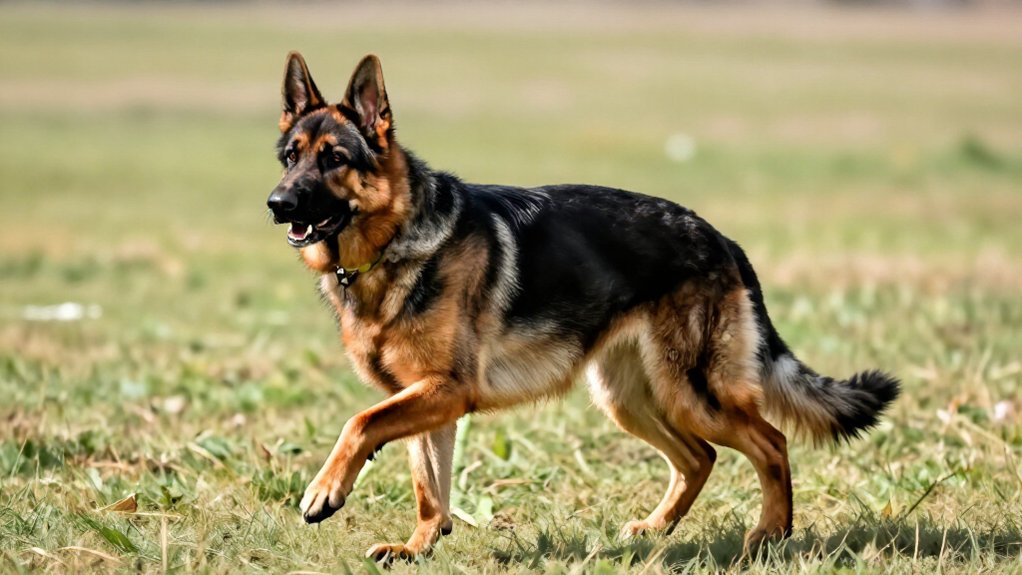
To keep a Sheprador happy and well-behaved, you’ll need to provide them with at least 60 to 120 minutes of combined physical and mental activity each day. You should mix brisk walks, hiking, or swimming with structured games like fetch to channel their working drive effectively. Aim for moderate to vigorous intensity, as short strolls often fail to satisfy their energy levels. When hiking, increase distance slowly so your dog can build gradual conditioning before tackling longer trails.
You also need to dedicate time daily for obedience training and puzzle-solving. Use positive reinforcement to teach impulse control, recall, and polite manners. Mental stimulation prevents boredom-related behaviors while strengthening your bond.
For puppies, adjust activity to protect growing joints until they mature. Adults thrive when you balance high-intensity play with calm learning sessions. By consistently guaranteeing these physical and cognitive needs, you ensure your Sheprador remains a joyful, well-adjusted companion who serves others with patience and confidence.

USA OWNED AND OPERATED: From our home in Florida, we’ve proudly sold over 1 million grooming rakes to pet parents nationwide. We’re deeply committed to creating products that not only care for your pets but also help strengthen the special bond you share with them.

【LONG TEETH LIFT, SHORT TEETH FINISH】19 long teeth (2.6 cm / 1.02 in) reach down into the undercoat to lift mats and loose fur, while 18 short teeth (1.3 cm / 0.51 in) follow through the top coat to smooth and even it out — both lengths work in one stroke, so mats come out in about half the passes

Keeps your pet engaged and ready to play
What Health Risks and Lifespan Should Sheprador Owners Expect?
You can expect your Sheprador to live between 10 and 14 years if you manage their care well.
Keep in mind that they might face genetic risks like hip dysplasia, bloat, or spinal issues inherited from their parent breeds.
Staying on top of regular vet checks will help you spot these conditions early and protect your dog’s long-term health.
Because Shepradors are large, energetic dogs that can pull hard on the leash, a hands-free dog walking belt can help you keep better control during daily exercise.
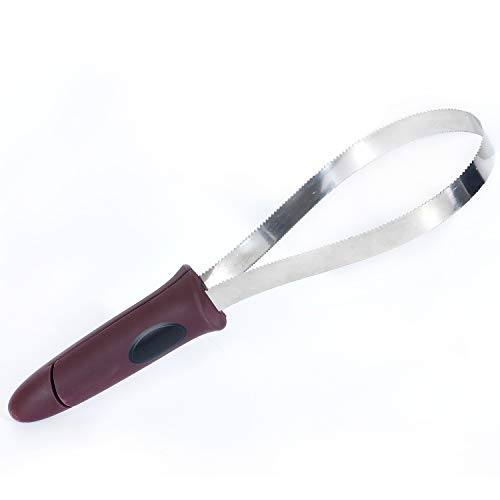
SOFT ERGONOMICALLY DESIGNED HANDLE-Which comfortably forms to your hand. It's a non-slip handle grip. No matter which way you hold, it dramatically maximizes your control while grooming.

①Power: 2400W adjustable | Voltage: 125V | Airflow volume: 84.7 CFM

【Easy Desheding】: Swihauk self cleaning dog brush for long haired dogs with release bottom helps effortlessly reduce shedding. A must have dog brush for short haired dogs, cat brush for indoor cats, cat brush for shedding, slicker brush for dogs.
Genetic Health Risks
While the Sheprador often inherits the best traits of both parent breeds, you should expect a moderate to high risk for several serious genetic health issues. You must screen for hip and elbow dysplasia, which cause pain and lameness. Watch for panosteitis and muscular dystrophy affecting movement and strength.
DNA testing identifies degenerative myelelopathy and exercise-induced collapse risks from parents. Monitor vision for progressive retinal atrophy and cataracts. Your care protects their well-being.
You manage weight and exercise to reduce joint strain. Regular neurologic exams catch late-onset spinal issues early. Breeders should test breeding lines for SOD1 and EIC genes.
You serve your dog by staying alert to gait changes and coordination. With proactive monitoring and preventive care, you ensure your Sheprador lives a happier, healthier life.
Expected Lifespan
Because a Sheprador is a large-breed mix, expect them to live around 10 to 13 years, though some healthy dogs can reach 14.
You serve your dog best by maintaining a lean body condition and providing controlled exercise to support cardiovascular resilience.
Since senior life often begins around six to seven years, monitor for joint issues like hip dysplasia early.
Regular veterinary care, including vaccinations and dental checks, helps detect conditions like bloat or heart disease before they shorten their life.
Avoid rapid-growth diets in youth to reduce skeletal stress.
How Much Does a Sheprador Shed and Require Grooming?
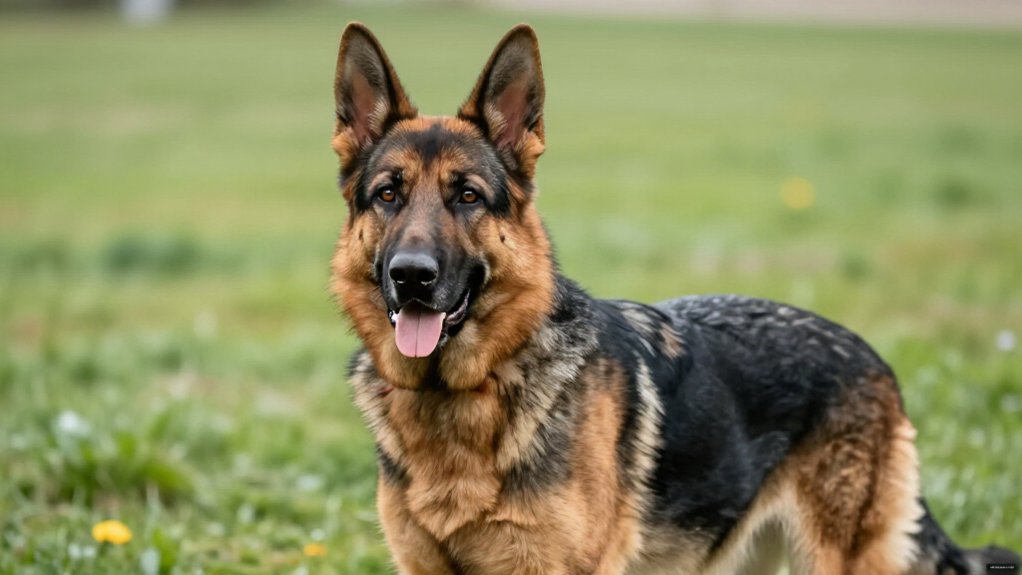
How much hair will you deal with when owning a Sheprador? You’ll manage heavy shedding year-round since these dogs score 4/5. Expect seasonal coat blows in spring and fall that demand daily brushing.
Their dense double coat releases significant dander, so they aren’t hypoallergenic. You should brush two to three times weekly normally, switching to an undercoat rake during heavy moults. Plan for thirty to sixty-minute weekly sessions.
Bathe them every four to eight weeks using mild shampoo to avoid stripping oils. Regularly trim nails, clean ears, and brush teeth to maintain overall health.
Vacuum frequently to manage household fur. Focus brushing on friction areas like armpits to prevent matting.
Because a dense coat can make a Sheprador harder to spot on dark evening walks, pairing grooming with a reflective dog collar helps keep them visible to drivers and others.
Consistent grooming guarantees your Sheprador stays clean and comfortable while you serve them well.

Dog Friendly Materials: Not Suitable for Aggressive Chewers. Treat dispensing dog toys are made of ABS and nylon material. It is a sturdy, safe food container that resists pet damage, provides a long-lasting and safe play experience. You can give your dog confidently use interactive dog toys. At the same time, in order to make the dog puzzles for smart dogs quieter when rolling, the material of the dog enrichment toys for large dogs roller is made of rubber, less noise

【Upgrade Dog Puzzle】Our dog puzzle toy is moderate level with more challenging ,difficult than level 2, not only easy slide steps, but require your dog's ability to learn sequential steps and combinations to seek hidden treats while keeping mental active .There are easy slide step and harder step in the puzzle box , dogs have to find a right way to move the red round sliders and the center parts for food, higher skills and mind required , great for the smart dogs.
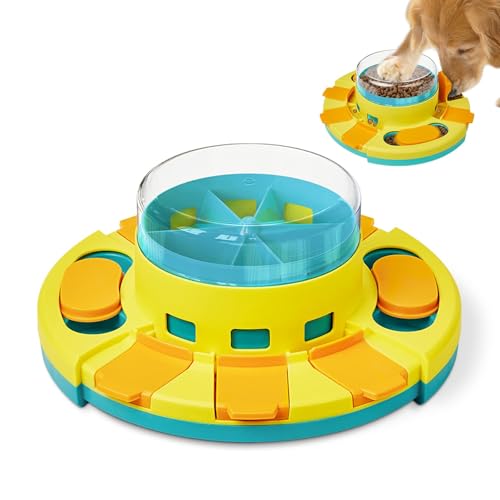
2 Levels in 1 Toy: start your pups off with a level 1 puzzle, add some treats in the base compartments and watch your dogs get their tasty reward by nudging the lids. For dogs who have mastered level 1, for added challenge in level 2, just put some treats in the top compartments, teach your dogs to press the top cover to dispense treats down into the base compartments and finally enjoy their reward
How Do Shepradors Get Along With Kids and Other Pets?
Once you’ve managed the grooming routine, consider how your Sheprador interacts with your family. You’ll find they’re naturally affectionate, loyal, and great with kids when properly socialized. Their Labrador side makes them friendly, while the German Shepherd heritage adds devotion and protectiveness toward your children. When writing about the parent breed, remember that German Shepherd is a proper noun, so capitalize both words, and use the abbreviation GSD only in capital letters.
However, their large size and high energy mean you should supervise play closely with small kids. Teach everyone respectful handling to avoid accidents. If your dog shows herding behaviors like nipping, redirect them immediately.
Early socialization between eight and sixteen weeks is critical for safe interactions. You’ll want to expose your puppy to various people and other pets early on.
With consistent training and clear boundaries, your Sheprador becomes an excellent companion for both children and other animals in your household.
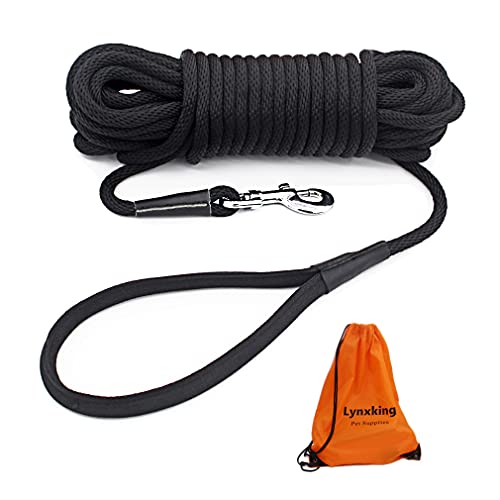
SUITABLE THICKNESS CHECK CORD: To find a balance between weight and strength. 3/8” is a suitable thickness for long training dog leash, it has both strength and portability

For high energy Medium to large dogs we designed leash buddy bike dog leash specifically for boxers, huskies, Golden Retrievers, Labradors, and all Other medium Large high energy dogs. The oversized hardware and 500lb pull strength leash are built for extreme durability and will easily handle the largest dogs.

【No complicated running belt assembly required.】Many dog treadmills require customers to assemble the running belt themselves. The running belt is the core of this unit. Built exclusively for canine training, our dog treadmill comes with the track pre-assembled at the factory. Every machine goes through rigorous testing and calibration before shipment. We don’t want our customers to receive a box of complicated loose parts and belts, nor do we want to leave the difficult assembly work to them.
What Are the Ideal Living Conditions for a Sheprador?
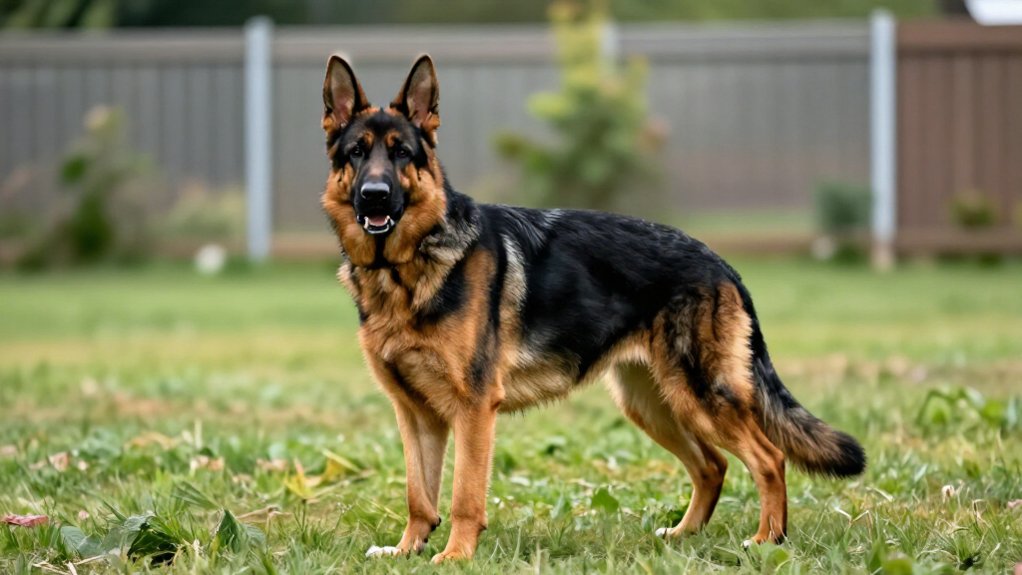
While a Sheprador can thrive in an apartment if you’re committed to their needs, the ideal living condition centers on an active household with access to a secure, fenced outdoor space. You should provide your dog at least 90 to 120 minutes of daily physical and mental activity.
A detached home with a yard allows for essential off-leash play. You must prioritize consistent routines to keep them calm and focused.
Confirm your living space offers ample room for their large frame and unobstructed movement. Use dog gates to restrict access to rooms or areas where space is limited or hazards exist. Provide shade and fresh water if you live in warmer climates.
Remember that a calm, low-stress atmosphere helps prevent anxiety and behavioral issues. Serving this breed well means matching their energy with structured training and companionship daily.

QUICK-ACCESS FIXED CLIP OPENING – Reward your dog without fumbling with zippers or drawstrings.The fixed clip design keeps the dog treat pouch open for quick, one-handed access to treats, then presses securely closed to help prevent treats from spilling while you move
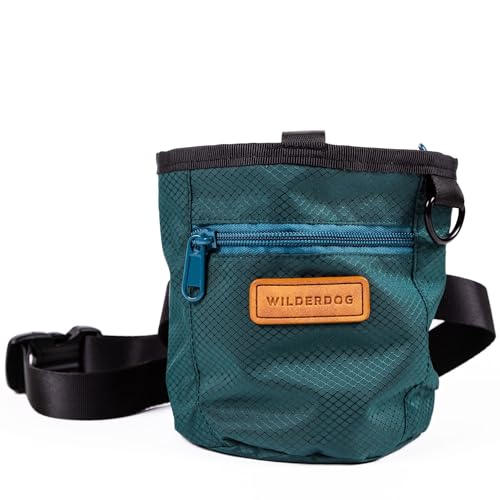
Two pockets with zipper closures and additional magnetic closure on the big pouch. Adjustable strap fully extended measures up to 52 and 1" wide to fit perfectly through belt loops

【Upgraded Stronger Magnet】 There are two pairs of strong magnets on opening of the bag, auto closing and no food spilling out at all. Open easily by one hand when food needed.
Frequently Asked Questions
What Is the Origin History of the Sheprador Mix?
You’ll find the Sheprador emerged in 1980s America as breeders intentionally crossed German Shepherds and Labs, merging protective instincts with friendly service traits to create versatile working companions for families and professionals.
Are Shepradors Recognized as a Pure Breed by Kennel Clubs?
Shepradors aren’t recognized as pure breeds by major kennel clubs like the AKC. You’ll find them listed as designer hybrids instead, so they can’t earn official conformation titles under any established breed standards.
How Much Do Shepradors Typically Bark Compared to German Shepherds?
Shepradors bark less than German Shepherds. Consider that Shepradors bark moderately while Shepherds can reach 106 decibels. If you serve others, choose quieter Shepradors for calmer service environments.
What Is the Best Diet to Prevent Obesity in Shepradors?
Feed high-protein, low-fat large-breed formulas. Control portions with scales, limit treats to 10% of calories, and use low-calorie fillers like green beans to keep your Sheprador lean and healthy.
Do Shepradors Require Special Care During Extreme Weather Conditions?
Yes, Shepradors need special care in extreme weather. You must schedule exercise for cooler times, provide shade and water, and avoid shaving their insulating double coat to keep them safe from heatstroke and cold injuries.