You might assume German Shepherd Wolfdog hybrids are wild and dangerous, but they are actually more fearful and less aggressive than domestic dogs. They possess high energy, strong prey drives, and need expert handling. Expect strict containment requirements and specialized care for their health. These unique traits mean they aren’t for everyone. You’ll discover exactly what you need to know as you explore further.
Swift Summary
- Hybrids are not inherently aggressive; they are typically more fearful and show fewer fatal attacks than large domestic breeds.
- Their temperament is wary and independent, making them unreliable guard dogs and challenging to train without force-free methods.
- Ownership requires professional-level experience due to high energy, strong prey drive, and severe separation anxiety.
- Legal regulations vary by locality, often mandating secure tall fencing, permits, and liability insurance for hybrid ownership.
- Proper care involves specialized diets, regular veterinary checks for health risks, and extensive early socialization.
What Is a German Shepherd Wolfdog Hybrid?
If you’re curious about German Shepherd wolfdog hybrids, you’re looking at a cross between a domestic German Shepherd Dog and a gray or Eurasian wolf. These large canids blend domestic traits with wild ancestry, creating animals often called Wolf Shepherds.
When you explore whether a German Shepherd is a wolf hybrid, you find they aren’t formally recognized breeds but fall under wolfdog classifications. You’ll see they share chromosomes with wolves, allowing fertile offspring. Although a German Shepherd is genetically close to a wolf, domestication has shaped its behavior and physical abilities in ways that set it apart from wild canines.
People seeking is German Shepherd mix with wolf info learn these dogs have unique physical traits like lupine faces and varied coats. These dogs often reach heights of 20-26 inches, giving them a distinctive appearance.
You can serve potential owners by clarifying they aren’t purebreds but distinct hybrids. Understanding this background helps you guide others toward informed decisions about caring for these powerful, ancient crossbreeds with specific needs.
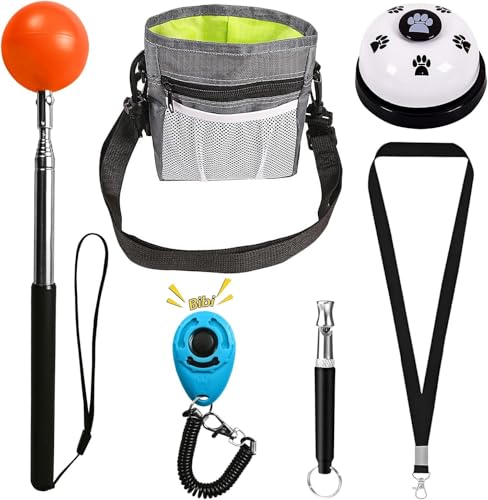
All-in-one Complete Dog Training KIt: This training kit includes Target Stick,Training Clicker,Whistle,Bell,Treat Pouch. If you love pet training than this is the product for...
Myths About Wolfdog Temperament and Aggression
While popular discourse often portrays German Shepherd wolfdog hybrids as inherently aggressive and unusually dangerous, empirical data and expert breed guides show a more nuanced picture dominated by fearfulness, variability, and management-related risk rather than intrinsic hyper-aggression.
When you serve others with these dogs, recognize they aren’t naturally vicious; studies show they’re often more fearful, not more aggressive than domestic dogs. You’ll find research indicates they don’t cause disproportionate fatal attacks, with statistics showing far fewer incidents than popular large breeds. For secure containment during supervised outdoor time, a sturdy outdoor dog playpen offers a controlled space where these dogs can exercise safely.
Remember, they’re not ideal guard dogs—they’re typically wary and neophobic rather than reliably protective. Your role involves proper socialization, secure containment, and interpreting fear-based behaviors correctly. Additionally, temperament is highly unpredictable; behaviors vary even among littermates.

[Treat Distribution] Our food dispenser has differently sized spheres at both ends. As dogs push the toy, it moves within a fixed area, allowing dogs to continuously chase and play with it. During movement, food is dispensed from the food holes on both sides of the toy.

【Unique Ball-in-Ball Design】 Experience the ultimate Interactive Dog Toy with a smart inner ball that hops and rotates inside a hollow shell. It triggers natural digging and pouncing instincts, providing the deep Dog Enrichment and mental stimulation needed to keep high-energy pets busy for hours.

LARGE SIZE DESIGN: This large dog puzzle toy is designed for all dog breeds, especially medium to large dogs, and even for multi-dog households. The spacious surface gives dogs giant space for sniffing, pawing, sliding, and exploring. Unlike compact dog treat puzzle that only fits tiny treats, our dog food puzzle features wide, deep compartments that accommodate most dry foods and treats. The oversized, weighted design prevents sliding during use and keeps dogs focused on the challenge
Key Behavioral and Physical Traits
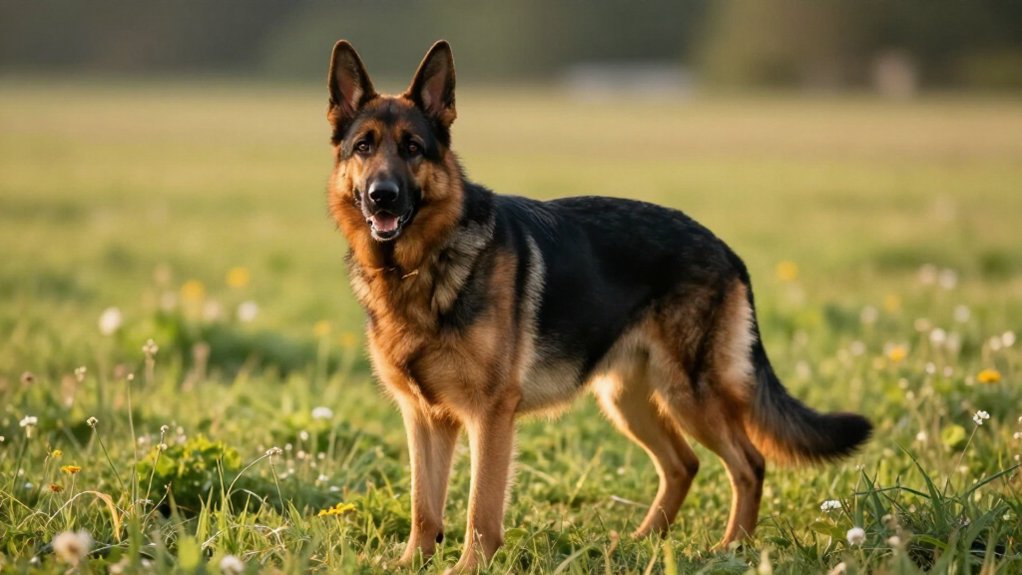
When you encounter a German Shepherd wolfdog hybrid, you’ll notice they combine large, athletic builds with dense double coats and high energy. You’ll see them weigh 60 to 120 pounds, with lean muscles built for endurance. Their coats shed heavily twice yearly, so you’ll need to manage hair loss constantly.
You’ll observe their wolf-like heads and bushy tails carried low. These dogs possess intense curiosity and a strong prey drive, meaning you’ll keep them leashed outdoors. You’ll find they bond deeply with just one or two people rather than strangers.
Their independence and stubbornness require you to offer consistent guidance. You’ll need to provide vigorous daily runs to channel their stamina. Without enough outlet, you’ll spot restless, exploratory behaviors developing quickly. Unlike the American Alsatian, a breed developed in the United States for its wolf-like look and gentle companionship, these hybrids often carry far less predictable instincts.
You’ll notice their movement is fluid and ground-covering, perfect for active service roles.
Their physical traits often reflect specific genetic markers, such as longer legs, narrower muzzles, and pale eyes.

Puppy Activity and Training Hub: the set features a sturdy rectangular PVC frame with a pet mat 12 varied dog toys, 12 elastic bands, 8 suction cup buckles, an installation hammer, and a clear, picture-guided manual

SUITABLE FOR SMALL AND MEDIUM DOGS, CATS - The size of this snuffle mat is 26 x 16.5 inches, which is perfect for small dogs, medium dogs, cats and rabbits. It makes a wonderful gift for pet owners! NOT recommended for extra large and aggressive chewers dogs who could tear it up

【FOR EVERY DOG, EVERY SETTING】 Whether you have a clever dog who needs a job or a senior dog needing gentle mental exercise, this interactive dog toy fits right in. Use it indoors on rainy days, outdoors in the yard, or during crate time dog toys to keep them busy while you work or relax
Training and Containment Requirements for Wolfdogs
To keep your wolfdog safe and well-behaved, you’ll need to start early with positive reinforcement and plenty of socialization.
Avoid force-based methods, as they only increase fearfulness and make your dog more reactive. Owners of DDR German Shepherds, whose temperament is shaped by their working-line history, often find that drive and focus matter as much to training as the method itself.
Since they are intelligent but selectively obedient, training should be force-free to maintain a cooperative relationship.
Plus, you must build tall, escape-proof containment with dig barriers underneath to prevent any breakout attempts.

【Heavy-Duty Galvanized Steel Frame】Built with galvanized welded steel wire, this outdoor dog kennel is designed for dependable strength and long-lasting outdoor use. The corrosion-resistant frame helps withstand rain, humidity, wind, and everyday exposure to changing weather conditions

🏠 The Ultimate Secure Dog Home (Better Than a Crate) Transform stressful confinement into a spacious, "den-like" sanctuary. Acting as a superior alternative to a cramped heavy duty dog crate, this system creates a comfortable indoor dog kennel with floor that allows freedom of movement without the mess. The fully enclosed design features a 360° Hook and Loop-sealed bottom and secure top, functioning as a covered dog exercise pen indoor that naturally reduces separation anxiety. Perfect for potty training, sleeping, or as a safe puppy nursery enclosure indoor.

Dual-Door Design with Double Locks :PANTAZO dog run of main door for easy entry/exit + small feeding door for hassle-free meals. Dual locks prevent accidental escapes.
Early Socialization And Positive Reinforcement
Early socialization combined with positive reinforcement is essential for safe, manageable wolfdog hybrids, but you must support this training with secure, purpose-built containment systems.
Begin structured handling between 10 and 14 days of age to reduce lifelong shyness.
Expose puppies daily to varied stimuli like traffic, children, and household noises after vaccinations.
Reward desired behaviors immediately with treats or petting to build reliable cues.
Keep sessions short, lasting 5 to 10 minutes, multiple times daily.
Gentle grooming and hand-feeding strengthen bonds early on.
These practices help you serve your wolfdog better by fostering confidence and adaptability.
Without these foundations, fear persists into adulthood, making your care duties far harder.
Prioritize these steps to guarantee a well-adjusted companion for you and your community.
Because higher wolf DNA levels significantly increase socialization and training challenges, it is critical to assess wolf content before beginning any structured behavioral program.
Force-Based Methods Increase Fearful Reactivity
As you explore training methods for your wolfdog, recognize that force-based techniques consistently increase fearful reactivity and undermine welfare. You’ll observe stress behaviors like crouching, yelping, and tense postures when using aversive stimuli.
These methods elevate cortisol levels, activating stress axes while compromising your animal’s well-being. Punishment suppresses normal exploration and social behaviors without resolving underlying anxieties, often worsening them.
You may inadvertently trigger fear-based aggression, as your wolfdog learns to associate specific situations with threats, leading to defensive biting. Professional guidelines warn against shock collars, choke chains, and dominance exercises, which heighten aggression during handling.
Force-based approaches slow learning by creating confusion and avoidance. Repeated exposure to uncontrollable corrections breeds learned helplessness, reducing cooperation.
This makes veterinary care and containment management dangerous for both you and your pet, cementing fear-avoidance patterns that harm long-term welfare and safety.
Tall Escape-Proof Containment With Dig Barriers
Because wolfdogs are escape artists, you must pair strong training with robust containment. Build fences at least eight to ten feet tall. Add two to three foot overhangs or lean-ins to stop climbing. Clear all nearby rocks or platforms they might use as springboards.
Install deep dig guards extending two to four feet underground. Pour concrete footers along the perimeter where they try to tunnel. Use heavy-gauge nine-gauge chain-link to resist snapping. Secure all locks so they can’t pop open.
Design the space with shade, shelter, and varied terrain to reduce boredom. A large area lets them run and explore safely. Remember that keeping them contained protects both your community and their well-being.
Serve others by maintaining these high standards consistently.
U.S. Ownership Laws and Rules
Since there’s no single federal law that explicitly bans or permits owning a German Shepherd wolfdog hybrid, you must check rules at the state and local levels.
Some states ban these hybrids outright, classifying them as dangerous wildlife. Others allow ownership but require permits, secure fencing, and liability insurance.
Even in permitted areas, local ordinances might impose stricter limits. Because definitions vary, you should confirm how your jurisdiction treats wolf ancestry percentages.
Always research before you bring a hybrid home to avoid fines or confiscation. Serving the community means respecting these regulations. Equipping your hybrid with a well-fitted collar that supports daily comfort and control and clear identification can also help you meet local containment requirements.
Make certain you comply fully with all legal obligations to protect both your family and the animals in your care.

Advanced Calming Dog Treats: Packed with ingredients like hemp oil, valerian root, chamomile, and melatonin, these dog anxiety relief chews offer a safe, natural remedy for anxiety.

Calming Support for Your Pup! - These delicious premium chewables may help dogs with normal stress, nervousness, and hyperactivity to help them stay calm, comfy, happy, and at ease!

Advanced Calming Dog Treats: Packed with ingredients like hemp, valerian root, chamomile, and melatonin, these dog anxiety relief chews offer a safe, natural remedy for anxiety.
Health Expectations and Lifespan
You can expect your German Shepherd wolfdog hybrid to live between 12 and 16 years if you manage its diet and environment well.
You should be aware that these mixes face unique health risks like hip dysplasia and bloat that demand proactive care.
You’ll need to monitor their immune responses and growth closely since their mixed genetics create specific sensitivities.
Timing your food stage transition, from puppy food to adult or senior formula, supports steady growth and helps prevent weight gain that stresses the joints.
Lifespan Expectations
While German Shepherd wolfdog hybrids typically live between 8 and 16 years, their actual lifespan hinges on wolf content, genetics, and the quality of care you provide. High wolf-content animals often face shorter lives near 6 to 8 years due to stress sensitivity, whereas low-content hybrids usually match domestic large breeds at 10 to 13 years.
You should prioritize sound orthopedic and neurologic genetics when selecting breeding stock to boost their chances of reaching upper age limits. Stable captive environments with appropriate husbandry support longer lives compared to urban housing lacking species-appropriate outlets.
Watch for inherited conditions like degenerative myelopathy and hip dysplasia that emerge after eight years. Managing their activity levels and ensuring balanced nutrition helps maintain functional longevity as they age into their teens.
Health Risks Overview
How can you guarantee your German Shepherd wolfdog hybrid enjoys a healthy life? You must anticipate significant health risks inherited from both lineages.
Hip and elbow dysplasia frequently afflict these dogs, causing chronic lameness and early arthritis.
Degenerative myelopathy strikes many, leading to progressive paralysis without cure.
Expect digestive issues like pancreatic insufficiency and heightened bloat risk, which demands immediate surgery.
Avoid standard kibble, as hybrids struggle with high carbohydrates.
Note that USDA-approved rabies vaccines don’t exist for hybrids, leaving them legally unprotected.
Monitor immune responses carefully, as standard vaccines may fail.
Watch for ivermectin sensitivity and parasite susceptibility due to outdoor habits.
Dental crowding often leads to fractures requiring extractions.
Regular vet checks every six months remain essential to manage these cumulative orthopedic, gastrointestinal, and infectious burdens effectively.
Suitability for Average Dog Owners
If you’re an average dog owner, a German Shepherd wolf hybrid won’t work well for you. These dogs demand professional-level experience you likely lack. Their unpredictable temperament breeds fearfulness and reactivity around strangers or children.
You’ll struggle with their high energy, intense pack drive, and severe separation anxiety when left alone. Conventional training methods fail; they resist obedience and lack reliable recall. You can’t safely let them off-leash in public.
Furthermore, legal barriers make ownership difficult. Many states ban them entirely, while others require costly permits, inspections, and secure enclosures akin to exotic animals. Violations risk immediate seizure or euthanasia.
Their strength and escape artist nature require reinforced containment beyond typical fencing. Even a sturdy collar fitted with identification tags can help a escaped hybrid be returned quickly if containment fails. If you truly desire serving others, you must provide the consistent, expert care these hybrids need.
Without that commitment, you risk failing both the animal and your community.

Four Challenges & Levels 1-3: Multiple games with a flip game and a linear track sliding game, all requiring dogs to learn steps and find treats. This puzzle is designed to be more fun and difficult, with more unique ways to play. It can enhance your dog's IQ and train their sense of smell

Our most advanced game yet – this Level 4 Expert dog puzzle provides an interactive challenge for smart dogs who have mastered Level 3 puzzles; involves complex actions that must be completed in order
Frequently Asked Questions

【BURN ENERGY, NOT YOUR ARMS】 This interactive suction dog toy lets your furry friend tug, chew, and pull on its own. Perfect for all dogs and breeds, it turns boredom into resistance play, keeping them active and entertained while you stay nearby instead of holding a rope.

Fun & Realistic Half Sandwich Design: Shaped like a half sandwich with colorful layered fillings, this plush toy features a playful and realistic look that easily captures your dog’s attention. The soft stacked design mimics real food textures, making playtime more engaging and visually fun for both pets and owners.

Rustle Potato Chips Toy: Elevate your dog's playtime with our Rustle Potato Chips dog puzzle toy. It includes a rustling potato chips bag and two roll-out snuffle strings with 14 pockets. Made from 100% baby-safe polyester, it’s super soft and of premium quality.
Can German Shepherd Wolfdog Hybrids Be Registered With the AKC?
No, German Shepherd wolf hybrids can’t register with the AKC. Though some think mixed breeds qualify, you must certify your dog isn’t a wolf cross to serve others through AKC programs.
Do Wolfdogs Need Specialized Veterinary Care Beyond Standard Dog Protocols?
Yes, they require specialized care beyond standard protocols. You must find exotic vets due to legal risks and handling challenges. Expect higher costs for exams, unique vaccines, and sedation needs since typical clinics often refuse these high-risk hybrids entirely.
Are There Federal Restrictions on Transporting Wolfdogs Across State Lines?
You don’t face federal bans on transporting wolfdogs across states, but you must check state laws since high-content animals may trigger federal wildlife or rabies rules that affect your travel plans.
Do Wolfdogs Typically Live Longer or Shorter Than Purebred German Shepherds?
Wolfdogs often live longer, but mixed breeds vary wildly. You must prioritize health checks and happy homes to guarantee their well-being. Your care shapes outcomes, so match needs with nutrition, movement, and vet care for every soul under your watch.
How Do Wolf Content Percentages Affect a Hybrid’s Legal Classification?
Wolf content percentages determine how local laws classify your hybrid. Lower wolf content typically allows you to own them as dogs, while higher wolf content often triggers wildlife regulations that restrict or ban ownership outright.