A German Shepherd Pitbull mix is a loyal, athletic hybrid demanding experienced handling and daily vigorous exercise. You’ll find they grow 17–26 inches tall, weighing 30–90 pounds. Expect deep bonds, protective instincts, and high energy. You need consistent training, early socialization, and 90+ minutes of activity daily. Grooming stays moderate, but health risks like dysplasia require monitoring. This mix suits active families ready for commitment. Keep exploring to uncover all the essential care details you need.
Swift Summary
- This hybrid stands 17–26 inches tall and weighs 30–90 pounds, varying by parent traits.
- They form intense loyalty bonds and act as alert watchdogs, requiring early socialization and adult supervision.
- Owners must commit to 90–180 minutes of daily physical and mental activity to manage their high energy.
- Training relies on consistent, reward-based methods and short sessions to build confidence and balanced behavior.
- Prospective owners should plan for regular grooming, health monitoring, and the costs of experienced handling.
What Is a German Shepherd Pitbull Mix?
A German Shepherd Pitbull mix is a hybrid dog created by crossing a German Shepherd with a Pitbull-type breed, blending their loyalty, protection, and high energy into one companion. You might wonder what’s a German Shepherd mixed with a pitbull.
This breed combines intelligence and athleticism. When you ask can you breed a German shepherd with a pitbull, the answer is yes. Though not purebred, they’re loyal guardians. Their high energy can also lead to rushing up and down steps, so a sturdy dog gate for stairs helps prevent falls.
While some call it a german shepherd x staffy, others refer to xl bully german shepherd mix or german shepherd x xl bully. This active dog thrives with service. Their parents are both highly intelligent breeds.
You must provide structured training and mental enrichment. Their emotional resilience makes them suited for protection tasks, and they bond deeply with their human family.

Stop Wasting Money on 2-Minute Toys: Engineered for the crushing jaw pressure of 20-80 lb breeds like Labs and German Shepherds, this dual-material bone features a rock-solid nylon core reinforced with a dense rubber sleeve to outlast standard plush toys. A thoughtful pick among durable dog gifts, it saves you from the hassle of constant toy replacements.

Durable Dog Toys for Aggressive Chewers: Shark interactive dog chew toys for aggressive chewers are easy to use and tougher than real bone to satisfy dogs' urge to chew and gnaw. The dog toy for aggressive chewers rubber part is 30% thicker than other toys. Dog toys for large dogs are tough dog toys and last for weeks. Dog chew toys are almost indestructible dog toys for aggressive chewers and can withstand more vigorous chewing. This long-lasting hard dog toy is the best gift for 20-80 lbs dogs

LIFETIME REPLACEMENT GUARANTEE: No dog toy is truly indestructible—but we believe dog toys should be built to last, and if not, you shouldn’t pay a single penny for them. If your dog wins, get a one-time replacement or refund. No squeaks. No fluff. No BS.
How Big Does a GSPitbull Grow?
When you look at a German Shepherd Pitbull mix, you’ll find it generally grows into a medium-to-large dog standing 17–26 inches at the shoulder and weighing between 30 and 90 pounds. You should prepare your space, your needs.
Most males reach 40–90 pounds, while females stay closer to 30–70 pounds. Since size depends on which parent traits dominate, expect variation even within litters. During adolescence, around six months, your dog may go through growth spurts that make its legs and body seem out of proportion, so consistent training matters. If you want to estimate more accurately, check the parents’ weights and add or subtract about 15%.
Your mix will likely build a solid, powerful frame, slightly longer than tall. To serve your dog well, plan for sturdy gear, ample exercise areas, and appropriate nutrition. Fully grown between 6 to 12 months
Knowing these ranges helps you create a safe, supportive home that meets their physical needs throughout their life.
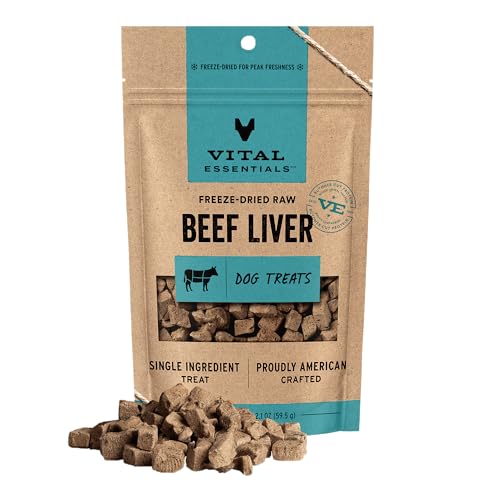
FREEZE DRIED RAW BEEF LIVER DOG TREATS – BITE SIZED FOR TRAINING, 2.1 OZ BAG: High protein dog treats made with beef liver. Perfect as high value dog training treats, puppy training treats, and everyday rewards

Wild-Sourced Protein: Our treats are made from all-wild roaming elk and deer protein, sustainably harvested from the Rocky Mountains, offering your dog a unique and premium nutritional experience Wild-Sourced Protein: Our treats are made from all-wild roaming elk and deer protein, sustainably harvested from the Rocky Mountains, offering your dog a unique and premium nutritional experience

SHIPMENT CONTAINS: 2-pound bag (32 oz) of small bite-sized dog training treats in a resealable pouch
What Is the Temperament of This Mix?
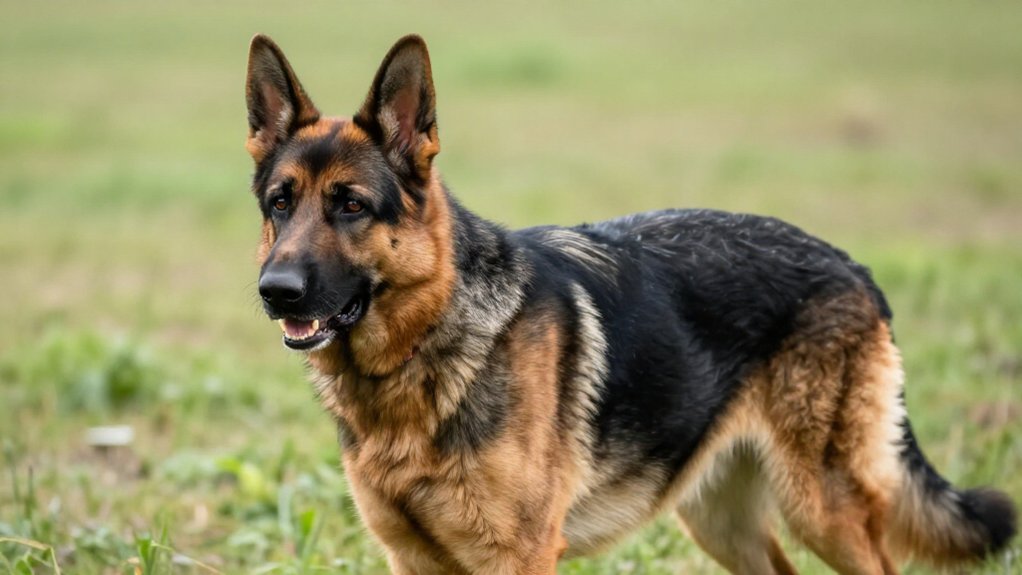
While temperament varies by individual, your German Shepherd Pitbull mix will likely display exceptional loyalty and form deep bonds with you and your household. These dogs crave close contact, often sticking like velcro to their people. You must provide consistent companionship to prevent distress or separation anxiety.
Their natural protective instincts make them alert watchdogs, so you’ll need early training to channel that guarding energy positively. Expect wariness around strangers combined with confidence. With early socialization, these dogs can adapt well to family life and grow comfortable with children and visitors.
Your dog’s high energy demands vigorous daily exercise and mental games to keep boredom at bay. Without proper outlets, frustration can lead to destructive chewing.
Both breeds are highly intelligent, so you’ll find them responsive to positive reinforcement training. However, their assertive streak requires you to maintain clear leadership.
Serving your needs to their structured, active lifestyle ensures a balanced, well-adjusted companion for your home environment.
Positive reinforcement is key for training these dogs effectively.

【Extra wide】Expands to fit openings between 29"-42.5" width with 4.5" and 6.9" extension kits (Note: not fit openings between 31.8-33.4 Inch and 38.7-40.3 Inch! !), please be sure measure your opening before purchase to ensure proper fit. This baby gate is perfect for stairs, kitchen, hallway and doorways

【30" Tall x 46" Wide】The baby gate is adjustable to fit door openings between 29.7-46" width with extension kits, suitable for various opening in different areas of your home such as doorways, hallways, stairs, kitchen or bedroom. And 30" tall make it perfect for toddlers and small pet. Please ensure accurate measurements of the opening where the gate will be installed, considering both width and height requirements before purchase

PROVIDES PEACE OF MIND: The kids gate creates a secure barrier to help prevent access to stairs, bathrooms, kitchens, and other off-limit areas, so your little one can safely explore.
Is This Mix Good With Kids and Families?
You’ll appreciate how this mix forms a loving bond with your household, quickly becoming a devoted member of your family.
Its protective instincts make it enthusiastic to guard the children, though you need to manage that energy carefully.
Structured handling with clear rules ensures these traits stay positive, so everyone gets along safely. Because German Shepherd traits can make a mix wary of unfamiliar children and pets, early socialization and constant adult supervision are essential for a safe household.

SAVE MONEY: Reduce expensive trips to the groomer. Our dog shedding brush works great as a dog brush for short haired dogs & dog brush for long haired dogs. It is an absolute essential for pet supplies, dog supplies, and a dog grooming kit.
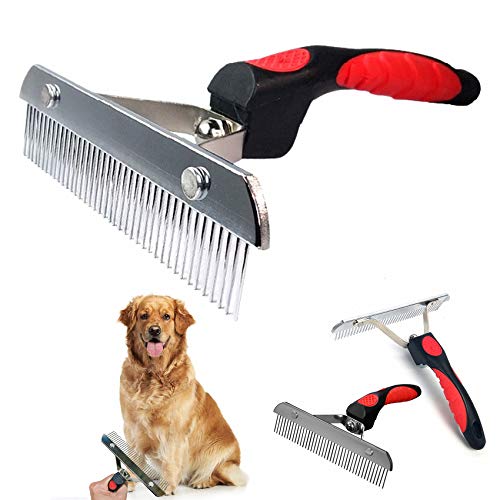
ROUNDED PIN : The long tooth undercoat rake brush has smooth rounded pins that make it easier for pets to accept grooming. The 0.94 foot long steel teeth of the rake penetrate deep into the dog's hair to remove loose fur and remove all mats, tangles and knots. Long tooth undercoat dog rake brush Not suitable for cats, puppies or short-haired pets.

【Easy Desheding】: Swihauk self cleaning dog brush for long haired dogs with release bottom helps effortlessly reduce shedding. A must have dog brush for short haired dogs, cat brush for indoor cats, cat brush for shedding, slicker brush for dogs.
Loving Bonding Capacity
If you’re looking for a deeply loyal companion, the German Shepherd Pitbull mix often forms an intense, affectionate bond with your household. You’ll find this dog thrives on close physical proximity, often described as a “velcro dog” that stays near familiar people.
This breed requires consistent training and socialization to channel its loving nature positively. You should prioritize early exposure to children, ensuring they learn gentle touch and non-intrusive behavior.
Supervision remains critical; this large, energetic dog needs your guidance to interact safely with younger kids. By providing structured routines and calm handling, you cultivate a secure emotional bond.
Your commitment to meeting its mental and physical needs guarantees a stable, long-term connection. This mix becomes a devoted family member when you actively nurture its strong attachment tendencies through daily engagement. It also requires early socialization with kids to prevent accidental knocking over due to its size and energy.
Protective Family Instincts
Beyond forming loving bonds, this mix’s protective instincts shape how it fits into family life. You’ll notice its loyalty makes it a fierce guardian, watching over your household with keen awareness. However, serving others means recognizing these traits demand careful management.
Its strong drive secures your home, yet without guidance, it might misinterpret friendly guests as threats. You must teach children respectful interactions to prevent accidents, as its size and energy can overwhelm smaller kids.
Keep play supervised, especially with those under ten, and establish clear rules about food or sleeping spaces. Provide a quiet retreat for the dog to reduce stress.
Serving your family involves balancing this protective nature with structured boundaries so everyone stays safe and happy together.
Structured Handling With Children
Because this mix carries considerable strength and high energy, you’ll want to structure its interactions with kids from the start. Always supervise closely; never leave them alone together. Use physical barriers during busy times to prevent unmanaged contact. Provide the dog a safe retreat space like a crate to reduce stress.
Teach children not to approach the dog while eating or sleeping. Clear rules against hugging tightly or rough play reduce bite risks. Educate your family about stress signals such as tail tucking or growling.
Ensure consistent obedience training for commands like sit and stay. Early, positive exposure to calm children improves tolerance notably. Structured introductions at controlled distances help both parties feel safe.
This mix thrives in structured households serving others responsibly.
How Do You Train a GSPitbull?
To train a GSPitbull, you’ll need to start early with broad socialization exposure to build a confident, friendly dog.
Consistent obedience training gives you control and strengthens your bond while curbing their strong instincts.
Finally, structured mental stimulation keeps their sharp mind busy and helps burn off excess energy.
Because German Shepherd lines can be prone to eye problems, watch closely for vision changes such as cloudiness or squinting, since a dog that cannot see well may struggle with training cues and lose confidence.

Joint Health Supplement for Dogs - Cosequin is the #1 vet recommended retail joint health supplement brand▼, supporting joint health in dogs for over 25 years.

Joint Health Supplement for Dogs: Cosequin is the #1 vet recommended retail joint health supplement brand, supporting joint health in dogs for over 25 years

Daily Mobility & Joint Support: Our advanced formula acts as a comprehensive dog joint supplement that targets stiffness, reduces inflammation, and nourishes cartilage to keep your furry friend running comfortably.
Consistent Obedience Training
When you begin consistent obedience training for your German Shepherd Pitbull mix, you’ll find that structured, reward-based sessions work best to channel their high intelligence and drive. Use positive reinforcement like food, play, or praise for correct responses, avoiding intimidation or dominance methods that spark fear.
Mark desired behaviors with a clicker or “yes” for clarity. Keep sessions short (5–10 minutes) but frequent (3–4 daily) to maintain focus.
Teach foundational cues like sit, stay, heel, and recall consistently, applying identical criteria each time. Practice impulse control through waiting at doors or before meals.
Reward calm behavior and alternative actions instead of punishing mistakes. Integrate these skills into daily routines and exercise.
With repetition, your mix learns quickly and obeys reliably, strengthening your bond and ensuring safe, controlled interactions as you serve your powerful companion well.
Early Socialization Exposure
While the critical socialization window for your German Shepherd Pitbull mix opens around 3 weeks, you should focus on intensive exposure between 8 and 16 weeks to prevent fear-based reactivity.
You must introduce your puppy to at least 50 different people, including diverse ages and appearances, to build trust and reduce territorial instincts.
You should take your dog to varied environments like parks and clinics to foster confidence against new surfaces and sounds.
You need to arrange controlled meetings with vaccinated, temperament-tested dogs to teach proper communication skills.
You’ll help your dog serve others by ensuring these early interactions remain calm and positive, preventing future fear or aggression toward strangers and animals alike during their developmental stages.
This foundational work supports your goal of raising a safe, helpful companion.
Structured Mental Stimulation
Once you commit to short, frequent training sessions, you’ll release the full potential of your German Shepherd Pitbull mix. Dedicate twenty to forty-five minutes daily, splitting this into multiple mini-sessions.
Focus on foundation cues like recall and attention while practicing impulse control through waiting at doors. Use positive reinforcement exclusively to build trust and reduce sensitivity during handling.
Feed meals via puzzle feeders or scent mats to encourage foraging and problem-solving. Rotate interactive toys weekly to prevent habituation and sustain engagement.
Incorporate structured play like controlled tug with clear release signals to channel drive safely. Weave training into walks using variable paces and deliberate sniff stops.
Maintain a calm handler demeanor and avoid intimidation entirely. Review previously learned behaviors daily while introducing new skills to keep them mentally sharp and enthusiastic to serve others well.
What Are Their Daily Exercise Needs?
Because German Shepherd Pitbull mixes are high-energy dogs, you’ll need to plan for 90 to 180 minutes of combined physical and mental activity each day. Divide this workload into at least two sessions to support your dog’s recovery and behavior.
Aim for brisk walks or jogs totaling one to two hours daily. Dedicate roughly half this time to high-intensity work like running or fetch.
Beyond physical exertion, integrate 15 to 20 minutes of mental enrichment daily using puzzle feeders or scent work. You should also include structured obedience drills to satisfy their drive.
For young dogs, focus on shorter, controlled play sessions rather than forced long runs. Build up distance and pace over time through gradual conditioning, since sudden jumps in running or hiking mileage raise the risk of injury.
This balanced routine ensures you serve your dog’s needs effectively while strengthening your bond through shared activity.

Built for aggressive chewers: Made of rock-hard solid nylon (not soft rubber) to stand up to heavy chewing and prevent breakage. Not suitable for puppies, senior dogs, dogs with dental issues or light chewers, as the hard material may damage teeth. Perfect for power chewers 30–100 lbs. Always supervise on first play. No toy is fully indestructible. Reach out to Kseroo anytime for support and satisfying solutions

Dog Toys Ball: Dog balls for large dogs made of high quality rubber, this tough dog toy ball has good bouncy. The toy is shaped like a ball, which is a very popular shape for dogs. This indestructible dog chew toys for aggressive chewers can help dogs release energy, improve intelligence, and relieve loneliness. If you want your dog to have a happy life. This dog toys for large dogs is a necessary and reliable choice
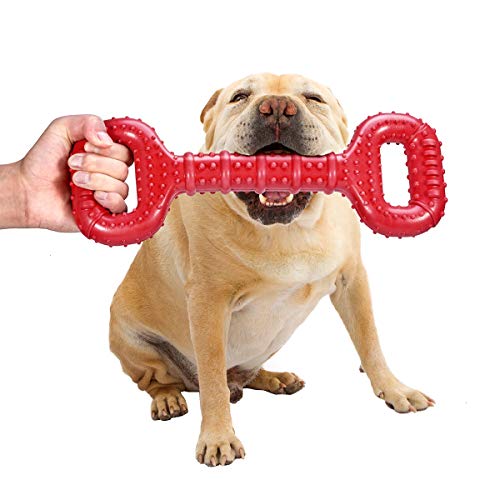
Help Your Dogs: Meet The Instinct Needs of dogs, release extra energy by chewing, help develop healthy chewing habits, clean teeth, relieve anxiety, train, reduce pet boredom and barking problems
What Health Issues Should You Watch For?
You’ll want to watch for inherited health issues like hip and elbow dysplasia that both parent breeds commonly pass down.
Keep an eye on your dog’s joint health by monitoring for limping, stiffness, or difficulty getting up.
Regular vet checkups and screenings can help you catch these problems early before they worsen. Because German Shepherd lines are also prone to degenerative myelopathy, a progressive disease of the spinal cord, ask your vet about neurological screening as well.

REAL BEEF FIRST: Blue Buffalo Bits dog training treats feature high-quality, real beef as the first ingredient to deliver essential nutrition and the savory beef flavor dogs crave

Lots of flavor, not fillers: Just three simple, all-natural ingredients mean low calories and high nutritional value, making a tasty but healthy treat that your pup will actually love

Natural dog treats made with added vitamins and minerals and no corn, wheat, or soy at only 2 calories per treat
Genetic Health Risks
While you may expect a mixed-breed dog to have fewer genetic issues, the German Shepherd Pitbull mix inherits specific health risks from both parent lines. You must monitor neurological conditions like degenerative myelopathy and cerebellar ataxia, which impact coordination.
Watch for seizures from inherited epilepsy and progressive decline from neuronal ceroid lipofuscinosis. Spinal issues such as lumbosacral disease often cause hind-limb weakness and pain.
Skin and immune concerns include atopy, zinc-responsive dermatitis, and recurring Demodex dermatitis. You might also encounter autoimmune disorders like pemphigus or anal furunculosis.
Cardiac risks involve dilated cardiomyopathy and irregular heart rhythms requiring regular screening. Metabolic problems like hypothyroidism affect weight and coat quality.
Finally, prepare for gastrointestinal emergencies like bloat, a life-threatening stomach torsion, or megaesophagus causing chronic regurgitation. Understanding these genetic realities helps you serve your dog with proactive, informed healthcare throughout their life together.
Joint Health Monitoring
Since joint health monitoring for a German Shepherd Pitbull mix focuses on detecting disease early in this large, active dog, you’ll need to watch closely for signs like stiffness after exercise, reluctance to jump or climb stairs, difficulty rising from rest, and any lagging behind during walks.
You’ll also notice excessive licking of joints or unusual sitting postures. Because excess weight burdens hips and knees, maintain a healthy diet to reduce mechanical load.
Monitor growth rates carefully during puppyhood to prevent developmental disorders. Avoid high-impact activities like frequent jumping that accelerate wear.
Instead, provide steady, low-impact walks on even surfaces. Use non-slip flooring at home to prevent traumatic slips.
Regularly assess your dog’s mobility to catch issues like hip dysplasia or cruciate tears early. Protecting their joints ensures they serve others comfortably for years.
Who Should Own a German Shepherd Pitbull Mix?
You must commit to roughly ninety minutes to three hours of daily physical activity and multiple training sessions. Your schedule can’t accommodate long workdays away from home or minimal time for structured play.
You require a spacious environment with a large, securely fenced yard to support its robust physique and athletic needs.
Enroll in puppy classes and maintain consistent, positive reinforcement training throughout adolescence.
You should expose this dog early to varied people, children, and environments to prevent fearfulness or overprotective behavior.
Your household must enforce clear rules and provide mental enrichment like puzzle feeders. Use dog gates for doorways to restrict access to rooms where the dog cannot be supervised, such as kitchens or home offices, while it learns your household routines.
Inexperienced or inconsistent handling increases risks of under-socialization and management problems in adulthood.

CHILD AND PET FRIENDLY: This adjustable baby gate allows you to create multiple child-friendly or pet-friendly areas. To prevent falls, never use pressure-installed gate mode at the top of stairs.

Dual-Direction Opening & Auto-Close Function: Cideny baby gate allows convenient dual-direction opening. Featuring an intelligent self-closing mechanism, this dog gate automatically closes at angles less than 90 degrees, offering effortless convenience. So you could pass through easily

WORRY-FREE SAFETY: Keep your pet contained and your home safe with the MyPet Extra Tall and Wide Wire Mesh Petgate, made from durable American hardwood and strong, vinyl-coated wire mesh
Is Grooming Hard for This Breed?
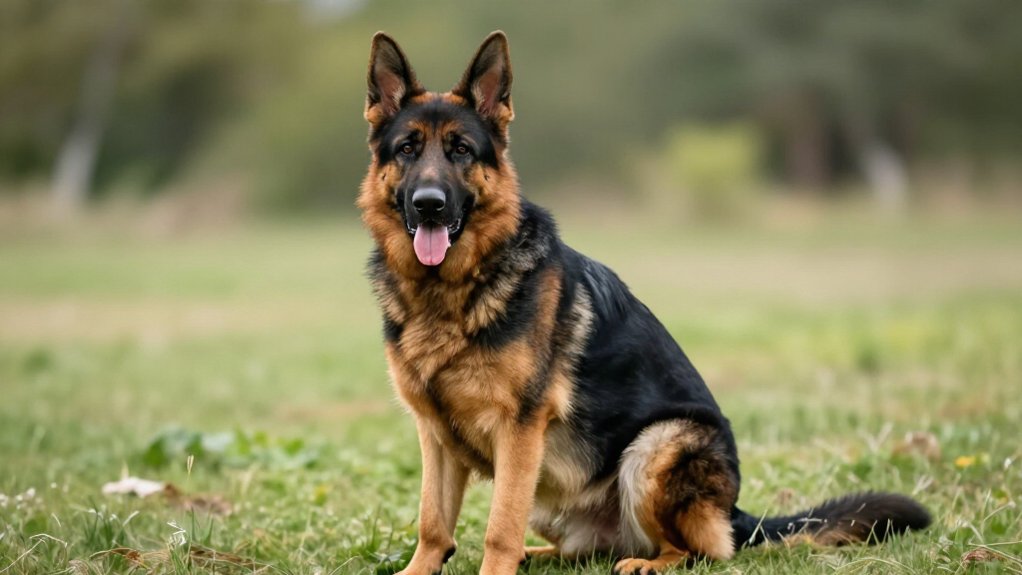
Once you’ve assessed your ability to handle this dog’s intensity, consider whether its grooming demands fit your lifestyle.
Brush them two to three times weekly to manage moderate shedding, increasing frequency if they inherit a dense double coat. Use a rubber mitt or soft-bristle brush to remove loose hair and distribute natural oils.
During seasonal blowouts, switch to an undercoat rake and brush daily. Because diet and health factors can also drive excessive shedding, keep an eye on your dog’s nutrition and overall wellness.
Bathe only once every six to eight weeks to avoid stripping oils, which often causes skin irritation in this mix.
Trim nails monthly, check ears weekly for debris, and brush their teeth several times weekly to prevent gum disease.
While not overly difficult, regular care keeps them healthy and comfortable for you to serve.

【Professional Pet Grooming Kit 】3 Pet grooming tools selected by pet lovers, which can meet daily all the grooming needs of pets. Let you, as the groomer, personally give your furry friend a shiny and healthy coat. This is a must-have beauty product set for pet lovers! The Best Dog Gifts - Merry Christmas

Dual-Sided Design: Start with 9 teeth side for stubborn mats and tangles and finish with 17 teeth side for thinning and deshedding. Achieve faster and more professional dematting and grooming results

A Better Dog deShedding Tool: FUR4's patented design is made specifically for Long Hair Dogs to remove loose fur and reduce shedding.
Where Can You Adopt or Buy This Mix?
You can find German Shepherd Pitbull mixes through three main channels: local shelters and all-breed rescues, pit bull–focused rescues, or online adoption platforms. These organizations offer vetted companions, often requiring spay or neuter, vaccinations, and microchips.
You’ll see listings like Auntie Em in Virginia or Jet in Michigan, where fees reflect care already provided. Pit bull rescues highlight the mix’s loyalty and energy, ideal for experienced handlers.
Online sites like Adopt-a-Pet and Rescue Me let you filter by location and breed traits. For those seeking puppies, classified platforms like Petzlover or Lancaster Puppies show litters priced between $250 and $1,250. Whether you adopt or buy, plan for ongoing expenses such as food, routine veterinary care, and training, since these costs often exceed the initial fee over the dog’s lifetime.

Health Supplement for Dogs: VetIQ hip and joint chews for dogs are soft and a great way to support mobility, whether they love running, jumping, playing, or resting; They suit senior pets or those who need extra support staying active & comfortable

Advanced Hip & Joint Support: Formulated with glucosamine and chondroitin, these hip and joint chews for dogs promote healthy hips and joints in dogs, potentially reducing stiffness and improving overall joint health

Advanced Joint Support:Formula Packed with Glucosamine, MSM, Chondroitin, and Turmeric to help support mobility, flexibility, and overall joint function in dogs of all ages.
Frequently Asked Questions
Does the Gspitbull Have Any Unique Health Issues Beyond Joint Problems?
No, GSPitbulls don’t have unique health issues beyond joint problems. You’ll see allergies, thyroid issues, and eye problems similar to both parent breeds. Prepare for skin care and regular vet checks to manage these common but manageable conditions effectively.
What Is the Typical Lifespan of a German Shepherd Pitbull Mix?
You’ll likely welcome these loyal companions for a decade or more, as their typical lifespan spans ten to twelve years. Proper care, regular vet visits, and quality nutrition help you guarantee they thrive alongside you through many joyful, active years of companionship.
How Does the Coat Texture of a Gspitbull Feel to Touch?
Your GSPitbull’s coat feels short, dense, and smooth under your touch. You’ll notice a sleek, tight surface, often softer than a pure Pit Bull due to its inherited German Shepherd undercoat, offering a firm, plush tactile experience.
What Specific Dietary Needs Do German Shepherd Pitbull Mixes Require?
You feed them high-protein diets with controlled portions to match their activity. Split meals daily to prevent bloat. Choose whole ingredients, avoid fillers, and adjust calories as they grow or age for lifelong health.
Is the Gspitbull Good for First-Time Owners With Strong Dogs?
You’ll struggle, like a novice sailor battling a storm. You don’t want this mix. You need experience. You must commit to daily training. This powerful dog demands a strong handler, not a first-timer trying to serve others.