You’ll find German Shepherd mixes blend powerful instincts with diverse coats, so pick a cross like the Sheprador or Shepadoodle that matches your activity level and space. Make sure you’re ready for 60–120 minutes of daily exercise, regular grooming, and health screenings for joint issues. Keep an eye on shedding and mental needs too. Stay tuned as you move forward to learn more.
Swift Summary
- Active households needing 60–120 minutes of daily physical and mental enrichment are ideal for German Shepherd mixes.
- Early socialization and consistent training are essential to manage loyalty and protectiveness across mixes like Shepradors and Shepskies.
- Families should assess grooming demands as dense double coats shed heavily, though Poodle mixes may reduce airborne allergen exposure.
- Prospective owners must screen for hip dysplasia and bloat, which are common genetic risks in these deep-chested crosses.
- Matching a specific mix’s high drive and size to your lifestyle ensures a compatible long-term partnership of 10–14 years.
Who Is a German Shepherd Mix Right For?
If you lead an active lifestyle, a German Shepherd mix could be the perfect companion. You need an active home with 60-90 minutes of daily exercise and mental enrichment. You must provide structured activity for these high-energy working-type dogs.
You should choose the best German Shepherd mixes if you enjoy outdoor training and play. You need experience handling working breeds or select good German Shepherd mixes like Shepradors.
You must commit to early socialization and consistent training. You’ll need a securely fenced yard for running and play. Owners should also budget for ongoing costs such as food, veterinary care, and training.
You should consider the pros and cons carefully. You can’t leave them alone for more than 4-8 hours daily. You need to address potential separation anxiety issues early.
You should evaluate individual temperaments for your family. You must understand you need a large dog presence.
You can’t avoid shedding since there’s no German Shepherd mix that doesn’t shed. These dogs typically live 10 to 14 years with proper care.
Top German Shepherd Mixes Compared
As you compare the top German Shepherd mixes, pay close attention to their unique hybrid traits and how they shape each dog’s personality. You’ll notice that energy levels vary widely, from the high-drive Sheprador to the slightly more relaxed Golden Shepherd. Owners who often transport active mixes can also use protective car covers to keep seats clean from dog hair, dirt, and mess.
Understanding these differences helps you match a breed’s temperament to your lifestyle and activity needs. Most mixes inherit high intelligence and loyalty from their German Shepherd parent.
Key Hybrid Traits
When you compare top German Shepherd mixes like the Sheprador, Gerberian Shepsky, and Golden Shepherd, you’ll notice each hybrid brings its own unique size, coat, and health profile to the table.
You’ll find the Sheprador and Golden Shepherd stand tall at 22–26 inches, while the Shepsky offers a lighter 20–25-inch build.
Each coat demands specific care; the Sheprador sheds heavily, the Shepsky needs regular brushing for its thick fur, and the Golden requires weekly maintenance.
The Sheprador, a cross between a German Shepherd and Labrador Retriever, typically weighs between 50 to 80 pounds.
Watch for shared health risks like hip dysplasia across all three, and plan for early screenings.
Selecting the right mix guarantees you can serve your family with a healthy, well-suited companion who thrives in your active lifestyle.
Temperament And Energy Levels
While the German Shepherd brings loyalty and protectiveness to every mix, the companion breed shapes the final temperament and energy needs. You’ll find the Shepsky demands 90–120+ minutes of vigorous daily activity. This high-energy dog combines loyalty with Husky friendliness but needs structured mental work to prevent boredom.
The Sheprador offers devotion and patience, requiring 60–120 minutes of exercise. Channel their energy into family activities to avoid separation anxiety.
If you seek a working partner, the Shollie provides exceptional intelligence and herding instincts. This very high-energy mix needs real tasks like agility or complex games.
Finally, the Shepadoodle mixes enthusiasm with intelligence, creating a trainable companion needing regular vigorous exercise. You must match these dogs’ intense physical and mental requirements.
Offering consistent structure and meaningful engagement ensures these loyal companions thrive as family servants. Many German Shepherd crosses like this one were developed in the United States within the last few decades, blending German Shepherd protection with Labrador friendliness to create designer breeds for active families.
Common Health Risks in German Shepherd Mixes
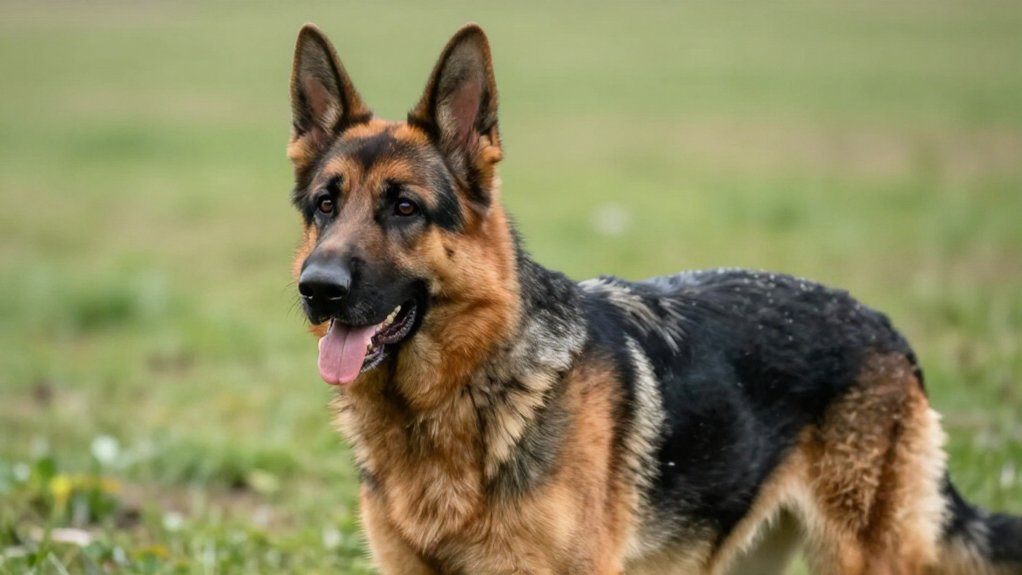
Because German Shepherds carry strong predispositions to hip and elbow dysplasia, their mixes remain at heightened risk for chronic joint pain, arthritis, and instability. You must monitor their movement closely. Monitoring needs change across the life stages of your dog, from puppyhood into its senior years. Watch for limping, stiffness, or difficulty rising, as these signs often signal underlying joint disease.
Screen your mix for cruciate ligament tears, too; they face higher risk.
Don’t overlook spinal health. Degenerative myelopathy causes progressive paralysis in affected dogs. You’ll see rear leg weakness, then paralysis. Early detection helps manage symptoms.
Protect their stomach. Deep-chested mixes face bloat, a deadly emergency. Feed smaller meals and avoid vigorous exercise around mealtime.
Check their metabolism too. Thyroid issues cause weight gain and lethargy. Exocrine pancreatic insufficiency leads to diarrhea and poor nutrient absorption. Regular vet checks help you spot these inherited issues early so you can keep your beloved companion healthy and active. Genetic testing can predict disease susceptibility in dogs like these mixes, enabling owners to monitor genetic disease risks proactively.
Shedding and Grooming Demands
Since German Shepherds carry a dense double coat, their mixes typically shed heavily year-round, with intensified loss during spring and fall when the undercoat blows. You must prepare for significant indoor hair accumulation by brushing your dog three to four times weekly.
During seasonal coat blows, switch to daily brushing with an undercoat rake to remove loose fur effectively. Choosing a well-designed deshedding tool can make these sessions faster and reduce the hair left behind in your home. Crosses with Huskies or Golden Retrievers often demand even more frequent grooming.
Poodle mixes may shed less but still need daily brushing to prevent matting. Invest in quality tools like slicker brushes and high-velocity dryers. These devices help you keep shedding manageable while maintaining your service dog’s comfort.
Consistent grooming routines strengthen your bond and ensure your companion stays clean and healthy for the people they serve. Proper care prevents excessive hair buildup throughout your home.
Sheprador Traits, Exercise, and Care
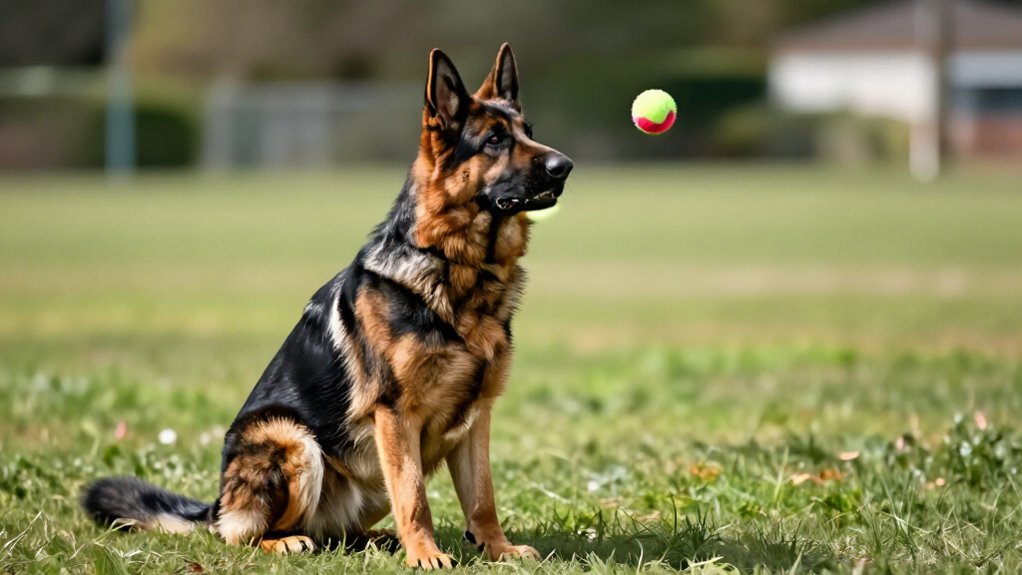
You’ll find your Sheprador blends German Shepherd intelligence with Labrador biddability, making them loyal and highly trainable companions.
Expect to provide 60 to 120 minutes of daily activity to keep their high energy in check and prevent boredom.
While grooming remains straightforward, regular brushing and routine health checks are essential to manage their shedding and support their active lifestyle.
Like their German Shepherd parents, Shepradors often show head tilting when they are concentrating on a sound or command, a quirk that reflects their keen attentiveness.
Key Temperament Traits
When you bring a Sheprador into your home, you’ll find a dog that blends the German Shepherd’s loyalty and protectiveness with the Labrador’s friendliness and warmth.
You’ll notice their intelligence and keen desire to serve, making them ideal companions for service work.
They thrive on consistent companionship and struggle with isolation, so you must include them in your family’s daily activities.
Early socialization ensures they remain confident and non-aggressive around strangers and pets.
Their high energy means you should provide structured mental stimulation like puzzle toys or scent work to prevent destructive boredom.
Regular grooming keeps their dense coat manageable.
Daily Exercise Needs
To keep a Sheprador happy and well-behaved, you need to commit to at least 60 to 120 minutes of vigorous physical and mental exercise every day. Split sessions into morning and afternoon outings. Walk briskly, jog, or hike to match their stamina. Engage their retriever heritage with fetch and swimming. Off-leash running in safe areas burns excess energy effectively.
You must also provide essential mental stimulation. Dedicate fifteen to twenty minutes daily to obedience training and tricks. Use puzzle feeders, scent work, and nose games to prevent boredom and destructive behavior. Insufficient activity leads to hyperactivity indoors.
Assess your lifestyle honestly before committing. This breed thrives in active households with yard access. Guarantee you can offer consistent, structured involvement to honor their working-dog roots. Providing adequate care serves their needs deeply.
Coat Care Tips
Since your Sheprador inherits a double coat from both parents, you’ll need to commit to regular brushing to manage their year-round shedding and seasonal blowouts. Brush two to four times weekly with a slicker or undercoat rake to prevent matting in friction areas like armpits and under the belly.
During spring and fall, switch to daily grooming to remove loose fur and protect skin health. Bathe every four to eight weeks using gentle, oatmeal-based shampoos to avoid stripping natural oils.
Always check ears, nails, and teeth during these sessions. This integrated routine reduces household hair, prevents irritation, and guarantees your devoted companion stays comfortable and healthy.
Shepsky Energy and Training Needs
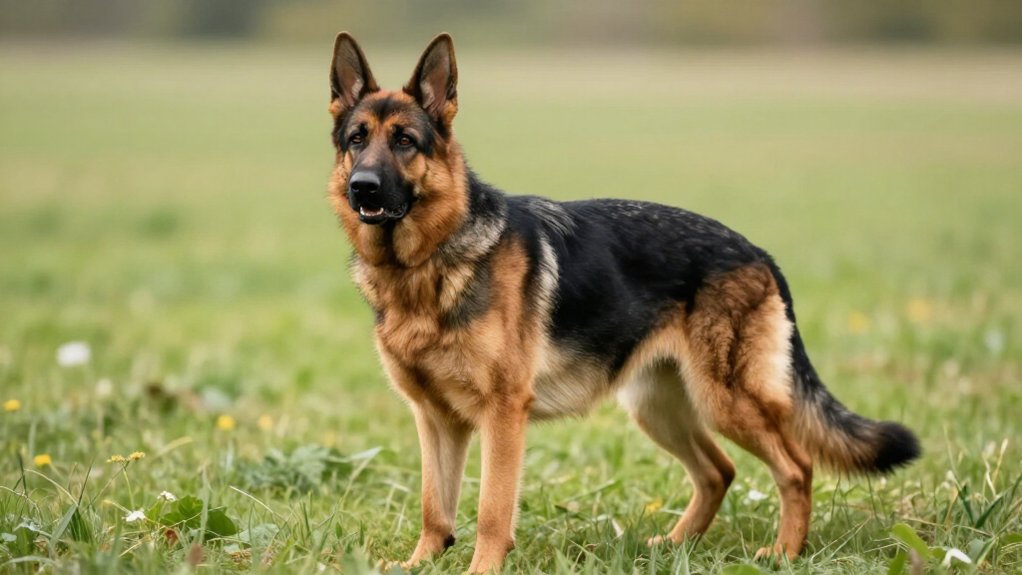
Because Shepskies inherit high energy from their working parents, you need to plan for substantial daily exercise and mental challenges to keep them happy. Aim for 90 to 120 minutes of vigorous activity like running, hiking, or brisk walking daily. Without this outlet, they become restless and destructive. Their exercise requirements shift with age and activity level, so adjust their routine as they mature.
Your role involves serving their physical needs through engaging games like fetch or agility.
Their intelligence demands daily mental stimulation. Use puzzle toys, scent games, and short, frequent training sessions. Positive reinforcement works best for this independent mix.
Establish clear rules using “nothing in life is free” structures to build impulse control. Early socialization helps manage protective tendencies.
Consistent, fair boundaries ensure they remain focused. By actively meeting these rigorous demands, you honor their working heritage and foster a well-behaved, devoted companion who thrives under your dedicated guidance and care.
Golden Shepherd Family Fit
If you’re looking for a devoted household companion, the Golden Shepherd typically offers a friendly, affectionate, and gentle temperament that suits family life well. You’ll find this breed combines loyal, protective German Shepherd traits with outgoing Golden Retriever warmth, creating a patient playmate for your children.
They integrate easily with other pets when introductions proceed calmly. Their protective instincts naturally safeguard your household without aggression.
You’ll need to accommodate their medium-to-large size, ranging from 60 to 95 pounds. Secure fencing and ample indoor space become essential for their comfort. Retractable dog gates that extend across openings and roll away when not needed can help you control their access to specific rooms inside your home.
Their 10 to 14-year lifespan requires a long-term commitment to consistent care. Proper socialization ensures they remain polite with visitors while remaining deeply loving with your family.
Shollie Mental Stimulation Requirements
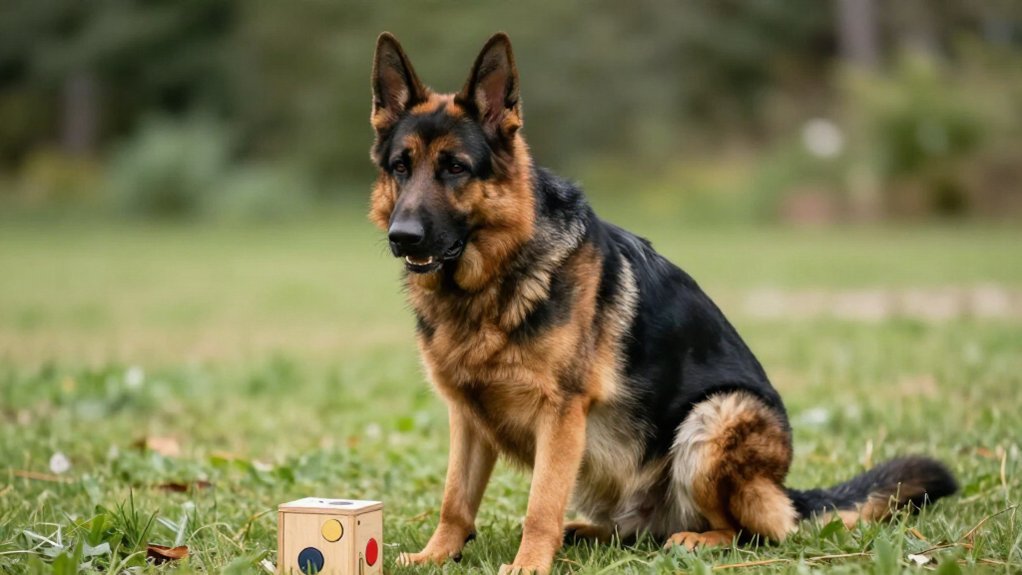
You’ll need to challenge your Shollie with high-intensity brain games to keep their sharp mind engaged.
Dedicate time each day to interactive training that builds focus and strengthens your bond.
Mix up structured task variety so they stay motivated and never grow bored with repetitive routines.
Teaching essential commands and simple tricks gives your Shollie a practical way to exercise their mind while reinforcing obedience and clear communication.
High-Intensity Brain Games
When you engage your Shollie in high-intensity brain games, you tap into their powerful herding instincts and cognitive needs. Use high-difficulty puzzle toys requiring sliding pieces or lever manipulation to deliver intensive cognitive workload. Progressive difficulty advancing when solved under two minutes prevents habituation.
Structured food games like muffin-tin setups train problem-solving and decision-making. Focused sessions lasting about 15 minutes approximate an hour of physical exertion.
Hide-and-seek games with treats around your yard tap into scenting instincts. Scent trails combining olfactory focus with spatial navigation engage deeply. Snuffle mats encourage slow foraging reducing stress.
Agility courses with tunnels and weave poles train coordination and impulse control. Backyard obstacles using cones offer accessible intensity. Directional send-outs around objects build pattern recognition.
Structured fetch using cues like “wait” transforms retrieval into sequencing practice. These games fulfill your role as a dedicated servant to their working nature.
Daily Interactive Training
Although your Shollie is a highly intelligent working mix, you should structure their daily interactive training into focused blocks to match their mental stamina. Dedicate 10–15 minutes daily to formal obedience or skill-building sessions to maintain concentration and cognitive fitness.
For highly distractible dogs, schedule multiple 5–10-minute intervals two to three times daily to prevent overload while sustaining learning progress.
Integrate cues into exercise by using continuous commands like sit, stay, and heel during walks. This channels your Shollie’s working drive into structured tasks, reducing boredom.
Add short scent tasks like searching for hidden toys to provide mental workload without high physical intensity.
Consistent daily timing of feeding, exercise, and training supports routine formation and sharpens environmental processing skills. By meeting these cognitive needs, you guarantee they remain focused, calm, and effective in serving you.
Structured Task Variety
Because Shollies have high drive, you’ll need 90–120 minutes of combined physical and cognitive activity daily to keep them mentally sharp. Spread these sessions across the day to prevent frustration. Mix brisk walks with indoor mental tasks like puzzle feeders and scent work.
Rotate your dog’s activities weekly to avoid habituation and keep problem-solving circuits active. Incorporate herding simulations or agility training when your dog is mature enough. Snuffle mats and scatter feeding engage natural foraging instincts.
Scent discrimination games and hiding toys build environmental awareness. Short, focused nosework sessions satisfy tracking instincts without overtaxing joints. Alternating high-energy outdoor play with calm indoor obedience keeps arousal balanced.
Providing this structured variety channels energy positively. It prevents destructive behaviors born of boredom. Serve your dog by meeting their complex mental needs through thoughtful, varied enrichment.
Shepadoodle Coat and Allergy Considerations
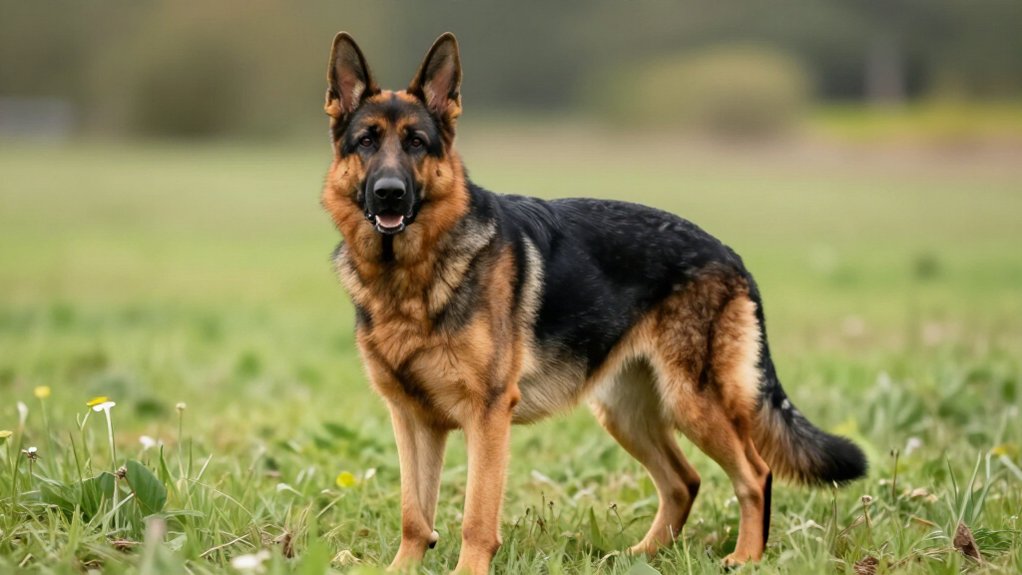
Even if you seek a hypoallergenic dog, no Shepadoodle is truly free of allergens since their coats range from curly Poodle-like to straight German Shepherd–like, directly impacting how much dander and hair they shed. You should recognize that even low-shedding curly coats still produce allergens in saliva and urine.
Brushing your dog frequently helps reduce airborne particles you can control allergen exposure. Keeping a travel bags stocked with a brush, wipes, and waste bags makes it easier to groom your dog and clean up dander while on the go. If you serve allergy-sensitive individuals, avoid coats with heavy shedding tendencies.
Regular grooming considerably limits dander spread indoors. Severe cases mightn’t tolerate any dog dander regardless of coat type.
Choose coat types wisely based on household sensitivities to guarantee everyone stays comfortable. Your dedication to understanding these factors helps you serve your community better.
How to Spot a Healthy Puppy
When you evaluate a potential companion, start by looking for clear eyes, clean skin, and normal movement that signal overall wellness. Check that their breathing stays quiet and effortless, while their gums remain pink and moist.
Observe their gait; it should be coordinated without limping or stiffness. Confirm their coat looks shiny and feels soft, with no bald patches or crusty skin. Their ears and nose should be clean, free from unusual discharge or odors.
Verify that their weight feels appropriate for their age, avoiding potbellies or extreme thinness. Review the breeder’s records for vaccinations and deworming schedules. Once your puppy is settled in, a well-fitted everyday walking leash lets you begin gentle daily outings that build strength and confidence.
A playful, bright demeanor suggests a healthy heart. By focusing on these essential signs, you select a strong partner ready to serve your family with joy and vitality.
Which German Shepherd Mixes to Avoid in Apartments?
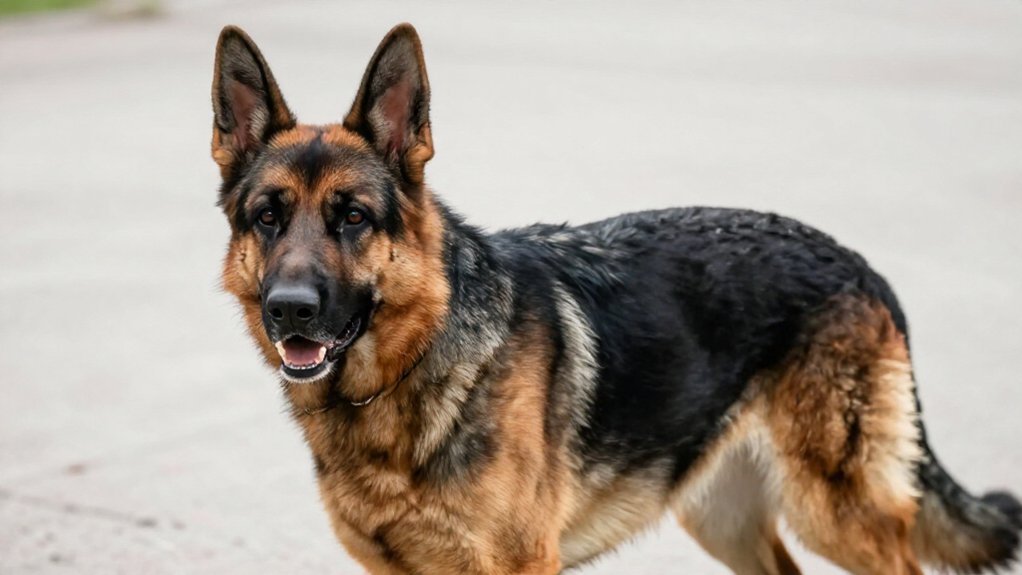
Once you’ve confirmed a puppy’s health, turn your attention to the living space you can realistically offer. Avoid the Shepsky; its high energy and escape instincts make apartment life a struggle.
The German Shepherd-Belgian Malinois mix needs vast yards and intensive training that apartments simply can’t provide. Their working drive thrives in open spaces, not confined rooms.
Steer clear of the German Shepherd-Great Pyrenees cross. Its massive size and territorial barking create stress in shared walls. This guardian breed feels oppressed indoors and risks escaping to patrol larger territories.
Even the Sheprador demands significant daily exercise and mental enrichment. Without ample room to move and a firm commitment to activity, these mixes become neurotic and destructive.
Choose breeds that match your home’s limits so you can truly serve your dog’s welfare needs.
Where to Adopt or Buy a German Shepherd Mix?
How do you find a reliable source for a German Shepherd mix? Local shelters offer consistent availability and include essential veterinary care at lower costs. You’ll face screening questionnaires to ensure your home suits their high-drive nature.
Breed-specific rescues prioritize dogs with special needs, often using foster homes to assess temperament before placement. These groups typically require reference checks and may limit adoption radius for home visits.
If you prefer purchasing, seek responsible breeders who welcome onsite kennel visits. They perform genetic screening on parents and provide full documentation for health, vaccinations, and microchipping.
Ethical breeders never separate puppies before eight weeks and offer written contracts covering guarantees and lifetime returns. Verify them through veterinary referrals or local breed clubs rather than anonymous ads.
Regardless of source, choose providers who prioritize welfare standards and transparency to ensure you serve this loyal companion well.
Frequently Asked Questions
What Is the Average Lifespan of a German Shepherd Mix?
German Shepherd mixes live around 10 to 14 years. You’ll help them reach that span by managing weight, exercising regularly, and watching for hip dysplasia or bloat with your vet.
How Much Does a German Shepherd Mix Puppy Cost?
Paying for your Shepherd mix puppy costs $50 to $3,500. Choose a rescue to serve a soul needing a home, as shelter fees range from $50 to $250 for these loyal companions.
Are German Shepherd Mixes Good With Cats or Other Small Pets?
German Shepherd mixes can work with cats or small pets, but you must train and socialize them early. You’ll need to manage prey drive carefully and supervise interactions to guarantee your household stays safe and peaceful for everyone.
How Do German Shepherd Mixes Behave With Young Children?
Like a gentle guardian, German Shepherd mixes bond fiercely with young children. You’ll see loyalty shine, though you must supervise play to prevent nipping. Train early, socialize often, and teach kids respect to guarantee a safe, loving home for all.
Can German Shepherd Mixes Stay Alone for a Workday?
No, German Shepherd mixes typically struggle alone eight hours daily. Train them gradually and arrange midday breaks or care to prevent separation anxiety and destruction. Their high intelligence and sensitivity demand thoughtful daily management to keep them calm and healthy.