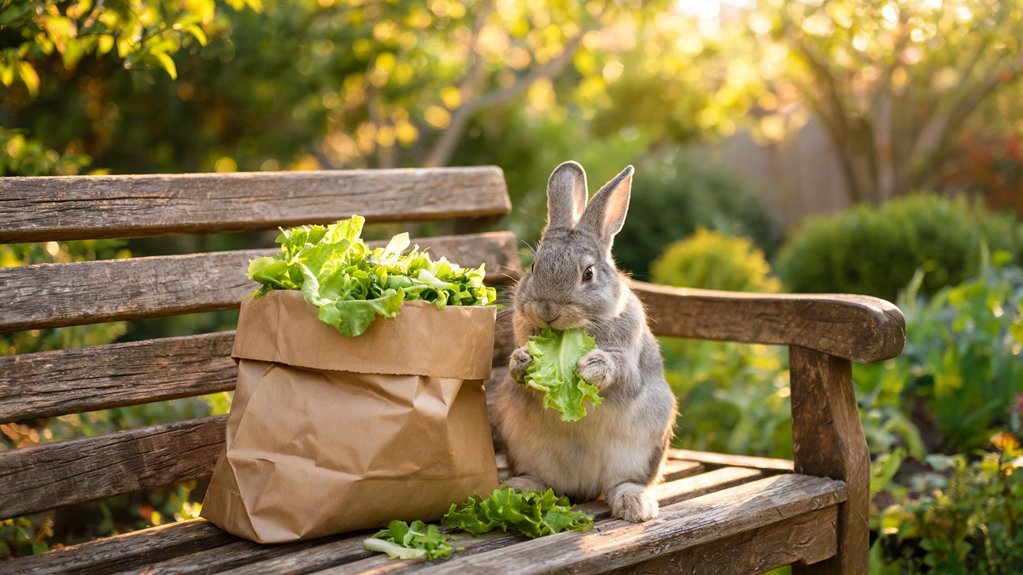
You might think rabbits are “low-maintenance,” but they’re hay-powered health projects. You’ll need daily care: 1–2 hours for feeding, grooming, and supervised play, plus weekly health checks since rabbits hide illness. Feed unlimited grass hay, about 80–90%, measure pellets, about 1/4 cup daily for a 5–6 lb rabbit, and give leafy greens daily—carrots are rare sugary treats.
House them with a run and shelter, not a hutch-only setup, and keep outdoor time predator-proof. Learn more tricks next.
Swift Summary
- Rabbits aren’t “low-maintenance”; they need daily care, litter tidying, health monitoring, grooming, and supervised exercise.
- Hay is the core diet (80–90%) for gut motility and dental wear; it prevents GI slowdowns and painful dental problems.
- Pellets are limited, not a staple; measure portions to avoid obesity and digestion issues from overfeeding.
- Greens are a daily topper (10–20%), not a hay replacement; offer fresh, measured leafy vegetables.
- Carrots and sugary foods are occasional treats; limit to small amounts weekly due to high sugar and gut-disrupting risk.
Stop Calling Rabbits “Low-Maintenance Pets
You might hear people say rabbits are “low-maintenance pets,” but that’s a myth you shouldn’t follow. When you repeat rabbit misconceptions, you risk causing real harm to these sensitive animals.
Contrary to popular belief, rabbits don’t only need carrots; their diet primarily consists of fresh hay and grass fed daily, supplemented with a variety of leafy greens and specialized rabbit pellets to ensure optimal health. Providing unlimited hay daily supports proper GI movement and helps prevent painful dental points.
Proper care involves more than just their diet. You need to tidy their litter boxes every day and monitor their eating habits and bathroom habits closely.
As prey animals, rabbits instinctively hide signs of illness until it becomes severe, making proactive health management essential.
Regular daily interaction for at least 1 to 2 hours—including feeding, grooming, and supervised exercise—is crucial to their well-being.
Hutches, cages, and routine care aren’t “set and forget” solutions. They require consistent maintenance and attentive engagement.
As a responsible pet owner, viewing these tasks as opportunities to serve your rabbit’s health and happiness will ensure you provide a safe, enriching, and loving environment.
Investing time and effort today leads to a healthier, happier rabbit and a more rewarding pet ownership experience.

X-Large Bunny Hay Feeder: Introducing a groundbreaking rabbit hay feeder, now with a larger size of 9.7x4.7x6.6 inches, offering more hay capacity and reducing the need for constant refills. The guinea pig hay feeder's sealed bottom effectively contains the hay, preventing spills and messes, ensuring a convenient and tidy feeding experience. This pet feeder minimizes hay wastage by preventing rabbits from scattering or soiling the hay, avoids unnecessary waste.

【Easy Eating】: Our hay feeder is perfect for small animals like rabbits, guinea pigs and chinchillas, making eating easy. Size:6.9 inches long x 4.7 inches wide x 6.6 inches high

EXCLUSIVE 4-OPENING FEEDING DESIGN - features our trademarked 4-Opening Feeding Design (USPTO Design Reg. #6655428) with four front feeding openings that allow multiple rabbits, guinea pigs, chinchillas, and other small pets to eat comfortably at the same time while promoting a more natural feeding experience.
Plan Housing With a Run, Not a Hutch
Opt for a comprehensive enclosure measuring approximately 3 meters by 2 meters by 1 meter, designed specifically for two rabbits. This should include a secure, weatherproof shelter that provides a private resting and hiding space, enhanced with a large, securely attached exercise run. Ensuring that rabbits can move freely between the shelter and the run, 24 hours a day, supports optimal movement and behavior.
Choose a spacious 3m x 2m x 1m rabbit enclosure, thoughtfully designed for two, with room to roam and explore safely.
Providing varied zones within the enclosure—for hiding, resting, eating, and toileting—encourages natural activities, supports weight management, and improves overall health. Each zone should include a dedicated feeding area, where a measured portion of high-fiber rabbit pellets can be offered alongside unlimited hay as part of a balanced diet. A thoughtfully designed, spacious solution enhances rabbit happiness and well-being, making it the ideal investment for responsible pet owners seeking to

7-in-1 Rabbit Grooming Kit: Not only gentle and safe for small animals, such as rabbit, hamster, guinea pig, and chinchilla; but also work great for larger animals like cats and dogs. Soft silicone small animal massage comb can help you protect your pet's skin and effectively keep their fur clean, healthly.

WORLD’S #1 CAT HAIR BRUSH: Our cat grooming brush / cat shedding brush is the world's best patented pet grooming brush for cats, small dogs, and rabbits. It is the perfect cat deshedding brush, short hair cat brush, & cat brush for long haired cats.

SAVE MONEY: Reduce expensive trips to the groomer. Our dog shedding brush works great as a dog brush for short haired dogs & dog brush for long haired dogs. It is an absolute essential for pet supplies, dog supplies, and a dog grooming kit.
Keep Rabbits Indoors: Supervise Safe Outdoor Time
Even if it feels fun, outdoor time can be risky for pet rabbits, so plan it like a safety mission, not like backyard play.
Supervise every minute to ensure your rabbit’s safety.
Predators such as dogs, cats, foxes, raccoons, coyotes, hawks, owls, and snakes can attack through fencing in seconds, even in urban environments.
Outdoor hutch designs don’t protect from predators.
Don’t trust “secure” pens after dark, since predator activity often rises at night, and fear alone can be fatal for your rabbit.
For safe outdoor time, invest in a sturdy, covered, roofed pen with high-quality netting designed to withstand predator attempts.
This setup should include protective features such as wind barriers, shade structures, and a constant supply of fresh water.
Keep outdoor sessions short and monitored, especially when temperatures are between 10–21°C.
Never allow your rabbit to linger outdoors in temperatures above approximately 27–30°C, as heat stress can be deadly.
Regularly check your rabbit for common outdoor dangers like ticks, mites, and flystrike bites immediately after outdoor supervision.
Using the right outdoor enclosures and adhering to strict supervision protocols will help safeguard your rabbit’s health and well-being while allowing them to enjoy safe outdoor experiences.
Prioritize investing in high-security, predator-proof outdoor habitats to create a safe, enriching environment for your pet rabbit.

【3-in-1 Feeding & Litter Station】This rabbit hay feeder with litter box brings hay storage, feeding bowls, water supply, and litter management into one practical setup. It helps separate hay, food, water, and waste areas, making daily pet care simpler while keeping your small pet’s space neater and more organized.

【1 MINUTE QUICK CLEAN】BESNEW rabbit hay feeder comes with a litter box trash bag,dustpan and broom.You just need to remove the net frame and take away the trash bag.It can help you effectively reduce cleaning time and workload and achieve quick cleaning.

All-in-one rabbit feeding and litter station – Combines a slatted hay rack, a removable litter tray, an elevated stainless steel grid, and two stainless steel feeding bowls in one wooden unit — everything a rabbit, guinea pig, or chinchilla needs, instead of several separate accessories.
Use a Hutch Only as a Rest Spot
Using a hutch solely as a rest spot significantly improves your rabbit’s overall health and happiness by providing essential shelter. However, it’s important to view the hutch as a secure refuge rather than their entire living environment. A small, confined hutch lacks sufficient space for rabbits to engage in natural behaviors such as running, jumping, and exploring, which are vital for their physical and mental wellbeing.
Welfare guidelines recommend pairing the hutch with a larger, purpose-built exercise area that complements its function. Attaching this to a secure, predator-proof run allows your rabbits 24-hour access to a safe and stimulating environment. For a flexible alternative, Midwest exercise pens can be arranged indoors or outdoors to give rabbits extra room for supervised play.
For optimal comfort and health, especially when housing two rabbits, aim for a minimum of approximately 6 square meters of floor space, equivalent to roughly 3 meters by 2 meters indoors. This setup encourages natural activity, prevents boredom, and promotes a happier, healthier rabbit lifestyle.
Investing in a high-quality hutch combined with a spacious, secure exercise area ensures your rabbits have the freedom to explore and exercise safely, ultimately leading to a more engaging and enriching life.

Spacious Space: Overall size is 48"L x 48"W x 24"H. Provides 16 square feet of living area for guinea pigs as recommended by vets. Ideal extension of our rabbit cage or independent use. Give small pets freedom to frolic indoors or outdoors

【 BREATHABLE 360° VIEW FOR SMALL PETS 】:Designed with breathable mesh panels on every side, this small animal playpen promotes airflow while giving you a clear view of your pet during playtime. The enclosed space is ideal for rabbits, guinea pigs, hamsters, hedgehogs, chicks, kittens and other gentle small animals, helping them explore, rest and play comfortably under supervision.

Ideal for small animals to have their own safe space to play and exercise
Feed Grass Hay as the Main Daily Food
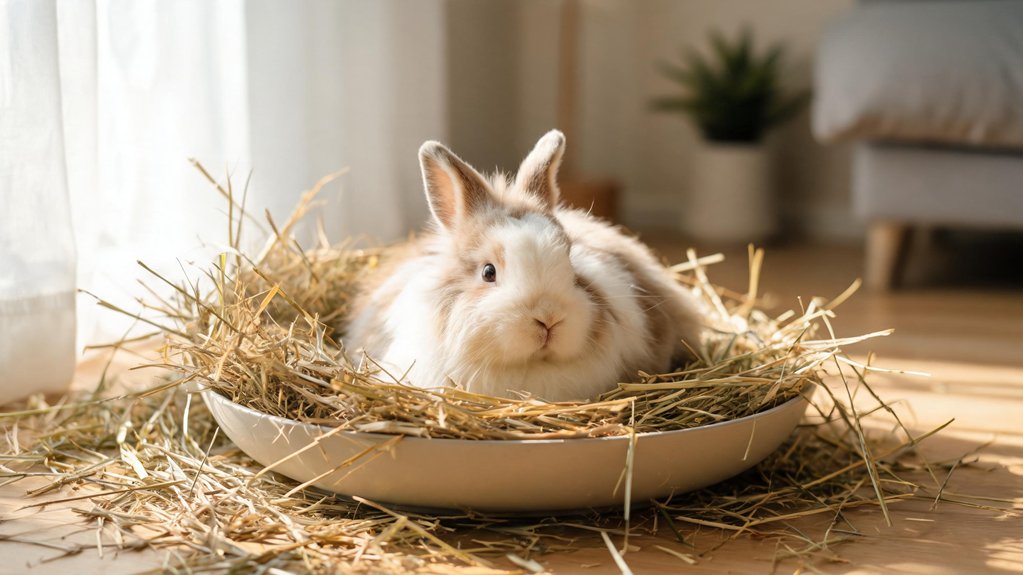
You should treat grass hay as your rabbit’s main daily food, providing it as the primary source of nutrition and ensuring it’s available throughout the day and night. Consistent access to high-quality, fresh grass hay, such as Timothy, Orchard Grass, or Meadow Hay, is essential for maintaining optimal digestive health and natural teeth wear.
Keep pellets limited to approximately 1/4 cup per 5 pounds of your rabbit’s body weight each day. This controlled portion helps prevent obesity and maintains a balanced diet.
Leafy greens, such as Romaine lettuce, cilantro, or parsley, should be offered sparingly, about 1 cup per 2 pounds of body weight, and never serve as a replacement for hay. These greens act as nutritious treats rather than the foundation of your rabbit’s diet.
By ensuring that hay is always available, you provide your rabbit with the indigestible roughage necessary for healthy fiber intake. This not only supports efficient digestion and gut motility but also naturally wears down your rabbit’s teeth, reducing the risk of dental problems.
Prioritizing continuous access to quality hay and regulating supplemental foods creates a well-rounded, health-promoting environment that aligns with best practices for rabbit care.

3 Way Play Tunnel: The cute cartoon pattern of rabbit and carrot is more suitable for your cute furry pet and attract their attention. There's also a hanging ball inside the tunnel, which is the perfect bunny hideout for your bunny. It will play, hang out, nap and lie down in tunnels. Your pet can jump in and pop out of the hole at the top.

Rabbit Interactive Toys: With this rabbit tunnel, your pet can entertain himself for hours! This unique rabbit toy is three spacious tunnels in one, giving your rabbit room to roam.

NATURAL SEAGRASS & HANDWOVEN: Crafted with care by skilled Vietnamese artisans, our bunny tunnel is made from 100% natural, sustainable seagrass. It’s a chemical-free, eco-friendly rabbit hideaway that brings a touch of nature to your pet’s habitat.
Hay Should Be Unlimited
Most days, your rabbit should have unlimited access to fresh grass hay throughout the entire day—consider it the primary foundation of their daily diet rather than a treat. Providing high-quality, nutrient-rich grass hay such as Timothy hay, which should be refreshed daily, ensures your rabbit receives optimal fiber intake essential for digestive health.
Aim to make hay comprise about 80–90% of your rabbit’s total diet, and keep it continuously available in a clean, accessible hay rack or box to promote natural foraging behavior and consistent gut motility.
Consistently providing fresh, high-quality hay helps prevent serious health issues such as gut stasis, a condition caused by slowed digestion that can be life-threatening. The long, fibrous strands of Timothy hay support healthy cecotropes—those nutrient-dense droppings that rabbits re-ingest to maximize nutrient absorption.
Additionally, unlimited access to hay plays a crucial role in wearing down your rabbit’s ever-growing teeth, preventing dental overgrowth and associated discomfort.
To ensure your rabbit’s health, start by offering a generous bundle of hay at least as large as their body size, and regularly top it off with fresh hay to maintain an abundant supply.
Pellets Limited, Greens Occasional
Pellets should never be the main meal for your rabbit, because hay plays a crucial role in supporting healthy digestion and maintaining proper dental wear. Hay provides the necessary fiber that aids in gut health and natural teeth grinding, making it an essential staple in your rabbit’s diet. Instead of relying primarily on pellets, feed them as a supplement, not a primary food source.
To ensure optimal health, aim for around 1/4 cup of pellets daily for an adult rabbit weighing 5 to 6 pounds, or approximately 25 grams per kilogram as a recommended starting maximum intake. Use a measuring device to portion out pellets accurately and avoid free-pouring, which can lead to overfeeding. Overconsumption of pellets often results in reduced hay intake, poor dental wear, weight gain, and digestive issues, all of which can compromise your rabbit’s well-being.
When offering greens, provide fresh, measured portions daily to support balanced nutrition. A good guideline is about 1 cup of leafy greens per 5 pounds of body weight. Focus primarily on nutrient-dense leafy greens, and reserve fruits and sugary vegetables for occasional treats to prevent dietary imbalance.
Incorporating these best practices can significantly enhance your rabbit’s health and longevity, transforming the way you care for your pet with effective, solution-focused dietary strategies.
Measure Pellets: Small Portions, Not Free-Feeding
And even though pellets may appear as a “complete food,” they should be given as a small, carefully measured portion rather than free access.
To ensure your adult rabbit maintains optimal health, aim for pellets to constitute about 5 percent of their daily diet, while hay or fresh grass should make up 80 to 85 percent of their meals.
Proper portion control is essential; first, weigh your rabbit accurately, then measure pellets based on their body size instead of simply refilling the bowl.
A practical guideline is approximately 1/4 cup of Timothy pellets per 5 pounds of body weight daily.
For smaller adult rabbits weighing between 2 and 4 pounds, offer about 1/8 cup; for those between 5 and 7 pounds, provide roughly 1/4 cup; and for larger rabbits weighing 8 to 10 pounds, serve about 1/2 cup.
Avoid free-feeding pellets, as unrestricted access can lead to obesity and digestive issues, including slow gut motility and gastrointestinal slowdowns.

【Easy Eating】: Our hay feeder is perfect for small animals like rabbits, guinea pigs and chinchillas, making eating easy. Big Size:6.9 inches long x 4.7 inches wide x 6.6 inches high,Small Size:6.2 inches long x 4.4 inches wide x 6.6 inches high

【Easy Eating】: Our rabbit hay feeder is perfect for small animals like rabbits, guinea pigs,bunny,and chinchillas, making eating easy. hay feeder guinea pig Size:9.6 inches long x 4.5 inches wide x 6.3 inches high

【 Easy to eating 】 Large hay & feed two in one feeding rack, with a hanging design, better saves space and can also be placed separately. In addition, it can also be split and placed, with an internal sloping design below the rear bumper, which pushes the hay forward and makes it easier for pets to eat
Offer Greens as a Daily Add-On (Not Staples)
You should treat grass hay as the essential staple in your rabbit’s diet, since it constitutes 80–90% of what they should eat daily. High-quality Timothy or orchard grass hay is indispensable for maintaining healthy gut motility, preventing gastrointestinal issues, and naturally wearing down their constantly growing teeth. Incorporate fresh, clean hay into their environment at all times to support overall digestive health and dental wear. When shopping, choose green, fragrant hay that is free of dust and mold, since stale or damp hay can cause digestive upset.
In addition to hay, supplement your rabbit’s diet with a daily serving of leafy greens, which should comprise approximately 10–20% of their total intake. Aim for about 1 cup of leafy greens per 2 pounds of your rabbit’s body weight, ensuring you provide a variety of nutrient-rich vegetables like romaine lettuce, kale, and parsley. Remember, these greens serve as a valuable dietary addition, not a replacement for hay, enhancing hydration and vitamin intake.
If you’re wondering about treats like carrots, keep in mind that they should be offered sparingly, as an occasional treat rather than a daily necessity. Carrots are high in sugar and should never be used to substitute daily greens or hay, ensuring your rabbit maintains optimal health and proper nutritional balance. Prioritize the combination of quality hay and fresh greens for a balanced, health-boosting diet tailored to your rabbit’s wellness needs.

Clean Pets, Clean House: Depets cat & dog brush for shedding can easily remove loose hair, shedding mats, dander and dirt of your pet, which not only keep your pet clean, but also provide you with a clean and hygienic home environment
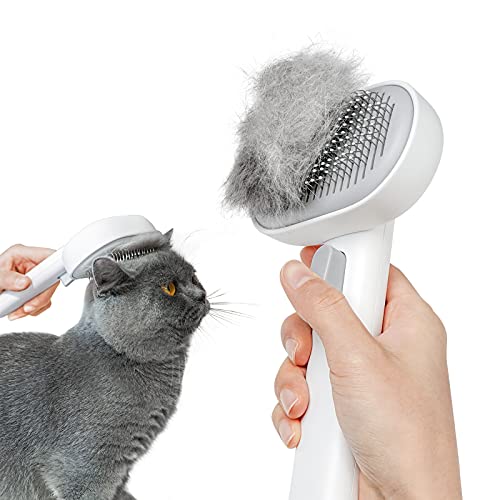
【Professional Cat Hair Brush】Perfect gift for pet owners, vets, and pet groomers. Using this cat brush for long haired cats on a regular basis can gently and effectively remove loose hair, tangles, knots, dander and trapped dirt. Suitable for short, medium or long, thick, thin or curly haired dogs/cats/rabbits, making your pets shiny and healthy.

Controls Shedding: Easily and quickly takes care of shedding, molting and everyday grooming needs. The HairBuster is an excellent remover of any thick, matted fur as well as quick combings in thin, short fur in need of a touch up. Tines gently massage skin to evenly distribute oils through hair for a shiny coat while preventing hairball issues.
Hay As Primary Food
Think of grass hay as your rabbit’s primary meal, because it should comprise about 80–90% of their daily diet. Providing high-quality, lush hay ensures your pet receives essential dietary fiber vital for optimal digestion, gut health, and preventive care against gastrointestinal slowdowns. Consistently available throughout the day, this fiber-rich feed promotes healthy cecal fermentation and supports continuous gut motility, preventing potential health issues. When choosing quality hay for daily feeding, select fresh, sweet-smelling grass hay that is free of mold and dust.
Moreover, offering unlimited grass hay is essential for maintaining your rabbit’s dental health, as their constantly growing teeth require continuous chewing on rough, fibrous material to wear down naturally. It also aids in weight management by providing a filling, low-calorie option that helps prevent obesity. To complement this balanced diet, add daily servings of fresh leafy greens rich in vital nutrients, ensuring your rabbit’s overall well-being.
Prioritize quality hay and optimal supplementation to guarantee a healthy, happy, and thriving pet with a well-maintained digestive system and strong teeth.
Greens As 10 Percent
Leafy greens should be a daily supplement in your rabbit’s diet but not the main meal. They’re essential for providing vital nutrients and variety, but the foundation of your rabbit’s diet should still be high-quality, fresh hay or grass, which promotes optimal digestion and dental health. To ensure balanced nutrition, aim for approximately 10% greens overall, which translates to about 1 cup of packed leafy greens per 2 pounds of your rabbit’s body weight each day.
Think of leafy greens as a “salad topper” rather than a primary food source that your rabbit relies on exclusively. Reputable animal welfare organizations like the RSPCA recommend offering a large handful of safe, washed leafy greens daily—roughly the size of your rabbit’s head—to meet their nutritional needs.
To maximize health benefits and dietary diversity, offer three different types of leafy greens each day, and rotate high-oxalic vegetables like spinach to prevent oxalate buildup. Incorporating a variety of nutrient-dense greens into your rabbit’s daily diet ensures their well-being, promotes healthy digestion, and supports their overall vitality.
Avoid Carrot Treats Daily
Carrots can be a cute and flavorful nibble for your rabbit, but they aren’t meant to be part of a daily diet. Treat your rabbit to carrots occasionally, not as a staple food, to maintain optimal digestive health and prevent potential issues.
Carrot roots are high in sugar and starch, which can upset your rabbit’s sensitive gut, leading to weight gain, soft stools, and bloating. Instead, prioritize offering a fiber-rich, balanced diet centered around high-quality hay, which is essential for your rabbit’s digestion and overall well-being.
For daily nutrition, include a variety of fresh, leafy greens in small portions as a healthy, low-calorie addition that supports dental health and natural foraging behaviors. When giving carrots, aim for only a few times per week, offering a small piece of about 0.5 to 1 inch in length, and utilize carrot tops whenever possible as a nutritious and low-sugar alternative.
Serving these small, controlled portions encourages better dietary habits and promotes your rabbit’s health. Remember, a fiber-focused diet combined with occasional treats creates a happier, healthier rabbit every day.
Treat Carrots as Rare, High-Sugar Treats
Treat carrots as rare, high-sugar treats rather than a regular part of your rabbit’s diet. Instead of offering carrots daily, consider them a special, infrequent indulgence, similar to a luxurious reward. Rabbits thrive on a diet primarily composed of high-fower-quality hay, fresh grass, and nutrient-rich leafy greens, which support optimal digestion, dental health, and overall well-being.
Treat carrots as rare, high-sugar treats—an occasional luxurious reward—while hay, grass, and leafy greens stay daily essentials.
Carrots are inherently starchy and rich in natural sugars, making them unsuitable as a staple food. Consistently feeding large quantities of carrots can disrupt the delicate balance of gut bacteria, leading to digestive issues such as soft stool, diarrhea, excessive gas, or even appetite suppression.
To maintain your rabbit’s digestive health, restrict carrot treats to just 1–2 thin slices or approximately a half-inch segment once or twice per week.
When offering carrots, prioritize carrot tops as part of your rabbit’s greens, since they provide beneficial nutrients without the high sugar content of the root.
Remember, never replace hay with carrots or other treats, as hay remains the cornerstone of a healthy rabbit diet, essential for proper digestion and dental wear.
Implementing this controlled, treat-based approach ensures your rabbit enjoys delightful occasional treats without compromising their health or longevity.

Revolutionary Four-Part Design: The HOP Rabbit litter box features a hay feeder, spill-proof tray, secure lid, and detachable access cover for enhanced ventilation. The rabbit litter box delivers a complete care solution. Considered as a litter box for rabbits, litter box for bunnies, litter box for cats, litter box for chinchillas, litter box for guinea gigs, litter box for ferrets., and litter box for small animals. Designed for space and convenience (21" x 15" x 14"), it addresses all your pet's needs in one elegant package.

【Innovative Two-Tier Design】This litter box features a smart two-part construction. The top section is crafted from sturdy, lightweight grey ABS plastic, providing an open-top design for easy rabbit access. The bottom basin is made entirely of rust-resistant stainless steel, ensuring exceptional longevity and effortless cleaning

Covered Hay Feeder: Less Waste, More Savings, Upgraded hay rack with lid prevents hay from being pulled out and scattered, keeping it clean and reducing unnecessary waste
Schedule Vets: Rabbits Need Routine Dental Checks
But don’t wait for obvious trouble, schedule vet visits for routine dental checks because a rabbit’s dental problems are common, sneaky, and often difficult to detect at home. Regular veterinary examinations are essential for early identification and prevention of serious dental issues. By maintaining consistent professional care, you can help ensure your rabbit’s oral health and comfort.
Dental disease remains the most prevalent noninfectious health issue in pet rabbits, often progressing silently until it reaches an advanced stage. Untreated dental problems can lead to overgrowth of incisors and cheek teeth, resulting in painful eating, weight loss, drooling, and abscess formation. To protect your pet’s well-being, request a comprehensive dental exam from your rabbit veterinarian at least once a year, with more frequent assessments if recommended.
In addition to scheduled vet visits, perform weekly oral checks to monitor for early signs of dental problems. Provide a high-fiber diet rich in hay and fresh vegetables, which naturally promote healthy teeth and gums. Never neglect routine dental care, as proactive management can significantly reduce discomfort, prevent critical health complications, and improve your rabbit’s quality of life. Prioritize professional dental examinations and daily monitoring for a healthy, happy rabbit.

Extra-Small 24-inch exercise play pen (single door) for dogs up to 16 inches tall or for other small pets

Allow Your Bunny to Roam Free:Do you worry about the security of your rabbits when you are gone and are worried that a hutch is not enough for them to exercise? You can solve the big problem by connecting our pet playpen and rabbit hutch

Bottom cover in an square configuration for existing dog playpen provides an easy to maintain play space for your pet
Vaccinate Against Myxomatosis and RHD Every Year
Even if your rabbit lives indoors, it’s essential to plan for annual vaccination against myxomatosis and RHD to ensure comprehensive protection. Don’t fall for the misconception that a single early shot provides lifelong immunity.
Typically, vaccine-induced protection diminishes after about 12 months, making yearly boosters crucial for ongoing health and safety.
Myxomatosis, a deadly viral disease, spreads primarily through insects such as fleas, mosquitoes, and flies, which can easily access indoor environments.
RHDV1 and RHDV2 viruses also spread via contaminated objects, food, clothing, and insects, meaning indoor rabbits are at genuine risk despite their protected environment.
To maximize your rabbit’s health, consult your veterinarian about effective combined vaccines, like the Myxo-RHD vaccine, which simplifies vaccination schedules with a two-dose initial series followed by annual boosters.
This proactive approach ensures your pet remains protected from these serious diseases year-round.

Lay the tunnel flat on a clean surface and hold both ends firmly. This prepares the tunnel for a neat and easy folding process. Carefully twist the tunnel into a compact circular shape, forming overlapping loops.

[2-IN-1 FUN & COMFORT] Greatbond bunny bed tunnel combines a collapsible rabbit tunnel tube with a soft, removable pet bed that gives you two products in one. Use the tunnel tube to create a fun hideaway for burrowing and play, while the removable plush pet bed offers your rabbit, kitten, or other small animal a soft spot to nap anywhere in the house. Whether combined for adventure or used separately for comfort, this 2-in-1 design offers endless entertainment and cozy rest all in one.

Bunny Hideout Set: you will receive 3pcs guniea tunnel toys, including 1 grass house 1 woven hut and 1 explore tunnel; 3 different guinea pig hideouts provide a full habitat enrichment experience letting small pets hide play chew and rest all in one cozy collection
Keep Rabbits Social: Pair or Group Them Safely
You’ll keep your rabbits calmer and happier by carefully selecting a neutered pairing, providing a safe and spacious environment for socialization, and avoiding rushing the bonding process.
Start with a compatible, neutered pair of rabbits and allocate at least 3 meters by 2 meters by 1 meter of high-quality, easy-to-clean usable space for two rabbits to interact comfortably.
If you decide to introduce more rabbits, ensure additional space and multiple hiding spots are included to reduce stress and territorial disputes.
Gradually bond your rabbits through side-by-side introductions, beginning with brief, supervised meetings.
Over time, extend these sessions over several days, continuously monitoring behaviors to ensure both rabbits display calmness, normal eating habits, and no signs of aggression or distress.
This structured, solution-oriented approach promotes healthier, more harmonious bonds among your rabbits, resulting in less stress and happier, well-adjusted companions.
Prioritizing these strategies ensures the safety and well-being of your social rabbits while making the bonding process more successful and manageable for you as a responsible pet owner.
Choose Neutered Pairing Carefully
When choosing a neutered pair, adopt a “planned match” strategy rather than a “throw them together” approach, ensuring a successful and stress-free bonding process. Prioritize selecting a neutered male and female pairing first, as this combination is typically the most stable and reliable option for unfamiliar rabbits. This pairing significantly reduces hormone-driven aggression and the risk of unintended pregnancies, enhancing the long-term harmony and health of your pets.
While fully neutered males and females are generally recommended, it’s possible to experiment with other pairings, such as male–male or female–female pairs, but proceed with extra caution. The timing of neutering is crucial: males are often castrated around 3 to 4 months for optimal bonding, or as early as 10 to 12 weeks to improve the success rate of same-sex bonds. After neutering, wait a recommended 10 to 14 days for recovery before initiating introductions, and plan to conduct these introductions 4 to 6 weeks post-surgery when hormones have sufficiently subsided.
Always conduct thorough health checks and ensure your rabbits’ vaccinations are current before beginning the bonding process. Investing in a planned, well-timed pairing approach increases the likelihood of a successful, harmonious relationship, providing your rabbits with a secure environment that promotes their well-being and longevity.
Provide Safe Space For Socializing
Create a safe and comfortable space that allows your rabbits to choose their preferred level of proximity, significantly reducing stress by providing ample room and escape options.
A well-designed environment with a minimum shared run dimensions of at least 3 meters by 2 meters is essential for promoting natural behaviors such as digging, foraging, hopping, and zooming, enhancing overall well-being. Choosing an enclosure that offers room to explore makes it easier to meet these dimensions without sacrificing space for rest and movement.
To optimize socialization and prevent conflicts, incorporate clearly defined zones within the space: dedicated social areas for interaction, complemented by quiet refuge spots such as crates, boxes, and tunnels where rabbits can retreat and feel secure.
Each rabbit or bonded pair should have access to at least one cozy enclosed hideaway to foster a sense of safety and privacy.
Enhance the environment with multi-level platforms that serve as rest spots and vantage points, encouraging natural exploration and observation.
Ensure daily access to multiple hay stations, water points, and designated toilet areas to promote proper hygiene and prevent resource-based conflicts.
These features are crucial for creating a harmonious living environment that supports healthy interactions and reduces stress.
Invest in thoughtfully designed enclosures and accessories that meet these specifications, offering a comprehensive solution for your rabbits’ social and physical needs, ultimately leading to happier, healthier rabbits in a safe and engaging habitat.
Use Bonding Gradually, Monitor Daily
Start bonding gradually, step by step, so your rabbits can build trust without risking injuries. Begin with side-by-side housing arrangements, utilizing a secure, sturdy barrier to allow visual and scent contact, fostering familiarity without direct confrontation.
Exchange bedding, litter trays, and toys between the enclosure to promote scent swapping, which accelerates bonding and establishes positive associations.
Progress to neutral territory meetings, initially lasting about 5 to 20 minutes each day. Keep these sessions short, frequent, and consistent to establish a routine that promotes calm interactions rather than overwhelming your rabbits.
As they become more comfortable, gradually increase the duration to between 1 and 2 hours, but only when they exhibit relaxed behavior. Monitoring closely during these sessions is essential; be prepared to intervene immediately if serious aggression, such as biting or lunging, occurs.
Regularly check for signs of distress or injury, including bite wounds, fur loss, or loss of appetite, which indicate the need to slow the bonding process or revert to earlier stages.
Using partitions for several weeks can help desensitize and reduce territorial instincts, especially in pairs that are neutered or spayed and possess compatible temperaments.
This method maximizes the success rate of bonding, leading to harmonious, long-term companionship and reducing the risk of future conflicts.
Learn Gentle Handling: Don’t Pick Them Up Roughly
Handle your rabbit gently, avoiding rough lifting or sudden grabbing, as this can cause undue stress and injury.
Rabbits are prey animals, so fast arm swoops and looming questions feel like predator attacks, increasing their fear and anxiety during handling.
To ensure their safety and well-being, always support your rabbit properly when lifting; never pick them up abruptly or leave them half-supported, as this can trigger panic, leading to vigorous kicking that risks breaking fragile back bones or causing rear-leg paralysis and bladder control issues.
Instead, crouch low to the ground with calm, slow movements, and securely support your rabbit by placing one hand under the chest and the other under the hindquarters.
Keep their paws close to your body for added control and reassurance.
Never grasp or lift your rabbit by the ears, as this can cause severe pain and injury.
For transportation, always use a soft towel or a secure carrier designed specifically for small animals.
Proper handling combined with the right equipment ensures your rabbit’s safety, reduces stress, and promotes a healthy, happy life—making it essential for responsible pet ownership and trusted product use.
Help Kids Interact Safely at Ground Level
When you let your children interact with small pets, such as rabbits, at ground level, it promotes safety, calmness, and a relaxed environment for everyone involved. Encourage your kids to sit on the floor and use a quiet voice to foster a gentle, non-threatening atmosphere. Let the rabbit come to them first, establishing trust and mutual comfort before initiating contact.
Keep petting gentle and focus on areas like the rabbit’s forehead, just behind the ears, or on the upper back, as these are preferred sites that enhance positive interactions. Be attentive to the rabbit’s body language signs, such as stiffening, tail flattening, or hopping away, which are cues indicating discomfort or a desire for space. Respect these signals by stopping contact and giving the rabbit room to retreat.
It is crucial to avoid chasing, cornering, or grabbing the rabbit, as such actions can cause stress or injury. Instead, observe if the rabbit seeks refuge in its hideout, and allow it to do so. By respecting the pet’s boundaries and providing a safe, predictable environment, you can build a stronger bond characterized by trust and safety.
This approach not only ensures the well-being of your pet but also creates a positive, enjoyable experience for children, fostering responsible pet ownership and compassionate handling behaviors.
Ground-Level Calm Approach
A lot of rabbit bites occur during unintentional “oops” moments, making a ground-level, calm approach essential for safe and positive interactions between your children and your pet rabbit. To ensure a safe and enjoyable experience, create a quiet, low-stimulation environment such as a designated pen on the floor, equipped with cozy hideouts that provide safety and comfort for your rabbit. Position your child in a cross-legged or kneeling posture, keeping their hands low and close to their body, and use slow, gentle voices to foster a soothing atmosphere.
Let the rabbit initiate contact and make decisions about approaching, and instruct children to remain still while the rabbit checks them. Keep visits brief—about 2 to 5 minutes—and include regular breaks to prevent overstimulation. Pay close attention to stop signals like tense body language, ears flattened against the head, thumping, freezing in place, or growling, which indicate discomfort or stress. If such signals are observed, calmly and gently end the session to maintain a positive association with handling.
Implementing this calm, ground-level approach creates a safe, controlled environment that reduces the risk of bites while fostering trust and bonding. Supervise closely at all times to ensure safety and reinforce positive handling behaviors, which not only protects your child but also promotes a healthier, happier relationship with your rabbit. Investing in these gentle interaction techniques enhances your pet’s well-being, improves behavior, and turns every session into an opportunity for safe, enriching bonding moments.
Gentle Petting Only
Gentle petting is essential for building trust and confidence in children when interacting with rabbits, while also ensuring the safety and calmness of your pet bunny. Teaching your child to pet only at ground level with soft, slow strokes prevents accidental injuries and promotes a positive bonding experience.
Use your fingertips to keep the touch light and relaxed, starting with the rabbit’s forehead, then moving to the nose, face, cheeks, or ears.
Focusing on gentle, seated back petting is also beneficial, but it should be done carefully to avoid causing discomfort. Ensure that each petting session is brief, lasting only 10 to 20 seconds per spot, and always supervise your child’s interactions.
Let your rabbit move away if it becomes uncomfortable or overstimulated, respecting its boundaries.
Avoid touching sensitive areas such as the belly, under-chin, feet, and rear end, as these are highly sensitive regions. Never lift the rabbit, since they’ve fragile spines that could easily be injured.
Watch Body Language Signs
Body language reveals everything about your rabbit’s emotional state, often more accurately than their immediate facial expressions or vocalizations. Paying close attention during floor time allows you to interpret these subtle cues and respond appropriately.
If you notice your rabbit flattening their ears backward, their body tensing or becoming rigid, it’s crucial to stop interactions immediately and give them space to feel safe again. Recognizing signals like wide, bulging eyes combined with rapid breathing indicate panic, while freezing, bolting, or a forceful hind-leg thump communicate overstimulation or distress.
To foster a trusting environment, observe your rabbit for calm, relaxed signs when your child approaches. Look for behaviors such as a loose, upright posture, neutral ear positioning—neither pinned back nor overly alert—along with smooth, unhurried movements and normal breathing patterns.
Allow your rabbit to approach with curiosity by offering a brief sniff, but be prepared to end the interaction promptly if they retreat, turn away, or hide.
Understanding these body language signals empowers you to create a safer, more comfortable space for your rabbit, enhancing their well-being and strengthening your bond.
Yes, You Can Litter Train a Pet Rabbit
Yes, you can successfully litter train a pet rabbit, and it often proves more effective than common rabbit myths suggest. Start by observing your rabbit’s natural bathroom area, as rabbits tend to establish a consistent designated spot for waste. Place a high-quality, rabbit-safe litter box in that location to encourage regular use.
Keep the initial training environment confined and simple, focusing on creating the optimal conditions for success.
Choose your litter carefully; opt for unscented paper pellets, natural wood pellets, or aspen shavings, each providing a comfortable and odor-control solution. Fill the litter box with about a one-inch layer of this safe bedding material to ensure comfort and ease of use.
Avoid clumping clay, scented litters, and cedar shavings, as these can be harmful to your rabbit’s health.
Enhance the litter box with a hay ramp or hay box on one side, mimicking a “hay kitchen,” so your rabbit can eat and urinate in the same area.
For a single rabbit, use a litter box approximately 9 inches by 12 inches; for two rabbits, aim for a larger size, such as 15 inches by 18 inches, to accommodate their habits comfortably. For best results, choose a tray with low, easy-access sides that is simple to clean and sanitize regularly, since a clean box encourages consistent use.
Encourage consistent use of the litter box by rewarding calm, appropriate behavior. After establishing regular habits, gradually expand your rabbit’s accessible space to include more of their living environment, ensuring continued success in litter training through positive reinforcement and patience.
Control Odor With Cleaning, Ventilation, and Neutering
To effectively control odors in your pet’s living environment, it’s essential to stay proactive with cleaning, proper ventilation, and neutering. A consistent cleaning routine is your best defense against ammonia buildup, which can lead to unpleasant odors and health issues for your pet.
Incorporate daily scoopings of wet litter and feces, along with immediate spot-cleaning of damp or soiled areas, to prevent odor from developing.
Perform thorough cage or hutch cleanings at least twice weekly, complemented by deep cleaning sessions once each week. During these deep cleans, empty all bowls, wash them thoroughly with pet-safe disinfectants, replace bedding with fresh, absorbent materials such as paper-based or kiln-dried wood shavings, and rinse all surfaces well to eliminate residual odors.
For optimal odor absorption, always use commercial-grade rabbit-safe litter that effectively neutralizes moisture and smell, and clean with vinegar diluted 50:50 with water for a natural disinfectant solution.
Enhance your odor control strategy with proper ventilation. Use open-style pens or enclosures to facilitate air circulation, allowing fresh air to dilute odors and improve indoor air quality.
Adequate ventilation not only keeps the environment fresher but also reduces ammonia concentrations that can negatively impact your pet’s respiratory health.
Lastly, neutering your pet plays a crucial role in odor management by decreasing urine marking behaviors. Neutering not only helps in reducing strong, persistent odors associated with territorial marking but also promotes healthier behaviors and overall wellbeing.
Integrating these cleaning, ventilation, and neutering practices ensures a cleaner, healthier, and more odor-free living space for your pet and your household.
Frequently Asked Questions
Do Rabbits Only Need Carrots, or Is Grass Hay Really the Main Food?
No, you shouldn’t rely on carrots as the primary source of nutrition for your pet rabbit. Instead, make high-quality grass hay, such as timothy, orchard grass, or meadow hay, your rabbit’s main food source, offering it free-choice every day. Providing ample access to fresh, unlimited hay ensures proper digestion, healthy teeth, and overall well-being for your rabbit.
Carrots and other vegetables can be offered as occasional treats, but they should not replace hay due to their high sugar content, which can upset your rabbit’s digestive system if overfed. By prioritizing high-fiber hay and supplementing with a small variety of fresh leafy greens and rabbit-safe vegetables, you promote a balanced diet that supports longevity and vibrant health. Choosing the right hay and treats from reputable pet supply brands guarantees optimal nutrition and meets your rabbit’s essential dietary needs.
Can Rabbits Live Happily in a Small Hutch Without Daily Exercise?
No, rabbits cannot thrive happily in a small, confined hutch without daily exercise. To ensure their health and well-being, it is essential to provide a spacious enclosure—either a larger pen or a room-scale run—that allows for 3 to 5 hours of daily activity.
A well-designed, secure outdoor or indoor exercise area enables your rabbit to hop freely, dig, stretch, and engage in natural behaviors that prevent boredom and promote physical health. Investing in a high-quality, predator-proof enclosure or modular hutch with ample space and enrichment features can significantly improve your rabbit’s quality of life.
Enhance your rabbit’s happiness and longevity by choosing durable, escape-proof enclosures made from safe, non-toxic materials and offering continuous access to supervised exercise that supports their mental and physical vitality. Prioritize a solution that combines ample space, safety, and enrichment to ensure your rabbit’s optimal well-being and joyful living experience.
Do Rabbits Need a Vet, or Can They Go Years Without Checkups?
Yes, you need a qualified rabbit veterinarian. Don’t let your pet rabbit go years without regular checkups, as rabbits are prone to hiding symptoms of illness, which can lead to serious health issues if unnoticed. Scheduling an initial comprehensive exam with an experienced exotic animal vet ensures your rabbit’s specific health needs are addressed from the start.
Following the initial appointment, it’s crucial to maintain an ongoing routine of yearly checkups to monitor your rabbit’s overall health, dental status, and digestive function. These visits help catch potential problems early, saving you money and preventing discomfort for your furry friend. Additionally, seek urgent veterinary care if you notice changes in your rabbit’s appetite, lethargy, abnormal poops, or other concerning behaviors. Prioritizing regular veterinary visits guarantees your rabbit’s well-being, longevity, and happiness, making it a smart investment in their health and your peace of mind.
Is It Okay to Keep a Rabbit Alone?
No, it’s not advisable to keep a rabbit alone long-term because rabbits are highly social animals that thrive on companionship and interaction. Loneliness can lead to significant stress, depression, and the development of abnormal behaviors such as biting or excessive digging, which can negatively impact their overall health and well-being.
To ensure your pet rabbit stays happy and healthy, consider providing a compatible rabbit companion that shares similar temperament and age. If keeping multiple rabbits isn’t feasible, dedicate ample daily time to bonding, play, and social interaction with your rabbit. Pair these efforts with regular veterinary guidance to monitor their health and emotional needs, ensuring a thriving, well-adjusted pet. By investing in social enrichment and professional care, you enhance your rabbit’s quality of life and prevent behavioral issues stemming from loneliness.
Are Carrots Safe for Children, and Can Kids Pick Rabbits up Safely?
Yes, carrots can be safe for children when properly prepared, ensuring they are soft, age-appropriate, and cut into manageable pieces to prevent choking hazards. Offering cooked or grated carrots provides a nutritious, low-risk snack that encourages healthy eating habits and supports your child’s dietary needs.
Additionally, it’s important to supervise children around pet rabbits at all times. Never allow young kids to pick up rabbits unsupervised, as improper handling can cause injury to both the child and the animal. Instead, promote gentle handling at ground level, demonstrating safe interaction practices that foster trust and respect between children and pets. Implementing these safety measures ensures a positive, bonding experience while maintaining the health and well-being of your children and beloved pets.