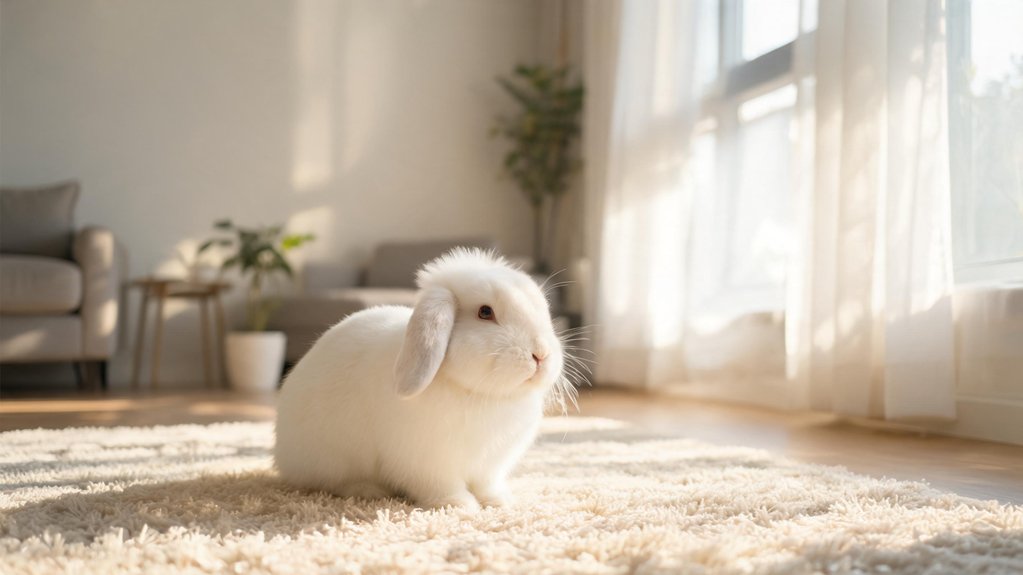
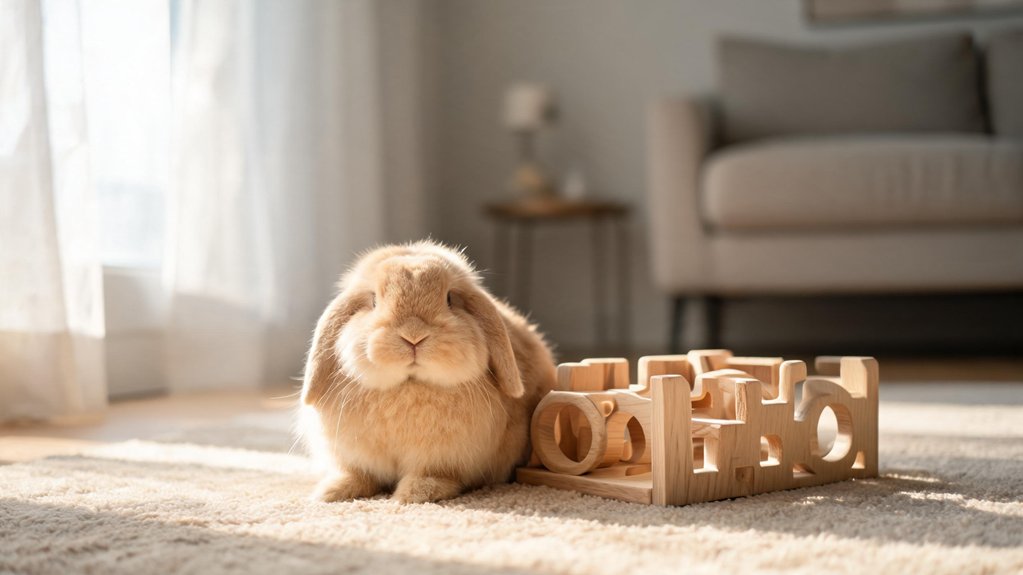
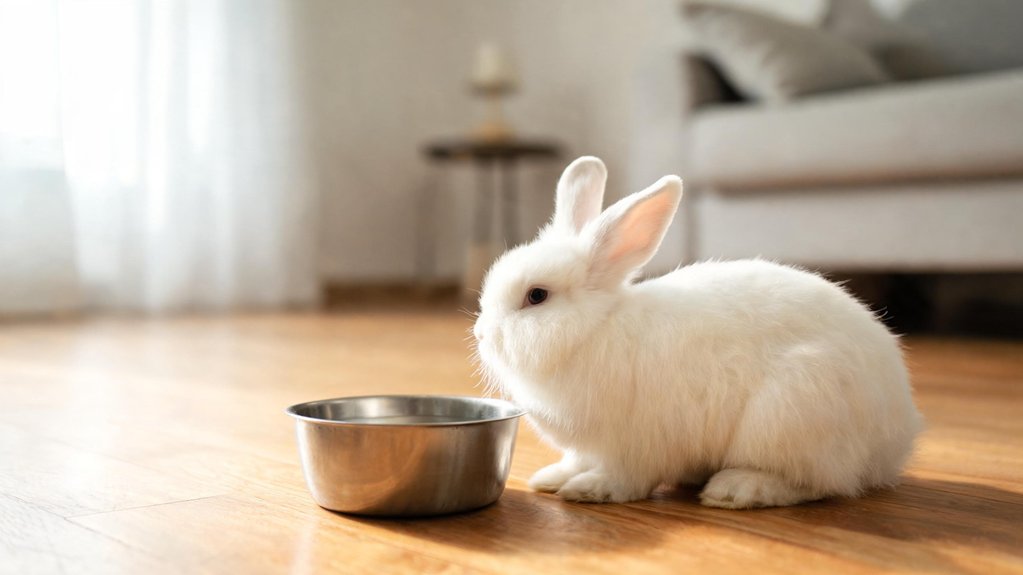
Want a quick Blanc de Hotot versus Dwarf Hotot guide? Start with space because Hotots are active. Give Dwarf Hotots at least 1.5 square feet of floor space and 14 inches of height. Never keep them fully on wire—make half solid, non-slip. Then nail the “spectacles” eye band: narrow, even, fully continuous, with black around each eye.
Feed unlimited grass hay daily, limit pellets, groom weekly—more during molts—and keep temperatures around 15 to 25°C. Keep going, and you’ll pick up more show-ready tips.
Swift Summary
- Compare origins: Blanc de Hotot was developed in Hotot-en-Auge, Normandy, while Dwarf Hotot follows the same eye-band style in a smaller type.
- Use breed-appropriate sizing: Blanc de Hotot typically 8–11 lb; Dwarf Hotot tops at about 3 lb.
- Provide correct housing: Dwarf Hotots need at least 1.5 sq ft and 14-inch height, with solid non-slip flooring covering half.
- Follow comfort care: keep temperatures roughly 15–25°C and monitor humidity to protect health and foot safety.
- Groom for show quality eye bands: bands must be narrow, even, and continuous; breaks can be disqualifying for Blanc de Hotot.
Quick Blanc De Hotot vs Dwarf Hotot Facts
For your Hotot rabbit care, match housing to size. Selecting the appropriate enclosure—whether a spacious cage, a sturdy hutch, or a combination of both—ensures your Quick Blanc De Hotot or Dwarf Hotot rabbit remains comfortable, healthy, and stress-free. Dwarf Hotot max 3 pounds means you can choose a smaller setup than you’d use for a larger rabbit.
Understanding the specific size requirements of each Hotot variety is essential. The Quick Blanc De Hotot, with its larger body frame and active nature, benefits from a generously sized habitat that allows ample space for exercise and mental stimulation. Meanwhile, the smaller Dwarf Hotot, being more compact, requires a space that maximizes safety and comfort without excessive room, reducing stress and promoting well-being.
Investing in a high-quality, appropriately sized enclosure directly impacts the longevity and vitality of your Hotot rabbit. Choose from durable, easy-to-clean cages or custom-built habitats designed to meet their unique needs.
Proper housing tailored to the specific size and activity level of each Hotot rabbit not only enhances their quality of life but also simplifies your daily care routines, ensuring a happier, healthier pet.

【Easy Eating】: Our hay feeder is perfect for small animals like rabbits, guinea pigs and chinchillas, making eating easy. Size:6.9 inches long x 4.7 inches wide x 6.6 inches high
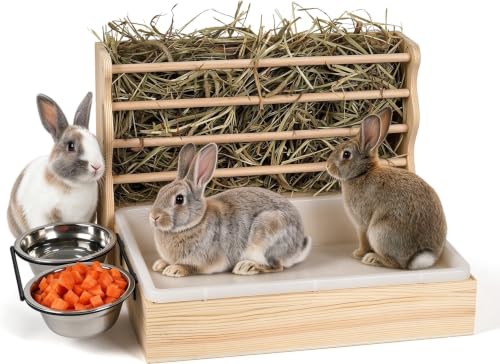
【Safe Natural Wood】Our guinea pig hay holder is made from high-quality solid wood that's non-toxic and odorless, durable and resistant to chewing and scratching, offering a long lifespan and providing a safe, healthy environment and natural atmosphere for your small pet.

【VALUE 2-PACK】Includes 2 hay feeder bags. Each bag measures 11 x 10.5 inches and has 2 feeding openings. Made for rabbits, guinea pigs, and chinchillas.
Where Blanc De Hotot and Dwarf Hotot Began
Blanc de Hotot traces its origins to Hotot-en-Auge, a charming village situated in Normandy, France, near the strategic port of Le Havre. This historic location isn’t only scenic but also pivotal in the development of this distinguished breed, which has gained recognition among breeders and enthusiasts worldwide.
In the early 1900s, French breeder Eugénie Bernhard dedicated herself to developing a distinct white rabbit variety with striking black eyes, tailored for meat and fur production. She meticulously selected foundation breeds such as Vienna White, Checkered Giant, White Flemish Giant, and Papillon, conducting strategic crosses and rigorous selections over approximately a decade. This methodical breeding program resulted in the first recognizable Hotot-type appearance around 1912, characterized by its unique white coat and prominent black eye circles. By 1912, the first Blanc de Hotot rabbit was produced.
Today, these exceptional rabbits rapidly gained popularity across European markets due to their distinctive appearance and practical qualities. As they proved their value in commercial and aesthetic settings, Hotots seamlessly extended their reach into the United States during the 1920s, establishing a strong presence in American breeding circles.
Whether for smallholder farms, commercial rabbit breeders, or pet enthusiasts, Blanc de Hotots have become a sought-after solution for those aiming to combine beauty with functionality in a premium rabbit breed.

COMPLETE NUTRITION IN EVERY BITE: Oxbow EVERYBite foods are thoughtfully formulated to deliver balanced, complete nutrition in every serving; Each bite ensures your rabbit receives the essential nutrients needed for long-term health and daily well-being

HAND-SELECTED TIMOTHY HAY is the first ingredient of this nutritious diet developed by a small animal nutrition expert

NUTRIENT DENSE FOR ALL: Crafted to meet the dietary needs of all your furry friends, our rabbit pellets are packed with essential nutrients, perfect for bunnies of all ages. From baby bunnies to mature rabbits, we've got their nutrition covered!
Size, Weight, and Body Type Standards
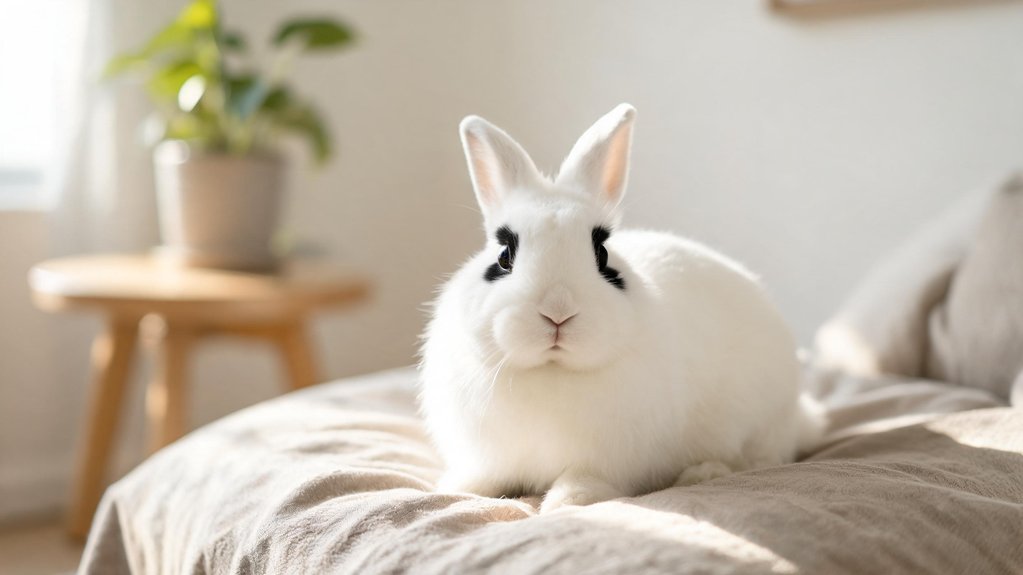
When selecting a Hotot rabbit for show purposes, it’s essential to prioritize size and weight standards, as these are crucial indicators of conformance to breed specifications. For Blanc de Hotot, prospective exhibitors should focus on a large, commercial-type rabbit, with adult specimens typically falling within the 8 to 11-pound weight range. The American Rabbit Breeders Association (ARBA) sets the senior maximum weight limit at 11 pounds, ensuring the rabbit maintains ideal proportions and body mass for competition.
In contrast, Dwarf Hotot rabbits are distinguished by their notably smaller size, with ARBA standards mandating a maximum senior weight of 3 pounds. The breed’s typical adult weight generally ranges from approximately 2.25 to 3.5 pounds, emphasizing a compact, miniature build that highlights the breed’s characteristic proportions and features. Maximum weight limit Focusing on precise size and weight alignment with these standards will enhance your rabbit’s eligibility and competitiveness in shows, making it a vital aspect of your breeding and selection process.

【Pet Cage Liner】You will receive a 55 x 78.7in flooring mat, made of soft crystal velvet, simple pattern, no matter you put it in the cage, crate or enclosure, it's very suitable, it can be folded and stored when not in use.

Designed for Pets: Pet mat provide a comfortable place for pet to relax. Tips: The creases are from the packaging. Roll the rug the other way and leave it flat for a while. Rabbits can tear carpet folds. They need to be smoothed out before pet use them

OBSERVABLE DESIGN - PeSandy pet cage side guard is made of highly transparent material, which not only won't block your view but also makes it easy for you to observe your furry friends.
Blanc De Hotot Size Standards
If you’re searching for a hotot rabbit, start by examining the size standards, as they provide essential guidance on what to expect when preparing for display or sale. Typically, Blanc De Hotot rabbits weigh around 8 to 11 pounds, equivalent to approximately 3.6 to 5 kilograms, with males (bucks) usually falling within the 8 to 10-pound range and females (does) reaching 9 to 11 pounds. Many show limits are capped at about 11 pounds, or roughly 4.99 kilograms, ensuring the rabbit maintains a balanced, market-ready size.
In addition to weight, pay attention to the rabbit’s overall build—aim for a substantial, commercial-type frame characterized by a full-bodied, thickset structure. The physique should be compact, with a rounded shape and a strong, prominent chest that supports its robust appearance.
For breeding and exhibition purposes, prioritize rabbits with upright, sturdy ears that stand alert and a correct, narrow eye band, which is essential for adhering to breed standards.
Dwarf Hotot Weight Limits
A Dwarf Hotot rabbit is characterized by its compact size and sturdy build, making weight management a crucial aspect of proper care and show readiness. According to ARBA standards, the optimal maximum weight for a senior Dwarf Hotot is 3 pounds. Maintaining this weight ensures your rabbit remains well-proportioned, preventing overstretched conformation and supporting its ideal body shape.
Most adult Dwarf Hotots available on the market typically weigh between 2 and 3.5 pounds. Show-quality specimens are often most appealing when weighing around 2.5 pounds. The ARBA type standards associate lower weight with specific desirable traits, including a body with shoulders as wide as the hips, a gentle “loaf” topline, and a bold, broad head appearance.
If your Dwarf Hotot exceeds the 3-pound mark, it’s advisable to evaluate and adjust your rabbit’s diet, focusing on appropriate feed and portion control. Regular veterinary checks are essential to ensure there are no underlying health issues contributing to weight gain. Proper weight management not only enhances your rabbit’s appearance for shows but also promotes overall health, vitality, and longevity—making it a smart investment in your rabbit’s well-being and success in competitions.
Eye Bands: Rules for Both Hotot Types
Eye bands are the defining “spectacles” look in both Blanc de Hotot and Dwarf Hotot rabbits, and ensuring compliance with these strict rules is essential for achieving a perfect, show-quality appearance. To meet breed standards, you must keep each eye band narrow, even, and clearly dark, emphasizing the importance of precision in grooming and marking techniques.
For Blanc de Hotot rabbits, aim for an eye band width of approximately 1/16 to 1/8 inch, creating a full wrap around each eye that sits tight against the eyelid. The black eye bands must remain the sole marking around the eye, with black eyelids and lashes enhancing the distinguished appearance.
In addition, the eye band for Dwarf Hotot rabbits should resemble a narrow ring, targeted near a 1/8-inch thickness, ensuring it’s continuous and fits closely around the eye. Maintaining this close-fitting, uniform, and color-true band is critical for competitive success, as it highlights the breed’s signature white body and contrasting dark eye bands.
Proper application and grooming of the eye bands not only meet breed standards but also maximize the rabbit’s visual appeal, making it more attractive to judges and prospective buyers.
Investing in high-quality grooming products, detailed training, and expert techniques allows breeders and exhibitors to produce consistently impeccable eye bands. This focus on precision, consistency, and adherence to standard specifications positions your rabbits as top contenders in the show ring, elevating your breeding program’s reputation and market value.

7-in-1 Rabbit Grooming Kit: Not only gentle and safe for small animals, such as rabbit, hamster, guinea pig, and chinchilla; but also work great for larger animals like cats and dogs. Soft silicone small animal massage comb can help you protect your pet's skin and effectively keep their fur clean, healthly.

Clean Pets, Clean House: Depets cat & dog brush for shedding can easily remove loose hair, shedding mats, dander and dirt of your pet, which not only keep your pet clean, but also provide you with a clean and hygienic home environment

7-in-1 Rabbit Grooming Kit: Not only gentle and safe for small animals, such as rabbit, hamster, guinea pig, and chinchilla; but also work great for larger animals like cats and dogs. Soft silicone small animal massage comb can help you protect your pet's skin and effectively keep their fur clean, healthly.
Eye Band Problems: Age, Breaks, and Disqualifiers
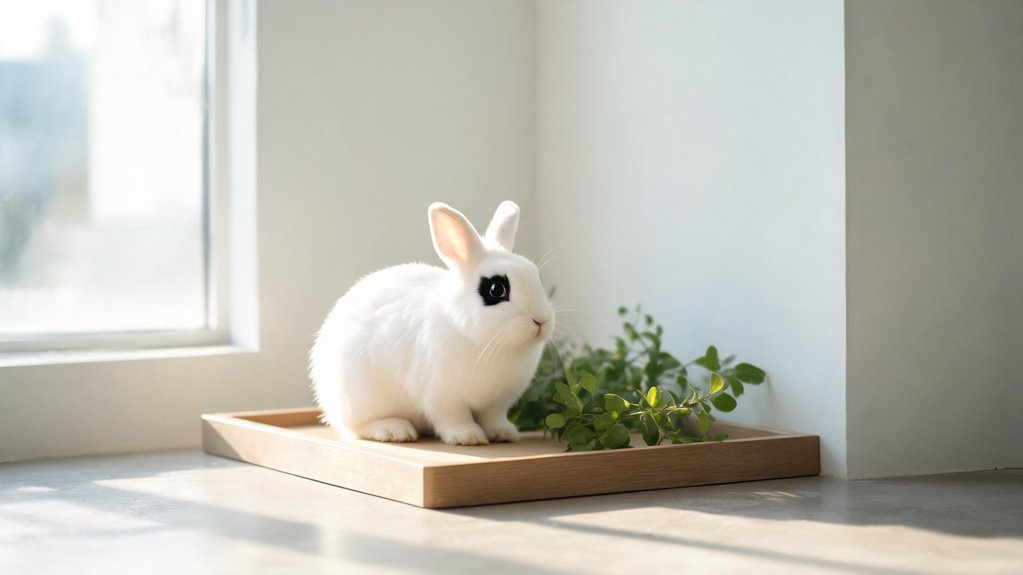
Spotting eye-band problems early is crucial for maintaining your Hotot’s show potential, helping you save valuable time and prevent your rabbit from slipping into a “pet only” category. A well-defined eye-band is essential for success in breed competitions, especially with breeds like Blanc de Hotot and Dwarf Hotot, which have strict, detailed standards.
Catch eye-band issues early to protect your Hotot’s show quality and avoid being downgraded to pet-only status.
For Blanc de Hotot, any break in the continuous black band around the eye is a disqualifier, as is a band that exceeds approximately 1/8 inch in width. Jagged, uneven edges on the eye-band also count as faults that can impact scoring. Attention to these details during grooming and inspection ensures your rabbit’s eligibility for top-tier shows.
In the case of Dwarf Hotot, weaknesses such as streaky, uneven, or weakly defined bands are considered faults, and a complete break in the eye-band results in disqualification. As your rabbit reaches mature show age, it’s important to regularly check for clarity of the band, sharp and smooth edges, and absence of any extra color, red swelling, or discharge around the eye area.
Gently cleaning any discharge and maintaining a crisp, defined eye-band will greatly enhance your rabbit’s appearance and competitiveness.

Bottom cover in an square configuration for existing dog playpen provides an easy to maintain play space for your pet

Spacious Space: Overall size is 48"L x 48"W x 24"H. Provides 16 square feet of living area for guinea pigs as recommended by vets. Ideal extension of our rabbit cage or independent use. Give small pets freedom to frolic indoors or outdoors

SUITABLE SMALL PETS: Ideal for guinea pigs, rabbits, ferret, rat, hamster, hedgehogs, puppies, easy to keep an eye on them from any angle
Temperament: What to Expect Day to Day
You’ll observe a distinct display of personality traits from day one when working with Blanc de Hotot rabbits. These animals are characterized by their lively yet steady temperament, making them engaging companions for those interested in a balanced pet experience.
Conversely, Dwarf Hotots exhibit quick, curious bursts of activity throughout the day, providing dynamic interaction opportunities that appeal to pet owners seeking energetic and inquisitive pets.
For successful bonding and enhanced companionship, it’s essential to offer regular, gentle contact. Sitting at ground level fosters a sense of security and encourages trust, while maintaining a predictable routine with calm rest periods after play sessions helps reinforce a stable environment.
When handling Dwarf Hotots, keep in mind that they typically dislike frequent lifting or tight restraint. Approaching them slowly, petting calmly, and allowing them to choose to come close can significantly improve their comfort and your mutual bond.

【Easy Eating】: Our hay feeder is perfect for small animals like rabbits, guinea pigs and chinchillas, making eating easy. Big Size:6.9 inches long x 4.7 inches wide x 6.6 inches high,Small Size:6.2 inches long x 4.4 inches wide x 6.6 inches high

X-Large Bunny Hay Feeder: Introducing a groundbreaking rabbit hay feeder, now with a larger size of 9.7x4.7x6.6 inches, offering more hay capacity and reducing the need for constant refills. The guinea pig hay feeder's sealed bottom effectively contains the hay, preventing spills and messes, ensuring a convenient and tidy feeding experience. This pet feeder minimizes hay wastage by preventing rabbits from scattering or soiling the hay, avoids unnecessary waste.

【 Easy to eating】 Hay and food two in one multifunctional feeder, with a hanging design, better saves space and can also be placed separately. In addition, it can also be split and placed, with an internal sloping design below the rear bumper, which pushes the hay forward and makes it easier for pets to eat
Daily Activity Levels
Daily activity levels for a Hotot rabbit are notably consistent from day to day, which contributes significantly to their appeal as a pet breed. These adorable rabbits typically exhibit a calm, energetic, and friendly routine, characterized by periods of active movement when space is available, followed by relaxing rest. To support their well-being, it’s recommended to provide regular opportunities for interactive toys and gentle play sessions. While they enjoy activity, there’s no need for nonstop exercise as they’re resilient and adaptable, even in all-wire cages.
During handling, Hotots tend to remain calm during grooming and health checks, making them easier to manage during routine care. The Dwarf Hotot variant is known for being curious and lively, though generally less active overall.
For these smaller breeds, plan brief exploration sessions combined with quiet relaxation periods. Supervised free-run time should be incorporated daily to stimulate their natural curiosity and provide mental enrichment. Employing these activity routines helps ensure your Hotot rabbit remains healthy, happy, and easily manageable, maximizing their personality and comfort in a domestic environment.
Social Bonding Habits
With Hotot rabbits, social bonding isn’t random; it develops gradually through calm, repeated interactions that build trust over time, aligning seamlessly with their steady activity routines. To foster these strong bonds, provide low-stress, frequent human contact, especially during feeding times when they’re most receptive. This consistent approach ensures your Hotots feel safe and understood, creating a foundation for lasting companionship.
For Blanc de Hotot rabbits, expect gentle and tolerant behavior, with quicker acceptance of new people once they’re familiar with your household’s daily rhythm. Dwarf Hotots, on the other hand, display curiosity and affection but only after establishing trust—so keep your interactions calm, patient, and regular.
Incorporate other family members gradually, ensuring respectful introductions, which help maintain their friendly nature and prevent potential stress.
Handling Temperament Differences
Handling day-to-day interactions with your rabbit can feel a bit different between Blanc de Hotot and Dwarf Hotot breeds, so understanding their specific temperament tendencies is essential for providing the best care. Recognizing what your rabbit is likely to “do” when you reach in helps you create a positive, stress-free environment.
Blanc de Hotot rabbits typically display a calm and tolerant demeanor, making them well-suited for gentle, ground-level petting. To foster trust and comfort, approach slowly and quietly, using soft, deliberate hand movements.
Expect moderate play behavior rather than high-energy zoomies, and be mindful that sudden noises may startle them. Maintaining a predictable and quiet home environment will help these rabbits feel safe and secure, encouraging more relaxed interactions.
On the other hand, Dwarf Hotot rabbits are known for their sweet and playful nature but can also exhibit shyness or stubbornness, especially when stressed. Their energy levels can spike unpredictably, so handling them with care is crucial.
When picking up a Dwarf Hotot, do so gently and support their entire body to prevent falls or injury. Building trust through patient, consistent handling and creating a calm environment will support their well-being, enabling enjoyable bonding and playtime experiences.
Lifespan: What Boosts or Shortens Longevity
Lifespan largely depends on several key, modifiable factors, allowing you to significantly improve your Hotot rabbit‘s longevity by optimizing their care. Most domestic Hotot rabbits, including the Blanc de Hotot and Dwarf Hotot breeds, typically enjoy a lifespan of about 7 to 10 years, with exceptional care potentially extending this to 12 or even 15 years.
To maximize your rabbit’s health and lifespan, provide unlimited access to high-quality grass or timothy hay daily, complemented by a variety of nutrient-rich leafy greens. Limiting pellet intake can prevent obesity and related health issues, further enhancing longevity. Ensure fresh, clean water is available at all times to support hydration and overall health.
Proper housing is crucial; house your rabbit indoors within a space that allows for at least 4 square feet of floor area to promote physical activity and mental stimulation. Incorporate 1 to 4 hours of safe, supervised free-run time each day to encourage natural behaviors and prevent boredom.
Avoid cramped, dirty, or excessively extreme temperature environments, as these conditions can drastically shorten your rabbit’s lifespan. By focusing on the right diet, ample space, and appropriate environmental conditions, you can significantly increase your Hotot rabbit’s health span and overall quality of life.

This formula uses whole natural ingredients and supplements to provide complete and balanced nutrition that covers all of your rabbits needs for a healthy and active lifestyle in every bite - no selective feeding of colorful treats.. This includes:

Top rabbit food of choice by local veterinarians and caring rabbit owners across the country

NUTRIENT DENSE FOR ALL: Crafted to meet the dietary needs of all your furry friends, our rabbit pellets are packed with essential nutrients, perfect for bunnies of all ages. From baby bunnies to mature rabbits, we've got their nutrition covered! Also suitable as guinea pig food, hamster food, squirrel food, ferret food, guinea pig treats, guinea pig pellets and chinchilla food.
Common Health Risks for Hotot Rabbits to Watch
Watch for eye band discoloration or breaks, as changes in the white eye ring can indicate irritation or injury that requires prompt attention. Regularly examining your Hotot rabbit’s eye area helps identify early signs of health issues, ensuring swift intervention to maintain optimal eye health and prevent more serious complications.
Next, it’s essential to monitor gastrointestinal (GI) and dental health closely. Look for fewer or smaller droppings, a hunched posture, and a wet chin or drooling, as these are key indicators of GI stasis or dental pain.
Given that grass hay fiber is crucial for dental wear and gut motility, ensuring your rabbit’s hay intake is sufficient can prevent these painful and potentially dangerous conditions.
During hot weather, vigilant checks for heat stress and respiratory symptoms are vital. Watch for open-mouth or noisy breathing, which can signal respiratory distress or overheating.
Warm air can exacerbate breathing difficulties and lead to dehydration, especially in sensitive breeds like the Hotot. Using fans, providing shaded or cooled environments, and ensuring constant access to fresh water are effective solutions to help your rabbit stay comfortable and healthy in high temperatures.

【Features】Bunny cage liner is made of soft crystal velvet fabric,large rabbit floor mat can provide a comfortable relaxation space for small animals.Large mat for rabbit is not easy to fade,and the bottom of the bunny floor mat is designed with anti slip particles,bunny cage liners washable are stable and not easy to move.

【Features】Extra large bunny cage liner is made of soft crystal velvet fabric,providing a comfortable relaxation space for small animals.Large rabbit floor mat is not easy to fade,and the bottom of the extra large cage liner is designed with anti slip particles,extra large bunny liner is stable and not easy to move.

Improve Comfort: The guinea pig bedding is crafted from absorbent, quilted fabric that provides a soft, cozy surface while quickly absorbing urine. The leak-proof backing, covered with rubber dots, ensures the bedding stays firmly in place without slipping, promoting a comfortable and hygienic environment for your guinea pigs
Eye Band Discoloration And Breaks
Even though Hotot eye bands are primarily a cosmetic characteristic, discoloration and breaks along the dark “spectacle” ring can serve as important indicators of underlying health issues around the eye.
Regularly inspect the shape and condition of the eye band — it should remain narrow and even in width, typically about 1/16 to 1/8 inch in Blanc de Hotot and approximately the thickness of two pennies in Dwarf Hotot.
Ensure there are no gaps or irregularities, as this consistency is key to maintaining a healthy appearance.
If you notice sudden staining, dark clumping, wetness, or the development of rough scabs along the band, examine for signs of tear overflow or eye discharge.
These changes can signal irritation or infection that requires prompt intervention.
Additionally, observe if one eye exhibits asymmetry compared to the other, along with symptoms like squinting or persistent crusting.
Such inconsistencies are strong indicators that a veterinary evaluation is necessary to prevent further health complications.
Maintaining vigilant observation of your Hotot rabbit’s eye band can help you detect early signs of discomfort or illness, allowing for timely treatment.
Utilizing thorough inspection routines and recognizing abnormal changes empower pet owners to ensure optimal eye health.
If any concerning symptoms are identified, seeking professional veterinary care ensures your rabbit’s well-being is promptly addressed, minimizing long-term issues.
GI And Dental Health Monitoring
How do you detect early gastrointestinal (GI) and dental issues in a Hotot rabbit before they develop into serious health problems? The key is consistent daily observation of your rabbit’s appetite. Over a span of 2 to 7 days, monitor for gradual declines in the consumption of pellets, fresh greens, hay, and treats, as any refusal can indicate underlying health concerns.
Pay close attention to fecal output, noting small, dry, scant pellets or the presence of mucus, which are critical warning signs requiring prompt veterinary intervention. Listening for gut sounds is equally important; fewer or absent intestinal sounds, along with bloating and gas buildup, can signal serious GI distress.
Furthermore, observe your rabbit’s posture and behavior. Signs such as a hunched or stretched stance, sitting alone away from activity, or acting withdrawn should raise concerns.
Dental health is just as vital—look for symptoms like dribbling, a wet chin, ptyalism (excessive salivation), selective eating, or quidding—where your rabbit drops food from its mouth. These symptoms often point to dental pain or overgrowths that impair normal eating and digestion.
To prevent these health issues from escalating, take immediate action by reducing stressors within the environment, ensuring your rabbit receives adequate fiber intake through fresh hay, and seeking veterinary care from a rabbit-savvy veterinarian promptly. Early intervention can significantly improve outcomes, prevent painful or costly treatments, and promote long-term health and well-being for your beloved Hotot rabbit.
Heat Stress And Respiratory Symptoms
When your Hotot rabbit begins to overheat, it’s crucial to recognize early signs to prevent heat stress and respiratory complications. Watch for observable symptoms such as drooling, a wet nose, hot and reddened ears, and rapid, shallow breathing or panting. These indicators signal the need for immediate cooling and intervention.
Additionally, monitor your rabbit for changes in behavior like drooping, lethargy, weakness, and reluctance to move. If your rabbit displays open-mouth breathing, cease any activity promptly and contact an experienced avian and rabbit veterinarian without delay. Timely action can prevent serious health issues and improve recovery chances.
Temperature management is vital. For environments reaching 26°C or higher, maintain close surveillance to detect early signs of distress. Once temperatures surpass 28°C, it’s imperative to implement immediate cooling measures. Shelter small, enclosed hutches with shade and enhance airflow through proper ventilation.
Effective cooling strategies include calming treatments such as applying cool water to the rabbit’s fur, damp towels, and using fans to aid heat dissipation. These measures help mitigate heat stress and respiratory symptoms, safeguarding your rabbit’s health. Prioritize such environmental modifications as part of a comprehensive heat stress prevention plan to ensure your Hotot rabbit remains safe and comfortable during warmer conditions.
Grooming for Spotless White Coats and Eyes
Grooming your Blanc de Hotot and Dwarf Hotot rabbits is essential for maintaining their pristine, “spotless” white coats and striking dark eye bands.
To achieve a consistently clean and healthy appearance, focus on two critical areas every week: their dense, fluffy white fur and the sharply defined dark eye bands that enhance their striking features.
Start by brushing your rabbit’s coat weekly using a gentle soft brush or a specialized rubber grooming mitt designed for delicate fur.
During molting periods, which often occur seasonally or irregularly, increase the frequency to once or twice weekly to manage loose fur effectively.
When your rabbit undergoes heavy Dwarf Hotot molting, daily slicker-comb sessions are highly effective in removing loose and shedding hair, reducing hair ingestion, and preventing fur matting or skin irritation.
Instead of traditional full baths that can cause cold stress and discomfort, focus on spot-cleaning.
Use a damp cloth along with a rabbit-safe, gentle shampoo to clean specific areas of dirty or stained fur, ensuring your rabbit remains comfortable and stress-free.
Always avoid wetting the entire coat, as this can lead to chilling and health issues.
Lastly, because healthy, bright eyes are a key aspect of their overall grooming, inspect your rabbit’s eyes regularly.
Gently wipe away any crusts or discharge with a soft, slightly damp pad, taking care never to touch or press directly on the eye itself.
Consistent attention to your rabbit’s coat and eyes not only preserves its immaculate appearance but also promotes overall well-being, making your grooming routine a vital part of maintaining a beautiful, healthy pet.

【Premium Material】This rabbit hair brush, made of silicone, is a great choice for your beloved rabbit grooming kit. This safe rabbit hair brush is designed to provide gentle yet effective grooming, protecting your pet's delicate skin while effectively keeping their fur clean and healthy. Cleaning is also very easy; simply rinse with water and air dry to maintain hygiene and ensure your pet's grooming tools are always clean and safe.

Controls Shedding: Easily and quickly takes care of shedding, molting and everyday grooming needs. The HairBuster is an excellent remover of any thick, matted fur as well as quick combings in thin, short fur in need of a touch up. Tines gently massage skin to evenly distribute oils through hair for a shiny coat while preventing hairball issues.
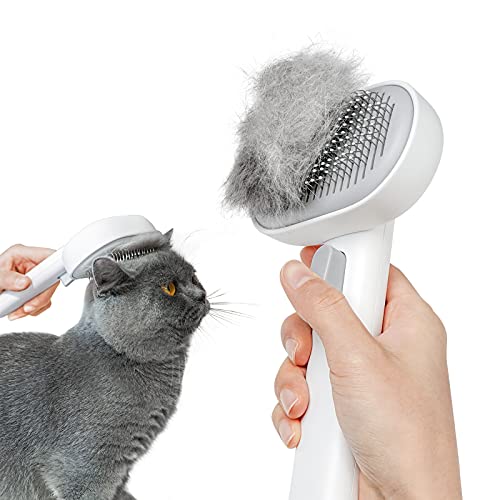
【Professional Cat Hair Brush】Perfect gift for pet owners, vets, and pet groomers. Using this cat brush for long haired cats on a regular basis can gently and effectively remove loose hair, tangles, knots, dander and trapped dirt. Suitable for short, medium or long, thick, thin or curly haired dogs/cats/rabbits, making your pets shiny and healthy.
All-Wire Housing: Safe Setup for Hotots
All-wire housing can be an effective setup for Blanc de Hotot and Dwarf Hotot rabbits when configured correctly to prioritize foot health, comfort, and safety.
To optimize their wellbeing, allocate at least 1.5 square feet of living space for Dwarf Hotots, ensuring a minimum height of 14 inches. Additionally, provide a wider area to facilitate natural hopping behavior, which is essential for their physical and mental health.
Never leave your Hotots fully confined to wire flooring. Instead, convert at least half of the enclosure floor to a solid, non-slip surface to offer a comfortable resting area.
Cover the remaining mesh with fleece, rubber mats, or sturdy wooden platforms to prevent foot injuries and improve overall comfort. To maintain a healthy environment, keep temperatures between approximately 15–25°C, avoid heat sources that raise the temperature near 30°C, and monitor humidity levels regularly.
Consistent and thorough cleaning of the enclosure, securing doors to prevent escapes or injuries, and eliminating any gaps that may encourage digging or escape behavior are critical maintenance steps.
This comprehensive setup ensures your Hotots enjoy a safe, comfortable, and healthy living environment that promotes their well-being and longevity.
Investing in these tailored solutions provides peace of mind and a more enjoyable pet-keeping experience for responsible rabbit owners or commercial breeders seeking to optimize enclosure safety and comfort.

Overall Dimensions: 47.2” L x 23.6” W x 15.8” H

Playpen with an Extended Tunnel: Give your furry friends the freedom to explore, exercise, and relax outside their cage! This spacious 15" cube playpen combined with a 98.4'' long tunnel creates a comfortable and engaging environment for dwarf rabbits, ferrets, kittens, puppies, guinea pigs, and other small pets

Ideal for small animals to have their own safe space to play and exercise
Feeding Hotots: Hay, Pellets, Greens, Treats
Feeding your Blanc de Hotot or Dwarf Hotot rabbit requires a balanced approach to ensure their digestive health, weight maintenance, and dental wear.
Start with high-quality grass hay, such as Timothy, Orchard, or Oat hay, offered freely throughout the day. Focus on providing long-stemmed, fresh, and dust-free hay, avoiding any moldy or dusty loads to promote optimal gut function and prevent respiratory issues. Timothy hay is a dependable everyday choice because its high fiber content keeps the digestive tract moving and helps wear down continuously growing teeth.
In addition to hay, incorporate precisely measured plain Timothy pellets—about 1/4 cup per 5 pounds of body weight daily—and limit pellets to 5–10% of their overall diet. This ensures proper nutrient intake without causing obesity.
Supplement their diet with leafy greens comprising 10–15% of daily intake, roughly 1 cup per 2 pounds of body weight, and introduce new greens gradually to monitor tolerance and prevent upset.
For treats, offer no more than one heaping tablespoon per 5 pounds of body weight. Include tiny pieces of fruit as occasional treats, while strictly avoiding sugary snacks that can lead to health issues.
Exercise Goals for Calmer, Healthier Rabbits
To promote a calmer, healthier, and more active lifestyle for your Blanc de Hotot rabbit, tailor their exercise schedule around their natural activity patterns. Recognize that these intelligent, energetic rabbits are most active during early mornings, late afternoons, and overnight hours.
Providing access to their exercise area during these peak times ensures they engage in essential physical activity, reducing stress and preventing health issues associated with prolonged inactivity.
Aim for at least two hours of daily exercise outside the main enclosure, utilizing a spacious, secure outdoor run or a large, rabbit-proofed indoor room. This dedicated space should allow for unobstructed movement, including full-speed running, upright stretching, and interactive play.
Over time, work toward offering near-constant access to a large, enclosed area attached directly to their living space, minimizing stress during exercise and encouraging natural behaviors.
Incorporate features such as ramps, platforms, digging trays, and tunnels to stimulate physical and mental activity. Regularly rotate toys and supervise outdoor grassy outings to enrich their environment, ensuring a dynamic and engaging experience that supports their overall well-being.
Costs, Adoption Tips, and Choosing Your Hotot
When you’re evaluating the true cost of bringing a Hotot rabbit into your home, it’s essential to start with your long-term budget rather than just considering the initial purchase price. Blanc de Hotot rabbits typically cost between $30 and $100, with show-quality lines potentially reaching around $400. Proven breeders and top-tier show-breds may command even higher prices, often exceeding $1,500 for premium males.
Dwarf Hotot breeders usually price their rabbits at $50 to $100, but pet-quality Dwarf Hotots can be purchased for as little as $25 to $75. To ensure a successful long-term investment, plan for monthly care expenses that range from approximately $179 to $434, including food, bedding, routine vet visits, and grooming supplies. Additionally, consider setup costs such as cages, toys, and grooming tools to provide a comfortable and stimulating environment for your Hotot.
When choosing your Hotot, prioritize temperament and health traits by consulting reputable ARBA (American Rabbit Breeders Association) directories, engaging with local rabbit clubs, and exploring rescue organizations that might offer mixed Hotots suitable for companionship. These resources help identify healthy, social pets that fit your lifestyle, ensuring a positive ownership experience. Ultimately, investing in high-quality genetics and adopting from trustworthy sources will give you a more enjoyable and cost-effective Hotot rabbit ownership journey.
Frequently Asked Questions
What Colors Can Arba-Recognized Blanc De Hotot and Dwarf Hotot Be?
ARBA recognizes Blanc de Hotot with a pure white coat and narrow black eye bands, making it a striking and highly valued breed for enthusiasts and breeders seeking a classic, elegant appearance. This distinctive coloration ensures consistent visual appeal and breed standards, simplifying selection and classification during shows and competitions.
Dwarf Hotot, on the other hand, offers a variety of eye-band colors including black, blue, chocolate, and lilac, all while maintaining its signature white coat. This diverse range of eye-band colors not only enhances the breed’s ornamental appeal but also provides opportunities for breeders to showcase unique and vibrant trait combinations.
Choosing the right color variant within these breeds allows for targeted breeding strategies and aids in aligning with specific aesthetic preferences or market demands. By focusing on these distinct coloration attributes, pet owners and breeders can elevate the visual distinctiveness of their rabbits, thereby increasing their desirability in exhibitions and fostering disciplined breed improvement.
How Do Hotot Eye-Band Markings Change From Kits to Adults?
As your Hotot rabbit matures from a kit into an adult, its distinctive eye-band markings undergo noticeable changes. In the early stages, juvenile Hotots display wider, uneven dark patches around their eyes, which can appear inconsistent and patchy. As the rabbit grows, these eye bands typically widen, sharpen, and become more defined, transforming into narrower, continuous, evenly colored rings that meet the breed standards.
Monitoring these eye-band developments is essential for breeders aiming to achieve the perfect adult Hotot appearance. If the bands remain broken, streaky, or overly wide, the rabbit may not meet the established breed standards for a show-quality Hotot. Proper care, selective breeding, and attention to age-specific traits ensure the eye bands develop correctly, helping your Hotot reach its full genetic potential and market value. Invest in high-quality genetics and breeder guidance to ensure your Hotot’s eye markings align with the admired standards in competitive rabbit shows.
Are Blanc De Hotot and Dwarf Hotot Good With Other Rabbits?
Yes, both Blanc de Hotot and Dwarf Hotot rabbits are generally known for their friendly and sociable nature, making them good choices to coexist peacefully with other rabbits. Their social behaviors mean they thrive in multi-rabbit environments when introduced properly—consider them the “social butterfly” of the rabbit world rather than the “tiny CEO.”
To ensure successful bonding, it’s essential to bond them gently by spaying or neutering to prevent territorial aggression, and introducing new rabbits on neutral ground to minimize territorial disputes. Keeping a close eye on their personalities during introductions helps prevent conflicts and promotes harmonious relationships. Choosing these breeds can be an excellent investment if your goal is to create a lively, social, and friendly rabbit household.
What’s the Correct Wire-Cage Floor Size to Prevent Sore Hocks?
Use welded wire flooring with 1/2 inch by 1 inch openings, constructed from 14-16 gauge wire, to provide stable and comfortable footing for poultry. It is crucial to avoid larger mesh sizes, such as those exceeding approximately 3/4 inch square, as they can contribute to foot injuries and sore hocks.
Ensure that at least 50% of the cage floor consists of solid, cushioned resting areas, which are essential for reducing pressure on the birds’ feet and preventing soreness. Incorporating high-quality, soft bedding or mats in these resting zones provides additional protection and comfort.
Choosing the right wire-cage floor size and configuration is vital for maintaining avian health, improving overall productivity, and minimizing healthcare costs for poultry operations. Prioritize durable, easy-to-clean flooring materials that support bird well-being and enhance cage longevity.
When Should I Call an Exotics Vet About Eye or Dental Issues?
Call an exotics veterinarian immediately if you notice symptoms such as eye pain, swelling, discharge, cloudiness, or any significant changes in your pet’s eating behavior. Prompt veterinary attention can prevent severe complications and preserve your exotic pet’s ocular health.
Additionally, schedule an urgent dental evaluation if your pet exhibits symptoms like weepy or teary eyes, excessive drooling, quidding (dropping partially chewed food), reduced appetite, or abnormal chewing behaviors. Early intervention by a specialized exotics vet can help address potential dental infections or oral issues before they escalate, ensuring your pet maintains optimal health and comfort.