Find a rabbit-savvy exotic vet by searching “rabbit veterinarian” or “small mammal specialist” plus your ZIP. Then use House Rabbit Society or ABVP-style directories and clinic sites to confirm they do rabbit dentistry and surgery.
Call first and ask how many rabbits they see monthly, if they offer gas anesthesia, X-rays, and spay or neuter procedures. Plan for costs: exams often cost between $70 and $130. X-rays are about $150 to $450, and treating GI stasis, which occurs when a rabbit is no longer eating or pooping for approximately 12 hours, may cost between $500 and $1,500 or more. Keep going, and you’ll get the full game plan.
Swift Summary
- Search for rabbit-savvy/exotic vets near you using “rabbit veterinarian,” “exotic pet vet,” or “small mammal specialist” plus your ZIP.
- Confirm the clinic regularly treats rabbits—ask about monthly rabbit caseload, spay/neuter, anesthesia, X-rays, and hospitalization.
- Use House Rabbit Society and ABVP listings to verify exotic credentials, including board certification in Exotic Companion Mammal practice.
- Treat not eating or not defecating for 12+ hours as an emergency; confirm after-hours rabbit acceptance and transfer options.
- Expect typical rabbit exam costs around $70–$130, with wellness often $50–$100, and extra fees for diagnostics, dental, and GI stasis.
Find a Rabbit Vet Near You: Fast
Wondering how to find a rabbit-savvy veterinarian quickly and reliably?
Start by conducting a local search: type “rabbit veterinarian,” “exotic pet vet,” or “small mammal specialist” along with your city or ZIP code. Carefully review clinic websites and online profiles for mentions of rabbit-specific services such as dentistry, surgery, or hospitalization for small mammals. Prioritizing clinics that highlight rabbit dentistry or surgical procedures indicates they regularly treat rabbits and are experienced with their needs. House Rabbit Society (HRS) maintains a network of affiliate partners whose listings are designed to help you locate rabbit-savvy veterinarians quickly.
Next, contact two or three of your top-choice veterinary clinics. During your calls, inquire about the number of rabbits they see each month and confirm they offer essential services like spay and neuter procedures for rabbits. Additionally, ask about the use of gas anesthesia, availability of X-ray diagnostics, and on-site hospitalization options—key indicators of their capability to handle urgent or complex cases effectively.
In an emergency situation, remember that rabbits shouldn’t eat or defecate for at least 12 hours before medical intervention, so communicate your urgency clearly. For cost estimates, inquire specifically about the pricing for rabbit X-rays, office consultations, and any potential emergency procedures. This will help you find an affordable, experienced rabbit veterinarian who can provide prompt, comprehensive care tailored to your small mammal’s needs.

FAST INDUCTION FOR SURGERY & EMERGENCIES — The well-designed cone delivers anesthetic quickly and efficiently, helping patients reach the right level faster. Streamlines...
Use Rabbit-Exotic Vet Directories by State/County
Use a comprehensive rabbit-exotic veterinarian directory map organized by state and county. Filter the directory by your specific city or ZIP code to locate veterinary clinics that specialize in rabbit healthcare. This targeted approach ensures you find qualified exotic vets experienced in rabbit medicine, making it easier to access quality care. House Rabbit Society recommends verifying a clinic and provider before trusting care for your rabbit. Don’t hesitate to call ahead and confirm that the clinic treats rabbits. Inquire about the typical costs for wellness exams and specify if you need details on additional procedures like x-rays, which are often billed separately. Being prepared and informed helps you budget effectively and ensures your rabbit receives appropriate preventive and emergency care. If your rabbit stops eating or pooping for 12 hours, treat it as an urgent medical emergency. Immediate veterinary intervention can be critical for small exotic pets, so seek emergency care without delay to prevent serious health complications. Prioritize their health by establishing a relationship with a rabbit-specialized veterinary provider and keeping emergency contacts handy.

TARGETED SUPPORT: A vet formula recovery diet for small herbivores like rabbits, guinea pigs, and chinchillas; This high fiber digestive supplement provides emergency nutrition, supporting strength, and recovery, during critical care moments

EASY TO MIX FORMULA: This powdered formula blends quickly and smoothly with water to the desired consistency, making preparation simple and convenient; Perfect for providing your small pet with essential nutrition without any hassle or extra effort

CURVED TIP DESIGN: Soft curved tip allows smoother feeding and helps reduce direct contact with pet gums; suited for sick newborn or recovering pets receiving milk water or medicine
Map-Based Vet Directory Search
Finding a rabbit-savvy veterinarian becomes significantly easier with a map-based directory search designed for pet owners seeking expert care.
Utilizing an interactive map interface, you can efficiently zoom toward your specific ZIP code or manually enter your address for pinpoint accuracy.
Set a customizable distance radius, ranging from 10 to 500 miles, to quickly identify qualified veterinary clinics within your preferred travel range.
Click on map pins to reveal detailed clinic information, including clinic names, physical addresses, contact phone numbers, and official websites.
To optimize your search, toggle filters for pet types and services, such as “small mammals” and “exotics,” ensuring you find veterinary practices experienced specifically with rabbits.
If your pet exhibits urgent health concerns, activate the emergency filter to locate nearby clinics capable of providing immediate care, especially important if your rabbit hasn’t eaten or pooped for over 12 hours, which should be treated as an emergency.
This comprehensive, solution-focused directory empowers pet owners to find reliable, rabbit-experienced veterinary services efficiently, ensuring your rabbit receives prompt and specialized care whenever needed.
State And County Filtering
Once you select a comprehensive rabbit-savvy exotic vet directory with advanced state and county filtering options, narrowing down your search becomes effortless and efficient.
Start by choosing your state from the list—many national directories provide user-friendly state menus, ensuring you only view practices that explicitly treat rabbits, saving you valuable time during your search.
Next, utilize the detailed county headings within that state to further refine your search; this regional organization significantly reduces search time, especially in larger states with extensive coverage.
For additional assurance and local expertise, cross-reference your findings with House Rabbit Society regional or chapter lists specific to your area.
This step helps confirm the availability of highly-rated, rabbit-experienced exotic vets nearby.
Planning a trip?
Consider neighboring counties, as they may contain the nearest or most specialized rabbit exotic care clinics, ensuring your pet’s health needs are met by the most qualified professionals close to your location.
Employing these targeted filtering strategies guarantees a fast, accurate, and reliability-focused approach to finding top-tier exotic veterinary care for your rabbits.
Call Ahead For Rabbit-Exotics
Before you drive to any rabbit-exotics veterinary clinic or even click “book now,” call ahead first. Many specialized emergency clinics treat rabbits and small exotic mammals, but they require advance notice to prepare properly. Ensure they routinely treat rabbits, not just cats and dogs, and confirm whether they can provide overnight monitoring following anesthesia or critical care, which is crucial for your rabbit’s safety.
Utilize comprehensive, rabbit-savvy directories organized by state or county as your starting point for finding qualified exotics veterinarians. Always verify each listing by phone to confirm their experience with rabbit emergencies and specialized procedures. When scheduling x-rays or imaging, ask about rabbit-specific imaging fees since pricing can vary widely between clinics.
Ask These 10 Rabbit Vet Questions Before Booking
When you book a rabbit-savvy exotic veterinarian, it’s essential to ask a few strategic questions upfront to ensure comprehensive care and avoid unexpected expenses later. First, inquire about the exam fee range for wellness visits versus sick or urgent care, and ask what services are included such as nail trimming, oral exams, handling time, and husbandry review.
Knowing the cost breakdown helps you budget effectively and ensures you’re aware of what to expect during routine checkups and emergency visits.
For specialized procedures like rabbit X-rays, request detailed information on their pricing structure, and ask how they provide estimates for complex cases such as gastrointestinal stasis management, radiographs, hospitalization, and surgical interventions.
Serious conditions can easily exceed $1,000, so it’s crucial to obtain written estimates with conservative, standard, and advanced options to prepare financially.
This transparency helps you avoid surprises and plan for necessary veterinary expenses.
Additionally, ask about rabbit-safe protocols, including drug safety guidelines—specifically avoiding most oral “-cillin” penicillins—and first-line treatments for gastrointestinal stasis.
Clarify their flea control protocols, such as the use of Advantage or Revolution, and confirm vaccination schedules for Rabbit Hemorrhagic Disease Virus type 2 (RHDV2).
Finally, ensure they follow proper anesthesia procedures, favoring isoflurane, and request guidelines for pre-anesthesia fasting, typically 1 to 2 hours, to ensure your rabbit’s safety during procedures.
These solution-focused questions will help you select a veterinary partner committed to safe, effective, and compassionate rabbit care.

Size: XS fit for rabbits/chinchilla/guinea pigs with head circumference between 3.9"-8.7"(10-22cm). S fit for rabbits/chinchilla/guinea pigs with head circumference between 4.3"-10.2"(11-26cm). Please measure the size of your pet before order, take each measurement a bit loosely.
Size: XS fit for rabbits/chinchilla/guinea pigs with head circumference between 3.9"-8.7"(10-22cm). S fit for rabbits/chinchilla/guinea pigs with head circumference between 4.3"-10.2"(11-26cm). Please measure the size of your pet before order, take each measurement a bit loosely.

ODOR CONTROL for long-lasting freshness. Kaytee Clean & Cozy can be used with any type of habitat for a fresh animal home
Verify Exotics Credentials for Rabbit Care

So, you want an exotic pet veterinarian who regularly sees rabbits—not just “some” small animals. To ensure your rabbit receives expert care, start by verifying ABVP board certification, specifically within the Exotic Companion Mammal (DABVP) specialty.
A veterinarian with DABVP certification has completed extensive supervised training, passed a rigorous specialty exam, and specializes in exotic mammal care, including rabbits. Look for clear mentions like “Board Certified in Exotic Companion Mammal Practice” within the clinic’s bio or professional profile.
Next, cross-check the veterinarian’s credentials by consulting the ABVP’s official public diplomate list to confirm their certification status.
Choose clinics that report high rabbit caseloads, ideally around 40%, indicating substantial experience managing rabbit health issues.
Additionally, utilize reputable directories from the American Exotic Mammal Veterinary Association (AEMV) and House Rabbit Society to locate qualified specialists in your area.
Always ask potential clinics how often they treat rabbits each week to ensure you’re selecting a practice with significant, up-to-date rabbit care experience.
Focusing on these credential verifies and experience indicators will help you find a dedicated, knowledgeable exotic veterinarian capable of providing the best possible care for your rabbit.

【8 Pieces Pet Grooming Kit】 The set contains pet nail clipper and file, flea comb*2, pet shampoo bath brush , pet shedding slicker brush, bath massage glove, small cleaning comb.

7-in-1 Rabbit Grooming Kit: Not only gentle and safe for small animals, such as rabbit, hamster, guinea pig, and chinchilla; but also work great for larger animals like cats and dogs. Soft silicone small animal massage comb can help you protect your pet's skin and effectively keep their fur clean, healthly.

7-in-1 Rabbit Grooming Kit: Not only gentle and safe for small animals, such as rabbit, hamster, guinea pig, and chinchilla; but also work great for larger animals like cats and dogs. Soft silicone small animal massage comb can help you protect your pet's skin and effectively keep their fur clean, healthly.
Confirm Emergency Coverage and After-Hours Plans
Once you’ve verified your rabbit veterinarian’s credentials, focusing on their specialized training in exotic small mammals, the next essential step is to confirm your emergency and after-hours coverage.
Contact your chosen veterinary clinic—preferably one with extensive experience treating rabbits—to inquire about their partnership with a 24/7 emergency room or exotic animal specialist hospital.
Ensure you obtain confirmation that rabbits are accepted at the emergency facility and verify whether an exotics-trained veterinarian is physically present on-site during night and weekend shifts.
Many emergency rooms primarily perform triage after-hours with advanced, rabbit-specific care reserved for regular business hours, making it crucial to know the extent of emergency services provided.
Additionally, identify and map the nearest rabbit-friendly 24/7 emergency veterinary centers or exotic animal hospitals that are equipped to handle urgent rabbit health issues.
Since true 24/7 exotic pet coverage can be rare and facilities may be miles apart, having this information readily accessible is vital.
Save critical contact details including phone numbers, addresses, and clear transfer procedures to ensure a swift response in case of an emergency.
Remember, if your rabbit stops eating or pooping for more than 12 hours, treat it as a medical emergency and seek immediate professional assistance to prevent critical complications.
Being prepared with verified, reliable after-hours veterinary support can significantly improve your rabbit’s prognosis during urgent situations.
Plan Your First Rabbit Wellness Exam Visit

Planning your first rabbit wellness exam visit is easier than it sounds and can significantly enhance your rabbit’s health and longevity. By preparing effectively, you can ensure a comprehensive health assessment that provides peace of mind and early detection of potential issues.
Gathering your rabbit’s detailed history—including specifics about their diet, types of treats, living environment, and handling frequency—helps your veterinarian tailor their examination and identify any health concerns.
Share your rabbit’s diet, treats, living setup, and handling routine—veterinarians use it to tailor exams and catch concerns early.
Be sure to bring all relevant records, such as adoption papers, vaccination certificates, and records of previous surgeries or medical treatments.
Additionally, prepare a clean, well-ventilated carrier lined with a nonslip towel. Including familiar items like hay, bedding, or a favorite toy can help reduce your rabbit’s stress during transport.
Securing the carrier flat in your vehicle ensures safety and comfort when traveling to the appointment.
Finally, remember to pack a fresh stool sample collected within 24 hours if your veterinarian requests it. Write down any current symptoms, your rabbit’s weight, and list any questions or concerns you may have.
This comprehensive preparation maximizes the value of your rabbit’s wellness exam, providing a proactive approach to their health and giving you confidence in maintaining their well-being.

TWO NIPPLE LENGTHS BECAUSE ONE MOUTH IS NOT EVERY MOUTH - A day-old kitten and a three-week-old puppy do not latch onto the same shape. You get five short tips at 1 in and five long tips at 1.3 in, both on a 0.9 in base that seats onto the barrel tip. Start short for the smallest mouths and move up as they grow. If one length gets pushed away, swap it rather than forcing the same tip for another week.

PERFECT FOR BABY PETS: The Lixit hand feeding syringes are the perfect tool to help baby birds and small animals when they are not eating. If your baby pet is suffering from decreased appetite or Illness this syringe can help safely and comfortably administer food.

【Pet Feeding Syringe】Nipple with Syringe is perfect for newborn kittens, puppy, bats, rabbits, squirrels, and other small animal. You will get 2 pcs nipple + 1 pcs 1ml feeding syringe + 1pcs 3ml feeding syringe+1pcs 5ml feeding syringe.
Rabbit Vet Exam Costs: What to Expect Locally
When you call around to find an affordable rabbit veterinarian, the first factor you’ll encounter is the exam fee, which sets the foundation for all subsequent costs. Many specialized exotic animal veterinary practices across the United States charge approximately $70 to $130 for a routine rabbit examination, excluding any additional diagnostic tests or procedures.
Be aware that wellness visits typically range from $50 to $100 as a base price, while standard exotic consultations often fall between $75 and $155. These prices can vary significantly depending on your geographic location, with East and Midwest regions generally pricing exams around $50 to $55, and Western regions averaging around $70.
For urgent or specialized consultations, expect to pay between $150 and $350, whereas emergency care services may start at $150 and go up to $250 or more.
If your rabbit needs diagnostic imaging such as X-rays, be sure to inquire about the specific costs upfront, as these can differ depending on the clinic’s equipment and regional pricing standards.
Ultimately, if your rabbit exhibits critical symptoms like loss of appetite or inability to poop for more than 12 hours, seek urgent veterinary attention immediately—timely intervention can be vital to your pet’s health and can also influence the overall cost by preventing more severe health issues.
Choosing the right, affordable rabbit vet that provides clear pricing and prompt service can help ensure your pet receives comprehensive, compassionate care while managing expenses effectively.

ODOR CONTROL for long-lasting freshness, Kaytee Clean & Cozy can be used with any type of habitat for a fresh animal home

NATURALLY SCENTED with real, pet-safe lavender buds

Small Pet Bedding: Our beautiful blue natural paper fiber bedding makes the softest, driest most comfortable home for small pets
Budget for Sick Visits, Labs, and X-Rays
When your rabbit shows signs of illness, it’s essential to budget carefully for the entire veterinary visit, including diagnostics, not just the initial exam. A comprehensive rabbit-specific exotic pet consultation with a knowledgeable veterinarian, which includes thorough diagnostics, typically ranges from $220 to $800. Planning ahead with separate line items for various tests ensures you’re financially prepared for unexpected costs.
Baseline bloodwork, a critical component of diagnosing underlying health issues in rabbits, generally costs between $120 and $250.
Additionally, rabbit X-rays, which provide detailed imaging necessary for identifying internal problems, usually range from $150 to $350. Together, these procedures can bring your total expenses for diagnostics, imaging, and exams to approximately $400 to $900, especially if multiple tests and imaging are required.
If your rabbit isn’t eating or pooping for more than 12 hours, treat the situation as an emergency. Contact your rabbit-savvy exotic pet veterinarian immediately to prioritize urgent diagnostics.
Ask the veterinary team which labs and imaging procedures should be performed first to stabilize your rabbit’s health promptly and effectively. Proper planning and quick action can significantly improve recovery outcomes and help you manage costs efficiently.

【8 Pieces Pet Grooming Kit】 The set contains pet nail clipper and file, flea comb*2, pet shampoo bath brush , pet shedding slicker brush, bath massage glove, small cleaning comb.

✅ 8-IN-1 COMPLETE GROOMING SOLUTION:This all-in-one pet grooming kit includes everything you need for daily care: 1 deshedding brush, 1 dematting comb, 1 flea comb, 1 self-cleaning slicker brush, 1 lice & tick comb, 1 pair of nail clippers, 1 nail file, 1 electrostatic hair removal glove, and 1 storage bag. It covers all core grooming steps from shedding reduction and knot removal to nail trimming, making at-home pet care easier than ever.

Pet Grooming Tools Set: Contains 1 x Pet grooming brush, 1 x Stainless Steel Needle Comb, 1 x Nail Clipper & File. The pet grooming set is safe and effective and promotes a natural shine for your pet.
Estimate Sick Visit Fees
Before your pet rabbit requires treatment, it’s essential to budget for the core expenses associated with a sick-visit, ensuring prompt and comprehensive care.
The veterinary examination itself, which includes a thorough medical evaluation by an exotic animal specialist or a qualified rabbit veterinarian, typically costs between $90 and $130 in most U.S. clinics. Prices may vary depending on geographical location, clinic type, and whether the facility specializes in exotic pets—some clinics may charge anywhere from $85 to $220 or more for an initial checkup.
Important: If your rabbit exhibits signs of health distress such as not eating or not pooping for 12 hours, treat the situation as an urgent medical emergency. Rapid intervention can be critical in preventing serious health complications.
For urgent care during regular clinic hours, expect additional fees in the range of $50 to $75. After-hours emergency veterinary services often require extra payments, typically around $100 to $150, due to the specialized staffing and resources involved.
Keep in mind that during weekends or at emergency room facilities, veterinary costs can escalate quickly. To ensure your pet’s health and financial preparedness, it’s advisable to set aside a sufficient budget buffer. This approach guarantees access to prompt, high-quality exotic pet care during critical health episodes and helps you avoid delays that could compromise your rabbit’s well-being.
Investing in comprehensive veterinary coverage and understanding these cost ranges ensures you’re ready to provide your rabbit with the best possible care when it’s needed most.
Plan For Labs And X-Rays
Once your rabbit’s examination begins, it’s essential to plan for comprehensive laboratory testing and diagnostic imaging to quickly identify the underlying cause and guide effective treatment. Labs and imaging are critical tools that often lead to prompt and accurate diagnosis, saving your pet’s life and reducing your overall costs.
For baseline wellness assessments or routine monitoring, budget approximately $150 to $300, with standard blood panels typically costing around $240. These tests include basic health markers such as hematology and biochemistry profiles, providing valuable insights into your rabbit’s overall health status.
When addressing specific health concerns or sick-check evaluations, expect to spend between $60 and $150, which usually includes targeted small panels like packed cell volume (PCV) and total solids to assess hydration and red blood cell health.
For more complex sick-rabbit workups, including comprehensive laboratory testing and core complete blood count (CBC) alongside chemistry panels, the total costs generally range from $150 to $350. If additional diagnostics or specialized testing are necessary, the expenses can escalate to $300 to $500 or more.
Rabbit X-ray imaging typically costs between $150 and $450, with common procedures falling around $275 to $300. These advanced imaging techniques are invaluable for identifying internal injuries, organ issues, or skeletal abnormalities that aren’t detectable through physical examination alone.
It’s crucial to recognize that if your rabbit stops eating or defecating for more than 12 hours, you should treat the situation as an emergency. Prompt diagnostic testing and intervention can significantly improve the prognosis and comfort of your beloved pet.
Rabbit Dental Care Costs: Floats, Anesthesia, Surgery
Rabbit dental care costs can add up quickly, so it’s essential to understand what services and procedures you’re paying for to budget effectively.
Rabbit dental care costs add up fast—understand each service’s purpose to budget effectively and keep your bunny comfortable.
Start by scheduling a comprehensive, rabbit-savvy veterinary exam, which typically ranges from $80 to $150, followed by a detailed oral assessment that can cost between $150 and $400, especially if your rabbit has overgrown teeth or signs of dental disease.
A dental float procedure, used to trim and file the incisors and molars, generally falls within $250 to $600 when performed under sedation or anesthesia, providing relief from pain and preventing more severe dental issues down the line.
For more extensive treatments like molar burring, which involves full mouth access to thoroughly address overgrowth or dental malocclusions, expect costs between $450 and $950.
Additional diagnostic imaging such as skull X-rays, which are crucial for accurate assessment of root or jaw problems, typically add $150 to $350 to the total bill.
If your bunny requires tooth extraction or surgery to address abscesses or severe dental disease, this can range from $600 to over $2,500 depending on the complexity of the procedure.
Choosing a veterinary practice that provides clear, compassionate explanations at each step is vital for understanding your pet’s dental health needs and ensuring optimal care.
Prioritizing skilled, rabbit-savvy veterinarians can save you money in the long run by preventing complications and promoting swift recovery.
Investing in comprehensive dental care not only preserves your rabbit’s health and comfort but also helps you avoid unexpected, costly emergencies.
GI Stasis Treatment Fees and Hospitalization Costs
If your rabbit exhibits signs of GI stasis, hospitalization costs can significantly increase due to essential treatment procedures. These include continuous close monitoring by veterinary professionals, thermal support to maintain body temperature, and administration of intravenous fluids to rehydrate and stabilize your pet.
For standard emergency care, you should budget approximately $500 to $1,500 for same-day hospitalization. However, in more severe cases—such as when the rabbit hasn’t defecated, is experiencing intense pain, or there’s a suspected intestinal blockage—the costs can escalate to $1,500 to over $4,000.
These higher expenses often reflect the need for diagnostic imaging, advanced medical interventions, or surgical procedures necessary to resolve complex GI stasis cases.
To ensure prompt and effective treatment, don’t delay seeking veterinary care once your rabbit stops eating or pooping for 12 hours. Acting quickly can significantly improve recovery outcomes and reduce overall costs.
Investing in comprehensive emergency care not only alleviates your pet’s pain and suffering but also maximizes the chances of a successful recovery, making it a vital consideration for responsible rabbit ownership.

【Pet Feeding Syringe】Nipple with Syringe is perfect for newborn kittens, puppy, bats, rabbits, squirrels, and other small animal. You will get 2 pcs nipple + 1 pcs 10ml feeding syringe + 1pcs 30ml feeding syringe.
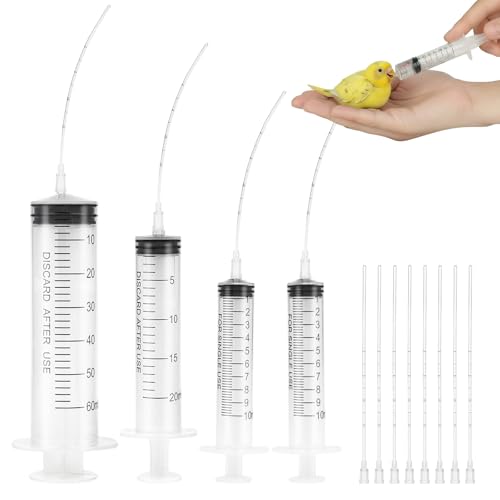
Package Includes: The set includes 2pcs of 10ml feeding syringes, 1pc of 20ml feeding syringe, 1pc of 60ml feeding syringe, and 8pcs of 6.33-inch flexible soft tubes, making it ideal for home pet care

SAFE AND EASY TO CLEAN - The pet feeding syringe is made of pp material and food silicone. It is safe, non-toxic, environmentally friendly, high temperature resistant, all parts can be completely disassembled, internal nooks and crannies can be thoroughly brushed and air-dried.
Hospitalization For GI Stasis
Hospitalization for GI stasis in rabbits can become costly quickly, but it’s often necessary when your pet’s digestive health becomes critically compromised. If your rabbit refuses to eat or produce stool for more than 12 hours, treat it as a medical emergency requiring immediate veterinary attention.
Seek out an experienced exotic veterinarian specializing in small mammals and rabbits for accurate diagnosis and effective treatment. During hospitalization, expect continuous monitoring of vital signs, a warm and quiet environment to reduce stress, and administration of IV fluids to address dehydration, which is frequently the most urgent concern.
Costs in the United States typically range from $800 to over $2,500 per hospitalization, with higher expenses possible if advanced diagnostics such as X-rays, bloodwork, or ultrasound are required.
Treatment plans may also include pain management with appropriate analgesics, assisted feeding via syringe or specialized tube to ensure nutritional intake, motility medications to stimulate gastrointestinal movement, and targeted therapies if underlying causes such as dental disease are identified. Investing in prompt and comprehensive hospitalization ensures your rabbit receives the critical care needed to recover and restore digestive health efficiently.
Typical Emergency Treatment Range
When a GI stasis emergency in your rabbit escalates, your costs can increase rapidly. This is primarily because your veterinary team must simultaneously stabilize your rabbit’s condition and diagnose the underlying cause of the gut blockage or slowing. If your rabbit hasn’t been eating or pooping for 12 hours, it should be treated as an urgent emergency.
Plan for an initial emergency examination fee ranging from $150 to $300, with additional after-hours charges typically between $75 and $200.
Comprehensive diagnostics, such as X-rays to identify obstructions or impactions, along with administration of fluids, pain management, and assisted feeding protocols, can bring the total cost for same-day intensive care to approximately $400–$900.
For cases requiring more advanced monitoring, repetitive treatments, or hospitalization, expect costs to range from roughly $900 to over $2,500, depending on the severity and complexity of your rabbit’s condition.
It’s highly recommended to request a detailed, written estimate from your veterinary provider before patient admission to ensure clarity and financial preparedness for urgent GI stasis interventions.
Prioritizing prompt and comprehensive treatment solutions helps ensure the best outcomes for your beloved rabbit, reducing long-term risks and promoting a quicker recovery.
Rabbit Spay and Neuter Pricing Options
Planning a spay or neuter procedure for your rabbit is one of the most effective ways to ensure their long-term health and well-being. The cost for this essential veterinary service typically depends on factors such as the rabbit’s sex, age, and the clinic’s level of exotic animal expertise.
Planning your rabbit’s spay or neuter is key to long-term health; costs vary by sex, age, and exotic care expertise.
For healthy rabbits, you can generally expect the total expense to range from $200 to $300.
Neuters for male rabbits are often more affordable, with prices commonly falling between $250 and $500. Female rabbit spays tend to be more costly, usually running from $350 to $700, reflecting the complexity of the procedure.
Higher-end, specialty, or metro-area veterinary practices may charge between $800 and $1,200 for comprehensive rabbit spay or neuter services.
Affordable or low-cost programs are available, with prices starting around $150 to $400. Rescue organizations may offer packages that range from $300 to over $900, providing accessible options for pet owners.
Choosing a rabbit-savvy exotic veterinarian ensures high-quality care, which is crucial for a successful surgery and recovery. Be sure to inquire about what’s included in the pricing, such as preoperative exams, anesthesia, pain management, and postoperative care, to make an informed decision that prioritizes your rabbit’s health.
Build a Yearly Rabbit Vet Budget for Risks
Once you’ve priced out spay or neuter procedures for your rabbit, it’s essential to build a comprehensive yearly rabbit vet budget that encompasses potential risks and emergency scenarios. This proactive financial planning ensures you’re prepared for unexpected health issues and ongoing wellness needs.
Set aside funds for at least one annual wellness exam, which typically costs between $50 and $100. For senior rabbits or those requiring specialized care, plan for additional veterinary visits every 6 to 12 months. These regular checkups help maintain your rabbit’s health and catch any early signs of illness.
In addition to routine care, allocate a contingency fund for emergencies. Urgent veterinary exams can range from $100 to $200, but total emergency bills often land between $300 and $900, and sometimes exceed $2,500 if extensive treatment is necessary.
If your rabbit stops eating or pooping for more than 12 hours, treat it as a veterinary emergency and contact a rabbit-savvy exotic pet veterinarian immediately to prevent deterioration.
For sick or urgent cases, diagnostic procedures such as x-rays are vital. Expect to pay in the range of $300 to $500 for comprehensive diagnostic workups that can identify underlying health issues.
Having a well-planned, budget-conscious approach for regular care, senior checkups, and potential emergencies ensures your rabbit receives prompt, high-quality veterinary attention, safeguarding their health and promoting longevity.
Lower Rabbit Vet Costs With Insurance and Prevention
Lower rabbit vet costs effectively by leveraging two key strategies: comprehensive insurance coverage and proactive prevention. Rabbit owners in the United States can typically expect to pay between $15 and $40 per month for specialized rabbit insurance policies, with rates often around $21. Choose plans that clearly outline deductibles and reimbursement structures, as diagnostic procedures such as dental X-rays, abdominal imaging, and emergency treatments can quickly become expensive.
For example, dental X-rays typically range from $150 to $300, while abdominal imaging procedures can cost between $200 and $500, emphasizing the importance of appropriate coverage.
Implementing proactive preventive measures can significantly reduce long-term veterinary expenses. Schedule regular wellness exams, budgeting approximately $80 to $150 per visit, and plan for an annual expenditure of $300 to $800 on routine health care.
These visits enable early detection and treatment of potential health issues, minimizing costly emergency interventions. Additionally, prioritize immediate action if your rabbit shows signs of health distress; if your pet stops eating or pooping for more than 12 hours, treat the situation as an emergency to prevent serious complications and costly treatments later.
Frequently Asked Questions
What’s a Typical Rabbit Vet Exam Fee in My Area?
Like a lantern finding safe harbor, budget approximately $90 to $130 for a comprehensive rabbit wellness exam at reputable exotic animal veterinary clinics. These clinics typically specialize in small mammal care, ensuring your rabbit receives expert attention.
For new patient consultations, expect prices in the $90 to $130 range, depending on the clinic’s location and expertise. Some urban or specialty clinics may charge closer to $150 due to advanced diagnostics or specialized services. Investing in a thorough wellness exam at a qualified exotic vet ensures your rabbit’s health and longevity, making it a valuable component of responsible pet ownership.
How Much Do Rabbit X-Rays Usually Cost?
Rabbit X-rays typically cost between $150 and $450 at specialized exotics clinics experienced in small mammal diagnostics. The average cost is often around $200 to $300, making it a reasonable investment in your rabbit’s health.
Additional expenses may apply if multiple imaging views are necessary for a comprehensive diagnosis, or if emergency sedation and anesthesia are required for critical cases. It is advisable to request a detailed cost estimate from your veterinarian before proceeding with the imaging procedure, ensuring transparency and aiding in your budget planning. Investing in high-quality radiographs can significantly improve diagnostic accuracy, leading to more effective treatment plans for your beloved rabbit.
If My Rabbit Stops Eating, When Is It a True Emergency?
When your rabbit stops eating, it’s crucial to act quickly, as this lack of appetite, often referred to as “hunger silence,” can lead to severe health complications or even be life-threatening. A rabbit that refuses to eat, especially if accompanied by the absence of bowel movements (poop) for approximately 12 hours, should be treated as an urgent medical emergency.
timeliness matters, so contact a rabbit-specialized exotic veterinarian immediately. Prompt veterinary intervention can prevent gastrointestinal stasis, a common and dangerous condition in rabbits, and ensure your pet receives the necessary diagnostics and treatments to restore their health. Remember, early action is key to safeguarding your rabbit’s well-being and preventing potentially fatal outcomes.
Do Rabbit Vets Offer After-Hours Emergency Triage or Hospital Referrals?
Yes, rabbit-savvy and exotic animal veterinarians often provide after-hours emergency triage services by phone, allowing pet owners to promptly assess the urgency of their bunny’s condition. These specialized veterinarians can quickly refer you to 24/7 rabbit-capable emergency hospitals, ensuring your rabbit receives immediate and expert care when it matters most.
If your rabbit stops eating or does not produce stool for 12 hours, treat this as a critical emergency. Immediate professional intervention can prevent serious complications or fatalities. Rely on experienced exotic vets and designated emergency facilities to deliver the rapid response and specialized treatment your rabbit needs for optimal health and recovery.
Which Rabbit-Exotics Credentials Should I Look for Before Booking?
Look for veterinarians who routinely treat rabbits and hold specialized certifications such as ABVP (Exotic Companion Mammal) and/or ACZM/ECZM in small mammals. Many rabbit-savvy clinics proudly display these credentials publicly, making it easier for you to identify qualified professionals.
Verify the credentials through the ABVP directories before booking an appointment. Ensuring your rabbit receives care from a veterinarian with the right expertise is essential for their health and well-being. Choosing a knowledgeable, credentialed exotic mammal specialist guarantees quality at every stage of your rabbit’s health management.