You can keep an elderly rabbit comfortable by doing a daily check of hay, water, and droppings, since changes show up fast. Provide unlimited, mold-free grass hay such as timothy or orchard grass, and refill fresh water at least once daily. Weigh your rabbit weekly or every 2 to 4 weeks to keep a body condition score around 3 out of 5, and keep pellets about 5 to 10 percent of the diet.
Use a single-level setup with grippy floors and a low litter box. Additionally, groom your rabbit gently and trim its nails regularly. Keep vet visits on schedule to ensure your elderly rabbit’s health is well maintained.
Swift Summary
- Feed unlimited, mold-free timothy/grass hay daily, plus measured senior pellets and leafy greens for stable digestion and dental health.
- Weigh your senior every 2–4 weeks and keep body condition score around 3; contact a vet for sudden weight loss or gain.
- Provide fresh water daily and monitor droppings daily for changes in quantity, shape, or consistency indicating GI issues.
- Maintain easy-access litter with low-entry, non-slip surfaces and daily spot cleaning to prevent stress, slipping, and odor buildup.
- Offer gentle grooming, nail trims, and joint-friendly comfort; watch for reduced mobility, appetite changes, and vet signs.
Senior Rabbit Daily Checklist: Food, Litter, Grooming
Start every day with a quick check of three essential factors—quality food, clean water, and proper potty area—because in a senior rabbit, even small changes can indicate health issues quickly.
Start each day by checking quality food, clean water, and the potty area—small changes can signal health issues fast in seniors.
Ensure the rabbit has access to unlimited fresh, high-quality grass hay that’s mold-free and free of dust, as this promotes digestive health and prevents dental problems. Timothy and orchard grass hays are popular choices because they supply long-stem fiber that wears down teeth and keeps the gut moving.
Confirm you see abundant, firm, and round droppings, which are key indicators of a well-balanced diet and overall well-being for elderly rabbits.
Next, refill fresh, clean water in a heavy, tip-resistant bowl at least once daily to maintain hydration.
Proper hydration supports kidney function and prevents urinary tract issues common in senior rabbits.
Tackle the litter area by using a low-entry litter box with a non-slip surface to facilitate easy access and prevent slipping or injury.
Use pet-safe, paper-based litter that absorbs moisture, and perform spot cleaning daily to maintain a hygienic environment that discourages bacteria and odor buildup.
Finally, grooming routines are vital for senior rabbits.
Gently brush their fur to prevent matting, check their skin for signs of infections or lesions, and trim their nails to avoid discomfort or accidental injuries.
Provide a comfortable, soft resting spot that supports joints and prevents pressure sores.
If you’re planning to adopt an elderly rabbit, inquire specifically about their unique care needs and nutritional requirements.
Regularly monitor their weight, and consider transitioning to senior-specific rabbit food to support their aging process and maintain optimal health.
Also, make sure pellets are plain and high-fiber (at least 18% fiber) and use them in the correct amount for an adult based on body weight.

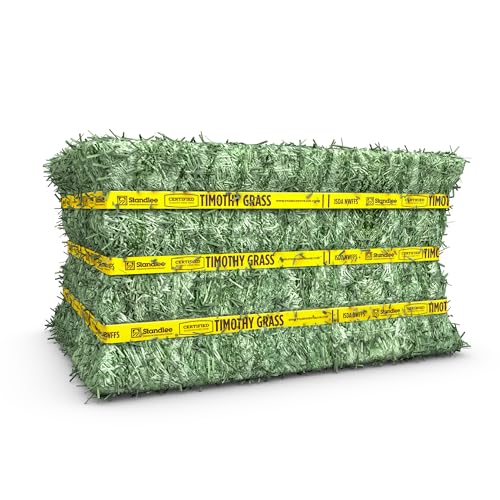
8% Protein - Ideal for horses that require a moderate protein diet, such as those in light to moderate work or those on a maintenance diet

A naturally grown blend of timothy, orchard, and alfalfa hay provides a variety of textures and flavors for added enrichment
When Does a Rabbit Become a Senior Rabbit?
You’ll usually start thinking of your rabbit as a “senior” around 5 to 8 years old, with many reputable sources identifying the transition point at approximately 7+ years for standard-sized pet rabbits. Recognizing when your rabbit enters its senior years is essential for tailoring proper care, diet, and environment adjustments to ensure their continued comfort and health.
The age at which a rabbit is considered a senior varies depending on breed size and genetics. Larger breeds, including giant and extra-large rabbits such as Flemish Giants, typically exhibit senior characteristics as early as 4 to 5 years, displaying signs like decreased activity and slower movement.
In contrast, dwarf and mini breeds—such as Netherland Digs, Mini Rex, and dwarf lops—may not reach their senior status until they’re closer to 7 to 10 years of age.
Indoor rabbits benefiting from consistent climate control, regular veterinary care, and optimal nutrition, commonly live between 8 and 12 years. For these companions, the senior years generally begin in the latter half of their lifespan, usually around 7 to 10 years.
During this stage, watch for common age-related changes such as reduced mobility, increased resting time, and shifts in appetite or weight, which can all signal the need for adjustments in your pet’s healthcare plan.
Proactively managing these signs and understanding your rabbit’s specific breed attributes allows you to provide tailored, high-quality solutions that enhance quality of life in their senior years.
Regular veterinary check-ups, diet modifications, and environment enrichment are key components in supporting your rabbit through healthy aging.

Chew proof waterer or feeder featuring wide profiles that lend stability

Fun shaped food bowl or water dish with fresh from the garden design

SPOT Standard Crock Dish Small and Mini Animal Bowls are perfect for your pet's food and water with the ideal combo of style and function.
Top Geriatric Rabbit Health Problems to Know
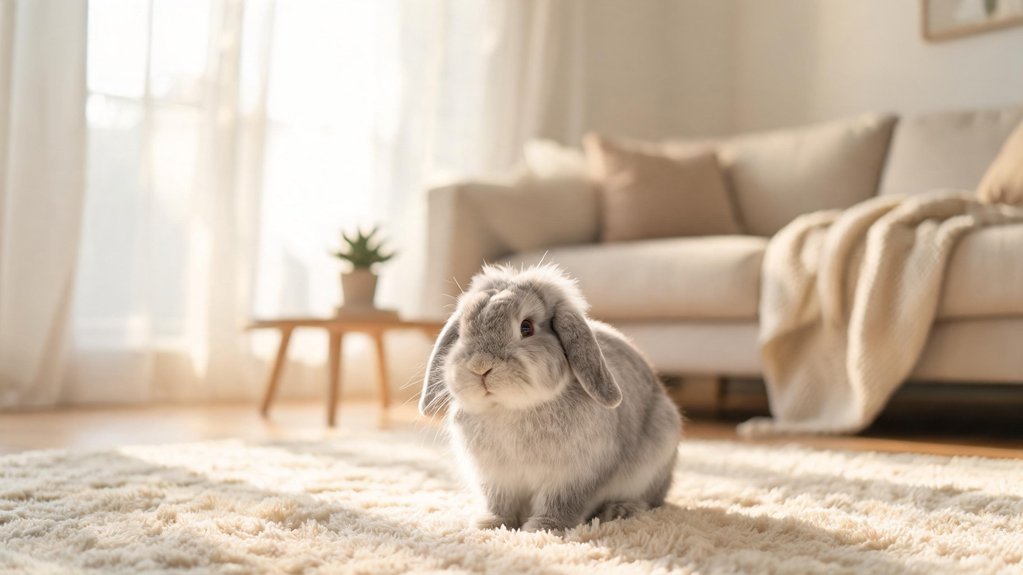
Next, monitor closely for dental disease and malocclusion, common health issues in aging rabbits that can significantly impact their quality of life. Watch for signs such as decreased eating activity, noticeable weight loss, excessive drooling, and messy facial fur, which indicate oral discomfort. Early detection is crucial because painful mouth conditions, often mistaken as normal aging, can lead to serious complications like abscess formation and sluggish gut motility, posing a risk to your rabbit’s overall health.
Don’t overlook the health risks for intact female rabbits, as they’re more susceptible to developing uterine cancer with age. Regular veterinary check-ups and preventive care can help identify these problems early, enabling prompt and effective treatment options. Investing in comprehensive healthcare solutions and dedicated consultations with rabbit-savvy veterinarians can ensure your senior rabbit maintains optimal health as they age gracefully.
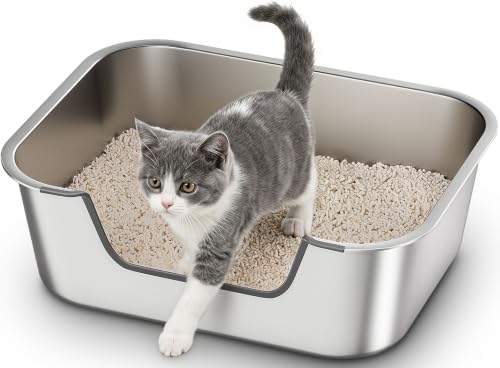
Thoughtful 3.15in Low Entry Design – Each litter box features a 3.15" low front entry, making it easy for kittens, senior cats, or injured pets to step in and out with confidence. High sides still provide excellent splash protection, combining care and practicality

Extra Large Cat itter Box: 23.6"×15.7" spacious design allows easy turning. 7.9" high walls prevent urine leakage (ideal for high-peeing adult cats) and litter scattering. Perfect for big cats, multi-cat homes, bunnies, hamsters and small animals

HIGH QUALITY MATERIAL - This low entry senior cat litter box is made of high-quality plastic with good durability and long-lasting performance. The sturdy structure ensure that it can be reused without damage.The large size pet low entry open top litter box for senior kitten does not leave any unpleasant odor and it is not easily broken.
Senior Rabbit Vet Visits: What to Ask for
After you’ve been monitoring your senior rabbit for common geriatric health issues such as dental pain, unexplained weight changes, and mobility problems, it’s essential to take proactive steps by scheduling a comprehensive veterinary evaluation.
Regular biannual wellness exams should start around age five, with increased frequency if your bunny shows signs of frailty or health concerns.
During each veterinary visit, ensure a thorough physical examination, including a detailed dental mouth check to identify early signs of dental disease, along with precise measurements of weight, body condition score, and muscle tone.
Request the development of a tailored mobility and pain management plan to address aging-related issues and improve your bunny’s comfort and quality of life.
Ask your veterinarian for targeted diagnostic tests if necessary, such as X-rays to assess bone and joint health or urinalysis to detect urinary tract issues.
Additionally, clarify recheck schedules, home care strategies, and emergency protocols to ensure you’re fully prepared to maintain your rabbit’s health.
Implementing these steps with your vet’s guidance provides targeted, effective solutions to enhance your senior rabbit’s well-being throughout their golden years.
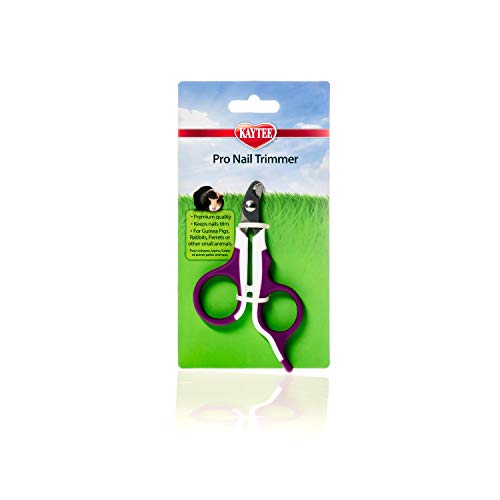

🐶【PERFECT DESIGN】High Quality Stainless Steal blade Cat & Kitten and easy for cut which is Small, lightweight claw clippers ideal for cats, kittens and other small animals.

🐶【PERFECT DESIGN】High Quality Stainless Steal blade Cat & Kitten and easy for cut which is Small, lightweight claw clippers ideal for cats, kittens and other small animals.
Run Bloodwork: Track Organ Function Over Time
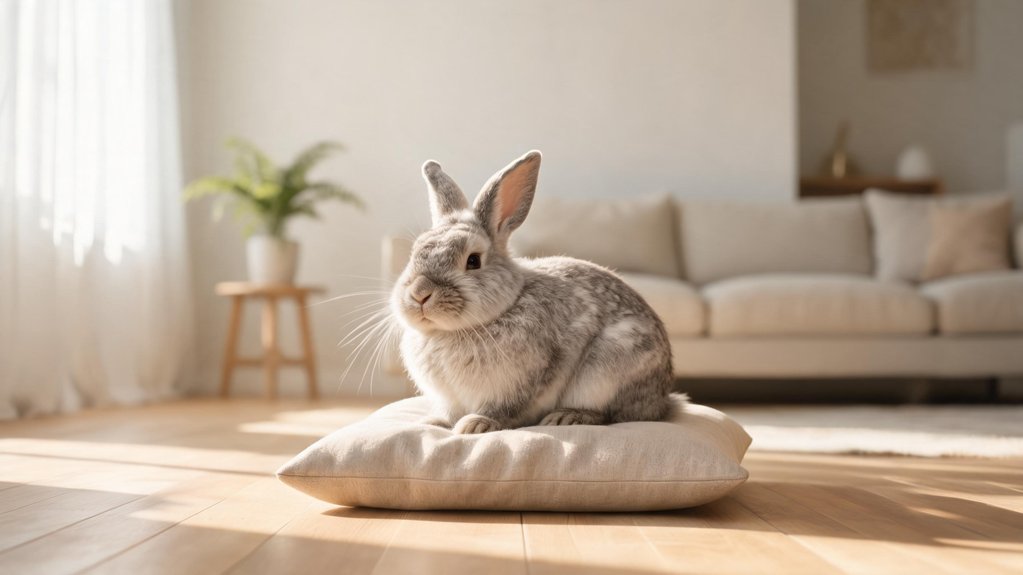
Along with monitoring your senior rabbit’s weight and mobility, it’s essential to run regular bloodwork to track vital organ function over time.
For rabbits aged 3 to 5 years, obtaining a comprehensive baseline complete blood count (CBC) and biochemistry panel is crucial to establish what’s considered “normal” for your specific bunny.
As your rabbit ages, particularly past 5 years, schedule wellness blood tests every 6 to 12 months.
If your rabbit remains healthy, aiming for biannual testing helps catch early signs of decline.
Comparing new results to the initial baseline allows you to identify subtle changes that may indicate early kidney or liver issues before symptoms manifest.
Regular bloodwork includes trending CBC data, which helps identify anemia or infections, as well as biochemistry parameters such as ALT, AST, bile acids, and creatinine.
Additionally, analyzing protein levels and electrolyte balance provides a comprehensive picture of your rabbit’s overall organ health.
Prioritize these tests as part of your preventive care plan to proactively maintain your rabbit’s health and catch potential issues early.

ODOR CONTROL for long-lasting freshness, Kaytee Clean & Cozy can be used with any type of habitat for a fresh animal home


Cozy And Warm Design: Unlike Other Rabbit Bed, Amremsu bunny bed for rabbits Huts Are Not Only Increased In Length And Width, But Also Thickened With Cotton To Ensure The Comfort Of The Rabbit Huts To A Great Extent Amremsu Rabbit Bed Is Filled With High-Quality, On 2 Sides Thick Cotton, The Middle Is Also Thickened With Cotton Padding To Create A Fluffy And Comfortable Pillow That Gives Your Rabbit The Feeling Of Being Wrapped In Your Embrace And Feeling Safe And Comfortable.
Adjust Senior Rabbit Diet to Keep Weight Stable
Keeping your senior rabbit’s weight stable begins with essential, easy-to-track weekly monitoring. Use precise, reliable scales to weigh your rabbit regularly, and aim to achieve a body condition score of 3 on a standardized 5-point Rabbit Size-O-Meter, which ensures optimal health.
Monitoring the weight trend over time is critical; if you notice a sudden drop or increase in weight, immediately consult your veterinarian for tailored guidance and intervention.
Adjust your rabbit’s diet gradually by fine-tuning pellet portions based on these observations. As a starting point, provide approximately one tablespoon of high-quality concentrated pellets per kilogram of your rabbit’s body weight daily, and then refine this amount in accordance with a dedicated senior pellet feeding table designed for lower activity levels.
Transition your rabbit to senior-specific pellets to accommodate decreased activity, ensuring the diet supports joint health and digestion. If your rabbit is frail or experiencing weight loss, increase pellet portions and consider softening them to aid consumption and digestion.
Conversely, if your senior rabbit is overweight, reduce pellet intake, emphasizing increased hay consumption to promote natural foraging and dental health.
Consistently maintaining this balance, paired with regular veterinary checkups, ensures your senior rabbit remains healthy, comfortable, and active through proper nutritional management tailored specifically for aging rabbits.
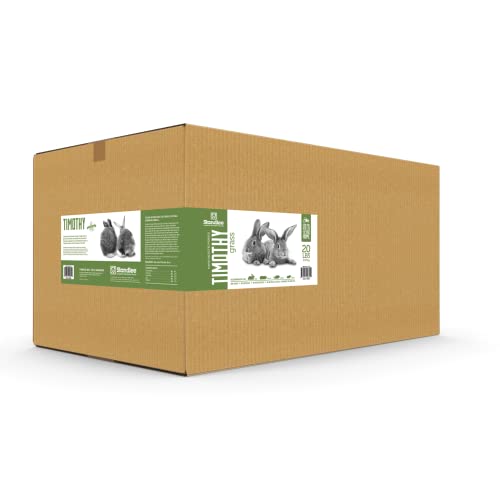

Includes Our Top 4 Best Selling Hay; 2Nd Cutting, 3Rd Cutting, Orchard And Oat

High-Fiber, Low-Calcium Daily Hay: Naturally rich in long-strand fiber and low in calcium, supporting digestive health, balanced bladder function, and overall wellness for adult rabbits and small pets.
Hay, Greens, and Pellets: Exact Senior Ratios
To keep your elderly rabbit comfortable, healthy, and stable, maintaining the right balance of hay, greens, and pellets every single day is essential. Offering unlimited high-quality grass hay, such as timothy, meadow, orchard, or oat hay, should comprise approximately 70–80% of their daily intake. This ensures optimal digestion, dental health, and overall well-being for senior rabbits.
In addition, leafy greens should make up about 15% of their total diet. Follow a simple and effective feeding guideline: serve 1 cup of fresh vegetables for every 2 pounds of the rabbit’s body weight daily, or a minimum of 2 cups chopped per 6 pounds. This provides essential vitamins, minerals, and hydration vital for aging rabbits.
To regulate overall caloric intake, measure pellets carefully to constitute just 5–10% of the daily diet. Begin with approximately 1/4 cup of pellets for every 5 pounds of body weight. Consistently sticking to this balanced, measurable routine is key to managing your senior rabbit’s nutritional needs and promoting a long, healthy life.
Our tailored feeding solutions help you ensure your elderly rabbit receives the ideal nutrient distribution daily, supporting their comfort, stability, and vitality.

Chew proof waterer or feeder featuring wide profiles that lend stability

Pet Food Water Dispenser Set:This Gravity Water Feeder Bowl set is a two-in-one design, one bowl for food and the other for water, it will be perfect for our pets' daily feeding needs. The rabbit water dispenser is in the shape of a cute grizzly bear with little ears on the bottom and is a lovely addition to the owner's home to bring good cheer to you and your pet

MAKE IT UNIQUELY YOURS – Create a bowl that’s uniquely yours. Personalize with your pet’s name or a special message, and choose from a variety of design options to match your style and your pet’s personality.
How to Help an Underweight Senior Rabbit Gain
If your senior rabbit appears thin or you can feel excessive bone prominence when gently running your hand over their body, don’t simply assume this is normal part of aging. Instead, recognize underweight status as a critical health indicator that requires immediate attention. Schedule a comprehensive veterinary examination focused on key health issues such as dental health, renal function, and gastrointestinal health to identify underlying causes.
Utilize a standardized body condition scoring system, where a score of 1–2 indicates thinness and 3 represents an ideal weight. Regularly weigh your rabbit every 2 to 4 weeks, tracking progress and adjusting care strategies accordingly until the desired weight is achieved.
Maintain unlimited access to high-quality Timothy hay to promote optimal gut motility and prevent gastrointestinal stasis, a common concern in underweight rabbits.
Gradually increase measured portions of nutrient-dense rabbit pellets, aiming toward the upper end of the recommended weight range. Incorporate calorie-rich Timothy pellets into the diet while implementing these dietary changes slowly over several weeks.
Minimize stress by creating a calm and secure environment, which supports healthy eating and weight gain. Ensure all food and water sources are easily accessible to encourage consistent intake, ultimately improving your senior rabbit’s health and vitality.

OPEN TOP STYLE: Just as we love fresh air and open spaces, your cat doesn't like enclosed spaces any more. An open top litter box gives your beloved cat open space that can reduce the anxiety of enclosed spaces. At the same time, the open top litter box is easy for your cat to get in and out

Thoughtful 3.15in Low Entry Design – Each litter box features a 3.15" low front entry, making it easy for kittens, senior cats, or injured pets to step in and out with confidence. High sides still provide excellent splash protection, combining care and practicality

Space: 17.32"L x13.39"W x7.87"H medium stainless steel litter box, spacious for kittens and senior cats. Equipped with high sides and low entry, this litter box effectively holds litter, urine and waste to prevent scattering, keeping floors clean
Prevent Obesity When a Senior Rabbit Slows Down
Preventing obesity in senior rabbits requires a strategic approach focused on dietary management tailored to their changing activity levels and metabolic needs. As your elderly rabbit naturally slows down and burns fewer calories, a key step is maintaining a diet that emphasizes high-quality, high-fiber forage such as unlimited timothy or meadow hay, which should comprise approximately 80% of their daily intake. Providing consistent access to fresh, nutrient-rich hay helps promote healthy digestion and prevents obesity, while supporting dental health.
Measure plain, high-fiber pellet supplements carefully—about one tablespoon per kilogram of your rabbit’s ideal body weight for neutered adults—and reduce your rabbit’s portion size if they’re overweight. For added health benefits, opt for senior rabbit pellet formulas if available, as these are enriched with nutrients suited for aging rabbits. Avoid feeding alfalfa or other calcium-rich, higher-calorie hays to prevent excess weight gain in senior rabbits. Implement any dietary changes gradually over several weeks to allow your rabbit’s digestive system to adjust smoothly.
In addition to hay and pellets, offer one adult handful of fresh leafy greens daily, such as romaine lettuce, kale, or parsley, and increase greens if pellet intake decreases. Limit treats to once weekly, choosing healthy, low-calorie options—avoid colorful, seed-filled, or processed treats like barley rings to prevent unnecessary weight gain. This comprehensive, solution-focused dietary plan ensures your senior rabbit maintains optimal weight, promotes overall health, and helps prevent obesity as they age.

PREMIUM QUALITY – Made with thick, durable stainless steel blades that stay sharp for years. Each clipper undergoes strict quality control to ensure durability—no loose parts or breakage, making it one of the most reliable professional cat nail clippers available.

Vet & Groomer Recommended Professional Design: Preferred by veterinarians, trainers and groomers, these clippers deliver fast, safe and precise trimming for medium and large dogs, ideal for at-home daily grooming.
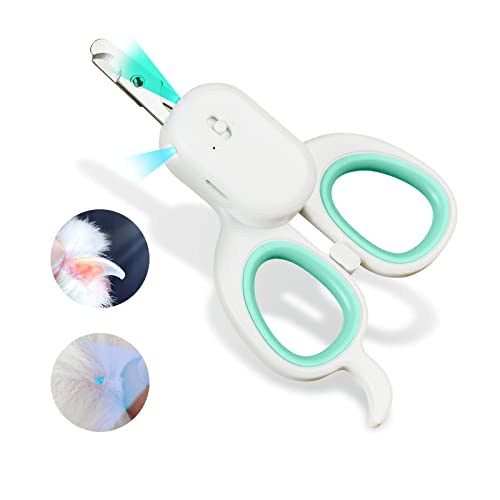
Bright LED Light: Equipped with LED light at the end of this unique cat nail clipper. The light illuminates your pet's nails, allowing you to quickly and easily find where to cut, preventing damage to the blood vessels on your pet's nails
Senior Rabbit Housing: Non-Slip, Soft Flooring
After you’ve tackled weight control as your rabbit slows down, it’s time to make their living space safer and more comfortable for aging joints and fragile feet. Begin by selecting high-quality, non-slip flooring materials to reduce the risk of slips and falls. Smooth hardwood, shiny tile, laminate surfaces, and bare plastic flooring can cause older rabbits to slide, increasing the chance of sprains or injuries.
To create a secure environment, cover main pathways—such as areas designated for resting, eating, and toileting—with full-room, premium grippy mats designed specifically for pet safety. These mats provide essential traction, preventing slips on slick surfaces and ensuring your rabbit can move freely without risk.
Next, enhance comfort with soft, cushioned flooring options to alleviate pressure on your rabbit’s feet. Hard surfaces like tile or laminate can cause sore hocks and foot soreness over time.
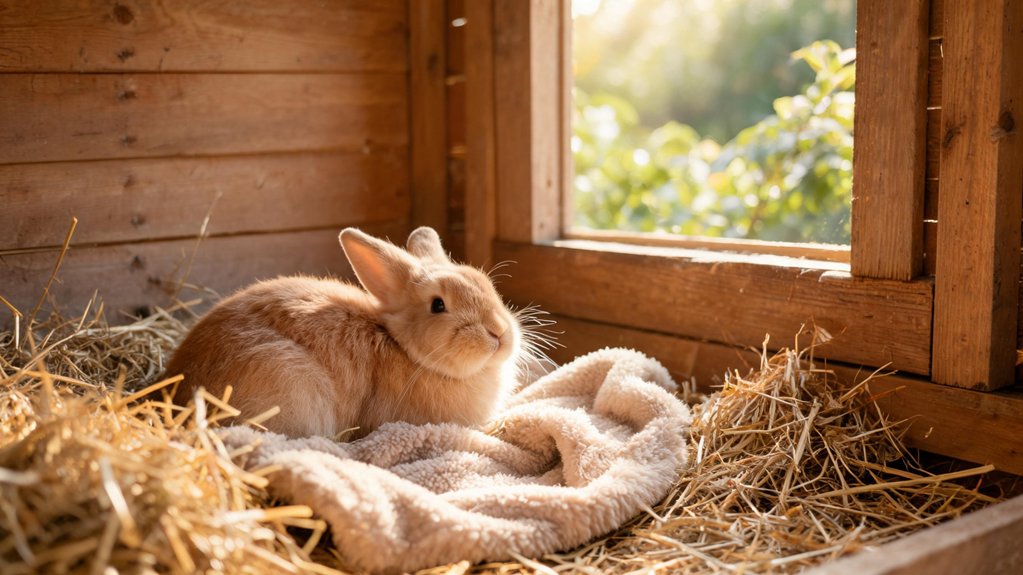
Use veterinarian-recommended bedding materials such as soft vetbed, deep paper bedding, or absorbent fleece layered under blankets. These solutions not only offer plush comfort but also absorb moisture, maintaining a hygienic environment.
Ensure all rugs and mats are securely fixed flat to the floor, preventing movement that could lead to accidental nail snags or trips.
Creating a stable, cushioned habitat optimizes your senior rabbit’s mobility, minimizes discomfort, and promotes a healthier, happier aging process.

ODOR CONTROL for long-lasting freshness. Kaytee Clean & Cozy can be used with any type of habitat for a fresh animal home

Ultra Soft Flannel Sided: Crafted from high-grade flannel, our rabbit bed is soft and skin friendly, no shedding, protecting your bunny's delicate skin from annoying irritation. Featuring plush covers, the pillow offers a warm and comfort spot for your pets, perfect for rest and relax.

VET-FORMULATED JOINT SUPPORT FOR SMALL PETS: Advanced joint supplement used to support cartilage health, mobility, and comfort with glucosamine, turmeric, yucca, and ginger root for rabbits, guinea pigs, chinchillas, and small animals.
Set Up Food, Water, and Litter at Ground Level
To provide optimal care for a senior rabbit, establish all essential items—food, water, and litter—at ground level, precisely where they rest and hide. This targeted setup minimizes physical strain, which is especially beneficial for rabbits with mobility issues, arthritis, or reduced strength.
Implement a single-level habitat by removing ramps and elevated platforms, ensuring that all necessary items are within easy reach—just a few steps away. Use floor-level bowls or shallow dishes for pellets, fresh vegetables, and hay, facilitating effortless access without the need to navigate ramps.
For hay, consider a hay pile on the ground or a dedicated floor rack to encourage natural eating behavior.
Select wide, low, and stable water bowls made of heavy ceramic or similar sturdy material, positioned to prevent tipping and spillage.
For litter, opt for low-sided trays that are approximately 4 to 6 inches high, making it easy for your senior rabbit to enter and exit comfortably. Alternatively, place litter in a dog bed with a cut-out front for easy access.
This ground-level setup not only enhances comfort and safety for your senior rabbit but also supports their natural behaviors while reducing stress and potential injury. By investing in a focused, accessible habitat configuration, you ensure your senior rabbit receives the dedicated care needed for a healthy, happy life.
Arthritis Support: Handling Tips That Reduce Pain
When handling an arthritic rabbit, it’s essential to keep the animal calm and well-supported, particularly under the chest and pelvis regions. Proper lifting techniques that ensure the spine and hips remain steady will help minimize discomfort and prevent injury.
Using soft, nonslip surfaces such as rubber mats or plush rugs is highly recommended to provide secure footing and reduce the risk of skidding, jumping, or twisting, which can exacerbate painful joint conditions.
Additionally, preparing the rabbit for movement by applying a gentle, warm heat pack—around 5 minutes before handling—can help loosen stiff joints and improve comfort.
Always follow your veterinarian’s specific arthritis management plan, including prescribed medication schedules and regular veterinary checkups. Some owners also explore joint supplements for rabbits that are designed to support mobility and joint comfort, but these should only be added after discussing them with your veterinarian.
These proactive measures can significantly enhance your rabbit’s quality of life by reducing pain and promoting joint health.
Gentle Handling To Limit Pain
Gentle handling is crucial for caring for a senior rabbit with arthritis, as stiff joints and a fragile spine are vulnerable to sudden twisting or excessive struggles. To effectively minimize pain and discomfort, always support their hindquarters and chest, lift them close to your torso to prevent flailing, and ensure all paws are securely braced against your body.
Handling your elderly rabbit in a quiet, low-noise environment further reduces stress, while using two hands—one to steady the forelimbs and the other to secure the hind paws—ensures a secure and gentle lift.
For optimal comfort, keep handling sessions brief, ideally just a few minutes, followed by a rest period of 1–2 minutes to prevent overstimulation.
Before lifting, gently massage stiff muscles to promote circulation and relax the joints, and apply a warm, not hot, heat pack for about 5 minutes to soothe inflammation and stiffness.
Incorporate ramps into your living space to facilitate easy access and avoid jumps, which can cause unnecessary pain or injury.
Following these tailored handling strategies ensures your senior rabbit experiences less pain, promoting improved mobility and overall quality of life.
Nonslip Soft Surfaces Support
Non-slip floors significantly improve mobility and safety for elderly rabbits suffering from arthritis. Providing textured traction surfaces helps maintain proper joint alignment, reducing strain and preventing slips that could cause painful injuries. Cover slick hardwood, tile, and laminate flooring with durable rugs, plush carpets, yoga mats, foam tiles, or high-quality non-slip bath mats, especially along their most frequented paths to ensure secure footing.
Enhance safety further by adding grippy rubber matting or coarse fabric overlays to ramps and elevated platforms. This enhances traction on inclines, making movement feel safer and more stable for aging rabbits with weakened joints. Meanwhile, incorporating soft, cushioned bedding options like thick fleece blankets or memory foam inserts under fleece provides additional joint support and comfort. Combine these with dry hay or paper bedding in resting and nesting areas to encourage restful sleep and reduce joint pain.
Regularly replace bedding weekly to maintain a clean, dry environment that minimizes discomfort and infection risks. Keep essentials such as litter boxes, hay supplies, and water bottles within close reach of their usual resting and feeding areas. This strategic placement minimizes the need for strenuous movement, helping your elderly rabbit stay comfortable, safe, and healthy. Prioritize these safety and comfort solutions with high-quality materials and thoughtful layout adjustments to support your rabbit’s mobility and overall well-being.
Medication And Vet Checkups
For an elderly rabbit suffering from arthritis, medication management and regular veterinary checkups are essential for enhancing comfort, mobility, and overall quality of life.
Scheduling comprehensive exams with a rabbit-savvy veterinarian at least every six months ensures timely assessment and intervention, with more frequent visits if you notice signs of pain, such as decreased hopping, reluctance to move, or discomfort during grooming or litter box activity.
During each veterinary visit, specifically request pain evaluation through detailed observation of posture, gait, grooming habits, and litter box use.
If necessary, your veterinarian may prescribe an effective NSAID, commonly meloxicam, formulated to ease osteoarthritis pain in rabbits.
Always adhere strictly to the prescribed dosing instructions, which may involve administering medication once or twice weekly, and avoid using any human painkillers or leftover medications that could be harmful.
In cases where anxiety or pain exacerbates, consult your veterinarian about safe sedation options to reduce stress during treatment and improve the efficacy of pain management.
Implementing these proactive, solution-focused measures ensures your elderly rabbit receives tailored care that maximizes comfort and promotes sustained mobility, offering a healthier, happier life.
Mobility and Litter Access: Prevent Slips and Falls
And when you notice your senior rabbit hesitating on smooth, polished floors, enhance their safety by adding nonslip, soft flooring in the areas they frequent most. Consider placing a durable, rubber-backed mat along their favorite path to provide secure footing, and use towels or vet bedding with non-slip backing near the litter box to prevent slips and falls during routine activities.
Next, replace traditional high-entry litter trays with low-entry models featuring a gentle, one-inch (about 2–3 cm) low step. This design encourages easy stepping rather than hopping, ensuring your senior rabbit keeps all four paws securely inside the box and reduces the risk of edge slips. To further facilitate safe movement, position hay racks, water bottles, and litter boxes close together, allowing your rabbit to access essential items with a short, confident walk instead of stretching or jumping.
Implementing these safety-focused modifications promotes mobility, prevents slip-related injuries, and enhances your senior rabbit’s overall comfort and independence in their daily environment.
Nonslip Soft Flooring Surfaces
When your senior rabbit ages, every slight slip can undermine their confidence, which is why investing in high-quality, nonslip soft flooring surfaces is essential for maintaining their mobility and safety. Start by creating a solid, dry base—avoid bare hardwood, laminate, tile, or smooth plastic flooring that can be hazardous to your pet’s footing. Instead, enhance the safety with low-pile, washable rugs or yoga mats strategically placed on main walkways to ensure reliable traction and grip.
In busy or high-traffic areas, incorporate natural rubber mats or textured EVA foam mats designed specifically for pet safety to prevent slips and falls, while providing joint cushioning.
Placing fleece or vet bedding over non-slip underlays not only boosts comfort but also offers additional grip and support for your aging rabbit’s joints.
Maintain a continuous, non-slip pathway connecting resting zones, feeding areas, and litter stations to promote confident navigation and reduce the risk of accidents.
Ensure grippy mats are positioned directly in front of the litter box, allowing your rabbit to pivot comfortably and safely without slipping.
When selecting mats, prioritize those that balance comfort, grip, and safety for resting spots, play areas, and traction around the enclosure.
Low Entry Litter Trays
Low entry litter trays are essential for ensuring safety and comfort for senior rabbits with mobility challenges. These specially designed trays facilitate easier access for rabbits suffering from arthritis, weak hind legs, or joint stiffness, thereby promoting hygienic habits and reducing stress during litter box use.
To maximize benefits, keep the entry step minimal. Standard litter boxes often have 4–6 inch raised sides, which can be difficult for aging or physically compromised rabbits. Instead, modify the tray by creating a U-shaped doorway or a front opening that lowers the entry height to approximately 1–2 inches. This adjustment allows your rabbit to step in comfortably instead of hopping, minimizing pain and risk of injury.
Choose a spacious tray that provides enough room for your rabbit to enter, turn around, and lie down naturally, ensuring comfort and ease of movement. For DIY solutions, smooth any sharp edges on the cut or modified areas using melted plastic or duct tape to prevent cuts or injuries.
Place the modified litter tray at floor level along with hay, fresh water, and other essentials in their favorite corner of the enclosure or home.
Implementing these low entry litter tray solutions not only reduces slips and falls but also encourages consistent litter box use, leading to improved hygiene and well-being for your senior rabbit. Investing in easily accessible, safe, and comfortable litter box options is a proactive step towards enhancing the quality of life for aging or mobility-impaired rabbits.
Reduce Jumping And Reaching
To ensure the safety of your older rabbit, it’s essential to minimize jumping, stretching, and reaching movements, as even a minor slip can lead to a painful fall and injuries. Implement high-quality, non-slip rugs or rubber-backed mats over tile or laminate flooring to provide secure footing; these surfaces improve paw grip and prevent slipping, creating a safer environment.
Create a continuous traction pathway that guides your rabbit from resting areas to feeding and toileting zones, eliminating slick gaps that could cause slips or missteps.
Consider switching to ground-level enclosures instead of multi-level cages, and avoid using upper ramps whenever possible, as they pose a risk for falls. When ramps are necessary, choose shallow designs with an angle of approximately 20–30 degrees, textured surfaces for better grip, and raised sides to prevent slipping.
These safety modifications, focused on slip prevention and environment optimization, are essential in protecting your senior rabbit from accidents, ensuring their comfort, and promoting their overall well-being. Use these practical, easy-to-implement solutions today to create a safe, secure living space that caters to your pet’s mobility and health needs.
Nails, Feet, and Hocks: What to Check Weekly
Each week, dedicate a minute to thoroughly examine your senior rabbit’s paws, focusing on the nails, the fur and skin on the bottoms of the feet, and the hocks, which are the bony “ankle” bumps located on the back legs.
Start with inspecting the nails for overgrowth, splits, or snagging on bedding material. Regular trimming, approximately every 4 to 6 weeks, is essential, but use your weekly checks to determine if more frequent attention is necessary to prevent discomfort.
Always compare all four paws to identify uneven nail wear, which could indicate reduced activity levels or joint pain affecting mobility.
Next, carefully examine the underside of your rabbit’s feet. Look for thinning fur, shiny or thickened skin, cracks, scabs, or signs of urine and feces staining that could lead to infections or irritation.
This detailed inspection helps in early detection of underlying health issues that, if addressed promptly, can improve your rabbit’s comfort and longevity.
Finally, focus on inspecting the hocks for potential health concerns. Check for swelling, hair loss, warmth, sores, or signs of limping, all of which can signal underlying conditions like hock sores or infections.
If you notice any sores or abnormal swelling, contact your veterinarian immediately to ensure proper treatment and prevent further complications.
Regular, detailed checks enable you to maintain your rabbit’s overall well-being, prevent discomfort, and ensure a happy, healthy life for your cherished pet.
Grooming Help: Cleaning and Comfort for Seniors
Make grooming a consistent part of your senior rabbit care routine, as aging rabbits may struggle to clean themselves effectively, leading to discomfort and health issues. Utilize a soft-bristle brush designed for small animals, and spend a few minutes gently brushing your rabbit on a stable, non-slip surface to prevent slips and injuries.
During grooming, perform quick visual inspections for loose fur mats, skin irritation, redness, or signs of underlying health concerns, ensuring early detection and prompt treatment.
When cleaning your senior rabbit’s rear end, use a damp, lukewarm cloth to spot-clean any soiled areas carefully, then thoroughly dry the area to prevent moisture buildup and skin infections.
Meanwhile, take the opportunity to check your rabbit’s nails and feet—addressing any issues promptly can prevent painful conditions such as overgrown nails or foot sores.
Incorporating these grooming steps into your daily routine can greatly enhance your senior rabbit’s comfort and overall health. For effective grooming solutions, consider professional grooming tools and consult your veterinarian for personalized advice tailored to your rabbit’s specific needs.
Gentle Daily Fur Cleaning
Daily grooming is one of the most compassionate and effective methods to maintain a senior rabbit’s health and comfort. Regular brushing with soft-bristled brushes or gentle rubber grooming tools is essential, as aging rabbits experience more fragile skin and limited mobility, making it harder for them to reach certain areas. Following the natural direction of their fur during each session helps prevent matting and reduces discomfort.
Conduct these grooming sessions on a stable, non-slip surface to ensure safety and comfort for your senior rabbit. Keep each session calm and brief, ideally lasting around 3 to 5 minutes, to prevent stress and fatigue.
Daily inspections of the rear and underside are crucial; wipe away any buildup or debris with a damp, soft cloth while gently supporting their body to avoid discomfort.
For areas with soiled or sticky spots, use pet-safe wipes formulated specifically for small animals to ensure gentle cleaning without irritation.
For dry grime or stubborn dirt, applying a light dusting of veterinarian-approved baby cornstarch can help loosen the debris.
Use a fine flea comb to carefully remove loose fur and debris, which minimizes the risk of hair ingestion and potential gastrointestinal issues.
Incorporating these regular, solution-focused grooming techniques helps preserve your senior rabbit’s skin health, reduces shedding, and promotes a cleaner, happier, and more comfortable life for your cherished pet.
Nail And Foot Care Checks
When caring for a senior rabbit, regular nail and foot health checks are essential to prevent serious health issues. Conduct these inspections every 4 to 8 weeks, and for less active senior rabbits, perform them at least every 4 weeks. Overgrown nails can alter your rabbit’s gait, increase stress on joints, and exacerbate conditions like arthritis and sore hocks, leading to discomfort and mobility problems.
Using high-quality rabbit nail clippers specifically designed for small animals ensures safe and precise trimming. For rabbits with light-colored nails, carefully examine the pink quick and trim just a few millimeters in front to avoid bleeding and pain. For dark nails, shine a flashlight behind to identify the quick and trim cautiously to prevent injury.
Always support your rabbit securely by wrapping them in a towel, with one paw extended, while supporting the chest and hindquarters to ensure safety and minimize stress during the procedure.
In case of accidental nicks, promptly apply a styptic powder or apply firm pressure to stop bleeding and prevent infection. Regular foot and nail maintenance with proper tools and techniques helps maintain your senior rabbit’s comfort, mobility, and overall health, making these small routine checks a critical component of advanced rabbit care.
Properly performed, these checks not only prevent pain and complications but also promote a happier, healthier life for your cherished senior rabbit.
Urgent Signs: Appetite or Behavior Changes
If your senior rabbit suddenly stops eating or significantly reduces its food intake, treat it as an immediate emergency. Rabbits depend on consistent gut motility to stay healthy, so going 6 to 12 hours without appetite can indicate gastrointestinal stasis, a rapidly progressing and potentially life-threatening condition. Prompt action is essential.
Monitor your rabbit’s fecal output closely. A decrease in the number, size, or disappearance of pellets, combined with appetite loss, suggests a slowdown or blockage in the digestive system. To prevent serious complications, contact your veterinarian within 12 to 24 hours and seek urgent medical evaluation and treatment options. Early intervention can prevent critical health declines and ensure your rabbit’s well-being.
Additionally, observe your rabbit for signs of lethargy or unusual behavior. Symptoms such as hunched posture, hiding in corners, vocalizations like tooth grinding, labored breathing, excessive drooling, or refusal to chew hay indicate distress that requires immediate veterinary attention.
In cases where your rabbit shows more severe neurological or physical symptoms—such as head tilt, rolling, seizures, collapse, or hind-limb weakness—do not delay. These conditions demand urgent professional care to address potentially life-threatening issues swiftly and effectively, ensuring the best chance for recovery.
FAQ: Senior Rabbit Care Questions Answered
Once you’ve noticed appetite or behavior changes in your senior rabbit and have promptly scheduled a veterinary checkup when something seems off, the next crucial step is planning comprehensive day-to-day senior care.
Many reputable sources consider rabbits to be senior at around 5 years of age, with the “geriatric” stage typically beginning between 7 and 8 years.
During this stage, you should expect noticeable changes such as slower movement, increased rest periods, and reduced jumping activities.
To ensure your aging rabbit maintains quality of life, establish a proactive veterinary routine that includes biannual checkups starting around age 5.
Regular veterinary visits should encompass dental exams, weight assessments, and mobility evaluations to detect early signs of health issues.
Incorporate blood work every other year, or more frequently if health problems arise, to monitor organ function and detect underlying conditions early.
Maintain a consistent schedule of vaccinations and parasite prevention treatments, even if your rabbit lives indoors.
Vigilance for common senior rabbit health concerns such as arthritis, dental disease, kidney problems, and heart issues is essential.
Adjust your rabbit’s diet by providing easily digestible, nutrient-rich foods suited for older rabbits and optimize their living setup to support mobility and comfort.
By implementing these tailored, proactive care strategies, you not only enhance your senior rabbit’s health but also ensure a comfortable, fulfilling life during their golden years.
Prioritize regular veterinary engagement and environment modifications to safeguard their well-being long-term and address health concerns early.
Frequently Asked Questions
When Should I Switch My Rabbit to a Senior Diet?
Switch to a senior rabbit diet around ages 5 to 7, but don’t rush the process. It’s important to closely monitor your rabbit’s weight, activity level, and overall body condition to ensure the transition meets their individual needs. If your rabbit remains trim, active, and maintains a healthy body condition, continue feeding them their current adult diet to support ongoing health and vitality.
However, if your senior rabbit appears frail, less active, or has lost weight, consider gradually adjusting their diet by providing senior-specific pellet formulations that are nutrient-dense and easy to chew. Consulting a rabbit-savvy veterinarian is essential to develop a personalized nutrition plan that addresses age-related changes. Transitioning to a senior diet with the right balance can significantly improve your rabbit’s quality of life, ensuring they enjoy optimal health and comfort in their golden years.
What Changes Show My Rabbit Is Aging or Getting Sick?
You’ll notice signs that your pet rabbit is aging or developing health issues when their activity level significantly decreases. Reduced movement, coupled with changes in appetite and weight fluctuations, can indicate underlying health concerns that require prompt attention.
Additionally, watch for failures in litter box use, which may signal discomfort or illness. Grooming quality may deteriorate, with fur appearing dull, matted, or unkempt—an indicator that your rabbit might need extra care or a health check. Changes in droppings, such as altered frequency, shape, or consistency, are also critical signs to monitor.
Be alert for physical symptoms like stiffness, a hunched posture, breathing difficulties, or abnormal secretions. Teeth grinding, especially if persistent or accompanied by other symptoms, can suggest pain or dental issues. Recognizing these signs early allows you to seek professional veterinary intervention and provide your rabbit with the appropriate care needed to maintain their health and comfort.
Do Seniors Still Need Exercise, and How Should I Encourage Movement?
About 70% of pet owners modify exercise routines in response to their aging pets, but consistent daily gentle movement remains essential for senior animals. To support their mobility and overall well-being, consider implementing non-slip flooring surfaces, low ramps to facilitate easier navigation, and providing short, supervised free-roam sessions to encourage activity without overexertion.
In addition, incorporate stimulating foraging games that promote mental engagement and gentle physical activity, helping to maintain weight and cognitive function. Regular veterinary check-ups are vital—seek a quick consultation if you notice signs of stiffness, difficulty with litter box use, or other mobility concerns. Tailoring exercise and activity solutions to your pet’s age and health status can significantly enhance their quality of life, making professional guidance and appropriate tools key elements of effective senior pet care.
How Often Should I Trim Nails for an Elderly Rabbit?
Trim your elderly rabbit’s nails every 3 to 4 weeks if they are less active, or every 4 to 6 weeks for most indoor rabbits kept on smooth flooring surfaces. Regular trimming is essential to prevent overgrowth, discomfort, and potential health issues.
Check your rabbit’s nails weekly for signs of overgrowth, such as uneven length or clicking sounds when walking, which indicate it’s time for trimming. Utilizing high-quality grooming tools designed specifically for small animals can make the process safer and more efficient. Implementing a consistent trimming schedule and monitoring your rabbit’s activity level ensures optimal nail health, comfort, and overall well-being.
What’s the Safest Way to Handle Arthritis Pain During Vet Visits?
You can keep arthritis pain under control during veterinary visits by requesting low-stress handling techniques from your veterinarian. This includes ensuring the veterinary staff provides firm hind-end support to stabilize your pet and prevent unnecessary discomfort, while avoiding twisting or jerking movements that could exacerbate arthritis symptoms.
Instead of scruffing, ask for towel “burritos” to safely and gently restrain your pet during exams, minimizing stress and discomfort. Gentle, calm examinations combined with short, pre-visit exercise routines can help loosen stiff joints and reduce anxiety for your dog or cat.
Additionally, consistent administration of prescribed pain medications—such as NSAIDs, joint supplements, or other vet-recommended options—can significantly improve your pet’s comfort during vet visits. Optimizing these stress-reduction strategies and maintaining a steady pain management plan will ensure your pet’s arthritis is managed effectively with minimal discomfort during veterinary care, enhancing their overall well-being and quality of life.