If your rabbit looks barrel-shaped, your best first step is a quick check: feel the ribs behind the front legs. You should find ribs, spine, and hips without pushing hard. If you can’t, they may be overweight.
Start slow and safe: give unlimited high-quality hay, cut pellets to about 1/4 cup per 5 lb, and add leafy greens daily, about 1 cup per day for many house rabbits. Also, rule out pain because not eating or no poop for 12 hours is urgent. Then you can learn more.
Swift Summary
- Check body shape and gently feel ribs, spine, and hips; ribs should be easily felt without firm pressure.
- Treat “sticky bottom,” urine-soaked fur, and grooming problems as weight-related risk signs needing prompt attention.
- Rule out pain or dental disease; urgent care is needed if not eating or no droppings for 12+ hours.
- For safe weight loss, aim for about 1–2% body weight reduction per week with weekly weigh-ins at consistent times.
- Use a high-hay, low-concentrate plan: unlimited quality hay, limit pellets (~1/4 cup per 5 lb), and taper pellets gradually.
Is My Rabbit Overweight? Quick Body Check
How can you tell if your rabbit is carrying extra weight without guessing? Start with a calm, slow visual inspection to assess your rabbit’s body condition.
Ask yourself, Is my rabbit too fat or just fluffy?
From above, a healthy, well-proportioned rabbit tapers at the waist. If you notice an oval or barrel-shaped body, it’s a common sign that your rabbit may be overweight, which can impact overall health and lifespan.
From the side, examine the belly line.
A straight or sagging belly can indicate fat accumulation, while a round, distended abdomen might signal more severe health issues.
Look for a heavy dewlap under the chin, which can suggest excess fat, along with fat pads near the shoulders, armpits, or hindquarters. Third of pet rabbits in the UK are overweight
Regularly monitoring your rabbit’s weight by weighing weekly provides important data to maintain optimal health.
Consulting an exotic animal veterinarian specializing in small mammals will help determine if your rabbit is overweight and develop a tailored weight management plan.
If your rabbit refuses to eat or defecates for more than 12 hours, treat it as an urgent medical emergency.
Addressing weight concerns early with professional guidance, a proper diet, and suitable exercise routines ensures your rabbit remains healthy and happy, prolonging its life.
Don’t wait—take proactive steps to maintain your rabbit’s ideal body condition today.

PROUDLY GROWN IN THE USA: Harvested fresh from Oxbow?s family of farms by our expert hay growers˜

PEELS OFF IN LAYERS Wafer Cut Timothy Hay reduces mess and makes feeding easier
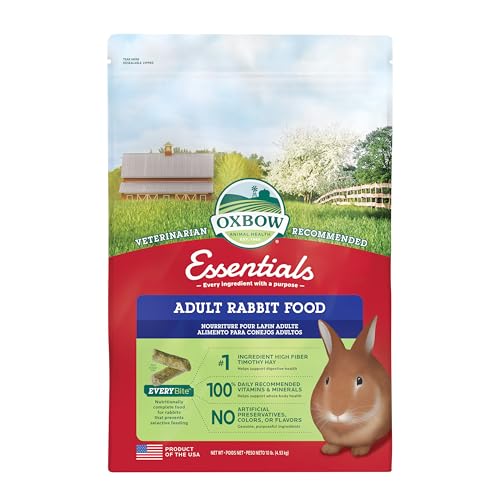
COMPLETE NUTRITION IN EVERY BITE: Oxbow EVERYBite foods are specially formulated to deliver balanced, complete nutrition in every serving; Each bite ensures your rabbit gets the essential vitamins and minerals needed for a healthy, active, and happy life
How to Feel Ribs, Spine, and Hips
And if you want the most reliable way to assess your rabbit’s health, perform a gentle body check by feeling the ribs, spine, and hips.
Start by placing your rabbit on a stable, non-slip surface to ensure safety and control during the process.
Use light pressure with your fingertips to carefully run along the ribcage behind the front legs, along the spine from the shoulders to the hips, and across the hip bones on either side of the midline. Feel the ribs behind the elbows using light pressure.
At an ideal, healthy weight, you should be able to feel the bones easily without applying excessive force—think of it like feeling pencils inside a soft case.
If you notice that you can’t find the ribs easily or need to press firmly to feel the spine and hips, this typically indicates excess fat covering the bones.
In such cases, consulting a rabbit-savvy exotic veterinarian is strongly recommended to develop an appropriate weight management and health plan.
Always remember, if your rabbit stops eating or defecates less than usual for 12 hours, seek emergency veterinary care immediately.
Performing regular body checks and consulting a qualified vet can help you maintain your rabbit’s optimal health and well-being.
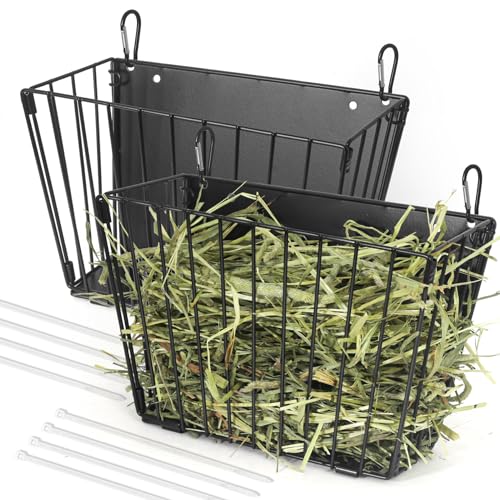
X-Large Bunny Hay Feeder: Introducing a groundbreaking rabbit hay feeder, now with a larger size of 9.7x4.7x6.6 inches, offering more hay capacity and reducing the need for constant refills. The guinea pig hay feeder's sealed bottom effectively contains the hay, preventing spills and messes, ensuring a convenient and tidy feeding experience. This pet feeder minimizes hay wastage by preventing rabbits from scattering or soiling the hay, avoids unnecessary waste.

X-Large Bunny Hay Feeder: Introducing a groundbreaking rabbit hay feeder, now with a larger size of 9.7x4.7x6.6 inches, offering more hay capacity and reducing the need for constant refills. The guinea pig hay feeder's sealed bottom effectively contains the hay, preventing spills and messes, ensuring a convenient and tidy feeding experience. This pet feeder minimizes hay wastage by preventing rabbits from scattering or soiling the hay, avoids unnecessary waste.

1.【Durable Construction】: The metal frame rabbit hay feeder is made of heavy-duty metal that can withstand the wear and tear of daily use, ensuring long-lasting durability.
Ribs Palpation Checklist
Before concluding that your rabbit is overweight, performing a quick and gentle rib check at home can provide valuable insight. Use a consistent technique each time to ensure accurate assessment. Place your rabbit on a solid, non-slip surface in a calm, quiet room to minimize stress. Position yourself where you can comfortably reach both sides of the chest area. Gently place flat fingers or fingertips just behind the front legs, and move in straight lines along the chest. Start with light pressure to feel the ribs clearly; then, add a little more pressure only if the ribs aren’t easily palpable. Ideally, the ribs should feel easy to distinguish, with rounded edges rather than sharp or protruding bones. If the ribs are difficult to locate or appear buried under fat tissue, this indicates your rabbit may be overweight. If you can’t comfortably feel the ribs during this check, that can mean the rabbit is carrying excess weight (difficulty feeling ribs may indicate overweight condition). Maintaining an appropriate weight is crucial for your rabbit’s health, comfort, and longevity. If your assessment suggests excess weight, consider scheduling a consultation with a qualified exotic pet veterinarian. They can recommend a tailored diet plan and appropriate weight management strategies to help your rabbit achieve and maintain a healthy body condition.
Spine And Hip Feel
Once you’ve checked the ribs, use the next quick feel to assess your rabbit’s body condition in a more comprehensive way by examining the spine and hips—these areas provide crucial “real-life” clues because excess fat can obscure the bones. Properly evaluating these key skeletal points helps ensure your rabbit maintains a healthy weight, reducing the risk of obesity-related health issues.
Place your rabbit on a secure, non-slip surface or support them carefully to prevent any stress or injury during the check. Use flat fingertips to gently run your hand from the shoulders down to the hips, feeling for the spine ridge. Then, carefully feel around the pelvis for the hip bones.
Ideally, the bones should be easily palpable but not sharp or overly prominent—this indicates a healthy body condition.
If you find that you need to apply firm pressure to locate the bones, your rabbit is likely overweight, which can hinder mobility and overall health. Conversely, if you can’t feel the hip bones and notice that the surrounding padding sags, it’s a sign that your rabbit may be underweight or experiencing other health concerns.
In such cases, consult a rabbit-savvy exotic veterinarian to develop a tailored dietary and wellness plan, ensuring your rabbit’s optimal health and comfort.
Fat Pads and “Sticky Bottom” Early Signs
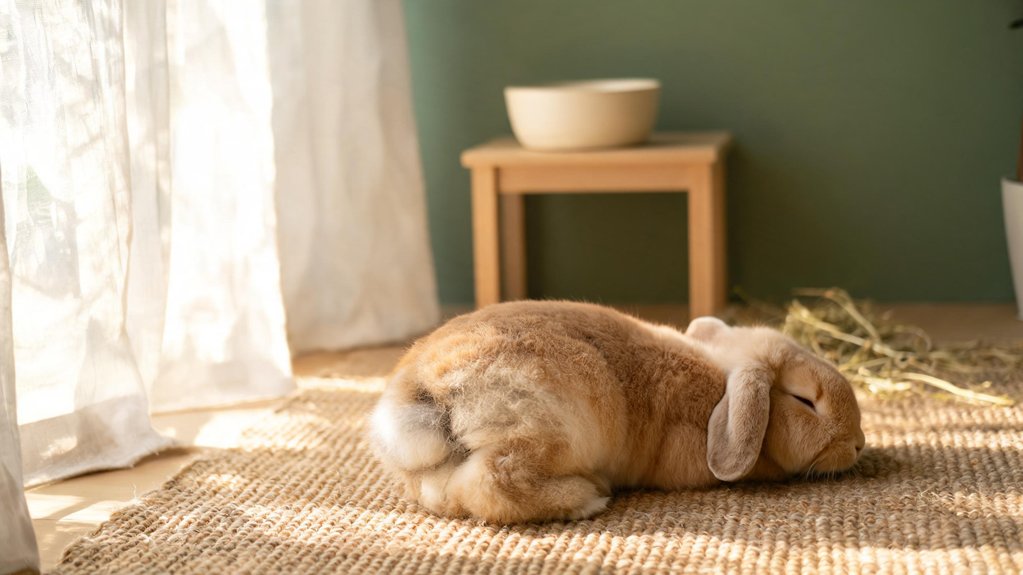
What early signs should you watch for if you’re concerned that your rabbit is becoming overweight? You may notice soft, pliable “fat pads” developing over regions such as the shoulders, hind legs, and the groin area.
Additionally, feeling the ribs, spine, or hip bones may become difficult as excess fat accumulates, indicating weight gain that requires prompt attention.
As fat accumulates, you may find it harder to feel your rabbit’s ribs, spine, or hip bones—an early warning sign of weight gain.
A slight bulge in the neck and abdomen can also serve as early indicators before more noticeable sagging or skin folds develop.
One of the most telling signs is the emergence of “sticky bottom,” characterized by foul-smelling droppings or soft cecotropes—nutrient-rich poops—that accumulate around the tail base.
Urine-soaked fur and skin folds often trap messes, leading to soiling and increasing the risk of painful urine scald and skin infections.
These symptoms not only compromise your rabbit’s comfort but can also signal underlying health issues related to obesity.
If your rabbit stops eating or defecating for more than 12 hours, this is a critical emergency requiring immediate veterinary care.
Contact a rabbit-savvy exotic veterinarian promptly to prevent life-threatening complications.
Maintaining a healthy weight for your rabbit through proper diet and environmental management not only prevents these early signs but also ensures your pet’s long-term wellbeing and happiness.
Invest in expert advice and tailored care solutions to keep your rabbit active, comfortable, and healthy.

One Simple Ingredient: Made exclusively with rabbit and no grains, gluten, fillers, additives, or extra ingredients, giving dogs and cats a clean, single-protein treat.

Snack Time- We all want to kick back with a bag of snacks sometimes, right? Green Crunch is a perfect rabbit snack and guinea pig snack for our small pets who love their greens.

Break Monotony in Daily Feeding:Many rabbits lose interest when fed only hay for rabbits and rabbit pellets, this rabbit forage mix is designed to upgrade everyday rabbit food by adding natural foraging variety without replacing essential rabbit hay
Grooming Trouble and Dermatitis Risk
When a rabbit is carrying extra weight, grooming habits often deteriorate, especially in critical areas like the back end. You may notice urine and fecal matter sticking to the rabbit’s thickened fur, as excess fat restricts hip and spine movement. This reduced mobility prevents thorough grooming, leading to a buildup of moisture and debris.
Neglecting proper grooming encourages the development of skin infections such as urine scald, hutch burn, and foul-smelling crusty dermatitis. Moisture and debris trapped in skin folds create an ideal environment for bacterial and yeast overgrowth, resulting in painful, ulcerated sores.
If skin becomes wet or injured, the risk of serious conditions like flystrike significantly increases.
To prevent these health issues, it’s essential to maintain a regular grooming routine and monitor your rabbit for signs of excess weight and skin irritation. If you observe sores, redness, or signs of infection, seek immediate help from a rabbit-savvy exotic veterinarian.
Using specialized grooming tools and high-quality bedding can mitigate moisture retention and debris buildup, promoting healthier skin and overall well-being.
Implementing these proactive grooming strategies ensures your rabbit stays comfortable, healthy, and less susceptible to painful skin conditions and serious complications like flystrike.

Clean Pets, Clean House: Depets cat & dog brush for shedding can easily remove loose hair, shedding mats, dander and dirt of your pet, which not only keep your pet clean, but also provide you with a clean and hygienic home environment

ALL-IN-ONE PET GROOMING KIT: Contains Double-Layer Needle Slicker Brush, Rubber Tip Shampoo Bath Glove Brush with adjustable ring handle, Double-Tooth Stainless Steel Comb, Pet Nail Clipper & File, Small Cleaning Comb.

✅ 8-IN-1 COMPLETE GROOMING SOLUTION:This all-in-one pet grooming kit includes everything you need for daily care: 1 deshedding brush, 1 dematting comb, 1 flea comb, 1 self-cleaning slicker brush, 1 lice & tick comb, 1 pair of nail clippers, 1 nail file, 1 electrostatic hair removal glove, and 1 storage bag. It covers all core grooming steps from shedding reduction and knot removal to nail trimming, making at-home pet care easier than ever.
Rule Out Pain Before Starting Weight Loss
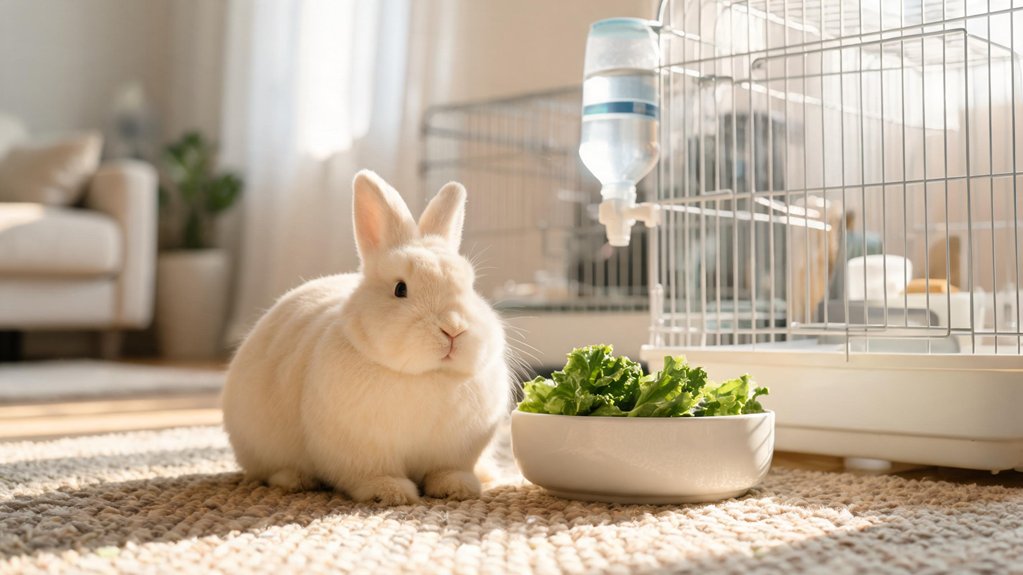
Before embarking on any weight loss regimen for your rabbit, it’s crucial to rule out pain, as discomfort can severely hinder their ability to eat, move, or sit comfortably.
Begin by thoroughly inspecting your rabbit for dental issues, which are a common cause of pain and can directly impact their willingness to eat and their overall health. Look for signs such as drooling, pawing at food, smaller or fewer droppings, or a preference for soft pellets, all indicating potential dental discomfort.
Dental problems like overgrown cheek teeth, spurs, or tooth-root abscesses often cause ulcer pain and require prompt veterinary intervention.
Next, assess joint health; stiffness, reluctance to jump, or slow, hesitant movements can be symptoms of arthritis, which reduces your rabbit’s activity levels and complicates weight management.
It’s equally important to monitor for ear pain signs such as an unusual posture, head tilting, or decreased grooming, as these may indicate ear infections or other issues that cause discomfort.
If your rabbit isn’t eating or pooping for more than 12 hours, treat this as an urgent medical emergency.
Immediate consultation with a rabbit-savvy exotic veterinarian is necessary to prevent serious complications.
Addressing pain and underlying health issues first creates a healthier, more comfortable foundation for your rabbit, making effective, sustainable weight loss possible.
Prioritize these health assessments to ensure your rabbit’s well-being before starting any diet plan aimed at managing weight safely and successfully.

【 BREATHABLE 360° VIEW FOR SMALL PETS 】:Designed with breathable mesh panels on every side, this small animal playpen promotes airflow while giving you a clear view of your pet during playtime. The enclosed space is ideal for rabbits, guinea pigs, hamsters, hedgehogs, chicks, kittens and other gentle small animals, helping them explore, rest and play comfortably under supervision.

【 BREATHABLE 360° VIEW FOR SMALL PETS 】:Designed with breathable mesh panels on every side, this small animal playpen promotes airflow while giving you a clear view of your pet during playtime. The enclosed space is ideal for rabbits, guinea pigs, hamsters, hedgehogs, chicks, kittens and other gentle small animals, helping them explore, rest and play comfortably under supervision.

【 BREATHABLE 360° VIEW FOR SMALL PETS 】:Designed with breathable mesh panels on every side, this small animal playpen promotes airflow while giving you a clear view of your pet during playtime. The enclosed space is ideal for rabbits, guinea pigs, hamsters, hedgehogs, chicks, kittens and other gentle small animals, helping them explore, rest and play comfortably under supervision.
Common Causes: Pellets, Low Hay, Low Activity
Pellets and hay constitute the essential “math” behind your rabbit’s healthy weight management, while ensuring proper activity levels forms the critical second piece of the puzzle. To prevent gut slowdown and promote optimal digestion, it’s vital to control pellet intake and provide unlimited, high-quality hay. Overfilling your rabbit’s pellet bowl or offering pellets free-choice can lead to decreased fiber consumption from hay, which is necessary for digestive health.
For adult, non-breeding rabbits, it’s recommended to limit pellets to approximately 1/4 cup per 5 pounds of body weight. Always select timothy-based pellets that don’t contain seeds or unnecessary additives to maximize nutritional benefits.
Complement this with an unlimited supply of fresh, high-quality hay—aim to provide a daily bundle at least as large as your rabbit’s body size. This ensures they receive enough fiber and safe chewing opportunities, which are crucial for their dental and digestive health.
Encouraging daily movement is equally important; incorporate regular floor time, tunnels, and supervised play sessions into your rabbit’s routine. These activities promote physical activity, prevent obesity, and support overall well-being.

✔ RECOMMENDED - Highly recommended by veterinarians, they are a great choice to prevent obesity because they provide higher digestible fiber and are lower in protein content.

SOFT TEXTURE & SWEET FLAVOR: With its soft texture and naturally sweet flavor, Orchard grass hay appeals to rabbits, guinea pigs, and small herbivores; This high-fiber hay supports healthy digestion while encouraging natural chewing behaviors

PREMIUM QUALITY OXBOW TIMOTHY HAY FOR SMALL PETS: High-fiber Oxbow timothy hay supports digestive & dental health for rabbits, guinea pigs; the perfect choice for pet parents seeking trusted rabbit hay, guinea pig hay, and nutritious daily bunny food
Set a Vet Target Weight for Safe Loss
A veterinarian-savvy target weight provides a clear, safe finish line for your rabbit’s weight loss journey, eliminating guesswork and ensuring health.
Begin by booking an appointment with a rabbit-experienced, exotic animal veterinarian who specializes in small mammals. The vet will establish an individualized goal based on your rabbit’s breed or size category, age, frame, and body condition score, which assesses how your rabbit looks and feels to determine overall health.
The veterinarian may select a midpoint from breed-specific weight tables, then customize this goal to optimize your rabbit’s wellness.
Implement a gradual weight reduction plan, aiming for a safe loss rate of approximately 1 to 2 percent of body weight per week. Regularly weigh your rabbit once weekly at the same time each day to assess progress. Comparing these measurements against the plan allows for precise adjustments.
If your rabbit’s weight stalls or drops too rapidly, contact your veterinarian promptly to recalibrate the weight management strategy. Because a change in diet can also affect your rabbit’s teeth, ask your vet whether rabbit dental health supplements are appropriate before adding any product to your rabbit’s routine.
This solution-focused approach, combining expert veterinary guidance with consistent monitoring, ensures a safe and effective path towards your rabbit’s ideal weight, supporting long-term health and vitality.

【Easy Cage Hanging】Rabbit hay feeder set includes 6 metal racks with hooks, so you can hang them on many compatible wire cages without separate tools. The raised design helps keep hay within reach while leaving more floor space for small pets to move, rest, and explore.

PACKAGE INCLUDE: The package contains six classic black rabbit hay rack, each measuring 9 x 4 x 3 inches, and the high-capacity design allows more hay to be stored, reducing the frequency of adding hay and saving you time and effort

【Easy Eating】: Our hay feeder is perfect for small animals like rabbits, guinea pigs and chinchillas, making eating easy. Big Size:6.9 inches long x 4.7 inches wide x 6.6 inches high,Small Size:6.2 inches long x 4.4 inches wide x 6.6 inches high
Switch to High-Hay, Low-Concentrate Feeding Safely
This dietary approach emphasizes providing primarily grass hay, which should constitute approximately 80–90% of your rabbit’s daily intake, with the remaining calories coming from controlled portions of pellets and fresh vegetables.
To optimize health and promote safe weight loss, choose nutrient-dense, lower-calcium grass hay varieties, such as Timothy, Orchard, or Meadow hay—avoid high-calcium options like Alfalfa. Among these, Timothy hay is a widely recommended choice for daily feeding because its long-stemmed fiber supports healthy digestion.
Ensure that the hay is fresh, green, and of high quality, and keep an unlimited supply available to your rabbit 24 hours a day.
Gradually reduce pellet portions over 7 to 10 days, offering only a small handful if necessary, and incorporate a variety of leafy greens in small, daily servings.
Regularly monitor your rabbit’s stool consistency and appetite, as these are key indicators of their health and progress.
This solution-focused, veterinarian-guided method supports safe weight reduction by promoting natural fiber intake, controlling calorie consumption, and encouraging overall digestive health in your pet rabbit.

SUPPORTS IMMUNE HEALTH. Made with long-lasting vitamin C and flax seed to help maintain and support a healthy immune system in small pets.


Light, crunchy nibble sticks made with field-grown alfalfa
How to Reduce Pellets Without Gut Stasis
Start by gradually reducing your rabbit’s pellet intake over the course of several weeks, not days, to ensure a safe transition. First, accurately weigh your rabbit and note her usual daily pellet consumption. Then, measure a conservative initial ration, aiming for around 20 grams per day. Carefully decrease the amount step-by-step, monitoring her response at each stage.
If you notice signs such as reduced appetite leading to fewer or smaller droppings, changes in activity level, or her adopting a hunched posture, immediately pause pellet reductions and contact a rabbit-savvy exotic veterinarian. This proactive approach helps prevent gut stasis and supports digestive health.
Additionally, when switching between different types of pellets, like from alfalfa-based to timothy or grass-based varieties, do so gradually. Mix the new pellet type into her current feed, slowly increasing the proportion over time to promote acceptance and avoid gastrointestinal upset.
Remember, if your rabbit refuses to eat or produce poop for more than 12 hours, treat it as a veterinary emergency and seek prompt medical attention.
Implementing these step-by-step, monitored strategies ensures your rabbit’s digestive system remains healthy during pellet adjustments, helping to prevent gut stasis and promote overall wellbeing.

【8 Pieces Pet Grooming Kit】 The set contains pet nail clipper and file, flea comb*2, pet shampoo bath brush , pet shedding slicker brush, bath massage glove, small cleaning comb.
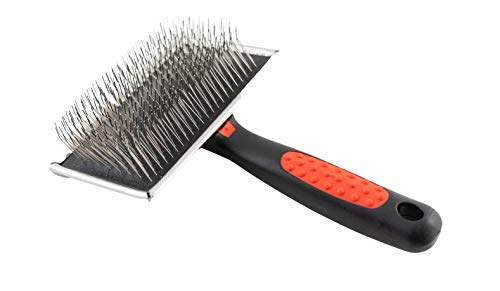
EXTRA LONG PINS - Crafted from high-quality materials, this professional-grade "Tuffer Than Tangles" brush features extra-long stainless steel pins that easily penetrate deep into your pet's coat, removing dirt and debris from the undercoat.

Clean Pets, Clean House: Depets cat & dog brush for shedding can easily remove loose hair, shedding mats, dander and dirt of your pet, which not only keep your pet clean, but also provide you with a clean and hygienic home environment
Leafy Greens: Best Options and Daily Amounts
Choose mostly low-oxalate leafy greens such as romaine, red leaf lettuce, dandelion leaves, endive, frisée, and arugula. Rotate at least three different types each day to ensure a diverse, nutrient-rich diet for your rabbit. Incorporating these high-fiber, low-calorie greens helps promote digestive health and satiety, making them an ideal daily dietary staple.
For the recommended daily amount, aim for approximately 1 packed cup per 2 pounds of your rabbit’s body weight. If your rabbit becomes fussy, split this amount into one or two feedings throughout the day to encourage consistent intake. It’s essential to prioritize quality, fresh greens over high-calorie treats such as sugary fruits or commercial treat mixes, which can undermine your rabbit’s health.

SUITABLE SMALL PETS: Ideal for guinea pigs, rabbits, ferret, rat, hamster, hedgehogs, puppies, easy to keep an eye on them from any angle

【Guinea Pig Playpen with Longer Tunnel】Your fur babies would love to get out of the cage and get some exercise. They will have a huge space to move around, stretch, explore, roam and relax in. A playpen with 98.4 in long tunnel provides a more comfortable and enriching environment for small animals, like dwarf rabbits, ferrets, kittens, chickens, hamsters, bunnies and chinchillas.
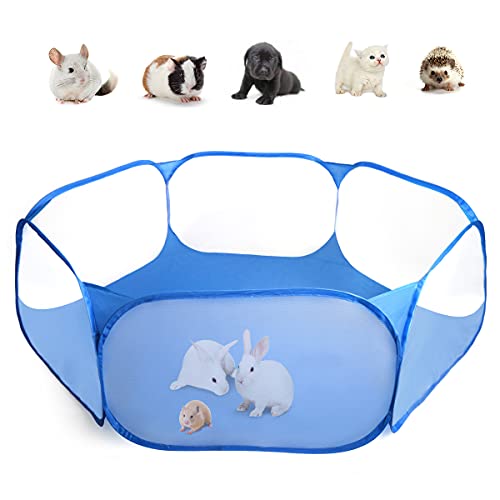
【PERFECT SIZE - PLENTY OF ROOM】 [Tips: Item under spring pressure, keep item away from children and face when opening!] Length, width and height after expansion: 47" x 39.4" x 15" (120cm x 100cm x 38cm). Nice size play space for small animals. Play area suitable for hamster, chinchillas, hedgehog, gerbils, ferrets, squirrel, bunny, dog, kitty, mouse, rat, lizard, bearded dragon, small reptile etc.
Best Leafy Green Choices
To assist your rabbit in achieving a healthy weight, prioritize leafy greens that are high in dietary fiber—essential for maintaining healthy gut motility—and low in calorie content. These nutrient-dense greens should constitute the majority of your rabbit’s fresh-food intake, promoting satiety while controlling caloric intake.
Select from nutrient-rich options such as romaine lettuce, green and red leaf lettuce, arugula (rocket), spring greens, watercress, endive, and escarole, which are all excellent choices for weight management and digestive health.
Enhance the variety of your rabbit’s diet by incorporating fresh herbs like basil, coriander (cilantro), mint, dill, and rosemary, which provide flavor variety with minimal caloric impact.
To optimize nutrient diversity and prevent dietary boredom, rotate in other leafy greens such as kale, collards, and mustard greens.
Limiting consumption of greens high in oxalates and potential goitrogens—such as spinach, Swiss chard, beet greens, mustard spinach, and dandelion greens—is advisable to avoid adverse health effects.
Always serve hay freely alongside your rabbit’s leafy green selection to support dental health and proper digestion.
Regularly consult with an exotic veterinarian to ensure your rabbit’s diet meets all health requirements.
This comprehensive, solution-oriented approach to leafy green selection and feeding routines will help promote your rabbit’s weight loss, gut health, and overall well-being.
Daily Amount: About One Cup
For most house rabbits, a simple daily target is about 1 cup of nutrient-rich leafy greens per day.
Adjust this amount based on your rabbit’s size, age, health condition, and your veterinarian’s specific dietary plan. To promote optimal digestion and maintain a healthy weight, focus on offering wash and chopped greens that are packed into each cup, roughly 0.5 to 1 cup per 2 pounds of your rabbit’s body weight.
Ensure greens are offered consistently every day, rather than every other day, and keep hay as the primary meal for fiber intake and dental health.
You can split the daily cup into two portions—morning and evening—to encourage regular eating habits.
Incorporate a variety of at least three different leafy greens each day, gradually introducing new options to prevent gastrointestinal upset.
If your rabbit shows signs of reduced appetite or decreased bowel movements, treat it as an urgent health concern and consult your veterinarian immediately.
Prioritize high-quality greens and daily consistency to support your rabbit’s overall health and well-being, making this a vital part of a professional, solution-oriented rabbit care plan.
Avoid High-Calorie Add-Ins
You can effectively help a heavier rabbit Slim Down by optimizing the ingredients in their salads. Focus on incorporating a variety of leafy greens as the primary component of the fresh vegetable portion, ensuring they make up most of the salad. To promote weight loss and overall health, serve about one cup of salad daily, spread out across multiple feedings, and include at least three different types of greens each day. This diversity supports gut health, enhances vitamin intake, and provides essential fiber.
Choose from nutrient-dense, low-calorie greens such as romaine or green leaf lettuce, spring greens, arugula, watercress, chicory, endive, escarole, frisée, and dandelion greens. These options aren’t only flavorful but also rich in vital nutrients that promote weight management.
To further enhance palatability and nutritional variety, add herbs like basil, mint, dill, and cilantro, which provide natural flavor without adding extra calories.
Limit high-oxalate greens such as spinach, parsley, and beet greens to no more than one serving per day. By adhering to these tailored recommendations, you support your rabbit’s weight loss journey with delicious, nutritious salads that are easy to prepare and serve, ensuring they stay happy and healthy.
Cut Treats: What to Stop Feeding
Cutting treats is one of the fastest and most effective ways to help an overweight rabbit begin to lose weight and improve overall health. To achieve optimal results, eliminate sugary fruits and vegetables such as carrots, sweetcorn, and bananas from your rabbit’s diet, especially during weight loss phases.
Avoid offering fresh fruit “treats,” dried fruits, or anything flavored like banana, apple, or melon, as these are high in sugar and can hinder weight management efforts.
Additionally, refrain from giving dried fruit, raisins, or dehydrated snacks because these options contain concentrated sugars that can contribute to excess weight.
It’s also important to stop providing starchy, sugary vegetables marketed as treats, including corn and peas, which can disrupt your rabbit’s healthy digestion.
Be sure to eliminate all pet-shop sweets such as yogurt drops, honey sticks, colorful chew bars, and dairy-based treats, which are often loaded with unhealthy sugars and additives.
Avoid muesli mixes, seed and nut treats, as well as human-style cookie or cereal bars, since they contain ingredients that aren’t suitable for rabbits and can promote weight gain.
Monitoring your rabbit’s eating habits is crucial: if your pet stops eating or defecates for more than 12 hours, immediately contact an exotic animal veterinarian to prevent serious health issues.
Implementing these dietary changes ensures a safer, healthier path toward weight loss and enhances your rabbit’s overall well-being.
Increase Activity With Hay Foraging and Play
Set up several engaging hay foraging stations throughout your rabbit’s designated living area, including DIY cardboard tube “tunnels,” hay-filled boxes, and scattered hay piles. These enrichment tools are designed to encourage natural foraging behavior, requiring your rabbit to hop, explore, and search rather than simply eating from a single, static bowl. Implementing these activity stations promotes mental stimulation and physical exercise, which are essential for maintaining your rabbit’s overall health and well-being.
In addition, allocate 30 to 60 minutes each day for supervised playtime, allowing your rabbit to explore different parts of their environment. Regularly swap the locations of the hay puzzles or introduce new foraging devices to keep your rabbit curious and actively engaged.
This ongoing variation not only prevents boredom but also enhances the effectiveness of your enrichment routine. However, if you notice your rabbit stops eating hay, has fewer droppings, or displays any signs of discomfort, it’s crucial to seek immediate veterinary attention from a veterinarian experienced in exotic small animals.
Prompt intervention can prevent serious health issues, especially since a rabbit not eating or pooping for more than 12 hours constitutes an emergency.
Set Up Hay Foraging Stations
To help a heavier rabbit shed pounds safely, Begin by setting up engaging hay foraging stations, transforming mealtime into a stimulating search-and-chew activity that promotes natural behaviors and healthy weight management.
Place multiple hay stations at strategic locations throughout the enclosure, encouraging your rabbit to walk, hop, and explore, which increases physical activity and overall fitness.
Utilize commercial-grade, clean racks, hanging baskets, grazing trays, and shallow ground-level boxes or litter trays designed specifically for safe foraging. Choosing a practical hay feeder can reduce mess while keeping hay easily accessible throughout the day.
Offer a high-quality, mostly unlimited supply of nutrient-rich grass hay such as timothy, orchard, and meadow hay, which should comprise approximately 70–90% of the rabbit’s daily diet for optimal fiber intake.
Incorporate small amounts of fortified pellets or fresh greens into the hay at each station to serve as engaging puzzles that stimulate mental activity and promote slower, more deliberate eating.
Enhance the foraging experience by regularly refreshing the locations of these hay stations every few days.
This strategy maintains your rabbit’s curiosity and motivation to forage, preventing boredom and encouraging continuous physical activity.
Implementing this intentional, commercial-grade foraging setup is an effective, solution-oriented approach for safely promoting weight loss and overall health in heavier rabbits.
Add Daily Playtime Exploration
Adding daily playtime exploration is one of the most effective ways to improve your overweight rabbit’s health and encourage more movement, ultimately leading to better weight management and overall well-being.
Aim for at least three hours daily in a spacious, secure outdoor run or enclosed area, ensuring your rabbit has ample space to hop, explore, and exercise freely.
Complement this with two short, 30-minute sessions in a well-eden rabbit-proofed indoor or outdoor space to maximize activity and mental stimulation.
To further enhance your rabbit’s activity level, scatter-feed pellets and fresh vegetables throughout hay bedding, encouraging your rabbit to search, graze, and stay active.
Hide food in hay piles, cardboard tubes, and paper parcels to promote digging, foraging, and shredding behaviors.
Incorporate engaging features such as tunnels, digging boxes, and puzzle feeders into your setup, and make sure to rotate these enrichment elements regularly to keep your rabbit interested and motivated.
Always supervise your rabbit during indoor or outdoor play sessions to ensure safety.
If your rabbit shows signs of refusing food or pooping for more than 12 hours, it’s crucial to seek immediate care from an exotic pet veterinarian to address potential health issues promptly.
Implementing these solution-focused, enrichment strategies will help your rabbit achieve a healthier weight, improve mobility, and enhance overall happiness, making a positive difference in their quality of life.
Track Progress With Body Condition Scoring
Track your rabbit’s health progress effectively with precise body condition scoring, a key tool for early detection of weight changes before physical appearance reveals issues.
Establish a consistent monitoring routine by selecting a standardized, scientifically validated scale—either a 1 to 5 scale, where 3 indicates an ideal body condition, 4 signifies overweight, and 5 denotes obesity, or a 1 to 9 scale, with 5 representing optimal health, 4 to 6 acceptable, and 7 to 9 falling within the obesity risk zone.
To get accurate readings, perform gentle palpation of critical body areas such as the ribs, spine, and pelvis at the same weekly interval.
Feel for rounded contours with minimal pressure, indicating a healthy fat cover, rather than requiring heavy pressing.
Additionally, monitor the waistline for a defined, visible waist and a pear-shaped profile, which are signs of ideal health and balanced weight.
Regular body condition scoring facilitates early intervention, preventing obesity-related health complications and supporting your rabbit’s overall well-being.
If there’s any uncertainty about your rabbit’s condition, consulting a qualified rabbit-savvy exotic veterinarian ensures precise assessment and personalized health advice.
Utilizing professional insights along with consistent scoring empowers you to maintain optimal body condition, fostering longevity and a vibrant quality of life for your beloved pet.
Frequently Asked Questions
What Body Condition Score Should My Rabbit Aim for to Be Healthier?
Aim for a body condition score of 3 out of 5, which is the ideal, healthy weight for your rabbit. This mid-range score ensures your bunny maintains good health and is neither underweight nor overweight. On a 1 to 5 scale, a score of 4 or 5 indicates your rabbit may be overweight or obese, which can lead to health issues.
To accurately assess your rabbit’s body condition, gently feel for the ribs and spine with light pressure. If these bones are easily felt without excessive fat covering, your rabbit is likely within the healthy range. For precise guidance on maintaining or achieving the optimal body condition score, consult a rabbit-savvy exotic veterinarian. They can provide tailored recommendations and nutritional plans to ensure your rabbit remains healthy and happy.
How Do I Switch From Pellets to More Hay Without Upsetting My Rabbit’s Gut?
Switch gradually over a period of 2 to 4 weeks. Begin by mixing small amounts of the high-quality hay specifically formulated for rabbit digestion with your current rabbit food or pellets. Ensure that you continue to measure your rabbit’s pellets carefully, avoiding free-feeding to prevent digestive upset. Each day, increase the proportion of hay while maintaining a consistent pellet amount to support gut health.
Change only one aspect of the diet at a time to allow your rabbit’s gastrointestinal system to adapt smoothly. Regularly observe your rabbit’s droppings twice daily—monitor for any reduction in appetite or abnormal fecal output. If you notice a decline in appetite or irregular bowel movements, pause the transition process and consult a veterinarian experienced in rabbit nutrition to prevent potential digestive disturbances. This incremental method ensures a stress-free switch to more hay, promoting optimal gut health and overall well-being of your pet.
My Rabbit Won’T Eat Hay—What Should I Do First?
If your rabbit refuses to eat hay, it’s crucial to act quickly to address the issue effectively. Begin by monitoring whether your rabbit is also eating less of other foods and producing smaller or fewer bowel movements, as these can be signs of underlying health problems such as gastrointestinal stasis or dental issues. Promptly contacting a specialized exotic veterinarian experienced in small mammals and rabbit health is essential to obtain an accurate diagnosis and tailored treatment plan.
In cases where your rabbit stops eating or pooping altogether for more than 12 hours, treat this situation as an urgent medical emergency. Immediate veterinary intervention can prevent serious complications, including life-threatening conditions. Consider consulting a professional who can provide advanced diagnostics, nutritional guidance, and medicated treatments to restore your rabbit’s appetite and digestive function. Prioritizing quick, expert care can significantly improve your rabbit’s chances of recovery and ensure they regain their health and well-being.
How Much Leafy Green Is Safe if My Rabbit Is Overweight?
Feed leafy greens according to your rabbit’s target weight, aiming for approximately 1 cup per 2 pounds of body weight daily. For overweight rabbits, carefully monitor greens intake to prevent excessive calorie consumption, and consider splitting the daily amount into two smaller servings to encourage better digestion and reduce the risk of overeating.
Keep commercial rabbit pellets to a minimum or eliminate them altogether, focusing instead on providing unlimited high-quality hay to promote healthy digestion and dental wear. Monitoring your rabbit’s behavior and bowel movements is essential; if your rabbit refuses to eat or successfully poops for more than 12 hours, seek emergency veterinary care immediately to prevent serious health complications.
Implementing a controlled leafy green regimen combined with unlimited hay and minimal pellets can effectively support weight management and overall health for overweight rabbits. Consult your veterinarian for personalized dietary adjustments and to ensure your rabbit’s nutritional needs are fully met during this weight management process.
When Should I See a Rabbit-Savvy Exotics Vet for Weight Loss?
You should see a rabbit-savvy exotics veterinarian urgently if your overweight rabbit refuses to eat, produces fewer poops, struggles to breathe, appears severely lethargic, or has difficulty moving normally. These symptoms can indicate critical health issues that require immediate professional assessment and intervention to prevent further complications.
Additionally, seek veterinary care if your rabbit experiences a sudden change in abdominal size or shape, shows no signs of weight loss despite strict diet and increased activity, or exhibits any signs of discomfort or distress. A specialized rabbit-savvy exotics vet can accurately diagnose underlying causes of weight-related health concerns and implement targeted treatment plans, including dietary adjustments, weight management strategies, and medical treatments to restore optimal health. Prompt veterinary attention is essential for ensuring your rabbit’s well-being and long-term health.