Go to a rabbit-savvy vet immediately if your rabbit stops eating for 8–12 hours, or isn’t pooping for 6–12 hours. GI stasis and obstructions can turn serious fast. Also go now if you notice a bloated, tense belly, open-mouth breathing, or blue/very pale gums indicating low oxygen levels.
If they suddenly head-tilt or roll, have seizures, seem weak and cold with pale gums indicating shock, or show signs of heat stroke, call and rush them in. Don’t try home remedies or induce vomiting. Stick with care now, and keep going for more.
Swift Summary
- Stop eating for 8–12 hours or no fecal pellets for 6–12 hours can indicate GI stasis—seek emergency vet care immediately.
- A bloated, tense, firm belly or sudden appetite loss can signal obstruction or bloat—urgent, same-day veterinary evaluation is critical.
- Persistent straining, scant droppings, teeth grinding, or hiding with reduced appetite can mean severe abdominal pain requiring urgent help.
- Watery/jelly-like diarrhea with hunched posture is an emergency sign of intense pain or serious illness—go to an exotic vet now.
- Sudden head tilt, rolling, falls, or any seizure activity requires immediate veterinary assessment, ideally by a rabbit-savvy exotic veterinarian.
Rabbit Emergency Signs: Go to a Vet Now
When your rabbit shows an emergency sign, don’t wait and hope it passes. These critical rabbit emergency indicators signal serious health threats, and knowing when to promptly take your rabbit to a skilled exotic veterinarian can be lifesaving. If your rabbit stops eating for 8 to 12 hours or you notice fewer or no fecal pellets for 6 to 12 hours, treat this as a potential emergency. GI stasis can become life-threatening quickly when appetite and droppings change, so immediate vet help is essential. Additional warning signs include persistent straining, a bloated or swollen belly, a hunched posture, loud tooth grinding, sudden hiding behavior, or extreme lethargy. Recognizing these symptoms early ensures you connect with a knowledgeable, rabbit-savvy vet in a timely manner.
If you notice an emergency sign, don’t wait—promptly reach a rabbit-savvy exotic veterinarian for potentially life-saving care.
Also seek immediate veterinary care if your rabbit exhibits head tilt, loss of balance, rolling, seizures, uncontrolled bleeding, or maggot infestation.
Rapid response with expert exotic animal veterinarians who specialize in rabbit emergencies can drastically improve your pet’s chances of recovery. Always prioritize quick, professional intervention—choose a trusted, experienced rabbit-exotics veterinarian and act fast to save your pet’s life.

Sherwood Pet Health

Homeopathic Digestive Support Formula: HealthyAnimals4Ever Rabbit Gastrointestinal Stasis Treatment combines Four active homeopathic ingredients, Calc Phos, Ferr Phos, Mag Phos, and Nat Sulph, to support digestive comfort in rabbits

Sherwood Pet Health
Emergency Rabbit Breathing Problems and Blue Gums
If your rabbit’s tongue, gums, or mucous membranes appear blue, gray, purple, or extremely pale, this indicates cyanosis, a critical sign that the blood isn’t carrying sufficient oxygen. Immediate attention from an experienced, exotic pet veterinarian specializing in rabbit emergency care is essential.
Prompt intervention can be life-saving and prevent irreversible damage.
In addition, if you hear loud wheezing sounds, stridor—a harsh, high-pitched breathing noise—or observe open-mouth breathing accompanied by significant chest effort, treat it as a medical crisis.
These symptoms suggest severe airway obstruction, lung distress, or cardiac compromise.
Don’t delay—seek urgent veterinary assistance right away.
Waiting to monitor for subtle improvements can be dangerous, as oxygen deprivation and underlying lung or heart issues can escalate rapidly, endangering your rabbit’s health.
Immediate, professional veterinary treatment is the best way to ensure swift stabilization and recovery.

Blue Or Pale Tongue
Blue or pale, very white gums or tongue in your rabbit indicate a critical emergency situation that requires immediate action. If you observe blue gums or a bluish tint to the tongue, this signifies cyanosis, a sign of severe low oxygen levels, which can quickly become life-threatening without prompt intervention. Pale or white gums can also reflect severe anemia and reduced oxygen delivery to tissues. White or extremely pale gums or tongue can indicate poor blood circulation, shock, or severe anemia. Warning signs such as rapid breathing, a hunched posture, neck stretching, nostril flaring, or open-mouth breathing are indications of near-failure and require urgent veterinary attention. In such emergencies, it’s essential to keep your rabbit as calm as possible and minimize handling to avoid further stress or injury. Contact an emergency veterinary clinic specializing in small mammals and exotic pets immediately. Don’t delay treatment or attempt home diagnostics, as rapid professional intervention is crucial for your rabbit’s survival and recovery. Prioritize prompt, expert veterinary care to address oxygen deprivation and circulatory distress immediately.
Loud Wheezing Or Stridor
So, when your rabbit begins making loud wheezing sounds or a stridor-like noise—characterized by a high-pitched, coarse, or whistling quality—you shouldn’t dismiss it as “just a cold.”
Stridor indicates that air is moving through a too-narrow or potentially blocked airway, which can rapidly escalate into a life-threatening emergency.
Recognizing this symptom early is crucial for prompt intervention and treatment.
If you notice your rabbit exhibiting obvious rib or belly effort, breathing rapidly, or grunting and gasping, it’s essential to contact a rabbit-savvy exotic veterinarian immediately.
Early professional assessment and targeted medical intervention are vital for addressing airway obstructions or respiratory distress effectively.
Additionally, monitor for worsening signs such as persistent sneezing, nasal discharge, decreased energy levels, or a poor appetite, which can signal an advancing respiratory issue.
In critical situations, be alert to signs like blue or pale gums, indicating cyanosis.
This is a clear indicator of severe oxygen deficiency and requires emergency veterinary care without delay.
Acting swiftly by seeking specialized veterinary intervention can significantly improve your rabbit’s chances of recovery and ensure they receive the advanced respiratory support they need.
Don’t wait—your rabbit’s health depends on rapid, professional response and effective treatment options.
Open-Mouth Breathing Signals Crisis
Open-mouth breathing in rabbits is an immediate emergency requiring urgent veterinary attention, not a situation to “wait and see.” Rabbits must breathe exclusively through their noses, and open-mouth breathing indicates they aren’t receiving enough oxygen. This condition can worsen rapidly, leading to sudden collapse or death.
Check the rabbit’s gums carefully; blue, gray, or dark coloration—also known as cyanosis—especially in the gums or blue ear tips, signifies dangerously low oxygen levels and demands swift action.
You may also observe labored or hard breathing, abdominal effort, collapse, extreme weakness, or unresponsiveness.
If you notice any of these signs, contact a rabbit-savvy emergency veterinarian immediately.
Keep your rabbit upright during transport, ensure the carrier is quiet, secure, and well-ventilated.
Don’t attempt to force-feed or administer medications, as this can worsen the condition.
Prioritize rapid professional intervention to stabilize the rabbit and restore normal oxygenation.
Sudden Head Tilt, Rolling, or Seizures: Get Help
If your rabbit suddenly exhibits a severe head tilt, begins rolling uncontrollably, twists sideways, loses its balance, or experiences seizures, treat it as an urgent neurologic emergency and seek same-day veterinary care from a specialized rabbit-savvy exotic animal veterinarian. These symptoms may indicate serious underlying conditions such as inner ear disease, neurological disorders, or spinal problems that require prompt diagnosis and treatment.
Immediate veterinary intervention significantly increases the chances of recovery and can prevent permanent damage or distress to your beloved pet.
While en route to the veterinary clinic, ensure your rabbit is kept warm with a soft, insulating blanket and place them on a non-slippery surface to prevent further injury. Don’t delay your trip—delays can worsen their condition or reduce the likelihood of effective treatment.
If your rabbit is also not eating, drinking, or passing stool, treat this as a critical emergency that necessitates immediate medical attention to stabilize their health and prevent life-threatening complications. Prioritize fast, professional veterinary assistance to ensure your rabbit receives the urgent care necessary to address what could be a life-threatening neurological or systemic condition.

[ SUPERIOR THERMAL CONDUCTIVITY MATERIAL ] - Lightweight Aluminum alloy material, excellent thermal conductivity, don't worry about breaking and being bitten. Cool, smooth, beautiful, reusable, reduce the pet's body temperature quickly.

[ SUPERIOR THERMAL CONDUCTIVITY MATERIAL ] - Lightweight Aluminum alloy material, excellent thermal conductivity, don't worry about breaking and being bitten. Cool, smooth, beautiful, reusable, reduce the pet's body temperature quickly.

COOLING COMFORT: Made of cooling touch fibre material,This mat provides a refreshing cool surface to help small animals stay comfortable during hot summer months.Portable Size:L15.7xW11.8Inch.TIPS:Too cooling may stimulate the stomach and intestines,so this touch cooling mat just feel cooling would better for small animals.
Immediate Vet Care Needed
When your rabbit suddenly tilts their head, rolls, falls over, or has a seizure, treat it like an emergency. Don’t wait for it to pass. These urgent signs often indicate a serious inner-ear infection, neurological disorder, or other critical health issue that requires immediate veterinary intervention.
Pay close attention if your rabbit can’t stand, appears extremely distressed, or stops eating and pooping, as these are strong indicators of a severe health crisis.
Contact a rabbit-savvy exotic veterinarian immediately and head to an emergency veterinary clinic without delay.
If your rabbit stops eating or pooping for more than 12 hours, seek emergency help right away.
Any seizure, especially those lasting 2 to 3 minutes, repeating within 24 hours, or occurring in clusters, mandates urgent evaluation.
If your rabbit can’t regain awareness after a seizure, seek emergency veterinary care immediately.
Taking swift action with a specialized exotic vet ensures your rabbit receives the urgent, expert treatment necessary to address potentially life-threatening neurological or inner-ear conditions.
Early intervention can make a significant difference in recovery outcomes, so don’t delay in seeking the professional help your rabbit needs during these critical moments.
Treat As Neurological Emergency
Treat as a neurological emergency.
Sudden head tilt, rolling, falling, or seizure activity in your rabbit are critical signs that demand immediate intervention. These symptoms indicate serious neurological or vestibular system issues, such as inner ear infections, inflammation caused by E. cuniculi, or other neurological disorders requiring prompt diagnosis and treatment from a specialized exotic veterinarian.
If your rabbit suddenly tilts its head, struggles to maintain balance, circles, or rolls, don’t delay—rush to a rabbit-savvy exotics veterinary clinic without hesitation. Early intervention is essential to prevent potential complications like injury, dehydration, or a rapid health decline.
Symptoms such as persistent rolling, repeated fits, or nystagmus (rapid eye movement) are indicators of an urgent neurological crisis.
Prompt veterinary assessment and targeted treatment can make all the difference. Seek emergency veterinary care immediately to ensure your rabbit receives the most effective diagnostics and interventions tailored to neurological or vestibular conditions. Acting swiftly saves lives and improves recovery outcomes.
If Your Rabbit Stops Eating, Call the Vet
When your rabbit stops eating, it’s crucial to contact a rabbit-savvy exotic veterinarian immediately—don’t delay or wait to “see what happens.”
Rabbits require a consistent intake of fresh hay, pellets, and vegetables to maintain optimal gut motility and prevent life-threatening complications. A sudden refusal to eat for more than 8 hours signals an urgent medical emergency, while complete anorexia lasting beyond 6 hours can rapidly cause serious health issues such as GI stasis.
Fresh hay, pellets, and vegetables are essential—if your rabbit stops eating over 8 hours, it’s a medical emergency.
Early intervention from a qualified rabbit-expert veterinarian ensures prompt diagnosis and treatment, which can include supportive therapies and medical management tailored specifically to your rabbit’s needs.
While awaiting professional help, closely monitor your rabbit’s droppings, observe for signs like hunched posture, teeth grinding, or hiding behaviors—all potential indicators of distress or impending health emergencies.
If your rabbit’s refusal to eat is accompanied by a decrease in poop production, treat the situation as critical to prevent shock and further complications.
Immediate veterinary consultation is the best way to protect your rabbit’s health, survival, and overall well-being.

SUPPORTS DIGESTIVE HEALTH IN RABBITS & GUINEA PIGS: Helps maintain healthy digestion in rabbits & guinea pigs; ideal for pets with sensitive stomachs or prone to GI stasis, promoting better gut motility, nutrient absorption, & overall digestive wellness

VET-FORMULATED URINARY SUPPORT: Promote urinary tract health in rabbits, guinea pigs, and small pets with a veterinarian-developed blend of cranberry, astragalus root, pumpkin seed, and dandelion leaf for bladder and kidney wellness.

VET-FORMULATED JOINT SUPPORT – Oxbow Natural Science Joint Support is a hay-based supplement for small animal joint health, featuring glucosamine, turmeric and yucca to support cartilage, mobility, and comfort in rabbits, guinea pigs, and other pets.
Bloated, Swollen Belly: Possible Rabbit Obstruction
If your rabbit suddenly has a bloated, swollen belly and appears uncomfortable, don’t delay. This can indicate a serious gut blockage or obstruction, which requires immediate attention. It’s crucial to treat abdominal distension as an emergency and contact a rabbit-savvy exotic veterinarian right away.
Rapid buildup of intestinal contents and gas can lead to severe pain, rapid deterioration, and even collapse within just a few hours.
If you notice additional symptoms such as your rabbit ceasing to eat, remaining without a bowel movement for over 12 hours, or if the abdomen feels tense, tight, or firm, seek same-day veterinary care without hesitation. Prompt diagnosis and intervention are essential for preventing severe complications or death.
Consulting a specialized exotics veterinarian ensures your rabbit receives the appropriate diagnostic procedures like X-rays, and urgent medical treatments—including fluid therapy, pain management, and possibly surgical intervention—to relieve the blockage effectively. Acting swiftly with professional care is the most reliable solution to restore your rabbit’s health and prevent long-term damage.

EASY TO MIX FORMULA: Oxbow Critical Care Herbivore blends easily with water for syringe feeding; Essential for any pet care emergency kit, this veterinarian-approved formula provides recovery support for rabbits, guinea pigs, and other herbivores

ESSENTIAL RECOVERY NUTRITION FOR HERBIVORES: Specialized high-fiber formula supports rabbits, guinea pigs & other herbivores during illness or post-surgery recovery; helps maintain weight & energy in small pets needing critical nutritional care

FINELY GROUND EMERGENCY FORMULA – Critical Care Herbivore Fine Grind is a veterinary assist feeding formula designed for rabbits, guinea pigs, and small herbivores. Its fine texture flows easily through 5 Fr feeding tubes, syringes or spoon for recovery.
Sudden Bloat And Discomfort
Sudden bloat and discomfort in rabbits can escalate rapidly from an unusual condition to a life-threatening emergency if not addressed promptly. If your rabbit suddenly ceases eating and you notice little or no fecal output within 4 to 12 hours, it’s crucial to treat the situation as urgent.
Contact a veterinarian who specializes in exotic animals, specifically a rabbit-savvy veterinarian, immediately to ensure swift and effective care.
Early signs of bloat often begin as seemingly normal but can quickly progress to anorexia, severe discomfort, and pain. Key symptoms to watch for include a firm, taut, gas-filled abdomen that appears distended and tympanic, an arched back posture, rapid abdominal breathing, teeth grinding, and a hunched stance.
Because rabbits can’t vomit, any buildup of intestinal gas and fluids can quickly lead to shock and potentially fatal outcomes.
Prompt intervention is vital. Seek emergency veterinary care immediately to provide your rabbit with the best chance of recovery.
Specialized treatments might include gas alleviation, fluid therapy, and pain management, which are essential to stabilize your pet and address the underlying cause. Don’t delay—quick action can significantly improve your rabbit’s prognosis and overall health.
Gut Obstruction Suspected Immediately
A swollen, tense, gas-filled stomach, combined with a rabbit that suddenly stops eating, can indicate a severe gut obstruction rather than simple gastrointestinal stasis. Building gas and fluid behind a blockage causes rapid stretching of the stomach, increasing internal pressure and compressing major abdominal blood vessels. This critical situation can swiftly lead to shock, major metabolic disturbances, and life-threatening complications if not promptly addressed.
If your rabbit’s abdomen appears firm, especially on the left side or is “drummy,” immediate action is essential. Don’t wait to see if the condition improves or attempt home remedies. Contact a specialized rabbit vet experienced in exotic small mammal emergencies immediately. Early intervention, including advanced diagnostics and possibly surgical correction, can be lifesaving.
It is crucial to act quickly if your rabbit hasn’t eaten or pooped for 12 hours, collapses, or shows signs of severe abdominal distension. Keep your rabbit warm, calm, and prepare for urgent veterinary care. Recognizing these signs early and seeking prompt, professional treatment increases the chances of a successful recovery and prevents irreversible damage.
Veterinary Care For Distension
When your rabbit’s abdomen appears distended, tight, and painful, particularly if accompanied by a poor or absent appetite and no droppings, treat this as an urgent veterinary emergency. Immediate contact with a rabbit-experienced exotic pet veterinarian is critical. Don’t delay—if your rabbit hasn’t eaten or pooped for more than 12 hours, proceed to emergency care without hesitation.
At the veterinary clinic, the first priority is stabilization of your rabbit’s condition. This involves gentle warming if hypothermic, administering supplemental oxygen, and continuous monitoring of vital signs such as heart rate, body temperature, and systolic blood pressure. The veterinary team may provide shock-level intravenous fluids to address dehydration and shock, deliver potent opioid analgesics to manage severe pain, and, if necessary, decompress the stomach under anesthesia to relieve pressure and prevent further complications.
Following stabilization, the veterinarian will conduct comprehensive diagnostics including laboratory tests, X-rays, and ultrasound imaging. These procedures are essential in identifying gastric obstructions or other critical abnormalities. Early diagnosis enables timely intervention, such as surgical correction or medical treatment, which significantly enhances the chances of recovery.
Prioritizing fast, effective treatment options ensures your rabbit receives the expert care needed for a successful outcome and long-term health.
Watery or Jelly Diarrhea With Hunched Posture
If your rabbit exhibits watery or jelly-like diarrhea, and you notice them hunched up as if in severe pain, treat this as a veterinary emergency. True diarrhea in rabbits appears as watery, unformed stool that may contain mucus or blood, indicating gastrointestinal distress requiring immediate attention.
Jelly-like diarrhea manifests as pools of liquid or semi-gel material around the rear end, which stays wet, dirty, and foul-smelling, signaling serious underlying health issues.
Jelly-like diarrhea pools around the rear, staying wet, dirty, foul-smelling—an urgent sign of serious underlying illness.
The hunched posture is a clear sign of intense abdominal pain and discomfort, which can rapidly worsen within just a few hours.
Promptly contact a rabbit-savvy exotic animal veterinarian who specializes in small mammals and exotic pets to ensure your rabbit receives urgent diagnostic evaluation and specialized treatment.
Keep your rabbit warm and comfortable to prevent shock, and don’t delay seeking professional care, especially if your rabbit is weak, refusing to eat, or not producing stool.
Early intervention with expert veterinary care is crucial to ensuring the best outcome for your pet’s health and recovery.

PERFECT FOR BABY PETS: The Lixit hand feeding syringes are the perfect tool to help baby birds and small animals when they are not eating. If your baby pet is suffering from decreased appetite or Illness this syringe can help safely and comfortably administer food.
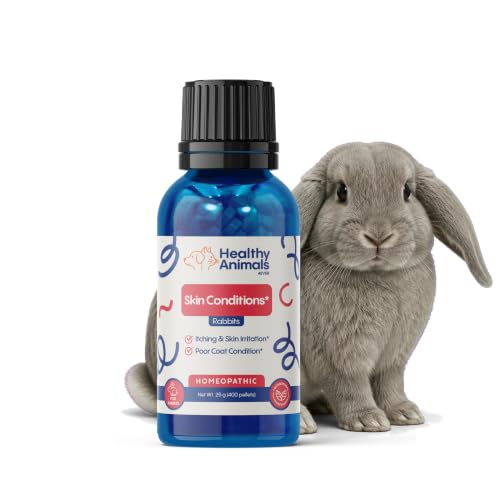
Homeopathic Respiratory Support Formula: HealthyAnimals4Ever Rabbit Respiratory Remedy Combines 12 active homeopathic ingredients, including Belladonna, Drosera, Ipecac, Lobelia Inflata, and Echinacea, to support rabbits showing signs of respiratory irritation.

PERFECT FOR BABY PETS: The Lixit hand feeding syringes are the perfect tool to help baby birds and small animals when they are not eating. If your baby pet is suffering from decreased appetite or Illness this syringe can help safely and comfortably administer food.
Tiny Droppings and Grinding Teeth = Gut Stasis
So, if you notice tiny, scant droppings and your rabbit is grinding or chattering their teeth, treat it as gut stasis—and act fast.
Tiny, dry pellets indicate slowed gut motility, which can quickly escalate into a life-threatening emergency.
If your rabbit’s output drops for 6 to 12 hours, immediate veterinary intervention is critical to prevent serious health risks.
Teeth grinding, also known as bruxism, signals severe abdominal pain, often caused by gas buildup and internal pressure.
Additional signs include hiding behavior, reduced appetite, or a distended, puffed-up belly.
These are urgent indicators that require prompt attention from a rabbit-savvy exotic veterinarian.
Don’t delay with “maybe it will pass” or home remedies.
Bring your rabbit to an emergency veterinary clinic as soon as possible because gut stasis can develop into a critical condition within approximately 24 hours.
Early diagnosis and targeted treatment—such as fluid therapy, pain management, and gastrointestinal stimulants—are essential for a successful recovery.
Protect your pet’s life by acting swiftly at the first signs of gut stasis.
Weak, Cold Ears or Pale Gums: Treat as Shock
Tiny droppings and tooth grinding in your rabbit can indicate painful gut stasis, but sometimes rabbits don’t exhibit typical gut signs and instead appear to be shutting down. Recognizing these serious symptoms is crucial for prompt intervention.
If you notice weak or cold ears, cold paws, or pale or bluish gums, treat the situation as shock. These are clear signs of poor blood circulation, which can rapidly become life-threatening if not addressed immediately.
Capillary refill may be slow, breathing might be shallow or rapid, and your rabbit may limp or collapse, all of which require urgent professional care.
Immediately contact a rabbit-savvy exotic veterinarian or emergency animal clinic experienced in small mammals. Keep your rabbit calm by gently wrapping them in a soft towel and ensure gradual warmth with a wrapped warm bottle.
Don’t force feed or give water, as this could worsen the condition. Quick, expert intervention and proper emergency supplies are essential to stabilize your rabbit and prevent irreversible damage.
Transport your rabbit to the veterinary clinic without delay to ensure the best outcome.

SUITABLE FOR MOST CATS AND SMALL DOGS: Our pet beds are suitable for cats, dogs, puppies, and other small animals. The size of the Small Size pad is 15.5 -19.5 inches....
Heat Stroke in Rabbits: Cool, Then Rush to a Vet
Heat stroke in rabbits is a medical emergency that requires immediate action to prevent life-threatening complications. To effectively respond, quickly cool your rabbit by gently applying cool or lukewarm water to their ears—avoid drenching the entire body—then promptly transport them to a specialized exotic animal veterinarian experienced in rabbit care without delay.
If you notice symptoms such as ears that are hot, red, or swollen, along with rapid or shallow breathing, your immediate intervention is crucial.
Move your rabbit into a shaded, well-ventilated environment, ideally a cool room, to help lower their core body temperature swiftly.
Recognize signs of severe distress, including open-mouth breathing, wobbliness, tremors, seizures, dark red gums, or bleeding; these symptoms indicate a dire condition that necessitates urgent veterinary attention.
Furthermore, if the internal temperature exceeds 40°C (104°F), don’t delay cooling measures or seek emergency veterinary care.
Acting quickly with proper cooling strategies and professional medical support can be the difference between life and death for your rabbit.
Ensure you have access to a veterinary professional with rabbit-specific expertise who can provide advanced treatment to address heat stroke and prevent long-term health consequences.

PROMOTES OVERALL HEALTH: Specially formulated to provide rabbits the essential vitamins and antioxidants supports joints & bones, improves skin & coat health, and is easy to digest.

COMPLETE DAILY MULTIVITAMIN FOR SMALL PETS: Supports the health of rabbits, guinea pigs, and chinchillas, filling nutritional gaps from picky eating, aging or stress. This hay-based daily vitamin supplement is ideal for multi-pet households and animals needing consistent preventative nutrition support.
Poisoning and Toxic Ingestion: Call Emergency Care
If you suspect your rabbit has ingested, chewed, inhaled, or been exposed to a toxic substance—such as certain household plants, chemicals, or medications—immediately contact a specialized exotic veterinarian experienced in small mammal toxicology or a reputable animal poison control hotline.
Don’t delay action by waiting to see if symptoms develop, as prompt intervention is critical in poisoning emergencies; toxins can rapidly damage vital organs including the gastrointestinal tract, lungs, brain, or heart.
Provide detailed information about the specific plant, chemical, or product involved when speaking with the veterinary professional or poison control expert.
Watch closely for signs such as sudden lethargy, collapse, diarrhea, abdominal pain, tremors, seizures, or labored breathing.
Also monitor for pallor of the gums, weakness, swelling, bleeding, or blood in the urine.
Take immediate steps to remove your rabbit from the contaminated environment and minimize further exposure.
Capture clear photographs of any toxins, packaging, or containers involved for ID purposes.
Remember, don’t induce vomiting yourself and avoid home remedies, as these may worsen the situation.
Quick, professional intervention is essential to prevent severe health complications and ensure the best possible outcome for your rabbit.

TARGETED SUPPORT: A vet formula recovery diet for small herbivores like rabbits, guinea pigs, and chinchillas; This high fiber digestive supplement provides emergency nutrition, supporting strength, and recovery, during critical care moments

Intensive nutritional support for the critical care of small herbivores, animal health critical care

COMPLETE RECOVERY NUTRITION FOR HERBIVORES: Oxbow Critical Care Herbivore is a nutritionally complete assist-feeding formula designed for rabbits, guinea pigs, chinchillas, tortoises, iguanas, and other herbivores needing emergency nutrition, illness recovery support, or post-surgery feeding.
Frequently Asked Questions
My Rabbit Is Breathing Loudly—How Fast Should I Get to the Vet?
If your rabbit’s breathing sounds loud, heavy, wheezy, or you notice signs of difficulty breathing, it is crucial to seek prompt veterinary attention from a rabbit-savvy exotic veterinarian who specializes in small mammal respiratory health. Do not wait—call immediately and prepare to leave right away for urgent assessment and treatment.
In case of critical symptoms such as open-mouth breathing, blue lips, or collapse, treat these signs as life-threatening emergencies. Rapid intervention can be lifesaving. Ensuring your bunny receives professional veterinary care as soon as possible offers the best chance for swift diagnosis, effective treatment, and relief from respiratory distress.
What Should I Do if My Rabbit Won’T Eat, but Still Has Poop?
Your rabbit won’t eat, which can be a critical sign of illness. Immediately contact a rabbit-savvy exotics veterinarian to ensure prompt diagnosis and treatment. Keep your rabbit warm using a heat pad or blanket to prevent shock and dehydration, and offer fresh, high-quality hay to encourage eating.
Monitor your rabbit’s poop closely—note the size, consistency, and quantity—as these details are essential for the veterinarian’s assessment. If your rabbit refuses to eat or if they stop pooping for more than 12 hours, treat it as an urgent emergency requiring immediate professional intervention. Prompt action can prevent life-threatening complications and improve the chances of recovery, so don’t delay seeking expert care.
How Can I Tell Head Tilt Is an Emergency, Not Just Minor Balance?
You should treat head tilt in rabbits as an emergency when it is abnormal, persistent, or accompanied by concerning symptoms such as falling, rolling, spinning, nystagmus, ataxia, inability to stand, seizures, collapse, or loss of appetite. These signs indicate a potentially serious underlying health issue, including inner ear infections, neurological abnormalities, or other critical conditions requiring immediate attention.
When any of these symptoms are observed, promptly contact a rabbit-savvy exotic veterinarian who specializes in small mammal health. Early diagnosis and intervention can significantly improve treatment outcomes. Don’t delay—professional veterinary care is essential to address the root cause of the head tilt and prevent further health deterioration.
Should I Apply Pressure for Bleeding, or Go Straight to Emergency Care?
Apply firm, direct pressure to any external bleeding—such as cuts, lacerations, or punctures—ensuring continuous pressure to help control blood flow. Use a clean cloth, sterile bandage, or gauze for optimal absorption and to minimize infection risk.
If you notice that the bleeding blood pulses rhythmically, soaks through bandages rapidly, or refuses to cease after several minutes of consistent pressure, it is critical to seek emergency veterinary care immediately. This is especially urgent if bleeding originates from sensitive areas like the mouth, nose, eyes, rectum, or genitals, which may indicate severe injury or internal trauma. Prompt, expert intervention is vital to stabilize your rabbit and prevent life-threatening blood loss or complications.
For any severe or uncontrolled bleeding in rabbits, always prioritize rapid transportation to a specialized, rabbit-savvy veterinary emergency clinic equipped with the necessary tools and expertise to provide advanced hemorrhage management. Acting swiftly with the right bleeding control techniques and professional support ensures the best possible outcome for your pet’s health and recovery.
My Rabbit Ate Something Unsafe—Do I Induce Vomiting or Call the Vet First?
Don’t induce vomiting, as rabbits cannot safely vomit, which makes it dangerous to attempt this. Immediate action is crucial—remove the potentially toxic or unsafe item from your rabbit’s environment, and take clear photos or keep packaging to identify the substance if possible.
Contact a rabbit-savvy exotic veterinarian or a trusted poison hotline without delay for professional guidance. Timing is essential to ensure your rabbit receives the appropriate care. If your rabbit shows signs of distress, such as refusal to eat, or stops passing stool or urine, seek emergency veterinary care immediately to prevent serious health complications.