You should aim for 3–4 hours of safe, supervised, enriching exercise every day. Split it into two sessions, about 2 hours in the morning and 2 hours in the evening, since rabbits are crepuscular and peak near dawn and dusk. Count out-of-enclosure play too.
Give a rabbit-proof run with plenty of space, and use foraging—scatter hay and greens in stations—to get extra hops and binkies. If you see bar-chewing, hiding, or stiff hopping, fix it fast and consider a vet—stick around to learn more.
Swift Summary
- Aim for at least 3–4 hours of safe, supervised enrichment exercise daily, including out-of-enclosure play.
- Split activity into two sessions (about ~2 hours morning and ~2 hours evening) matching dawn/dusk energy peaks.
- Provide varied movement: supervised free-roam, tunnels/platforms, chasing toys, and plenty of foraging to encourage hopping.
- Offer a roomy, rabbit-proof outdoor run (e.g., 60+ sq ft for a pair) with safe shelter, overhead cover, and secure locks.
- Watch for warning signs of insufficient exercise, like aggression, corner-hiding, bar chewing, thumping, or mobility discomfort; seek vet help if noted.
How Much Daily Rabbit Exercise Do They Need?
To ensure your rabbit remains healthy, happy, and actively engaged, it’s essential to provide at least 3–4 hours of safe, supervised, and enriching exercise every day. This comprehensive exercise routine not only promotes physical wellness but also prevents boredom and behavioral issues. When planning your rabbit’s daily activity, count out-of-enclosure time toward this total, ideally splitting it into two sessions—approximately 2 hours in the morning and another 2 hours in the evening—to align with their natural dawn and dusk activity cycles. three hours Maximize your rabbit’s well-being by incorporating a variety of engaging exercise options such as free-roam playtime within a secure, rabbit-proofed area, a spacious supervised playpen, and stimulating enrichments like tunnels, platforms, and chasing toys. These activities are especially beneficial for young, healthy adult rabbits, promoting muscle tone, mental stimulation, and overall vitality.

【 BREATHABLE 360° VIEW FOR SMALL PETS 】:Designed with breathable mesh panels on every side, this small animal playpen promotes airflow while giving you a clear view of your pet during playtime. The enclosed space is ideal for rabbits, guinea pigs, hamsters, hedgehogs, chicks, kittens and other gentle small animals, helping them explore, rest and play comfortably under supervision.

Spacious Room: The pet playpen adopts a unique octagonal structure with a size of 39 x 39 x 19 in, which is more spacious than ordinary hexagonal cat playpen. It provides a more open space for pets to run, play and rest freely and is suitable for small and medium-sized animals such as rabbits, puppies, kittens, chicks and guinea pigs.
Set Up a Rabbit Run With Enough Space
When you set up a rabbit run, go larger than you initially think you need because ample space directly influences how much they can run, hop, and perform joyful “binky” jumps, which are their happy sideways leaps. For optimal exercise and mental stimulation, aim for a minimum of 60 square feet outdoors for a pair of rabbits. This typically translates to approximately 3 meters by 2 meters of open floor space and a height of at least 1 meter (3 feet). Ensuring a spacious, well-designed enclosure promotes healthy activity, reduces stress, and encourages natural behaviors. If you want to give rabbits room to exercise beyond the run, rabbit fencing can set clear boundaries around a safe play area.
Create a connected environment that includes a sheltered hutch measuring at least 6 feet by 2 feet by 2 feet, which provides a safe retreat and protects your rabbits from predators and harsh weather conditions. Incorporate clearly designated zones within the run for resting, hay storage, and digging areas to cater to their natural foraging and burrowing instincts. Use predator-proof mesh with secure, locking doors to prevent escapes and safeguard against potential threats. Additionally, provide overhead cover to shield your rabbits from direct sunlight and rain, creating a comfortable and secure habitat.
Investing in a properly sized, secure, and thoughtfully organized rabbit run with designated zones and predator protection not only enhances your rabbits’ quality of life but also makes maintenance easier and provides peace of mind. This comprehensive setup encourages natural behaviors, supports their physical health, and enhances overall well-being, making it an ideal solution for responsible rabbit care and enjoyable pet ownership.

Ideal for small animals to have their own safe space to play and exercise

【Sturdy & Weatherproof Fir Wood Construction】Crafted from solid fir wood with a water-resistant finish, this A-frame rabbit hutch is built to withstand outdoor elements and resist warping/rot; reinforced joints ensure long-lasting stability without wobbling

EXTRA LARGE 61-INCH DESIGN WITH ATTACHED RUN — Provides an expansive 61-inch long habitat combining a cozy sleeping loft with a fully enclosed ground-level run, offering pets ample space for exercise, play, and natural grazing in your garden
Add Foraging Enrichment to Keep Exercise Going
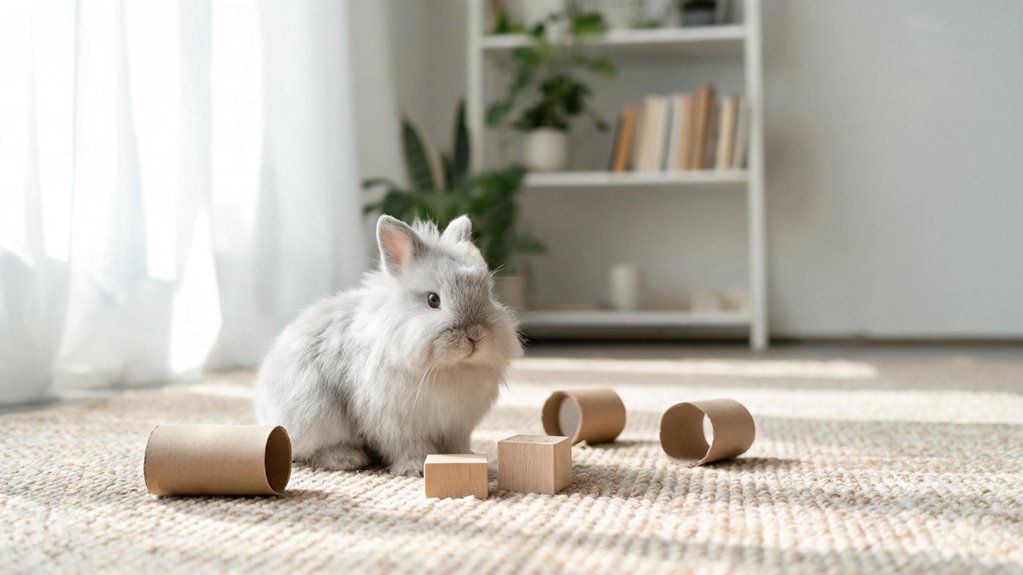
Foraging enrichment is one of the simplest and most effective methods to promote continuous physical activity in rabbits. By transforming mealtime into a stimulating and engaging experience, you encourage your rabbit to move naturally, preventing long sedentary periods that can impact their health. Incorporating foraging enrichment also helps extend mealtimes and supports healthier eating patterns. Create multiple foraging stations within the rabbit’s exercise pen, utilizing high-quality hay, leafy greens, and safe plant-based treats. Scatter hay in varied patches to motivate your rabbit to walk, pause, stretch, rear, and turn between bites, fostering natural foraging behaviors.
Incorporate hiding spots using cardboard boxes, paper parcels, or forage boxes filled with hay or greens to make chewing and digging activities more rewarding. Safe chew toys made from untreated willow or apple wood can complement these setups by satisfying a rabbit’s natural gnawing instincts during downtime.
Elevate hay on hanging platforms or higher points to encourage your rabbit to reach on hind legs, increasing their vertical exercise.
Monitor your rabbit for signs of reduced appetite, dull activity, or softer stool, which may indicate overfeeding or stress. Aim to provide multiple hours of foraging enrichment daily, ensuring your rabbit remains active, engaged, and healthy.
Implementing these tailored foraging strategies enhances physical health, mental stimulation, and overall well-being—key outcomes that pet owners and rabbit enthusiasts seek through professional rabbit care solutions.

3-in-1 Function:Guinea pig wood hay feeder, 3 in 1 wooden rabbit hay feeder can provide rabbits with clean food, prevent waste of hay, help train small animals to defecate in a fixed place, and maintain environmental hygiene. Compared to other feeders, our rabbit hay rack has two additional stainless steel bowls that can be used to give your pet water or dry food.It also comes with a rabbit pee pad to keep the rabbit hay rack clean,guinea pig hay feeder with litter box

【100% Hand-Woven】Our rabbit straw mat is hand-woven from natural straw,with a natural grass scent,safe for your pets

ENCOURAGES FORAGING & HAY CONSUMPTION: Sprinkle this tasty topper on rabbit food, guinea pig food, or chinchilla food to boost hay intake; Packed with healthy ingredients, it supports natural foraging and keeps pets like bunnies and guinea pigs happy
Time Rabbit Runs for Dawn and Dusk Activity
Because rabbits are crepuscular, meaning they’re most active during the low-light periods around dawn and dusk, you can optimize their natural activity patterns by scheduling their outdoor run times during these specific twilight windows—approximately two to four hours each.
Planning your rabbit’s exercise routine from first light, which is often between 4 and 5 a.m. during summer months, ensures they get valuable morning activity.
Allow this period to extend through late morning before it diminishes, providing your rabbit with ample movement and stimulation during their peak activity time.
In the evening, target late afternoon into early night, roughly two to four hours after sunset, to align with their natural behaviors.
During these times, rabbits are more likely to sprint, hop, and explore actively, while midday generally involves rest and minimal activity.
To ensure your rabbit’s safety and well-being, select a secure, enclose outdoor space designed to prevent escape or predation.
By timing enrichment activities, free runs, and interactive play sessions around these natural activity peaks, you can greatly enhance your rabbit’s physical health, mental stimulation, and overall happiness.
Serving your rabbit with carefully scheduled activity periods that respect their crepuscular nature fosters a healthier, more engaged pet, making your care routine both efficient and rewarding.

【Longevity】: Constructed with top-notch materials, the HIIMALEX bunny hideout ensures durability and safety, providing exceptional value for your investment. Your rabbit will relish secure playtime in this robust and dependable indoor wooden tower.

【Spacious Bunny House】This Wooden Rabbit Castle with Rabbit Tunnel offers a cozy and safe place for your furry friend to play, rest, and sleep. The large castle providing a comfortable indoor space for bunnies and other small animals.

Rabbit Interactive Toys: With this rabbit tunnel, your pet can entertain himself for hours! This unique rabbit toy is three spacious tunnels in one, giving your rabbit room to roam.
Exercise Problems: Signs to Fix and Vet Them
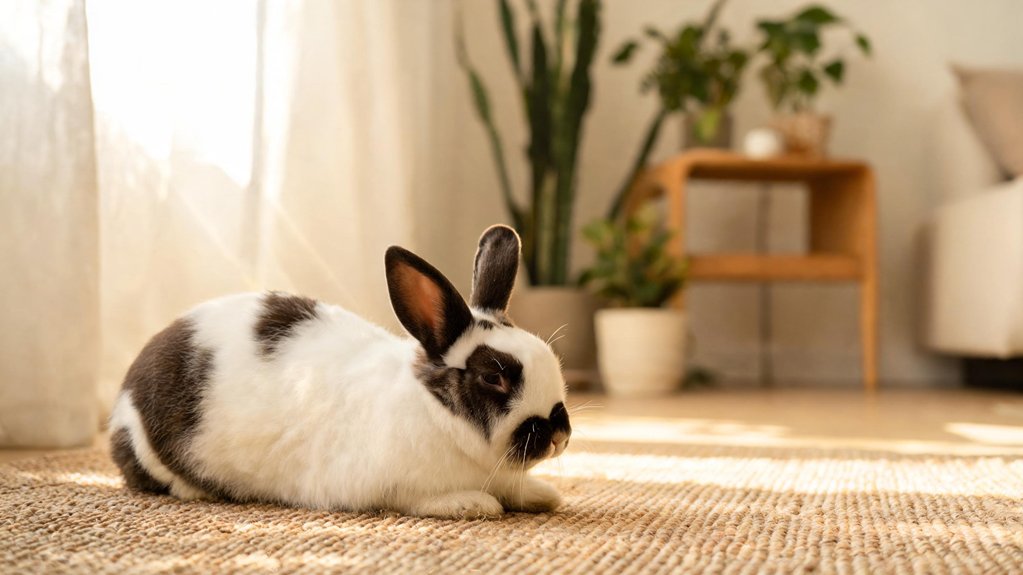
Spot exercise problems early, and you’ll save your rabbit from stress, pain, and health scares. Timely detection of issues like bar chewing, thumping, aggression, or constant corner-hiding indicates your rabbit needs more targeted movement, mental stimulation, and enrichment strategies. Providing engaging toys, ample space, and interactive activities can effectively alleviate these behaviors and promote overall well-being.
Watch for repetitive “silly” habits such as circling, head bobbing, or biting fixtures, as these stereotypies often signal chronic stress or underlying frustration. Addressing environmental concerns, dietary deficiencies, or boredom through specialized enrichment solutions can help reduce these behaviors and improve your rabbit’s mental health.
Additionally, monitor for signs like listlessness, decreased exploration, or extended periods of quiet behavior followed by frantic bursts of activity. These patterns may indicate insufficient stimulation or low activity levels. Gradual weight gain, messy cecotropes (soft droppings), or fur soiled from cecotropes stuck behind can also signal low activity levels, requiring intervention to boost your rabbit’s mobility through interactive play and proper habitat setup.
Reduced jumping, hesitation to hop, stiffness, or sore hocks suggest discomfort or mobility issues that need rapid correction. Swiftly enhancing your rabbit’s environment with soft flooring, appropriate littering, and comfortable resting areas can make a significant difference. If your rabbit remains hunched, refuses to move, or exhibits sudden behavioral changes, contact your veterinarian promptly to address potential health concerns before they worsen. Prioritize early detection and tailored environmental adjustments to ensure your rabbit’s optimal health and happiness.

Crafted with Real Rabbit Fur – Soft, premium material that cats naturally adore.

【Natural Materials】Crafted with natural rabbit fur, feathers, catnip, and silvervine gall fruit, these cat toys are designed to satisfy your cat’s natural instincts. The realistic texture and scent help encourage chewing, chasing, and kicking for more engaging play

PREMIUM RABBIT FUR DESIGN: This Rabbit Fur Mouse Teaser Wand Cat Toy is a unique and captivating plaything. The mouse, measuring about 4 inches long, is made of real rabbit fur, providing a realistic and enticing experience for your cat.
Frequently Asked Questions

Versatile Size: This 80 x 50 inch mat is compatible with most popular size playpens and works well underneath play yards of various sizes and shapes, great for small or big pets.

🏆【Multiple Combinations】Our small animal cage is made of high-quality coated steel, which is more durable and sturdy. The distance between the encrypted fence iron mesh is about 0.5 inches, which will not trap small animals. You can customise the small animal pet playpen into various sizes according to your needs easily.

360°Clear Visibility Calm Pets: Crafted from transparent acrylic, this playpen delivers an open, uncluttered look. It effectively reduces anxiety, barking and whining. Transparent construction creates a bright, room-like space instead of a confining cage, perfectly blending with diverse home decor.
How Many Hours Should My Rabbit Be Out of Its Cage Daily?
Let your rabbit be out of its cage for at least 3 to 4 hours daily in a secure, rabbit-proof exercise area designed for optimal activity and safety. Providing consistent, near-continuous access to a larger, enclosed run or a specially prepared rabbit-proof room allows your pet to hop freely, perform joyful binkies, and explore its environment thoroughly.
Maximizing these supervised out-of-cage times promotes natural behaviors, supports mental stimulation, and encourages healthy physical activity, all of which are essential for your rabbit’s overall well-being. Investing in a spacious, secure space tailored for rabbits ensures continuous engagement and reduces the risk of destructive behaviors. By prioritizing daily out-of-cage time in an ideal habitat, you create an enriching, safe environment that meets your rabbit’s need for exercise, curiosity, and socialization, making it a worthwhile addition to your pet care routine.
What Are Safe Ways to Exercise a Rabbit Indoors?
You can safely exercise your rabbit indoors by thoroughly rabbit-proofing a designated space, such as a specific room, to prevent access to electrical cords, toxic plants, and other hazards. Setting up a tall, secure playpen with sturdy panels provides a confined yet engaging environment that promotes safe physical activity. Incorporate tunnels, hide boxes, and foraging stations made from safe, rabbit-friendly materials, which stimulate natural behaviors and encourage movement.
Supervised free-roam sessions in this secured area should last approximately 3 to 4 hours daily, allowing your rabbit to explore and exercise comfortably without injury. Regularly rotate toys, tunnels, and hiding objects on a weekly basis to maintain your rabbit’s interest and prevent boredom. Investing in high-quality, rabbit-safe exercise equipment and furniture not only supports your pet’s health but also ensures a safe, engaging environment that enhances their well-being.
How Big Should a Rabbit Exercise Pen Be for One Rabbit?
For one rabbit, it is recommended to provide at least approximately 32 square feet of total open space to ensure optimal health and well-being. A suitable exercise pen should have a minimum of about 24 square feet, such as a 6×4 foot or an 8×3 foot enclosure, offering ample room for movement, exploration, and natural behaviors.
In addition to the designated exercise area, it is essential to include additional space for your rabbit to sprawl, rest, and relax comfortably. Prioritizing larger, well-constructed rabbit exercise pens will promote physical activity, mental stimulation, and overall happiness, making it a valuable investment for responsible rabbit ownership. Always opt for bigger enclosures whenever possible to provide a healthier and more enriching environment for your furry companion.
Can I Use Tunnels and Digging Boxes to Encourage Exercise?
Yes, you can effectively promote physical activity and mental stimulation in your rabbit by incorporating tunnels and digging boxes into their environment. Set up safe, sturdy tunnels made from durable, chew-proof materials within your rabbit’s enclosure to encourage energetic zooming and exploratory behavior, helping to prevent boredom and promote natural agility. Additionally, add a digging box filled with hay or shredded paper, which provides an engaging outlet for natural burrowing instincts while stimulating their senses.
What Signs Mean My Rabbit Isn’T Getting Enough Movement?
You’ll notice too little movement in your rabbit when it gains weight, appears less playful, and shows a reluctance to hop or explore its environment. These signs may indicate insufficient physical activity, which can lead to unhealthy weight gain and behavioral issues.
Ensuring your rabbit gets several hours of vigorous activity daily is crucial for maintaining optimal health and preventing common problems such as lethargy, stiff joints, and destructive behaviors like bar-chewing. Investing in engaging toys, spacious habitats, and regular exercise routines can effectively promote movement and improve your rabbit’s overall well-being. Prioritize these solutions to keep your pet energetic, happy, and healthy.