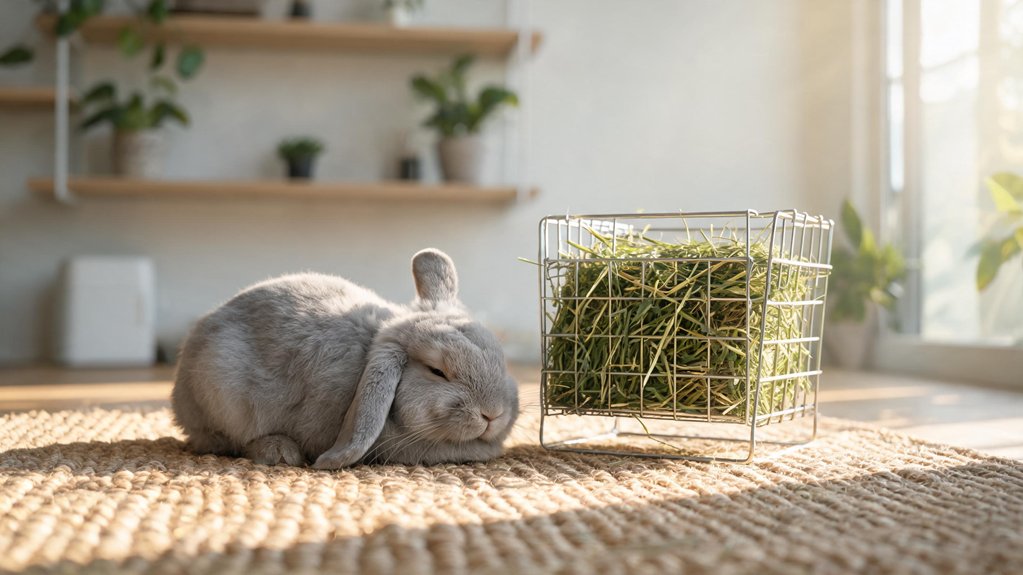
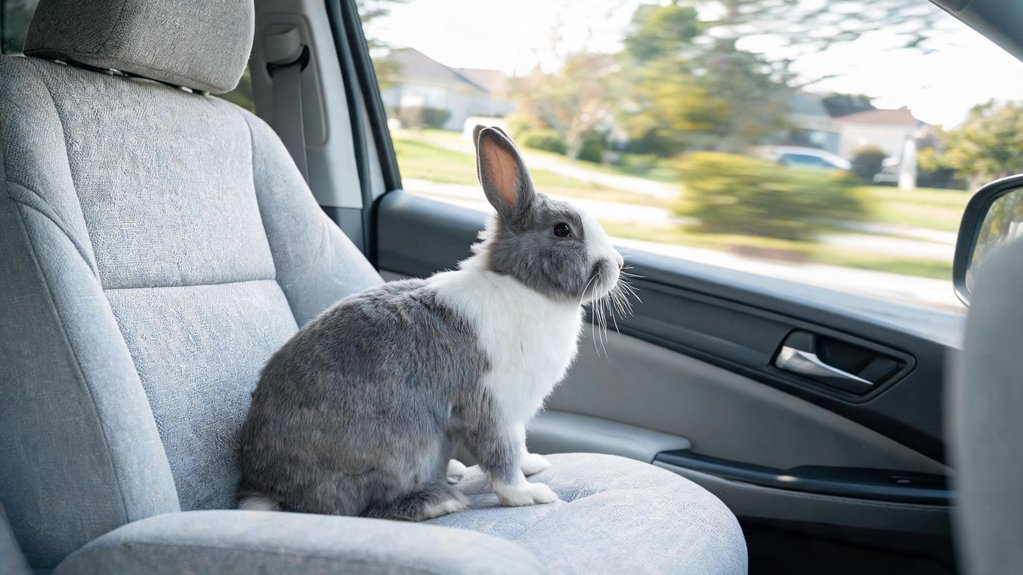
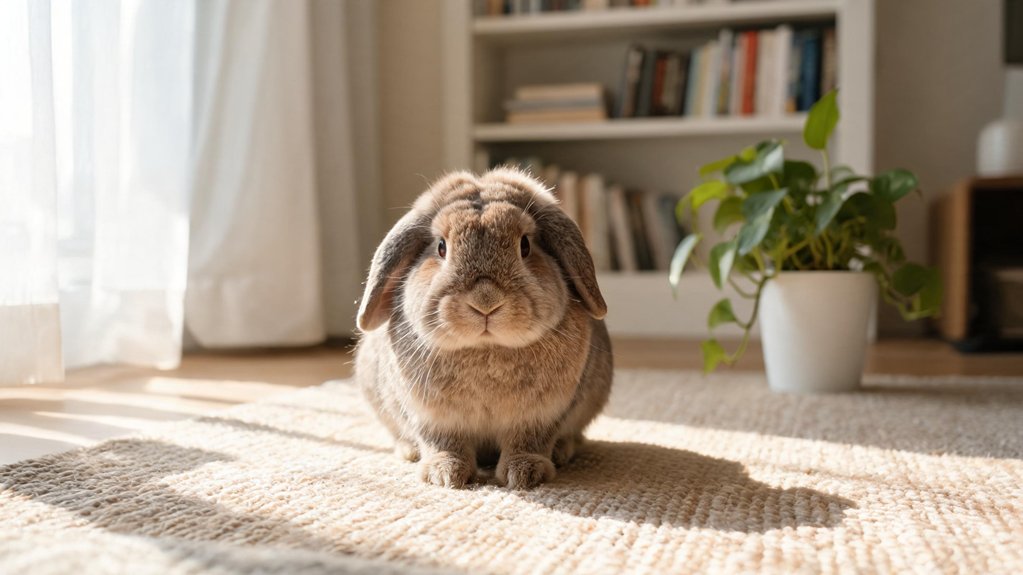
You’ll know your rabbit’s happy when it loafs or does a full flop on one side, with ears held upright and out, and eyes relaxed or partly closed. You’ll also see joyful movement, like binkies, zoomies, and quick turns.
At mealtimes, it should readily eat unlimited grass hay, drink regularly, and produce steady, dry round pellets with no drool. But if it freezes, hunches up, has dull eyes or ears pinned back, or refuses hay for 12–24 hours, call a vet fast. Keep going to learn more.
Swift Summary
- Look for happy loafing or a full flop on one side with ears close together and face up.
- Notice playful “joyful movement” like zoomies, binkies, quick turns, or energetic hops during safe play.
- Monitor eating and digestion: steady high-quality hay intake, normal pellet production, and no drooling or quidding.
- Watch stress signals: hunched posture, freezing, dull eyes, pinned-back ears, or hiding and jumpiness.
- Treat emergencies fast: no food for 12–24 hours, fewer/smaller pellets, drooling, grinding, or reduced drinking needs immediate vet care.
Happy Rabbit Body Language to Look for Daily
A happy rabbit typically displays consistent, subtle body language signals that you can observe daily, helping you ensure your pet’s well-being and happiness. Recognizing these relaxed resting postures is key: a rabbit may sit in a loaf position with legs tucked neatly beneath its body or choose a full flop onto one side, indicating deep relaxation and comfort. These signs of contentment are valuable indicators for pet owners who want to provide a stress-free environment and promote overall health. A key daily signal is when your rabbit’s ears are close together and face up, with relaxed, pointed-out ears that suggest it feels safe and comfortable.
Additionally, look for facial cues such as partially closed eyes, which demonstrate trust and calmness, as well as gentle tooth purring characterized by soft, rhythmic clicking sounds. To further assess your rabbit’s happiness, observe the positioning and movement of its ears—relaxed, loosely upright, or angled about 45 degrees—along with slow nose twitches and a relaxed jaw. When your rabbit eats hay calmly, stretches out freely in open spaces, or engages in regular grooming, it’s a clear sign of a happy, healthy rabbit.

SOFT TEXTURE & SWEET FLAVOR: With its soft texture and naturally sweet flavor, Orchard grass hay appeals to rabbits, guinea pigs, and small herbivores; This high-fiber hay supports healthy digestion while encouraging natural chewing behaviors


Satisfying taste and texture combo
How to Spot Playful Behavior and “Binkies
Now that you’ve become adept at recognizing your rabbit’s relaxed body language on a daily basis, it’s equally important to spot their playful behaviors and “binkies.” These joyful expressions are among the clearest signs that your rabbit feels safe, secure, and truly happy in their environment.
Spot binkies and playful leaps—clear signs your rabbit feels safe, secure, and truly happy in their environment.
Most binkies are part of frenetic random activity periods (FRAPs), which are normal bursts of high energy. Look for sudden vertical or diagonal leaps, midair twists, and vigorous rear-foot kicks, which often indicate their excitement and playful mood.
You may observe these playful actions from a stationary position or during rapid runs, where your rabbit performs quick 180-degree turns, showcasing agility and enthusiasm. Additionally, keep an eye out for zoomies—fast, looping sprints resembling figure-eights—that are often accompanied by adorable binkies and spontaneous stops.
To encourage such lively behavior and nurture your rabbit’s happiness, provide engaging toys, tossable treats, tunnels, and designated digging spots to stimulate their natural instincts. Bonded rabbits tend to display gentle chasing or light “wrestling” behaviors, which are harmless signs of their social bonding and trust.
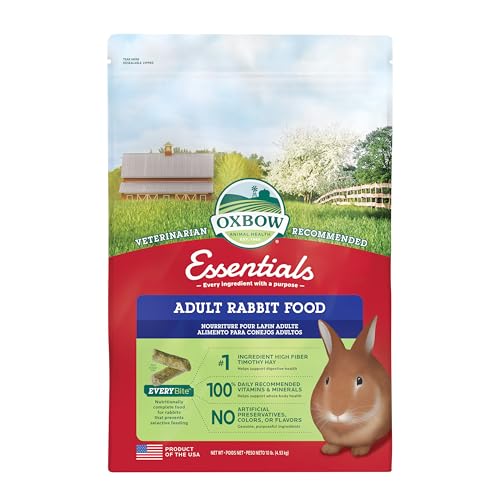
COMPLETE NUTRITION IN EVERY BITE: Oxbow EVERYBite foods are specially formulated to deliver balanced, complete nutrition in every serving; Each bite ensures your rabbit gets the essential vitamins and minerals needed for a healthy, active, and happy life

100% Natural Wood Pellets – Made from natural wood, suitable for use in bird and small animal cages

This formula uses whole natural ingredients and supplements to provide complete and balanced nutrition that covers all of your rabbits needs for a healthy and active lifestyle in every bite - no selective feeding of colorful treats.. This includes:
Happy Eating, Grooming, and Digestion Signs
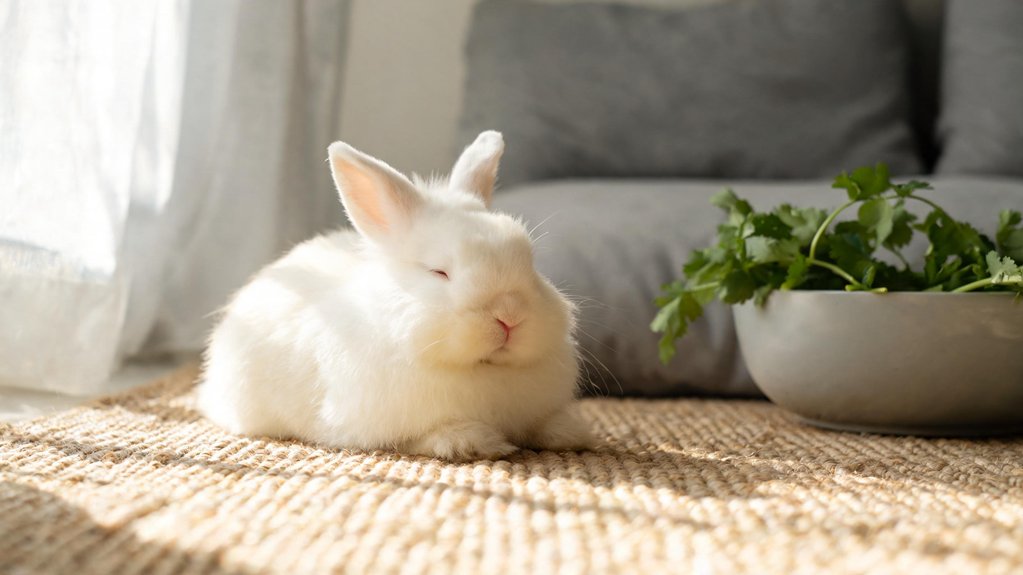
When your rabbit is happy, you’ll usually see it in the basics first—how they eat, groom, and poop. Serve them unlimited high-quality grass hay such as Timothy or oaten hay to promote optimal digestion and dental health. Provide measured portions of fresh leafy greens each day, and limit pellet intake to maintain a balanced diet. Monitoring their interest during mealtimes is essential; look for steady enthusiasm, prompt and smooth steps to the feeding area, and ensure their fur around the mouth remains dry and clean, with no signs of drooling. In addition, watch for a slight moist nose as a normal sign of well-being.
Next, pay attention to grooming behaviors. Frequent self-grooming, a smooth and shiny coat, and clean hindquarters and tail—free of wet patches—are clear indicators of well-being. These grooming habits reflect healthy skin and coat condition, which are vital for your rabbit’s overall health. Maintaining a clean environment and a nutritious diet supports these natural grooming behaviors and prevents common issues like fur mats or skin infections.
Finally, observe their litter habits, focusing on the characteristics of their fecal pellets. Appropriate digestion is signaled by dry, round, marble-like hard fecal pellets, which are essential for proper gut health. A stable appetite paired with consistent pellet production confirms your rabbit’s digestive system is functioning optimally. Ensuring your rabbit exhibits these signs not only enhances their happiness but also promotes longevity and reduces veterinary costs. Providing the right diet, environment, and attentive care creates a harmonious, healthy lifestyle for your pet rabbit.

Leak-Proof Nozzle: U.S. patented Choco Nose design prevents water leakage; provides a dry and mess-free cage environment while keeping pets’ water clean and fresh.

🐾 Why Choco Nose Water Bottle? Are You Tired of Changing the Wet Bedding for Your Pet Cage? This Is The Best Small Pet Water Bottle For Your Beloved Pets. Providing A Wet-Free and Mess-Free Living Area For Your Furry Kids Is Very Essential. Choco Nose U.S. Patented Leak Proof Nozzle Can Prevent Water Leakage Effectively. Our Innovative Design Allows Your Pets to Enjoy Clean and Fresh Water While Keeping Your Home Clean and Dry.

PREMIUM QUALITY: Lixit water bottles have been a standard for over 35 years. It features a thick high quality water bottle that is BPA free.
Unhappy Rabbit Signs of Stress
Even if your rabbit appears “fine” on some days, signs of stress can quickly manifest through body language, activity levels, and habits. Recognizing these early indicators allows you to intervene effectively, ensuring your pet’s well-being and a happier, healthier bunny.
Look for prolonged hunched posture, which indicates discomfort or distress, and note if your rabbit freezes instead of exploring their environment—all classic signs of stress that shouldn’t be ignored.
Additionally, pay close attention to your rabbit’s eyes and facial expressions. Dull or unfocused eyes, wide or bulging pupils, tense facial muscles, and ears that are pinned back or laid flat against the head are strong signals of worry and anxiety.
These subtle cues are vital for diagnosing early stress, enabling you to provide tailored care, enrichment, or environmental adjustments to reduce their discomfort.
Stress behaviors are equally important to monitor. If your rabbit hides more than usual, runs away from you or other rabbits, or becomes overly jumpy at dawn and dusk, these are clear signs of distress.
Furthermore, increased aggression, foot thumping, excessive bar chewing, or pacing are common symptoms indicating your rabbit’s need for calming interventions.
By proactively identifying and addressing these stress signals, you can improve your rabbit’s quality of life, prevent health issues, and foster a trusting bond.
Investing in enrichment, a stable environment, and gentle handling can significantly reduce their stress levels, making them feel safe, secure, and loved.

7-in-1 Rabbit Grooming Kit: Not only gentle and safe for small animals, such as rabbit, hamster, guinea pig, and chinchilla; but also work great for larger animals like cats and dogs. Soft silicone small animal massage comb can help you protect your pet's skin and effectively keep their fur clean, healthly.

【Premium Material】This rabbit hair brush, made of silicone, is a great choice for your beloved rabbit grooming kit. This safe rabbit hair brush is designed to provide gentle yet effective grooming, protecting your pet's delicate skin while effectively keeping their fur clean and healthy. Cleaning is also very easy; simply rinse with water and air dry to maintain hygiene and ensure your pet's grooming tools are always clean and safe.

Clean Pets, Clean House: Depets cat & dog brush for shedding can easily remove loose hair, shedding mats, dander and dirt of your pet, which not only keep your pet clean, but also provide you with a clean and hygienic home environment
When to Worry About Health, Teeth, and Ears?
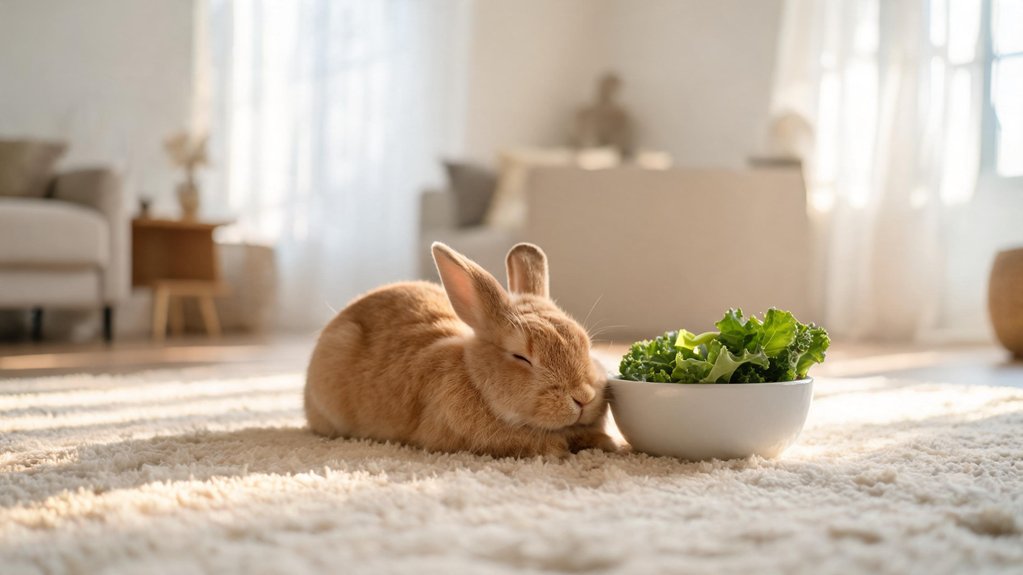
If your rabbit suddenly eats less, skips hay or hard foods, or refuses to eat for 12–24 hours, it’s crucial to take this seriously, as these signs can indicate painful dental issues that may rapidly lead to gastrointestinal slowdown. Immediate vet consultation is recommended to prevent further complications.
Watch for symptoms like teeth grinding, also known as bruxism, excessive drooling or “slobbers,” quidding—where your rabbit spits out partially chewed food—or weight loss accompanied by fewer or smaller poop pellets. Addressing these signs promptly with professional veterinary care can help alleviate pain, restore normal eating habits, and prevent serious health deterioration.
When it comes to ear health concerns, be vigilant if you notice your rabbit persistently scratching, head shaking, or pawing at one side. These behaviors may suggest an underlying ear infection or dental problem that requires swift intervention.
Additionally, check for redness, swelling, or debris within the ear canal, which are common indicators of infection. Don’t delay in contacting your veterinarian for a thorough examination and targeted treatment—early intervention can significantly improve recovery outcomes and ensure your rabbit remains comfortable and healthy.

PET PLAYPEN - This dog pen comes with 8 connected panels that are each 24x30-inches to create a spacious play area for puppies, small dogs, cats, rabbits, guinea pigs, chinchillas, turtles, or any appropriately sized pet up to 25lbs.

Spacious Space: Overall size is 48"L x 48"W x 24"H. Provides 16 square feet of living area for guinea pigs as recommended by vets. Ideal extension of our rabbit cage or independent use. Give small pets freedom to frolic indoors or outdoors

【 BREATHABLE 360° VIEW FOR SMALL PETS 】:Designed with breathable mesh panels on every side, this small animal playpen promotes airflow while giving you a clear view of your pet during playtime. The enclosed space is ideal for rabbits, guinea pigs, hamsters, hedgehogs, chicks, kittens and other gentle small animals, helping them explore, rest and play comfortably under supervision.
Concerning Appetite Or Water
Can you identify what “normal” looks like for your rabbit’s appetite and water intake? Start by diligently observing your rabbit’s daily eating and drinking habits. A healthy rabbit should consistently consume a balanced amount of high-quality hay, fresh vegetables, and pellets while drinking enough water to maintain proper hydration. Monitoring these patterns helps detect early signs of health issues, allowing for prompt intervention.
Because rabbit digestion depends on steady movement of food and water through their gastrointestinal tract, even small drops of water matter significantly.
If your rabbit refuses food for 12 to 24 hours, don’t delay—treat it as an emergency and consult your veterinarian immediately. Also, keep an eye out for reduced hay intake, fewer or smaller fecal pellets, which are critical indicators of gastrointestinal health.
Watch for specific warning signs such as selective eating, excess drooling, or a “can’t chew” appearance, which may suggest dental or other health problems.
Additionally, track water consumption carefully; if your rabbit’s drinking decreases, particularly if accompanied by weakness, lethargy, or unexplained weight loss, seek professional veterinary care without delay.
Maintaining close observation and swift action ensures your rabbit stays healthy, comfortable, and happy.
Abnormal Ears Teeth Grinding
When your rabbit’s eating and drinking patterns appear abnormal or diminished, it often indicates a underlying health issue that requires prompt attention.
If you hear loud, audible teeth grinding, treat it as a sign of pain or distress, and consider immediate veterinary consultation.
Firm, repetitive teeth grinding accompanied by a hunched posture, half-closed eyes, or withdrawal from activity are critical warning signs that warrant urgent evaluation by an exotic veterinarian.
Sudden onset of grinding, especially when paired with low energy levels, drooling, or decreased interest in food, can signal an emergency pain condition that needs immediate intervention to prevent further complications.
Soft “tooth purring” can sometimes indicate comfort, but new or persistent grinding should be viewed as a warning sign.
Additionally, monitor your rabbit’s ears closely: drooped, flattened ears, head tilts, shaking, scratching, or ear discharge may suggest an ear infection or other ear-related health issues.
In such cases, grinding behaviors may occur as a response to ear pain or discomfort.
Recognizing these abnormal behaviors early and seeking specialized veterinary care can help address underlying issues swiftly.
Ensuring your rabbit receives a comprehensive health assessment and targeted treatment plan can improve comfort, prevent escalation of conditions, and promote overall well-being.
Act promptly—your rabbit’s health depends on it.
Common Causes of an Unhappy Bunny (and Fixes)
Loneliness, boredom, and health issues—such as untreated pain, dental problems, or gut disturbances—can silently cause your rabbit to feel unsafe, stressed, and unhappy, even if their outward appearance initially seems normal.
To improve their well-being, start by enhancing social connections. Introducing a bonded pair or small group of rabbits can significantly reduce loneliness, but ensure careful, supervised introductions conducted in a neutral space to promote positive bonding and prevent territorial disputes.
Next, address boredom by enriching your rabbit’s environment. Incorporate engaging features like tunnels, platforms, chew toys, and daily foraging activities. Scatter-feed high-fiber pellets and provide fresh, unlimited hay multiple times throughout the day to stimulate natural foraging behavior.
These environmental enhancements not only reduce stress but also prevent destructive behaviors associated with boredom.
Upgrading your rabbit’s housing is crucial for their health and happiness. Provide ample space that allows for running, jumping, and hiding in a quiet, well-ventilated enclosure.
A spacious, safe habitat promotes physical activity and mental stimulation, essential components of a happy, healthy rabbit.
Finally, optimize their diet by offering unlimited, fresh hay—preferably grass hay such as timothy, orchard, or meadow hay—and avoid muesli-style mixes that can cause selective feeding and nutritional imbalance.
Monitoring for signs of dental issues, gut stasis, or pain and consulting a veterinarian promptly can prevent serious health complications, ensuring your rabbit remains vibrant and content.
These comprehensive solutions create a nurturing environment that promotes mental and physical wellness, fostering a happier, more relaxed rabbit.

PROUDLY GROWN IN THE USA: Harvested fresh from Oxbow?s family of farms by our expert hay growers˜

SOFT TEXTURE & SWEET FLAVOR: With its soft texture and naturally sweet flavor, Orchard grass hay appeals to rabbits, guinea pigs, chinchillas, and small herbivores; This high-fiber hay supports healthy digestion while promoting natural chewing behaviors

PROUDLY GROWN IN THE USA: Oxbow hay is harvested fresh from our family of farms, ensuring high quality for your pets; Perfect for rabbits, guinea pigs, and other small animals; It supports healthy digestion and is ideal for bunny food and hay for rabbits
Quick Checklist: Happy vs. Unhappy Rabbit Signs
Use this quick checklist to rapidly assess your rabbit’s mood and ensure their emotional well-being, preventing stress-related health issues and improving their overall happiness.
First, examine your rabbit’s posture. A relaxed loaf position or a gentle stretch indicates comfort and contentment, while a deep flop on one side signals a happy sigh and relaxed state.
Next, observe your rabbit’s movements. Playful hopping, energetic zoomies, and joyful binkies—where they jump with twists—are clear signs they feel secure and lively. Additionally, look for contentment signals such as ears held upright and out, eyes that are partially closed, soft tooth clicking, and regular sniffing behaviors, all indicating a happy, healthy rabbit.
Conversely, recognize signs of unhappiness or stress to intervene early. Hiding, freezing in place, cessation of hay eating, over-grooming, flattened ears, and bulging, watchful eyes suggest discomfort or fear.

This formula uses whole natural ingredients and supplements to provide complete and balanced nutrition that covers all of your rabbits needs for a healthy and active lifestyle in every bite - no selective feeding of colorful treats.. This includes:


Superior Absorbency for Better Odor Control: The high-density pine pellets provide enhanced absorbency, ensuring superior control of odors while reducing the frequency of bedding changes. These pellets absorb more moisture per pellet compared to traditional bedding materials, making them an effective choice for keeping your pet's space fresh and clean for longer periods of time.
Frequently Asked Questions

Spend Less Time Refilling: Refill water directly from the top without removing the bottle from the crate. Keep fresh water available while making daily care faster and easier.

Leak-Proof Nozzle: U.S. patented Choco Nose design prevents water leakage; provides a dry and mess-free cage environment while keeping pets’ water clean and fresh.

Ships in random colors magenta, lime green, and orange
Why Do Rabbits Flop Sideways—Does It Always Mean They’Re Happy and Safe?
Rabbits flop sideways because they feel safe, relaxed, and comfortable in their environment, often after engaging in playful activities or joyous binkying. This behavior indicates a sense of security and contentment, and observing calm breathing along with a loose, comfortable posture can help you confirm your rabbit’s happiness and well-being.
However, it’s crucial to distinguish between normal, relaxed flops and concerning behaviors. Sudden flops accompanied by rapid or labored breathing, rigid body tension, or difficulty rising may signal stress, underlying health issues, or medical emergencies that require immediate attention. Monitoring your rabbit’s overall behavior and physical condition enables you to identify signs of distress early, ensuring prompt intervention and continued health for your pet.
To maintain a happy and healthy rabbit, provide a safe, enriching environment that encourages natural behaviors like binkying and social interaction. Regularly observe your rabbit for normal relaxation cues, and consult a veterinarian if you notice any abnormal postures or breathing patterns, so you can take proactive steps to address potential health concerns and ensure your rabbit’s safety and happiness.
Can Binkies Happen if My Rabbit Is Stressed or Scared?
No, true binkies typically indicate that your rabbit is experiencing joy and a sense of safety, rather than stress or fear. If your pet rabbit is stressed or scared, you may instead observe signs like freezing in place, pinned or flattened ears, tense body posture, hiding behaviors, or repeated circling — all clear indicators of anxiety or discomfort.
Understanding these differences is crucial for providing a stress-free environment for your rabbit. Encouraging safe play opportunities where your rabbit feels secure will promote genuine binkies and overall happiness. If you notice signs of stress, prioritize calming activities and create a quiet, secure space for your pet to help reduce anxiety. Recognizing genuine binkies as a sign of well-being enhances your ability to care for your rabbit’s emotional and physical health effectively, ensuring they thrive in a loving, secure environment.
Is Reduced Appetite Sometimes Normal, or Always a Happiness Red Flag?
Reduced appetite isn’t “sometimes normal,” it’s usually a health red flag. If your rabbit, a delicate herbivore known for its sensitive digestive system, eats noticeably less or skips meals altogether, it indicates a potential health issue that requires immediate attention.
Promptly contact a qualified exotic animal or rabbit-savvy veterinarian to diagnose and address the underlying cause. Gut stasis, a serious condition where your rabbit’s gastrointestinal motility slows or stops, can develop rapidly and requires urgent intervention. Don’t wait—early professional care can prevent complications and ensure your pet’s swift return to optimal health. Investing in specialized veterinary guidance and supportive nutritional solutions can make all the difference in safeguarding your rabbit’s wellbeing.
What Does It Mean if My Rabbit Won’T Groom or Won’T Stop Grooming?
If your rabbit won’t groom or can’t stop grooming, it’s often a sign of underlying pain or stress—indicating that “The coat of health” can’t shine. Proper grooming is essential for maintaining your rabbit’s skin health, preventing matting, and ensuring a smooth, vibrant coat, which is crucial for their overall well-being.
First, check for common issues such as dental pain, skin irritation, mites, or poor mobility, as these can significantly affect your rabbit’s grooming behavior. Addressing these problems promptly can help restore normal grooming habits and improve comfort. Consulting an experienced exotic pet veterinarian is highly recommended, as they can diagnose the root cause and recommend targeted treatments. Taking proactive steps with professional care ensures your rabbit remains healthy, comfortable, and happily groomed.
How Can I Tell Pain From Fear Using Teeth and Ear Positioning?
To effectively distinguish between pain and fear in rabbits, pay close attention to their teeth and ear positioning as vital indicators. Soft “tooth purring,” along with a relaxed body posture and ears held upright and relaxed, typically signals comfort and contentment. These signs suggest your rabbit feels safe and at ease, making it easier to identify when they are relaxed and pain-free.
In contrast, loud teeth grinding accompanied by a hunched posture, ears pinned back tightly against the head, squinting, or noticeably reduced movement are strong indicators of pain. Such behaviors often denote discomfort that requires immediate attention. If you observe these signs, it is crucial to contact a rabbit-savvy veterinarian promptly to ensure your pet receives appropriate medical care.
Regarding fear, watch for flattened body posture combined with wide, tense eyes. These behavioral cues highlight anxiety and distress. Recognizing these signs early enables you to create a calmer environment for your rabbit, reducing stress and preventing escalation. Using these detailed visual cues and behavioral signs, you can better assess your rabbit’s emotional state and ensure they receive compassionate, professional treatment when needed.