If your rabbit suddenly lunges and bites, you’ve got to treat it like a warning sign and hunt the cause. First, check for pain. Teeth issues, arthritis, gut trouble, or injury can trigger hard bites. If they’re around 3 to 8 months old, hormones and dominance can kick in, so get spayed or neutered ASAP.
Next, look for guarding around “my stuff” spots like hay, bowls, or litter. With fear-biting, don’t corner—give space, step back 10 to 30 seconds, and call a rabbit-savvy vet fast.
Swift Summary
- Check for pain-related triggers like dental issues, gut stasis, arthritis, or injuries; sudden aggressive biting can be reactive discomfort.
- Seek veterinary evaluation urgently, especially within 24 hours for recent onset or hard lunging, to treat underlying causes and restore trust.
- Consider hormonal or adolescent aggression around 3–8 months; spaying/neutering helps but may not instantly stop guarding or nipping.
- Identify territorial/resource guarding around cages, food, hay, litter, or favorite spots; avoid invading space and remove triggers safely.
- Use calm handling: step back during warning posture, avoid reaching into the enclosure, and reduce stress from moves or new pets.
Find Pain First: Is It Causing Biting?
If your usually sweet, affectionate rabbit has suddenly started lunging, nipping, or giving hard bites, don’t dismiss it as “just attitude.” Pain is a common and often overlooked cause of aggressive biting behavior in rabbits, and it can manifest suddenly without warning. To address this issue effectively, start by considering pain-related reasons behind the aggression.
When you observe your rabbit lunging or growling, look for physical signs such as a hunched posture, half-closed eyes, loud teeth grinding, dullness, hiding, or stiffness. Pain may cause apprehensive behavior, which can show up as your rabbit looking wary or tense before it snaps. These behaviors and signs can indicate underlying discomfort or distress.
Dental pain from overgrown teeth, for example, often causes rabbits to react aggressively as a protective response. Similarly, gut pain may be reflected in reduced eating or reluctance to move, while arthritis or injuries can make handling painful.
Prompt veterinary care is essential to identify and treat the root cause of the pain. If the behavior’s onset is recent and aggressive, seek professional veterinary diagnosis and intervention within 24 hours.
Addressing pain swiftly not only alleviates your rabbit’s discomfort but also prevents further behavioral issues, ensuring a happier, healthier pet. Investing in thorough veterinary evaluation and appropriate treatment solutions will help restore your rabbit’s trust and improve its quality of life.

Homeopathic Neurological Support Formula: HealthyAnimals4Ever Rabbit E. Cuniculi Infection Treatment combines seven active homeopathic ingredients, Santonine, Cina, Silicea,...
Spot Hormone-Driven Aggression in Rabbits
Hormones can transform a gentle, loving rabbit into a territorial and aggressive animal, often beginning around puberty. Typically, between approximately 3 and 8 months of age, your rabbit may suddenly exhibit sexual and dominance behaviors such as mounting, circling, honking, nipping, lunging, and urine spraying. These hormonal shifts can also cause increased restlessness, frantic activity, and changes in litter box habits, signaling a need for behavioral intervention. Adolescence timing Spaying or neutering is recommended around this age range, but it’s not an overnight cure for behavior problems that are part of normal development. Male rabbits may display “aggressively friendly” behaviors like mounting and grappling, which can be confusing and challenging for owners. On the other hand, female rabbits might become grumpy, and false pregnancies can trigger territorial behaviors, including marking and defensiveness. Addressing these hormone-driven behaviors early through spaying or neutering can significantly improve your rabbit’s temperament. Implementing a spay or neuter procedure not only reduces aggression but also promotes overall well-being and better social interactions. Post-surgery, many rabbits show marked behavioral improvements over time, especially when these procedures are performed before or during the peak hormonal period. Consulting with a rabbit-savvy veterinarian ensures a tailored approach to behavioral management and helps create a happier, more harmonious life for your pet.

JOINT SUPPORT DROPS FOR PETS: HomeoPet Joint Stress may help provide temporary relief from joint stiffness, soreness, difficulty rising, muscle tension, and the effects of overexertion in dogs, cats, and other pets.


NATURAL PAIN RELIEF FOR DOGS: Vet’s Best Aches + Pains chewables support joint health and ease discomfort from daily activity, training, or exercise. Made with plant-based ingredients for dogs with sore muscles, stiffness, or occasional mobility issues.
Territorial Rabbit Biting: What Resources Get Guarded?
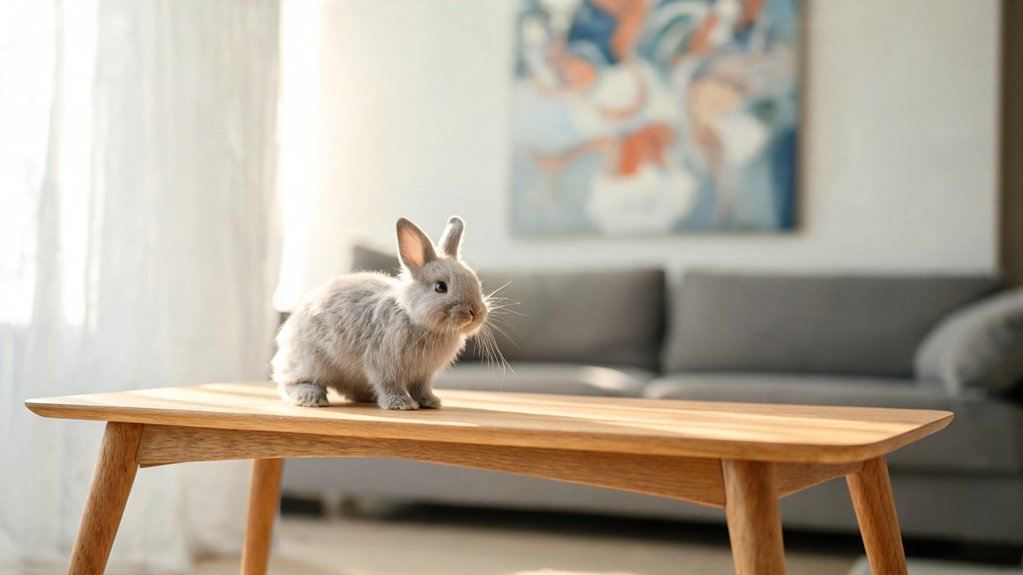
When your rabbit begins lunging, nipping, or growling, it often indicates territory guarding behavior toward key resources such as their spacious hutch, secure enclosure, or a favorite room nook. Pay close attention to signs of aggression around specific resources, including food bowls filled with fresh pellets and vegetables, abundant hay areas, water bottles secured to enclosures or accessible cages, litter boxes freshly cleaned or relocated, and toys or hiding spots the rabbit perceives as critical to their territorial safety.
To effectively manage this behavior, step back calmly and avoid confrontation immediately after noticing chasing, boxing, or aggressive posturing. Allow your rabbit space to feel secure and unthreatened.
Simultaneously, enhance resource accessibility by offering multiple fresh, clean bowls—ideally at least one per rabbit to prevent competition—and incorporating additional access points within the living environment. These adjustments help reduce territorial stress, minimize guarding behavior, and foster a more harmonious coexistence with your rabbit.
Investing in these proactive solutions ensures your rabbit feels secure and less territorial, leading to less guarding of vital resources. By providing ample, easily accessible resources and understanding their natural territorial instincts, you can promote a calmer, more content rabbit.
This approach not only enhances your pet’s well-being but also makes daily interactions more enjoyable and stress-free, supporting a more positive human-animal bond.

【Easy Eating】: Our hay feeder is perfect for small animals like rabbits, guinea pigs and chinchillas, making eating easy. Size:6.9 inches long x 4.7 inches wide x 6.6 inches high

SUPPORTS DIGESTIVE HEALTH IN RABBITS & GUINEA PIGS: Helps maintain healthy digestion in rabbits & guinea pigs; ideal for pets with sensitive stomachs or prone to GI stasis, promoting better gut motility, nutrient absorption, & overall digestive wellness

X-Large Bunny Hay Feeder: Introducing a groundbreaking rabbit hay feeder, now with a larger size of 9.7x4.7x6.6 inches, offering more hay capacity and reducing the need for constant refills. The guinea pig hay feeder's sealed bottom effectively contains the hay, preventing spills and messes, ensuring a convenient and tidy feeding experience. This pet feeder minimizes hay wastage by preventing rabbits from scattering or soiling the hay, avoids unnecessary waste.
Guarded Territory Triggers Bites
Guarded territory is one of the most common reasons a rabbit exhibits defensive bites—often misunderstood as aggression but primarily a sign of protection. Signs like lunging, grunting, and biting frequently occur when you reach into their enclosure or move objects within their space, highlighting the importance of respecting their boundaries.
To prevent these defensive behaviors and foster a trusting relationship, implement a gentle, solution-focused approach. Start by opening the enclosure door first and allowing your rabbit to exit voluntarily, reducing perceived threats.
When cleaning or refilling their habitat, do so without invading their space with your hands, which helps them feel safe and secure.
Be mindful of disturbances around key areas like nest corners, boxes, or hiding tunnels, as these are critical safety zones for your rabbit. Expect nipping or boxing if these spots are disturbed—respect their need for a secure, stable environment.
To maximize safety and comfort, provide at least one shelter or hiding spot per rabbit and minimize clutter inside the enclosure to ensure clear routes to safety.
Using calm, deliberate pauses throughout interactions can help reduce tension, and if your rabbit tenses or shows signs of distress, backing off and giving them space encourages positive associations.
Incorporating these practices not only minimizes biting incidents but also strengthens your bond, making your rabbit feel more secure and receptive to handling, ultimately enhancing their well-being through a safe, cage-friendly environment.
Food Bowls Litter Toys Protected
So, if your rabbit snaps mostly around a specific spot, you’re often dealing with resource guarding behavior. This behavior indicates that your rabbit perceives certain items, such as food bowls, litter areas, favorite toys, or resting corners, as valuable and worth protecting. Guarded food bowls frequently trigger defensive actions like boxing, growling, lunging, and biting, especially during refilling or when approached in tight spaces. To promote a calmer environment and prevent aggressive incidents, you should implement strategies that reduce tension and improve safety for both you and your rabbit.
Enhance peace and minimize guarding by adding multiple feeding stations throughout your living space, allowing your rabbit to access food comfortably without feeling threatened. Utilize scatter feeding techniques to encourage natural foraging and reduce competition over a single resource. Consistently position bowls away from litter trays, doorways, and busy areas to diminish territorial disputes. These proactive measures help your rabbit feel more secure, making resource guarding less likely to occur.
To further reduce competition and guarding tendencies, offer a variety of extra toys and chew items that can serve as alternative outlets for your rabbit’s natural behaviors. Use separate litter trays in different locations to prevent territorial disputes over clean environments. If you choose a combined setup, hay feeder litter boxes can keep hay and litter organized in one station, though separating these resources may still help reduce territorial disputes. Avoid sudden or intrusive hand movements near protected zones, as abrupt interactions can escalate guarding behaviors. When cleaning or refilling areas, move slowly, gently, and follow a consistent routine to reinforce a sense of safety. These comprehensive, solution-focused steps will encourage positive behavior, foster a harmonious environment, and support your rabbit’s well-being.
Fear Biting vs Defensive Lunging: How to Tell
How can you distinguish whether your rabbit is fear-biting or defensively lunging, and what steps should you take in the moment to ensure safety and build trust? Fear-biting usually occurs during close contact, such as when you lift, hug, or restrain your rabbit, and the teeth clamp down hard because your rabbit feels trapped or overwhelmed.
Defensive lunging, on the other hand, is characterized by a sudden forward thrust, often accompanied by grunting sounds and a tense body posture, typically triggered when a hand or object enters the cage space or faces your rabbit directly.
In the heat of the moment, it’s crucial to stop reaching toward your rabbit, gently back away, and give the animal ample space to calm down. Carefully observe your rabbit’s environment to identify the potential triggers: fear-biting is often caused by above grabs or handling that the rabbit perceives as threatening, while lunging may be triggered by guarding doorways or during cleaning routines that invade their territory.
Recognizing these warning signs allows you to modify handling techniques and create a more secure environment, reducing future incidents.
If biting or lunging occurs suddenly and intensifies, it’s essential to consult a rabbit-savvy veterinarian who can assess your rabbit’s health and behavior. Implementing positive reinforcement training, gentle background handling, and respecting your rabbit’s personal space are key strategies to prevent aggression and promote a trusting relationship.
For owners seeking reliable solutions to improve their rabbit’s comfort and safety, working with a professional provides tailored advice to address specific behavioral triggers effectively.

Breathable & Soft Fabric: SUNFURA Cat Recovery Suit After Surgery for Female/Male is soft, comfortable, skin-friendly and will not irritate the wound. The surgical suit can protect its skin and keep it warm after the cat has shaved
Made of non-toxic 100% bentonite, an all natural minerals so it's safe for your pet
Warning Body Language Before a Rabbit Attacks

When your rabbit adopts an upright and forward stance, with ears pinned back and a tense, stretched body, treat this body language as a crucial warning sign indicating an imminent bite. Recognizing these signals early allows you to respond appropriately to prevent injury and maintain a trusting relationship with your pet.
Additionally, watch for a tail thump or a forceful hind-foot stomp, which often signify that previous warning signs have been ignored and that escalation is rapidly approaching.
To ensure safety and reduce the risk of bites, calmly step back and give your rabbit space for 10 to 30 seconds. During this pause, avoid reaching or attempting to pet your rabbit, allowing its nervous energy to dissipate and enabling it to reset peacefully.
Implementing these proactive responses using body language cues enhances your ability to manage your rabbit’s behavior effectively, fostering a safer and more harmonious pet-owner interaction.
For optimal companionship and peace of mind, consider incorporating these body language awareness strategies into your routine or exploring professional guidance from rabbit behavior specialists.
Upright Forward Stance Warning
If your rabbit suddenly stiffens up, sits taller, and raises their weight off the floor, it’s a critical warning sign. This upright-forward posture, characterized by leaning onto their front feet, chin held high, and ears tense and upright, signals that your rabbit perceives a threat and is preparing for defensive action.
Pay close attention to these cues, as they often precede aggressive behaviors such as lunging or biting.
In addition, look for other warning indicators like intense eye contact, enlarged pupils, lips pulled back to reveal teeth, tail lifting, hovering front paws, or growling sounds. All of these signals suggest your rabbit needs space and a calm environment.
To ensure safety and promote trust, immediately lower your hands, give your rabbit plenty of room, and avoid handling until they relax.
Recognizing and responding to this posture helps prevent escalation and fosters a positive, stress-free relationship with your rabbit.
Pinned Ears Tail Thump
Pinned ears, tail held up, and a sudden tail thump are clear indicators that your rabbit is entering “back off” mode, signaling discomfort or agitation. When your rabbit’s ears are pinned flat and pulled back tightly against their head, it indicates fear, stress, anger, or a firm “don’t come closer” message. A raised tail, combined with these ear positions, intensifies the warning, emphasizing your rabbit’s need for space.
The hind-leg thump serves as an urgent alarm, and repeated thumps are a sign of escalating worry, protest, or discomfort—especially in situations involving handling, proximity to other pets, or interactions with a bonded mate. Recognizing these signs early allows you to proactively de-escalate potential stress triggers. When you notice these behaviors, step in calmly and promptly by stopping your approach, lowering your hands, and maintaining a safe distance of at least 3 to 5 feet. This respectful space helps your rabbit feel secure and reduces the risk of aggressive responses.
Monitor your rabbit closely for any triggers, such as recent changes in environment, handling routines, or signs of pain or hormonal fluctuations. If these warning signs persist over several days or worsen, it’s essential to consult a qualified veterinarian who specializes in small animals. Addressing the underlying causes promptly promotes your rabbit’s well-being, reduces stress, and fosters a trusting, harmonious relationship. Using these observations consistently allows you to implement effective calming strategies and create a safe space that supports your rabbit’s emotional health and overall happiness.
Cut Stress Triggers From Moves and New Pets
Moving to a new environment or welcoming a new pet can significantly increase your rabbit’s stress levels, often leading to undesirable behaviors such as aggression, lunging, nipping, or guarding. To ensure a smooth transition and maintain your rabbit’s well-being, it’s essential to implement stress-reduction strategies that focus on environmental stability and positive behavioral reinforcement.
First, minimize environmental shock during the move by confining your rabbit to a small, quiet room—such as a laundry room or bathroom—for 2 to 3 days. Ensure this space is well-equipped with fresh hay, clean water, soft bedding, and a litter tray to provide comfort and familiarity.
After this initial period, gradually introduce your rabbit to new areas by allowing exploration one section at a time, maintaining consistent routines, feeding times, and gradual diet adjustments to reduce anxiety.
Next, create a secure and comfortable base that acts as a safe haven for your rabbit. Use a large, enclosed habitat or cage that allows for at least three hops in length, and include tunnels, shelters, and hiding spots to promote a sense of security. This setup encourages your rabbit to feel safe and confident, which is vital during stressful situations.
Additionally, when introducing your rabbit to other pets such as dogs or cats, initially keep them separated and use visual introductions to prevent aggressive responses. Reward calm and relaxed behavior with treats and praise to reinforce positive associations.
These foundational steps, combined with quality products and tailored environmental modifications, help reduce stress triggers and promote a harmonious living environment.
Invest in high-quality enclosures, calming accessories, and interactive toys designed to support your rabbit’s emotional health. By prioritizing patience and consistency, you can create an environment that minimizes stress and fosters a happy, healthy relationship between your rabbit and your household.

VETERINARIAN RECOMMENDED: Trusted by veterinarians, Real Time Pain Relief ANIMAL Formula provides a gentle, cooling sensation for dogs, cats, horses, and pets of all sizes, young or old, who are experiencing itching and other discomforts.

MINIMIZE DISCOMFORT WITH PAIN PLUS DOG SUPPLEMENTS: Offer your friendly Fido respite from discomfort he needs with Vet Classics Pain Plus Extra Strength Health Supplements for dogs. Pain Plus ingredients are designed to help alleviate discomfort from daily exercise or minor aches.

Dog Pain Away Is All Natural Medication To Relieve Joint Pain
Create a Handling Plan That Prevents Cornering
After a stressful move or the arrival of a new pet or family member in the home, your rabbit may feel especially defensive and anxious. To ensure safe and positive interactions, establish a handling plan that prioritizes preventing cornering, which can cause fear or defensive behavior.
Begin by greeting your rabbit calmly without extending your hands directly in front of its face, and avoid looming over the animal, which can be intimidating. Instead, sit or crouch at their level, maintaining a respectful distance that allows your rabbit to feel secure, and always leave a clear escape route to a hiding spot or secluded area.
Keep access to the cage or enclosure low and unobstructed so your rabbit can exit easily before you initiate activities like cleaning or feeding. Conduct short, calm handling sessions and observe your rabbit closely for signs of stress such as tense crouching or thumping.
If these behaviors occur, cease handling immediately and give your bunny space to relax. Never reach from above or behind, which can trigger a flight or defensive response.
Be vigilant for warning signals such as ears pinned tightly against the head, boxing with front paws, or lunging, as these indicate discomfort or fear. If such behaviors are observed, pause the interaction, allow your rabbit to move away freely, and reevaluate your current handling approach.
Developing a safe, stress-free handling protocol not only fosters trust and companionship but also reduces the risk of injury to both you and your rabbit, supporting a healthy, happy pet that thrives in a secure environment.

【VALUE 2-PACK】Includes 2 hay feeder bags. Each bag measures 11 x 10.5 inches and has 2 feeding openings. Made for rabbits, guinea pigs, and chinchillas.

【Easy Eating】: Our hay feeder is perfect for small animals like rabbits, guinea pigs and chinchillas, making eating easy. Big Size:6.9 inches long x 4.7 inches wide x 6.6 inches high,Small Size:6.2 inches long x 4.4 inches wide x 6.6 inches high

Foldable Metal Hay Feeder for Small Pets:This heavy-duty wire hay holder features a foldable design for easy storage and assembly. Just unfold the basket, push the side brackets inward, press down the top frame and lock the end hooks, no extra tools required. Perfect for rabbits, guinea pigs, chinchillas and other small animals.
Use Treats to Retrain Touch Without Fear
Start with a safe treat distance, gradually decreasing the space between your hand and your rabbit’s nose. Consistently reward calm, relaxed nose-to-hand encounters to reinforce that your proximity is safe and non-threatening. Use high-quality, flavorful treats offered at a rapid pace—every 1 to 2 seconds—only when your rabbit is calmly nibbling near your hands. This immediate positive reinforcement helps convert gentle touch into a rewarding experience, encouraging your rabbit to associate human contact with good outcomes.
If your rabbit attempts to bite or react defensively during early touch sessions, pause all contact momentarily. First, offer a treat to redirect attention and build trust, then carefully resume gentle, brief strokes while still delivering treats. This approach not only prevents negative associations but also accelerates the training process, fostering a calm, trusting relationship. Implementing these techniques with consistency ensures your rabbit learns to accept touch comfortably, transforming interactions into positive, fear-free experiences for a more harmonious and cooperative pet.
Start With Safe Treat Distance
Before attempting to pet your gentle, socially sensitive rabbit, it’s essential to establish a safe treats distance to foster trust and prevent stress. Begin by sitting calmly on the floor at your rabbit’s eye level, creating a non-threatening environment.
Place small, high-value treats—such as fresh hay, organic rabbit snacks, or aromatic herbs—nearby but positioned at a distance where your rabbit can comfortably reach them without feeling trapped or threatened.
Deliver these tempting treats from a neutral spot, such as the entrance of the enclosure or corner of the pen, to avoid overwhelming your rabbit. Maintain a relaxed posture, keeping your body language calm and non-looming, which signals safety and patience.
Start with brief interaction sessions; if your rabbit freezes, pins ears, or refuses treats, it indicates you’re too close. In such cases, gently back up, give your rabbit space, and wait before trying again.
This careful, solution-oriented approach helps build positive associations and paves the way for smoother, trust-based petting experiences, ultimately enhancing your bond and ensuring your rabbit feels secure around human interaction.
Reward Calm Nose-To-Hand
Rewarding calm “nose-to-hand” interactions is one of the most effective and compassionate strategies to retrain aggressive or fearful rabbits, fostering trust and emotional stability.
To begin, extend your hand a few centimeters from your rabbit’s head, and observe their response. When your rabbit looks toward your hand and then slowly steps closer, immediately click and deliver a treat within approximately five seconds, reinforcing calm curiosity.
Keep training sessions concise, aiming for 10 to 15 repetitions, to prevent frustration and overstimulation.
Only reward gentle nose contact or steady sniffing, avoiding any lunging, pawing, or nipping behaviors, which indicate discomfort or aggression.
Always monitor your rabbit’s body language, looking for relaxed ears, normal breathing patterns, and minimal weight shifting, as signs of calmness and comfort.
If your rabbit flinches or exhibits tension, back off and give them space.
Gradually, introduce gentle fingertip contact on the nose followed by light forehead strokes, ensuring treats and positive reinforcement keep their focus on safety and trust.
Conclude each session after a few relaxed interactions to maintain a positive and rewarding experience, ultimately helping your rabbit overcome fear and build a healthy, calm relationship with you.
Pair Touch With Quick Treats
If your rabbit quickly snaps or lunges when a human hand approaches, you can transform that behavior by strategically pairing touch with small, nutrient-dense treats. Start each positive interaction by having your hand appear calmly, then gently make contact for one second or less. Immediately follow this brief touch with a small, healthy snack designed for rabbits, such as a tiny piece of fresh vegetable or hay-based treat.
Perform this process swiftly—touch, then treat—so your rabbit begins to associate human hands with positive reinforcement rather than threats or scares.
Use short, consistent training sessions with several quick repetitions rather than prolonged interactions to maximize effectiveness. Keep treats tiny to prevent unnecessary weight gain while maintaining their reinforcing value. Always monitor your rabbit closely for stress indicators, including freezing, rapid breathing, or tense posture.
If signs of stress occur, pause the session and allow your rabbit to relax before resuming. Gradually increase the duration of gentle touches only once calm behavior is established.
Conclude each training session on a positive note to reinforce trust and safe association with human interaction. This evidence-based approach will build your rabbit’s confidence and foster a positive, cooperative relationship.
Fix Feeding, Cleaning, and Doorway Bite Triggers
When your rabbit bites during feeding or at the cage doorway, it’s often a “hands near my stuff” trigger—particularly related to food guarding behaviors. Additionally, the cage may feel like a secure sanctuary, prompting protective biting. To effectively address these issues, begin by reducing food guarding tendencies through strategic management: scatter pellets and the daily ration across the rabbit’s living space to discourage territorial behavior. Maintain an abundant supply of hay and feed at consistent times daily to reinforce a predictable environment.
Implementing multiple food stations or bowls is essential; this prevents any one spot from becoming a territorial battleground and encourages your rabbit to associate feeding areas with positive, non-threatening experiences.
When it comes to cleaning and handling, practice smart maintenance routines: allow your rabbit to exit the cage first to orient themselves comfortably, perform quick daily spot cleaning to manage messes while reducing stress, and schedule full cleanings weekly to maintain hygiene.
Always avoid rearranging litter or pulling your rabbit out abruptly, as these actions can heighten defensive biting tendencies. Instead, move items within the exercise area and handle your rabbit gently and patiently during cleaning procedures. Focused, consistent strategies like these will help reduce biting triggers, promote safer interactions, and foster a trusting bond with your rabbit—making caregiving tasks smoother and more rewarding.
Spay/Neuter: Which Option Reduces Hormone Biting?
Spay and neuter procedures are highly effective solutions for significantly reducing hormone-driven biting behaviors in rabbits. These surgeries target the root cause—hormonal fluctuations caused by sexual frustration and territorial instincts—ultimately helping to create a calmer, more docile pet. If your rabbit exhibits aggressive or snappy behavior, especially during moments of sexual tension or when defending its territory, spaying or neutering can be a transformative step toward improved behavior and a more harmonious household.
Spay or neuter can reduce hormone-driven biting, helping your rabbit become calmer, more docile, and easier to bond with at home.
For intact rabbits, behaviors such as open-mouth lunging, circling, mounting, and territorial nipping are common signs of hormonal influence. Neutering male rabbits typically reduces testosterone-linked aggression, which results in fewer and less intense fighting and biting episodes. Similarly, spaying female rabbits often diminishes hormone-driven behaviors like mounting, growling, and biting, including during false or real pregnancies.
Timing is crucial for optimum results. The most effective window for spaying or neutering your rabbit is around 3.5 to 4 months of age, when the testicles have descended and hormonal behaviors begin to emerge. While surgery plays a pivotal role in behavioral modification, it’s important to acknowledge that fear or pain might still influence a rabbit’s behavior afterward. Therefore, combining surgical intervention with proper behavioral training and environmental enrichment can maximize your rabbit’s comfort and reduce aggressive tendencies.
Invest in spay/neuter services now to enjoy a safer, more affectionate pet, and experience the benefits of a calmer, less aggressive rabbit that’s more receptive to positive interactions and training.

OUR PROPRIETARY BLEND OF INGREDIENTS IS BACKED BY SCIENCE: Joint MAX is a quality hip & joint supplement for dogs at any stage in life. Our soft chews help ease everyday joint stiffness, arthritis pain and support joint structure. Joint MAX offers a convenient and tasty way to provide essential joint care.

Professional-Grade Wavelengths for Pet Therapy The Kdvioo cold laser therapy device for dogs is a professional infrared red light therapy device. This advanced low-level laser therapy device promotes blood circulation and reduces inflammation for wounds recovery, skin conditions, and surface inflammation, while the near-infrared light penetrates deeper to address issues including pain relief, knee arthritis, rheumatoid arthritis, athletic injuries, and soft tissue injuries

RABBIT HOCK SOCKS:For any rabbit that has issues with sore hocks elbow arthritis or pododermatitis,rabbit hock socks can help the wound heal faster,relieve pain and discomfort for the rabbit.
Territorial Guarding After Neutering: Expect This
After you neuter your rabbit, you may still observe ongoing territorial guarding behaviors for several weeks because the decline of hormone levels is gradual, and behavioral habits can persist. Expect this guarding to peak or remain intense for approximately 4 to 6 weeks, potentially lasting up to 8 weeks, especially around critical areas such as food bowls, litter boxes, and favorite hiding spots.
To effectively manage this behavior, ensure your rabbit’s living space provides at least a 4 by 4-foot area for small to medium-sized rabbits, coupled with daily supervised exercise sessions. These measures help reduce territorial tension and promote a calmer, more harmonious environment.
If you notice that territorial guarding intensifies after 8 weeks or if your rabbit exhibits signs of pain, such as difficulty eating or hiding excessively, it’s crucial to consult a rabbit-savvy veterinarian promptly. Persistent pain or fear can reinforce aggressive behaviors, and professional intervention ensures your rabbit’s health and well-being are properly addressed, supporting faster behavioral adjustment and fostering a peaceful home environment.
Ongoing Territorial Responses
Even though neutering significantly reduces hormone-driven behaviors, you should still anticipate some persistent “territorial guarding” behaviors as your rabbit adjusts to their new hormone balance. Neutering effectively diminishes aggression linked to sex hormones, but it doesn’t eliminate these hormones instantly.
During the initial weeks post-surgery, you may observe behaviors such as chasing, mounting, and urine marking.
The first two weeks are primarily characterized by physical recovery, which can make these behaviors appear similar regardless of hormonal changes.
Between weeks 3 and 6, you’re likely to notice a gradual decrease in territorial lunging and spraying behaviors as your rabbit’s hormone levels stabilize.
Typically, urine spraying begins to diminish within 6 to 8 weeks.
However, some rabbits may continue to exhibit low-level defending behaviors rooted in learned habits, especially if unfamiliar hands or objects enter their space.
To promote a smooth transition and minimize territorial disputes, ensure resources and hiding spots are sufficiently spacious and accessible.
Maintaining a calm, low-stress environment and avoiding crowded or stimulating settings can further reduce residual guarding behaviors.
Employing these proactive strategies will foster a safer, more harmonious space for your rabbit while supporting their ongoing behavioral adjustment after neutering, ultimately enhancing their comfort and your peace of mind.
Manage Space After Surgery
Once your rabbit comes home, immediately managing their space is crucial to promote optimal healing and prevent territorial guarding from worsening.
Confine your rabbit indoors in a clean, dry, and quiet area for at least 10 days, ideally within a 4-foot by 4-foot enclosure, providing a comfortable 4–6 foot span for movement. Use soft, non-slippery bedding materials, easy access to fresh hay, water, and a litter tray to ensure comfort and proper hygiene during recovery.
Remove ramps and obstacles from the enclosure to limit jumping and prevent injury, and keep the space out of drafts to maintain a consistent, warm environment.
Conduct daily inspections for signs of swelling, redness, or discharge, which could indicate complications and require prompt veterinary attention. Administer pain medications on schedule as prescribed by your veterinarian to manage discomfort effectively and support healing.
If your rabbit has a bonded partner, consider separating them for 10–14 days using barriers to prevent biting or territorial aggression, as hormonal fluctuations associated with post-surgical recovery can last between 4 to 6 weeks.
Implementing these space management strategies will ensure a smooth recovery process, promote safety, and help maintain optimal health for your recovering rabbit.
Set Up Housing to Stop Hutch and Bowl Guarding
To effectively stop your rabbit from guarding the hutch doorway or bowl, it’s essential to reshape what your rabbit perceives as “valuable” and “defended” within their living environment.
Begin by increasing the size of their designated space; aim for a comfortable interior area of approximately 8 to 12 square feet that provides ample room for movement and exploration.
Additionally, ensure your rabbit has access to a minimum of 24 square feet of secure, stimulating exercise area outside the main enclosure to promote natural behaviors and reduce territorial guarding.
Enhance the overall habitat setup by keeping the hutch door open or removing it altogether, transforming the enclosure into a cohesive living space that feels like a true home rather than a single, guarded spot.
Incorporate tunnels and open shelters to create multiple points of shelter and hideouts, eliminating any singular “safe box” that your rabbit might defend.
This environment encourages your rabbit to feel secure in multiple locations, decreasing their motivation to guard specific spots.
Furthermore, to address issues related to bowl guarding, implement scatter-feeding techniques, spreading food portions across neutral areas within the enclosure.
Offer multiple feeding bowls and hay racks spaced several rabbit body lengths apart to promote independence and reduce competition.
Always avoid reaching into the enclosure or attempting to retrieve bowls while rabbits are eating, as this can trigger guarding behaviors.
Proper habitat enrichment and strategic feeding layouts are proven solutions for managing and preventing bowl and hutch guarding, resulting in a more harmonious and stress-free living environment for your pet rabbit.
A Step-By-Step Plan to Stop Rabbit Biting
First, You’ll stop the biting “habit” from becoming reinforced through fear and mistakes, prioritizing safety while effectively training your rabbit. Avoid punitive measures such as scruffing or forced restraint, and ensure a gentle, positive approach. Begin training in a small, neutral, and quiet room where sudden noises and fast movements are minimized to create a calm environment. Wear sturdy shoes and thick trousers to protect yourself during initial interactions, and always sit on the floor to be at your rabbit’s eye level, fostering trust and minimizing perceived threats.
Step 1 involves assessing your rabbit for any signs of pain, deep wounds, or discomfort; thoroughly wash and bandage any broken skin or injuries, and promptly schedule a visit with a qualified veterinarian. This ensures your rabbit’s health is prioritized and reduces the risk of fear-based biting caused by pain or unresolved medical issues.
Step 2 requires following a consistent, calm hand-feeding routine for five consecutive days, avoiding reaching or grabbing motions that could trigger defensive biting behaviors. This controlled interaction helps your rabbit associate your hand with positive experiences. During this period, focus on gentle, patient engagement without rushing or startling your rabbit.
Step 3 involves gradually introducing treats from a stationary hand when your rabbit shows signs of calmness and relaxation. This step reinforces positive associations with your hand, encouraging trust and reducing defensive responses. Use flavorful, healthy treats that your rabbit finds appealing, and always approach slowly, offering treats without abrupt movements.
Step 4 recommends adding gentle forehead strokes only while your rabbit is eating, starting with brief, soft touches to build comfort and trust. If necessary, substitute with a gentle brush to simulate tactile comfort, reinforcing positive tactile experiences. Consistent, patient interaction during feeding times will foster a deeper bond, making future training and handling safer and more enjoyable for both you and your rabbit.
This structured, solution-focused training plan emphasizes positive reinforcement techniques, safety precautions, and gradual trust-building to effectively curb biting behaviors while promoting a healthy, happy relationship with your pet rabbit.
Common Mistakes That Escalate Rabbit Aggression
You’ll often see rabbit aggression increase when routine care procedures inadvertently elevate fear and stress levels, but this is an issue you can address immediately. To improve your rabbit’s behavior and ensure a safer, more calm environment, start by avoiding rough, unpredictable handling. Always support your rabbit’s entire body when lifting them, go slowly, and refrain from restraining their movements if they show signs of stress. Gentle handling helps build trust and reduces fear-driven aggression.
Next, consider your cleaning and territorial boundaries. Cleaning your rabbit’s living enclosure with them outside, whenever possible, minimizes territorial invasions that can trigger defensive behaviors. Maintain consistent routines for feeding and litter box management to reduce confusion and anxiety. Never reach quickly or near their face without warning, as sudden movements can provoke aggressive responses.
It is also essential to optimize your rabbit’s housing conditions for both safety and comfort. Provide ample space for running and areas with hiding spots to give your rabbit a sense of security. Reduce household noise levels and keep your rabbit away from potential stressors such as cats and dogs.
Finally, always be vigilant for signs of pain, as sudden aggression can be a symptom of health issues. Don’t assume the cause of aggressive behavior; instead, consult a veterinarian promptly if your rabbit’s aggression appears suddenly or without explanation. Addressing these key factors with a solution-focused approach will foster a more serene and trusting relationship with your rabbit, preventing escalation and promoting overall well-being.
Why Aggression Spikes After Calm: Quick Troubleshoot
If your rabbit suddenly shifts from calm to aggressive behaviors like biting, lunging, or scratching, it’s essential not to dismiss this as a mere personality change. The first step is to rule out potential health issues—stop all handling immediately and observe for signs such as decreased droppings, a reduced appetite, hunched posture, tooth grinding, or labored breathing. These symptoms may indicate pain or illness that requires urgent attention from a rabbit-experienced veterinarian to prevent further distress or health complications.
Once health concerns are ruled out, focus on managing and minimizing handling triggers to prevent the aggressive spike. Use gentle, low-stress interaction techniques, speak softly to reassure your rabbit, and approach gradually with an audible cue like a clicker or gentle voice.
Interact at the rabbit’s level—preferably on the ground—to reduce perceived threats, especially immediately following a calm period; this is often when aggression can unexpectedly surface.
Rule Out Pain Or Illness
When your rabbit suddenly turns aggressive after a period of calm, consider it a vital health indicator rather than simply “bad behavior.” Sudden aggression often signals underlying pain or illness, as rabbits are experts at concealing symptoms until their discomfort becomes severe. Recognizing these signs promptly can prevent further health deterioration and ensure your pet’s well-being.
Begin by observing critical health indicators such as appetite changes, abnormal droppings, hunched posture, or loud tooth grinding—these are common signs of underlying issues like gastrointestinal gas, dental problems, urinary discomfort, or arthritis.
If your rabbit displays biting behavior when certain areas are touched, it’s a strong signal to examine those specific regions for pain or sensitivity.
If you notice additional symptoms like straining, fewer than normal droppings, limping, or blood in stool or urine, don’t delay—seek immediate veterinary care.
Regularly monitoring these attributes and acting swiftly can prevent minor issues from escalating into serious health emergencies. Prioritize scheduling a vet visit as soon as these warning signs arise to ensure your rabbit receives the appropriate diagnosis and treatment, ultimately promoting a happy, healthy, and pain-free life for your furry companion.
Manage Triggers During Handling
After you’ve ruled out pain or illness, the next most common reason a rabbit becomes aggressive immediately following a calm moment is a stress trigger that you can identify during handling. Carefully observe for signs such as muscle tension, crouching position, wide ears pushed apart, flattened ears, or rapid breathing. Recognizing these cues early allows you to intervene before the situation escalates.
To minimize stress, ensure you lift and support your rabbit’s full body securely without grabbing from above, which can cause discomfort or fear. Avoid handling in areas where your rabbit feels territorial, such as corners, tunnels, or guarded hide spots, to reduce defensive behavior.
Additionally, avoid approaching hands into litter boxes, food bowls, or bedding, as territorial rabbits tend to defend these boundaries fiercely.
When engaging with your rabbit, keep handling sessions brief, ideally between 30 to 60 seconds. Afterward, release your rabbit calmly and offer a treat away from the guarded area to reinforce positive associations.
If your rabbit resorts to boxing or nipping, immediately stop the interaction and try again later, focusing on building trust gradually.
Implementing these short, stress-free handling strategies enhances your bond with your rabbit and helps prevent aggressive responses. By recognizing stress indicators early and managing handling environments effectively, you create a safer, more comfortable experience that encourages cooperation and reduces anxiety.
Housing and Enrichment Changes That Reduce Frustration
A lot of aggressive rabbit behavior begins with frustration, so creating an optimal housing environment and enrichment setup is essential for fostering calmness and well-being. Provide spacious enclosures measuring at least 75–80 cm in length and 35–40 cm in width, complemented by daily play sessions to allow rabbits to hop, stretch, and engage in natural behaviors.
Create spacious housing and daily play for natural hopping and stretching—reducing frustration and promoting calm, well-being.
A well-designed space reduces stress, prevents boredom, and encourages healthy activity, which together help minimize aggressive tendencies.
In group housing settings, avoid overcrowding by ensuring ample space and individual hiding spots. Incorporate solid-bottom pens with contact bedding to facilitate movement and exploration, critical for mental stimulation and comfort.
Offer one shelter or hide per rabbit, featuring at least two entrances and exits to prevent trapping and promote a sense of security. Elevate the environment with platforms and lookout spots, at least 40.6 cm high, for scanning the surroundings and fostering calmness.
These features also promote physical activity and mental engagement.
Additionally, enhance your rabbit’s environment with foraging and digging items such as paper-filled boxes. These enrichment tools help satisfy natural foraging instincts and dig behaviors, significantly reducing boredom and frustration.
When to Call a Rabbit-Savvy Vet or Behaviorist
Keep this in mind first: Aggression in rabbits isn’t simply “attitude”; it can be a sign of underlying health issues that require immediate attention. Always start by observing your rabbit’s body language and physical condition carefully. If your rabbit stops eating, appears quiet, weak, or lethargic, it indicates a serious health concern such as gastrointestinal stasis, which can be life-threatening. In such cases, prompt veterinary intervention is essential to prevent further complications.
Call an emergency veterinarian immediately if you notice no droppings for 12 hours, marked tooth grinding (bruxism), hunched posture, difficulty breathing, inability to move, post-fight collapse, severe signs of pain, broken bones, eye injuries, uncontrolled bleeding, or a suspected scrotal tear.
Additionally, seek urgent care if your rabbit’s body temperature drops below 100.4°F or rises above 105°F, as these extremes often signal critical health issues.
Recognizing these serious symptoms early can save your rabbit’s life, so don’t delay in reaching out to qualified veterinary professionals who specialize in exotic and small animal care.
For new or worsening aggression, or if your rabbit demonstrates pain when touched in a specific area, it’s crucial to schedule same-day veterinary evaluation.
After a comprehensive veterinary assessment confirms there’s no underlying medical illness, it’s highly advisable to involve a rabbit-savvy behaviorist.
They can work with you to develop tailored behavior modification strategies, improve bonding, and resolve behavioral issues effectively.
Investing in professional veterinary and behavioral expertise ensures your rabbit’s health, safety, and emotional wellbeing — making your pet’s life happier and more comfortable while preventing future emergencies.
What If My Rabbit Attacks Me? Immediate Safety
When your rabbit attacks, your primary goal is to ensure your safety and prevent the situation from escalating into a more serious injury. Immediately, move away from your rabbit out of reach, avoiding any attempts to grab, corner, or loom over the animal, as such actions can provoke further aggression. Use a sturdy barrier like a towel, cushion, or board to create a protective shield between your rabbit’s teeth and your skin, giving yourself a critical layer of safety.
When a rabbit attacks, move out of reach and use a barrier like a towel to protect yourself from bites.
To minimize injury, move slowly and deliberately; rapid arm movements can trigger additional lunging or biting behaviors. Avoid yelling, tapping, or hitting your rabbit, as these actions can escalate aggression and complicate de-escalation efforts. If bites or scratches break the skin, promptly control bleeding by applying clean gauze with gentle, steady pressure. Don’t scrub, squeeze, or probe into puncture wounds, which can worsen tissue damage or introduce infection.
For more severe injuries—such as deep, heavily bleeding, or contaminated wounds—seek urgent medical care to ensure proper treatment and prevent complications.
After injuries are managed, carefully use a towel to transfer your rabbit into a secure carrier or side-approach to prevent further harm, and consider providing a hide or enclosed space to calm the animal. Document the timing and circumstances of the incident to help inform future behavior management and training strategies, ensuring a safer environment for both you and your pet.
Frequently Asked Questions
Why Does My Rabbit Lunge at My Hands During Feeding?
Your rabbit lunges at your hands during feeding because your hand may feel like an intrusion into their safe space or treasured food resource. This defensive behavior is often triggered by sudden movements, guarding instincts, fear, or discomfort, which can lead to defensive biting. To address this, consider setting up multiple feeding stations around their enclosure to reduce territorial aggression and increase comfort.
Additionally, tossing treats before approaching can help create a positive association with your hands, reducing fear and defensive reactions. Always aim to feed your rabbit when they are calm and relaxed, ensuring a more secure and trusting interaction. Implementing these strategies will foster a calmer feeding experience, promoting better bond development and minimizing aggressive lunging.
How Can I Tell if Aggression Is Fear-Based or Hormone-Driven?
You can differentiate between fear-based aggression and hormone-driven aggression by observing specific behavioral cues. Fear aggression typically manifests as a tense, crouched body posture, flattened ears against the head, dilated pupils, and a freeze response. The animal may engage in hiding behaviors, produce loud thumps, or attempt to escape from the perceived threat. Recognizing these signs allows pet owners and trainers to implement calming techniques and create a safe environment that addresses the root cause of the fear-based response.
In contrast, hormone-driven aggression often centers around territorial disputes or mate-related behaviors. This form of aggression is characterized by upright “boxing” postures, persistent chasing, and springy, energetic movement patterns. It is particularly evident in unspayed or unneutered animals exhibiting strong reproductive instincts. Addressing hormone-driven aggression may involve medical intervention, such as spaying or neutering, along with behavioral training to redirect energy positively.
Understanding these behavioral distinctions enhances your ability to select appropriate training strategies and interventions. Whether seeking to reduce anxiety-driven fear responses or manage hormone-related territorial behaviors, recognizing the underlying cause is crucial. Invest in professional guidance or consult behavior specialists to tailor solutions that promote harmony and safety within your household, and ensure your pet receives optimal care and behavioral support.
Will Spaying or Neutering Stop Territorial Hutch Guarding Completely?
Spaying or neutering often greatly reduces territorial hutch guarding behaviors, but it may not eliminate them entirely. This procedure is a proven method to help manage and minimize aggressive territory marking, providing a more peaceful environment for both you and your rabbit.
You can typically expect to see significant improvement within a few weeks after the surgery. However, persistent guarding behaviors may still occur, requiring ongoing, patient, and low-stress management strategies. Implementing additional behavior modification techniques and using calming aids can further support your efforts to create a harmonious living space. For optimal results, consult with a veterinarian experienced in small animal behavior to develop a comprehensive approach tailored to your rabbit’s needs.
What Health Problems Can Cause Sudden Aggression in Rabbits?
Sudden aggression in rabbits is often a sign of underlying health issues such as dental disease, gastrointestinal (GI) stasis or gas buildup, urinary bladder issues, skin infections, or orthopedic injuries. These conditions can cause discomfort or pain, prompting aggressive behaviors as a response. It is crucial to promptly identify and address these health problems to ensure your rabbit’s well-being.
In addition, neurological disorders or inner-ear and vestibular diseases can lead to irritation and sudden aggression. Recognizing these symptoms early is vital for effective treatment. If your rabbit exhibits sudden aggressive behavior, it should be treated as a medical emergency. Immediate consultation with a specialized rabbit veterinarian is essential to diagnose the root cause and implement an appropriate treatment plan. Acting quickly can significantly improve your rabbit’s comfort, health, and overall quality of life.
How Do I Stop My Rabbit From Biting When I Pick Them Up?
Stop biting quickly—especially at the beginning when your rabbit feels most anxious or startled. Avoid chasing or grabbing your rabbit abruptly, as this can increase stress and trigger biting behavior. Instead, approach the rabbit quietly and calmly, ensuring your movements are gentle and non-threatening.
To safely pick up your rabbit, lift them close to your body with a secure support of the thorax and hindquarters. If necessary, use a towel barrier to gently and securely hold your rabbit, reducing its fear and discomfort. Consistent, gentle handling helps rebuild trust over a period of two to six weeks. During this time, observe your rabbit for signs of pain or discomfort, and consult a veterinarian if needed to rule out health issues that may contribute to biting. Implementing these calm, secure handling techniques will foster positive interactions and reduce aggressive biting behavior.