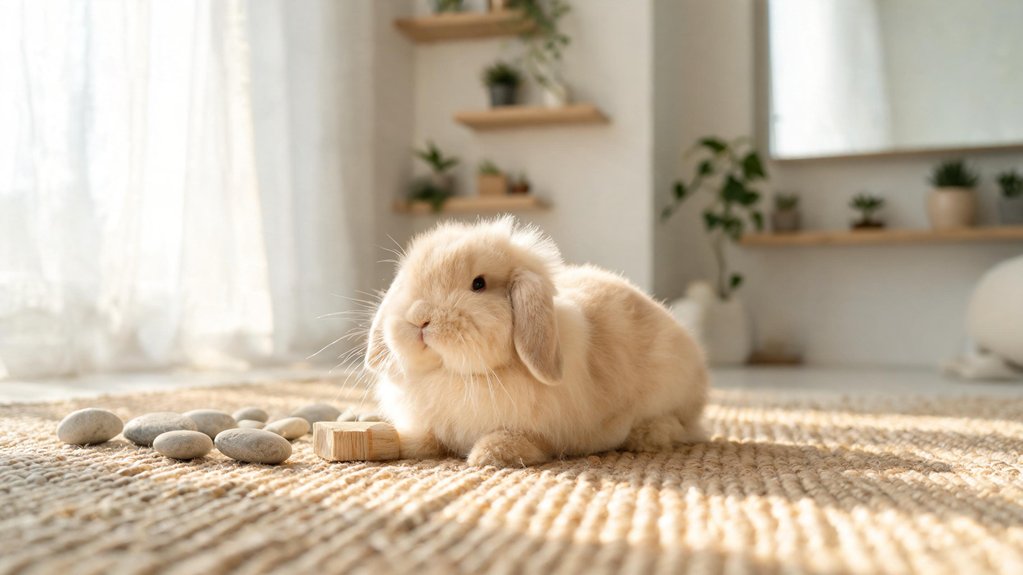
Before you bring a rabbit home, know you’re signing up for 8 to 12 years, with daily hay and water, plus steady vet visits. Make your home a “chew-safe zone” by covering cords and removing toxic plants. Use solid flooring instead of wire to help prevent sore hocks, and cover at least half the floor.
Budget about $80 to $200 monthly for hay, litter, and care. Set up a starter space around 4×2 feet, add a hay rack, and avoid seed mixes. Then you’ll be ready for the next tips.
Swift Summary
- Plan for 8–12 years of daily care, steady vet visits, and rabbit-proofing to ensure a safe long-term home.
- Provide indoor chew-safe space: cover cords, use outlet protectors, and block hazards at floor level.
- Set up a safe habitat with solid flooring, a roomy “home base,” and easy-to-clean litter to prevent injuries like sore hocks.
- Feed unlimited grass hay daily (about 75–90% of diet) plus measured leafy greens, with fresh water always available.
- Expect grooming, nail trims, and daily checks for hazards and health signs, keeping toxic plants out of reach.
Estimate Lifespan and Your Long-Term Commitment
Before bringing a rabbit into your home, it’s essential to understand that they typically serve as long-term roommates, with an average lifespan of about 8 to 12 years. Many rabbits reach 10 years or more, and with optimal care—including regular veterinary checkups, a nutritious diet, and a safe environment—some can live well into their mid-teens. 8 to 12 years is a common estimate for well-cared-for pet rabbits. Planning for a pet with such a lifespan ensures you’re prepared for the commitment involved in providing consistent, loving care over many years.
When considering adopting a rabbit, incorporate questions about their expected lifespan and ongoing support needs into your decision-making. Be prepared for steady veterinary visits, daily feeding routines, and patient companionship that spans decades.
Additionally, selecting appropriate breeds—smaller breeds generally have longer lifespans—can contribute to a more sustainable and rewarding long-term pet experience. Ensuring you’re ready for this level of commitment guarantees a happy, healthy life for your rabbit and a fulfilling bond for you.

【Easy Eating】: Our hay feeder is perfect for small animals like rabbits, guinea pigs and chinchillas, making eating easy. Big Size:6.9 inches long x 4.7 inches wide x 6.6 inches high,Small Size:6.2 inches long x 4.4 inches wide x 6.6 inches high

X-Large Bunny Hay Feeder: Introducing a groundbreaking rabbit hay feeder, now with a larger size of 9.7x4.7x6.6 inches, offering more hay capacity and reducing the need for constant refills. The guinea pig hay feeder's sealed bottom effectively contains the hay, preventing spills and messes, ensuring a convenient and tidy feeding experience. This pet feeder minimizes hay wastage by preventing rabbits from scattering or soiling the hay, avoids unnecessary waste.

SET OF 2 - This hay feeder or food dispenser comes in a set of two (black and white) and measures 9" x 4" x 3" each, suitable for storing hay for rabbits, guinea pigs, chinchillas, and other small animals.
Confirm Your Home Setup for Indoor Rabbit Life
Before you bring your rabbit home, ensure you rabbit-proof your entire indoor space. This involves hiding or covering electrical cords with protective tubing or cord covers, removing or relocating toxic houseplants such as lilies or philodendrons, and blocking off any areas that pose risks like high shelves, open cabinets, or small crawl spaces that could trap or harm your rabbit. In particular, use chew-resistant materials so your rabbit stays safe while exploring and chewing. Next, set up a secure and comfortable indoor habitat designed specifically for rabbits. Choose an area with solid flooring like tile, linoleum, or laminate to prevent injuries and make cleaning easier. Because rabbits are persistent chewers, pair any remaining floor-level cables with spiral cord wraps or armored sleeves, which resist gnawing and keep wiring out of reach. Establish a designated “home base” space measuring approximately 10 feet by 6 feet by 3 feet, which provides enough room for your bunny to move comfortably. If you plan to have a pair or group of rabbits, consider adding an exercise zone or additional living space to accommodate their activity needs. Finally, prioritize your rabbit’s wellbeing by positioning essential supplies in a calm and accessible location. Ensure fresh hay is available all day to promote healthy digestion and prevent boredom. Place a clean, fresh water source nearby, and replace it daily to encourage proper hydration. Keep these essentials away from the litter box area to maintain cleanliness and avoid contamination, creating a stress-free environment vital for your rabbit’s health and happiness. Proper setup now guarantees a safe, enjoyable, and enriching indoor life for your furry companion.

Waterproof and Easy to Clean: the waterproof pet playpen mat makes it easy to clean up any messes or spills, ensuring a hygienic environment for your pets; Simply wipe it clean or hose it down for easy maintenance, effectively blocking urine leaks to protect your hardwood and carpet floors; Functioning as a washable pet mat, it works wonderfully as guinea pig cage liners and bunny cage liners, an ideal base for rabbits, guinea pigs, ferrets, and other small animals

【Features】Bunny cage liner is made of soft crystal velvet fabric,large rabbit floor mat can provide a comfortable relaxation space for small animals.Large mat for rabbit is not easy to fade,and the bottom of the bunny floor mat is designed with anti slip particles,bunny cage liners washable are stable and not easy to move.

【Pet Cage Liner】You will receive a 55 x 78.7in flooring mat, made of soft crystal velvet, simple pattern, no matter you put it in the cage, crate or enclosure, it's very suitable, it can be folded and stored when not in use.
Rabbit-Proof Your Entire Room
Once you decide your pet rabbit will be kept as an indoor bunny, it’s essential to treat your space as a “chew-safe zone” to prevent damage and ensure safety. Rabbits explore their environment using their teeth and noses, so proactive protection is key. Start by safeguarding all electrical cords by protecting or hiding them with split loom tubing or specialized cord protectors on every cable, including those behind furniture and within reach. Tuck chargers behind or beneath furniture to keep them out of rabbit access, and install outlet covers to block potential hazards.
Next, focus on physical barriers at rabbit level to deter chewing and prevent injuries. Shield baseboards, wall trim, and other furniture with durable hard guards designed for pet safety. Cover the corners of chairs, tables, and other sharp edges to minimize injury risk.
Remove toxic or hazardous plants such as pothos and peace lilies, which pose poisoning risks, along with any common garden hazards indoors. Insoluble calcium oxalate plants are among the common indoor culprits that can cause mouth irritation and gastrointestinal symptoms in rabbits. Additionally, eliminate small objects, soft plastics, and packaging materials like plastic bags or wrapping that your rabbit could ingest or choke on. Conduct a daily floor inspection to identify and remove potential dangers promptly, maintaining a clean, safe environment.
Implementing these targeted safety measures will protect your valuable furniture, electrical wiring, and your curious indoor bunny, creating a secure and welcoming space for your pet to thrive.
Provide Safe Indoor Space
Set up your indoor rabbit space like you’re planning a safe, secure “base camp,” ensuring your rabbits have ample room to hop, stretch, and zoom without risking foot injuries. For two medium-sized rabbits—such as Dwarfs or Mini Rexes—a minimum area of 3 meters by 2 meters by 1 meter high is essential.
This space should feature a durable main shelter, providing a cozy hideaway, along with a permanent, accessible exercise zone to promote natural movement and mental stimulation.
Utilize non-slip, grip-enhancing flooring materials like rubber mats or textured surfaces to prevent slips and falls. Avoid wire-only flooring, as it can cause discomfort and injury to your rabbit’s feet.
Cover at least half of the space with solid surfaces such as washable mats or towels, prioritizing easy-to-clean areas to maintain hygiene and reduce odor.
Position the entire space in a quiet, cool room that maintains a stable temperature, away from heat sources like radiators or direct sunlight, and avoid drafty areas that can stress your rabbit.
Proper ventilation is crucial—avoid fragile environments like aquariums, which can trap heat and humidity, leading to respiratory issues.
Instead, opt for a well-ventilated room with gentle natural light that mimics their natural environment.
Place litter boxes in accessible, discreet corners of the enclosure to encourage proper elimination habits and keep the space tidy.
Set Up Hay And Water
Now that your indoor rabbit habitat is secure, well-ventilated, and cozy for your furry companion’s daily hopping activities, it’s essential to consistently supply the two primary essentials they rely on throughout the day: high-quality hay and fresh water.
Providing unlimited access to grass hay, which should constitute approximately 75–90% of an adult rabbit’s balanced diet, is crucial for maintaining optimal digestive health and dental wear. Offer a generous portion of loose, dust-free, sweet-smelling hay daily, selecting premium timothy, orchard, or meadow hay to ensure optimal nutrition. Store the hay in dry, well-ventilated containers away from direct sunlight and off the floor to preserve freshness and prevent mold or spoilage.
In addition, ensure your rabbit always has access to fresh water, which is vital for hydration and overall well-being. Use a sturdy, weighted ceramic bowl designed to minimize tipping or a reliable water bottle as a backup source, ensuring they’re convenient and easily accessible.
Place the water source away from hay and litter areas to reduce contamination and promote cleanliness. Clean the water vessel thoroughly every day to prevent bacteria buildup, and regularly monitor your rabbit’s water intake to ensure they stay properly hydrated.
Choose Safe Flooring: Avoid Wire for Feet
When selecting appropriate flooring for your rabbit’s habitat, prioritize safety by avoiding bare wire floors, which can pose health risks. Wire mesh floors place undue pressure on tiny, sensitive spots on your rabbit’s feet, increasing the risk of sore hocks, also known as ulcerative pododermatitis.
These sores may begin as mild redness but can quickly develop into open, infected wounds, making movement painful and difficult for your pet.
To create a secure and comfortable environment, cover at least half of the flooring area with solid, non-absorbent materials such as durable plastic or Plexiglas. Providing these sturdy surfaces will help prevent foot injuries and promote overall well-being.
Add extra resting zones with soft, supportive bedding or mats to offer your rabbit cozy spots for relaxation, reducing the likelihood of pressure sores.
If wire flooring is unavoidable, enhance its safety by incorporating soft, non-slip surfaces like rubber mats, cardboard panels, or towels. Avoid slippery or smooth flooring materials, such as shiny tiles or polished surfaces, which can cause your rabbit to slip and potentially injure themselves.
Investing in high-quality, slip-resistant flooring solutions will ensure your rabbit’s feet are protected and help promote healthier, happier living conditions.
Your rabbit’s feet will thank you for choosing safe, comfortable flooring options that support their health and mobility. By prioritizing their safety through effective flooring solutions, you can provide a secure habitat conducive to their well-being and happiness.

EASY TO USE: The lightly coiled, wrapper-style cable cover easily slips over charging cables, power cords and more for a just right fit without a fuss. The flexible 10 foot tube can be cut to fit exactly the length you need.

EASY TO USE: The lightly coiled, wrapper-style cable cover easily slips over charging cables, power cords and more for a just right fit without a fuss. The flexible 10 foot tube can be cut to fit exactly the length you need.

EASY TO USE: The lightly coiled, wrapper-style cable cover easily slips over charging cables, power cords and more for a just right fit without a fuss. The flexible 10 foot tube can be cut to fit exactly the length you need.
Budget the Real Monthly Rabbit Costs

Before you bring your bunny home, it’s essential to budget for ongoing essentials like food, litter, and health care. Anticipate monthly costs ranging from $60 to $180 for nutritious rabbit food and absorbent litter, with hay supplies alone typically costing between $20 and $30 each month. Proper nutrition and clean bedding are vital for your rabbit’s health, comfort, and happiness, making these expenses a worthwhile investment for responsible pet ownership.
Additionally, never overlook veterinary care expenses, which usually average $20 to $30 per month for routine checkups, vaccinations, and preventive health measures. It’s prudent to set aside extra funds for unexpected medical needs or emergencies, ensuring your rabbit receives prompt, professional care.

Package includes 2 pack large rabbit litter box, measures 14.5"L x 11.7"W x 2.6"H, can provide plenty of room for your lovely pet to move around and avoid the overflow of garbage and keep the room tidy.

Spacious Comfortable: This large rabbit litter box offers ample space with dimensions of 16.9" long x 11.8" wide x 6.3" high, making it ideal for adult rabbits, guinea pigs, ferrets and chinchillas.The litter box rabbit, say goodbye to cramped corners

Material: This rabbit litter box is made of very thick plastic, so it doesn't bend. The build is solid enough to handle some chewing. The rabbits are adverse to chewing on this particular plastic. It's safe for pets
Monthly Food And Litter
Monthly food and litter expenses for your pet rabbit can accumulate quickly, but with careful planning, you can confidently budget for these essentials and ensure your rabbit’s health and comfort. To maintain a healthy diet, allocate approximately $60 to $135 per month for high-quality rabbit food and bedding materials.
If you include additional essentials such as toys, grooming supplies, or enrichment items, your monthly costs may range from $80 to $200.
Begin with a focus on the primary dietary component, hay, which should be the cornerstone of your rabbit’s nutrition. You can purchase smaller pet-store bags of hay for around $15 to $30 per month or buy 50-pound bales in bulk, costing approximately $10 to $20, which provides long-term savings. Choose fresh timothy hay as the main forage, since unlimited access to grass hay supports healthy digestion and dental wear.
Complement this with a steady supply of pellets, typically priced between $5 and $15, and fresh vegetables and greens, which generally range from $20 to $50 depending on seasonal availability and variety.
For litter, plan to spend between $15 and $25 per month on quality bedding materials suitable for rabbits, such as paper-based or wood pellet litter.
To optimize your budget, buy in bulk when possible, especially during sales or seasonal discounts. Adjust your expenses based on seasonal changes in availability and pricing, ensuring consistent quality and comfort for your rabbit while maintaining an efficient budget.
Investing in the right products not only supports your pet’s health but also provides peace of mind and cost-effectiveness for responsible rabbit ownership.
Ongoing Vet Costs Estimate
Even with diligent daily care, budgeting for veterinary costs is essential, much like planning for routine car maintenance.
Rabbits are susceptible to sudden illnesses, which can escalate quickly if not promptly addressed.
In the United States, allocate a minimum of $15 to $40 per month for preventive, routine veterinary visits to ensure your rabbit’s health and longevity.
A comprehensive yearly wellness examination, typically ranging from $50 to $100, averages about $4 to $8 monthly when broken down into your budget.
For first-year rabbit owners, anticipate a total veterinary cost of $100 to $200 annually, equating to roughly $8 to $17 per month.
Regular nail trims, which help prevent discomfort and injury, usually add approximately $10 to $20 per visit.
It’s also prudent to set aside extra funds for emergencies, as urgent veterinary visits can range from $150 to as high as $4,000, depending on the severity of the situation.
Additionally, initial costs for spaying or neutering your rabbit represent a significant one-time investment, contributing to both health benefits and responsible pet ownership.
Buy Essentials Before Adoption Day
Buy essentials before adoption day to ensure a smooth transition and provide your new rabbit with a comfortable, well-equipped home from the start. Do a quick shopping run to gather all necessary supplies—this proactive approach helps prevent last-minute stress and guarantees your rabbit’s safety and well-being right away.
Start with a spacious enclosure setup, measuring approximately 4 feet long by 2 feet wide, providing ample room for three to four full hops in each direction. The enclosure should be tall enough to allow your rabbit to stand upright comfortably, with a minimum height of 16 to 18 inches. This ensures your rabbit has enough vertical space for natural movement and behavior.
Next, purchase a sturdy, easy-to-clean litter box along with dust-free, absorbent paper or wood-pellet litter to maintain a clean and healthy environment. Secure heavy bowls or feeders to prevent tipping, and include both a hay rack and a reliable water source—such as bottles or crocks—to promote hydration and proper nutrition. Rabbit waterers come in several styles, so compare water bottles and crocks before choosing the option that fits your enclosure best.
Don’t forget grooming essentials like small nail clippers, a gentle brush, and towels for regular maintenance, helping to keep your rabbit comfortable and healthy. Finally, gather the contact information of a rabbit-savvy veterinarian to ensure prompt, expert care if needed.
Preparing these essentials before adoption day not only makes settling in smoother for your rabbit but also demonstrates your commitment to their long-term health and happiness.

Vet & Groomer Recommended Professional Design: Preferred by veterinarians, trainers and groomers, these clippers deliver fast, safe and precise trimming for medium and large dogs, ideal for at-home daily grooming.

7-in-1 Rabbit Grooming Kit: Not only gentle and safe for small animals, such as rabbit, hamster, guinea pig, and chinchilla; but also work great for larger animals like cats and dogs. Soft silicone small animal massage comb can help you protect your pet's skin and effectively keep their fur clean, healthly.
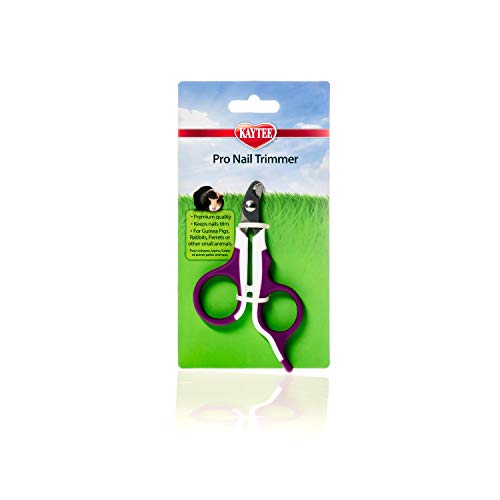
Professional quality
Feed Hay-First: The Rabbit Diet Basics
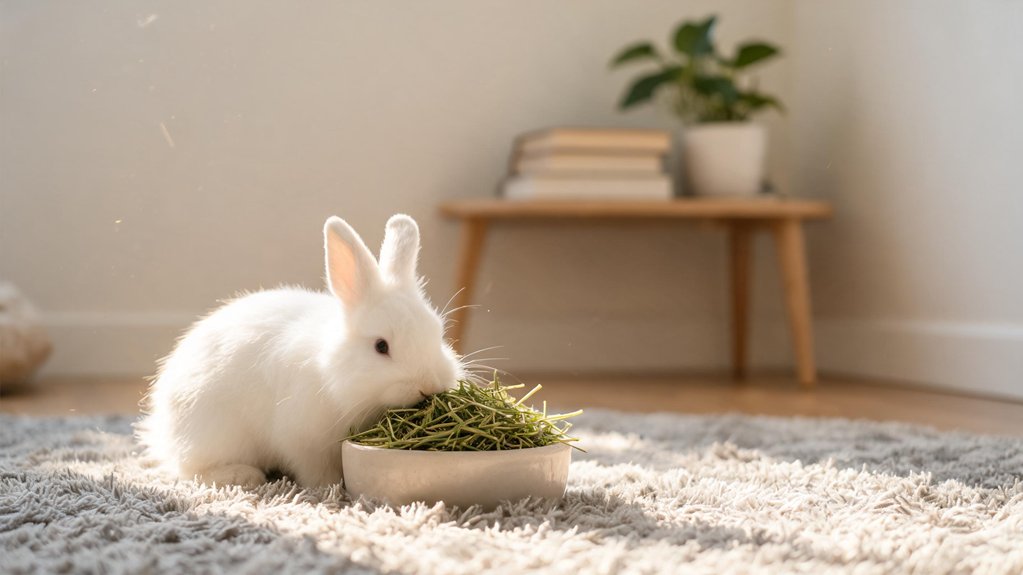
Feed hay first, because for most house rabbits, it constitutes approximately 85% of their daily diet. Providing high-quality grass hay such as Timothy or Orchard grass ensures optimal fiber intake, which is essential for maintaining healthy digestion and preventing gastrointestinal issues seen in pet rabbits. Because Timothy hay has long, coarse stems, it helps wear down a rabbit’s continuously growing teeth while keeping digestion moving.
Keep a generous supply of hay available all day, aiming for a bundle at least as large as your rabbit’s body to promote natural foraging behavior and consistent fiber consumption.
In addition to hay, introduce a variety of leafy greens—comprising roughly 10% of their diet—to provide vital nutrients and enrichment. Complement this with a controlled portion of pellets, approximately 1/4 cup per 6-pound rabbit daily, to meet their specific nutritional needs without overfeeding.
Avoid seed-based “muesli” mix products, as they can encourage selective eating and lead to nutritional imbalance.
Lastly, limit fruit intake due to their high sugar and starch content, which can quickly disturb your rabbit’s stomach health. By following these expert recommendations, you create a balanced, fiber-rich diet that supports your rabbit’s overall health, longevity, and well-being.
Invest in premium hay products and trusted pellet formulas to ensure your pet receives the highest quality nutrition and optimal care.

【Easy Eating】: Our hay feeder is perfect for small animals like rabbits, guinea pigs and chinchillas, making eating easy. Size:6.9 inches long x 4.7 inches wide x 6.6 inches high

Less Wasted Hay: Say goodbye to wasted hay scattered all over the cage! our hay feeder rabbit design keeps the grass from falling and prevents your pets from trampling or soiling their food, ensuring they get only the freshest, cleanest hay every time.

1.【Durable Construction】: The metal frame rabbit hay feeder is made of heavy-duty metal that can withstand the wear and tear of daily use, ensuring long-lasting durability.
Hay As Daily Foundation
Hay should be the daily foundation of your rabbit’s nutritious diet, as it’s essential for maintaining optimal gut health and dental wellness. Prioritize high-quality grass hay, which should constitute approximately 80 to 90 percent of your rabbit’s total food intake. When shopping, choose fresh grass hay that is green, sweet-smelling, and free of mold or dust, since quality hay supports steady daily intake. To promote natural grazing behaviors and ensure consistent dental wear, offer hay free-choice whenever possible, providing continual access throughout the day.
Providing ample hay encourages constant chewing, which is crucial because rabbits’ teeth are continually growing and require regular abrasiveness to prevent dental overgrowth. Side-to-side chewing motions naturally wear down molars, significantly reducing the risk of dental disease, sharp spurs, and other oral health issues.
For ideal results, supply a quantity equivalent to a rabbit-sized bundle or body-sized ball daily—this ensures your rabbit receives adequate roughage.
Ensure the hay is kept in a clean, dry environment and offered in multiple locations within the enclosure. This approach not only promotes more natural foraging behaviors but also encourages increased intake, supporting your rabbit’s overall health.
Incorporating high-quality hay into your rabbit’s daily routine is an effective, essential component of a balanced, health-promoting diet that addresses their specific digestive and dental needs.
Greens And Fiber Balance
Once your rabbit has solid, unlimited access to high-quality grass hay, you can incorporate leafy greens as a nutritional supplement, serving as a smaller daily “support” food.
These greens provide essential fiber along with vital vitamins, hydration, and micronutrients that promote overall digestive health and well-being.
To optimize your rabbit’s diet, aim for greens to comprise about 10% of their total daily intake, which typically amounts to approximately 1 cup of tightly packed mixed greens per 1 kg of body weight each day or an adult handful split into two feedings.
When selecting leafy greens, prioritize fresh, high-quality vegetables and introduce new varieties gradually over several weeks to monitor your rabbit’s tolerance and avoid digestive upset.
Offer at least three different types of greens daily to ensure a broad spectrum of nutrients, including kale, romaine lettuce, parsley, and cilantro, while avoiding toxic plants like rhubarb that are high in oxalic acid.
Careful portion control is essential, as excessive consumption of leafy greens can disrupt calcium and mineral balance, potentially leading to health issues such as bladder stones or obesity.
Incorporating these nutrient-dense greens into your rabbit’s diet promotes optimal digestive health, hydration, and micronutrient intake, supporting a vibrant, healthy lifestyle.
Use this strategic approach to enhance your rabbit’s diet and ensure they receive a balanced, effective combination of fiber and micro-nutrients to thrive.
Know Exactly What Greens Are Safe Daily
Before you prepare your rabbit’s daily salad, it’s essential to understand which greens are safe and healthy, as well as how to serve them properly. Greens should be selected with care, emphasizing a measured, predominantly low-calcium, and low-oxalate leafy green mix to ensure optimal health.
Serve greens alongside unlimited high-quality grass hay to promote healthy digestion and dental wear.
For a balanced diet, aim for approximately 1 cup of packed leafy greens per 2-pound rabbit, or 1 to 2 cups for a 4-pound bunny. Adjust the portion size according to your veterinarian’s recommendations and your rabbit’s individual needs.
Incorporate at least three different greens each day, or rotate through a variety of fresh greens throughout the week to provide comprehensive nutrition and prevent dietary boredom.
Your daily greens should include nutrient-rich options such as romaine lettuce, green and red leaf lettuce, escarole, endive, frisée, basil, cilantro, dill, and arugula. These greens offer essential vitamins and nutrients vital for your rabbit’s well-being.
To maintain safety and nutritional balance, limit or avoid greens like spinach, parsley, beet greens, kale, and other brassicas, which are higher in calcium and oxalates, and should be fed in moderation.
Always wash greens thoroughly under running, unsprayed water to remove pesticides and dirt. Use fresh, organic, or chemical-free plants whenever possible to maximize your rabbit’s health benefits.
Proper selection, portioning, and preparation of greens are fundamental steps in providing a balanced, enjoyable diet that supports your rabbit’s vitality.

5 Pieces for Your Use: you will receive 5 pieces of washable soft plush guinea pig blankets in gray color, plenty quantity to meet your different needs; You can use them as mats, sleeping blankets or bathing towels for small animals like hamsters, golden bears, chipmunks, guinea pigs, chinchillas, squirrels, ferrets, gerbils, rats, hedgehogs, dwarf rabbits

Spacious Rabbit Habitat: Cage measures 25" x 19" x 20"; provides ample room for play and rest in a comfortable enclosure
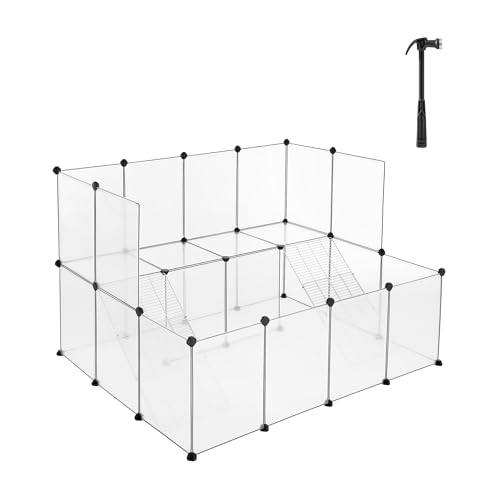
[Room for Fun and Excitement] You want your furry ones to be happy and healthy, and this 56.3 x 42.5 x 36.2 inches playpen gives your naturally busy friends the “floor time” they’ve craved to run, play, exercise, and have fun
Provide Fresh Water Every Day (Bowl vs Bottle)
Give your rabbit access to fresh, clean water every day to ensure optimal hydration and overall health. For the main water source, consider setting up a sturdy, heavy ceramic bowl. This option allows you to quickly spot any changes in water quality or quantity, making it easier to monitor your rabbit’s hydration status and maintain a clean environment.
If you prefer to use a water bottle, it’s essential to check it daily for leaks or clogs. Regularly clean the inside of the bottle and the nozzle to prevent the buildup of biofilm, a slimy layer that can compromise water quality and your rabbit’s health.
Whether using a bowl or a bottle, make sure to swap out the water at least every 24 hours. Conduct a quick hydration check immediately after refilling, especially if the bowl or bottle appears dirty or shows signs of contamination.
Implementing these measures ensures your rabbit remains properly hydrated, promoting a lively, healthy, and thriving pet.

ALL-WEATHER INSULATION: Features an 8-layer protection heating pad with a chew-resistant power cord and a fully enclosed 6-side liner with 0.78" insulated sponge wrapped in durable water-repellent Oxford fabric. Keeps stray and feral cats warm and safe in extreme winter temperatures below freezing.

25 Watt Heated Bowl: 1 quart heated water bowl that keeps drinking water from icing over outdoors, so dogs, cats and rabbits in a kennel, run or hutch can drink through the cold

11 Temperature Settings & Timer: Choose from 11 controller temperature settings from 80°F to 130°F in 5°F increments. Set automatic shut-off from 1 to 24 hours, or select “ON” for Always-On operation with no timed shut-off.
Bowl For Easy Monitoring
When setting up your bunny’s water station, choose a sturdy, high-quality water bowl designed for small animals. A durable bowl simplifies daily maintenance, reduces mess, and ensures continuous access to fresh water. Bowls allow you to easily monitor water levels and clarity at a glance, enabling prompt detection of sudden changes such as debris, hay, or cloudiness, which are critical for maintaining your bunny’s health.
Opt for a bowl that promotes a natural, head-down drinking posture, minimizing neck strain and encouraging optimal hydration. To ensure your bunny always has access to clean water, plan to empty, rinse, and refill the bowl once every day, or more frequently if necessary. For added convenience and peace of mind, keep a backup water bottle available, especially during travel or in case of spills. This combination provides a reliable, easy-to-monitor, and health-focused hydration solution for your pet.
Bottle Needs Proper Cleaning
So you’ve got a water bottle designed specifically for your bunny—excellent, but it only functions effectively if you clean it thoroughly and regularly. When selecting a bottle, it helps to compare bottle designs so you can pick one whose nozzle and mounting style are easiest to keep clean. Many pet owners overlook the importance of proper cleaning, assuming that a clear plastic bottle looks tidy, but bacteria and algae can grow rapidly inside, even when the water appears clean.
In narrow spouts and small nozzles, a sticky biofilm develops quickly, which can pose health risks to your pet bunny. To ensure your bunny’s health and safety, it’s essential to swap in fresh water daily and wash the bottle with mild or hot soapy water.
Using a specialized bottle brush and sipper-tube brush makes cleaning more effective, especially in hard-to-reach areas.
Additionally, once a week, perform a thorough scrub of the entire bottle, inspect the nozzle for any build-up or damage, and rinse all parts thoroughly to prevent bacterial growth.
If you have a pre-owned or used water bottle, it’s crucial to sanitize it properly before use to eliminate any lingering germs or biofilms.
Investing in regular, deep cleaning routines with appropriate brushes and sanitizers ensures your bunny’s drinking water remains safe, hygienic, and free from harmful microorganisms.
Proper cleaning not only promotes your bunny’s health but also extends the lifespan of the water bottle, making it a smart, health-conscious choice for pet owners committed to their pet’s well-being.
Hydration Check Daily
Check Your Bunny’s Water Supply Every Single Day, and Refresh It Immediately with Clean, Room-Temperature Water. Ensuring your rabbit has access to fresh water at all times is vital for maintaining proper hydration and supporting optimal gut motility, both of which are critical for your pet’s health and well-being.
Use a heavy, durable ceramic bowl as the primary water source because rabbits tend to drink more efficiently from bowls than from bottles, and it allows you to easily monitor water levels. Place the bowl away from bedding to prevent contamination and keep it clean. Additionally, securely clip a backup water bottle to provide an extra hydration option, especially during busy days.
Each day, compare the amounts of water in both the bowl and the bottle, and observe your rabbit’s urine for darker coloration, which can indicate dehydration. Also, keep an eye on the consistency of their poop to spot any signs of dry, hard pellets. Regularly maintaining and monitoring your rabbit’s water intake helps prevent dehydration-related health issues, promotes overall well-being, and ensures your pet stays happy and healthy.
Set a Cleaning Routine: Spot Clean + Weekly Deep
A solid cleaning routine is essential for maintaining your rabbit’s health, happiness, and ease of care. Implement daily spot cleaning by removing soiled litter, wet bedding, loose fur, and leftover food bits from the enclosures. Top off the “kitchen” area with fresh, high-quality, dry hay to promote digestive health and natural foraging behavior.
Ensure hard surfaces are kept sanitary by wiping away urine spots with a white vinegar-water solution or a pet-safe enzymatic cleaner to prevent re-marking and bacterial buildup. These routine actions help reduce odors, prevent infections, and create a comfortable environment for your rabbit.
In addition to daily maintenance, perform a thorough weekly deep clean. Remove your rabbit from the enclosure, dispose of all bedding and accessories, and scrub the entire space with a pet-safe soap or a diluted vinegar solution.
Rinse thoroughly to eliminate any soap residue and allow the enclosure to dry completely. Regular deep cleaning minimizes bacteria and ensures your rabbit’s habitat remains hygienic and safe.
Don’t forget to wash food and water bowls weekly with gentle, pet-safe detergent. Never use harsh disinfectants or chemical cleaners that could be harmful to your rabbit.
Investing in a consistent, solution-focused cleaning routine ensures a healthier, happier, and more manageable living environment for your pet.

【Innovative Two-Tier Design】This litter box features a smart two-part construction. The top section is crafted from sturdy, lightweight grey ABS plastic, providing an open-top design for easy rabbit access. The bottom basin is made entirely of rust-resistant stainless steel, ensuring exceptional longevity and effortless cleaning

【3-in-1 Feeding & Litter Station】This rabbit hay feeder with litter box brings hay storage, feeding bowls, water supply, and litter management into one practical setup. It helps separate hay, food, water, and waste areas, making daily pet care simpler while keeping your small pet’s space neater and more organized.

Product Size:Rabbit large litter box size is 15.1x12.2x2.6 inches,with plenty of room for your pets,suitable for rabbits, hamsters, guinea pigs,ferrets and other small animals
Learn Safe Rabbit Handling (Support the Hips)
When you pick up your rabbit, always support the hindquarters thoroughly, because their delicate back and spine are highly vulnerable to injury. Use two hands: one placed firmly under the chest just behind the front legs, and the other securely under the rump to ensure the entire back end remains level and stable. Proper support prevents the hind feet from dangling or kicking uncontrollably, reducing the risk of injury and ensuring a comfortable, stress-free experience for your bunny.
Never lift your rabbit by its ears, legs, scruff, neck, or tail, as these methods can cause pain, discomfort, or severe injury. If your rabbit struggles during handling, gently lower it safely to the floor without force to prevent injury. Using correct handling techniques safeguards your pet’s health and fosters trust, making your bond stronger.
For pet owners seeking reliable, humane, and safe ways to handle their rabbits, investing in proper handling tools and training can greatly improve both safety and comfort for your beloved pet.

🐶【PERFECT DESIGN】High Quality Stainless Steal blade Cat & Kitten and easy for cut which is Small, lightweight claw clippers ideal for cats, kittens and other small animals.

7-in-1 Rabbit Grooming Kit: Not only gentle and safe for small animals, such as rabbit, hamster, guinea pig, and chinchilla; but also work great for larger animals like cats and dogs. Soft silicone small animal massage comb can help you protect your pet's skin and effectively keep their fur clean, healthly.

Vet & Groomer Recommended Professional Design: Preferred by veterinarians, trainers and groomers, these clippers deliver fast, safe and precise trimming for medium and large dogs, ideal for at-home daily grooming.
Support The Hindquarters Properly
Before you pick up your rabbit, it’s essential to support those fragile hindquarters every single time. Your bunny’s spine is delicate, and without proper support, unsupported rear legs or sudden kicks can result in serious back injuries that may require veterinary intervention.
To ensure safety, place one hand firmly under the rabbit’s breastbone to steady the front legs. Then, carefully position your other hand underneath the hindquarters, making sure that your grip is secure and gentle.
Allow the rabbit’s hind feet to rest flat in your palm, preventing twisting or wild kicking that could cause injury. Always lift your rabbit close to the ground for stability and gradually bring it into your body, creating a secure, comforting hold.
If your rabbit struggles or becomes restless, pause, stay calm, and wait patiently before attempting the lift again. Properly supporting your pet’s hindquarters not only minimizes injury risk but also provides peace of mind, ensuring a safe, stress-free handling experience for both you and your beloved bunny.
This careful approach fosters trust and helps maintain your pet’s health, making handling safer and more enjoyable.
Never Lift by Ears
Never lift your rabbit by the ears, not even for a quick second. Ear-lifting pulls on delicate veins and cartilage, which can cause significant pain and discomfort for your furry companion. This unsafe handling practice also triggers sudden, vigorous kicking motions, risking spinal fractures or injury to the rabbit’s sensitive hind legs.
There is no safe reason to lift a rabbit by its ears, as it compromises their health and well-being.
Instead, adopt a gentle, supportive lifting technique that ensures your rabbit’s safety and comfort. Support the rabbit’s body fully by placing one hand underneath the chest, with fingers positioned between the front legs to stabilize the front portion. Use your other hand to cradle the rump and hips, surrounding the buttocks securely.
Lift both ends smoothly and steadily, bringing your rabbit close to your body to minimize stress and prevent injury. Maintain continuous hip support throughout the process, ensuring your rabbit feels secure and comfortable at all times.
Prioritizing proper handling methods not only safeguards your rabbit’s physical health but also fosters trust and a stronger bond. Choose safe, supportive lifting techniques to enhance your pet care routine and promote their overall welfare, making handling quick, easy, and completely safe.
Keep Back End Level
Keep your rabbit’s back end level with its shoulders, because maintaining proper alignment is crucial for protecting its delicate spine and hips. Domesticated rabbits have a fragile and sensitive spinal cord, and their powerful hindquarters are responsible for most of their heavy lifting. Ensuring correct handling during lifting or transportation helps prevent injuries and supports their overall health and longevity.
When you lift your rabbit, support both the chest and rump simultaneously to prevent unnecessary strain. Use one hand firmly placed under the rabbit’s chest, just behind the front legs, and the other hand securely supporting the hindquarters.
Keep the rabbit’s back legs fully supported with their feet resting comfortably on your palm, avoiding any dangling that could cause discomfort or injury. For better control and safe handling, try the football hold or a specialized C-hold, which keeps the animal’s body properly aligned and reduces stress.
If your rabbit struggles or shows signs of distress, quickly lower them to a safe, stable surface to prevent injury. Always keep the rabbit close to your body during handling to avoid twisting or excessive movement, which could compromise their spine or cause discomfort.
Proper handling techniques not only enhance safety during transport but also promote a healthier, more comfortable experience, making your pet’s wellbeing a top priority with every interaction.
Rabbit-Proof Your Space Before Playtime Starts
Once you open the door for playtime, your rabbit will treat your home like a snack buffet and a toy box, so it’s essential to set up a safe environment first. Conduct a thorough walk-through of your designated rabbit area to identify and remove hazardous items such as electrical cords, wires, and power cables. Chewing on these can lead to serious risks including burns, electrocution, and house fires.
To prevent accidents, elevate cords using heavy-duty tubing, cover them with protective sleeves, or conceal them behind furniture to keep your rabbit safe and secure.
Next, block access to potential dangers like outlets with furniture or specially designed covers, and clearly mark oven, stove, and heater zones as “no-go” areas with visible signage or barriers. Store small items, thin plastic bags, and houseplants securely, as even fallen petals and loose objects can pose ingestion or choking hazards for your rabbit.
Implement additional safety measures such as laying down rugs or protective mats to prevent slipping and injury. Use sturdy baby gates to block escape routes and create a confined play space that limits your pet’s access to unsafe zones.
Always supervise your rabbit during playtime to ensure their safety, so you can enjoy worry-free, enriching sessions that keep your pet secure and happy while protecting your home investment.
Plan Enrichment and Social Time for Mental Health
Intentional, purpose-driven enrichment and social interactions are essential for your rabbit’s overall well-being. Rabbits require consistent companionship to feel secure; neglecting this can lead to boredom, which quickly escalates into stress and behavioral issues.
Prioritize consistent, purpose-driven social time for your rabbit; companionship prevents boredom, reducing stress and harmful behavioral issues.
For single bunnies, dedicate daily bonding sessions of 10 to 20 minutes, twice a day, focusing on calm, gentle handling, and grooming to foster trust and reduce anxiety.
Optimizing your rabbit’s mental health also involves pairing them with a compatible rabbit, which promotes natural behaviors such as shared eating, mutual grooming, and playful interactions.
When introducing new rabbits, establish neutral, escape-proof meeting areas and introduce scents gradually to ensure a smooth transition.
Enhance the environment with engaging foraging toys like puzzle feeders or snuffle mats, rotating these enrichment tools weekly to maintain novelty.
By prioritizing structured socialization and enrichment strategies, you create a stress-free environment that supports your rabbit’s mental and emotional health.
Incorporating these purposeful activities into your daily routine will nurture a happier, calmer, and more resilient rabbit, ultimately maximizing their quality of life.
Expect Normal Rabbit Digging and Chewing
Rabbits don’t come with a “house rules” manual, so when you see digging and chewing, think “natural rabbit behavior,” not “bad bunny.” After establishing a stimulating environment with targeted daily enrichment activities and dedicated social time to promote calm mental health, you can expect your rabbit to channel their energy into instinctual behaviors like digging and chewing.
Providing appropriate outlets helps prevent damage to your home and keeps your rabbit happy and healthy. Digging behaviors often target areas such as carpets, corners, and baseboards. To manage this, consider offering a high-quality dig box filled with hay, shredded paper, or towels to satisfy their burrowing instincts.
Chewing, an essential activity for maintaining healthy teeth and exploring textures, should be redirected with sturdy, untreated wood, willow sticks, cardboard, and chew mats designed specifically for rabbits.
Implementing these targeted enrichment solutions not only helps protect your furniture and home but also enhances your pet’s well-being by fulfilling their natural instincts. By proactively providing suitable outlets and dedicating time to mental and physical stimulation, you create a harmonious living environment that supports your rabbit’s health and minimizes destructive behaviors.
Schedule Vet Care: Exams, Nails, and RHDV2
After you bring your new rabbit home, schedule an immediate veterinary visit to establish a comprehensive health baseline. Early assessment by an experienced rabbit veterinarian will help detect any hidden medical issues, including dental health, skin conditions, and respiratory function.
A thorough exam should include a detailed evaluation of teeth, nails, skin, heart and lung function, and a gentle palpation of the abdomen to identify potential problems early.
Following this initial check, plan for a proactive annual wellness visit to maintain optimal health. For rabbits over five years old or those with chronic health issues, schedule biannual exams to ensure continuous health monitoring and early intervention if necessary.
Regularly inspecting your rabbit’s nails every 4 to 6 weeks is essential—if nails tap on hard flooring or snag on fabric, it’s time for a trim. Consistent maintenance prevents discomfort and potential health issues.
In addition, consult your veterinarian about the RHDV2 vaccination, particularly in regions with higher risk of rabbit hemorrhagic disease. Protecting your rabbit from this deadly virus with an up-to-date vaccination schedule is crucial for Long-term health and safety.
Prioritizing these veterinary protocols ensures your rabbit remains happy, healthy, and protected from preventable diseases.
Budget for Spay/Neuter and What It Changes
Before bringing your rabbit home, it’s essential to budget for spay/neuter procedures, as they represent one of the most significant initial costs of responsible rabbit ownership. Investing in these veterinary services, typically costing between $200 and $300 in the United States, can help prevent costly health issues later, though prices may be higher depending on your location and the complexity of the case.
Budget $200–$300 for rabbit spay/neuter upfront; it helps prevent costly health issues later, though prices vary by location and case complexity.
Some surgeries can exceed $500, and more complex procedures might reach up to $1,500. Be aware of additional expenses such as anesthesia, pre-surgery physical exams, blood work, pain medications, and take-home prescriptions to ensure your rabbit’s comfort and recovery.
Spaying offers vital health benefits, significantly reducing the risk of uterine cancer and infections, which are common in unaltered female rabbits.
Neutering male rabbits helps decrease unwanted hormone-driven behaviors such as mounting, lunging, and urine spraying, leading to a calmer, more manageable pet.
Many pet owners notice marked improvements in litter habits within just a few weeks after surgery, making these procedures a crucial step in transforming your rabbit into a well-behaved and healthier companion.
Prioritizing spay/neuter not only enhances your rabbit’s quality of life but also prevents future veterinary expenses, ensuring a happier, healthier experience for both you and your pet.
Groom by Coat Type: Long-Hair vs Short-Hair
Once you bring home your bunny, grooming becomes significantly easier when you select the appropriate tools and establish a consistent grooming schedule tailored to their coat type. Short-haired rabbits, including breeds like Netherland Dwarf or Himalayan, require at least weekly brushing; however, during heavy moulting seasons, increasing to more than two sessions per week ensures optimal coat health and minimizes shed hair around your home.
Use soft-bristled or slicker brushes designed specifically for small animals, followed by wide-toothed and fine-toothed combs to remove loose fur and prevent matting. Incorporating a flea comb can effectively eliminate tiny debris and prevent skin irritations. A complete rabbit grooming kit bundles these brushes and combs together, streamlining routine coat care for owners of any coat type.
Long-haired breeds such as Angoras or wool-coated varieties demand daily grooming, sometimes more frequently, as mats and tangles can form rapidly if neglected. Employ high-quality slicker brushes with fine metal teeth that gently glide through thick coats, and utilize specialized mat-breaker combs to gently loosen and remove mats without causing discomfort.
When trimming long or dense fur, ensure blades are kept parallel to the skin in a gentle manner, moving with the fur’s natural grain to avoid injury. Trim the coat to about one inch in length for easier maintenance, and refrain from cutting the fur around the hind feet to preserve mobility and comfort.
Consistent grooming with the right tools not only maintains a healthy, gleaming coat but also fosters a close, trusting bond between you and your bunny, making everyday care straightforward and stress-free.
Recognize Stress Signs and Fix the Cause
Stress can sneak up on rabbits quickly, so it’s essential to recognize the signs of an “off” state early. Watch for tense crouching with a flattened head, dilated pupils, and ears flattened, which indicate an alarm response. If you observe ears pinned back, sudden freezing, or repeated hind-leg thumping, promptly identify and remove the potential stressors. Allow your rabbit to retreat to a safe, quiet space and implement calming strategies to address their discomfort.
Additionally, listen carefully for loud, strained teeth grinding, which can signal pain or intense stress requiring immediate veterinary attention. Regularly monitor changes in behavior, such as increased hiding, decreased activity levels, loss of appetite, or unexpected weight fluctuations. These symptoms often point to underlying issues that need prompt intervention.
To prevent stress from impacting your rabbit’s well-being, ensure their environment is adequately spacious—offering at least a 3-meter by 2-meter by 1-meter enclosure. Incorporate secure hiding spots and engaging toys to promote a sense of safety and mental stimulation. Maintain consistent daily routines to reduce anxiety and provide a reliable sense of security. Focusing on these solutions will help you create a healthy, stress-free environment for your beloved pet, supporting their happiness, health, and longevity.
Train Bathroom Habits With Litter Box Tips
Training a bunny to consistently use a litter box may seem challenging initially, but with the right setup and routine, you’ll see quick progress. To ensure successful training, place a sturdy, easy-to-access litter box in your rabbit’s preferred bathroom corner, within their pen or a designated 4’x4′ play area.
Use low-sided trays for effortless entry and confine the bunny temporarily with a barrier to minimize accidents and reinforce the habit.
Consider adding multiple litter trays—such as one near the cage and another in a room corner—to promote natural litter box use.
Gradually move the trays 2–6 centimeters per day towards the designated bathroom area to avoid confusion.
Select rabbit-safe and eco-friendly substrates like paper or wood pellets, and avoid harmful materials such as cedar and clay-based litters.
Keep hay on top of the litter for added encouragement and nutritional benefits. Combining a hay feeder with a litter box creates one station where rabbits can eat and toilet, which encourages them to return to the same spot.
Maintain a clean environment by daily or bi-daily cleaning of the litter boxes with unscented, pet-safe cleaners to prevent odors and infections.
Know What Not to Feed a Rabbit
Before you start offering snacks to your pet rabbit, it’s essential to familiarize yourself with the critical “no” list of foods to ensure your bunny’s safety and health. Many common human foods and certain everyday plants can pose serious health risks, so knowing what to avoid is key to providing a safe, happy environment for your furry friend.
Before offering snacks, learn the critical “no” foods to protect your rabbit from serious health risks and keep them happy.
Skip chocolate and cocoa products entirely, as they contain theobromine, which can cause seizures, cardiovascular problems, and even death in rabbits. Avoid feeding avocado, which contains persin—a toxin that can be fatal to small animals. Also, refrain from giving treats like candy, cake, cookies, sugary cereal, bread, crackers, chips, and pasta, as these contain excess sugar, salt, and refined carbohydrates.
These foods can disrupt your rabbit’s delicate digestive system, leading to discomfort or more severe health issues.
Furthermore, never feed your rabbit meat, eggs, dairy, milk-based treats, or yogurt drops, as these are inappropriate for their herbivorous diet and can cause gastrointestinal disturbances.
It’s equally important to steer clear of iceberg lettuce, rhubarb, potatoes, onions, garlic, corn, seeds, nuts, legumes, and xylitol, as these can be toxic, cause digestive problems, or pose choking hazards.
Create a Rabbit Emergency Plan (Vet + First Steps)
When you’re setting up a rabbit habitat or environment, it’s crucial to also establish a comprehensive emergency preparedness plan. Rabbits can deteriorate rapidly if they fall ill or sustain injuries, so being proactive can make all the difference in their survival and recovery.
Identify a trusted, rabbit-savvy veterinarian—preferably one with extensive experience in small animal and exotic pet care—and list a reliable backup veterinary clinic that can accommodate rabbits as well. Additionally, locate the nearest 24-hour emergency hospital equipped to handle urgent small mammal crises. Post their physical addresses, contact phone numbers, and operational hours prominently in your home or rabbit care area.
Confirm in advance that these facilities accept rabbit patients after normal business hours, and inquire about estimated emergency consultation and treatment fees to plan financially for urgent care needs.
Develop clear “go now” protocols that specify immediate action for critical symptoms, including collapse, severe pain, labored breathing, seizures, gastrointestinal bloat, flystrike, exposure to toxins, major trauma, or total anorexia accompanied by absence of droppings. These symptoms can be life-threatening if not addressed promptly.
In the event of a rabbit emergency, follow these first steps to stabilize your pet: First, call your designated emergency contacts immediately. Next, if possible, gently warm the rabbit’s ears or cool them using a damp cloth, depending on what the situation requires. Apply firm pressure to any bleeding site for 3 to 5 minutes to control hemorrhage, and confine the rabbit securely to prevent further injury.
It’s vital to avoid forcing a rabbit to swallow if there are doubts about its ability to do so, especially when you suspect choking or other oral injuries. Remember, quick and decisive action combined with expert veterinary intervention can significantly improve the outcome for your rabbit in a crisis.
Frequently Asked Questions
How Much Space Does an Indoor Rabbit Actually Need to Stay Healthy?
You need more than a small cage—invest in a spacious, well-designed rabbit enclosure that provides a safe and comfortable environment. Aim for a home base that’s at least 4 to 6 times your rabbit’s body length, ensuring ample space for movement, play, and rest.
Additionally, ensure your rabbit has 24/7 access to a secure, bunny-proofed runaround area measuring approximately 10 by 6 feet. This outdoor or indoor play zone allows your rabbit to stretch, exercise, and explore safely, promoting overall health and well-being.
Creating a large, enriching habitat is essential for maintaining your rabbit’s physical health and mental happiness. Consider investing in high-quality, customizable cages, spacious play yards, and protective accessories to ensure a balanced, stimulating environment. These elements will help your rabbit stay active, prevent obesity, and foster a happy, healthy life.
What’s the Safest Way to Bunny-Proof Cords, Floors, and Baseboards?
Bunny-proof cords, floors, and baseboards by strategically removing or routing every cable behind furniture, barriers, or within wall openings to prevent access. Implement rugged, chew-resistant covers for electrical cords and secure all wiring along baseboards with protective channels designed specifically for pet safety. Utilize outlet plug inserts made from durable, non-toxic materials to block access to electrical outlets and eliminate potential hazards.
Enhance floor safety by adding non-slip, chew-safe rugs in high-traffic and vulnerable areas, reducing the risk of slips and discouraging chewing. Guard baseboards with removable, non-toxic chew blocks that are designed to withstand impact and discourage destructive behavior. Investing in high-quality, commercial-grade pet-proofing solutions ensures comprehensive protection for your bunny, maintains a safe environment, and minimizes potential property damage.
Do Rabbits Need a Vet, and When Should You Schedule the First Visit?
Yes, you should book an appointment with a rabbit-savvy veterinarian who specializes in exotic and small animals. Regular checkups are essential because “checkups save lives.” Schedule the first comprehensive wellness exam within 1–2 weeks of bringing your new bunny home to ensure early detection of health issues and to establish a health baseline.
After the initial visit, maintain your rabbit’s health with annual wellness exams conducted by a veterinarian experienced in rabbit care. Additionally, seek urgent veterinary attention immediately if your rabbit experiences a loss of appetite, irregular or stop in droppings, or shows signs of illness such as lethargy or abnormal behavior. Prioritizing routine veterinary visits and prompt care can significantly extend your pet’s lifespan and enhance its overall well-being.
How Do You Estimate Monthly Costs for Hay, Greens, Litter, and Toys?
Estimate your monthly operational expenses by accurately pricing the essential supplies, including high-quality hay, fresh greens, absorbent litter, and engaging toys and enrichment items that meet your pet’s needs. Allocate approximately $20 to $50 per month for premium hay, which ensures proper fiber intake and overall health. For fresh greens, budget between $10 and $35 each month, depending on your pet’s dietary requirements and variety preferences.
In addition, account for litter costs ranging from $5 to $25 per month, selecting highly absorbent, dust-free options that promote a clean, odor-free environment. For toys and enrichment activities, plan to spend around $5 to $20 monthly, focusing on durable, stimulating products that support mental and physical engagement. Adopting a precise, solution-focused approach to your expenses helps optimize your pet’s well-being while maintaining a sustainable budget.
What Should You Buy Before Adoption Day so Feeding and Housing Are Ready?
Buy a spacious, secure enclosure that provides ample room for movement and comfort, complete with a sturdy hay rack to ensure consistent access to fresh hay. Invest in a high-quality water bottle or a heavy, tip-resistant bowl to prevent spills and maintain proper hydration, along with a reliable pellet scoop for precise feeding.
Additionally, acquire essential supplies such as litter box(es) made from durable, pet-safe materials, and disinfectant specifically formulated to be safe for small animals to maintain a clean, healthy environment. Stock up on fresh, nutrient-rich grass hay, along with containers of crisp leafy greens and other fresh vegetables, to promote optimal nutrition.
Don’t forget to include bedding that is safe and comfortable, as well as chew-safe toys to stimulate mental activity and prevent boredom. Because unexpected needs can arise, having these humane, high-quality supplies on hand ensures your new pet’s comfort, health, and happiness from day one—making the adoption process smooth and stress-free for both you and your furry companion.