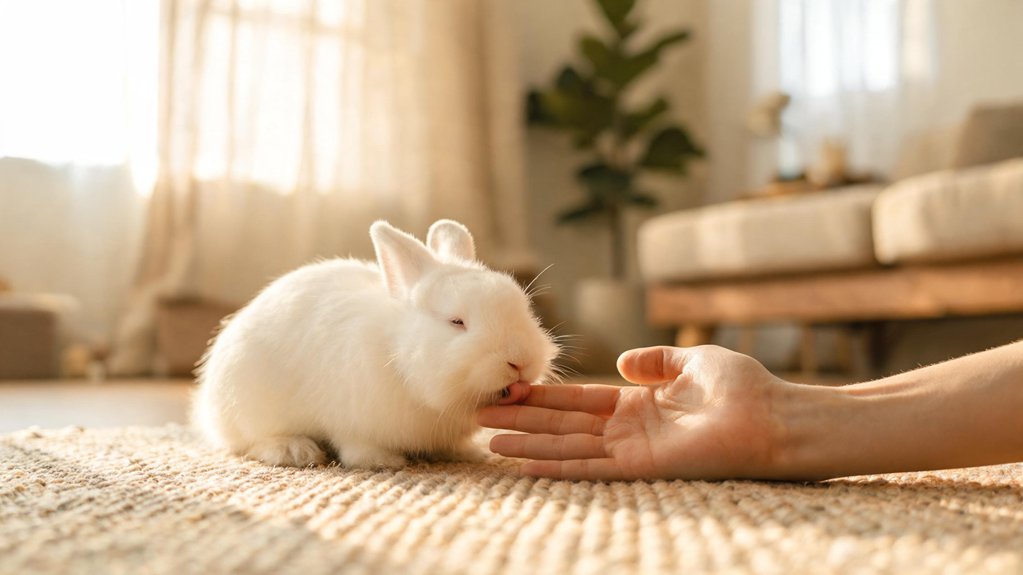
If your rabbit stops eating completely, or you don’t see poop in 8 or more hours, don’t guess—see a rabbit-savvy vet fast. For puberty aggression around 4 to 6 months, spay or neuter helps, and calm usually improves in 2 to 6 weeks.
If you get fear-bites, stop looming, use gentle lifts that support the chest and hindquarters. For litter or hay guarding, add one or more litter boxes per rabbit in different spots. Offer endless grass hay and safe chews, plus a covered digging box, to prevent furniture damage and escapes. Stick around to learn more.
Swift Summary
- Rule out urgent illness first: complete appetite loss or no fecal output for 8+ hours needs immediate veterinary assessment.
- Identify fear/handling triggers: watch for tense crouch or flattened ears; avoid looming, sudden reaches, and use secure chest-and-hindquarter support.
- Manage puberty/intact-hormone aggression: expect 4–6 months surges; spay/neuter reduces spraying, mounting, lunging, and nonstop chasing.
- Reduce litter/territory guarding: add litter boxes (at least one per rabbit plus one), spread across enclosure zones, and avoid tight-corner placement.
- Prevent destructive chewing: provide daily grass hay, safe wood/toy chews, and fully protect cords with rabbit-resistant tubing or conduit.
Quick Triage for Rabbit Behavior Problems
First, perform a quick triage—think “health check, then home check, then behavior type.”
If your rabbit exhibits a complete loss of appetite or shows no fecal output (fecal pellet production) for 8 or more hours, prioritize an immediate veterinary exam over troubleshooting the cage setup or routine. This urgent step ensures prompt medical intervention to address potential gastrointestinal issues or other health concerns. Immediate veterinary care is especially important because rabbits can decline rapidly when their gut slows down.
Next, assess for signs of pain or discomfort, such as a hunched posture, teeth grinding (bruxism), or hiding behaviors. Sudden onset of behavioral problems, increased fear, or decreased playfulness can be indicative of illness or pain, making a thorough physical examination essential. Addressing these signs quickly with a professional can prevent further health deterioration.
Then, conduct a home environment check for recent changes that could influence your rabbit’s behavior—such as introducing new pets, loud noises, or changes in daily routine. These environmental stressors often trigger behavioral shifts, so modifying or stabilizing the environment can help restore normal activity.
Finally, classify the specific behavior issues to guide targeted solutions. For example, if your rabbit rattles the cage, this may suggest stress or enclosure defense mechanisms. Identifying the root cause enables you to implement effective behavior modification strategies or environmental enrichments, ultimately improving your rabbit’s well-being and fostering happier, healthier interactions.

Package includes 2 pack large rabbit litter box, measures 14.5"L x 11.7"W x 2.6"H, can provide plenty of room for your lovely pet to move around and avoid the overflow of garbage and keep the room tidy.

Spacious Comfortable: This large rabbit litter box offers ample space with dimensions of 16.9" long x 11.8" wide x 6.3" high, making it ideal for adult rabbits, guinea pigs, ferrets and chinchillas.The litter box rabbit, say goodbye to cramped corners

Material: This rabbit litter box is made of very thick plastic, so it doesn't bend. The build is solid enough to handle some chewing. The rabbits are adverse to chewing on this particular plastic. It's safe for pets
Stop Puberty Aggression With Spay or Neuter
If your rabbit transforms into a bitey, chasey, cage-guarding teenager exhibiting territorial behaviors such as spraying, mounting, circling, or aggressive guarding of territory, spaying or neutering is often the most effective next step to improve behavior and ensure a harmonious household.
Puberty typically begins around 4 to 6 months of age, and the surge of intact hormones can lead to destructive behaviors, including lunging, growling, boxing, and persistent chasing.
Around 4 to 6 months, hormones can trigger lunging, growling, boxing, and nonstop chasing—making early action crucial.
To address these issues proactively, consult with your veterinarian about scheduling a spay for female rabbits around 4 to 6 months of age and a neuter for males at approximately 3.5 to 4 months before sexual maturity fully develops.
Performing the procedure before hormonal levels intensify helps significantly reduce aggressive tendencies.
Following surgery, hormone levels gradually decrease over 2 to 6 weeks, and during this period, you can expect a calmer and more trainable rabbit.
Investing in spay or neuter surgery not only improves your rabbit’s overall behavior but also prevents future complications related to sexual maturity.
While it may not eliminate every behavioral conflict, this solution dramatically enhances your rabbit’s well-being and your household’s harmony, making it a crucial step toward a happier, safer pet.

Size: XS fit for rabbits/chinchilla/guinea pigs with head circumference between 3.9"-8.7"(10-22cm). S fit for rabbits/chinchilla/guinea pigs with head circumference between 4.3"-10.2"(11-26cm). Please measure the size of your pet before order, take each measurement a bit loosely.

ODOR CONTROL for long-lasting freshness, Kaytee Clean & Cozy can be used with any type of habitat for a fresh animal home
Size: XS fit for rabbits/chinchilla/guinea pigs with head circumference between 3.9"-8.7"(10-22cm). S fit for rabbits/chinchilla/guinea pigs with head circumference between 4.3"-10.2"(11-26cm). Please measure the size of your pet before order, take each measurement a bit loosely.
Stop Fear-Bite Handling Mistakes
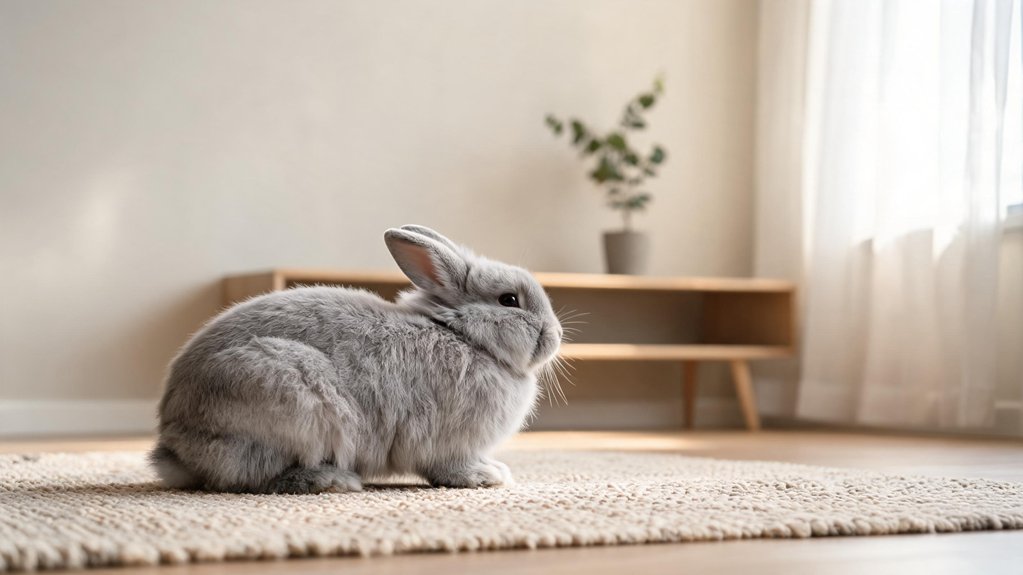
Fear-biting in rabbits is often misinterpreted as “random aggression,” but in reality, it’s a natural response to feeling scared or unsafe when being handled. Recognizing early warning signals such as a tense crouch, flattened ears, and dilated pupils is essential for preventing bites. Notably, flattened ears tightly against the body can indicate stress or anxiety (flattened ears tightly). If your rabbit freezes, retreats, or thumps loudly, it indicates that their comfort level has been compromised. In such cases, it’s crucial to slow down your approach, give your rabbit plenty of space, and allow them to regain confidence.
To ensure safe handling, you must adjust your technique. Avoid looming over your rabbit or reaching quickly from behind, as these actions can be perceived as threats.
Don’t chase or speak loudly, as these behaviors increase stress and fear. When lifting your rabbit, support their chest and hindquarters thoroughly, ensuring all four feet are supported comfortably.
Never squeeze or grasp tightly—gentle, supportive lifts foster trust and reduce anxiety.
For rabbits prone to nipping, consider using a soft towel drape as a handling aid. Lift your rabbit smoothly, close to your body, to provide stability and security.
Always release your rabbit gently once handling is complete. Implementing these solutions creates a more positive experience, minimizes fear-induced bites, and builds a trusting relationship with your pet, making handling safer and more enjoyable for both of you.
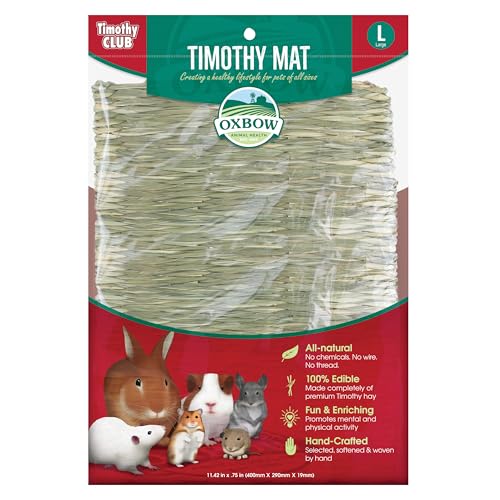
ALL-NATURAL TIMOTHY HAY MAT: Hand-woven from 100% premium timothy hay, this edible rabbit mat and guinea pig mat supports chewing, hiding, and exploring instincts while elevating small pet habitats and cages with a safe and enriching place to rest.

100% Edible Timothy Hay Toy: Made with premium Timothy hay for a tasty hideout, chew toy, and treat all in one

【52 PCS CHEW STICKS】This set of rabbit chewing toys includes 52 green Timothy grass sticks.They are packaged in crystal jars for easy access and storage, and effectively prevent spoilage. The grass stick set is very beneficial for small animals.
Adjust the Enclosure to Prevent Guarding
When your rabbit guards the litter box, hay, or the door area, it usually indicates they feel trapped or that a particular “hot spot” is perceived as their territory. To resolve this, adjust the enclosure layout to maximize available space, allowing your rabbit to comfortably escape or retreat when needed.
Creating well-defined, separate zones for rest, feeding, and toileting helps reduce territorial guarding and promotes relaxed behavior.
Avoid placing these zones in tight corners near food or water sources, which may increase territorial behavior. To further discourage guarding, provide at least one litter box per rabbit, plus an additional one, and strategically position them in different areas throughout the enclosure. Choosing a box with a suitable litter tray size and design makes it more comfortable for your rabbit to use, so it is less likely to become a guarded spot.
Incorporate multiple doorways into your setup, and always open the door, then step back to give your rabbit the opportunity to leave first, fostering a sense of control and safety.
Position doors from the side rather than overhead to minimize confinement and confusion. Keep all exits clear from sleeping areas and communal spaces, ensuring unobstructed routes for your rabbit.
By implementing these strategic enclosure adjustments, you can create a stress-free environment that minimizes guarding behaviors, enhances your rabbit’s comfort, and encourages more natural, relaxed habits.
This thoughtful reorganization ultimately results in a happier, healthier pet and an improved pet-owner relationship.
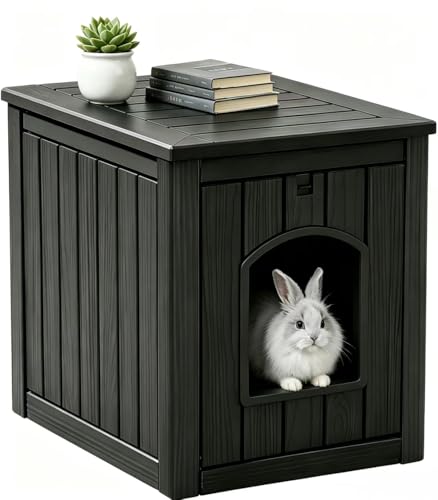
【Premium Solid Resin Build | Durable & Long-Lasting Structure】 Made of premium solid resin, this small animal shelter outperforms ordinary wood rabbit houses that easily grow mildew, crack or produce sharp burrs. Featuring refined black grain textured surface, the piece boasts waterproof & stain-resistant performance and can be wiped down effortlessly. It creates a scratch-free secure resting nest ideal for mature bunnies, guinea pigs and assorted tiny companion pets to hide away and enjoy playful downtime.

Deep Design for Less Cleaning: Our Bunny Litter Box features a specially deep design that provides ample space for rabbit litter and rabbit droppings, reducing the frequency of cleaning and saving you time on maintenance

High Quality Material:This pet litter pan is made of 100% premium-quality,durable,non-toxic,stain and odor resistant PP plastic.The reinforced bottom design to withstand small animals of 3-8 kg
Provide Safe Chew Options to Stop Furniture Damage
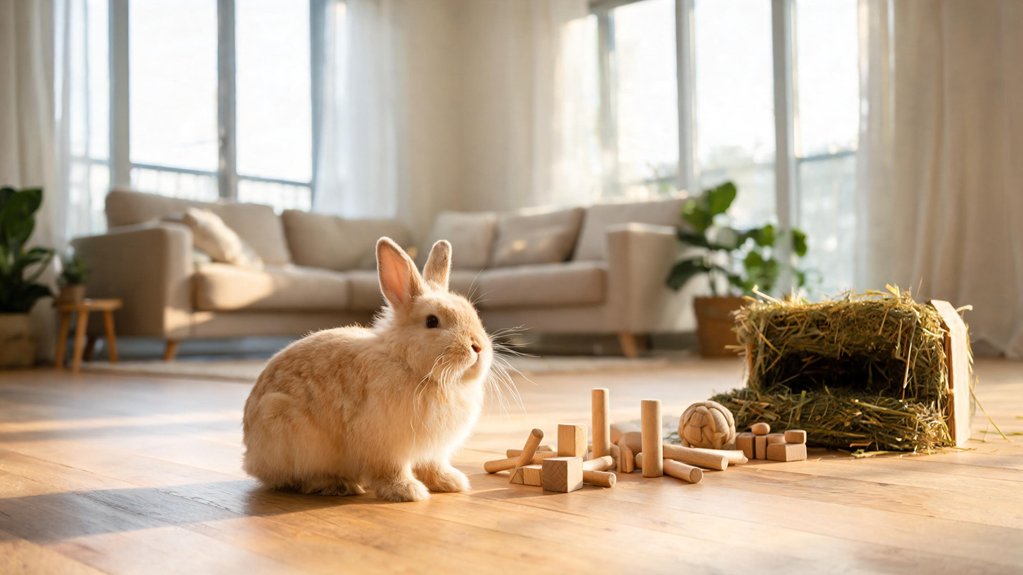
Start by making “chewing time” easy and your furniture hard to reach. Offer grass hay free-choice, along with long-chop timothy, oat, or orchard hay daily. Providing a consistent supply of quality hay encourages natural chewing behaviors, helping to satisfy your pet’s gnawing instincts and significantly reduce destructive chewing on furniture, drywall, and other household items.
Offer grass hay free-choice and long-chop timothy, oat, or orchard hay daily to satisfy gnawing instincts and protect furniture.
Next, incorporate safe, natural wood options into your pet’s environment. Choose unsprayed apple, willow, hazel, and aspen twigs, as well as untreated apple, pear, or willow blocks. These safe wood chews are essential for redirecting destructive chewing, but avoid cherry and redwood woods, which can be toxic. Allow stone-fruit woods to cure for approximately one month before limited use to ensure safety and reduce any potential toxins.
Enhance your pet’s environment further by placing multiple hay stations and engaging chew toys. Consider items such as braided toys, wreaths, cubes, seagrass mats, and hay twists, which provide enriching and durable options for chewing.
Finish by adding plain cardboard tubes, boxes, and hideouts made from non-toxic materials, avoiding those with heavy ink or tape. Using these safe chew options prevents furniture damage while promoting healthy, natural behaviors, making your home and your pet’s health in top condition.

EASY TO USE: The lightly coiled, wrapper-style cable cover easily slips over charging cables, power cords and more for a just right fit without a fuss. The flexible 10 foot tube can be cut to fit exactly the length you need.

EASY TO USE: The lightly coiled, wrapper-style cable cover easily slips over charging cables, power cords and more for a just right fit without a fuss. The flexible 10 foot tube can be cut to fit exactly the length you need.

PROUDLY MADE IN THE USA WITH HIGH-QUALITY MATERIALS: Our PetCords are made out of safe and flexible material to keep your pet safe from electrical cables. PetCords fit seamlessly onto cables and do not interfere with the outlet on the wall. Our product is unscented, does not have any bad odors, and matches most home décor.
Rabbit-Proof Cords and Baseboards First
First, protect every electrical cord by fully encasing them in durable, thick tubing or rigid conduit to prevent rabbit chewing, which can cause severe electrical injuries and pose fire hazards. Choose cable protectors designed to resist rabbit teeth for the best results. Keep these protected cords completely out of your rabbit’s reach by securing them along walls or behind furniture, ensuring they’re inaccessible during daily activities.
Next, establish a robust barrier along baseboards using sturdy molding or installing a solid wall barrier to prevent your rabbit from gnawing on tempting edges. Pay special attention to commonly accessed areas along the “walk path,” where your bunny may frequently circle back, and reinforce these spots for added safety.
In addition, provide safe, rabbit-friendly alternatives for chewing, such as kiln-dried wood toys and hay-based chews, which satisfy their natural instincts and reduce destructive behavior. Regularly monitor your rabbit for signs of chewing and make immediate adjustments to the setup on the same day to maintain a safe environment. This proactive, solution-focused approach ensures your pet’s safety while supporting their natural behaviors and preventing costly damages.

【Innovative Two-Tier Design】This litter box features a smart two-part construction. The top section is crafted from sturdy, lightweight grey ABS plastic, providing an open-top design for easy rabbit access. The bottom basin is made entirely of rust-resistant stainless steel, ensuring exceptional longevity and effortless cleaning

Easy to clean: The rabbit litter box comes with pet toilet training pads - Are you tired of taking the whole guinea pig litter box out of your pet's cage, dumping, and cleaning it every day? What if there's a large-sized pet litter box that can make potty training no pressure, easier, and almost no mess? Give this easy-to-clean guinea pig litter box with a litter drawer and pet toilet training pads a try and you'll never have to clean the litter box bottom ever again! Cleaning is a breeze! 1) lift out the old pee pad and throw in the trash. 2) garden hose spray down the box/tray. 3) Line the box with a new pee pad when dry

More Hygienic---Feces and urine naturally fall through the grid to the lower layer, effectively keeping the upper layer clean and sanitary, significantly reducing cleaning efforts.
Protect Electrical Cords With Tubing
Wondering why your rabbit persistently targets electrical cords as if they’re the most enticing chew toys? Rabbits have natural chewing instincts, but unprotected cords pose serious risks, including oral burns, heart damage, or sudden death. To ensure your pet’s safety and protect your valuable electronics, don’t rely solely on managing access—secure your cords effectively with professional-grade tubing solutions.
Start by elevating cords out of your rabbit’s reach or routing them behind furniture and appliances to minimize exposure. Then, enhance safety by installing high-quality split-loom tubing, the preferred option for pet-proofing electrical cords. This durable tubing features a pre-split seam, allowing you to easily slip it over cords without unplugging or dismantling wiring setups. Use approximately 3/8 to 1/2-inch diameter split-loom tubing for most standard cords to ensure a snug, chew-proof fit.
If your rabbit continues to gnaw despite these measures, consider upgrading to woven cover wraps or rigid PVC conduit, which provide additional bite-proof protection. Investing in these professional-grade solutions not only safeguards your furry companion from harm but also preserves the integrity of your electrical system, delivering peace of mind with a simple, effective safety upgrade.
Barricade Baseboards With Molding
If your rabbit persistently eyes baseboards and molding as a giant chew buffet, relying solely on supervision is insufficient for long-term protection. To effectively safeguard the walls and wood trim, start with durable materials such as hard plastic or vinyl baseboard guards that are specifically designed to be chew-resistant. These guards serve as a reliable barrier, preventing damage from your rabbit’s incessant gnawing.
For quick and cost-effective solutions, consider installing untreated wood bumpers or thin furring strips directly in front of the existing baseboards. These sacrificial surfaces are designed to absorb the chewing, thereby preserving the underlying trim. Ensure these protectors are attached with removable fasteners or Velcro, enabling easy replacement of damaged sections without hassle.
Do not overlook corners—they are common points of entry for damage. Install corner protectors tailored for baseboard corners to reinforce vulnerable areas.
Additionally, to contain your rabbit and keep him a few inches back from the baseboards and molding, line the room perimeter with pens, grids, or barriers. This comprehensive approach combines sturdy protectors, sacrificial materials, and physical barriers, providing a long-lasting, effective solution to maintain the integrity of your interior walls while accommodating your rabbit’s natural chewing instincts.
Provide Safe Chew Alternatives
Once you’ve protected your home by safeguarding baseboards and securing cords with cord organizers, you can provide your rabbit with safe, approved chewing alternatives. Offering a variety of daily chew options is essential for maintaining your rabbit’s dental health and preventing destructive chewing behaviors that could damage your home furniture or electrical wires.
Place nutritious grass hay, such as fresh Timothy hay or orchard grass, along with Timothy hay cubes and hollow cardboard tubes filled with hay in areas where your rabbit tends to chew. Because hay should make up the majority of a rabbit’s diet, selecting a suitable hay for pet rabbits helps keep both teeth and digestion healthy.
Incorporate safe, natural woods like apple, birch, or willow specifically designed as chew toys—avoid harmful woods like cedar and non-kiln-dried pine.
You can also introduce straw or wicker baskets, seagrass mats, and paper bags filled with fresh greens as engaging, edible enrichment.
Regularly inspect all toys and chewables for signs of fraying or excessive wear.
Remove or replace items with frayed edges or over-snatched parts, as ingesting too much can upset your rabbit’s gastrointestinal health.
Build a Digging Box to Save Carpets
And if your rabbit repeatedly digs at your carpets, a highly effective solution is to create a dedicated digging box that redirects this natural instinct safely. Use non-glossy, unscented, and pet-safe materials such as hay, shredded plain paper, or crumpled packing paper to fill the box. These materials aren’t only engaging for your rabbit but also gentle on their paws and safe for your home environment.
To ensure your rabbit’s digging needs are met while protecting your carpets, set up the digging box as a covered tray with sturdy sides, complemented by a tray or absorbent mat underneath. This design helps contain loose shredded paper or hay, minimizing mess and easy cleanup.
Place the box strategically near the specific carpet area your rabbit tends to target, ideally in a quiet, low-traffic corner to make it a more appealing alternative. This targeted approach offers a practical, cost-effective, and humane solution to preserve your carpets while satisfying your rabbit’s natural digging behavior.

NATURALLY SCENTED with real, pet-safe lavender buds

ODOR CONTROL for long-lasting freshness. Kaytee Clean & Cozy can be used with any type of habitat for a fresh animal home

Small Pet Bedding: Our beautiful blue natural paper fiber bedding makes the softest, driest most comfortable home for small pets
Choose Safe Digging Materials
To effectively protect your carpets while providing your rabbit with a stimulating digging experience, it’s essential to select safe, comfortable, and easy-to-clean digging materials. Start with shredded plain paper or crumpled paper—these eco-friendly and inexpensive options offer a soft, absorbent substrate that minimizes mess and harm.
Layer this with a substantial amount of hay or straw, which encourages natural digging behaviors and provides additional comfort.
For natural burrowing instincts, consider using organic, untreated topsoil. Keep in mind that while this option creates a realistic environment, it may introduce some mess and require regular cleaning.
Alternatively, you can utilize low-dust, child-safe play sand to enable your rabbit to dig and forage, but avoid high-silica sands, which pose health risks.
Always steer clear of clumping cat litter, substrates treated with pesticides or fertilizers, and any scented or dyed products that could be toxic to your pet.
When setting up your rabbit’s digging area, avoid dusty shavings, sharp straw pieces, and aquarium or reptile sands that may cause injury or health issues.
If your rabbit is allowed to free-roam in your home, ensure to block loose carpet fibers to prevent ingestion and maintain a safe environment.
Install Covered Tray Box
After you’ve selected safe, non-irritating digging materials suitable for your rabbit’s sensitive paws and your flooring, the next step is to build a high-quality covered tray box designed for durability and ease of use.
Choose a covered digging tray that’s at least as long as your rabbit’s body, allowing ample turning space to promote natural digging behaviors and prevent stress.
Incorporate a substrate depth of a few inches—this ensures sufficient digging area and minimizes substrate spillage, keeping your living space clean and hygienic.
Construct the tray with low side walls for easy access, enabling your rabbit to enter and exit comfortably while maintaining tall enough sides to contain flying hay and substrate debris.
Use a solid lid featuring strategically placed, rounded, smooth-edged cut-out openings for entrance and exit, ensuring safety and ease of use for your rabbit.
Arrange two separate openings on different sides of the lid to prevent trapping and promote natural movement.
Enhance ventilation by adding carefully designed ventilation holes to prevent overheating and moisture buildup, which are critical for maintaining a healthy environment.
Position the tray on a waterproof mat to protect your flooring and increase stability with a non-slip base, preventing accidental spills or shifting during playtime.
Regularly refresh and replace the substrate on a weekly basis to sustain a clean, odor-free, and inviting digging environment that encourages natural foraging and digging behaviors in your rabbit, ultimately promoting their well-being and happiness.
Place Box Near Carpet
When your rabbit persistently digs at the carpet, you can quickly redirect this behavior by placing a dedicated digging box precisely where the “problem” starts. Position the box in a quiet, low-traffic area of the room that your rabbit already explores and zooms around, ensuring comfort and natural curiosity.
Choose a sturdy, durable wooden box measuring approximately 60–70 cm in length and 40–50 cm in depth, providing ample space for your rabbit to sit, turn, and dig freely. Incorporate high sides to prevent debris from scattering and use a removable liner for easy cleaning and maintenance. Fill the box with engaging, safe materials such as hay, shredded paper, or child-safe sand, layering it a few centimeters deep.
Enhance the effectiveness of this digging box by hiding pellets or fresh herbs inside, encouraging your rabbit to engage and dig actively at the designated spot. This targeted solution not only redirects destructive digging behavior but also provides mental stimulation and enrichment, promoting overall well-being.
Implementing a high-quality, purpose-built digging box is a valuable investment in your rabbit’s health and happiness. It offers a safe, entertaining outlet for natural digging instincts, reducing carpet damage and preserving a clean, enjoyable living environment for your pet.
Increase Space and Exercise to Prevent Escapes
Give your rabbit more ample room in their enclosure, and you’ll frequently observe a reduction in escape attempts. Start by enlarging the primary habitat, aiming for at least 12 square feet—roughly four times your rabbit’s body length—and include vertical space that allows your rabbit to stand and hop freely without hitting objects or the enclosure ceiling. Think of this main cage as your rabbit’s comfortable resting “bedroom,” creating a safe, cozy environment that encourages natural behaviors.
Next, incorporate a larger, secure exercise zone to provide additional space for vigorous activity. Schedule daily out-of-cage exercise sessions, ideally at least 3 to 5 hours split between morning and evening, to maximize physical and mental stimulation. Use a robust, escape-proof pen or designate a secure room for these outings. Aim for at least 4 hours of supervised exercise most days, accumulating around 30 to 40 hours per week to effectively channel your rabbit’s natural instincts into safe, controlled sprinting and exploration.
For optimal safety and enrichment, consider expanding the total accessible space—around 24 to 32 square feet—for a single rabbit, or proportionally larger for multiple rabbits. This larger area ensures your pet can burn off excess energy, reduce boredom, and minimize escape behaviors, ultimately maintaining a healthier, happier, and more content bunny. Investing in high-quality, secure enclosures and daily exercise routines is the most effective solution to prevent escape attempts while promoting your rabbit’s well-being.
Fix Litter Box Issues With the Right Setup
With the right setup, you can typically resolve the majority of rabbit litter box problems quickly and effectively. Begin by placing the litter box in a corner where your rabbit already tends to urinate or drop pellets. A strategic location against a wall provides a sense of security for your rabbit, while also discouraging messes in high-traffic areas. Ensure the area offers privacy but allows you to monitor your rabbit’s habits to catch any issues early.
Place the litter box in your rabbit’s favorite corner against a wall for security, privacy, and easier monitoring.
Choose a spacious litter box that measures at least twice your rabbit’s body length, featuring a low entry point for easy access and three higher sides to contain messes. This design encourages natural behaviors and reduces spillage. Fill the box with a thin layer of odor-controlling litter, then top it with approximately one inch of fresh, safe grass hay, which promotes healthy digestion and acts as a natural attractant. To keep hay cleaner and out of droppings, consider a cage-mounted hay feeder, which attaches to the cage wall and keeps hay off the box floor. Regular cleaning is essential—remove soiled spots daily and perform deep cleans regularly to prevent ammonia buildup, which can cause respiratory issues.
Implementing these targeted modifications ensures a clean, comfortable environment that promotes healthy litter habits, minimizes accidents, and supports your rabbit’s overall well-being. This proactive approach not only improves hygiene but also enhances your pet’s comfort and happiness, making litter box management more efficient and stress-free for both of you.

【Large-Sized Design】:kathson rabbit litter box size 16" l x 11.8" w x 6.3" h. This spacious litter box gives rabbits enough room to turn around comfortably while doing their business. It works wonderfully for potty training and fits adult rabbits, adult rats, adult chinchilla, adult guinea pigs, ferret and other similar small pets

High Quality Material:Bunny litter box is made of 100% premium-quality,durable,non-toxic,stain and odor resistant PP plastic. The reinforced bottom design to withstand small animals of 3-8 kg

[STAY DRY & CLEAN] Our Rabbit Nesting Box features a built-in stainless steel mesh floor. This innovative design allows waste to drop through easily, keeping the nesting area dry and hygienic, significantly reducing cleaning time for pet owners
Choose the Right Litter for Reliable Toileting
Choosing the right rabbit litter for your pet’s litter box is essential for reliable toileting and overall hygiene, making cleanup easier and reducing household odors. Start with high-quality, rabbit-safe, unscented paper-based litter or recycled newspaper pellets, which are gentle on sensitive rabbit paws and safe to ingest if chewed. Aspen pellets or shavings are excellent low-aroma, odor-controlling wood options that promote a clean environment, while compressed paper or wood pulp pellets offer superior absorption and odor control with minimal dust.
For optimal results, select litter types that provide effective moisture absorption and minimize dust particles, ensuring a healthier space for your rabbit.
If you opt for plant-based pellets, regularly monitor for signs of mold and caloric content, as poorly stored or low-quality options can pose health risks. Avoid clumping clay litters, cedar shavings, scented, and crystal litter varieties, as these can be harmful or cause respiratory issues.
To successfully transition your rabbit to a new type of litter, gradually mix the new litter into the existing material over three to five days. This slow introduction helps your rabbit adjust comfortably to different textures, reducing stress and encouraging consistent use of the litter box.
Choosing the right commercial-grade, pet-safe litter can significantly improve your rabbit’s toileting habits and overall well-being.

Protects household cables up to 20 feet long, Petcords are perfect for: - HDMI Cables - RCA Cables - Electrical Cable - Charging Cord - Extension Cord - Speaker Cables - Lightning Cable - Ethernet Cable - Coaxial Cable - Power Cord - Printer cables - TV Cables - Kitchen appliance cables - Cable box equipment.

SAFETY & CONVENIENCE: Our new MyPet Safety Paws line was thoughtfully designed to maximize safety, convenience, and functionality. Easy to install. Safety you and your furry friends can count on.

PROUDLY MADE IN THE USA WITH HIGH-QUALITY MATERIALS: Our PetCords are made out of safe and flexible material to keep your pet safe from electrical cables. PetCords fit seamlessly onto cables and do not interfere with the outlet on the wall. Our product is unscented, does not have any bad odors, and matches most home décor.
Use Enrichment to Beat Stress and Boredom
And if you want to effectively stop stress-induced and boredom-related behaviors like cage rattling, start with engaging foraging puzzles that stimulate your rabbit’s natural instincts to work for treats. Incorporate these enriching activities once or twice daily, dedicating 10 to 15 minutes each session to keep your rabbit mentally active and entertained.
Enhance their environment with tunnels designed for safe exploration and add hiding platforms approximately 20 to 30 centimeters above the floor. These features provide your rabbit with secure retreats, allowing them to feel safe and switch effortlessly between resting and observing their surroundings.
To maintain ongoing mental stimulation and prevent boredom, regularly rotate these enrichment items weekly, ensuring their brain remains engaged. This approach not only alleviates stress but also promotes healthy chewing and digging outlets.
Boost Daily Foraging With Puzzles
Every day, you can help your rabbit feel calmer and more content by transforming mealtime into a stimulating scavenger adventure. Since foraging and chewing naturally occupy a significant portion of a rabbit’s day, incorporating puzzle feeders is an effective enrichment strategy. Swap traditional food bowls for innovative puzzle feeders such as treat balls, rolling feeders, or snuffle mats to encourage natural foraging behaviors and mental engagement.
Use treat balls or rolling feeders that require your rabbit to push or nudge food out, prompting physical activity and mental stimulation. Incorporate foraging boxes or scatter pellets and dried forage within hay and straw layers, providing a rewarding “find it” experience for 10 to 15 minutes daily. Foraging mats are another option, as they hide treats in their fabric pockets and encourage your rabbit to sniff and dig for each reward.
Rotate different puzzle types and feeding locations regularly to maintain novelty and prevent boredom, ensuring your rabbit stays curious and engaged.
Always select smooth, non-toxic materials for puzzle components and remove any tiny parts that can break off, safeguarding your pet’s health while enriching their daily routine.
Implementing these tailored puzzle strategies transforms mealtime into an enjoyable, enriching activity that promotes physical health and mental well-being, making your rabbit happier and more active each day.
Provide Tunnels Hiding Platforms
Instead of letting your rabbit sit in a boring, open pen all day, set up tunnels, hides, and a couple of lookout platforms to create a stimulating, secure environment that encourages natural behaviors. Choose tunnels designed for safe play and exploration, since these products encourage hiding and active movement.
Incorporate tunnel runs into your rabbit’s exercise area using durable, chew-safe materials such as wide PVC piping, high-quality fabric, or large cardboard tubes.
Ensure each tunnel features at least two openings to facilitate rapid escape routes, mimicking natural burrows and providing a sense of safety.
Use materials that are safe for chewing, like untreated wood or sturdy cardboard, and add short sections or ventilation holes to promote airflow and prevent boredom.
Place at least one hide per rabbit, with an additional hide away from drafts and noisy areas to enhance comfort and security.
To support calm observation and prevent slips, integrate stable, non-slip platforms under cover, providing your rabbit with elevated vantage points that promote confident, relaxed watching.
This comprehensive setup caters to your rabbit’s natural instincts, enhances safety, and encourages physical and mental enrichment, making your rabbit’s environment more engaging and secure.
Invest in these professional-grade solutions to improve your rabbit’s well-being and provide the best quality habitat that promotes health, happiness, and natural behaviors.
Stop Resource Guarding With Multiple Feeding Stations
If your rabbit guards a single food bowl, you can typically resolve the issue without resorting to scolding or physically separating your rabbits. A highly effective strategy is to increase the number of feeding stations. Install at least one food bowl or station for each rabbit, ideally spaced 2 to 3 feet apart to prevent a dominant bunny from monopolizing all resources at once.
Place these feeding stations near separate hay piles and water sources to encourage natural, stress-free foraging behavior. For an extra hay source, consider a litter box with an integrated hay rack, which combines toileting and hay access in one setup. Consistently set the bowls and stations down at the same time each day to establish a routine that promotes harmonious eating. Additionally, provide an abundance of hay in multiple spots within your rabbit habitat, scattering pellets or treats across different areas to further encourage sharing and reduce resource guarding.
If, despite these measures, one rabbit continues to prevent others from accessing food, consider introducing a third feeding station in a new zone. Observe which rabbits approach and begin eating first to identify continuing dominance issues. By implementing these strategically placed, multiple feeding stations, you create a more peaceful environment that minimizes resource guarding, encourages balanced eating habits, and promotes overall well-being for your rabbits. Investing in and setting up these solutions ensures your rabbits have equal access to essential food and water, supporting their health and happiness.
Avoid These Mistakes: Punishment, Reaching, Wrong Litter
Stop Punishing Your Rabbit
Avoid using punishment as it can create fear-based learning, which not only worsens unwanted behaviors but can also lead to lasting mistrust between you and your rabbit. Instead, foster a positive environment by observing your rabbit’s natural behaviors and gently redirecting them with rewards.
When your rabbit performs a desired action, such as using the litter box or staying calm when approached, immediately reward them within 1–2 seconds with healthy treats or affection to reinforce good habits.
Choose the right litter to ensure your rabbit’s health and comfort. Steer clear of dusty clay or clumping types that can cause respiratory issues or digestive disturbances.
Opt for high-quality, rabbit-safe paper-based litter or other low-dust alternatives that promote stress-free bathroom habits.
Providing a safe, comfortable environment with appropriate litter conditions and positive reinforcement techniques is essential for maintaining your rabbit’s well-being and strengthening your bond.
Stop Punishment Always
When you’re addressing rabbit behavior problems, using punishment may seem like a quick solution, but it often leads to welfare issues and training setbacks. Shouting, spraying, or grabbing your rabbit not only increases their fear and stress but also damages the trust essential for effective training. Rabbits learn best when they feel safe and secure, and physical correction methods can cause serious skeletal injuries, further hindering their development and well-being.
Instead of reacting with harsh methods, focus on positive reinforcement to shape desirable behaviors. Reward your rabbit immediately when they exhibit calm and appropriate actions by using clicker training or offering favorite treats.
Consistently ending training sessions with treats and affection fosters a stronger, more trusting bond rather than one built on fear or tension.
Incorporating these gentle, reward-based techniques improves your rabbit’s emotional well-being, enhances behavior, and creates a safe environment where learning and bonding thrive, making your pet happier and easier to care for.
Avoid Reaching From Above
Avoid reaching from above, even for a quick grab, because your rabbit perceives an overhead hand as a predator attack. In their natural environment, looming shapes from above signal danger, and your rabbit’s wide field of vision includes blind spots that make sudden reaching especially alarming. When you reach rapidly, you risk triggering aggressive responses such as lunging, boxing, biting, scratching, or frantic struggling, which can harm your bond and cause stress.
To improve your rabbit handling safety and build trust, always sit or crouch at floor level, approaching your pet calmly from the front or side.
Move your hand slowly within their view, avoiding quick movements that can be mistaken for threats.
Use a side scoop—placing one hand under the rabbit’s chest and the other under their hindquarters—to provide gentle support.
Allow your rabbit to sniff your hand first, and then make contact gradually.
This slow, deliberate approach fosters trust, making your rabbit feel secure and reducing the risk of defensive or aggressive behaviors.
Adopting these techniques enhances your ability to safely and confidently manage your rabbit, ultimately leading to a stronger, more trusting relationship.
Choose Safe Litter Type
Choose Your Safe and Healthy Litter Type for Optimal Rabbit Wellbeing
Selecting the right rabbit litter is essential to protect their sensitive gut and lungs. Focus on using safe core options such as paper-based pelleted litter, compressed paper or wood-pulp pellets, or kiln-dried pine and aspen pellets with oils removed. These choices provide an absorbent, low-dust environment that minimizes health risks and promotes a clean, comfortable habitat for your furry friend.
Additionally, natural materials like aspen shavings, straw, hay, or plant-fiber litters can be excellent options, provided you maintain cleanliness and dryness. Regularly changing and cleaning the litter box ensures your rabbit’s environment remains safe and odor-free.
Avoid common hazardous materials that pose risks to your rabbit’s health, including clumping cat litter or clay-based litters, which can cause gut blockages if ingested. Steer clear of dusty substances like clay, silica crystals, grain litters, and scented products. Also, don’t use corncob bedding or baking-soda additives, as these can be harmful or irritating.
Choosing a vet-recommended, safe litter enhances your rabbit’s comfort, supports their health, and helps maintain an easy-to-clean living space, making it a smart investment in their long-term wellbeing.
Call a Rabbit-Savvy Vet for Persistent Problems
If your rabbit’s persistent behavior problems continue, especially if they develop suddenly, it’s crucial to seek help from a rabbit-savvy veterinarian immediately. Sudden appetite loss lasting 8 to 12 hours, a decrease in droppings, or drooling can indicate serious gastrointestinal issues or underlying pain that require prompt diagnosis and treatment.
You should also schedule an urgent veterinary consultation if your rabbit exhibits symptoms such as hiding excessively, immobility, hunched posture, confusion, circling behavior, head tilting, or difficulty maintaining steady movement. These signs often point to significant health concerns that need professional evaluation to prevent worsening conditions.
Notice any new aggression when handled or avoidance of being touched, as these signs often signal discomfort or pain rather than behavioral issues. In addition, watch for breathing difficulties, collapse, seizures, or uncontrolled bleeding—these are emergency situations that demand immediate veterinary attention.
Fast response and comprehensive veterinary examinations are essential to identify and address root causes with compassionate treatment. Investing in specialized rabbit veterinary care ensures your pet receives accurate diagnosis and effective intervention, helping to restore health and well-being swiftly.
Frequently Asked Questions
Why Does My Rabbit Rattle the Cage or Door at Me?
Your rabbit rattles the cage or door because they’re bored, frustrated, or seeking attention—this behavior is often learned when you respond by opening the cage or door after the noise. To effectively address this issue and encourage calm behavior, it’s essential to provide a stimulating environment filled with plenty of hay, chew toys, and foraging opportunities. These enrichments not only keep your rabbit entertained but also help fulfill their natural instincts and reduce boredom-induced disruptive behaviors.
Additionally, ensure your rabbit gets daily out-of-enclosure time in a safe, spacious area to promote physical activity and mental engagement. Reinforce calm behavior with positive rewards to help your rabbit associate quietness with attention and treats. Implementing these environmental and behavioral strategies will help minimize the rattling, create a more relaxed atmosphere, and strengthen the bond between you and your pet.
Why Is My Rabbit Spraying Pee Instead of Using the Litter Box?
Your rabbit sprays urine to mark its territory, a behavior often driven by hormonal influences, environmental stressors, or an inadequate litter box setup. Spaying or neutering your rabbit can significantly reduce this territorial marking, especially in unspayed females and unneutered males.
To address this issue effectively, provide a large, easily accessible litter box in a preferred quiet corner of the enclosure. Use high-quality, odor-absorbing rabbit litter and keep the box impeccably clean to encourage use. Minimizing environmental stressors, such as loud noises or sudden changes, will also promote proper litter box habits. Implementing these targeted solutions will help you maintain a cleaner, more harmonious living space for your rabbit while reducing inappropriate spraying behaviors.
Why Does My Rabbit Thump, Hide, or Freeze When I Approach?
Your rabbit thumps, hides, or freezes because it feels threatened by your approach. When you approach too quickly or from an elevated position, it perceives a potential danger. To ensure your rabbit feels safe and secure, move slowly at ground level, maintaining a calm and gentle pace.
Keep noise levels low and approach quietly to reduce stress. Offering treats can help build trust and create positive associations with your presence. Respect your rabbit’s personal space, giving it the opportunity to approach you on its own terms.
Additionally, monitor your rabbit for signs of pain or ongoing stress that may require veterinary attention. Addressing these cues promptly can prevent future fear responses and promote a healthier, happier relationship with your pet. Implementing these gentle, trust-building techniques will improve your bond and ensure your rabbit feels safe and comfortable in your care.
Why Does My Rabbit Bite During Feeding or When I Reach In?
Your rabbit may bite during feeding or when you reach in because they feel threatened or are guarding resources. Understanding their behavior is crucial for creating a safe and trusting environment. To reduce biting, move slowly and calmly around your rabbit, minimizing sudden movements that could startle them. Offering multiple feeding bowls or separate resource areas can help your rabbit feel more secure and less territorial during meal times.
Using calm cues, such as gentle verbal reassurance and consistent handling, can foster trust and reduce defensive bites. Avoid hovering hands or sudden gestures that might be perceived as a threat. Additionally, check your rabbit for signs of pain, discomfort, or hormonal influences, as these factors can also trigger biting behaviors. If the behavior persists despite these adjustments, consult a qualified rabbit veterinarian to rule out underlying health issues and receive tailored behavioral advice.
Why Won’T My Rabbit Stop Chewing Cords, Even With Chew Toys?
Your rabbit keeps chewing cords because they still feel irresistibly appealing, reminiscent of tiny roots in a miniature “Star Trek” universe. To address this behavior effectively, it’s essential to replace access points, reroute electrical cords safely, and maintain vigilant supervision. Using professional-grade raceways, cord protectors, or outlet covers can significantly block your rabbit’s access to electrical cables.
Additionally, rerouting cords higher up and out of your rabbit’s reach minimizes temptation. Always keep ample amounts of fresh hay and high-quality, matching-text chews available to redirect your rabbit’s natural chewing instincts. Implementing these targeted solutions will reduce destructive nibbling, protect your pet, and maintain a safe, chew-friendly environment.