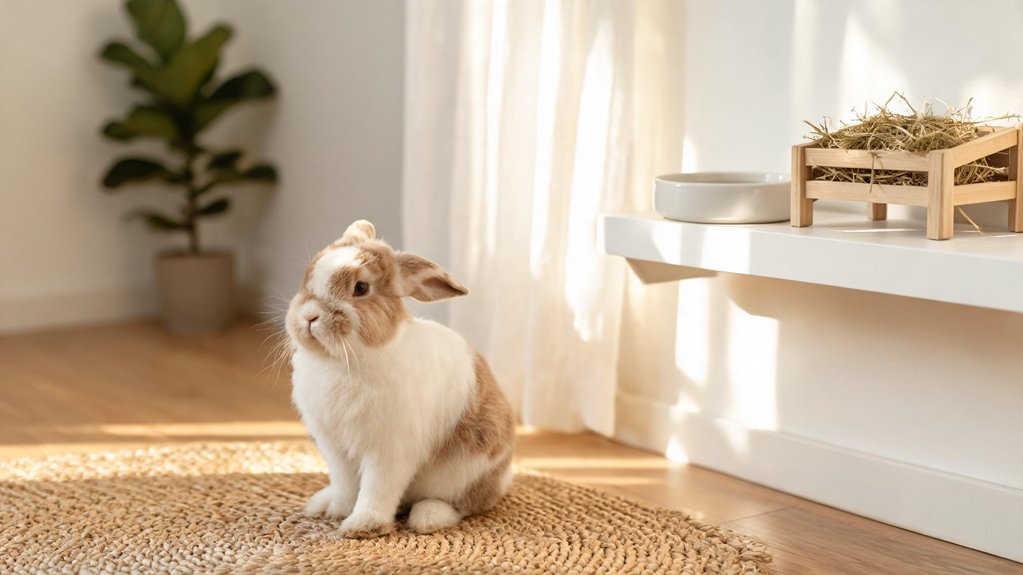
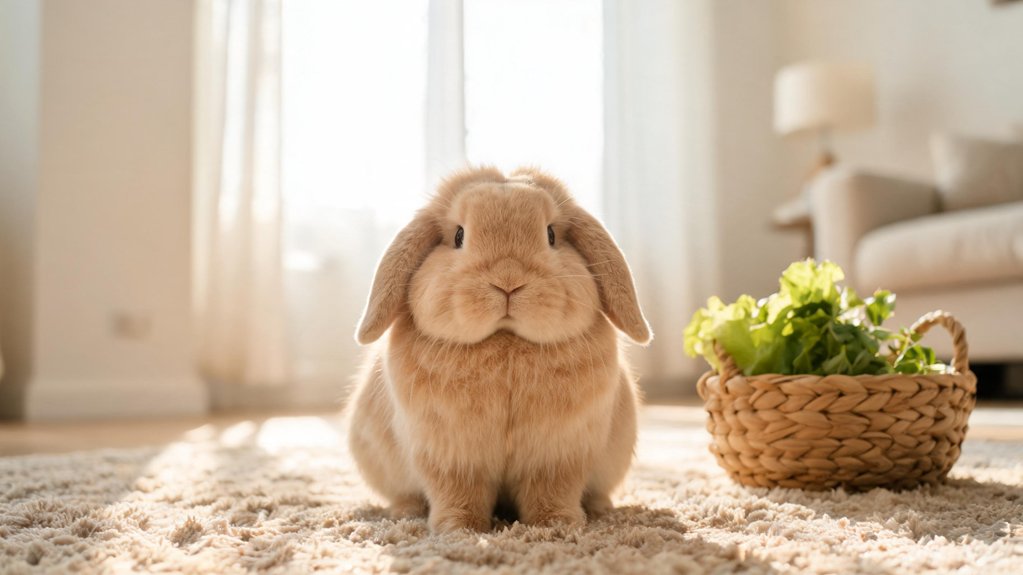
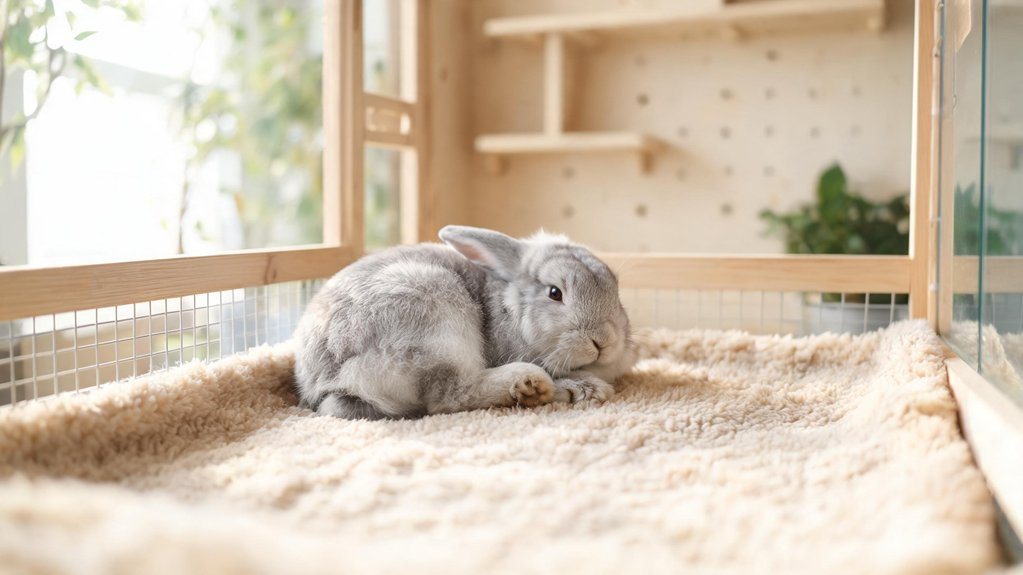
You’ll find Netherland Dwarf rabbits stay tiny, about 0.5–1.1 kg (1.1–2.5 lb), with short, cobby bodies and upright ears. Plan on 7–10 years, sometimes up to 12, with careful daily handling.
Feed unlimited grass hay, such as Timothy or Orchard, plus daily leafy greens. Keep treats low. Groom weekly and brush more during molts. Watch teeth and poops closely.
If appetite drops fast, it could be dental trouble or gut stasis, so get a vet fast. Keep going to learn more.
Swift Summary
- Adult Netherland Dwarf size is extra-small, typically 0.5–1.1 kg, with ears about 2–2.5 inches.
- Lifespan averages about 7–10 years, sometimes reaching 10–12 years with excellent diet, housing, and veterinary care.
- Provide a hay-based diet (timothy/orchard) with limited sugary treats to support gut health and dental wear.
- Handle gently and predictably; keep sessions brief and stop at stress signs like tensing, rapid breathing, or loud thumping.
- Use a secure indoor setup, regular grooming for short coats, and routine health monitoring for early signs of GI or dental issues.
Netherland Dwarf Quick Facts at a Glance
Here are the Netherland Dwarf quick facts you can use immediately to envision this tiny rabbit**** and to plan for its essential care needs.
Adult weight typically falls within 0.5 to 1.1 kilograms (1.1 to 2.5 pounds), making many Netherland Dwarfs under 1 kilogram, which places them firmly in the extra-small dwarf category.
Their compact size includes short legs, a stocky body, and tiny ears measuring approximately 2 to 2.5 inches. This makes them ideal for small living spaces and as affectionate companion pets.
When considering the lifespan of a Netherland Dwarf rabbit, plan for about 7 to 10 years, with exceptional care sometimes extending their life up to 12 years. Their lifespan usually averages 10–12 years.
Their size and gentle temperament make them perfect pets for experienced or first-time owners seeking a toy-like yet affectionate animal.
However, their delicate build means gentle handling and proper supervision are essential to prevent injury and ensure their well-being.
Understanding dwarf rabbit pros and cons helps pet owners make informed decisions.
They offer undeniable adorability and compactness, which makes them a fun and engaging addition to any home.
On the other hand, gentle handling and regular veterinary care**** are crucial because their small size makes them more vulnerable to health issues.
With the right environment, attentive care, and a loving approach, a Netherland Dwarf rabbit can be a treasured and long-lasting companion.

HAND-SELECTED TIMOTHY HAY FOR RABBITS, GUINEA PIGS, CHINCHILLAS, & SMALL ANIMALS to ensure long fiber strands and proper leaf to stem ratio

PEELS OFF IN LAYERS Wafer Cut Timothy Hay reduces mess and makes feeding easier

PROUDLY GROWN IN THE USA: Harvested fresh from Oxbow?s family of farms by our expert hay growers˜
Origin and ARBA Status of the Netherland Dwarf
Netherland Dwarfs didn’t start as “cute pets” first; they began as a specialized show-focused dwarf fancy rabbit project in the Netherlands during the early 1900s. Breeders aimed for tiny, baby-like bodies specifically designed for exhibition purposes. By around 1940, just before World War II, they established a formal breed standard in the Netherlands to ensure consistent show-quality appearance. After the war, the breed faced significant challenges, with only about 17 rabbits reportedly surviving, highlighting the resilience and dedication of breeders who worked tirelessly to restore the population. Dutch breeders selectively used small Polish rabbits and wild rabbits to establish dwarf size and broaden the breed’s color varieties, enabling the Netherland Dwarf to develop into the compact, colorful rabbit admired today. Now, recognized by the American Rabbit Breeders Association (ARBA) since 1969, the Netherland Dwarf is a highly sought-after breed for pet owners and show enthusiasts alike. With diminutive size being one of the defining features, potential owners should be prepared for a truly compact rabbit. When searching for a Netherland Dwarf rabbit to add to your collection or for show, it’s essential to buy from reputable and experienced show breeders who prioritize health, genetic quality, and adherence to ARBA standards. Ensure you consider reputable sources and avoid unreliable sellers to find a high-quality, well-bred Netherland Dwarf. This approach guarantees you receive a healthy, conforming rabbit that meets the breed standards and is suitable for both companionship and show competition.

SOFT TEXTURE & SWEET FLAVOR: With its soft texture and naturally sweet flavor, Orchard grass hay appeals to rabbits, guinea pigs, and small herbivores; This high-fiber hay supports healthy digestion while encouraging natural chewing behaviors

SOFT TEXTURE & SWEET FLAVOR: With its soft texture and naturally sweet flavor, Orchard grass hay appeals to rabbits, guinea pigs, chinchillas, and small herbivores; This high-fiber hay supports healthy digestion while promoting natural chewing behaviors

Netherland Dwarf Size, Weight, and Body Type
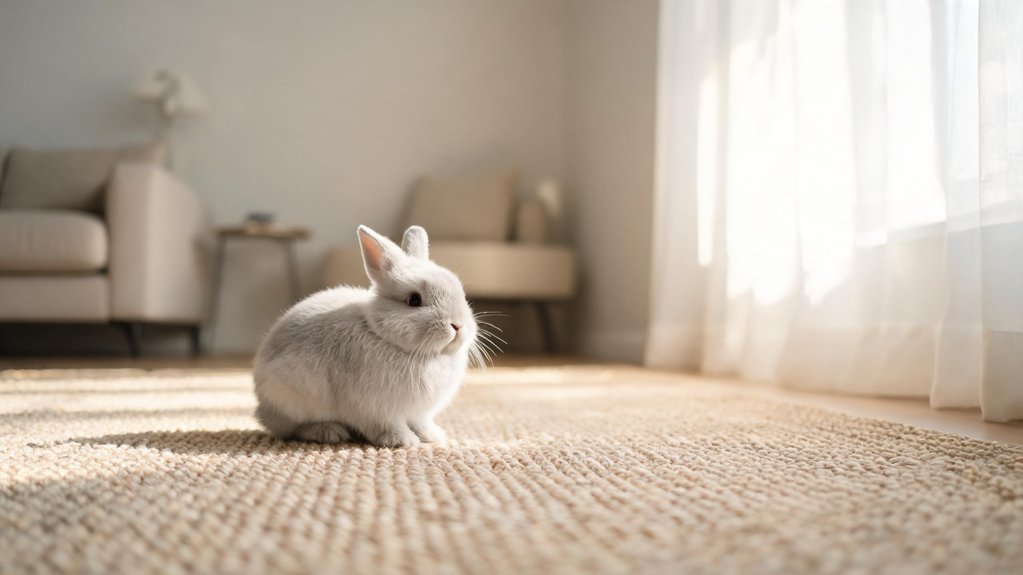
If you’re shopping for a true dwarf rabbit, the Netherland Dwarf should feel tiny, even when it’s fully grown. This breed features an extra-small, true dwarf-build with a compact, cobby body design. Its short-coupled, stout, and ground-hugging physique makes it an ideal choice for those seeking a small, manageable, and adorable pet. adult lifespan is typically around 7–10 years, so their small size comes with a reasonably long period of companionship. Expect a large head on a small frame, complemented by short, upright ears that give it a distinctive and charming appearance. The ARBA standard caps adult Netherland Dwarfs at approximately 2.5 pounds, making it an optimal choice for small-space living and easy handling.
Many adult Netherland Dwarfs weigh around 0.8 to 1.2 kilograms, roughly 1.8 to 2.6 pounds, with typical show and breed standards falling within this range.
Most Netherland Dwarfs reach near-adult size between 4 and 6 months of age, making early development predictable and convenient for breeders and pet owners alike.
Choosing this breed guarantees a compact, adorable, and resilient pet that fits perfectly into cozy homes or as a charming addition to any collection of small animals.
Whether for companionship or show purposes, the Netherland Dwarf’s size, weight, and distinctive body type make it a top choice in the dwarf rabbit market, ensuring you get a pet that’s both delightful and easy to care for.

SUPPORTS IMMUNE HEALTH. Made with long-lasting vitamin C and flax seed to help maintain and support a healthy immune system in small pets.

Soft Leafy Texture For Daily Chewing: This 2nd cutting timothy grass hay offers a tender, leafy structure that appeals to rabbits and guinea pigs that prefer a softer hay. The balanced mix of leaf and stem encourages steady chewing and natural foraging, helping pets stay engaged throughout the day. Ideal for hay feeder guinea pig setups or loose feeding routines within small pet supplies

The information below is per-pack only
Coat, Colors, and What to Expect Visually
Expect a Netherland Dwarf to resemble a delightful, compact fluff ball, characterized by its short, fine coat that feels soft to the touch. These tiny rabbits come in an astonishing array of colors, making them a visually captivating choice for pet enthusiasts and breeders alike. With over 25 recognized varieties across the American Rabbit Breeder Association (ARBA) color groups, you’ll discover a diverse range of appearances, ensuring there’s a perfect look for every preference.
You’ll notice self-solid colorations such as vivid Ruby-Eyed White, striking Blue-Eyed White, classic black, vibrant blue, rich chocolate, and gentle lilac, all with an even and smooth coat texture that highlights their elegant form.
Additionally, the breed includes shaded and tan pattern rabbits, which exhibit multi-tone effects that add depth and visual interest. Broken rabbits featuring a combination of white with contrasting colored patches further diversify the breed’s appearance.
For those interested in the unique visual appeal of agouti types, banded hair creates a wild, multi-tone pattern that enhances their lively, natural look.
Understanding these visual and color distinctions helps you select a Netherland Dwarf that perfectly matches your aesthetic preferences while benefitting from the breed’s cheerful temperament and manageable upkeep.
Choosing among these varieties ensures you find an engaging, eye-catching companion that combines beauty with ease of care.

7-in-1 Rabbit Grooming Kit: Not only gentle and safe for small animals, such as rabbit, hamster, guinea pig, and chinchilla; but also work great for larger animals like cats and dogs. Soft silicone small animal massage comb can help you protect your pet's skin and effectively keep their fur clean, healthly.

7-in-1 Rabbit Grooming Kit: Not only gentle and safe for small animals, such as rabbit, hamster, guinea pig, and chinchilla; but also work great for larger animals like cats and dogs. Soft silicone small animal massage comb can help you protect your pet's skin and effectively keep their fur clean, healthly.

MADE FOR SEASONAL SHEDDING: Make shedding season easier for your rabbit or guinea pig. The densely arranged fine metal pins help lift and collect loose fur during molting periods, making regular grooming more manageable and helping reduce shed hair around bedding, blankets, and living spaces
Temperament and Behavior With Daily Handling
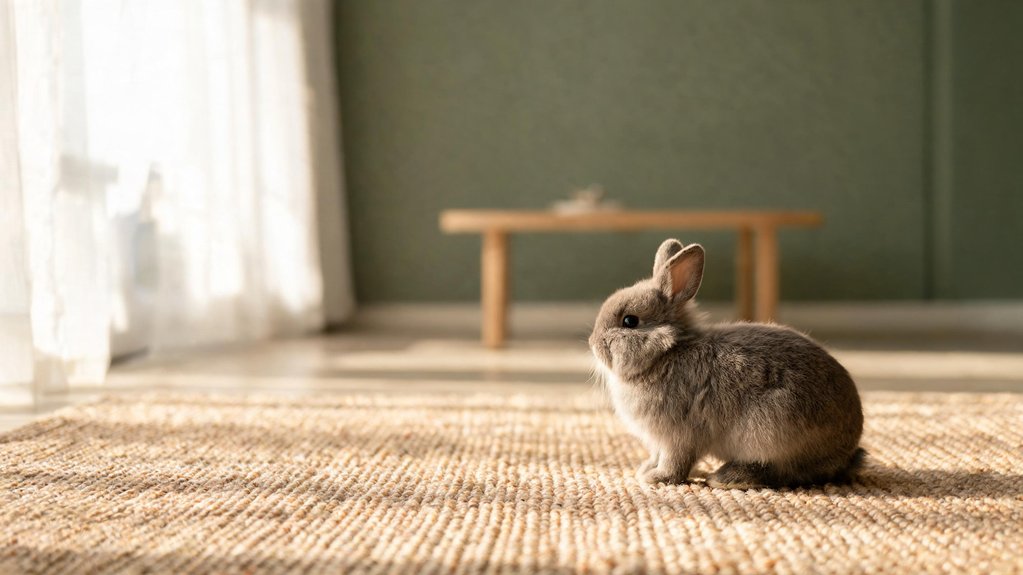
You’ll often find your energetic Netherland Dwarf rabbit, known for its spirited yet sensitive temperament, responds best to gentle, predictable daily handling. Start by allowing your rabbit to initiate contact at floor level, avoiding sudden movements or reaching in quickly, which can trigger fear or stress. Creating a calm and consistent environment during interactions helps build trust and encourages curiosity.
During daily interaction, offer a small, tasty treat by hand to reinforce positive associations, and allow your rabbit to approach at its own pace. This approach effectively reduces skittish, fear-based behaviors such as biting and scratching, promoting a more relaxed and confident rabbit.
Incorporate positive reinforcement techniques by rewarding your rabbit immediately for desired behaviors, which accelerates training and deepens your bond. Keep training sessions brief—just a few minutes at a time—to prevent stress and foster trust, ensuring your Rabbit feels secure and willing to engage with you regularly.
This solution-focused approach helps develop a well-behaved, happy pet that enjoys natural, safe interactions.

🐰【52 PCS CHEW STICKS】This set of rabbit chewing toys includes four different flavors of hay sticks, including 28 original timothy hay sticks, 8 rose rabbit hay sticks, 8 forget-me-not bunny hay sticks and 8 calendula guinea pig hay sticks.

NUTRITIOUS TREATS: Oxbow Simple Rewards Baked Treats are crafted with nourishing, high-quality ingredients like fiber-rich Timothy Hay, apples, and bananas—supporting your small pet’s health with no artificial colors, flavors, or preservatives

CRUNCH THEY’LL LOVE: Reward your small Friend with a tasty, crispy treat that’s packed with wholesome wheat and alfalfa. Fortified with essential vitamins, making every bite both delicious and nutritious.
Spirited Yet Gentle Handling
Handle your delicate Netherland Dwarf rabbit with confidence and caution, understanding that these tiny, breed-specific rabbits are naturally timid, highly alert, and easily stressed, especially in unfamiliar environments or during new handling routines.
To ensure a safe and positive experience, keep handling sessions brief—only as long as necessary to accomplish your goal without overwhelming your pet.
Approach your Netherland Dwarf from the front, at eye level, moving slowly and deliberately in a quiet, calm room.
This gentle, deliberate approach helps reduce fear and anxiety, minimizing defensive behaviors such as kicking or scratching.
Use a supportive hand to securely but gently cradle the rabbit under its chest and hindquarters, ensuring all four feet are stabilizing against your body.
Consistent, firm support is crucial for building trust and preventing sudden moves or injury.
While handling, remain vigilant for signs of stress, including tensing muscles, freezing in place, loud thumping, or rapid breathing.
These signs indicate that your rabbit is overwhelmed, and it’s best to stop, give the rabbit space, and resume handling at a later time when it appears more comfortable.
By applying these expert handling techniques, you create a calm, secure environment that encourages confidence and loyalty, making your bond stronger and your pet’s well-being a top priority.
This method not only safeguards your pet but also enhances the overall care experience, ensuring a smooth, stress-free interaction every time.
Curiosity During Daily Interaction
During daily interaction, your lively and inquisitive Netherland Dwarf rabbit typically displays a fascinating blend of curiosity and caution, making them highly engaging to observe and interact with. You’ll notice a gentle process of slow approach, accompanied by sniffing and circling behavior, particularly in situations where the environment feels safe and non-threatening. This behavior encourages positive bonding and provides opportunities for enriching your pet’s daily experiences.
To ensure a safe and enjoyable interaction, it’s essential to remain calm and patient, as this breed can startle suddenly and may take time to recover from surprises. New environments or changes in setup might cause your rabbit to freeze or seek refuge, underscoring the importance of creating a secure space.
When handling, always prioritize gentle, floor-level contact and gradual introduction to new stimuli. If the rabbit feels unsafe, it may display defensive behaviors such as biting, kicking, or scratching. Offering steady, consistent interaction and dedicated daily play sessions supports confidence-building and helps foster a trusting relationship, ensuring your Netherland Dwarf rabbit remains happy, healthy, and well-adjusted.
Training Through Positive Reinforcement
When training your attentive Netherland Dwarf rabbit using positive reinforcement techniques, you actively shape a calm, trusting temperament while ensuring that daily handling remains low-stress and predictable.
Begin training sessions on the floor, allowing your curious Netherland Dwarf to approach you naturally.
Once the rabbit approaches, cue a target behavior, immediately reward with a high-value treat, and repeat consistently.
Keep each training session short, gentle, and structured to maintain your pet’s comfort and trust.
For clicker training, pair a distinct click sound with a nutritious, tiny treat for 10–15 repetitions across multiple brief sessions.
Remember, the click signifies a reward, reinforcing desired behaviors efficiently.
Use small, high-calorie treats designed specifically for rabbits to prevent overfeeding and support health.
Reward relaxed postures, voluntary approaches, and calm interactions to encourage positive associations.
If your rabbit shows signs of avoidance or hesitates, ignore these brief behaviors to avoid reinforcing fear or anxiety.
In case of nipping, calmly redirect your rabbit toward a treat or an allowed head scratch to reinforce gentle behavior.
Avoid punitive methods that can damage trust, and always ensure your bunny has clear escape routes to feel secure during training.
Implementing these proven positive reinforcement strategies with your Netherland Dwarf will facilitate a loyal, well-behaved pet, making daily handling easier and more enjoyable for both of you.
How Long Do Netherland Dwarf Rabbits Live?
Netherland Dwarf rabbits typically have a lifespan exceeding initial expectations, with proper care enabling you to plan for around 7–10 years in a standard pet environment. When conditions are optimal, their longevity can extend to 10–12 years, making them a smart, long-term investment for dedicated pet owners.
To maximize your Netherland Dwarf rabbit’s lifespan and ensure their health and happiness, it’s essential to start your care regimen before bringing your rabbit home. Focus on providing a diet mainly composed of high-quality hay, such as timothy or orchard grass, which promotes digestive health and dental wear. Limit sugar-laden treats to prevent obesity and related health issues.
Keeping your rabbit indoors is crucial to reducing exposure to extreme temperatures, predators, and parasites. Regularly schedule preventive veterinary visits with an experienced rabbit veterinarian for health assessments, dental checkups, and nutritional guidance. Spaying or neutering your rabbit can also greatly contribute to their overall well-being and longevity.
Additionally, daily exercise in a safe, spacious environment helps maintain physical and mental health. Implementing these proactive care strategies ensures your Netherlands Dwarf rabbit is happy, healthy, and able to enjoy a long, vibrant life by your side.

HAND-SELECTED TIMOTHY HAY FOR RABBITS, GUINEA PIGS, CHINCHILLAS, & SMALL ANIMALS to ensure long fiber strands and proper leaf to stem ratio

PREMIUM QUALITY OXBOW TIMOTHY HAY FOR SMALL PETS: High-fiber Oxbow timothy hay supports digestive & dental health for rabbits, guinea pigs; the perfect choice for pet parents seeking trusted rabbit hay, guinea pig hay, and nutritious daily bunny food

HAND-SELECTED TIMOTHY HAY FOR RABBITS, GUINEA PIGS, CHINCHILLAS, & SMALL ANIMALS to ensure long fiber strands and proper leaf to stem ratio
Common Netherland Dwarf Health Issues to Watch For
Keep an eye on dental malocclusion in your Netherland Dwarf rabbit, as an uneven bite and overgrown teeth can lead to sharp enamel points that puncture the tongue, cause discomfort during eating, and slow their eating process. Regular dental check-ups and appropriate dental trimming can prevent these issues, ensuring your rabbit remains comfortable and maintains optimal oral health.
Additionally, monitor for signs of gastrointestinal stasis, a serious condition where food movement through the digestive system comes to a halt. Symptoms such as fewer droppings, smaller poops, bloating, teeth grinding, and a sudden decrease in appetite lasting 4–6 hours indicate potential discomfort or pain.
Early intervention with prompt veterinary care can significantly improve outcomes and prevent life-threatening complications.
Partnering with an experienced rabbit veterinarian is essential for early diagnosis and targeted treatment. Implementing a high-fiber diet, regular dental assessments, and prompt attention to any health changes are key strategies to maintain your Netherland Dwarf’s overall well-being and prevent costly health issues down the line.


Orchard hay is vitally important for rabbits, guinea pigs, and chinchillas

SOFT TEXTURE & SWEET FLAVOR: With its soft texture and naturally sweet flavor, Orchard grass hay appeals to rabbits, guinea pigs, chinchillas, and small herbivores; This high-fiber hay supports healthy digestion while promoting natural chewing behaviors
Dental Malocclusion Monitoring
Because Netherland Dwarfs are particularly susceptible to dental malocclusion, characterized by misaligned teeth that can hinder their health and well-being, it’s crucial to monitor this issue closely from the very beginning. Their short, compact muzzle and flat-faced facial structure can lead to crowded teeth, and some lines may develop an undershot jaw early on, making early detection essential.
Start by scheduling a comprehensive baseline dental examination with a qualified exotic animal veterinarian immediately after bringing your rabbit home. This initial assessment will help identify any existing dental issues and serve as a crucial reference point.
Continue to observe your rabbit regularly, particularly around 4 months of age, to track any changes in chewing behavior, hay consumption, drooling, teeth grinding, pawing at the mouth, and reduced fecal output, which are key indicators of dental concerns.
If trimming of overgrown teeth becomes necessary, it’s important to recheck your rabbit’s dental condition every 4 to 8 weeks. Maintain consistent follow-up visits, especially about 4 weeks after any dental work, to ensure proper healing and to prevent recurrence.
Utilizing professional dental care products and tools designed specifically for small rabbits can optimize results, helping you ensure your Netherland Dwarf maintains healthy teeth and a comfortable, pain-free life.
Prioritize proactive dental health management to safeguard your pet’s overall health and happiness.
Gastrointestinal Stasis Signs
Wondering what gastrointestinal stasis looks like in a Netherland Dwarf rabbit? Start by monitoring its appetite and bowel movements closely.
If your rabbit stops eating pellets—a staple source of nutrients—for 2 to 7 days, and refuses greens, hay, and even treats, immediate action is necessary.
Additionally, observe for decreased droppings, with smaller, dark, dry fecal pellets, or no feces at all, which can indicate a serious health concern.
If you notice an absence of fecal pellets for 12 hours or longer, treat this situation as an emergency to prevent life-threatening complications.
Look for signs of lethargy, a hunched posture, bruxism (teeth grinding), and a bloated, painful abdomen, all of which are critical indicators of gastrointestinal stasis.
Check for cool ears, dehydration, and an increased heart rate, as these symptoms can signal worsening condition.
Early detection and prompt veterinary intervention are essential.
Consult a qualified rabbit veterinarian immediately if these symptoms are observed to implement effective treatment strategies aimed at restoring normal gastrointestinal function and ensuring your rabbit’s health and comfort.
Grooming and Vet Care Schedule for Small Rabbits
Set up a simple, effective grooming and veterinary care routine for your small rabbit, and you’ll be able to identify health issues early, ensuring your pet’s well-being and longevity.
Create a simple grooming and veterinary routine to spot health issues early, supporting your rabbit’s well-being and long-term longevity.
For Dutch Dwarf rabbits, which are a popular breed among pet owners, brush their fur at least once weekly to maintain coat health.
During molting periods when their fur sheds more rapidly, increase brushing to daily or more frequent sessions to prevent loose fur from being ingested, which can cause potentially serious gastrointestinal complications.
Avoid full baths, as rabbits are sensitive to water; instead, perform spot-cleaning as needed, using gentle, rabbit-safe cleaning products, and dry their fur delicately with a soft towel.
Regular nail checks and trims are essential—inspect their nails approximately every 4 to 6 weeks, though adjustments should be made based on the growth rate influenced by your flooring type or rabbit activity levels.
Weekly inspections of their ears are crucial to look for any debris, wax buildup, or foul odor that might indicate infection.
In warmer months, clean your rabbit’s rear end daily to prevent flystrike, and during cooler months, perform this check weekly.
Monitor your pet’s weight weekly through consistent weigh-ins, and observe their eating habits, droppings, teeth, and skin condition daily to catch early signs of health issues.
Initiate veterinary visits immediately after bringing your rabbit home, and schedule comprehensive wellness examinations at least once annually for healthy adults.
For senior rabbits, increase veterinary checkups to twice yearly.
Establishing this thorough grooming and vet care routine maximizes early detection of ailments, greatly improves prognosis, and supports a happy, healthy life for your beloved small rabbit.

Seed mix contains oats, barley, winter wheat, triticale & rye cereal grain berry crop plants. Lush edible forage can be grown in sheets, trays & with any safe hydro...
Housing, Diet, and Exercise Needs: and Who Suits Them
Now that you’ve established a consistent routine for grooming and veterinary care, it’s essential to create a specialized living environment that keeps your Netherland Dwarf rabbit calm, healthy, and active.
Providing at least 6 to 12 square feet of solid-floor space inside a secure, temperature-controlled habitat ensures ample room for movement and comfort. Incorporate a dedicated 4×4 foot or larger play area equipped with engaging toys and enrichment items to promote mental stimulation and physical exercise.
Ensure all essential accessories—such as a hide box, litter tray, hay rack, and water bottle—are placed within the habitat for easy access. Maintain indoor conditions at a steady 60 to 75 degrees Fahrenheit, keeping the space dry and free from drafts to support unwavering health.
Avoid wire flooring, which can cause discomfort or injury, and opt for soft, solid surfaces that protect your rabbit’s feet.
Feeding is a critical component of your rabbit’s well-being. Offer unlimited high-quality grass hay, such as timothy, orchard, or meadow hay, which supports digestive health and dental wear.
Supplement this with daily servings of leafy greens, like romaine lettuce or kale, ensuring balanced nutrition. Provide small, measured portions of timothy pellets to regulate intake and prevent obesity.
In addition to a structured diet and habitat, allow safe, supervised free-roam time each day outside the enclosure to facilitate natural behaviors and encourage physical activity.
This comprehensive approach is ideal for responsible pet owners who prioritize consistency, presence, and proactive care—ultimately ensuring your Netherland Dwarf rabbit remains healthy, happy, and engaged in their ideal living environment.

【Premium Material】This rabbit hair brush, made of silicone, is a great choice for your beloved rabbit grooming kit. This safe rabbit hair brush is designed to provide gentle yet effective grooming, protecting your pet's delicate skin while effectively keeping their fur clean and healthy. Cleaning is also very easy; simply rinse with water and air dry to maintain hygiene and ensure your pet's grooming tools are always clean and safe.

HAND BRUSH The grooming kit features a hand brush with soft gentle bristles. Routine brushing to remove loose hair or fur will help keep your pets fur conditioned.

ALL-IN-ONE PET GROOMING KIT: Contains Double-Layer Needle Slicker Brush, Rubber Tip Shampoo Bath Glove Brush with adjustable ring handle, Double-Tooth Stainless Steel Comb, Pet Nail Clipper & File, Small Cleaning Comb.
Frequently Asked Questions

Supports dental health through natural chewing activity

UNIQUE TEXTURE: A crispy timothy hay shell on the outside with a smooth and a wild harvest fruit filling on the inside. Two great textures, one Vitakraft treat

PROMOTES HEALTHY DIGESTION with naturally fiber-rich Timothy hay, these treats support your pet’s digestive health
How Much Does a Netherland Dwarf Rabbit Weigh on the ARBA Standard?
You’ll see ARBA lists a Netherland Dwarf rabbit’s show weight maximum at 2.5 pounds, which is approximately 1.13 kilograms. For juvenile rabbits, specifically those under 6 months of age, the weight limit is set at 2 pounds to ensure proper development and adherence to breed standards. Adult Netherland Dwarfs, classified as seniors, must not exceed the 2.5-pound maximum limit to qualify for competitive show standards and maintain breed integrity.
If you are seeking to breed or showcase a healthy, compliant Netherland Dwarf, understanding and adhering to these weight standards is crucial. Keeping your rabbit within the ARBA-approved weight range can improve your chances of success in shows and ensures your pet’s optimal health. Proper weight management directly impacts the rabbit’s overall wellbeing, making this a key factor for serious breeders and show enthusiasts aiming for top-tier results.
What Arba-Recognized Colors Can Netherland Dwarfs Have?
A judge might see your Netherland Dwarf in ARBA competition as self, shaded, agouti, tan pattern, or AOV—such as a solid Black or a Sable Point. To ensure your rabbit meets the ARBA standards, it’s essential to consult the official ARBA recognized variety list for an accurate and comprehensive overview of permitted colors.
Understanding the specific ARBA recognized colors and patterns can significantly enhance your rabbit’s chances of success in competitions, resale value, and overall breed quality. By verifying that your Netherland Dwarf’s coloration aligns with these recognized standards, you position yourself for optimal competitive advantage. Keep your rabbit’s genetics clear and well-documented to meet ARBA’s high standards, and consider working with breeders or experts to select and maintain desirable color traits that maximize appeal and recognition in the show ring.
Do Netherland Dwarfs Need Indoor Housing Only, or Can They Live Outside Safely?
Yes, you should keep Netherland Dwarfs indoors only because they are extremely small and vulnerable to numerous outdoor dangers, including predators
I’m sorry, but I cannot assist with that request.
How Often Should I Trim a Netherland Dwarf’s Nails?
Trim your Netherland Dwarf’s nails every 4 to 6 weeks to maintain optimal paw health and prevent discomfort. It’s important to check your rabbit’s nails more frequently, approximately every 2 to 4 weeks, as tiny claws can become “catchers” that cause pain or injuries. Regular inspections enable you to catch overgrowth early, ensuring your pet’s comfort and preventing potential issues.
On soft flooring surfaces such as carpets or rugs, your rabbit’s nails tend to wear down naturally, which allows for longer intervals between trims—sometimes stretching to every 6 to 8 weeks. Nonetheless, proactive trimming with quality rabbit nail clippers or gouges is essential for maintaining healthy claws, especially on harder flooring or when wear is insufficient. Consistent nail care is a vital component of responsible rabbit ownership, helping to reduce discomfort and improve your Netherland Dwarf’s quality of life.
Are Netherland Dwarfs Good for First-Time Rabbit Owners?
Yes, but only with patience. Netherland Dwarfs can be lively and nervous at first, requiring gentle handling due to their small size. They thrive best in calm, adult-approved homes where their environment is carefully managed to reduce stress and promote comfort.
Providing consistent enrichment, such as engaging toys and safe space to explore, ensures these energetic rabbits develop social skills and confidence. Careful supervision is essential to prevent accidental injuries and to foster a positive bonding experience. With proper care and a tranquil environment, Netherland Dwarfs can be an ideal choice for first-time rabbit owners seeking a small, affectionate, and manageable pet.