Holland Lops are usually friendly, calm, and curious, and they’ll sniff and investigate new things. You’ll keep them happiest with a solid floor setup, at least 24×24 in, plus a pen for play, and 3–4 hours supervised time outside daily. Feed unlimited grass hay (timothy/brome/orchard), plus measured grass-hay pellets, and 1–2 cups leafy greens daily. Brush weekly, trim nails every 4–6 weeks. Expect 7–12 years, ARBA recognized since 1979, and prices often $200–$400, with rescues $20–$100—keep going to get the rest of the must-knows.
Swift Summary
- Holland Lops are typically friendly, calm, and nonaggressive, often sociable and curious with gentle attention behaviors.
- Provide solid flooring, a spacious pen (about 24×24 in minimum), and 3–4 hours daily supervised exercise time.
- Feed unlimited grass hay (timothy/brome/orchard), plus measured pellets and daily leafy greens for digestion.
- Groom weekly, trim nails every 4–6 weeks, and increase brushing during molts for health checks.
- Expect lifespan around 7–12 years indoors; prices commonly run $200–$400, with rescues $20–$100 and show-line often $300–$550+.
Holland Lop Quick Care at a Glance?
Every day, your Holland Lop needs a simple routine that keeps digestion, teeth, and comfort on track. Start with a clean, solid-floored setup, about 24×24 inches minimum, plus an exercise pen around 4×4 ft. Offer hay as 80–90% of meals, timothy-based pellets about 1/4–1/2 cup for many adults, plus 1–2 cups leafy greens daily. Holland Lop bunny feeding should be built around unlimited high-quality grass hay, since hay is the most important part of a bunny’s diet. Involve “holland lop quick care” checks, brushing weekly or daily during molts, and trimming nails every 4–6 weeks. Watch ears weekly, and skip water baths. If you’re browsing a holland lop bunny, choose reputable holland lop for sale sources.
Holland Lop Temperament: Are They Right for You?
Holland Lops are often the “starter-friendly” rabbit people hope for, and it’s easy to see why once you know what their temperament looks like in real life. Most holland lop bunnies are friendly, calm, and nonaggressive. They’re sociable, curious, and smart.
You’ll often notice a bold, confident “sniff and investigate” attitude toward new objects, plus gentle begging for attention—circling, nudging, and sitting close. very calm Most individuals can also be friendly even when you’re introducing them to new routines, as long as you go slowly and stay consistent.
Still, But. Some holland bunny individuals start shy in new places, especially if things feel chaotic. Offer quiet time, gentle handling, and daily social contact.
If you have older kids, they can learn calm play. Avoid loud chasing, rough games, and sudden movements.

【 BREATHABLE 360° VIEW FOR SMALL PETS 】:Designed with breathable mesh panels on every side, this small animal playpen promotes airflow while giving you a clear view of your pet during playtime. The enclosed space is ideal for rabbits, guinea pigs, hamsters, hedgehogs, chicks, kittens and other gentle small animals, helping them explore, rest and play comfortably under supervision.

[Multifunctional Playgpen] This is a playground for small animals, where they can run/play. A temporary place for pets when cleaning cages, or take them outside to bask in the sun. The closed design can prevent them from running behind the furniture or in the grass. Also a playpen for kitten, brooder for chick & duck.

Spacious Space: Overall size is 48"L x 48"W x 24"H. Provides 16 square feet of living area for guinea pigs as recommended by vets. Ideal extension of our rabbit cage or independent use. Give small pets freedom to frolic indoors or outdoors
How Much Space Does a Holland Lop Need?
When you’re planning space for a Holland Lop, think “home base plus play zone,” not just “cage size.” A lot of guides list an absolute minimum footprint of about 24 x 24 inches for a single rabbit, but that only covers basic moving and resting.
For more hopping room, aim for 24 x 36 inches, or even 24 x 60 inches for better running and stretching. Plan for solid flooring, because wire can raise sore hock risk. Also reserve floor space for a litter box, hay rack, food, water, and a hidey house—this effectively doubles bare minimum.
When you want a baseline for planning, remember Holland Lops can reach 1.4 to 2 kg adult weight. Then provide 3–4 hours daily supervised time outside.

Easy clean tray – Deep pull-out tray with waterproof bottom helps prevent leaks and makes daily cleaning fast and simple with HOMESTEAD rabbit cage indoor

【Sturdy & Durable】 The metal ferret cage boasts high strength and rust-resistance. The metal bar adopts the design of solder joints, which is more difficult to break. Fully painted surface with a special hammer pattern finish gives the cage strong wear resistance and rust resistance and we also include latches to improve safety,give your critter a safe environment.

Spacious Rabbit Habitat: Cage measures 25" x 19" x 20"; provides ample room for play and rest in a comfortable enclosure
What to Feed a Holland Lop for Digestion?
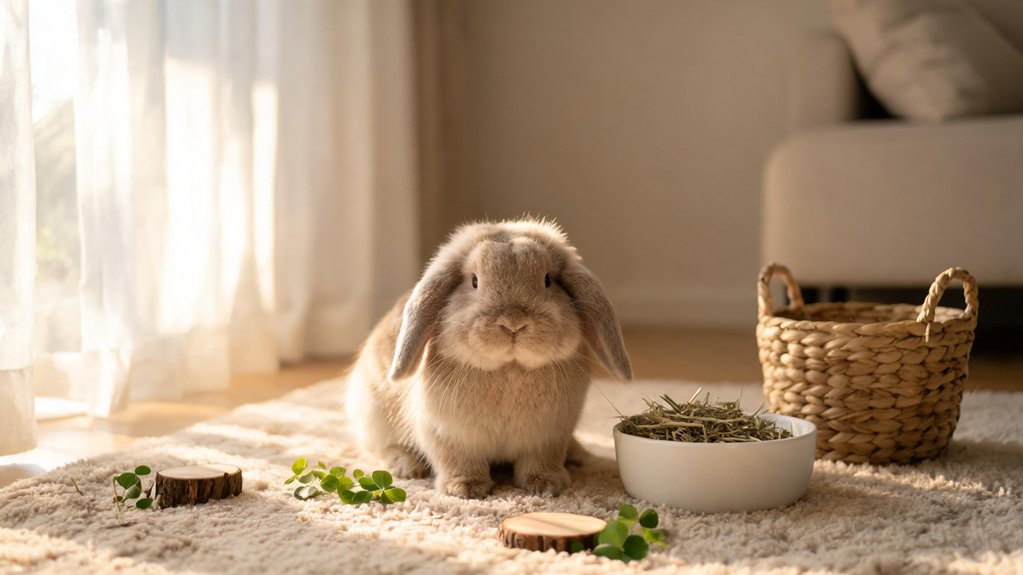
Make grass hay the star of every meal—give it unlimited, daily, and choose timothy, brome, or orchard for better digestion. Among these options, timothy hay is a widely recommended everyday choice because its long, coarse fibers keep the digestive tract moving. Then you can add a measured amount of fortified, grass-hay–based pellets, roughly 1/4 cup per 4–5 lb rabbit per day, so they support gut health without crowding out hay.
Finally, offer leafy greens every day for variety—about 10% of the diet total—then keep treats and gas-prone foods occasional and small to help your Holland Lop stay moving smoothly.

[ 100% NATURAL ORGANIC MATERIAL ] - PeSandy rabbit chew toys are made from Timothy hay and apple wood molar sticks, organically grown, high fiber content, and non-toxic. It could promote small animals’ gastrointestinal motility.

100% NATURAL ORGANIC MATERIAL - All of FIPASEN timothy's hay chew toys are handmade from 100% natural material, are organically grown and contain high fiber, low protein, and multiple vitamins. Our rabbit treats can help small animals such as rabbits, guinea pigs, hamsters, and chinchillas to promote digestion and maintain intestinal health. Also a better alternative to plastic toys.

[ 100% NATURAL ORGANIC MATERIAL ] - PeSandy rabbit chew toys are made from Timothy hay and apple wood molar sticks, organically grown, high fiber content, and non-toxic. It could promote small animals’ gastrointestinal motility.
Unlimited Grass Hay Daily
Grass hay is the digestion “engine” for your Holland Lop, and you should treat it like a daily essential, not a once-in-a-while snack. Offer it unlimited, because 85–90% of a rabbit’s diet should be grass hay.
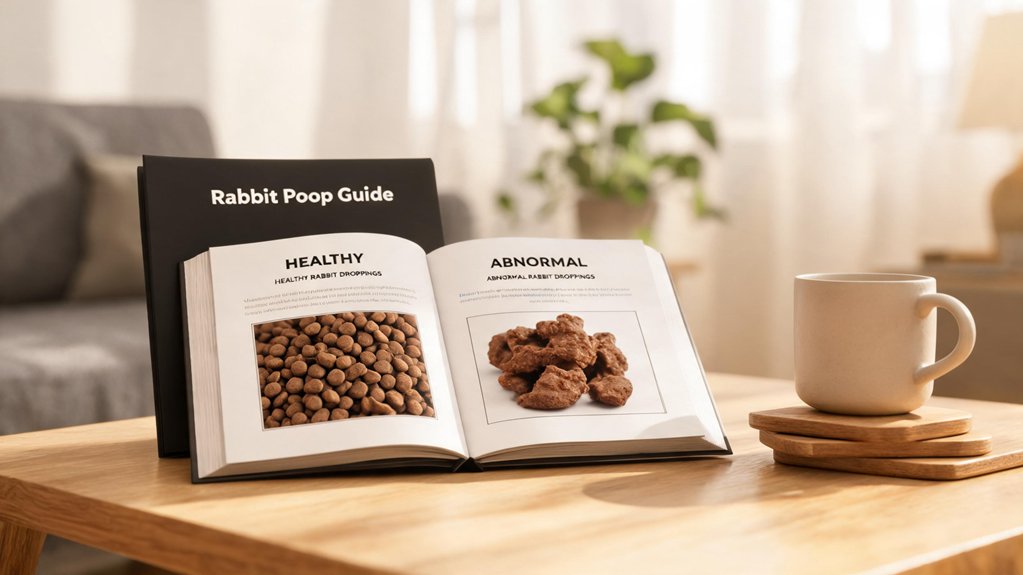
This steady roughage keeps cecal fermentation stable, supporting normal hindgut transit, and helps prevent abnormal stool and gut stasis.
For digestion, choose timothy, orchard grass, brome, or meadow hay, especially first-cut or lower-calcium options for adults. Feed long strands, not tiny pieces, and use a clean hay rack so it stays dry.
Measured Pellets For Balance
With pellets, you want *just enough* to support digestion, not a buffet that throws your rabbit’s gut off balance.
For an adult Holland Lop, measure 1/8 cup daily if your rabbit weighs under 3 lb, or 1/4 cup if she’s 3–4 lb.
This keeps pellets to about 5–10% of the total diet, so fiber stays the main fuel.
Choose plain, timothy-based adult pellets with fiber ≥18%, protein 13–16%, fat ≤2–3%, and lower calcium.
Feed rationed amounts, store pellets cool and dry, and avoid muesli mixes.
Leafy Greens For Variety
After you’ve dialed in measured pellets for balance, you’ll get the most digestive support from leafy greens you offer daily.
Start with romaine, spring greens, watercress, arugula, and dandelion leaves.
Add herbs too, like basil, mint, parsley, and dill, for tasty variety and extra fresh fiber.
Dark lettuces like green leaf, red leaf, and frisée help keep moisture in your Lop’s diet.
But rotate options.
If you use higher-oxalate greens like spinach or kale, feed them sparingly, and only one type from that group per day.
Aim for a mix, and introduce new greens slowly.
Holland Lop Grooming and Health Issues?
Give your Holland Lop a grooming and health routine that stays small, steady, and consistent, because this compact lop-eared breed can run into trouble fast when fur, ears, teeth, or skin get ignored.
Weekly, brush with a slicker or rubber tool, and during heavy molt, brush daily to prevent fur block and gut slowdown.
Spot-clean soiled spots to help stop flystrike.
Check ears weekly for redness, discharge, bad smell, or head shaking, then gently wipe visible wax with a rabbit-safe cleaner, and dry well.
Trim nails every 4–6 weeks.
Watch for drooling, tiny poops, or head tilt—get urgent vet help.

7-in-1 Rabbit Grooming Kit: Not only gentle and safe for small animals, such as rabbit, hamster, guinea pig, and chinchilla; but also work great for larger animals like cats and dogs. Soft silicone small animal massage comb can help you protect your pet's skin and effectively keep their fur clean, healthly.

【8 Pieces Pet Grooming Kit】 The set contains pet nail clipper and file, flea comb*2, pet shampoo bath brush , pet shedding slicker brush, bath massage glove, small cleaning comb.

7-in-1 Rabbit Grooming Kit: Not only gentle and safe for small animals, such as rabbit, hamster, guinea pig, and chinchilla; but also work great for larger animals like cats and dogs. Soft silicone small animal massage comb can help you protect your pet's skin and effectively keep their fur clean, healthly.
Holland Lop Lifespan and ARBA Recognition?
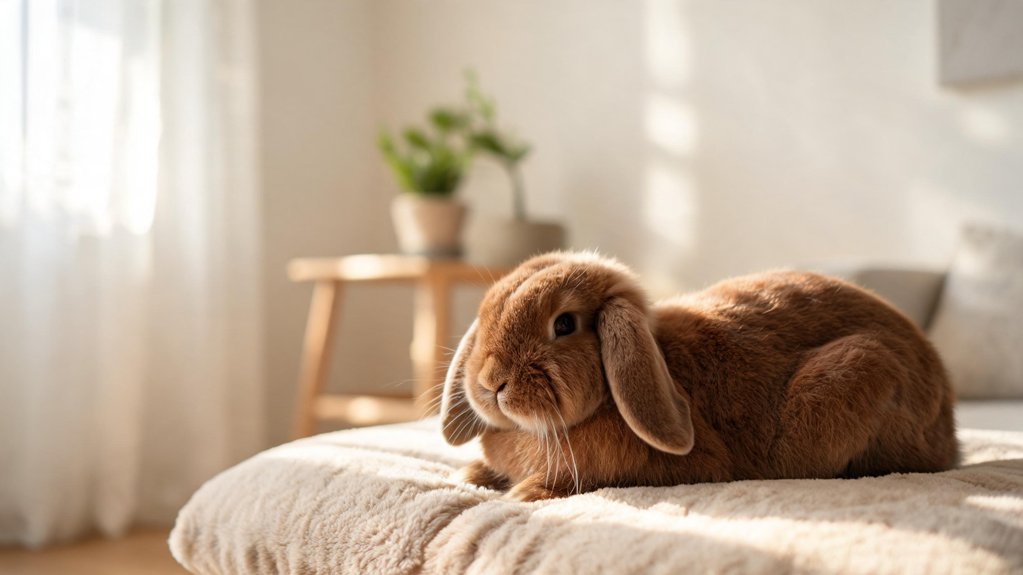
You should plan on a Holland Lop living about 7–12 years, and many owners aim for roughly a decade by the time you’re budgeting for long-term care.
Meanwhile, the American Rabbit Breeders Association (ARBA) officially recognized the breed in 1979, and ARBA still lists it as a recognized breed with a maximum adult weight of 4 lbs.
Knowing both the lifespan expectations and the ARBA status helps you pick responsible care and, if you’re interested in showing, understand the standards you’ll be judged against.
Average Lifespan Expectations
Holland Lops typically live about 7–12 years, and many owners plan for closer to 8–10 years—so yes, this is often a real decade-long pet.
If you house your rabbit indoors, you’ll often see averages nearer 9–10 years, because you reduce predators and harsh temperatures.
But outdoor Lops commonly report about 5–8 years.
You can help your Lop reach the upper end, too.
Feed hay-first, meaning unlimited grass hay.
Spay or neuter lowers reproductive cancer risk.
Give daily exercise outside the pen, and keep vet care rabbit-savvy.
ARBA Recognition Status
In short, the Holland Lop is fully recognized by the American Rabbit Breeders Association (ARBA), with official breed status that dates back to 1979.
That means you can use ARBA Standards of Perfection for show type, color, and eligibility.
You’ll also see it listed as a four-class breed, with senior and junior bucks and does.
For patterns, ARBA recognizes both Solid Pattern and Broken Pattern showroom classifications.
And if you’re shopping, remember ARBA caps show weight at a maximum of 1.8 kg (4 lb).
This recognition helps you choose a rabbit with clear breed expectations.
Holland Lop Price Range and Responsible Adoption?
Wondering what a Holland Lop should cost, and how to adopt responsibly?
Pet-quality Lops from established breeders often run about $100–$400, with most deals in that band. You may see listings from $40 to around $550, so quality, age, and papers (ownership documents) matter. Specialty colors like chocolate or magpie can cost more.
For lower costs, rescue Lops of various breeds usually cost $20–$100 in adoption fees.
And if you want show-line bunnies, plan for $300–$550+. Ask about health guarantees, starter food, and support, then schedule a quick vet check.

Comprehensive Package: with 34 items including a rabbit litter box, a pet blanket, a small pet nail scissors, two straw mats, a mini dustpan and brush set, thin rabbit cage liners, a small pet bowl, a hanging automatic food and water dispenser, rabbit toys, a rabbit leash set, a rabbit tunnel, a set of rabbit stacking cups in 8 different colors and a grooming kit

Package Includes: the rabbit supplies starter kit is designed to meet all your pet care needs; 104 items including a rabbit litter box, a pet blanket, a small pet nail clippers, two straw MATS, a mini dust pan and brush kit, a small pet bowl, a hanging automatic food and water dispenser, rabbit toys, rabbit tunnels, grooming and cleaning kits, A set of 12 door small animal enclosures and a cage waterproof floor mat to meet the needs of your small pets and provide them with comfort and enjoyment

Comprehensive Pet Care Kit: the small rabbit supplies starter kit is designed to meet all your pet care needs with a total of 15 items, includes a rabbit litter box of about 11.42 x 9.45 x 6.3 inches size, a pet strawberry bear style blanket measuring around 13.78 x 11.02 inches, a pair of small pet nail clippers and files, an animal grooming kit, a mini broom, 3 fun rabbit toys, and 2 compact pet bowls; The tools crafted to provide pet's with comfort and enjoyment
Frequently Asked Questions
When Do Holland Lops Reach Full Maturity and Breeding Readiness?
Like a slow-ripening fruit, you’ll see Holland Lops reach near-adult size around 6 months and full physical maturity by about 12 months. For breeding readiness, wait until does hit 5–6 months and bucks 6–7 months.
Are Holland Lops Good With Cats, Dogs, or Other Rabbits?
Yes, but you must manage carefully. Holland Lops bond best with other rabbits, especially neutered partners. With cats or dogs, you’ll need strict separation and supervised, gradual introductions—or choose rabbit-only spaces for safety.
What ARBA Colors Are Officially Recognized for Holland Lop Rabbits?
You’ll find ARBA officially recognizes Holland Lop colors across agouti, self, shaded, otter, steel, wide-band, pointed white, tri-colors, and white types—like Black, Blue, Chocolate, Lilac, and tri-color mixes such as Black/Orange.
Do Holland Lops Shed a Lot, and How Can I Reduce Fur?
Yes, Holland Lops shed a lot—especially during spring and autumn molts. You’ll reduce fur by brushing weekly, then daily in heavy shedding, using a soft brush and hay-rich diet to help move ingested hair through.
What Does an Emergency Rabbit Vet Visit Usually Focus on First?
🚑 You focus first on triage: you check breathing, awareness, and signs of shock or severe pain. You observe the rabbit in the carrier, stabilize temperature and circulation, and control bleeding or trauma before diagnostics.