You’re getting a 12-to-15-inch herding mix with a 15-year lifespan, strong protective instincts, and moderate exercise needs. This Corman Shepherd weighs 20 to 70 pounds, sporting a dense, double-layer coat in black, tan, or saddle patterns. You’ll find it deeply loyal, smart, and gentle with kids, though it may nip if not trained. Keep it active with 45 to 120 minutes of daily play to prevent boredom. Continue exploring to discover more about grooming, health checks, and how to welcome one into your home.
Swift Summary
- German Shepherd Corgi mixes are medium-sized dogs ranging from 20 to 70 pounds depending on lineage.
- They possess loyal, protective personalities with strong herding instincts that require early socialization and consistent training.
- Common health concerns include hip dysplasia, IVDD due to their long spine, and degenerative myelopathy.
- These dogs need 45 to 120 minutes of daily physical and mental exercise to prevent behavioral issues.
- Expect a lifespan of 10 to 15 years with regular veterinary care and healthy weight management.
What Is a German Shepherd Corgi Mix?
You might think you’re getting the best of both worlds when you adopt a Corman Shepherd, but this designer breed is actually just a deliberate crossbreed between a German Shepherd Dog and a Pembroke or Cardigan Welsh Corgi.
You’ll find this hybrid combines herding and working traits, creating a versatile helper for families who serve others. Known as corgi german shepherd or german shepherd x corgi, these dogs aren’t standardized purebreds but beloved companions.
Their image blends German Shepherd confidence with Corgi charm, making them perfect service partners. They offer strong work ethics alongside affectionate devotion.
Though often found in shelters, their intelligence and protective nature make them ideal for those wishing to support communities. You’ll appreciate their cheerful energy and loyal spirit. Before adopting, it helps to understand the purchase price and ongoing expenses you should budget for, since these costs add up over the dog’s lifetime.
The breed originated from Belgian herding dogs.

Military-standard Materials to Last Use: Hanshengday tactical dog harness is made of 1050 D military nylon with sturdy stitching for extra durability. Soft padded in all pressure areas to protect dog's skin, while the air mesh layer keeps it breathable and comfortable

No Pull, No Choke. Dual metal D-rings provide flexible control options—use the front clip to gently discourage pulling during training, or the back clip for relaxed everyday walks. Ideal for energetic dogs like Labradors, German Shepherds, or growing puppies

NO PULL & NO CHOKE: This no-pull dog leash has two metal D-rings on the front and back. The no-pull front D-ring prevents pulling to reduce tugging, and the back D-ring allows the dog to relax and move around. The pulling force is evenly distributed over the dog's body to prevent choking
How Big Do German Shepherd Corgi Mixes Get?
When you consider bringing home a Corman Shepherd, understanding their size becomes an immediate practical concern. These dogs generally reach medium size, standing 12 to 15 inches tall and weighing 20 to 70 pounds as adults.
You’ll find that Corgi-dominant mixes often cluster at the smaller end, while German Shepherd-dominant ones can grow taller and heavier, potentially reaching 22 to 24 inches and 75 pounds.
Because parent breeds differ considerably, expect noticeable variation within litters. If you plan to serve others with this dog, consider how their intermediate stature fits your environment and duties. A sturdy, well-fitted leash matters for everyday walks and training because a dog with this much strength can pull hard on the lead.
They aren’t toys or giants but solid companions occupying a practical, manageable space for most households and service roles. Offspring size varies widely due to genetic variability from parents.

One of the best dog brushes on the market, It has a double row of stainless steel pins/teeth to reduce pulling the coat without damaging it or hurting your pet. It is a very gentle experience for your dog, cat, rabbit, or any other furry friend that needs brushing.

【Professional Pet Grooming Kit 】3 Pet grooming tools selected by pet lovers, which can meet daily all the grooming needs of pets. Let you, as the groomer, personally give your furry friend a shiny and healthy coat. This is a must-have beauty product set for pet lovers! The Best Dog Gifts - Merry Christmas

SAVE MONEY: Reduce expensive trips to the groomer. Our dog shedding brush works great as a dog brush for short haired dogs & dog brush for long haired dogs. It is an absolute essential for pet supplies, dog supplies, and a dog grooming kit.
German Shepherd Corgi Mix Weight Variations Explained
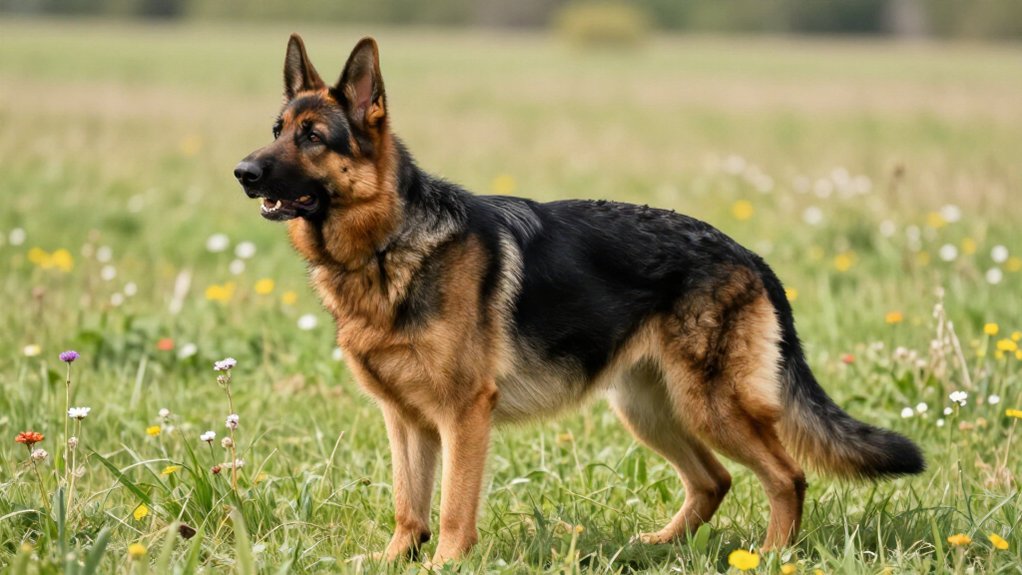
How does weight actually vary in a German Shepherd Corgi mix? You’ll find these dogs typically cluster between 20 and 70 pounds, though some reach 75 to 80 pounds depending on their parents.
If you’re serving others by advising them on this mix, understand that Corgi-dominant pups often weigh 25 to 45 pounds, while German Shepherd-leaning ones hit 55 to 80 pounds.
Balanced mixes fall around 35 to 65 pounds. Whatever size your Corman grows to, a travel bag for dog essentials keeps food, bowls, and waste bags organized on every trip.
Keep in mind males usually tip the scales higher than females, and specific breeding lines dramatically alter expectations.
Since intra-litter variability remains high even among siblings, always assess individual puppies closely.
Don’t rely solely on averages—each dog’s unique genetics and build dictate where they land within this broad spectrum.
Note that the final size depends on dominant parent genes and inheritance of traits like chondrodysplasia.

High-Quality Dog Hip and Joint Supplement: Help dog move freely with dog joint chews, a premium hip and joint supplement for dogs packed with glucosamine for dogs, chondroitin, and MSM. These key ingredients in dog joint supplement strengthen cartilage, support dog joint flexibility, and reduce stiffness, ensuring pup stays active and comfortable. Whether dog arthritis, hip dysplasia, or age-related mobility issues, dog supplements for joint and arthritis provides the relief they need

Health Supplement for Dogs: VetIQ hip and joint chews for dogs are soft and a great way to support mobility, whether they love running, jumping, playing, or resting; They suit senior pets or those who need extra support staying active & comfortable

MOBILITY YOUR DOG CAN FEEL: Help your dog run, jump, and take the stairs like they used to. This daily formula supports healthy cartilage, cushioned joints, and easy everyday movement for dogs of every breed and age.
Key Physical Traits of the Corman Shepherd
Where do you look first to spot a Corman Shepherd? You notice their low-slung silhouette immediately. These dogs feature a long torso and short legs, creating a distinctive ground-hugging stance.
Their sturdy, compact frame supports agile movement, ideal for serving others through herding or companionship. Expect a German Shepherd-like head with a broad skull and powerful jaws. Their compact size also makes them easy to transport, and a soft-sided dog carrier designed for portability and comfort can keep trips stress-free.
Their alert, upright ears often display tufted texture, while dark almond-shaped eyes convey intelligence and confidence.
Short legs stem from Corgi ancestry, though some inherit longer limbs. Tail length varies, ranging from bushy plumes to natural bobtails. This mix bridges size gaps between parents, offering a robust build. Their fox-like facial features and upright posture reflect their herding heritage.
You’ll appreciate how their unique proportions blend strength with charm for active households.
Their maximum speed can reach approximately 28 miles per hour.

Real Support for Your Dog - Our unique mechanism uses 5 hidden metal springs aligned along the spine to help your dog support its weight and stay comfortable, mobile, and happy

Harness Object: The Rear Legs support Harness is designed to help your elderly, disabled, or injured dog, who are unable to navigate the stairs, has a difficult time getting up and down, needs help walking and at any risk of falling
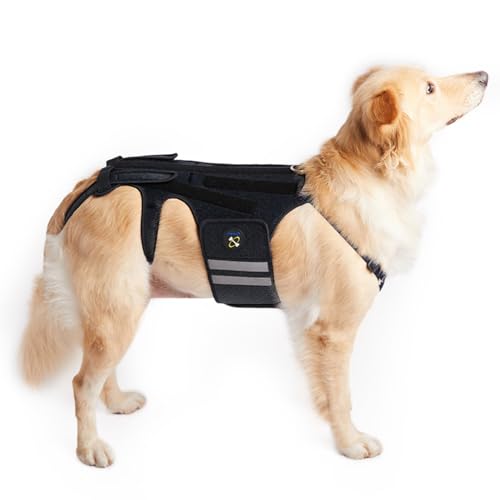
Professional - It is specially designed for dogs with back problems such as IVDD, arthritis and so on. Our bracer have 8 high-quality and powerful plastic strips to provide strong support for the dog's back, reduce spinal pressure, reduce pain and help recover after surgery.
Coat Types and Colors for the Corman
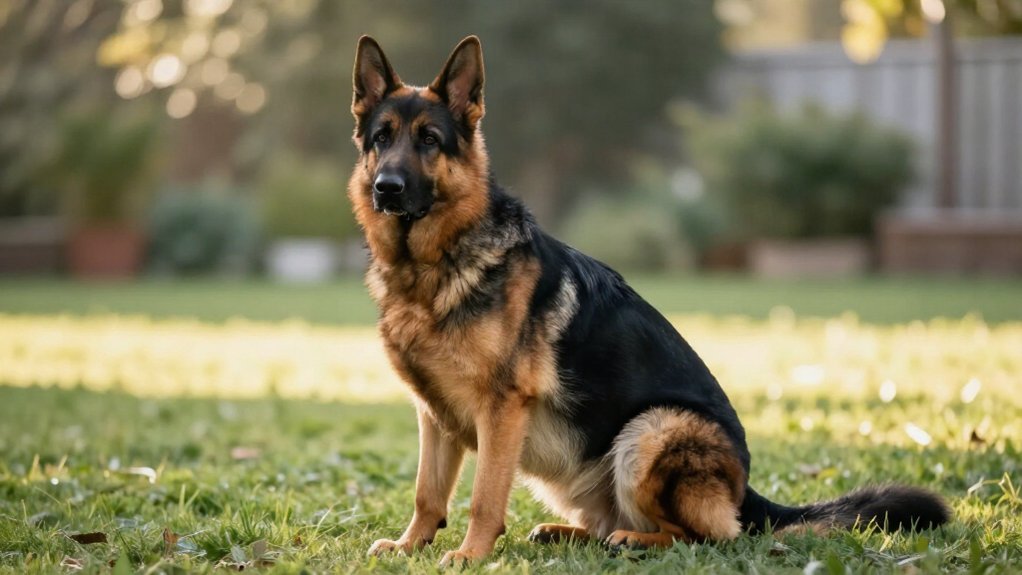
What makes a Corman Shepherd’s coat so distinctive? You’ll find it typically forms a dense double-layer structure inherited from both parent breeds. The texture ranges from straight to mildly wavy, with guard hairs providing weather resistance over a substantial undercoat.
Expect short-to-medium lengths around one to three inches, though some lines produce plush, fuller variants. You should anticipate common base colors including black, brown, tan, gold, and white, reflecting dominant shades from both ancestries.
These dogs often display bi-colored or tri-colored patterns like black and tan. You’ll notice markings frequently resemble German Shepherd saddle and mask patterns layered onto a compact frame.
While seasonal factors change apparent volume, the coat consistently offers significant insulation. You can expect a wide variety of unique combinations, ensuring your companion looks unique while staying protected year-round. Because that thick coat can make a dog run warm in a sunny vehicle, some owners use a dog booster seat to raise their companion for better visibility and comfort on car trips.
Based on the typical traits of the parent breeds, you can expect to see coat variations ranging from wiry to curly.


[Treat Distribution] Our food dispenser has differently sized spheres at both ends. As dogs push the toy, it moves within a fixed area, allowing dogs to continuously chase and play with it. During movement, food is dispensed from the food holes on both sides of the toy.

Four Challenges & Levels 1-3: Multiple games with a flip game and a linear track sliding game, all requiring dogs to learn steps and find treats. This puzzle is designed to be more fun and difficult, with more unique ways to play. It can enhance your dog's IQ and train their sense of smell
Corman Shepherd Personality and Temperament Overview
Why does the Corman Shepherd stand out among mixed breeds? You’ll discover their deep loyalty and affection make them ideal companions for those serving others. They bond strongly with families, seeking closeness and enthusiasm to please.
While their protective nature ensures home safety, early socialization balances this guarding instinct. You appreciate their sharp intelligence and quick learning, enabling structured training that channels their work ethic.
Their gentle baseline suits children, though you’ll guide against herding behaviors like heel-nipping. Reserved toward strangers, they become friendly with proper exposure.
You’ll find them peaceful with other pets when introductions start early. Their warmth combined with dedication creates a sweet temperament perfect for multi-person households. For families who want extra peace of mind, a GPS dog collar can track the dog’s location in real time if they wander.

[Mesh Design]: Breathable and quick to dry for all seasons, mesh design with the same tactical style and durability. Rugged 1000D nylon offering great dirt/water/abrasion resistance.

[Tactical Mesh Design]: Breathable and quick to dry for all seasons, mesh design with the same tactical style and durability. Rugged 1000D nylon offering great dirt/water/abrasion resistance.

Military-standard Materials to Last Use: Hanshengday tactical dog harness is made of 1050 D military nylon with sturdy stitching for extra durability. Soft padded in all pressure areas to protect dog's skin, while the air mesh layer keeps it breathable and comfortable
Energy Levels and Exercise Needs for Corgi Mixes
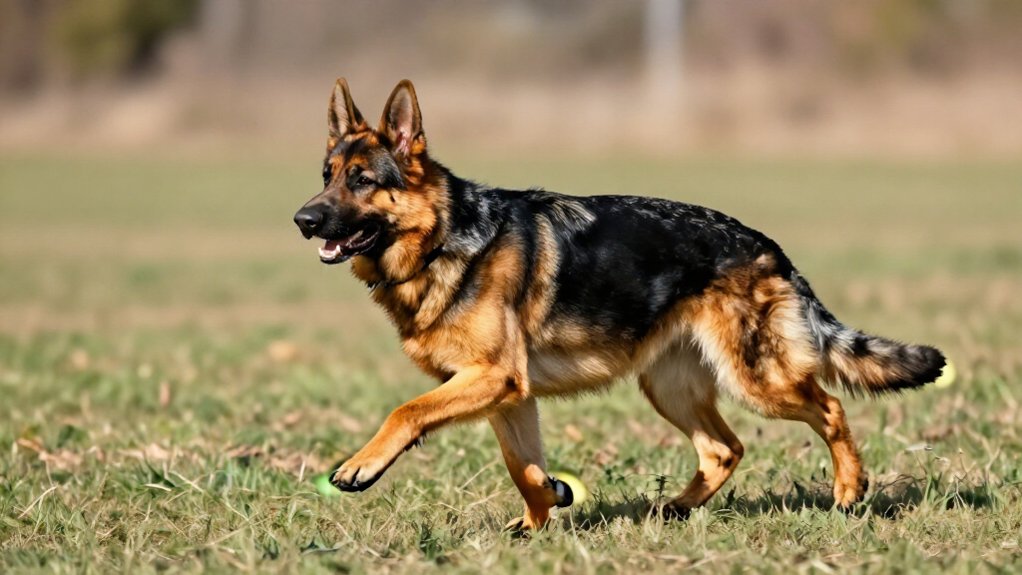
When you welcome a Corgi mix like the Corman Shepherd into your home, prepare for medium-to-high energy that demands structured daily exercise plus substantial mental enrichment beyond basic walks. You must tailor routines to your dog’s needs, aiming for 45 to 120 minutes of combined activity.
Since these breeds serve as workers, they thrive on purpose. Channel their herding instincts through fetch, agility, or nose work rather than letting boredom breed barking. Split sessions into morning and evening to protect joints.
Offer mental challenges like obedience or trick training alongside physical play. By providing these outlets, you serve your companion’s well-being and prevent destructive habits. Because the German Shepherd side may carry a strong prey drive, supervise interactions with cats and small animals and redirect chasing into structured games.

【2-IN-1 DUAL-HEAD GROOMING TOOL】 Designed to simplify your pet care routine. This versatile grooming tool features a dual-sided design to provide a larger grooming surface, allowing you to cover more area in less time. It effectively helps you manage stubborn mats, tangles, and loose undercoat for professional-grade results at home

Deshedding Dog Brush: With patented two-tier teeth technology, the longer teeth gently remove dirt, reaching down to the undercoat, and the shorter teeth pick up loose hair, ideal for thick fur & double-coated dogs

1-CLICK SELF-CLEANING — NO MORE MANUAL HAIR PULLING: This undercoat rake solves the grooming frustration. Just press the button and the release plate pushes out all trapped fur between the tines instantly. No tugging hair by hand, no mess, no interruption. Perfect for heavy shedding season when your deshedding tool fills up fast.
Common Health Issues in the German Shepherd Corgi Mix
Although Corman Shepherds are sturdy and active, they inherit a serious load of health risks from both German Shepherds and Pembroke Welsh Corgis. You must watch for hip and elbow dysplasia, causing pain and lameness.
Their long spine predisposes them to IVDD, risking back pain and paralysis. Degenerative myelopathy affects their spinal cord, while epilepsy may require lifelong medication. Early signs of Degenerative myelopathy include a wobbly gait, dragging of the hind paws, and difficulty rising, so any such changes warrant a prompt veterinary exam.
Cataracts and retinal diseases threaten vision, reducing working capability. Since both breeds carry inherited conditions, you should prioritize routine screenings. Regular vet visits help detect these issues early.
You can manage joint strain by maintaining a healthy weight and providing low-impact exercise. By staying vigilant, you guarantee your Corman remains happy and healthy while serving others effectively.
Addressing these risks proactively helps you offer the best possible care for this loyal companion.
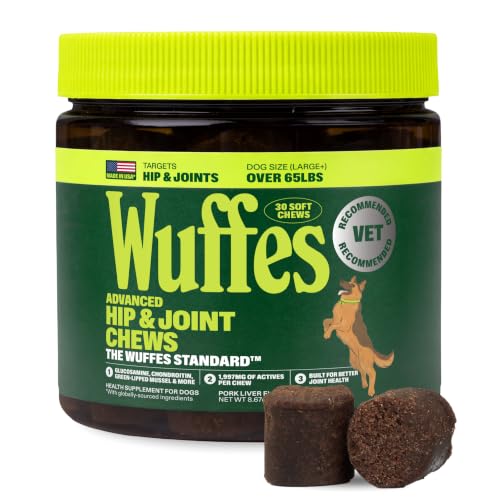
Powerful Joint Support: Advanced Hip & Joint Support chews are designed to help maintain your pet’s joint health and overall mobility, promoting comfort and a better quality of life - especially for aging or active dogs.

PREMIUM HIP & JOINT SUPPORT: These dog joint supplement large breed chews, including Glucosamine and Chondroitin, promote joint health to keep your dog active and playful

Persistent Joint Support: Joint supplement for dogs is crafted with a scientifically advanced formula combining glucosamine chondroitin for dogs,turmeric,green lipped mussel and msm for dogs—ingredients renowned for anti-inflammatory properties.Hip and joint supplement dogs help support dog arthritis pain relief,anti inflammatory for dogs and maintain muscle strength,dog joint supplement effectively relieves joint stiffness caused by daily activities,provides long-lasting joint support for dogs
Expected Lifespan and Life Stage Care for Corman
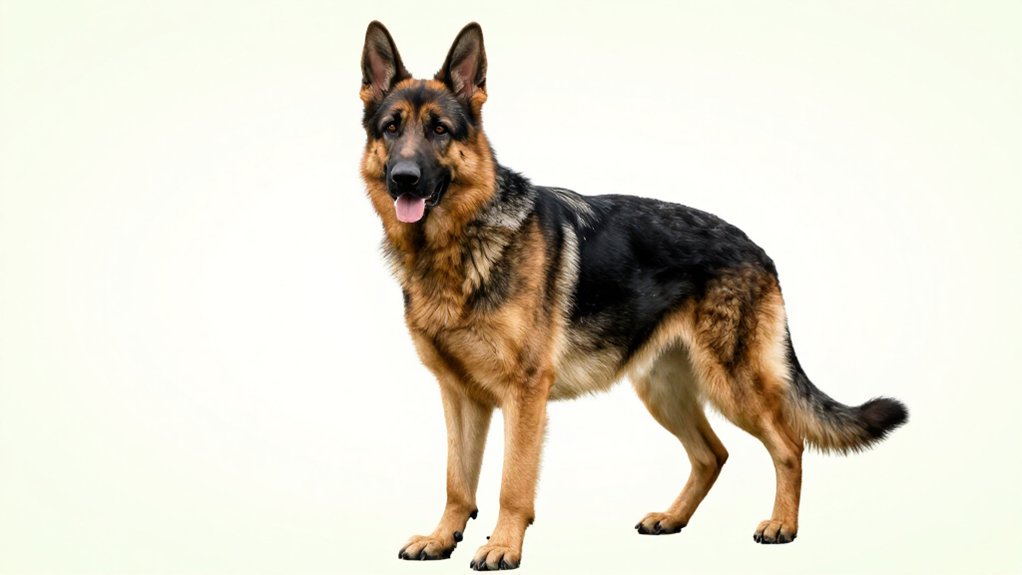
You can expect your Corman to live between 10 and 15 years, depending on their genetics and how well you manage their weight. Since German Shepherds typically live 9 to 13 years and are prone to hip and elbow dysplasia, keeping your dog at a lean body weight is especially important for protecting their joints.
Keep them healthy through all life stages by tailoring their diet and exercise to their age, from puppyhood to adulthood.
As they enter their senior years, you should switch to joint-supportive foods and schedule more frequent vet visits to catch issues early.

Rear & Front Leg for Senior, Disabled, Arthritis & IVDD Dogs, Adjustable Lifting Straps for Walking & Stairs Assistance

IVDD BACK SUPPORT: Designed to provide reliable back support for dogs suffering from IVDD, herniated discs, slipped discs, arthritis, and other spinal conditions. Helps stabilize the back during daily activities and recovery after injury or surgery.

Harness Object: The Rear Legs support Harness is designed to help your elderly, disabled, or injured dog, who are unable to navigate the stairs, has a difficult time getting up and down, needs help walking and at any risk of falling
Average Lifespan Expectations
How long can you expect your Corman Shepherd to live? You’ll typically see them reach 12 to 15 years. Their German Shepherd and Corgi parents pass down this longevity.
Smaller, Corgi-leaning dogs often live longer than larger, Shepherd-leaning ones.
You can maximize their time by protecting their spine and joints. Avoid high-impact jumps and long stairs. Keep them lean to prevent back strain and bloat.
Feed measured portions twice daily. Schedule regular vet visits to catch joint, eye, or digestive issues early.
Give them daily mental and physical exercise to keep them healthy. Groom their coat and teeth weekly.
With your attentive care, you’ll enjoy a decade and a half of companionship.
Key Life Stage Needs
To get the most out of your Corman’s 12–15 year lifespan, you’ll want to tailor their care to each life stage. During puppyhood, prioritize structured socialization and positive reinforcement training to shape instincts safely. Feed a growth-stage diet and limit high-impact exercise to protect developing joints.
As an adolescent, channel their energy with 60–90 minutes of daily vigorous activity. You’ll maintain weight control and observe gait for early skeletal issues.
In adulthood, meet their exercise needs with structured walks while integrating puzzle toys and scent work for mental stimulation. Always avoid intense activity near mealtimes to prevent bloat.
You’ll schedule annual veterinary checkups to monitor weight, joints, and overall health throughout their life.
Senior Health Considerations
You’ll need to shift focus to senior health considerations as your Corman approaches its later years, typically between 7 and 8 years old. Expect them to live 12 to 15 years if you maintain their health proactively.
Watch closely for spinal issues like IVDD and degenerative myelopathy, which often emerge around this age. Keep their weight down to protect joints and reduce strain on their spine. Offer low-impact exercise and supportive bedding to ease movement.
Changeover to highly digestible, nutrient-dense food with added joint supplements. Schedule frequent vet visits to screen for diabetes, cataracts, and digestive conditions like EPI.
Monitor their gait for stiffness or reluctance to jump. Early detection helps you serve them better through their golden years, ensuring comfort and vitality as they age gracefully in your care.
Grooming Needs for the Double-Coated Corman
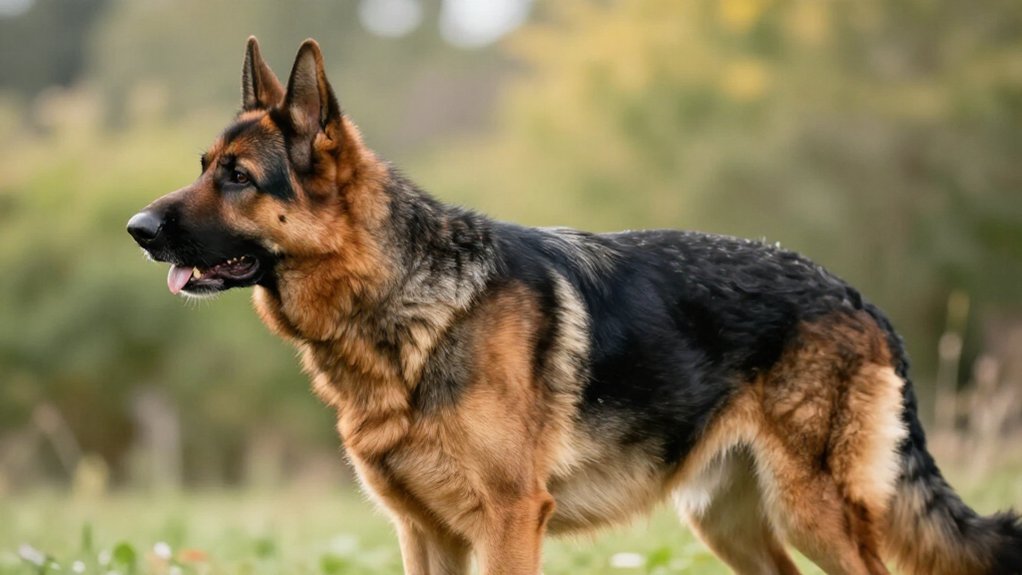
You’ll need to brush your Corman several times a week to manage their heavy shedding and keep their double coat healthy.
Don’t forget to trim their nails and clean their teeth regularly to prevent pain and infection.
Finally, check their ears and skin often since their thick fur can hide problems you might otherwise miss.
Because a dense coat can also hide weight changes, check your dog’s body condition by feeling for the ribs with light pressure and looking for a visible waist when viewed from above.
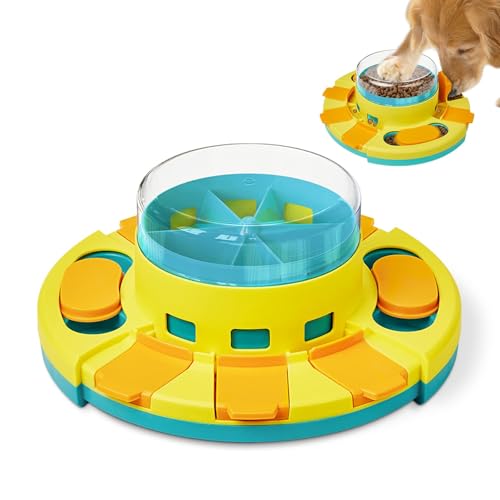
2 Levels in 1 Toy: start your pups off with a level 1 puzzle, add some treats in the base compartments and watch your dogs get their tasty reward by nudging the lids. For dogs who have mastered level 1, for added challenge in level 2, just put some treats in the top compartments, teach your dogs to press the top cover to dispense treats down into the base compartments and finally enjoy their reward

Dog Friendly Materials: Not Suitable for Aggressive Chewers. Treat dispensing dog toys are made of ABS and nylon material. It is a sturdy, safe food container that resists pet damage, provides a long-lasting and safe play experience. You can give your dog confidently use interactive dog toys. At the same time, in order to make the dog puzzles for smart dogs quieter when rolling, the material of the dog enrichment toys for large dogs roller is made of rubber, less noise

【Upgrade Dog Puzzle】Our dog puzzle toy is moderate level with more challenging ,difficult than level 2, not only easy slide steps, but require your dog's ability to learn sequential steps and combinations to seek hidden treats while keeping mental active .There are easy slide step and harder step in the puzzle box , dogs have to find a right way to move the red round sliders and the center parts for food, higher skills and mind required , great for the smart dogs.
Brushing Frequency And Shedding
How often should you brush your Corman’s double coat? You’ll want to brush them at least three to five times weekly to manage their dense, shedding coat.
During spring and fall when they blow their undercoat, increase brushing to daily to control loose hair and reduce dander in your home.
Use an undercoat rake first to lift dead fur, then follow with a slicker brush to smooth the outer layer.
Consistent brushing prevents matting in their ruff and feathered legs while keeping your furniture cleaner.
You’ll notice clumps of fur coming out during seasonal shedding phases lasting two to three weeks.
Don’t shave their double coat, as it protects their skin.
Regular grooming shows your dedication to caring for their well-being while minimizing allergens.
Dental Care And Nail Trimming
Why prioritize dental care and nail trimming for your Corman? These practices protect their health and comfort, enabling them to serve you longer.
Brush their teeth daily with canine toothpaste to prevent plaque hardening. Schedule annual vet exams for early detection. Professional cleanings remove stubborn calculus.
Their active nature may mask pain, so watch for bad breath or bleeding gums.
Trim their nails every three to four weeks to avoid overgrowth. If they walk on hard surfaces, you might stretch this to six weeks.
Handle their paws gently to build trust. Using proper clippers and grinding tools ensures safety.
Consistent care reduces costly procedures. By maintaining their oral and foot health, you keep your working mix ready and pain-free for every task ahead.
Ear Maintenance And Skin Health
When should you start caring for your Corman’s ears and skin? Begin weekly ear checks to catch infections early. Inspect for dirt, wax, redness, or odor weekly.
Since upright ears trap debris, monitor for head shaking or sensitivity immediately. Clean outer ears with vet-approved solutions and soft cotton. Never insert swabs into the canal.
Block water during baths to prevent moisture retention. Trim excess hair around ears to improve airflow.
Part the dense double coat at the belly and armpits to inspect for redness or hot spots. Use an undercoat rake to remove trapped dead fur, preventing humid microclimates.
Check common allergy sites like paws and face during brushing.
Consistent surveillance helps you serve your dog’s health needs effectively.
Training Tips for the Intelligent Corman Shepherd
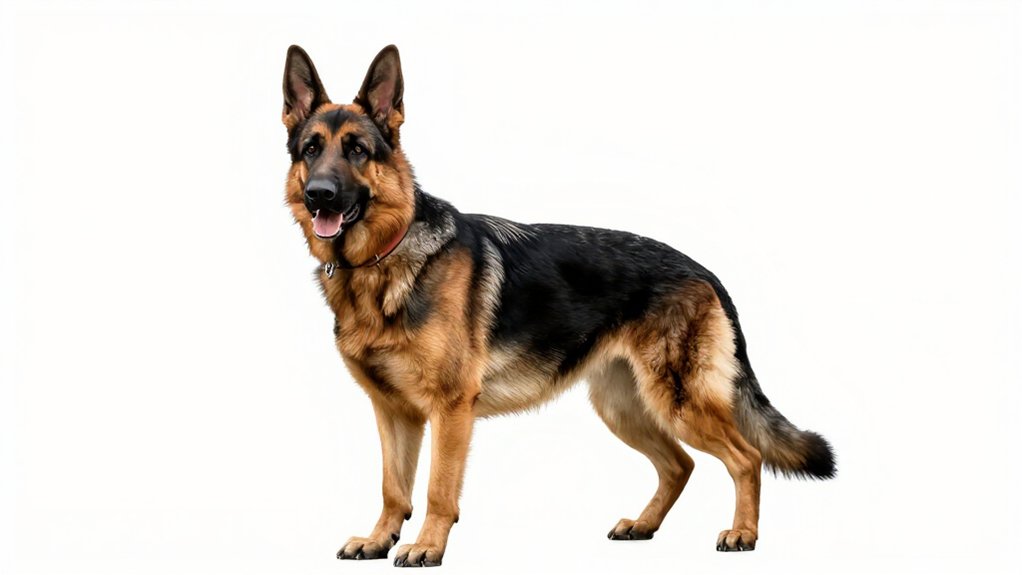
To get the most out of your Corman Shepherd, start building their obedience foundation early in puppyhood to establish clear habits and boundaries. Use consistent, daily short sessions to maintain behavior and prevent confusion. Teach core commands like sit, stay, come, down, and leave it, reinforcing them routinely.
Recognize your leadership role to support calm, responsive behavior and reduce dominance issues. Focus on positive reinforcement using high-value treats and praise instead of harsh corrections. Use clicker markers or consistent reward words to improve learning speed.
Keep training sessions short, around 5 to 10 minutes, several times daily. Combine short tasks with variety to prevent boredom.
Aim for 45 to 60 minutes of daily exercise to reduce excess energy. Provide mental stimulation through puzzle feeders and scent games.
Expose your dog to diverse people, children, and environments early. Supervise interactions with children to teach appropriate handling. Gradually introduce new situations paired with rewards.
Give treats and calm attention when new people approach. Systematically socialize your dog across the first year to build confidence.
Corgi Mix Barking and Herding Instincts
You’ll likely notice your Corman’s sharp vocal alerts and natural watchdog tendencies as they monitor every passerby and unusual noise.
Their strong herding instincts often show up as intense motion focus, circling, and heel-nipping when they try to “manage” you or your kids.
Managing these drives means channeling their energy into structured games and training so barking stays a useful tool, not a nuisance.
Vocal Alertness and Watchdog Behavior
Corman Shepherds display high vocal alertness and strong watchdog tendencies, reflecting German Shepherd guardian traits and Corgi alert-barking heritage. You’ll notice they bark frequently at strangers, doorbells, and household noises, creating effective warning signals.
Since you want to serve others, understand that this loud nature can disrupt dense housing neighbors. Their German Shepherd ancestry drives protective barking, while their Corgi roots add naturally observant vocal tendencies.
They announce visitors and unusual activity reliably, though not physically guard like larger breeds. Play sessions often produce high-pitched excitement barks too.
You should expect consistent vocalization since quiet temperament is unlikely. These dogs alert you to potential threats or changes, helping you respond quickly.
However, excessive barking from boredom or anxiety requires attention. Consider your living environment carefully before committing, as their constant alertness impacts both your household and surrounding community members profoundly.
Herding Instincts and Behavioral Management
Why does your Corman Shepherd instinctively chase and nip at moving targets? Your dog inherits powerful herding drives from both parents, prompting circling, heel-nipping, and motion-driven barking to control movement.
These behaviors often emerge between four and nine months as your pup attempts to gather family members or pets. While not aggressive, unmanaged herding can cause anxiety or accidental falls for children and elderly guests.
Redirect this high-drive energy through structured training and impulse-control cues like leave-it or go-to-mat. Use focus cues to shift attention away from triggers.
Channel their intelligence and endurance into safe outlets such as fetch or agility. Consistent positive reinforcement helps shape controlled movements.
Is the German Shepherd Corgi Mix Good With Kids?

How well does the Corman Shepherd get along with kids? You’ll find this mix often makes a great family companion when properly raised. Their protective instincts and playful energy support active outdoor play sessions with children.
However, since both parent breeds are herders, your pup might circle or nip at running kids. You must provide consistent training to channel that drive safely. Early socialization helps reduce fear-based reactivity, while obedience classes foster stable behavior.
Older children generally make better handlers than toddlers, who face higher risks due to rough handling or the dog’s herding impulses. Always supervise interactions closely, especially with younger kids.
Teach your children to respect the dog’s space and never pull ears. By setting clear rules for games like fetch, you prevent overstimulation and guarantee safe, joyful experiences for everyone in your home.
Space and Environment Needs for Corman Shepherds
To keep your Corman Shepherd happy and healthy, you’ll need to provide plenty of space and consistent daily activity. Aim for sixty to minutes of exercise daily, split into two sessions like morning walks and evening play.
A securely fenced yard suits them best, allowing safe off-leash runs to satisfy their herding instincts. Without private outdoor space, plan frequent trips to parks or open fields.
If you live in an apartment, *make certain* your Corman stays under thirty-five pounds and commit to vigorous outdoor activity.
Indoors, dog-proof your home by removing cords and toxic plants. Designate a quiet zone with a comfortable bed for decompression.
Maintain sufficient floor space for stretching and casual play. Use non-slip flooring and limit access to steep stairs to protect their joints.
Diet and Nutrition for the Active Corman
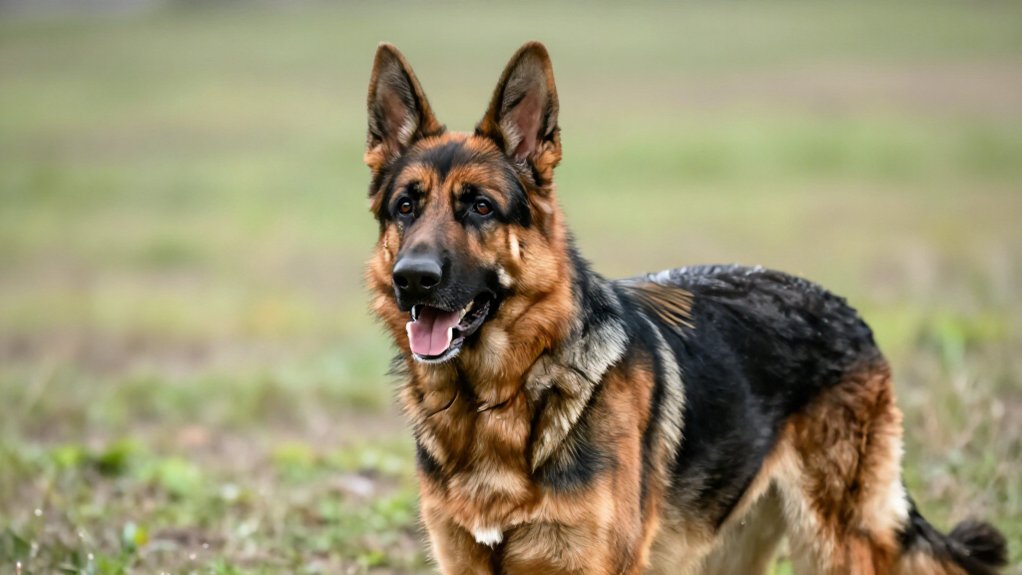
As your active Corman Shepherd burns energy, fuel them with a high-protein, joint-supportive diet split into multiple small meals. Choose balanced commercial foods meeting AAFCO standards tailored to their weight, age, and activity level.
Aim for roughly 40–50 calories per pound daily, adjusting portions with a kitchen scale to prevent obesity. Offer two to three cups of high-quality dry food divided into three or four feedings to reduce bloating and sustain energy.
Prioritize meat-based proteins, healthy fats, and complex carbs for muscle and coat health. Limit treats to under 10% of daily calories, opting for low-calorie veggies like carrots or green beans.
Monitor their body condition closely. Both parent breeds gain weight easily, so strict portion control guarantees they stay lean, strong, and ready to serve you faithfully every day.
Where to Find a German Shepherd Corgi Mix
You can find your perfect Corman by checking local shelters for adoptable mixes or searching for ethical breeders who specialize in this cross.
Adopting often costs less and gives a home to a dog in need, while buying from a reputable breeder lets you meet the parents.
Either way, you’ll guarantee you get a healthy, well-socialized companion to match your lifestyle.
Adopt From Shelters
While local municipal shelters and humane societies regularly list mixed-breed dogs, you’ll also find German Shepherd Corgi mixes through general “mutt” rescues, breed-specific organizations, and national adoption platforms.
Search online databases using tags like “Corman Shepherd” to locate available dogs. Apply filters for size and energy to find active matches. Monitor feeds frequently since these mixes often get adopted quickly.
When you evaluate rescues, prioritize those providing clear health documentation and transparency about the dog’s history. Confirm staff understand specific needs for exercise and mental stimulation.
Verify that the organization follows a structured adoption process with screening and post-adoption support. By choosing responsible shelters, you help give a deserving animal a second chance at a loving home.
Buy From Reputable Breeders
Buy from reputable breeders who intentionally cross German Shepherds with Corgis, rather than relying on random matings. Search local breeders offering Corman litters or check breed-focused websites and social groups to find owners who can refer responsible sources. Contact regional clubs for members practicing health-tested programs.
Ethical breeders use application processes, allow in-person visits, and provide early socialization. Require OFA hip/elbow evaluations and genetic testing for degenerative myelopathy. Expect written health certificates and registration papers.
Prices range from $800 to $2,000, reflecting thorough testing, unlike cheaper backyard sources. Always review contracts for health guarantees, spay/neuter expectations, and return clauses ensuring lifetime support.
Verify inclusions like vaccinations, deworming, and microchipping. This diligence ensures you acquire a healthy companion for your family and community.
Daily Care Checklist for the Corman Shepherd
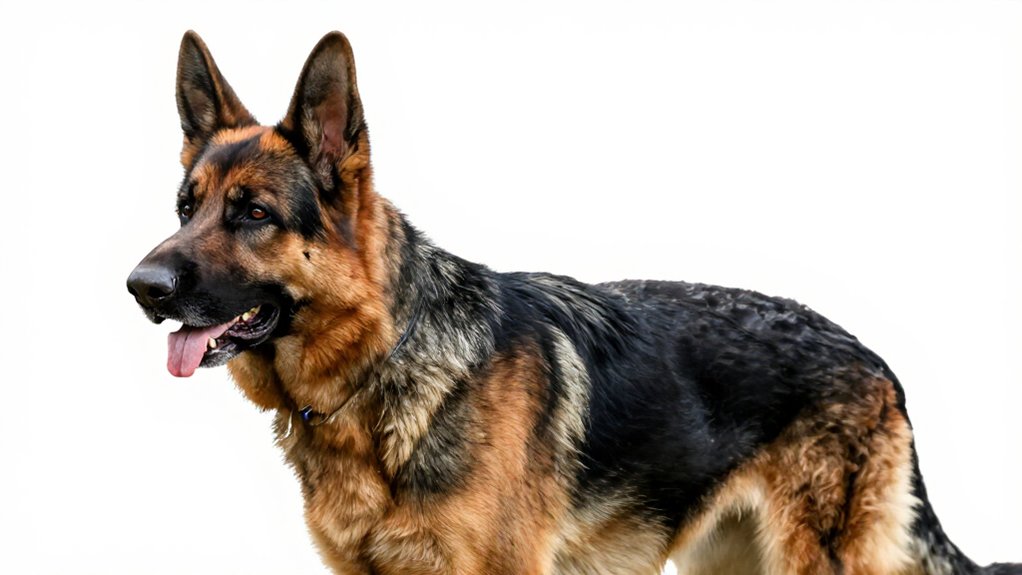
As you begin daily care for your Corman Shepherd, structure the day around exercise, mental enrichment, and consistent grooming to keep this energetic mix happy and healthy.
Dedicate 60 to 120 minutes to brisk walks and play, ensuring you avoid repetitive high jumps to protect their spine.
Fill 15 to 30 minutes with puzzle feeders or scent work to satisfy their high drive.
Serve two measured meals of quality food, keeping treats under 10 percent of calories to prevent obesity.
Brush their dense coat daily during shedding seasons to manage heavy loss.
Schedule regular nail trims, ear cleanings, and dental care to avoid painful infections.
Adjust your routine based on age and joint health, prioritizing their long-term comfort and crucial as you serve them faithfully.
Frequently Asked Questions
Does the Corman Mix Require a Fenced Yard?
No, the Corman doesn’t strictly require a fenced yard, but you should provide one if you can’t guarantee 60–90 minutes of structured daily exercise. Without a fence, you must commit to rigorous supervision and consistent training to prevent escapes.
Can a Corman Shepherd Be Left Alone for Long Periods?
You shouldn’t leave a Corman Shepherd alone for long periods. They thrive with companionship and activity. Ignoring this need risks anxiety and destruction. Treat your dog like a loyal teammate, not a silent statue.
Are Corman Shepherds Compatible With Cats or Other Small Pets?
Corman Shepherds aren’t naturally compatible with cats or small pets due to strong herding instincts. You must prioritize early socialization, careful management, and consistent training to safely serve both your dog’s needs and your smaller animals’ well-being.
What Is the Average Cost to Adopt a Corman Shepherd?
You’ll usually pay between $100 and $400 to adopt a Corman Shepherd. This affordable rate covers vaccines and spay surgery, letting you focus resources on serving your new companion’s needs.
Do Corman Shepherds Drool Excessively?
You won’t find Corman Shepherds drooling excessively. You’ll serve them best by watching for sudden changes, cleaning up occasional messes, and keeping their mouths healthy for happy, clean companionship at home.