Yes, you’ve got to assume rabbits will eat hostas. They love tender new spring shoots, often clipping leaves near the crown. They’ll also nibble marigolds, even the “smelly” ones, especially when food’s scarce. Zinnias are at risk too, mainly seedlings and fresh transplants. In spring they target soft growth, in fall/winter they go for weeds, bark, and low twigs. Spot clean 45° cuts and pea-sized droppings. Next, learn the best, practical ways to stop it.
Swift Summary
- Yes—rabbits absolutely eat hostas, especially tender spring shoots and leaves near the crown.
- Rabbits may nibble marigolds, particularly when other greens are scarce, though scent can reduce but not prevent browsing.
- Rabbits can eat zinnias, mainly young plants and fresh transplants; mature foliage is typically less damaged.
- Rabbit browsing peaks in spring, shifting to weeds/seed plants and low bark or twigs in fall and winter.
- Look for smooth, angled clipped bites and pea-sized droppings by plants to confirm rabbit feeding.
Do Rabbits Eat Hostas, and How Bad Is It?
Yes—rabbits absolutely eat hostas, and it can get pretty bad fast.
Yes—rabbits absolutely eat hostas, and it can get pretty bad fast, especially when new spring shoots appear.
If you’re wondering do rabbits eat hostas, the answer is yes, especially in spring when new shoots emerge.
You’ll often see tender leaves clipped cleanly, with smooth, slanted stubs at about a 45° angle near the crown.
Reapplication may be needed after rain or watering, because cayenne pepper loses effectiveness when washed off.
Check near the ground, usually under 20–30 inches, where lower leaves get stripped first.
You may also find round, pea-sized droppings by the clump.
Light browsing can grow into near-total defoliation, so act quickly.
Why Rabbits Nibble Marigolds (Tagetes)?
You might notice rabbits nibble marigolds most when they’re under pressure, like in early spring or late fall when other greens are scarce.
But the strong, musky-smelling “essential oils” in Tagetes usually don’t stop nibbling completely—they often just make one bite enough to taste something unpleasant and move on, especially with mature plants.
Some rabbits may gnaw around the base of young plants or tender stems, especially when other food is limited, causing smooth, cut-looking damage.
Also, rabbit behavior varies by region, rabbit personality, and what else is available, so you may see more damage where many rabbits share the same yard or the bedding/hay situation leaves them bored.
Marigold Browsing Under Pressure
When rabbit food gets tight, marigolds stop feeling “repellent” fast.
And if you’re asking, do rabbits eat marigolds?
Yes. rabbits moderately to severely damage even Tagetes when they’re hungry or under pressure.
When rabbits face hunger, crowding, or competition, they take “less preferred” bites, even Tagetes.
You might see them sample buds, then petals, and sometimes entire rows.
But it’s not true immunity.
It’s conditional resistance.
Serve your rabbits well first, with plenty of hay and greens, then place marigolds behind sturdy 2–3 ft fencing during high-pressure weeks.
If a rabbit learns marigolds look tasty, it’ll nibble again.
Fragrance Limits, Not Stops
Fragrance helps, but it doesn’t lock the door.
Marigolds (Tagetes) smell strong, and that can cut down casual nibbling.
But rabbits still sample when other cues win, like tender shoots, bright blooms, nearby food, or sparse “scent screens.”
So when you ask how to prevent rabbits from eating plants, treat fragrance as a helper, not a guarantee.
Plant mature marigolds in thick clusters, not single sprigs.
Recheck after 1–2 weeks, especially on new seedlings.
If you see exploratory bites, add more humane barriers, like physical fencing, to block access.
Regional Resistance Ratings Vary
Regional resistance ratings for Tagetes marigolds vary a lot, so it helps to think of them as “often less tasty,” not “impossible to eat.”
In some places, extension guides and plant lists warn that rabbits damage marigolds only mildly, but in others they show up as moderately to severely damaged—including real nibbling of flowers and leaf tips.
Do Rabbits Eat Zinnias: and What Gets Hit?
Yes, rabbits *can* eat zinnias, especially the young plants and tender new growth.
So when you ask, “do rabbits eat zinnias?”—you’ll hear mixed answers, but browsing does happen.
Your biggest risk is seedlings and fresh transplants, because rabbits like soft, new shoots.
Your biggest risk is seedlings and fresh transplants, because rabbits prefer soft, new shoots that are easy to nibble.
Expect occasional nibbling on leaves and stems, sometimes clipped close to the ground.
Once plants mature, tougher, rougher foliage usually slows damage, and you’ll often see only light chewing.
But if food is scarce, rabbits may test zinnias more.
Offer safer greens nearby, and watch new rows daily.
Spot Rabbit Damage: Chew Marks and Cuts
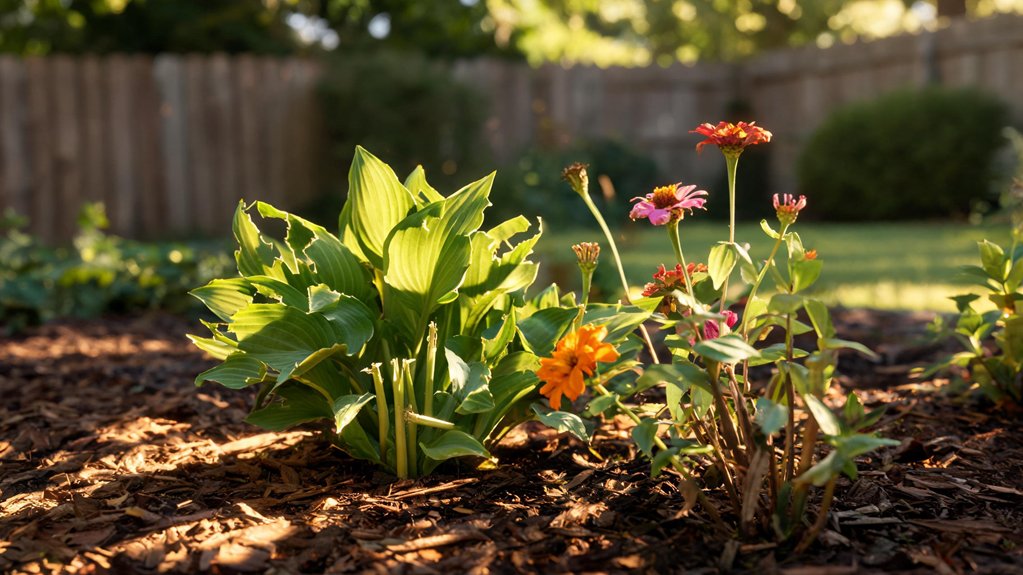
When you’re checking your garden after you suspect rabbits, look closely at the chew marks, because rabbits usually leave a very “clean” signature.
You’ll often see stems clipped off at a smooth angle, with no tearing.
Young twigs may show a 45-degree, knife-like bite from rabbit incisors.
For hostas, petioles may stay standing, with a straight, scissor-like cut.
On herbaceous plants, rabbits often remove foliage near the ground.
And in winter, expect clean cuts on buds and small twigs.
If you spot this pattern, start how to keep rabbits from eating plants with gentle barriers.
Which Plants Are Most at Risk From Rabbits?
If you’re wondering which plants are most at risk, start with hostas, because their tender leaves make them a repeat target.
And for annuals like zinnias, petunias, and snapdragons, you’ll often see repeated browning when rabbits keep coming back for soft stems and new growth.
But even “rabbit-resistant” flowers can get eaten during food shortages, so check early each morning and add protection right away if you notice fresh chew marks.

The Original Animal Barrier Fence - Our animal fence barrier makes sure that your pets are securely and humanely contained while also keeping critters and pests out of your yard.

More Usage Scenarios: This Garden Fence without Door Can be Used as A Supplement to Your Yard Fence, It Can be Used as An Dog Digging Fence Barrier, Garden Fence Border, Rabbit Fence, Dog Fence Outdoor for Yard. More Panels Can Enclose Your Large Yard or Pool, Which Is A Good Option When You Need Fencing but Don't Want so Many Doors

【Versatile Dog Fence Pen】Whether you need to separate pets, contain small animals, block off areas of your home, or tree guard, fence in the garden areas, these panels would help you a lot and achieve what you need, excellent for prevent dogs from running into danger when you are busy, reduces their anxiety too, protects planters and veggies from destroying
Hostas Are Highly Vulnerable
Hostas are highly vulnerable to rabbit browsing, so you’ll want to plan for protection right from the start.
If you’re wondering how to keep rabbits from eating hostas, know this: rabbits love their soft, juicy leaves.
In many gardens, they graze hosta clumps down close to the ground, leaving little behind.
You’ll see damage in spring, and then again when new shoots regrow.
You may even notice smooth, angled nibbles around a 45° cut on stems.
Serve your garden well by acting early, before regrowth.
Annuals Get Repeated Browning
Annuals can get repeatedly browsed, and that’s why they often brown fast in rabbit yards.
If you plant soft, non-aromatic annuals in a sunny border, you may see repeated nibbles.
Rabbits strip leaves, then flower buds, and the stems brown, sometimes down to ground level.
Petunia hybrids, marigolds, and do rabbits eat zinnias too?
Yes—zinnias can be moderately to severely damaged, especially tender young transplants.
Because rabbits hit plants at feeding height, keep annuals dense only after you add protection.
For humane help, use row cover at night, and remove new shoots rabbits find.
How Season and Rabbit Pressure Changes Everything?
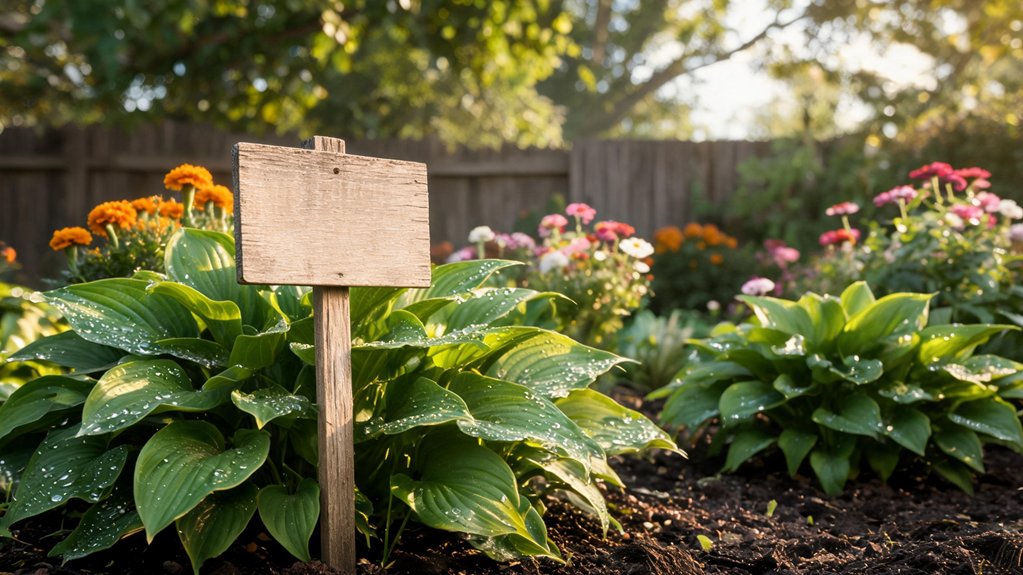
As the seasons change, your rabbit’s “menu” changes too—especially when rabbit numbers in your yard stay high.
In spring and early summer, you’ll see them target tender greens, new shoots, and soft stems, so your garden beds get clipped low.
And yes, will rabbits eat zinnias? They will, because young, tender growth is irresistible when pressure is high.
In fall, they’ll switch toward leftover weeds and seed plants.
In winter, they’ll browse bark, buds, and twigs near the ground.
Which Plants Stay Less Often Eaten by Rabbits?
You’ll notice rabbits usually leave plants alone when the leaves are tough, the scent is strong, or the foliage feels fuzzy or bitter.
And you can make your garden tougher by mixing resistant companions—think rosemary, lavender, catmint, or alliums with your regular flowers—so there’s less “easy pickings” nearby.
But don’t trust one plant alone: if rabbits are hungry, even marigolds or zinnias may get nibbled, so aim for a mix and re-check after 1–2 weeks.
Most Avoidance Depends On Tenderness
When rabbits decide what to eat, tenderness matters more than most people think—so the “most avoided” plants are usually the ones with firmer, less succulent growth.
You’ll see the most nibbling on new transplants, early spring flush, and any soft “mouthful” growth.
That’s why do rabbits eat mums? Usually, mature, tougher leaves get less attention, while fresh, tender shoots invite browsing.
And yes, rabbits often go after hostas, marigolds, and zinnias more readily, because their foliage and stems stay soft.
Give good water, then let plants mature, and your garden gets safer.
Strong Scent or Fuzzy Leaves
Ever wonder why some garden plants get nibbled right away, while others mostly get left alone? Strong scent and fuzzy, rough leaves often make rabbits think twice. And that gives you an easy path for how to keep rabbits from eating plants naturally.
Start with fragrant herbs like rosemary, mint, oregano, thyme, sage, and chives, since their aromatic oils taste intense. Add alliums, too, for sulfur-rich odor.
For texture, choose lamb’s ear and lady’s mantle with velvety fuzz, plus dusty miller and licorice for rough “felt” leaves.
Even Russian sage and marigold can deter browsing.
Use Mixed Resistant Companions
Mixed plantings work because you stop rabbits from “finding the good stuff” so easily, and you give them less tempting options nearby.
When you’re learning how to keep rabbits from eating plants, mix rabbit-resistant companions around vulnerable favorites.
Try black-eyed Susan and bee balm near hostas.
Add Russian sage as a visual barrier, with ornamental onions in sunny borders.
For color, use pot marigold instead of showy marigolds, and annual geraniums beside zinnias.
In shade beds, plant hellebores under hostas.
Finish the job with holly or juniper shrubs for structure.
Plan a Rabbit-Safe Garden (No Guesswork)
Before you plant anything, take a minute to plan for real rabbit pressure, not wishful thinking.
First, scan your yard. Look for pellets, clipped stems, and bark gnawing.
Then check your “high-risk” targets like hostas, and other tasty greens.
Next, build a palette that supports how to keep rabbits from eating plants: mix in marigolds and zinnias, plus alliums, catmint, black-eyed Susans, sedum, yarrow, and hardy geraniums.
Place vulnerable plants near hardscape, surrounded by resistant borders.
Add herbs like rosemary, thyme, oregano, salvia, and chives.
Finally, water, mulch, and replant after browsing.
How to Exclude Rabbits: Fence and Mesh Specs
To keep rabbits out, you’ll get the best results when you treat fencing like a small barrier around your plants, not just a “line you hope they won’t cross.”
In most US home gardens, aim for 24–36 inches of clear fence height, because 24 inches is usually enough for cottontails and 36 inches helps more when jackrabbits or heavier pressure show up.
Next, choose 1-inch hexagonal mesh like chicken wire, or use ¼-inch hardware cloth if they chew or you have small juveniles.
And don’t forget the bottom—bury it 3–6 inches, add a 12-inch apron, and keep gates closed—so you can how to keep rabbits from eating plants.
Do Repellents Work for Rabbits? What to Expect?
Yes, rabbit repellents can help, but don’t expect magic.
If you’re wondering how to keep rabbits from eating plants, think “extra barrier,” not a cure.
Repellents can reduce browsing in some spots, yet it’s partial and inconsistent.
They work best when you apply before rabbits start sampling your new growth.
Many products wash off after rain, heavy dew, sprinklers, so plan to reapply often.
Only surfaces you spray get protection, and new leaves may still be vulnerable.
If rabbit pressure is high or forage is scarce, you’ll still see bites.
Use repellents to support fencing, not replace it.
Protect Hostas, Zinnias, and New Plants Fast
If you want to protect hostas, zinnias, and other brand-new plants fast, go physical first, not hopeful.
And if you’re learning how to keep rabbits from eating plants, barriers beat sprays every time.
Build low, tightly woven fences around hosta beds, like hardware cloth 2–3 feet tall, with 1-inch or smaller holes, buried 6 inches.
Add temporary chicken-wire covers over small clumps.
For zinnias, use quick collars: plastic takeout containers with the bottoms removed, set over seedlings, or circle them with 1-inch mesh.
For faster results, install garden-wide rabbit-proof fencing and inspect netting daily.
Specialized garden fencing is designed to keep wild rabbits out of yards, gardens, and planted areas.

Package Including: 20Pcs Wire Cage Clips. The total size is 17x7mm/0.66x0.27 inch(L*W). Buckle can be used for borders about 4mm/0.16in thick.

Package Contents: Includes 52 pet cage door clips, perfect for DIY assembly of small pet cages, ensuring you have enough to meet your needs.

【SPACIOUS & SECURE】This pet enclosure offers a roomy area for guinea pigs, hamsters, hedgehogs, or bunnies to run, explore, and have fun. The smooth panels give them little chance to climb out
Frequently Asked Questions
Will Rabbits Eat Tomato Plants and Tomatoes in a Garden?
“Out of sight, out of mind” won’t protect you: yes, rabbits will eat tomato plants and ripe tomatoes. They clip tender stems and leaves and sometimes bite fruits. Secure fencing and covers help keep your harvest safe.
Do Rabbits Eat Marigolds, and How Much Damage Should I Expect?
Yes, rabbits eat marigolds. Expect nibbled flowers, missing blooms, and clean stem clips near the soil, often within 6 inches. If food’s scarce, they may strip many plants, leaving little behind. Protect with fencing.
Do Rabbits Eat Hostas, and Why Do They Chew Young Leaves First?
Yes, rabbits eat hostas. I once saw one clip fresh shoots overnight; those tender, newly unfurling leaves are easier to chew and more digestible. You’ll often notice clean, low bites first, especially in spring.
Will Rabbits Eat Zinnias, Especially the Flower Heads and Stems?
Yes, rabbits will eat zinnias, including stems and flower heads. You’ll often find seedlings and leaves chewed first, then buds mowed down when rabbits get hungry. Use safe fencing or netting to protect your plants.
Which Plants Can I Choose to Keep Rabbits Out Without Harming Them?
You can choose rabbit-resistant plants like rosemary, thyme, lavender, yarrow, lupine, iris, and dusty miller, plus prickly perennials and fragrant herbs. Interplant them around favorites and use hay hides to keep rabbits out humanely.