You can see how wild rabbits nest by the hiding spot they choose. Some, like European rabbits, make deep underground nursery chambers, lined with grass and belly fur. Others, like eastern cottontails, build shallow forms in the ground, about 7 inches long, camouflaged with leaves. Fur lining and leaf caps keep kits warm and hidden.
Birth is roughly a month after mating, then nursing happens briefly at dawn and dusk, for 3 to 5 minutes. So don’t disturb them, and keep going for more helpful details.
Swift Summary
- Wild rabbits prepare nests close to birth, about 28–31 days after mating, often after digging begins near days 25–26.
- Eastern cottontails use above-ground “forms,” shallow grassy dips lined with grasses, leaves, and sometimes fur.
- European rabbits typically give birth in deep underground nursery burrows, with a lined chamber and a sealed entrance afterward.
- Mothers line nests with dried grasses, leaves, natural debris, and fur, using camouflage materials over the nest opening.
- Nursing usually happens briefly at dusk and dawn, while kits stay concealed until they naturally disperse.
What to Do If You Find a Wild Rabbit Nest
If you find a wild rabbit nest, don’t rush in. When discovering a nest, your priority should be to minimize disturbance and protect the young rabbits from potential harm. Leave the nest alone to ensure the mother can continue her natural caregiving routine. Wild rabbit mothers typically nurse their kits quietly and discreetly, choosing shallow depressions in the ground lined with grass, fur, or leaves as nesting sites. young rabbits are rarely abandoned To prevent accidental harm, back away from the area, keep pets indoors, and avoid lawn or garden work nearby until the young rabbits have naturally dispersed. Maintain a safe observation distance, and monitor the nest without touching or disturbing the kits. If you notice the kits seem visibly disturbed or in distress, you can gently place a light, grid-like structure—such as a tic-tac-toe pattern—over the nest and check it after 12 to 24 hours. Warm, responsive, and active kits are signs that they’re being cared for properly. However, if you find cold, injured, bleeding, or otherwise distressed rabbits, contact a licensed wildlife rehabilitator immediately. Proper intervention is vital to ensure the health and safety of wild rabbit populations and to support their natural life cycle effectively. Taking these proactive, conservation-focused steps helps protect wild rabbits while allowing nature to take its course.

Product: The bunny grass bed size about 11.1 x 8.3 in and the hay chew balls diameter approximately 3.9 in, can easily be placed inside most small animal cages. Outside of the cage, it is compact and can be moved from place to place without any hassle

Comprehensive Package for Comfort: this package includes 1 rabbit nesting box and 2 grass mats; Easily assemble the box and place the mats inside to create a welcoming and cozy environment for your rabbits, ensuring they feel right at home

WOVEN GRASS MAT: Hand-woven grass rabbit bed has the scent of the outdoors that your little pet loves. Please note that because this is a hand-woven product, each pet bedding mat is not always the same size
How Rabbits Build Nests in the Wild
And when you’re spotting the clues, know that rabbits time nest building close to birth, which typically occurs about 28 to 31 days after mating, when their bodies are physiologically prepared. During this critical period, attentive observers can notice how rabbits meticulously line their nests with dried grasses, leaves, and other natural debris, creating a safe and comfortable environment for their offspring. Additionally, mother rabbits add warm fur plucked from their own bodies to the nest. This natural insulation acts like a soft, protective blanket, essential for keeping the newborns cozy amid fluctuating temperatures. The nests are usually dug in the ground and are relatively small, about 4 across and 4 deep. The nest’s top is carefully camouflaged with loose plant material, blending seamlessly into the surrounding ground cover. This strategic concealment is vital in protecting vulnerable rabbit kits from predators and other environmental threats. Understanding these natural behaviors can greatly enhance wildlife conservation efforts and inform responsible caretaking for domestic rabbits. Breeders who want to mimic this natural setup often use a purpose-built rabbit nesting box that provides enclosed shelter, insulation, and privacy for does before and after kindling. By recognizing the importance of natural nesting materials and camouflage techniques, you can contribute to the preservation of rabbit habitats or create safer environments for pet rabbits, ensuring their well-being and longevity.

【100% Natural Peruvian Alpaca Fiber】 Made with authentic alpaca wood from Peru, this soft and natural nesting material helps keep bird nests warm, dry, and comfortable. The hollow fiber structure provides excellent insulation for nesting birds.

Provides Premium Nesting Materials : Filled with warm and water-repellent alpaca wool, this nesting material ball offers birds an ultra-soft, cozy, and natural fiber to build secure and comfortable nests. - - See the nest picture where the garden birds have made a nest using the alpaca fibre and thin twigs.

Nest Timing And Hormone Control
During mating season, wild cottail does maintain a very strict and predictable schedule, which directly influences how they construct their nests. To understand how rabbits make their nests, pay close attention to the digging behavior that typically begins near the end of pregnancy, around days 25–26. During this period, hormonal shifts, primarily the increase in progesterone and β-oestradiol, drive the digging phase, ensuring the rabbit prepares a safe and secure environment for her upcoming litter. (27–32 day gestation) This timing lines up with the eastern cottontail rabbit’s typical reproductive window in which most young are born from March–July. As pregnancy progresses, progesterone levels drop, prompting her to cease digging and instead carry nesting materials to the designated site. This crucial activity usually occurs one to three days before the expected birth. Around this time, prolactin levels rise significantly, triggering the fur-pulling behavior necessary for finishing the nest. This well-timed hormonal cascade guarantees that the nest is ready for the arrival of her babies, which typically occurs from March to August, depending on geographic location. If you’re involved in wildlife conservation, pet breeding, or simply interested in supporting rabbit health, understanding these detailed hormonal controls helps ensure you provide the right environment and support during each stage of reproduction. Utilizing knowledge about their natural timing and nesting behaviors allows for more effective habitat management, enhances reproductive success, and ensures the wellbeing of wild and domesticated rabbits alike.
Fur Lining And Camouflage Building
When cottontails are close to giving birth, you’ll notice them transforming a simple, shallow nest into a highly effective, warm, and discreet nursery. Yes, rabbits do create nests like this—carefully constructed to ensure safety and comfort for their young.
The process begins with building a secure cavity, which serves as the core of the nest, providing shelter from predators and environmental elements.
Next, the mother rabbit adds a soft plant-based bedding made from grasses, leaves, and small roots, typically about 4 to 5 inches wide. This layer ensures optimal insulation and comfort for her newborns.
Just before delivery, the mother instinctively pulls fur from her chest and belly, meticulously stuffing it into the nest floor. She then fashions a thick “fur cap” over the entrance to help conceal the nest from predators.
To enhance camouflage and protect her vulnerable offspring, the mother completes the nest by covering the top with dead leaves, twigs, and trampled grass. This layered covering blends seamlessly into the yard or surrounding environment, making the nest hard to spot while providing an ideal, insulated space for her newborn cottontails—an expertly crafted solution for wildlife safety and nurturing.
Where Baby Rabbits Are Born (Species Differences)
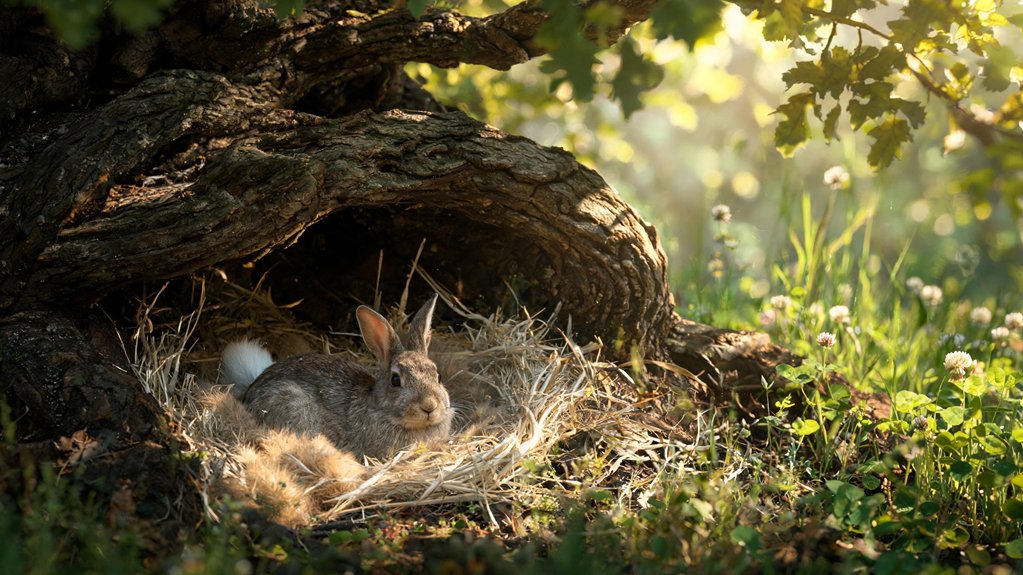
When envisioning where baby rabbits, or kits, are born, it’s essential to consider the specific species, as their nesting environments vary significantly.
European rabbits, or *Oryctolagus cuniculus*, typically dig extensive natal burrows deep underground. These complex warrens feature dedicated nursery burrows, where the mother—called a doe—lines the nesting chambers with grass, straw, and fur, usually on days 25–26 of pregnancy.
Notably, the nest preparations are swift, often completed within 2–3 days, or even just hours before the kits are born, ensuring a secure and warm environment for the vulnerable young.
In contrast, eastern cottontails, or *Sylvilagus floridanus*, adopt a different approach that requires minimal digging. They usually create shallow ground nests, or “forms,” situated about 10 to 15 centimeters deep, often tucked under cover such as dense grass or shrubbery.
Their maternal care is less intensive, typically focused on brief visits at dawn and dusk to care for the young.
For those seeking effective and reliable rabbit nesting solutions, understanding these species-specific behaviors can inform habitat management, helping ensure healthy wild populations or supporting domesticated breeding programs.

A win-win solution: The FXW Dog Playpen is designed to bring a win-win solution to you and your lovely dog. Different from a narrow enclosure cage or kennel, the FXW dog pen provides a spacious semi-open activity area specifically for your dog. Your dog will have fun in its safe and sturdy kingdom. Meanwhile, you can take a real break and be truly relaxed without worrying about your beloved pet. Fun, Relaxation and Well-being is the orientation of the FXW team.

Widely Used: The Metal Panels Can be Use Dog Fence Outdoor for Yard, Dog Play Pen Indoors, Dog Playpen, Portable Dog Playpen, Rabbit Playpen, Pet Play Pen, Fencing for Garden Beds, Garden Fences And Borders, Animal Barrier Fence, Camping Fence, Vegetable Fence, Decorative Garden Fence

【Anti-Rust Coatings Material】Kfvigoho puppy playpen made of heavy-duty metal, sturdy and durable, steel wire smooth and solid, pet dogs couldn't damage or chew it, anti-corrosion coatings and rust-proof process helps panels works well outdoor and extend its life, the indoor and outdoor dog pen great for people with dogs
European Rabbit Burrow Birth
In the wild, European rabbits, also known as Oryctolagus cuniculus, don’t give birth out in the open. Instead, the doe, or female rabbit, delivers her young inside a carefully constructed underground breeding burrow, commonly referred to as a “stop” or nesting chamber, located deep within the expansive rabbit warren.
This strategically situated burrow offers protection from predators and harsh environmental conditions, ensuring a safe environment for her offspring.
These burrows are typically built in soft, loose soil that facilitates easy digging, making it easier for rabbits to create secure hiding spots.
The breeding chamber is positioned at the bottom of the stop, where the doe lines it with dry grass, moss, and plant fibers to provide a warm, insulated environment.
She also adds plucked belly fur to further cushion the nursery.
After a gestation period of approximately 30 to 31 days, the doe gives birth to her litter.
The birth process generally lasts around 30 minutes but can sometimes extend longer, depending on factors such as the health and size of the doe.
Once the babies, or kits, are born, the entrance to the burrow is meticulously sealed with soil, maintaining a hidden and secure environment for the vulnerable newborns.
If you’re interested in supporting rabbits or creating a safe habitat in your backyard, understanding their nesting habits is essential.
Providing soft soil areas or maintaining natural burrows can foster a healthy rabbit population, whether for conservation, pet care, or pest management purposes.
Recognizing these natural behaviors allows for more effective coexistence and preservation strategies.
Cottontail Above-Ground Nests
If you’ve ever spotted a small “dip” in grass that looks slightly out of place, you might be near a cottontail’s baby-rabbit nest. Identifying these subtle signs can help you locate a hidden wildlife habitat, which is valuable for conservation and educational purposes.
Often, eastern cottontails are found in grasslands, hayfields, and well-maintained lawns, tucked close to shrubs or dense brush. These nests are typically within about 70 yards of these cover areas, making them accessible for observation or protection efforts. Understanding where and how these nests are built allows landowners, gardeners, and wildlife enthusiasts to foster a safe environment for young rabbits while managing their property.
The doe constructs a simple, slanting ground cavity, known as a “form,” by digging a shallow depression and lining it with dry grasses, leaves, and her own fur for insulation and camouflage. The nest cavity measures approximately 7 inches in length, 5 inches in width, and less than 5 inches deep, making it a cozy hideaway for her vulnerable offspring.
The mother visits the nest during dawn and dusk, nursing her babies briefly, which emphasizes the importance of minimizing disturbance in these areas.
Hares Use Shallow Forms
Hares don’t make the kind of cozy, lined nest that some people expect from “baby rabbits.” Instead of digging burrows, a female brown hare gives birth in a shallow scrape called a form—a tiny, flat depression in grass or soil. This specialized nesting site provides a discreet and secure environment for her vulnerable offspring, maximizing survival chances in the wild.
The habitat where the hare’s young are cared for is also called a form, because hares stay above ground, using these shallow depressions among tall grass, beneath bushes, or along hedges to protect their young from predators and harsh weather conditions. Unlike cottontail rabbits, which build enclosed nests, hares rely on these open, camouflaged forms to conceal their babies from predators, enhancing their chances of survival.
The mother hare employs a strategic approach to protect her young: she remains low and camouflaged, hiding effectively among foliage. She returns only once daily, typically in the evening, to nurse her offspring and ensure they receive vital nutrients in the safety of their natural cover. This quiet, low-profile method not only safeguards the young but also underscores the hare’s survival strategy in diverse environments.
For those seeking effective wildlife management, conservation, or eco-friendly landscaping, understanding this unique nesting behavior of hares provides valuable insight into their habits and habitat needs. Creating or preserving areas with tall grasses, shrubs, and hedgerows can foster suitable environments for hares and their forms, supporting biodiversity and promoting healthy ecosystems.
Wild Rabbit Nest Materials and Camouflage
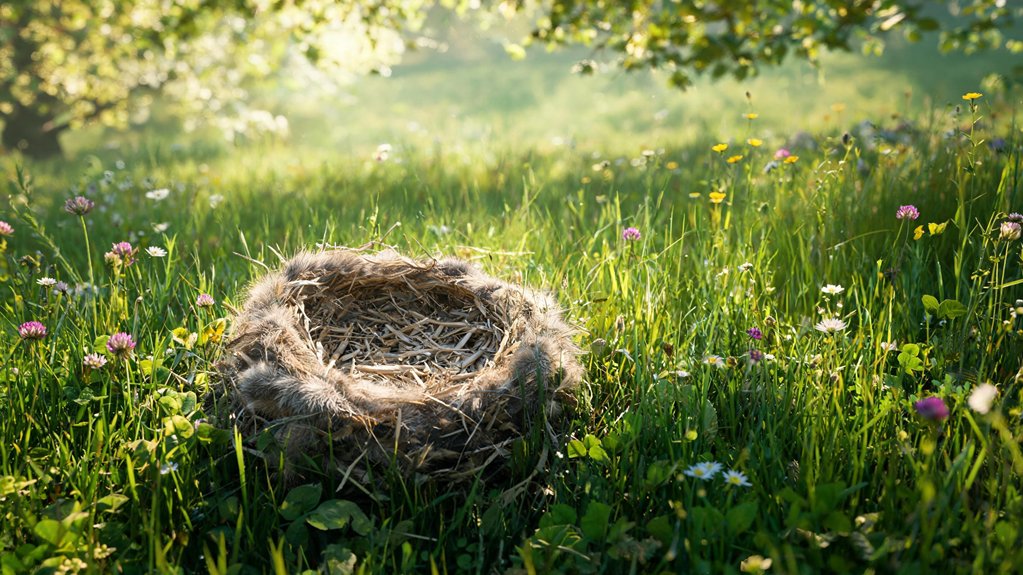
Once you know what to look for, rabbit nests can appear surprisingly natural and discreet in a backyard environment. Understanding the characteristics of rabbit nesting habits is essential for homeowners, landscapers, and wildlife enthusiasts aiming to protect and observe local rabbit populations.
Rabbits typically construct their nests in soft, well-drained soil areas close to dense brush or tall weeds, ensuring quick access to cover and foraging. The nest itself is a shallow bowl-shaped depression, measuring approximately 4 to 7 inches in diameter and 10 to 18 centimeters in depth, with a gentle dip in the center. This design provides optimal comfort and safety for the young.
The construction process involves lining the nest with dry grass, leaves, and soft dead grass, supplemented by shredded fur from the mother’s chest and belly, creating a cozy and insulated environment.
One of the most critical features of rabbit nests is their effective camouflage, which is vital for predator avoidance. Rabbits meticulously pull fine grasses and soft fur over the opening and surrounding areas, flush with the ground surface, seamlessly blending into tall weeds, hay, or surrounding natural debris.
Recognizing these well-hidden nests is crucial for protecting young rabbits during landscaping or garden maintenance, allowing you to take non-invasive steps to safeguard their habitat and promote a thriving local ecosystem. This knowledge enables you to implement wildlife-friendly gardening practices that support native species while maintaining a safe and beautiful yard.

Warmth for Small Animals & Turtles: This 11.8 x 8.2-inch, 25W heating pad provides a warm resting spot for rabbits, guinea pigs, chicks and turtles. For indoor enclosures and covered outdoor use.

Warmth for Kittens & Small Animals: This 15.7 x 11-inch, 30W heating pad provides a spacious resting surface for cats, kittens, rabbits and guinea pigs. For indoor use and covered outdoor pet houses.

SMALL ANIMAL HEATING PAD: Indoor/outdoor heated pad for rabbits, guinea pigs, chinchillas, ferrets, chickens, peeps & more; ideal for hutches, cages, pens, coops, garages & porches for cozy warmth
When Do Rabbits Start Nesting Before Birth?
Before your doe’s kits arrive, she usually starts nesting a little ahead of time—often several days before birth, and sometimes as little as a few hours. Understanding the timing of her nesting behavior can help you prepare an optimal environment to support a healthy, safe delivery.
In many does, the first digging or nesting instinct begins approximately 6 to 8 days before kindling, which is the day her kits are born. During this period, she carries hay, straw, or other nesting materials to build a comfortable and secure nest. You’ll notice her engaging in more intense, deliberate nest-building activities about 1 to 3 days prior to kindling, indicating the approach of labor. Fur pulling, a sign of nesting and preparing for the kits, typically starts within the last 24 hours and may occur just minutes before birth.
It’s important for rabbit owners to recognize that the window for nesting is relatively short, often beginning with initial nest-building behaviors and then culminating in the mother providing a snug, warm environment shortly before delivery. Monitoring these signs allows you to provide additional nesting materials or a quiet, safe space, ensuring your rabbit can nest effectively. This proactive approach helps promote a smooth birthing process, reduces stress on the doe, and increases the likelihood of healthy, thriving kits.

【6 Pack Reusable Bunny mat】You will get 6 pieces of large rabbit grass mats. Rabbit hay mat can be used as a cage lining and also their favorite chew toy! Our pet can dig at it and bite it and pull it apart and then can eat it.
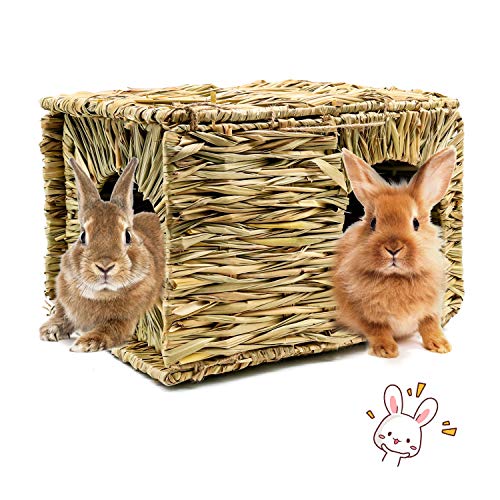
Larger Grass Playhouse for Your Furry Friend: Measuring 15'' x 11.4'' x 9.8'', this is the grass hut big enough for your full size adult rabbit or several bunnies, hamsters, chinchillas and ferrets! We also include extra nylon cable tie,so it's easy to tie the walls up and avoid them collapsing

Great Alternative To Wired Hay Racks --- Small animals like chinchillas, guinea pigs and rabbits tend to have more sensitive little paws. The grass bed acts as a barrier between your pet’s dainty paws and the hard wire cage bottoms.
How Often Do Does Nurse the Kits?
Most of the time, your doe nurses her kits only once or twice in a 24-hour period. This consistent nursing schedule provides essential nourishment to the young rabbits and ensures their healthy development. Understanding how often rabbits nurse their kits can help you better manage and care for your rabbitry, promoting strong, thriving litters.
Nursing typically occurs during the early morning and late evening hours, with individual visits lasting just 3 to 5 minutes. During these sessions, your doe enters the nesting area or burrow, straddles the litter, and allows her kits to suckle quickly. Recognizing these patterns enables you to observe natural behaviors and ensure your rabbit’s needs are adequately met.
Furthermore, the act of digging holes in the wild serves multiple vital purposes, including scent reduction, predator avoidance, and ease of concealment. Peak activity for rabbits often takes place late at night, especially during the early stages of lactation, ensuring the safety and nourishment of their young. By understanding these behaviors, you can create a safer, more supportive environment to encourage successful breeding and healthy kit rearing.

Superior Thermal Regulation with Alpaca: Unlike cotton which absorbs moisture and freezes, our alpaca wool for bird nesting is naturally water-repellent and hollow-cored for maximum insulation. This premium alpaca fiber for bird nesting acts as a thermal blanket, keeping delicate eggs warm and hatchlings dry during cold spring rains, ensuring a higher survival rate for local wildlife

Country Of Origin : United States
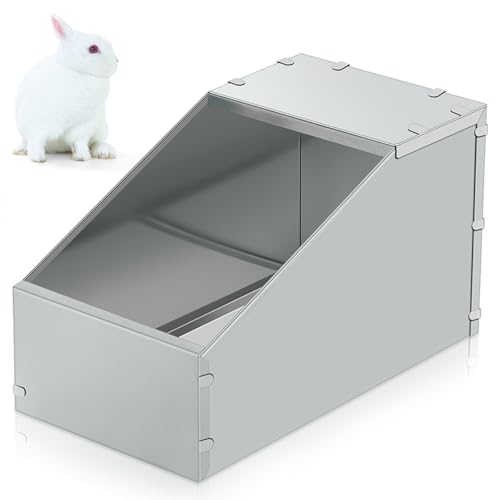
Package Included: the package includes 1 pieces of rabbit nesting box; You will need to assemble and use it after receiving it to provide your rabbit with a comfortable environment
Frequently Asked Questions
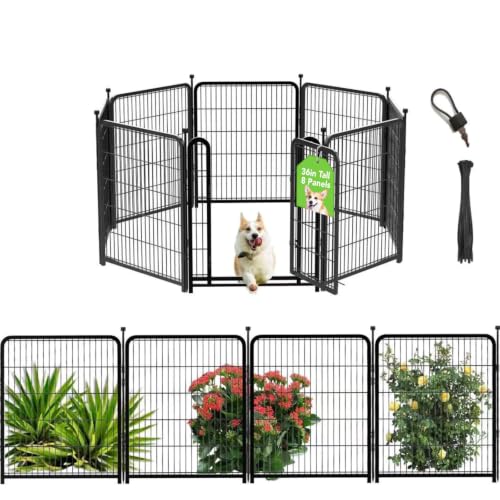
Widely Used: The Metal Panels Can be Use Dog Fence Outdoor for Yard, Dog Play Pen Indoors, Dog Playpen, Portable Dog Playpen, Rabbit Playpen, Pet Play Pen, garden fence, Fencing for Garden Beds, Garden Fences And Borders, Animal Barrier Fence, Camping Fence, Vegetable Fence

【Upgraded Design, Pet Paradise】: Safety, joy, and happiness are fundamental principles within the Petorldog team's philosophy. The Petorldog dog playpen, with its upgraded design surpassing traditional dog cages and kennels, redefines the pet experience, bringing an unprecedented level of enjoyment to you and your beloved furry companion. Creating a secure space for pet play, Petorldog's pen allows your pet to revel in the pleasures of the game within this safe and sturdy domain. Simultaneously, you can truly relax, free from worries about your cherished companion.

【Anti-Rust Coatings Material】Kfvigoho puppy playpen made of heavy-duty metal, sturdy and durable, steel wire smooth and solid, pet dogs couldn't damage or chew it, anti-corrosion coatings and rust-proof process helps panels works well outdoor and extend its life, the indoor and outdoor dog pen great for people with dogs
Why Do Rabbits Dig Holes in the Ground?
You’ll see rabbits dig holes because they need safe shelters, escape routes from predators, and protected spots for resting and raising their babies. These burrows provide essential safety and security for their vulnerable young, ensuring their survival in predator-rich environments.
Additionally, digging helps rabbits with vital activities such as foraging for food, managing their body temperature in extreme weather conditions, and maintaining their extensive network of burrows and territorial boundaries. By understanding these behavioral needs, property owners, farmers, and wildlife enthusiasts can implement effective rabbit management solutions. Installing durable, rabbit-proof fencing and creating designated safe zones can help protect gardens, crops, and natural habitats while supporting the natural behaviors of rabbits in a humane and sustainable way.
Where Do Rabbits Nest in Suburban Yards?
Believe it or not, rabbits often establish their burrows in shallow ground depressions located throughout suburban yards. These nesting sites are commonly found mid-lawn areas, near vibrant garden borders, beneath dense shrubs, within dense brush piles, or along secured fence lines—prime locations that provide cover and concealment.
To effectively attract or protect these natural habitats, homeowners should consider installing rabbit-friendly landscaping features such as natural brush piles or low-lying foliage strategically placed around their yard. Covering these areas with a layer of grass, leaves, and pulled fur not only helps rabbits feel safe but also encourages their continued presence, making your yard an ideal environment for these gentle creatures. By understanding and enhancing their nesting preferences, you can create a welcoming environment that supports local wildlife, adding both beauty and ecological value to your outdoor space.
Do Rabbits Make Nests or Just Burrows?
Rabbits make nests, not just burrows. Many wild rabbit species, such as European rabbits and cottontails, form shallow, bowl-like surface nests lined with grasses, fur, and other soft materials under cover, providing a safe and comfortable environment for their young.
Some rabbit species also utilize burrows as shelter or, depending on the specific species and environment, for birthing purposes. These burrows offer additional protection from predators and harsh weather conditions. To ensure the health and safety of local rabbit populations, it is crucial not to disturb their nests or burrows.
If you’re interested in supporting rabbit conservation or creating a safe habitat, consider installing rabbit-friendly features in your outdoor space, such as providing natural nesting materials or maintaining undisturbed shrubbery and grass cover. By doing so, you help protect these essential nesting sites and promote healthy, thriving rabbit populations in your area.
How Do Baby Rabbits Survive Inside the Nest?
Baby rabbits survive inside the nest because you often can’t see them hiding, providing essential protection from predators and environmental threats. They stay warm in a shallow, grass-and-fur lined hollow that offers superior insulation, helping to regulate their body temperature in varying weather conditions. Nursing briefly once or twice daily, their tiny, furless bodies depend on the nest’s structure for warmth and safety.
Their ability to remain concealed is crucial for their survival, as camouflaging within the nest reduces their visibility to predators, enhancing their chances of survival. The stillness they maintain within the hollow further minimizes detection, making the nest a secure refuge. For optimal baby rabbit care, consider providing a similar insulated, well-hidden habitat to ensure their safety and promote healthy growth, whether in wild settings or controlled environments.
Do Wild Rabbits Live in Burrows, Warrens, or Open Forms?
Wild rabbits typically choose between burrows, warrens, or open forms, depending on their species and habitat preferences. You’ll find burrowing species, such as European wild rabbits, living in extensive tunnel systems and underground warrens that provide safety from predators and harsh weather conditions. These burrows serve as secure nesting sites and safe spaces for young rabbits.
On the other hand, cottontails, a common type of wild rabbit, usually opt for shallow forms or scrapes—open-ground nests located above ground. These shallow forms allow them to quickly hide and escape from danger, offering an excellent solution for rabbits that prefer surface living.
Whether you’re managing land for wildlife conservation or developing a habitat that encourages healthy wild rabbit populations, understanding these habitat preferences is essential. Providing proper shelter options like secure burrows or safe open nesting sites can foster robust wild rabbit communities, contributing to a balanced ecosystem. Invest in strategic habitat planning today to support these adaptable creatures and enjoy the benefits of thriving rabbit populations on your property.