You might feel grossed out, but rabbits aren’t doing it for fun. They eat their softer “night feces,” called cecotropes, which are nutrient-rich grape-like blobs made in the cecum, a fermentation chamber. First-pass digestion can’t break all fiber, so bacteria ferment it.
Then they re-eat cecotropes to absorb vitamins and extra calories, usually within 8–19 hours after eating. If they skip cecotropes, go mushy, or stop eating pellets, you’ll want to act fast—keep going to learn what to do.
Swift Summary
- Rabbits practice cecotrophy (coprophagy) to re-eat nutrient-rich cecotropes produced in the cecum.
- Cecotropes contain beneficial gut bacteria that help break down fiber in a second round of digestion.
- Tough plant fiber can’t be fully digested in one pass, so fermentation in the cecum improves nutrient absorption.
- By re-eating cecotropes, rabbits recycle vitamins and increase energy uptake from volatile fatty acids.
- Skipping or producing abnormal cecotropes can signal digestive imbalance, diet issues, or pain, requiring veterinary advice.
Why Do Rabbits Eat Their Own Poop?
You’ll often see your rabbit hop away, then suddenly munch their own soft poop, and that can feel gross until you understand the purpose behind it. Many rabbit owners wonder, why do rabbits eat their poop?
This behavior is known as coprophagy, a natural and essential part of their digestion process.
Rabbits practice coprophagy to maximize nutrient absorption. Since they can’t fully break down tough plant fiber in a single pass, undigested nutrients remain in the cecum, where beneficial bacteria ferment them into usable protein and B vitamins. cecotropes contain important bacteria
The soft droppings, also called cecotropes, deliver this “second meal,” providing vital nutrients like vitamin K necessary for healthy blood clotting.
This process helps maintain a balanced gut microflora, supports steady digestion, and allows your rabbit to efficiently stretch limited food resources.
Understanding and supporting this natural behavior is crucial for promoting your rabbit’s overall health, vitality, and well-being. Providing high-quality, fiber-rich food and a clean, stress-free environment can ensure your rabbit maintains optimal digestion and enjoys a happy, healthy life.

SUPPORTS DIGESTIVE HEALTH IN RABBITS & GUINEA PIGS: Helps maintain healthy digestion in rabbits & guinea pigs; ideal for pets with sensitive stomachs or prone to GI stasis, promoting better gut motility, nutrient absorption, & overall digestive wellness
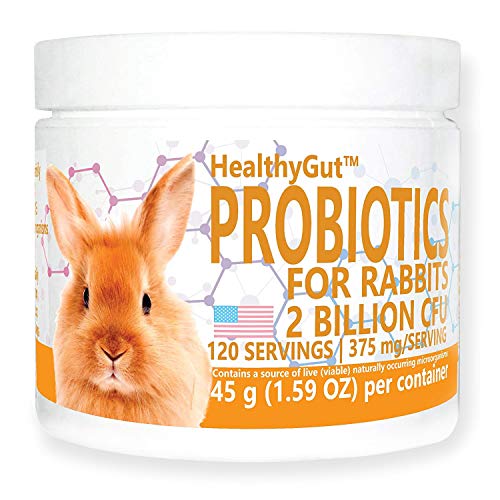
PROBIOTICS FOR RABBITS: HealthyGut Probiotics for Rabbits holistically promotes normal digestion, helps defend against effects from stress, aids relief from digestive upset or antibiotic use, and aids general microbiome support for your rabbit
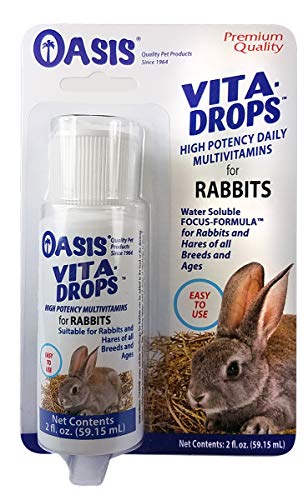
PROMOTES OVERALL HEALTH: Specially formulated to provide rabbits the essential vitamins and antioxidants supports joints & bones, improves skin & coat health, and is easy to digest.
What Are Cecotropes, and How Are They Different?
So, what exactly are cecotropes, and how do they differ from the typical fecal matter your rabbit produces? Cecotropes—also known as caecotropes, night feces, or soft feces—are nutrient-rich reproductive packages formed in the cecum, a critical part of your rabbit’s digestive system. These specialized droppings are vital for your rabbit’s health because they contain essential nutrients, vitamins, and probiotics that are re-ingested to optimize nutritional absorption. cecum Cecotropes form during fermentation of food in the cecum.
Cecotropes appear as shiny, dark grape-like clusters, often nearly black or greenish-brown in color. They’ve a distinct soft, rubbery, mucus-coated texture, setting them apart from the more common, firm, dry, and dull fecal pellets.
Regular fecal pellets are compact, round, and primarily composed of indigestible fiber, serving as the final waste product in the digestive process.
In contrast, cecotropes often exit the rabbit’s body as one elongated mass, rather than individual pellets, emphasizing their unique composition and role. Recognizing these differences is key to ensuring your rabbit’s diet and digestive health are properly managed.
Additionally, understanding normal cecotrope production helps you identify abnormal conditions like diarrhea—watery, unformed stool—which could indicate health concerns.
Monitoring the presence and condition of cecotropes can be a proactive approach to maintaining your rabbit’s overall well-being, making these nutrient-filled droppings an essential focus for responsible pet care and health optimization.

NUTRIENT DENSE FOR ALL: Crafted to meet the dietary needs of all your furry friends, our rabbit pellets are packed with essential nutrients, perfect for bunnies of all ages. From baby bunnies to mature rabbits, we've got their nutrition covered!

COMPLETE NUTRITION IN EVERY BITE: Oxbow EVERYBite foods are expertly crafted to deliver balanced, complete nutrition in every serving; Each uniform pellet provides adult rabbits with all the essential nutrients needed for lifelong health and vitality
How Cecotrophy Helps Digestion and Nutrient Use
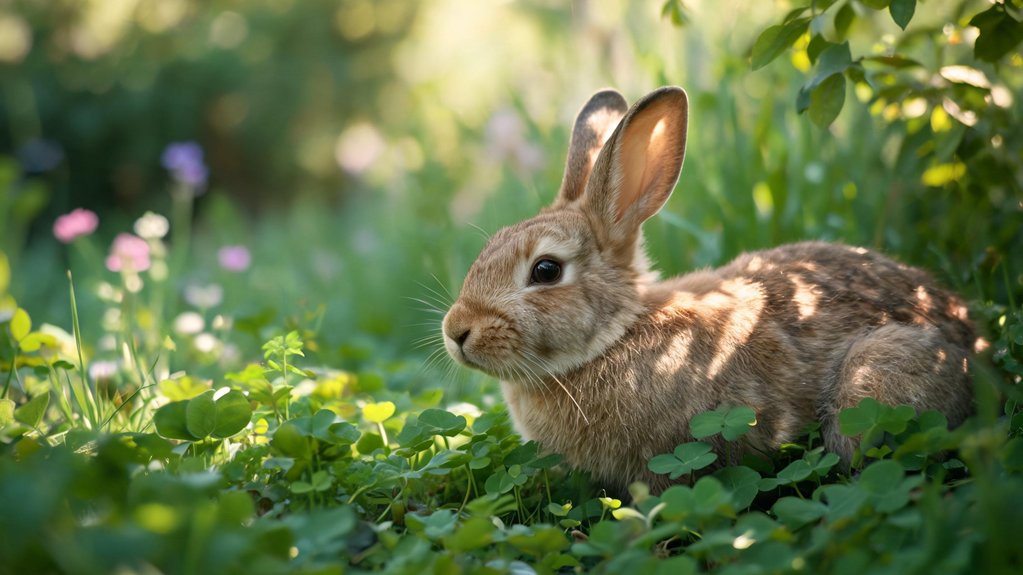
Cecotrophy significantly enhances your rabbit’s nutrient absorption and digestive efficiency, starting with the cecum. Think of the cecum as a highly specialized fermentation chamber powered by beneficial microbes that break down tough plant fibers, making nutrients more accessible. This natural process ensures that your rabbit maximizes the nutritional value of its diet, promoting better health and sustained energy levels.
Cecotrophy boosts nutrient absorption as the cecum ferments tough fibers, maximizing diet value for healthier, sustained energy.
Hindgut fermentation happens in the retained portion of the diet within the cecum, where efficient fermentation occurs before cecotropes are produced. When your rabbit re-eats the soft cecotropes, these nutrient-rich, semi-digested materials undergo a second digestive pass. This recycling process allows for increased absorption of essential nutrients, including fiber, calories, and energy, which are converted into volatile fatty acids that support overall vitality.
Additionally, cecotropes return vital microbial proteins, amino acids, B-vitamins, and other water-soluble nutrients produced by cecal bacteria. By encouraging higher levels of cecotrophy, you create an optimal environment for continuous, efficient digestion and nutrient utilization. This natural recycling system is crucial for maintaining a healthy, energetic rabbit.
Incorporating high-quality, specialized rabbit diets that promote cecotrophy can lead to improved health, better nutrient intake, and a more resilient digestive system. Invest in solutions that support this essential process for healthier, happier rabbits.

Papaya Digestive support tablet, flavored with real premium papaya, pineapple (natural sources of digestive enzymes papain and bromelain) and banana that pets grow to love. No Artificial flavors, colors or preservatives.

HAND-SELECTED TIMOTHY HAY FOR RABBITS, GUINEA PIGS, CHINCHILLAS, & SMALL ANIMALS to ensure long fiber strands and proper leaf to stem ratio

NATURAL ENZYME DIGESTIVE SUPPORT: Chewable hay-based tablets made with papaya and pineapple deliver natural papain and bromelain enzymes, supporting gentle digestion and nutrient absorption for rabbits, guinea pigs, chinchillas, and other small pets.
When Cecotrope Eating Is Normal vs Concerning?
You’ll usually see normal cecotropes early in the morning as shiny, grape-like soft clusters that your rabbit immediately recognizes and picks up. These cecotropes are a vital part of your rabbit’s digestive process, providing essential nutrients and benefiting overall health. Monitoring these early morning signs allows rabbit owners to ensure their pet’s digestive system remains balanced and functioning properly.
However, if you notice excessive amounts of uneaten cecotropes during the day, mushy piles, or cecotropes stuck to fur around the rear, it indicates that something may be off with your rabbit’s digestive health. Such signs are often accompanied by a drop in dry pellet consumption and an increase in soft stool, both of which warrant attention. Addressing these issues promptly can prevent underlying problems from worsening.
Common causes include sudden diet changes, insufficient long-stem hay, or the overfeeding of calorie-rich treats. These factors can disrupt the beneficial bacteria in your rabbit’s cecum, leading to digestive upset and the production of abnormal cecotropes.
To maintain optimal gut health, keep treats low in sugar and calories, ensure your rabbit always has access to high-quality hay, and consult with a rabbit-savvy veterinarian if abnormal cecotrope patterns persist for more than a few days. Using targeted digestive health supplements or probiotics may also support your rabbit’s gut flora and promote consistent, healthy cecotrope production.

🐰 OPTIMAL DIGESTIVE BALANCE: Specially formulated to meet the unique needs of hindgut fermenters. This high-potency powder introduces beneficial live cultures that support robust intestinal flora, aiding in the efficient breakdown of complex fiber.

Premium Digestive Care - Our plant-based probiotic bites are coated in timothy hay that support your rabbit, guinea pig, or small pet’s gut health naturally. Human-grade ingredients mean you're giving your furry friend the same quality you'd expect for yourself.

PROBIOTICS FOR RABBITS: HealthyGut Probiotics for Rabbits holistically promotes normal digestion, helps defend against effects from stress, aids relief from digestive upset or antibiotic use, and aids general microbiome support for your rabbit
Normal Morning Cecotrope Pickup
Watching for morning cecotrope pickup can feel surprising at first, but it’s often completely normal. Your rabbit typically produces soft, grape-like cecotropes during the quiet early morning hours. These nutrient-rich “night droppings” are re-eaten directly from the anus, so you may not notice them initially.
When you do observe these cecotropes, your rabbit will be in a grooming-like rest position, which indicates normal behavior rather than stress.
Cecotropes have a stronger, fermented smell compared to dry pellets and are key to your rabbit’s digestive health. Each rabbit has its own specific timing for producing and re-ingesting cecotropes, often occurring before you start your day.
To support a healthy cecal fermentation cycle and ensure your rabbit’s optimal nutrition, it’s essential to provide a consistent supply of high-quality hay. This approach not only encourages natural cecotrope production but also enhances overall digestive wellness, making your rabbit happier and healthier.
Uneaten Or Abnormal Cecotropes
Sometimes your rabbit won’t eat the cecotropes right away, and that can look messy or alarming, until you understand what “normal” looks like. Look for soft, shiny, grape-like clusters of cecotropes, or see them smeared on fur or bedding, which may indicate incomplete consumption. If you notice sticky piles alongside normal round pellets, it’s a sign of uneaten cecotropes that require attention.
Common causes of this issue include soft cecal output resulting from cecal dysbiosis, high-calorie or imbalanced diets, or intestinal parasites. Pain-related behaviors from conditions such as arthritis, spine issues, or dental problems can also suppress normal cecotrope consumption. Monitoring the size, stickiness, and odor of these droppings can help you identify underlying health concerns early.
To prevent and address uneaten cecotropes, ensure your rabbit’s diet is properly balanced with sufficient fiber and probiotic support to promote healthy cecal fermentation. Regularly inspect your rabbit’s droppings and provide pain management or veterinary care if discomfort or persistent abnormal cecotrope behavior occurs. For optimal rabbit health and vitality, consult a rabbit-savvy veterinarian promptly if these signs persist or worsen.
Diet Changes Affect Gut Flora
When your rabbit’s cecotrope routine shifts after a diet change, it doesn’t always indicate a health problem. Your bunny consumes cecotropes to efficiently reuse vital nutrients produced in the cecum, a fermentation chamber teeming with beneficial gut microbes essential for optimal digestion and overall health.
If you modify their diet abruptly by switching pellets, introducing new greens, or offering treats too quickly, you can disrupt this delicate microbial community. Typically, you’ll observe temporary changes as the gut microbiota adjusts to the new diet.
To support your rabbit’s digestive health, ensure constant access to high-quality hay, primarily timothy or grass hay, which fosters a stable gut environment. Transition to new foods gradually over 2 to 4 weeks—replace old foods slowly to prevent digestive upset, and prioritize moderate leafy greens while minimizing sugary items that can cause imbalances.
Watch for concerning signs such as persistent soft stool, absence of cecotropes, or lethargy, which could indicate underlying issues.
Using a carefully planned diet transition and maintaining a nutrient-rich, fiber-dense feeding routine can help sustain your rabbit’s gut flora, promoting longevity and vibrant health. Choose trusted commercial rabbit food brands and consult with a veterinarian for personalized dietary recommendations to ensure your pet’s gut health remains optimal.
Diet and Gut Imbalance Signs in Cecotropes
If you notice your rabbit’s cecotropes, which are the soft, grape-cluster droppings that rabbits eat as a vital part of their digestive process, look for signs of diet and gut imbalance. Soft, misshapen, mushy, or paste-like cecotropes can indicate cecal dysbiosis, a condition where the gut bacteria balance is disrupted. Addressing this issue requires evaluating and optimizing your rabbit’s diet to restore healthy gut flora. Probiotic supplements made for rabbits may help rebuild healthy gut flora after stress or antibiotic use, but they work best alongside dietary changes.
Soft, misshapen cecotropes may signal cecal dysbiosis—review diet and restore gut flora with fiber-focused changes.
Sticky piles that smear fur often result from a diet low in indigestible fiber and high in pellets, cereal, or concentrates. These dietary choices can compromise gut health and lead to abnormal cecotropes.
Meanwhile, large puddle-like masses resembling diarrhea suggest a more significant gastrointestinal disturbance that needs prompt attention.
Additionally, if you frequently find many uneaten, soft cecotropes outside of normal times, it likely indicates the diet is too rich in sugar or starch, further upsetting gut microbial balance.
Ensuring a nutritious, fiber-rich diet supported by quality supplements can help maintain optimal gut health.
Addressing these signs early with targeted dietary adjustments and gut-balancing solutions will promote the digestive well-being essential for your rabbit’s overall health, vitality, and happiness.
Consider consulting with a rabbit care specialist to develop a comprehensive plan that restores and maintains a healthy gut environment.

From HealthyAnimals4Ever: This Rabbit digestive supplement gives owners a natural, everyday option to support gut comfort and overall digestive wellness, whether caring for a single rabbit or a larger group of rabbits at home

Specially formulated for small herbivores: Designed to support rabbits, guinea pigs, chinchillas, and other small herbivores who have stopped eating due to stress, illness, or other traumatic events.

EASY TO MIX FORMULA: This powdered formula blends quickly and smoothly with water to the desired consistency, making preparation simple and convenient; Perfect for providing your small pet with essential nutrition without any hassle or extra effort
What to Do to Support Normal Cecotrope Eating
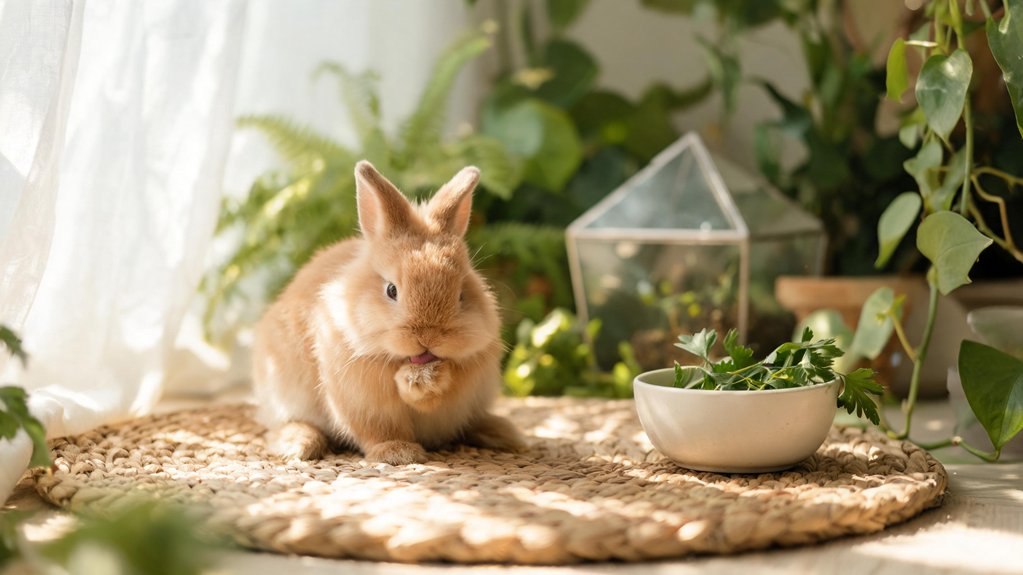
To support your rabbit in eating their cecotropes normally, prioritize creating a routine that’s calm, consistent, and minimally stressful. Ensure the environment is quiet by placing their enclosure in a low-traffic area, and include a covered hide or shelter to provide a sense of security.
Maintaining a clean, dry, and non-slip bedding surface is essential to promote comfortable movement and natural behaviors such as cecotrophy, which is most effective when your rabbit can perform it undisturbed.
Enhance overall health and facilitate normal cecotrope consumption by maintaining your rabbit’s ideal weight through a balanced diet, encouraging daily gentle exercise, and keeping their nails properly trimmed to ensure good traction.
Regularly inspect the vent area and groom long-haired rabbits to prevent matting and ensure they can reach their hindquarters comfortably for cecotrophy.
Monitor the appearance of cecotropes, which should be shiny, grape-like, and produced approximately 8 to 19 hours after feeding—often overnight or early morning.
Properly supporting this natural process boosts digestive health, provides vital nutrients, and prevents potential health issues.
Implement a schedule of regular veterinary checkups with a professional experienced in rabbit care to detect and address any underlying health concerns that may interfere with normal cecotrope intake. If your rabbit is unwell or not eating normally, supportive feeding options such as Critical Care recovery foods may help, but they are not a substitute for veterinary care.
Invest in enhancing your rabbit’s environment and daily routine—these solutions promote the natural instinct of cecotrophy, ensuring your rabbit’s health, well-being, and nutritional intake are maintained at optimal levels.
If Your Rabbit Won’t Eat Cecotropes, What Now?
If your rabbit refuses to eat cecotropes, begin by inspecting them carefully. Look for sticky, shiny “grape-like” clusters, which indicate healthy cecotropes, as opposed to true liquid diarrhea. Also, check for a sour smell or any extra mushy material accumulated under the rabbit’s tail, which can suggest digestive issues. Recognizing these signs early helps target the right intervention.
Next, optimize your rabbit’s diet to promote digestive health and encourage cecotrope consumption. Switch primarily to high-quality fresh grass hay, such as timothy or orchard grass, which provides essential fiber and supports gut motility. Keep pellets measured, and avoid free-feeding or offering constant treats, as excess starchy foods can disrupt normal digestion.
Ensuring a fiber-rich diet at every meal helps regulate bowel movements and stimulates cecotrope production.
If your rabbit continues to reject cecotropes for more than 24 hours or exhibits symptoms like fewer round droppings, diminished appetite, bloating, or if they adopt painful postures such as hunched stance, seek immediate veterinary care from a qualified exotic pet veterinarian. Prompt diagnosis and treatment are crucial to prevent serious gastrointestinal complications and ensure your rabbit’s optimal health.

PROUDLY GROWN IN THE USA: Harvested fresh from Oxbow?s family of farms by our expert hay growers˜

PREMIUM INGREDIENTS: This high-fiber supplement is formulated with stabilized Vitamin C and other vital ingredients to support the health of your guinea pig, rabbits, and other small pets; A perfect addition to guinea pig food and pet vitamins
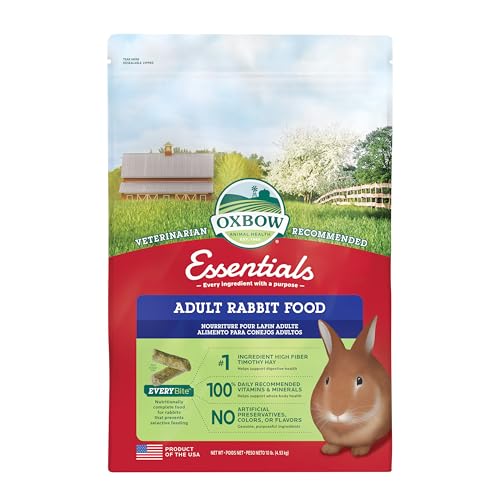
COMPLETE NUTRITION IN EVERY BITE: Oxbow EVERYBite foods are specially formulated to deliver balanced, complete nutrition in every serving; Each bite ensures your rabbit gets the essential vitamins and minerals needed for a healthy, active, and happy life
Check Cecotropes Texture Odor
Check your rabbit’s cecotropes carefully, much like you’d examine fresh food. The texture and smell provide vital clues to their health status and whether your rabbit is properly digesting nutrients.
Normal cecotropes appear as soft, shiny, grapelike or mulberry-like clusters of tiny pellets adhered together with a mucous coating, which is slippery and gelatinous in texture. The color typically ranges from dark brown to blackish-green, and they emit a strong, pungent, fermented odor. These indicators are essential for early detection of digestive issues or nutrient deficiencies.
If you notice mushy, paste-like, or merged blobs, or if the smell becomes markedly fouler, it may indicate your rabbit is refusing to consume them, possibly signaling discomfort or health concerns. Remaining soft and uneaten cecotropes after 24 hours should prompt an immediate consultation with an exotic pet veterinarian.
Addressing these signs promptly can prevent more serious health problems and support your rabbit’s optimal digestive health and overall well-being.
Adjust Diet And Fiber Level
When your rabbit refuses to eat cecotropes, adjusting their diet becomes the most effective and immediate solution. Prioritize providing a diet composed of 80 to 90 percent grass hay, such as premium Timothy or Orchard hay, which serves as the cornerstone of digestive health and optimal fiber intake. Ensure unlimited access to long-strand hay, making it the main focus of their daily nutrition—aiming for about the size of your rabbit’s body in hay each day to promote healthy gut motility and prevent gastrointestinal issues.
Next, optimize fiber levels by significantly reducing pellets and sugary treats, which can disrupt digestive balance. For adult rabbits, limit plain Timothy pellets to approximately 1/8 to 1/4 cup per 5 pounds of body weight to prevent excessive calorie intake and ensure high-quality fiber consumption. Completely avoid feeding fruit, seed sticks, and starchy foods for at least two weeks, as these can interfere with normal digestion and cecotrope production.
After this initial adjustment, introduce moderate amounts of non-starchy, leafy greens—about 2 cups per 5 pounds of body weight—gradually over a 7 to 10-day period. Focus on leafy greens rich in fiber and essential nutrients, such as kale, romaine, or cilantro, to help restore gut health and stimulate natural cecotrope production. Monitor your rabbit’s droppings carefully throughout this process to assess digestion improvements and ensure a successful dietary transition.
This strategic, solution-oriented approach will help restore your rabbit’s digestive function and promote overall health and well-being.
When to Call the Vet About Cecotropes
Cecotropes are your rabbit’s “second-chance” droppings, and they should typically be consumed directly from the source, not left scattered around the enclosure. Monitoring your rabbit’s droppings is crucial; if you notice watery, liquid stool, or if there are no normal round pellets for about eight hours, it’s urgent to contact a rabbit-savvy veterinarian immediately. Prompt veterinary consultation can help address potential underlying health issues such as gastrointestinal stasis or malnutrition before they escalate.
Keep an eye out for significant behavioral changes, marked lethargy, or a swollen, hard, painful abdomen, as these are signs of serious health concerns. Additionally, if you discover fly eggs or maggots near your rabbit’s tail, act swiftly to seek professional veterinary advice.
For softer, sticky cecotropes, try increasing hay intake and reducing pellet portions; however, if these issues persist for over 24 hours or continue beyond seven days, schedule a prompt veterinary appointment.
Persistent messy cecotropes over a two to three-week period may indicate ongoing health problems that require immediate veterinary assessment. Proper management of cecotrope health not only ensures your rabbit’s comfort but also supports their overall digestive health, making regular consultation with a rabbit-savvy veterinarian essential for maintaining optimal wellness.

DIGESTION SUPPLEMENT FOR SMALL PETS: HomeoPet Digestive Upsets for small animals is a natural supplement that may help support animal digestion. It may help reduce problems with digestion, such as appetite loss, gas, diarrhea/wet tail, and constipation.

Digestive Health Support: Combines natural probiotic strains that work synergistically to enhance and maintain healthy digestive function in ferrets and other small animals, helping alleviate diarrhea and digestive distress.
Frequently Asked Questions

VET-FORMULATED URINARY SUPPORT: Promote urinary tract health in rabbits, guinea pigs, and small pets with a veterinarian-developed blend of cranberry, astragalus root, pumpkin seed, and dandelion leaf for bladder and kidney wellness.

Urinary Function Support: High-fiber, timothy hay–based biscuits formulated to help maintain normal urinary function and everyday comfort
Why Do Rabbits Eat Cecotropes and Not Hard Fecal Pellets?
You eat cecotropes, not hard pellets, because cecotropes are nutrient-rich “night feces” packed with essential vitamins, proteins, and beneficial microbes that support optimal health. These nutrient-dense compounds are specifically designed by your rabbit’s digestive system to be re-ingested for maximum nutrient absorption.
Re-consuming cecotropes ensures your rabbit benefits from vital nutrients that are otherwise lost in the formation of hard fecal pellets, which mainly serve as fiber waste. This natural process enhances digestive efficiency and promotes overall well-being.
Choosing the right diet and environment that encourages healthy cecotrope production is crucial for maintaining your rabbit’s health. Understanding this unique re-ingestion behavior allows pet owners and breeders to provide tailored nutrition plans, premium rabbit food, and supportive supplements to optimize their pet’s vitality. Ensuring your rabbit eats cecotropes is an effective way to promote digestive health and long-term vitality, making it an essential aspect of responsible rabbit care.
Are Cecotropes Safe, or Could They Spread Illness?
Yes, cecotropes are generally safe and play a crucial role in maintaining your rabbit’s optimal gut health. Allowing your rabbit to consume these nutrient-rich droppings is essential for their digestive system and overall well-being.
However, if you notice that cecotropes are abnormal in appearance, smell, or consistency, or if your rabbit refuses to eat them, it may indicate an underlying health issue. In such cases, it is vital to consult a qualified exotic veterinarian promptly to ensure proper diagnosis and treatment. Investing in high-quality rabbit care products and timely veterinary attention can help prevent gastrointestinal problems and support your pet’s long-term health and vitality.
What Happens if My Rabbit Stops Eating Cecotropes?
If your rabbit stops eating cecotropes, it’s like skipping essential nutrients—your bunny misses out on vital B vitamins, amino acids, and high-quality protein that are crucial for overall health and well-being. This behavior can indicate underlying digestive issues or metabolic imbalances that require prompt attention to prevent further health complications.
Addressing this issue quickly with targeted interventions, such as probiotic supplements, dietary adjustments, or veterinary-recommended treatments, can restore normal gut function and ensure your rabbit receives the necessary nutrients. Providing high-furity fiber-rich hay and pelleted feeds alongside fresh vegetables supports natural cecotrope production and consumption. Invest in quality rabbit healthcare products and consult a rabbit-savvy veterinarian to develop a comprehensive health plan, safeguarding your pet’s digestive health and preventing conditions such as gastrointestinal stasis or diarrhea-like stools.
Why Are Cecotropes Stuck to My Rabbit’s Fur Sometimes?
Cecotropes stick to your rabbit’s fur when they are soft or overproduced, often as a result of dietary imbalances such as insufficient hay intake or excessive pellet consumption. Providing a balanced, nutrient-rich diet with ample high-quality hay can help regulate cecotrope production, reducing the likelihood of them sticking to your rabbit’s fur.
Pain, stress, and limited mobility can impair a rabbit’s ability to perform proper grooming and eat normally. Ensuring a comfortable, stress-free environment along with regular health checkups can improve grooming habits and overall digestive health. If cecotropes continue to cling to your rabbit’s fur despite dietary adjustments and stress management, consulting a veterinarian specializing in exotic or rabbit-specific care is essential for targeted solutions and to address any underlying health issues.
Can Stress or Diet Changes Affect Cecotrope Eating?
Yes, stress levels and diet changes can significantly impact a rabbit’s cecotrope eating behavior. Sudden shifts in environment or routine can disrupt the digestive process, leading to mushy or unformed cecotropes that rabbits may find unappealing or refuse to consume.
To promote consistent cecotrope ingestion and overall digestive health, it is essential to maintain a stable diet rich in high-quality hay and introduce any dietary adjustments gradually. Minimizing environmental stressors—such as excessive handling, loud noises, or abrupt habitat changes—can help ensure your rabbit maintains its natural behaviors.
Investing in appropriate dietary supplements, probiotic or fiber-rich products, and a calm living space can optimize cecotrope production and encourage healthy reingestion. Prioritize a balanced approach and consult a rabbit-savvy veterinarian to develop a tailored care plan that supports your pet’s digestive wellness and reduces the risk of digestive issues.