If your rabbit stops eating or you see no normal poop for 8 to 12 hours, don’t wait—act fast. First, offer unlimited fresh hay and fresh water, and keep them warm and calm. Then call a rabbit-savvy exotic vet right away because gut stasis, which is a slow gut, or an obstruction, a blockage, can get worse quickly.
Watch for signs such as hunched posture, teeth grinding, cold ears, or no stool at all. Treatment often requires pain control, fluids, and prokinetics—so keep going to learn more.
Swift Summary
- If your rabbit has no food and no normal droppings for 8–12 hours, treat it as an emergency and contact a rabbit-savvy exotic vet immediately.
- No eating with complete stool stoppage within hours can indicate obstruction, often with guarding, hunched posture, and abdominal pain.
- In GI stasis, appetite loss usually develops over 2–7 days, with reduced, smaller, dark, dry, scant pellets as motility slows.
- Provide unlimited fresh hay and water, keep the environment warm and calm, and avoid random laxatives or medications while waiting.
- Monitor every hour for eating and fecal output, and seek urgent care if there’s no improvement, cold ears, teeth grinding, or lethargy.
Rabbit Not Eating: Act Fast (6–12 Hr Rule)
If your rabbit stops eating, don’t wait and hope it passes—act swiftly. In the critical first 6 to 12 hours, your primary goal is to implement the correct emergency protocol immediately. Rabbits need to eat regularly to keep the gut moving. Begin by thoroughly checking your rabbit’s hay, ensuring it has fresh, high-quality forage, and verify that fresh water is available at all times. Observe their droppings carefully; a lack of feces for more than 12 hours is a sign of a serious medical emergency requiring urgent intervention. If your rabbit has gone without food or feces for over 12 hours, treat this situation as an urgent veterinary emergency. Contact a rabbit-savvy exotic veterinarian without delay, even if only a few hours have passed. Prompt professional assessment is essential to prevent potentially life-threatening conditions such as gut stasis and shock. In addition to seeking veterinary care, keep your rabbit warm using suitable insulating materials, minimize stressful stimuli in its environment, and avoid attempting to force-feed without professional guidance. Proper emergency action today can make the difference between recovery and tragic outcomes, so prioritize swift, informed intervention to support your rabbit’s health and prevent further complications.

Papaya Digestive support tablet, flavored with real premium papaya, pineapple (natural sources of digestive enzymes papain and bromelain) and banana that pets grow to love. No Artificial flavors, colors or preservatives.

PROBIOTICS FOR RABBITS: HealthyGut Probiotics for Rabbits holistically promotes normal digestion, helps defend against effects from stress, aids relief from digestive upset or antibiotic use, and aids general microbiome support for your rabbit

Homeopathic Digestive Support Formula: HealthyAnimals4Ever Rabbit Gastrointestinal Stasis Treatment combines Four active homeopathic ingredients, Calc Phos, Ferr Phos, Mag Phos, and Nat Sulph, to support digestive comfort in rabbits
Stasis Vs Obstruction: Key Signs To Watch
When your rabbit stops eating, understanding the pattern of their eating behavior is crucial, as it provides key clues about potential health issues. You’re asking yourself, why would a rabbit suddenly stop eating? Differentiating between gastrointestinal stasis and an obstruction can be lifesaving. In cases of GI stasis, appetite loss develops gradually over a period of 2 to 7 days. During this early stage, the rabbit may also have decreased or absent fecal production as motility slows and intake drops. Initially, the rabbit may stop eating pellets, followed by a reduction in hay and leafy greens intake. During this early stage, they might still be interested in favorite treats, offering a vital opportunity for intervention. Look for accompanying signs such as fewer droppings that are small, dark, dry, and scant, along with symptoms like tooth grinding, a hunched posture, and a doughy, firm belly. Reduced gut sounds also indicate decreased intestinal motility, highlighting the need for prompt veterinary care. Conversely, an obstruction causes a rapid onset of anorexia within hours, characterized by an immediate cessation of pellet, hay, and treat consumption, with a complete halt in stool production. These rabbits exhibit intense pain and guarding behaviors, with a hunched or arched posture signaling severe distress. Immediate contact with a rabbit-savvy exotic veterinarian is essential to diagnose the exact issue and initiate appropriate treatment. Early intervention can significantly improve outcomes, so don’t delay seeking professional help when these signs appear.

EASY TO MIX FORMULA: Oxbow Critical Care Herbivore blends easily with water for syringe feeding; Essential for any pet care emergency kit, this veterinarian-approved formula provides recovery support for rabbits, guinea pigs, and other herbivores

ESSENTIAL RECOVERY NUTRITION FOR HERBIVORES: Specialized high-fiber formula supports rabbits, guinea pigs & other herbivores during illness or post-surgery recovery; helps maintain weight & energy in small pets needing critical nutritional care

FINELY GROUND EMERGENCY FORMULA – Critical Care Herbivore Fine Grind is a veterinary assist feeding formula designed for rabbits, guinea pigs, and small herbivores. Its fine texture flows easily through 5 Fr feeding tubes, syringes or spoon for recovery.
No Poop And No Appetite: How Fast To Act
If your rabbit stops eating and you notice no droppings, it’s critical to act within six hours to prevent serious health complications. Immediate intervention can significantly improve outcomes, so don’t delay—timely response is essential.
If you observe eight to twelve hours with no droppings and no appetite, treat this situation as an urgent medical emergency. Contact a rabbit-savvy exotic veterinarian immediately to ensure your pet receives expert care.
While you’re arranging for professional veterinary attention, keep fresh water available at all times and offer unlimited access to high-quality grass hay to promote gut motility. Avoid administering random laxatives or medications unless explicitly instructed by a veterinary professional, as gastrointestinal stasis can rapidly become life-threatening. Prioritize rapid action with professional guidance to safeguard your rabbit’s health.

Super Soft Timothy Hay for Picky Eaters - 3rd cutting Timothy hay is a super soft and leafy cut of hay that is less available than rougher cuts, but is the perfect blend for picky eaters or pets recovering from an illness. The low stem to leaf ratio is easier to eat and enticing to rabbits and other pets that won't eat stems.

SOFT TEXTURE & SWEET FLAVOR: With its soft texture and naturally sweet flavor, Orchard grass hay appeals to rabbits, guinea pigs, and small herbivores; This high-fiber hay supports healthy digestion while encouraging natural chewing behaviors

High-Quality Hay: Premium soft Timothy hay provides essential fiber for small pets' digestive health
Act Within Six Hours
If your rabbit shows signs of a reduced appetite, such as smaller, darker, or drier pellets, lethargy, a hunched posture, or teeth grinding, it’s crucial to seek professional veterinary care immediately. Contact a rabbit-savvy exotic veterinarian today to ensure prompt diagnosis and treatment.
Immediately offer fresh, high-quality hay, which is essential for maintaining gastrointestinal health, and keep a constant supply of clean, fresh water accessible at all times.
Continuously monitor your rabbit’s condition every hour, paying close attention to any decrease in appetite coupled with reduced fecal output.
If these symptoms persist or worsen, especially if there’s a significant decline in food intake alongside a decrease in fecal production, it’s imperative to visit a veterinary clinic on the same day without delay.
Early intervention can prevent serious health complications and promote quick recovery, ensuring your rabbit’s well-being and longevity.
Emergency If No Droppings
No poop, plus no appetite, is one of the fastest rabbit emergencies you can face, and you can’t afford to wait around to “see what happens.” Immediate action is critical in this situation to prevent severe complications or even life-threatening outcomes. Early intervention with a knowledgeable, rabbit-savvy exotic veterinarian is essential when your rabbit shows signs of not eating combined with a complete lack of droppings.
If your rabbit has gone more than 8 hours without producing any droppings and is refusing to eat, treat this as a serious abnormality. This condition escalates to a veterinary emergency between 8 to 12 hours, requiring urgent evaluation by a specialized rabbit-exotics veterinarian.
In the post-surgical context, or if your rabbit isn’t eating, this situation demands even swifter action.
Begin by carefully checking the rabbit’s abdomen for signs of bloating or pain, and observe their posture for signs of discomfort such as a hunched position.
Provide a quiet, warm environment to help comfort your rabbit while preparing for immediate veterinary consultation.
Contact a trusted rabbit-exotics vet immediately for expert assessment and treatment options to address potential gastrointestinal stasis, pain, or other underlying health issues. Prompt, professional care can be life-saving and restore your rabbit’s health.
Call Rabbit-Savvy Veterinarian Now
When your rabbit stops eating and you don’t see any droppings, treat it like an emergency rather than a “wait and see” situation. Call a rabbit-savvy veterinarian immediately to ensure prompt diagnosis and intervention.
If you notice that your rabbit isn’t eating, not drinking, or not producing feces for about six hours, it’s crucial to act fast to prevent serious complications.
Delaying care beyond 8 to 12 hours significantly increases the risk of gastrointestinal (GI) stasis, a potentially life-threatening condition caused by gut slowdown.
If your rabbit goes 12 hours with no food intake and no fecal output, this becomes a medical emergency requiring an immediate veterinary exam.
Look for signs such as hunched posture, tooth grinding, cold ears, or a swollen, bloated abdomen, which may indicate severe distress and the need for urgent care.
While awaiting veterinary assistance, keep your rabbit warm and comfortable.
Don’t administer any medications unless prescribed by a professional veterinarian experienced in rabbit health.
Be prepared to transport your pet to the veterinary clinic promptly, ensuring they receive the specialized care necessary to restore healthy gut function and prevent long-term health issues.
Prioritize quick action and expert intervention to protect your rabbit’s well-being and recovery.
Common Reasons A Rabbit Stops Eating
Common reasons a rabbit stops eating typically originate from issues with the gut, teeth, diet, or stress, and each can quickly escalate into a serious health concern. Addressing these concerns promptly is essential for maintaining your rabbit’s health and preventing costly veterinary treatments.
Gut stasis, a common cause, occurs when food movement in the digestive tract slows down, leading to gas buildup, abdominal pain, and dehydration. Immediate intervention with specialized gastrointestinal health products, fiber-rich solutions, and veterinary-guided treatments can restore normal gut function.
Dental problems, such as overgrown teeth, oral ulcers, or abscesses, make chewing painful, causing your rabbit to lose its appetite. Regular dental checkups, along with accessible dental care products like chew toys and appropriate hay, can help prevent dental disease and promote comfortable eating.
Dietary imbalances also play a critical role. Insufficient hay fiber, excessive pellets, treats, fruit, or starchy vegetables can upset your rabbit’s digestive system and delay gut contractions. Optimizing your rabbit’s diet with high-quality hay, controlled portions of fresh vegetables, and limited treats ensures proper digestion and consistent appetite.
Additionally, environmental stressors such as loud noises, travel, or introducing new animals can cause a sudden loss of appetite. Creating a calm, familiar environment and gradually introducing changes can significantly reduce stress, encouraging healthy eating habits.
If your rabbit stops eating, swift action is vital. Consult with a veterinarian specializing in exotic pets to identify the root cause and implement targeted solutions like specialized nutrition plans, dental treatments, or environmental modifications. Prioritizing early intervention not only restores your rabbit’s appetite but also prevents minor health issues from developing into costly, life-threatening conditions.

Warmth for Small Animals & Turtles: This 11.8 x 8.2-inch, 25W heating pad provides a warm resting spot for rabbits, guinea pigs, chicks and turtles. For indoor enclosures and covered outdoor use.
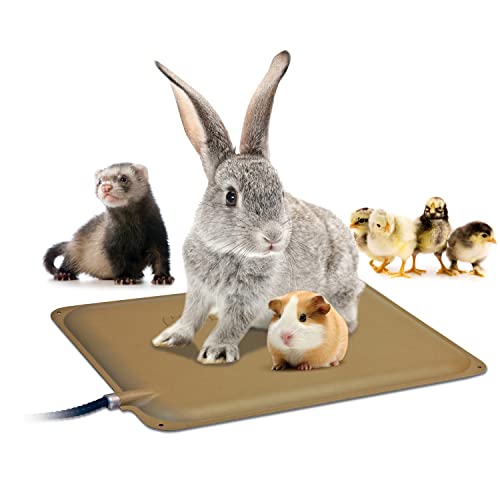
SMALL ANIMAL HEATING PAD: Indoor/outdoor heated pad for rabbits, guinea pigs, chinchillas, ferrets, chickens, peeps & more; ideal for hutches, cages, pens, coops, garages & porches for cozy warmth

Small Heating Pad for Small Pets: This 9.4 x 6.5-inch, 10W pad provides a warm resting spot for rabbits, guinea pigs and chicks. Its compact size fits indoor enclosures and covered outdoor hutches.
What A Rabbit Vet Checks First
First things first, your experienced rabbit-savvy exotic veterinarian will follow a systematic examination process to ensure your bunny’s health is promptly addressed, especially since “not eating” can escalate quickly into serious health issues. The initial step involves measuring your rabbit’s rectal temperature, which helps detect fever or hypothermia, along with assessing heart and respiratory rates to identify signs of distress or underlying illness. The vet also evaluates the color and refill time of your rabbit’s gums, providing critical indicators of circulation, hydration status, and overall health.
To further diagnose potential health concerns, the veterinarian assesses hydration levels by testing skin turgor, ensuring your rabbit is properly hydrated. A thorough oral examination follows, where the vet inspects the mouth and teeth for sharp points, spurs, or abscess signs that could cause pain or interfere with eating.
Finally, your rabbit’s abdomen is gently palpated to identify abnormal findings such as soft, gas-filled, doughy, or hard, distended areas.
If your rabbit hasn’t eaten or pooped within 12 hours, it’s vital to seek immediate veterinary care to prevent serious complications. Acting swiftly with a specialized rabbit veterinarian can help restore your bunny’s health and prevent emergency situations.

7-in-1 Rabbit Grooming Kit: Not only gentle and safe for small animals, such as rabbit, hamster, guinea pig, and chinchilla; but also work great for larger animals like cats and dogs. Soft silicone small animal massage comb can help you protect your pet's skin and effectively keep their fur clean, healthly.
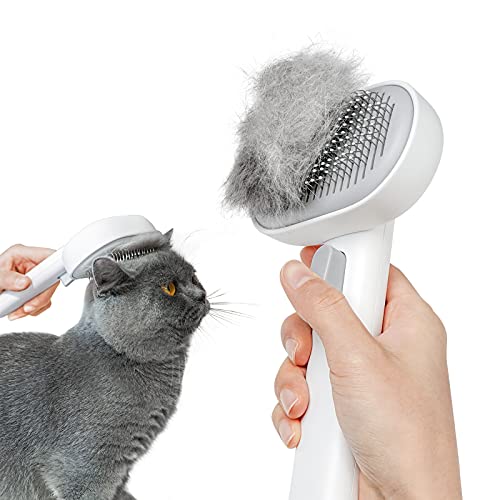
【Professional Cat Hair Brush】Perfect gift for pet owners, vets, and pet groomers. Using this cat brush for long haired cats on a regular basis can gently and effectively remove loose hair, tangles, knots, dander and trapped dirt. Suitable for short, medium or long, thick, thin or curly haired dogs/cats/rabbits, making your pets shiny and healthy.

WORLD’S #1 CAT HAIR BRUSH: Our cat grooming brush / cat shedding brush is the world's best patented pet grooming brush for cats, small dogs, and rabbits. It is the perfect cat deshedding brush, short hair cat brush, & cat brush for long haired cats.
Treating Gut Stasis And Pain: What To Expect
When you bring your rabbit in for gut stasis, the veterinary team will prioritize immediate pain relief and rapid rehydration through intravenous or subcutaneous fluids. Proper hydration is essential because it facilitates the movement of intestinal contents, helping to reduce discomfort and promote normal digestion. Ensuring your rabbit is comfortable and rehydrated is the first crucial step toward recovery.
Once intestinal obstruction has been ruled out through diagnostic examinations such as abdominal radiographs or ultrasound, the veterinarian will often initiate a prokinetic medication—designed to stimulate gastrointestinal motility—and administer supportive gas relief treatments. These interventions are vital in encouraging the passage of fecal material and alleviating gas buildup, which are common contributors to gut stasis.
You will also be instructed on monitoring your rabbit’s fecal output and overall comfort closely. It’s critical to observe for the return of normal eating habits and bowel movements, as a rabbit that refuses to eat or hasn’t pooped within 12 hours constitutes an emergency. Continual assessment and prompt action can significantly improve the prognosis, ensure swift resolution of gut stasis, and prevent potential complications.
Working with a veterinary team that specializes in small mammals and offers comprehensive treatment programs can optimize your rabbit’s recovery, providing tailored medication plans, supportive care, and nutritional guidance to restore gut health efficiently.

SUPPORTS DIGESTIVE HEALTH IN RABBITS & GUINEA PIGS: Helps maintain healthy digestion in rabbits & guinea pigs; ideal for pets with sensitive stomachs or prone to GI stasis, promoting better gut motility, nutrient absorption, & overall digestive wellness

🐰 OPTIMAL DIGESTIVE BALANCE: Specially formulated to meet the unique needs of hindgut fermenters. This high-potency powder introduces beneficial live cultures that support robust intestinal flora, aiding in the efficient breakdown of complex fiber.

Promotes a Balanced Gut Microbiome – Infused with probiotics, prebiotic fiber (oat + inulin), and soothing herbs like fennel & mint to naturally support regular, comfortable digestion — all in a tasty banana chew your small pet will actually want to eat!
Expect Pain-Relief And Fluids
Because GI stasis is painful, your rabbit won’t just “need food”—they need comfort and fluids as well. If you’re concerned about your rabbit not eating after a spay surgery, act fast to ensure prompt treatment. At the veterinary clinic, experienced veterinarians will immediately administer effective pain relief options, including safe analgesics specifically tailored for rabbits.
Watch for signs of pain such as hunched posture, teeth grinding (bruxism), and reluctance to move, which indicate the need for urgent intervention. The veterinary team will also provide critical fluids, often through IV infusion with isotonic solutions like Lactated Ringer’s or Hartmann’s, to rapidly rehydrate your rabbit and support healthy gut motility.
Proper pain management and rehydration are essential for reducing discomfort and encouraging the return to normal eating behavior.
Providing these targeted treatments ensures your rabbit feels safer and less stressed, significantly increasing the likelihood of appetite recovery.
If your rabbit hasn’t pooped or eaten within 12 hours post-surgery, seek emergency veterinary care immediately. Timely intervention with comprehensive pain control and fluid therapy is vital for a swift recovery, minimizing complications, and restoring your rabbit’s overall well-being.
Anticipate Prokinetic Medication Use
Once the veterinarian has stabilized your rabbit with supportive measures such as warming, effective pain management, and fluid therapy, they may initiate prokinetic medication—a powerful treatment designed to stimulate gastrointestinal motility. These medications are essential in cases where manual examination suggests the absence of an actual blockage, yet signs indicate impaired gut function, often described as gut stasis. gut stasis occurs when the normal rhythmic contractions of the stomach and intestines slow down significantly, leading to food accumulation and discomfort.
Administering targeted prokinetic agents helps “kick start” the stomach and intestinal movements, preventing the progression to ileus—a serious and potentially life-threatening condition. Your veterinarian will perform a thorough physical exam to assess gastrointestinal health and devise an appropriate treatment plan, which may include these medications among other supportive therapies. Timely intervention, ideally within the first 6 hours of symptom onset, is critical and can drastically improve your rabbit’s prognosis.
It’s crucial to monitor your pet closely; a rabbit that hasn’t pooped or eaten for 12 hours after initial signs necessitates urgent veterinary attention. Prompt administration of prokinetic medication, combined with supportive care, can significantly reduce the risk of complications, ensuring a faster recovery and preventing further gastrointestinal deterioration. Stay proactive and maintain close communication with your veterinarian to optimize your rabbit’s health and well-being.
Monitor Feces, Comfort, Eating
Right after treatment begins for rabbit gut stasis, meticulously monitor your rabbit’s fecal output, comfort levels, and eating behavior every couple of hours if possible. Pay close attention to fecal output—small, dry pellets often indicate slowed gut motility, which requires prompt intervention. If you notice a decline in pellet number or a complete absence, contact your specialized exotic animal veterinarian immediately to ensure timely professional care.
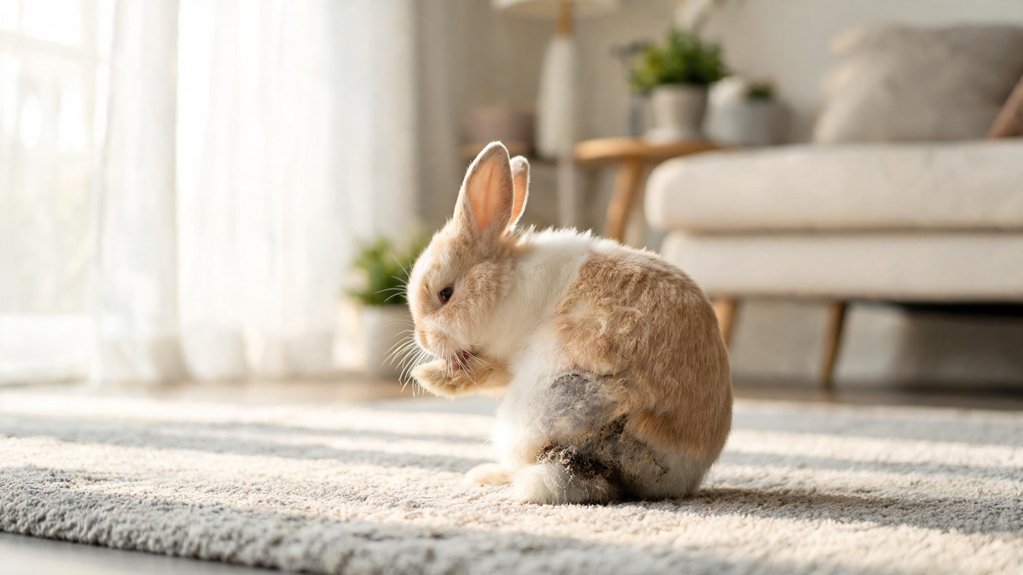
Next, evaluate your rabbit’s comfort, as gut stasis can cause significant pain and distress. Look for signs such as hunched posture, teeth grinding, or reluctance to move, indicating discomfort. Administer appropriate pain management to help your rabbit recover more quickly and facilitate earlier re-establishment of normal eating habits.
Consider syringe feeding to ensure adequate nutrition intake during recovery, and diligently monitor the amount your rabbit accepts.
If your rabbit stops eating and pooping for more than 12 hours, treat the situation as a veterinary emergency. Prompt professional intervention with targeted treatments and supportive care is crucial to prevent serious complications and promote a swift recovery.
Implementing these vigilant monitoring and intervention strategies will optimize your rabbit’s health outcomes and support their swift return to normal digestion and comfort.
Safe Home Support While Waiting For The Vet
When your rabbit stops eating, don’t just “wait and see.” If your rabbit isn’t eating and you don’t see normal poop for 8–12 hours, treat it as an emergency—that often indicates painful gut slowdown, known as gastrointestinal stasis, which requires urgent care from a rabbit-savvy exotic veterinarian.
If your rabbit isn’t eating and no normal poop appears in 8–12 hours, treat it as an emergency—seek a rabbit-savvy vet immediately.
To provide safe supportive care while seeking professional help, keep your rabbit in a calm, dim, and quiet environment.
Gently warm your rabbit using a safe heat source—ensure it’s not hot—and avoid direct skin contact to prevent burns.
Use familiar bedding and hiding places to reduce stress and promote comfort.
Always offer fresh water in a sturdy bowl along with a water bottle to encourage hydration.
Monitor your rabbit’s body temperature and breathing carefully, checking for abnormal signs.
Minimize handling and noise to reduce stress, and avoid force-feeding or administering any medications unless directed by your veterinarian.
Prompt, gentle care combined with quick veterinary intervention is crucial to preventing serious health complications and ensuring your rabbit’s safe recovery.

COMPLETE RECOVERY NUTRITION FOR HERBIVORES: Oxbow Critical Care Herbivore is a nutritionally complete assist-feeding formula designed for rabbits, guinea pigs, chinchillas, tortoises, iguanas, and other herbivores needing emergency nutrition, illness recovery support, or post-surgery feeding.

COMPLETE RECOVERY NUTRITION FOR HERBIVORES: Oxbow Critical Care Herbivore is a nutritionally complete assist-feeding formula designed for rabbits, guinea pigs, chinchillas, tortoises, iguanas, and other herbivores needing emergency nutrition, illness recovery support, or post-surgery feeding.

EASY TO MIX FORMULA: This powdered formula blends quickly and smoothly with water to the desired consistency, making preparation simple and convenient; Perfect for providing your small pet with essential nutrition without any hassle or extra effort
Prevent Rabbit Not Eating: Diet, Hay, And Stress
Preventing a rabbit from stopping eating begins with providing the right diet and maintaining a calm, stress-free environment. Ensure that 80–90% of their diet consists of high-quality grass hay, such as timothy, orchard, or meadow hay, which is essential for dental health and digestion. Among these, timothy hay is a popular everyday choice because its long, fibrous stems help wear down teeth and keep the digestive system moving. Leafy greens should make up about 10% of their daily intake, and pellets should be limited to approximately 5%. To prevent dietary disruptions, refrain from feeding fruit treats most days, as excess sugars can cause gastrointestinal issues.
If your rabbit refuses to eat hay, it’s crucial to inspect the type of hay offered and consistently provide fresh, fragrant options first thing in the morning before offering pellets. Keep a generous supply of hay available throughout the day to encourage natural foraging behaviors and prevent nutritional deficiencies. When introducing new hay varieties or making diet adjustments, do so gradually over a period of two weeks to minimize stress and digestive upset.
Maintaining a low-stress environment is equally vital. Use a secure, spacious enclosure, ideally measuring at least four times your rabbit’s body length, to allow movement and comfort. Minimize loud noises and sudden disturbances, and incorporate hiding spots to give your rabbit a sense of safety. Establish a consistent daily routine, including feeding, cleaning, and playtime, to reduce anxiety.
If your rabbit stops eating or pooping for more than 12 hours, it’s critical to seek prompt advice from a veterinarian specializing in exotic animals or rabbits. Early intervention can prevent serious health complications and ensure your pet’s quick recovery. Investing in proper diet management and stress reduction techniques enhances your rabbit’s well-being and promotes long-term health.

SOFT TEXTURE & SWEET FLAVOR: With its soft texture and naturally sweet flavor, Alfalfa hay appeals to rabbits, guinea pigs, and small herbivores; This high-fiber hay supports healthy digestion while encouraging natural chewing behaviors

100% CERTIFIED ORGANIC: This USDA Certified Organic Meadow Hay is grown without the use of chemicals or synthetic additives; All-natural and plant-based, it’s a wholesome, fiber-rich choice for small pets of all life stages and a variety of species

What Recovery Looks Like After Treatment Works
If your rabbit’s gastrointestinal stasis treatment is effective, you’ll typically observe encouraging changes within 24 to 48 hours. Look for the return of voluntary eating, the appearance of small, well-formed pellets, and the reduction of abdominal gas, which looks “broken up” and progresses toward normal movement.
Improved hydration, decreased pain, and fewer teeth-grinding behaviors are also strong indicators that your rabbit is recovering well.
As your rabbit continues to improve, you should see increased alertness, more active movement, self-grooming, and the resumption of normal caecotrophy, which involves soft nutrient-rich droppings.
During this recovery phase, it’s crucial to maintain a high-fiber diet by continuing to feed specialized critical care formulas until your rabbit is consistently eating on its own and maintaining a healthy weight.
However, if you don’t observe any signs of improvement within 48 hours, it’s essential to contact a knowledgeable, rabbit-savvy exotic veterinarian immediately.
If no improvement appears within 48 hours, contact a rabbit-savvy exotic veterinarian immediately for prompt, targeted care.
Prompt veterinary intervention ensures your rabbit receives the targeted care needed to prevent complications and support full recovery.
Prioritize professional guidance to optimize treatment outcomes and safeguard your rabbit’s health.

COZY AND WARM FOR YOUR FURRY FRIEND:Yicostar heating pads for dogs and cats not only keep pets warm and comfortable on cold days, but also help to relieve joint and muscle pain in older pets, ensuring they stay warm and comfortable on cold days and sleep sweetly. Available in 5 different sizes, these cat warming pad are suitable for dogs of all sizes, cats, kittens, rabbits and other pets, fits most pet beds

Key Safety & Usage Guide: 1. Critical: Always ensure your pet lies over the center thermostat to activate auto-shutoff. 2. Never fold, bend, or cover the pad to prevent overheating. 3. For small pets/kittens, center them carefully and monitor during initial use.

Advanced Heat Loop Technology: ASTM lab-tested and engineered with a premium aluminized polyester core that acts like a space blanket. The pad reflects and retains your pet’s body heat, providing a safe, cordless alternative to electric heating pads or battery powered pet beds.
Frequently Asked Questions

Clean Pets, Clean House: Depets cat & dog brush for shedding can easily remove loose hair, shedding mats, dander and dirt of your pet, which not only keep your pet clean, but also provide you with a clean and hygienic home environment

【Easy Desheding】: Swihauk self cleaning dog brush for long haired dogs with release bottom helps effortlessly reduce shedding. A must have dog brush for short haired dogs, cat brush for indoor cats, cat brush for shedding, slicker brush for dogs.

Soft Rubber for Gentle Grooming: Crafted from high-quality soft rubber, this grooming brush is safe and gentle on your pet’s skin. Unlike metal brushes, it won’t cause irritation, making it perfect for sensitive pets or those who dislike traditional brushes
Why Would a Rabbit Suddenly Stop Eating Even if It Looks “Okay”?
Sudden cessation of eating in rabbits, even when they appear “okay,” often indicates early signs of gastrointestinal stasis, which can stem from underlying issues such as dental problems, intestinal blockage, or stress-related factors. Recognizing these subtle symptoms early is crucial for effective intervention.
To promptly address the situation, thoroughly check the rabbit’s hay, ensuring it is fresh, abundant, and high-quality to encourage normal feeding behavior. Monitor for a noticeable decrease in droppings, which is a key indicator of gastrointestinal motility issues.
Immediate consultation with a specialized exotic animal or rabbit-savvy veterinarian is essential—do not delay for more than 12 hours. Professional assessment and targeted treatment can help prevent serious complications, restore proper digestive function, and ensure your rabbit’s health and well-being. Consider investing in reliable rabbit health supplements or gastrointestinal support products recommended by experts to enhance recovery and prevent future episodes.
Can I Give My Rabbit Pellets or Treats to Get It Eating?
Don’t rely on commercial pelleted rabbit food or sugary treats as a safe method to encourage your rabbit to start eating again. While tempting, these are not a reliable solution for addressing a loss of appetite. Instead, offer unlimited quality grass hay, such as timothy or orchard grass, along with a variety of fresh leafy greens like romaine lettuce, cilantro, or parsley to stimulate your rabbit’s natural feeding instincts.
If your rabbit stops eating, it’s crucial to seek immediate guidance from a rabbit-savvy exotic veterinarian. A prolonged lack of food and absence of fecal output—no poop—for more than 12 hours constitutes a serious emergency. Prompt professional intervention and maintaining an optimal diet tailored to your rabbit’s health needs are essential for preventing gastrointestinal stasis and ensuring swift recovery. Always prioritize consulting a specialist to develop a comprehensive care plan that encourages healthy eating habits and supports your rabbit’s overall well-being.
How Long Can a Rabbit Go Without Pooping Before It’s an Emergency?
Your rabbit should poop regularly and consistently as a sign of healthy digestion. If you notice no droppings for 8 hours, it’s critical to treat this as an urgent situation and contact a rabbit-savvy exotic veterinarian immediately. Prompt veterinary intervention can prevent serious health complications such as gastrointestinal stasis, which can be life-threatening if left untreated.
In cases where your rabbit goes without droppings for 12 hours or more, it becomes an emergency situation that requires same-day veterinary care. Implementing proactive measures, including proper diet management, hydration, and environmental enrichment, can help maintain optimal digestive health. Always prioritize quick response and expert veterinary consultation to ensure your rabbit remains healthy and prevents potential health crises.
What Should I Check Immediately at Home: Teeth, Pain, or Blockage Signs?
Check your rabbit’s teeth thoroughly, then assess for any signs of pain, and finally examine for blockage indicators. Inspect the incisors and jaw area for drooling, difficulty chewing, or any abnormal swelling. Be vigilant for signs of bruxism, hunched posture, lack of fecal output, or a firm, tympanic abdomen, which can all indicate underlying health issues.
If your rabbit is not eating or passing stool within 12 hours, it is crucial to seek immediate consultation from a rabbit-savvy exotics veterinarian. Prompt professional evaluation and intervention can prevent serious complications. Consider scheduling an appointment with a specialized veterinarian to ensure your pet receives the appropriate diagnosis and personalized treatment plan.
After the Vet Starts Treatment, How Soon Should My Rabbit Start Eating Again?
After your veterinarian initiates treatment for your rabbit, you should observe your rabbit beginning to eat and pass droppings within 24 to 48 hours. Promptly monitoring these signs is crucial, as they indicate recovery progress and the effectiveness of the prescribed intervention.
If your rabbit is not eating or defecating within 12 hours after treatment commencement, consider this an urgent situation. Immediate action is essential—contact your experienced, rabbit-savvy exotic veterinarian without delay. Early intervention can prevent potentially life-threatening complications and ensure your pet’s swift return to health.