Poopy butt usually means sticky, mushy cecotropes (the nutrient “night droppings”) clinging to fur, often from diet or a gut issue. First, check your rabbit’s vent and make sure they’re eating and pooping. If they stop for 12 or more hours, call an exotic vet fast.
Then do a quick warm butt-bath with 1–3 inches of hand-warm water for 2–3 minutes. Rinse gently and pat dry well. Keep bedding fresh and monitor poop, appetite, and behavior so you’ll know what to do next.
Swift Summary
- Poopy butt is sticky, mushy fecal buildup around the anus, often from unconsumed cecotropes.
- Foul-smelling mat or paste-like droppings can mimic diarrhea, so first assess appetite, behavior, and stool output.
- Seek urgent exotic vet care if no eating or no fecal pellets for over 12 hours, or if watery diarrhea appears.
- Clean gently with a warm shallow water “butt bath,” then pat-dry thoroughly to prevent skin chafing and infection.
- Address causes by ensuring high-quality hay, correct pellet amounts, and limiting sugary treats to reduce cecal dysbiosis.
Poopy Butt: What It Usually Is
Poopy butt in rabbits typically indicates a common grooming or health issue, characterized by soft, sticky fecal material adhered to the fur around your rabbit’s vent area and hindquarters. More often than not, this condition results from uneaten cecotropes—those vital, nutrient-rich mucus-coated droppings that rabbits normally eat immediately after they’re produced to maximize nutrient absorption. Recognizing this sign can be crucial for early intervention and maintaining your rabbit’s health and well-being.
This classic poopy butt sign manifests as poopy butt clinging to the fur, forming a foul-smelling mat that can be mistaken for diarrhea. It’s important not to misinterpret this as true diarrhea, as it’s typically localized, mushy, and paste-like rather than loose or watery. Underlying causes for this condition can include dietary imbalances, obesity, pain, or dental issues that hinder your rabbit’s ability to reach and consume cecotropes effectively.
Addressing poopy butt promptly is essential for improving your rabbit’s digestive health, comfort, and longevity. Our specialized rabbit grooming and health care products, combined with tailored dietary solutions—such as high-fiber pellets, fresh hay, and dental care items—can help prevent recurrence. Consult with a rabbit-savvy veterinarian to identify underlying health concerns and develop a comprehensive, proactive care plan that ensures your furry friend stays clean, healthy, and happy.

【Premium Material】This rabbit hair brush, made of silicone, is a great choice for your beloved rabbit grooming kit. This safe rabbit hair brush is designed to provide gentle yet effective grooming, protecting your pet's delicate skin while effectively keeping their fur clean and healthy. Cleaning is also very easy; simply rinse with water and air dry to maintain hygiene and ensure your pet's grooming tools are always clean and safe.
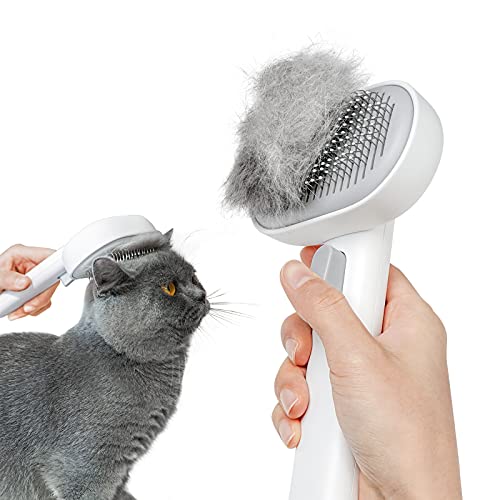
【Professional Cat Hair Brush】Perfect gift for pet owners, vets, and pet groomers. Using this cat brush for long haired cats on a regular basis can gently and effectively remove loose hair, tangles, knots, dander and trapped dirt. Suitable for short, medium or long, thick, thin or curly haired dogs/cats/rabbits, making your pets shiny and healthy.

Clean Pets, Clean House: Depets cat & dog brush for shedding can easily remove loose hair, shedding mats, dander and dirt of your pet, which not only keep your pet clean, but also provide you with a clean and hygienic home environment
Poopy Butt: What To Do Right Now
First, prioritize your rabbit’s health by conducting a thorough examination for underlying medical issues. Look carefully for red sores, swelling, or any signs indicating that your rabbit isn’t eating or pooping normally. If your rabbit stops eating or pooping for more than 12 hours, treat this situation as an urgent emergency and contact a specialized exotic animal veterinarian immediately to ensure prompt and expert care. Using gentle handling and attention to hydration, warm water with pet shampoo can be used only when you need a deeper clean after gentle rinsing. Next, implement a gentle hygiene routine to address soiled fur in the anal and hindquarter region. Use a soft, damp cloth or a mild, lukewarm water rinse to gently clean the affected area, avoiding any harsh scrubbing.
For more thorough cleaning, prepare a lukewarm bath with water heated to approximately 100°F (38°C), filling the basin with about 1 to 3 inches of water. Carefully soak only the hindquarters, keeping your rabbit’s chest and head completely out of the water to prevent stress or inhalation.
After bathing, ensure your rabbit is thoroughly dried with soft towels, gently patting the fur to prevent chafing or irritation. Keep your rabbit warm and comfortable during recovery, and place them on a soft, clean surface to avoid further skin issues.
This targeted, solution-focused approach helps prevent infections or discomfort, providing the necessary steps to support your rabbit’s quick recovery and long-term health.

SUPPORTS DIGESTIVE HEALTH IN RABBITS & GUINEA PIGS: Helps maintain healthy digestion in rabbits & guinea pigs; ideal for pets with sensitive stomachs or prone to GI stasis, promoting better gut motility, nutrient absorption, & overall digestive wellness

HAND-SELECTED TIMOTHY HAY FOR RABBITS, GUINEA PIGS, CHINCHILLAS, & SMALL ANIMALS to ensure long fiber strands and proper leaf to stem ratio

VET-FORMULATED URINARY SUPPORT: Promote urinary tract health in rabbits, guinea pigs, and small pets with a veterinarian-developed blend of cranberry, astragalus root, pumpkin seed, and dandelion leaf for bladder and kidney wellness.
Check For Underlying Illness
Before you even consider cleaning your rabbit’s bedding or fur, assess their overall health and look for signs of underlying illness. A rabbit with “poopy butt” could be experiencing a serious gut problem or hygiene issue that requires immediate attention. Regular daily interaction supports timely detection and treatment of life-threatening abnormalities, since rabbits often hide illness until it’s advanced. Carefully examine your pet for any symptoms such as watery diarrhea, green-black or tarry stool, or the absence of fecal pellets for over 12 hours—these are urgent warning signs that demand prompt veterinary intervention.
Check their appetite, weight stability, and behavior closely. If your rabbit refuses to eat, stop pooping, hides frequently, or appears unusually weak or lethargic, it’s crucial to contact a rabbit-savvy exotic veterinarian right away.
Also, observe for signs of pain, including teeth grinding, a hunched posture, or cold ears, which may indicate discomfort or other health issues.
Once you’ve identified potential health concerns, inspect the cause of the dirty fur—whether from diarrhea, incontinence, or other issues—before proceeding with cleaning.
Ensuring your rabbit receives the proper medical evaluation and tailored treatment plan is essential for resolving underlying health problems quickly and effectively.
For ongoing hygiene and health support, investing in a comprehensive grooming and wellness routine, along with expert veterinary advice, is the best solution to keep your rabbit happy, healthy, and comfortable.
Use Gentle Lukewarm Butt Bath
When you’re unable to remove stubborn messes with quick spot cleaning, it’s essential to perform a gentle, lukewarm butt bath designed specifically for rabbits. This targeted bathing method softens and effectively removes hardened feces or urine scald from the delicate fur around your rabbit’s vent and tail area.
Use a safe, shallow sink or a sturdy bin lined with a non-slip towel to provide traction and stability during the process. Fill the container with 1 to 3 inches of water maintained at a comfortable, near hand-warm temperature of approximately 100°F.
It’s crucial to keep most of your rabbit’s body dry, lowering only the hindquarters into the water, and ensuring the water level stays below the ears, eyes, and nose to prevent discomfort or distress.
If the buildup around the vent is particularly stubborn, consider adding a tiny amount of veterinary-approved, rabbit-safe, and unscented shampoo to the water. Soak the affected area for about 2 to 3 minutes, allowing the solution to loosen hardened debris.
Then, gently massage the fur with your fingertips, working carefully to dislodge any remaining buildup.
For added safety and efficiency, enlist the assistance of a second person to better support and securely hold your rabbit throughout the bathing procedure.
This gentle yet effective method ensures optimal cleanliness while prioritizing your rabbit’s comfort and safety.
Dry Completely, Prevent Chafing
Once you’ve gently loosened the mess with a lukewarm, soothing rabbit-safe bath, your next crucial step is to thoroughly dry your rabbit’s delicate bottom area. It’s essential to prevent moisture from lingering on the skin, as dampness can lead to chafing and rawness, which are painful and increase the risk of infection.
Carefully pat the area dry using a soft, absorbent towel—avoid rubbing, which can irritate the sensitive skin. Instead, gently press and lift the towel, frequently switching to clean, dry sections, especially around the genitals, inner thighs, and skin folds where moisture tends to accumulate.
To ensure complete dryness, employ a controlled airflow using a hairdryer set to cool or low-warm settings. Hold the dryer at least 15 centimeters away from your rabbit’s skin and keep it moving in gentle, short bursts, allowing breaks to prevent overheating or stress.
This careful drying technique helps eliminate residual moisture while minimizing discomfort or injury.
Maintain a clean and dry environment by changing your rabbit’s bedding daily, which plays a vital role in preventing moisture buildup and skin irritation.
If your rabbit’s skin shows signs of chafing, redness, or rawness, consult an experienced exotic animal veterinarian familiar with rabbit health. They may recommend a specialized barrier cream designed for rabbit skin to provide protective relief and support healing.
Implementing these solutions effectively can significantly improve your rabbit’s comfort, prevent further chafing, and promote skin recovery.
Spot The Signs: Fur, Smell, Stool Changes
Spot the early signs quickly, because your rabbit’s hind area can shift from “a little messy” to a serious health concern in a short amount of time. Regularly check the fur around the tail, anus, and inner thighs for signs of abnormal buildup.
Spot early signs fast—check the fur around the tail, anus, and inner thighs for abnormal buildup before it worsens.
Look for soft, mushy, dark, or sticky discharge that wets and stains the fur, or hardened crusty mats that may tug on the skin, indicating potential gastrointestinal or urinary issues.
Additionally, observe for shiny, grape-like clusters that should have been eaten—these are often unconsumed cecotropes, which are vital for your rabbit’s digestive health.
Pay close attention to any strong, fermented, foul odor, especially if it appears suddenly, as this is a red flag for infection or imbalance.
Also, monitor stool consistency; soft, smeared stool instead of dry, firm pellets can signal digestive distress.
If your rabbit stops eating or pooping for 12 hours, it’s essential to seek immediate veterinary care from a rabbit-savvy exotics veterinarian.
Prompt diagnosis and intervention are crucial to prevent serious complications, so invest in regular health check-ups and use specialized care products to maintain your rabbit’s digestive and overall health.
Protect your pet’s well-being with vigilant monitoring and professional veterinary solutions designed specifically for rabbits.

PROBIOTICS FOR RABBITS: HealthyGut Probiotics for Rabbits holistically promotes normal digestion, helps defend against effects from stress, aids relief from digestive upset or antibiotic use, and aids general microbiome support for your rabbit

PROBIOTICS FOR RABBITS: HealthyGut Probiotics for Rabbits holistically promotes normal digestion, helps defend against effects from stress, aids relief from digestive upset or antibiotic use, and aids general microbiome support for your rabbit
Poopy Butt Vs Watery Diarrhea
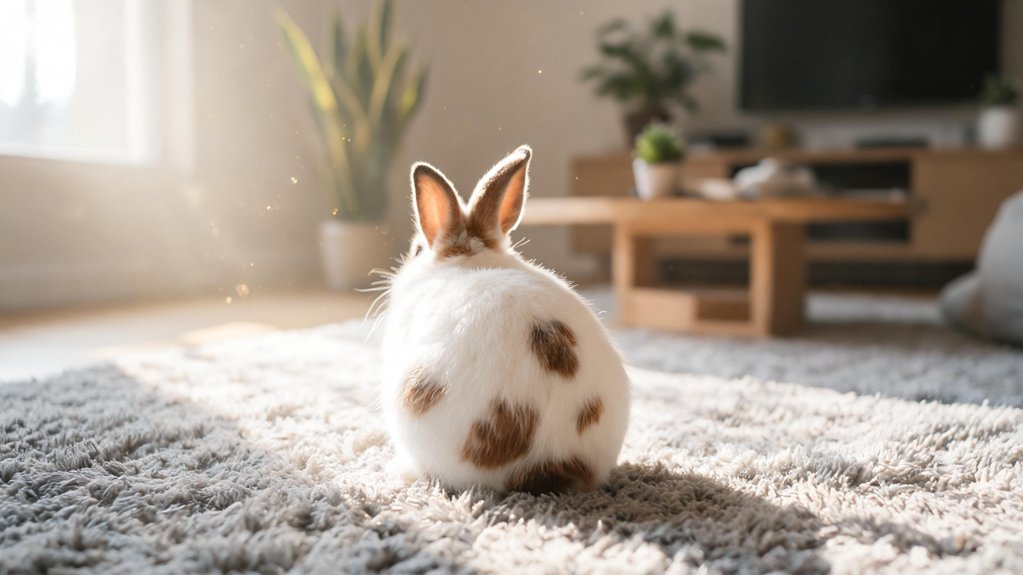
Poopy butt and watery diarrhea can appear messy, but they indicate very different health issues for your rabbit. Poopy butt typically presents with shiny, pasty, grape-like cecotropes—these soft droppings that rabbits normally eat—stuck around the anal area. Recognizing this signs of impaired digestion or overproduction of cecotropes can help you seek targeted treatments, such as specialized rabbit grooming wipes or dietary adjustments to improve gut health.
Watery diarrhea, on the other hand, manifests as continuous, brown liquid feces that can soak bedding and may include mucus, blood, or emit a strong, foul odor. If you observe watery diarrhea in your rabbit, treat it as an emergency. It can rapidly lead to dehydration and nutrient depletion.
Immediate action involves contacting a rabbit-savvy veterinary professional for urgent diagnosis and treatment, which may include electrolyte solutions, medicated diets, or targeted medications.
If your rabbit stops eating or pooping for more than 12 hours, it can deteriorate quickly, leading to severe health collapse. Be vigilant for signs of weakness, cold extremities, and absence of pellet production.
Gently groom your rabbit’s bottom area with soft, rabbit-safe wipes and monitor closely for any additional signs of distress. Prompt veterinary intervention can often prevent critical health complications, so don’t delay in seeking expert care to ensure your bunny’s recovery and well-being.

7-in-1 Rabbit Grooming Kit: Not only gentle and safe for small animals, such as rabbit, hamster, guinea pig, and chinchilla; but also work great for larger animals like cats and dogs. Soft silicone small animal massage comb can help you protect your pet's skin and effectively keep their fur clean, healthly.

WORLD’S #1 CAT HAIR BRUSH: Our cat grooming brush / cat shedding brush is the world's best patented pet grooming brush for cats, small dogs, and rabbits. It is the perfect cat deshedding brush, short hair cat brush, & cat brush for long haired cats.

Controls Shedding: Easily and quickly takes care of shedding, molting and everyday grooming needs. The HairBuster is an excellent remover of any thick, matted fur as well as quick combings in thin, short fur in need of a touch up. Tines gently massage skin to evenly distribute oils through hair for a shiny coat while preventing hairball issues.
Diet Mistakes That Cause Sticky Cecotropes
Regular diet mistakes are one of the leading causes of sticky cecotropes in rabbits—those soft, grape-like droppings that they instinctively re-ingest for optimal nutrient absorption. To effectively address this issue and promote a healthier digestive system, it’s essential to optimize your rabbit’s diet with targeted adjustments.
First, carefully limit pellet portions to about 1/8 cup per 5 pounds of body weight. Overfeeding pellets, combined with insufficient high-quality hay, can lead to increased production of uneaten, paste-like cecotropes that cling to your rabbit’s fur. Transition to timothy-based pellets with a fiber content of 15–20%, and avoid low-fiber, alfalfa, or grain-heavy options that can exacerbate digestive issues.
Second, restrict high-sugar and starch-rich treats such as fruits, molasses, seeds, and cereals. Excess sugar intake can cause the cecotropes to become overly sticky, making grooming and health maintenance more difficult. Instead, focus on providing healthy, low-sugar vegetables and high-quality hay as your primary fiber sources.
Finally, maintain a consistent feeding routine to promote digestive stability. A steady schedule of nutrient-dense, fiber-rich foods will encourage the production of properly formed cecotropes, reducing the occurrence of sticky droppings. Implement these dietary adjustments with the goal of improving your rabbit’s overall gut health, ensuring they enjoy a cleaner, more comfortable daily grooming experience, and preventing health complications related to improper cecotrope formation.

HAND-SELECTED TIMOTHY HAY FOR RABBITS, GUINEA PIGS, CHINCHILLAS, & SMALL ANIMALS to ensure long fiber strands and proper leaf to stem ratio

PROUDLY GROWN IN THE USA: Harvested fresh from Oxbow?s family of farms by our expert hay growers˜

HAND-SELECTED TIMOTHY HAY FOR RABBITS, GUINEA PIGS, CHINCHILLAS, & SMALL ANIMALS to ensure long fiber strands and proper leaf to stem ratio
Cecal Dysbiosis: Why Cecotropes Get Mushy
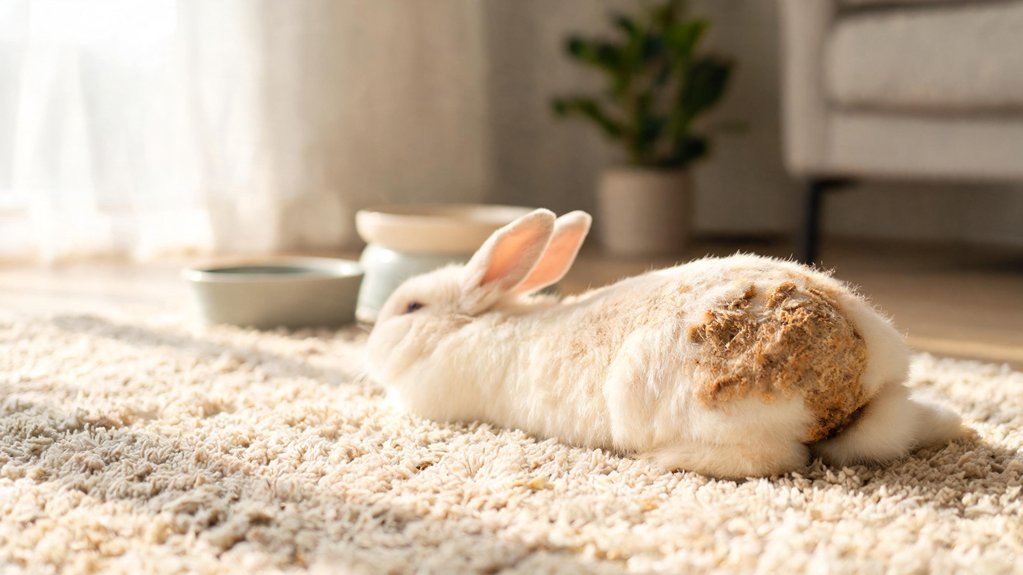
When your rabbit’s diet provides the wrong kind of beneficial gut bacteria, it can lead to cecal dysbiosis, a condition where the helpful microbes in the cecum—a vital digestive pouch—become imbalanced. This imbalance often results in cecotropes, the nutrient-packed, soft, grape-like droppings that rabbits naturally feed on to re-ingest essential fibers and nutrients, becoming mushy or even liquid in consistency. Such changes cause the fecal matter to stick to your rabbit’s fur and produce an unpleasant odor, signaling a need for dietary adjustment.
A common contributing factor to cecal dysbiosis is a fiber gap, which occurs when there’s insufficient fiber intake, frequently due to the overuse of treats or feeding low-quality hay. This deficiency slows down gut motility and prolongs the retention time of digestible carbs, fostering an environment where fermentable sugars can disrupt microbial balance.
To effectively address this issue, ensure your rabbit receives high-quality, abundant hay and limit treats. Regularly cleaning your rabbit’s living area to remove sticky cecotropes and maintaining a consistent, fiber-rich diet can prevent further dysbiosis.
If your rabbit’s eating or pooping habits slow down for more than 12 hours, it’s crucial to seek professional guidance from a rabbit-savvy exotic veterinarian. They can assess for potential disruptions in gut health and recommend appropriate interventions.
Diet Fuels Cecal Dysbiosis
If you feed your rabbit less hay and more carbohydrates, you can inadvertently cause “cecal dysbiosis,” which is an imbalance of the healthy bacteria within the cecum—the fermentation chamber located after the stomach. This disruption doesn’t just involve changing the meal composition; it alters which bacteria flourish in your rabbit’s gut.
Providing insufficient hay along with high-pellet diets, sugary treats, bread, and sudden starch or sugar loads can shift the cecal pH, slow gut motility, and promote the growth of fast-fermenting, potentially harmful bacteria.
This imbalance may cause cecotropes—the rabbit’s special reingested fecal pellets—to become mushy, runny, and foul-smelling, even though dry pellets may still look normal.
To maintain optimal gut health and prevent serious digestive issues, it’s crucial to ensure your rabbit receives a high-quality hay diet and limits treats high in sugar and starch. Fresh timothy hay should make up the bulk of your rabbit’s daily diet, since its long fibers keep the gut moving and support healthy fermentation in the cecum.
If your rabbit stops eating or pooping for 12 hours, seek prompt advice from a rabbit-savvy exotic veterinarian.
Investing in the right diet and timely veterinary support can help avoid costly health complications and promote a healthy, happy rabbit.
Soft Cecotropes Stick To Fur
Mushy, sticky cecotropes that cling to your rabbit’s fur often indicate a problem within the cecum, the specialized fermentation chamber located after the stomach that plays a crucial role in nutrient absorption.
To address this, first ensure your rabbit can reach and consume these cecotropes, as access is vital for proper nutrient intake.
Obesity, arthritis, spinal pain, or age-related stiffness can impair your rabbit’s ability to groom effectively or reach these soft fecal pellets, leading to soggy cecotropes clinging to the fur.
Dental disease is another common culprit, as it reduces hay chewing, making bending and grooming uncomfortable or painful.
Once these potential causes are addressed, consider gut health factors such as dysbiosis — an imbalance of beneficial and harmful gut bacteria.
The use of oral antibiotics like penicillin, certain medications, or parasitic infections such as coccidia or worms can disrupt the gut flora, resulting in soft, sticky cecotropes.
Stress and dehydration are further contributors that slow gut motility, increasing the likelihood of cecotropes sticking to fur. Some owners also consider GI support products designed to promote gut motility, but these should be used under veterinary guidance rather than as a substitute for diagnosing the underlying cause.
To optimize your rabbit’s digestive health and ensure they produce firm, easily consumable cecotropes, consider providing a balanced diet rich in high-quality hay, minimizing stressors, and ensuring constant access to fresh water.
If your rabbit stops eating or pooping for more than 12 hours, it’s critical to immediately consult a qualified exotic vet to prevent serious health complications.
Maintaining proactive veterinary care and focusing on gut health solutions will promote your rabbit’s overall well-being and consistent cecotrope production.
Fiber Gap Disrupts Cecal Balance
A fiber gap can disrupt your rabbit’s cecal health, leading to imbalances that cause cecotropes to become soft and cling to the fur. To maintain optimal digestive health, prioritize feeding your rabbit a diet rich in high-quality hay, comprising 85–90% of their total diet, which ensures sufficient fiber intake and promotes healthy gut motility.
Avoid feeding seed mixes or pellets that lack adequate roughage, as these can contribute to cecocolic hypomotility—a condition characterized by sluggish movement of food through the digestive tract. When the gut moves too slowly, food lingers longer in the cecum, disrupting fermentation processes and leading to bacteria becoming out of sync. This imbalance causes shifts in cecal pH and acid production, resulting in the formation of mushy, shapeless cecotropes that cling to your rabbit’s fur.
To support digestive health, provide a diet that includes moderate amounts of adult rabbit pellets and limit sugary treats or processed snacks. If your rabbit refuses to eat or defecates fewer than 12 droppings within 24 hours, it’s crucial to contact a rabbit-savvy exotic veterinarian immediately. Addressing diet imbalances promptly can prevent more serious gastrointestinal issues and promote a happy, healthy rabbit.
Obesity And Mobility Limits On Grooming
Obesity and limited mobility can quietly undermine a rabbit’s grooming ability, leading to common problems such as “poopy butt” at the hind end.
When a rabbit can’t reach that area due to excess fat and joint pain, urine and feces often soil the fur, creating an environment conducive to skin irritation and secondary infections.
Additionally, cecotrophs—soft nutrient-rich droppings—may go uneaten, piling up and increasing health risks.
To effectively address these issues, you should prioritize preventive care by maintaining a balanced diet to manage weight, and provide environments that encourage movement.
Regular grooming is essential, especially if your rabbit has mobility restrictions, and should include gentle cleaning of soiled fur around the hindquarters.
Use soft wipes and make sure to dry thoroughly to prevent moisture retention that can trap heat and support the development of skin irritations or flystrike.
In cases where excess fat impairs bending or joint health worsens due to arthritis, consult a rabbit-savvy veterinarian to create a tailored weight management and pain relief plan.
Routine grooming aids in early detection of hygiene issues and supports overall wellness.
If your rabbit stops eating or pooping for more than 12 hours, this is an urgent medical situation requiring immediate veterinary intervention.
Ensuring prompt, professional care is critical to prevent life-threatening complications and to promote a clean, healthy, comfortable life for your rabbit.

【Easy Desheding】: Swihauk self cleaning dog brush for long haired dogs with release bottom helps effortlessly reduce shedding. A must have dog brush for short haired dogs, cat brush for indoor cats, cat brush for shedding, slicker brush for dogs.

7-in-1 Rabbit Grooming Kit: Not only gentle and safe for small animals, such as rabbit, hamster, guinea pig, and chinchilla; but also work great for larger animals like cats and dogs. Soft silicone small animal massage comb can help you protect your pet's skin and effectively keep their fur clean, healthly.

Soft Rubber for Gentle Grooming: Crafted from high-quality soft rubber, this grooming brush is safe and gentle on your pet’s skin. Unlike metal brushes, it won’t cause irritation, making it perfect for sensitive pets or those who dislike traditional brushes
Dental Pain And Gut Issues Blocking Cecotrophy
If you’re noticing a poopy butt in your rabbit, don’t automatically blame “bad hygiene.” Instead, consider that dental pain, caused by molar spurs or overgrown teeth, can significantly block cecotrophy—your rabbit’s unique process of consuming nutrient-rich cecotropes directly from their anus.
Dental discomfort can cause your rabbit to chew less and reduce hay intake, which in turn slows down gut motility and leads to gastrointestinal hypomotility, resulting in the production of sticky, tacky cecotropes.
When cecotropes become tacky instead of their normal soft, gel-like consistency, they tend to cling to your rabbit’s fur, creating a persistent cleanup challenge.
This situation often indicates underlying dental or digestive issues that require professional intervention.
To effectively address this problem, it’s crucial to consult a rabbit-savvy exotic veterinarian who can diagnose and treat dental abnormalities and gastrointestinal motility issues.
Investing in targeted dental care products, high-quality hay, and preventive dental treatments can restore normal cecotrophy, reduce fur soiling, and improve your rabbit’s overall gastrointestinal health.
Proper veterinary guidance combined with consistent dental maintenance ensures your rabbit’s gut functions optimally and prevents recurring hygiene problems linked to dental pain and gut issues.

COMPLETE NUTRITION IN EVERY BITE: Oxbow EVERYBite foods are thoughtfully formulated to deliver balanced, complete nutrition in every serving; Each bite ensures your rabbit receives the essential nutrients needed for long-term health and daily well-being

ESSENTIAL DAILY VITAMIN C FOR GUINEA PIGS: Used to maintain proper vitamin C levels and prevent deficiencies, this supplement supports immune health in guinea pigs that cannot produce vitamin C naturally—helping them stay active, healthy, and thriving.
COMPLETE NUTRITION IN EVERY BITE: Oxbow EVERYBite foods are specially formulated to deliver balanced, complete nutrition in every serving; Each bite ensures your rabbit gets the essential vitamins and minerals needed for a healthy, active, and happy life
Dental Disease Limits Cecotrophy
Dental pain can quietly disrupt your rabbit’s cecotrophy process, and the signs often become apparent quickly at the rear end.
When your rabbit experiences mouth pain related to dental disease, they typically stop curling back to reach the anus, leading to the accumulation of sticky, nutrient-rich cecotropes—or night feces—around the perineum area. This obstruction not only impacts digestion and nutrient absorption but also increases the risk of secondary issues such as flystrike, which can be life-threatening.
Additional symptoms to watch for include reduced appetite, noticeable weight loss, drooling, and messy clumps around the rabbit’s hindquarters.
Since dental disease can physically block the normal cecotrophy process, early intervention is crucial. Immediate consultation with a rabbit-savvy exotic veterinarian is essential to diagnose the root cause and implement effective treatment plans, which may include dental correction or pain management.
If your rabbit refuses to eat or defecate for more than 12 hours, treat this as an emergency.
Prompt veterinary attention can prevent serious complications, ensuring your pet’s health and well-being.
To safeguard your rabbit against dental diseases and their impact on cecotrophy, seek professional veterinary advice as soon as you notice any abnormal behaviors or physical signs.
Regular dental checkups and proactive dental care are highly recommended for maintaining optimal digestive function and overall health in your rabbit.
Molar Spurs Cause Pain
When rabbit molar spurs begin to grow abnormally, they don’t just cause discomfort in your bunny’s mouth—they disrupt the entire digestive and elimination cycle. Uneven wear of the molars creates sharp, jagged points on both upper and lower teeth, which can lead to tissue trauma. These spurs may scrape against the cheek tissues, leading to painful ulcers, while the lower spurs can jab toward the tongue, causing additional oral lesions.
This oral pain results in decreased grooming behavior, excessive drooling, and a hunched posture, all signs of underlying discomfort. As a consequence, the rabbit’s ability to chew tough hay diminishes, leading to reduced fiber intake. This reduction slows gut motility and diminishes the production of normal cecotrophs, often resulting in soiling around the vent area.
If your rabbit exhibits signs of decreased eating or pooping for more than 12 hours, it should be treated as an urgent veterinary emergency. Addressing molar spurs promptly with professional dental treatment or trimming can significantly reduce pain, restore normal feeding behaviors, and prevent serious complications such as gastrointestinal stasis or abscess formation.
Regular dental check-ups and early intervention are key to maintaining your rabbit’s oral health and overall well-being, ensuring a happier, healthier life.
GI Dysbiosis Produces Sticky Cecotropes
Sticky, uneaten cecotropes—often referred to as “poopy butt” blobs—adhere to your rabbit’s perineal fur or become squashed on the floor. These symptoms typically indicate underlying issues with your rabbit’s gastrointestinal and oral health, specifically disrupted gut and mouth coordination.
GI dysbiosis, or the imbalance of beneficial and harmful gut bacteria, significantly alters cecal fermentation processes. This causes cecotropes to become mushy, sticky, and foul-smelling, which increases the likelihood of them clinging to the fur around the anus.
Additionally, hypomotility—characterized by slow gastrointestinal motility—leads to mucus and water buildup, worsening cecal retention and contributing to abnormal cecotrope formation.
To address this problem effectively, it’s essential to consider dental health issues such as sore tongues, dental malocclusion, or mouth pain, as well as mobility complications caused by arthritis or obesity. These conditions can impair your rabbit’s ability to properly ingest and process food, blocking natural cecotrophy.
Professional intervention is recommended to eliminate cecotrope retention and prevent further health decline.
Start with gentle cleaning by “bottom-bathing” your rabbit using warm water, followed by careful drying. Always seek consultation from a rabbit-savvy exotic veterinarian to diagnose and treat underlying causes.
If your rabbit refuses to eat or defecate for more than 12 hours, treat this as an emergency to prevent life-threatening complications. Prompt veterinary care can restore gastrointestinal function, improve gut flora balance, and ensure your rabbit’s overall well-being.
Prioritize regular health checks and consider dietary adjustments or probiotics to support a healthy digestive system and prevent recurring dysbiosis.
Urine Scald From Leaks, UTI, Or Stones
Urine scald is a common skin irritation in rabbits caused by prolonged exposure to urine leaks, urinary tract infections (UTIs), or urinary stones.
When your rabbit’s urine soaks the fur around the vent and hindquarters for an extended period, it softens the skin layer, making it vulnerable to irritation from ammonia-like waste products.
If fur mats develop, they trap moisture against the skin, leading to redness, hair loss, and potential skin breakdown, creating an increased risk for infection.
Look for signs such as yellow-brown staining around the affected area, a strong ammonia-like odor, darker urine, or the presence of sandy grit, especially if your rabbit is straining or producing tiny urine droplets.
These symptoms indicate that immediate attention is needed to prevent further skin damage and discomfort.
To prevent urine scald and maintain your rabbit’s skin health, take proactive steps by promptly addressing any urinary leaks or incontinence issues.
Use high-quality, absorbent bedding and change the litter frequently to minimize moisture contact.
Regular cleaning and inspection of the vent and hindquarters are essential for early detection.
It is crucial to consult a rabbit-savvy exotic veterinarian promptly if you notice symptoms of urine scald.
Persistent urine leakage, unusual urine color or smell, or signs of discomfort may indicate underlying issues such as urinary tract infections or stones, which require professional diagnosis and treatment.
Addressing these concerns early can improve your rabbit’s comfort, prevent skin complications, and ensure optimal urinary health.
When Poopy Butt Needs Urgent Vet Care
Even if your rabbit appears “mostly fine,” poopy butt with diarrhea can rapidly escalate into a serious health emergency. Don’t delay seeking prompt veterinary attention, especially from a rabbit-savvy, exotic pet specialist. True watery diarrhea, characterized by brown liquid that soaks the hindquarters, requires immediate professional care to prevent dehydration, infection, and more severe gastrointestinal complications.
Liquid, formless droppings smeared on the perineal area also qualify as true diarrhea. Signs such as listlessness, poor responsiveness, a hunched posture when stool appears watery or jelly-like, or a limp attitude indicate urgent medical needs.
If your rabbit stops eating or poops for more than 12 hours, avoid home remedies and seek same-day veterinary intervention. Severe gastrointestinal pain, bloating, or a marked reduction in fecal output are critical symptoms that demand immediate, comprehensive diagnosis and treatment from an experienced exotic animal veterinarian. Prompt action can save your rabbit’s life and restore their digestive health efficiently.

【CAT GROOMING BRUSH】Cat brush with release button can gently and effectively remove loose hair, tangles, knots, dander and trapped dirt. Suitable for short, medium or...
Vet Checks: Teeth, Gut, Urine, Weight, Skin
When poopy butt comes with watery droppings or your rabbit stops eating or pooping for more than 12 hours, seeking immediate veterinary assistance is crucial. Ideally, consult a rabbit-savvy exotic veterinarian who can perform a comprehensive checkup to identify and address underlying issues efficiently.
Your first step is a thorough teeth and mouth examination, which includes inspecting incisors, molars, and gums, along with jaw feeling to detect dental problems that could impact digestion. The vet will then analyze the rabbit’s stool, evaluating size, firmness, and output, and may recommend fecal analysis or bloodwork to identify digestive or systemic health concerns.
Additionally, the veterinarian will assess urine color, staining, wetness, or signs of sludge or stones, ensuring urinary health is intact.
The animal’s weight is recorded to check for obesity that may worsen flystrike risk, and a skin examination is performed to spot any dermatological issues.
If your rabbit can’t reach their bottom easily, excess weight could be a contributing factor, and addressing this can significantly reduce health risks.
Early diagnosis and targeted treatment from an experienced vet can help restore your rabbit’s health and prevent serious complications.
Treatments Your Vet May Recommend
After your veterinarian thoroughly examines your rabbit’s dental health and mobility issues, they’ll likely recommend a tailored plan to improve your rabbit’s self-grooming habits. Addressing mouth pain and stiff hips is essential, as these discomforts can transform simple grooming into a challenge, leading to potential skin issues or fur mats. Implementing specialized grooming products, supportive mobility aids, or therapeutic exercises can markedly enhance your rabbit’s ability to maintain a clean and healthy coat.
If you notice signs of urine scald, skin irritation, or damp fur around the perineal area, your veterinarian may suggest targeted solutions such as gentle spot cleaning using pH-balanced wipes, careful towel drying, and fur trimming around sensitive regions. These steps help facilitate skin healing and prevent further irritation by reducing moisture buildup.
It’s crucial to monitor your rabbit’s behavior closely—if your rabbit stops eating or defecating for more than 12 hours, treat this as an urgent emergency. Immediate consultation with a rabbit-savvy exotic veterinarian is vital to address potential underlying health issues and ensure prompt, effective care. Prioritizing expert intervention and customized grooming strategies can significantly improve your rabbit’s overall well-being and longevity.
Dental And Mobility Assessment
First, consider your rabbit’s “poopy butt” as a critical health indicator rather than just a messy problem needing quick cleaning. The presence of caecotrophs—soft, nutrient-rich droppings that normally are consumed directly from the anus—around the perineum can signal underlying issues such as dental discomfort or digestive disturbances. Consulting a rabbit-savvy exotic veterinarian promptly is essential.
They’ll perform a thorough dental assessment, including palpation of the jaw, examination of incisors and cheek teeth with specialized scopes, and often recommend skull and dental X-rays to evaluate tooth roots and reserve crowns for signs of overgrowth or misalignment.
Sticky or abnormal droppings may also result from limited reach caused by jaw or mouth pain, which impairs your rabbit’s grooming ability. To address this, your veterinarian will conduct a comprehensive mobility evaluation—assessing gait, joint range of motion, spine flexibility, and pain responses—along with a body condition scoring to identify obesity or malnutrition.
If your rabbit ceases eating or pooping for more than 12 hours, treat it as an urgent emergency and seek immediate veterinary care. Proper diagnosis and early intervention are vital for maintaining your rabbit’s overall health and preventing severe complications.
Urine Scald And Skin Care
Urine scald isn’t just “messy skin”; it’s your rabbit’s delicate skin becoming burned and irritated from persistent wetness. This condition often indicates a deeper underlying health issue such as urinary tract infection (UTI), bladder sludge, or incontinence.
Recognizing the signs early—red, moist, foul-smelling, painful skin, fur loss, or repeated soiling—requires prompt veterinary attention. It’s crucial to schedule an appointment with a rabbit-savvy exotic veterinarian as soon as possible for accurate diagnosis and immediate treatment, preferably on a same-day basis.
For at-home care, focus solely on a gentle, bottom-only cleaning routine. Use warm or lukewarm water and a gentle, rabbit-safe cleanser—never harsh soaps or chemicals.
Utilize a soft sponge or flannel to carefully cleanse the affected area without scrubbing aggressively. Carefully clip away any matted fur to prevent further irritation and ensure fast, thorough drying with soft towels or a low-heat dryer setting.
Applying a veterinarian-recommended barrier cream can help soothe and protect the skin. Avoid using diaper creams, oils, powders, or peroxide unless explicitly advised by your veterinarian, as these can cause further harm.
It’s vital to monitor your rabbit closely post-care. If your rabbit shows signs of loss of appetite, refuses to eat or defecate for more than 12 hours, seek emergency veterinary care immediately, as these symptoms could indicate a serious complication such as flystrike risk.
Prioritize rapid intervention and utilize quality, rabbit-specific skin care products to promote healing and prevent recurrence.
Clean Poopy Butt Safely At Home
Keeping a rabbit’s poopy butt clean at home is more manageable when you approach the task carefully and on your own terms, rather than rushing or reacting in panic.
Regularly inspect your rabbit’s hindquarters daily for stubborn fecal matter clinging to the fur, signs of redness, hair loss, or moisture scald.
If you notice raw skin, heavy diarrhea, or any concerning symptoms, it’s essential to consult a rabbit-savvy exotic veterinarian immediately before attempting DIY cleaning measures.
For safe and efficient cleaning, begin by placing your rabbit securely on a stable, non-slip towel, supporting its spine and hindquarters gently to prevent injury.
When dealing with dried fecal mats, applying unscented cornstarch powder can help loosen the hardened material; use a gentle comb to lift and remove the softened debris effectively.
For light or fresh messes, wipe only the soiled areas with lukewarm water—around 38°C or roughly hand-warm—ensuring the area stays dry to prevent skin irritation or infections.
Constant vigilance for signs of flystrike, such as flies or eggs around the hindquarters, is vital as these pose serious health risks.
It’s also important to recognize cecotropes, which are soft, nocturnal droppings that rabbits may produce repeatedly.
An urgent warning: if your rabbit stops eating or defecating for more than 12 hours, this is a critical emergency requiring immediate veterinary attention.
Using these targeted cleaning strategies supports your rabbit’s health and wellbeing, while preventing complications and ensuring a comfortable, hygienic environment.
Butt-Bath Steps + Drying To Prevent Chilling
Once you’ve planned your thorough and gentle butt bath, it’s crucial to prioritize proper drying just as much as effective cleaning. Wet fur combined with stress can rapidly chill your rabbit, increasing the risk of pneumonia or even dangerous hypothermia.
To prevent this, set up a warm, draft-free room with a controlled ambient temperature. Prepare warm, shallow water with the right temperature to ensure comfort and safety, and have clean, absorbent towels ready for swift drying.
Support your rabbit’s rear securely, ensuring the head remains out of the water to maintain safety. Gently swirl the warm water around to soften stubborn fecal matter without harsh scrubbing, which could cause stress or irritation.
After cleaning, carefully lift your rabbit onto a dry towel, pat the fur gently to absorb moisture, and squeeze out any clumps of residual moisture. To prevent chilling, rotate fresh towels as needed, part dense fur to facilitate airflow, and utilize a low heat setting on the dryer.
Keep the dryer moving constantly at a safe distance of approximately 30 centimeters from your rabbit’s fur.
Closely monitor your rabbit during and after the drying process to ensure complete dryness and warmth. Proper drying techniques, combined with a controlled environment and attentive care, are essential to maintain your rabbit’s health and comfort, especially when dealing with sensitive areas like the rear.
This comprehensive approach ensures your pet remains dry, stress-free, and protected from cold-related health risks, making your grooming routine both safe and effective.
Prevent Recurrence: Hay, Weight, Hygiene, Monitoring
To prevent the recurrence of “poopy butt” in your rabbit, it’s essential to address the root causes—diet, body condition, and daily hygiene routines.
Start by serving unlimited quantities of high-quality grass hay, such as timothy or orchard grass, which supports digestive health and overall well-being.
Keep pellet portions small, approximately 15 grams per kilogram of your rabbit’s body weight, to avoid overeating and weight gain.
Ensure fresh, clean water is always available and avoid feeding muesli, sugary treats, cereal, excessive pellets, or starchy vegetables, as these can disrupt digestive balance and contribute to fecal issues.
Maintaining a lean body condition is crucial, as excess weight can prevent your rabbit from reaching the rear to groom effectively, leading to hygiene problems.
For optimal hygiene, clean your rabbit’s litter box at least once daily and monitor both droppings and body weight regularly.
Long-haired rabbits benefit from consistent grooming, including daily brushing to prevent matting and facilitate proper hygiene.
If your rabbit shows signs of not eating or pooping for more than 12 hours, treat this situation as an emergency and seek immediate veterinary care to prevent serious health consequences.
Implementing these targeted strategies will help you effectively manage and prevent “poopy butt,” ensuring your rabbit stays healthy, comfortable, and happy.
Frequently Asked Questions
What Causes Sticky Cecotropes to Collect on My Rabbit’s Tail Fur?
“Prevention is better than cure.” Sticky cecotropes tend to collect on your rabbit’s tail fur when her diet disrupts hindgut microbial balance, resulting in mushy cecotropes that adhere to her coat. This often occurs if her diet lacks proper fiber content or is too high in sugars and carbohydrates, which can upset the delicate fermentation process in her hindgut.
Furthermore, if your rabbit experiences pain or obesity that hampers her ability to reach or groom her tail area effectively, cecotropes are more likely to stick and accumulate. To prevent this issue, consider adjusting her hay intake—provide high-quality, unlimited Timothy or grass hay to promote optimal digestion and natural grooming behaviors. Utilizing specialized grooming tools or protective harnesses can also facilitate easier cleaning and maintenance of a clean, healthy coat, reducing the risk of cecotrope build-up.
How Do I Clean Poopy Butt Without Hurting Sensitive Skin or Chilling Them?
Clean your rabbit’s sensitive anal area gently in a warm, draft-free environment to prevent discomfort or chilling. Begin by carefully removing caked fecal matter using a small amount of cornstarch, which helps loosen dried stool without causing irritation or pain.
Next, gently wipe only the soiled fur with a soft, damp cloth soaked in lukewarm water, ensuring the “bum bath” level is comfortable and not overly cold. After cleaning, dry the area thoroughly to prevent moisture buildup and reduce the risk of infections. Maintain your rabbit’s normal diet to promote healthy digestion and prevent future soiling.
If you notice persistent issues, redness, swelling, or signs of discomfort, seek advice from an exotic pet veterinarian or a rabbit-savvy veterinarian to ensure proper treatment and care. Prioritizing gentle handling and prompt attention can significantly improve your rabbit’s comfort and overall well-being.
Can Obesity or Arthritis Cause Persistent Poopy Butt Even With Good Diet?
Yes, obesity can contribute to persistent poopy butt issues by causing a traffic jam effect, which prevents your pet rabbit from comfortably twisting to eat cecotropes. Additionally, arthritis pain, especially in the hindquarters and joints, limits the rabbit’s ability to effectively groom itself. This reduced grooming results in soft, sticky cecotropes that smear and stain around the hind area, leading to ongoing hygiene issues.
Even with a well-balanced, nutritious diet designed to promote gut health and optimal digestion, addressing these underlying health conditions is essential. To effectively manage and improve this condition, professional veterinary support is highly recommended. A veterinarian can assist with weight management plans and pain relief options to enhance your rabbit’s mobility and grooming behavior. Combining a tailored diet with targeted treatment for obesity and arthritis will provide the best chance for resolving persistent poopy butt problems and ensuring your rabbit’s overall health and comfort.
When Should I Suspect Flystrike, and How Quickly Can It Develop?
Suspect flystrike quickly if you observe sudden lethargy, a foul odor, wet or matted rear fur, reduced or abnormal droppings, or visible eggs and maggots. These early warning signs require immediate attention to prevent severe health complications.
Flystrike can develop within just a few hours, leading to extensive tissue damage, shock, or even collapse in as little as 12 to 24 hours. Prompt detection and intervention are crucial to minimize suffering and prevent costly veterinary treatments. Using effective flystrike prevention products and routine inspections with a focus on high-risk areas enhances your ability to respond swiftly.
Investing in reliable flystrike control solutions and maintaining regular monitoring protocols ensures your livestock remains healthy and protected. Don’t wait for more advanced symptoms—acting quickly with proven preventative measures can save your animals from severe distress and economic loss.
If My Rabbit Isn’T Eating or Pooping, Is That an Emergency?
Yes, if you notice your rabbit isn’t eating or pooping, treat it as an emergency. The coincidence of gastrointestinal stasis and pain requires immediate attention because time is critical for your rabbit’s health.
Call a rabbit-savvy exotic veterinarian without delay to get expert diagnosis and prompt treatment. If the symptoms persist for more than 12 hours, seek emergency veterinary care immediately. Early intervention is essential to prevent serious complications and ensure your rabbit’s recovery.