Thinking about an Easter Bunny? First, know you’re choosing a real pet, not a one-week toy. Most live 5–10 years, sometimes 8–12. Plan safe indoor housing, at least 24 by 24 by 36 inches, plus three to four hours of exercise daily. Feed unlimited Timothy hay, which should make up 75 to 90 percent of their diet, and add greens and pellets in small daily portions.
Book a rabbit-savvy vet check soon, then schedule annual wellness visits. Handle your bunny gently, and add tunnels, hides, and chew toys to prevent stress. And if you keep going, you’ll pick up even more essentials.
Swift Summary
- Easter “bunnies” are not seasonal pets; most live 5–10 years, so plan for 8–12 years of daily care and vet visits.
- Choose indoor housing with room to hop, at least 24×24×36 inches, plus safe zoning for eating, resting, and litter areas.
- Provide 3–4 hours of secure free-roam exercise daily, ideally at dawn and dusk, with rabbit-proofing to prevent injuries.
- Feed mostly unlimited grass hay (Timothy) with leafy greens and limited pellets; keep fresh water available and clean.
- Only buy if you can commit to ongoing health monitoring, including vaccinations/spay-neuter and prompt veterinary care.
Rabbit Lifespan Before Buying an Easter Bunny
Before you imagine an “Easter bunny” hopping into your home, consider an important reality: pet rabbits, including those given as Easter gifts, typically have a significantly longer lifespan than many people realize. lifespan ranges from about 5–10 years for most domestic rabbits. Planning to welcome a bunny into your household means preparing for a commitment of 8 to 12 years, with some indoor rabbits living 10 years or longer.
These durations apply to genuine Easter bunny gifts and domesticated pet rabbits, making understanding their longevity crucial for responsible ownership.
Size and breed also play critical roles in a rabbit’s lifespan.
Smaller breeds, such as dwarf or miniature varieties, often reach around 12 years, while larger breeds like Flemish giants generally average closer to 5 to 8 years.
To ensure the health and happiness of your pet rabbit throughout its life, tailored care is essential, spanning from toddler curiosity and playfulness to senior monitoring and potential health concerns.
Providing age-appropriate nutrition, environment, and veterinary attention will maximize their lifespan, making your investment in a rabbit a rewarding long-term commitment.

PET PLAYPEN - This dog pen comes with 8 connected panels that are each 24x30-inches to create a spacious play area for puppies, small dogs, cats, rabbits, guinea pigs, chinchillas, turtles, or any appropriately sized pet up to 25lbs.

Modular 6-Panel Playpen Design: This dog playpen's snap-together panels combine into a larger dog fence indoors or out, with extra panel sets sold separately to expand the outdoor dog play area as pets grow bigger

Sturdy Dog Fence:Exercise dog pen has 8 panels 24H Inches 4 ground stakes,3 secure locking thumb snaps,pet playpen is ideal for small animals
Plan Space, Setup, and Daily Exercise Time
Before bringing home an “Easter Bunny,” it’s essential to plan a spacious and well-designed living area that prioritizes your rabbit’s comfort, health, and happiness. Aim for a minimum enclosure size of at least 24×24×36 inches for small to medium-sized rabbits, but consider larger setups for added comfort. Avoid relying solely on a tiny hutch, as this limits their natural movement and can negatively impact their well-being. Investing in a quality, appropriately-sized living space will ensure( provides ) your rabbit has ample room to hop, stretch, and relax.
To optimize your rabbit’s daily exercise routine, establish a dedicated free-roam area or a separate exercise room that supports engaging, active movement. This space should provide several hours of active playtime each day, allowing your rabbit to truly hop, explore, and turn around freely, which promotes physical health and mental stimulation. A Midwest exercise pen offers a flexible indoor or outdoor enclosure that you can configure to match your rabbit’s space and supervised play needs.
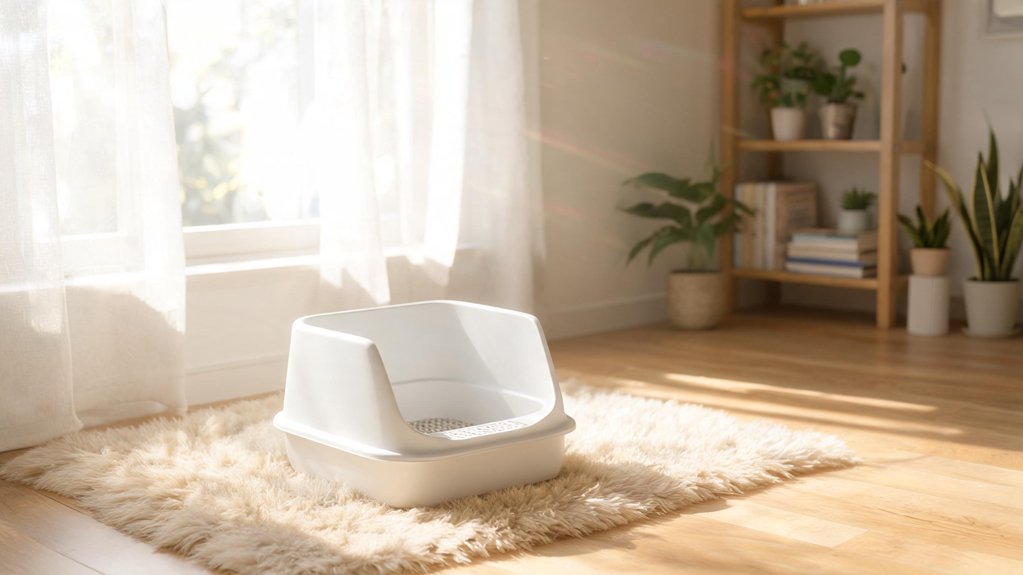
Additionally, create a well-organized enclosure zone with designated sections for resting, eating, and litter areas. Such thoughtful zoning aligns with your rabbit’s natural behaviors, preventing messes and encouraging healthy habits.
Choosing a comprehensive, solution-oriented habitat setup with multiple zones and ample exercise space will significantly contribute to your rabbit’s overall happiness, vitality, and well-being, making it a rewarding investment in their long-term health.

ESSENTIAL INGREDIENTS FOR A HEALTHY, ACTIVE LIFESTYLE: Made with high fiber Oxbow Timothy Hay to support healthy digestion

DAILY BUNNY PELLETS: Formulated with 100% of your pet’s daily recommended vitamins and minerals, this balanced rabbit food supports whole-body health, including strong immunity, healthy growth, and vibrant energy levels for rabbits

This formula uses whole natural ingredients and supplements to provide complete and balanced nutrition that covers all of your rabbits needs for a healthy and active lifestyle in every bite - no selective feeding of colorful treats.. This includes:
Choose Minimum Enclosure Size
For a pair of average-sized rabbits, you should aim for an enclosure that measures at least 3 meters by 2 meters by 1 meter—approximately 10 feet by 6.5 feet by 3.3 feet—and consider this your minimum requirement, whether indoors or outdoors. This generous space allows your rabbits to comfortably run, jump, graze, dig, rest, and even stand upright, promoting their natural behaviors and overall well-being. minimum space recommendation helps ensure every rabbit can move, stretch fully, and spend time doing natural activities rather than feeling restricted. Treat this size not as a future goal, but as a practical, essential floor plan for maintaining healthy and active rabbits. If you own small breeds, plan for enclosures that are larger than 18 inches by 24 inches. For medium to large breeds, a minimum of 24 inches by 30 inches is recommended. For giant breeds, an enclosure measuring at least 30 inches by 36 inches ensures adequate space for movement and comfort.
Investing in a well-sized, spacious enclosure provides your rabbits with the optimal environment to thrive and reduces behavioral issues caused by confinement. Prioritize these enclosure dimensions when purchasing or designing rabbit habitats, and consider solutions that facilitate easy cleaning, proper ventilation, and customization for long-term health and happiness.
Provide Daily Free-Roam Exercise
Planning daily free-roam exercise time for your rabbit is essential for promoting optimal health, happiness, and reducing mischievous behavior. It’s recommended to allocate at least 3 to 4 hours each day for your rabbit to enjoy unrestrained movement outside their enclosure.
To best match their natural activity cycles, divide this time into two sessions of approximately two hours each, ideally scheduled at dawn and dusk when rabbits are most active.
Establishing a secure, rabbit-proof environment is critical for their safety and well-being.
Set up a dedicated indoor exercise pen measuring at least 4×4 feet or create a rabbit-proof room by removing electrical cords, toxic plants, and other chewable hazards.
Use sturdy, 3 to 4-foot-high barriers to contain your rabbit and prevent escapes. A properly configured indoor rabbit playpen keeps your rabbit contained while still giving them room to run safely.
Incorporate non-slip mats and design secure, unobstructed routes that facilitate sprints and spontaneous play.
Regularly expand access as your rabbit adapts and becomes more comfortable exploring, ensuring a variety of enriching environments that stimulate their curiosity and physical activity.
Properly implementing these solutions ensures your rabbit enjoys safe, engaging free-roam sessions that support their health and happiness.
Budget for Hay, Greens, Pellets, and Water Costs
When planning for your Easter bunny, it’s essential to prioritize the recurring expenses that ensure your pet’s health and happiness. Start by budgeting for the fundamental daily essentials—quality hay, fresh greens, formulated pellets, and clean water.
Expect to spend approximately $25–$95 per month on these critical supplies, with hay typically constituting the largest portion at around $15–$50 due to its vital role in digestion and dental health. Timothy hay is the most suitable grass hay for everyday feeding, since its fibrous texture supports healthy digestion and keeps teeth worn down.
In addition, allocate funds for nutritious greens, which generally cost about $10–$60 per month depending on the variety and availability, and pellets, which usually range from $5–$26 and provide balanced nutrition.
Maintaining a consistent supply of fresh, clean water is crucial, and costs remain minimal when you frequently update the water daily, promoting hydration and preventing health issues.
Furthermore, consider the initial investment in durable, tip-resistant bowls or water bottles designed for rabbits. Also, incorporate expenses for hygiene supplies such as wipes, brushes, and cleaning solutions.
Regular cleaning of water containers every day or two is an effective preventative measure that significantly reduces the risk of illness, ensuring your pet’s well-being.
By systematically budgeting for these essential items—hay, greens, pellets, water, and hygiene accessories—you establish a reliable, health-focused care routine.
This proactive approach not only promotes your rabbit’s long-term health and vitality but also makes the task of pet ownership more manageable and cost-effective.
Consider investing in quality supplies and timely replenishment, enabling you to provide a happy, healthy environment for your furry companion.

Rabbit Interactive Toys: With this rabbit tunnel, your pet can entertain himself for hours! This unique rabbit toy is three spacious tunnels in one, giving your rabbit room to roam.

100% Edible Timothy Hay Toy: Made with premium Timothy hay for a tasty hideout, chew toy, and treat all in one

3 Way Play Tunnel: The cute cartoon pattern of rabbit and carrot is more suitable for your cute furry pet and attract their attention. There's also a hanging ball inside the tunnel, which is the perfect bunny hideout for your bunny. It will play, hang out, nap and lie down in tunnels. Your pet can jump in and pop out of the hole at the top.
Monthly Hay Budget Planning
Budgeting for a rabbit’s nutritious diet becomes significantly easier when you categorize expenses into hay, greens, pellets, and water. Among these, hay typically accounts for the largest portion of your monthly expenditure. To optimize your budget, plan on providing unlimited grass hay varieties such as Timothy, Orchard, or Meadow hay, which should comprise approximately 75–90% of your rabbit’s diet.
Ensure that the daily portion matches a bundle or ball size equivalent to your rabbit—this promotes healthy digestion, wears down teeth effectively, and maintains your pet’s overall well-being.
Next, accurately estimate costs to stay within your financial plan. Packaged hay in bags often ranges from $5 to $50 per package, with typical monthly expenditure falling between $20 and $50.
An economical alternative is purchasing a 50-pound bale of hay, generally priced between $10 and $25, which can reduce your monthly costs to approximately $10–$15.
Always buy high-quality hay that’s dry, fresh, and free from dampness or mold to ensure optimal health benefits for your rabbit.
Green Veg And Pellet Costs
Once you’ve mapped out your hay costs, it becomes easier to accurately forecast your monthly expenditure on greens and pellets, ensuring a well-balanced diet for your domesticated rabbit. For an average indoor rabbit weighing around 4 to 5 pounds, budget approximately $40 to $65 per month for high-quality pellets combined with fresh leafy greens. Pellets tend to maintain consistent costs, making them a reliable staple in your rabbit’s nutritional regimen.
Provide adult rabbits with about 1/4 cup of pellets daily, adjusted appropriately for larger or smaller breeds—dwarfs should receive approximately 1/8 cup. Fresh leafy greens should constitute roughly 10 to 15 percent of their daily diet, which equates to about 1 cup per 2 pounds of body weight, divided into manageable feedings throughout the day. Incorporate non-leafy vegetables, such as carrots or bell peppers, at about 1 tablespoon per 2 pounds as occasional treats to diversify their diet and promote optimal health.
Implementing this precise greens and pellet feeding strategy ensures your rabbit receives comprehensive nutrition while helping you control costs effectively. By monitoring and adjusting portion sizes based on your rabbit’s size and dietary needs, you optimize their health, wellbeing, and longevity—making your investment in quality feed and fresh greens both essential and cost-efficient.
Water Bowls And Hygiene Supplies
Before you bring an Easter Bunny home, prioritize establishing the water routine first, as providing clean, fresh water is non-negotiable for rabbit health and well-being. Select a durable, non-spill ceramic bowl—preferably larger than the pellet dish—and position it away from the litter box, resting areas, and high-traffic zones to prevent contamination.
Investing in a heavy, stable bowl ensures stability and reduces mess, while keeping a backup water bowl allows seamless swaps during cleaning. Choosing stable, heavy ceramic bowls further reduces the chance of tipping, since their weight keeps them grounded during normal rabbit activity.
Maintain optimal hydration by dumping, rinsing, and refilling the water bowl at least once daily, with twice daily being ideal due to hay, fur, and dust accumulation that can degrade water quality quickly. Regular cleaning involves washing both the bowl and the interior of the water bottle daily with mild soap and hot water.
Scrub slime rings and mineral deposits every other day to prevent blockages and bacterial buildup.
Allocate a budget of $5–$15 for quality water dishes, cleaning supplies, and brushes to ensure thorough sanitation.
Additionally, check the water bottle’s flow mechanism weekly to ensure reliable, continuous water supply. Consistent hygiene and maintenance of your rabbit’s water system not only support their health but also prevent common issues like dehydration, bacterial infections, and contamination.
Invest in easy-to-clean, durable supplies and establish a routine that prioritizes your rabbit’s hydration needs, promoting longevity and happiness in your new pet.
Understand Rabbit Health Needs and Vet Check Timing
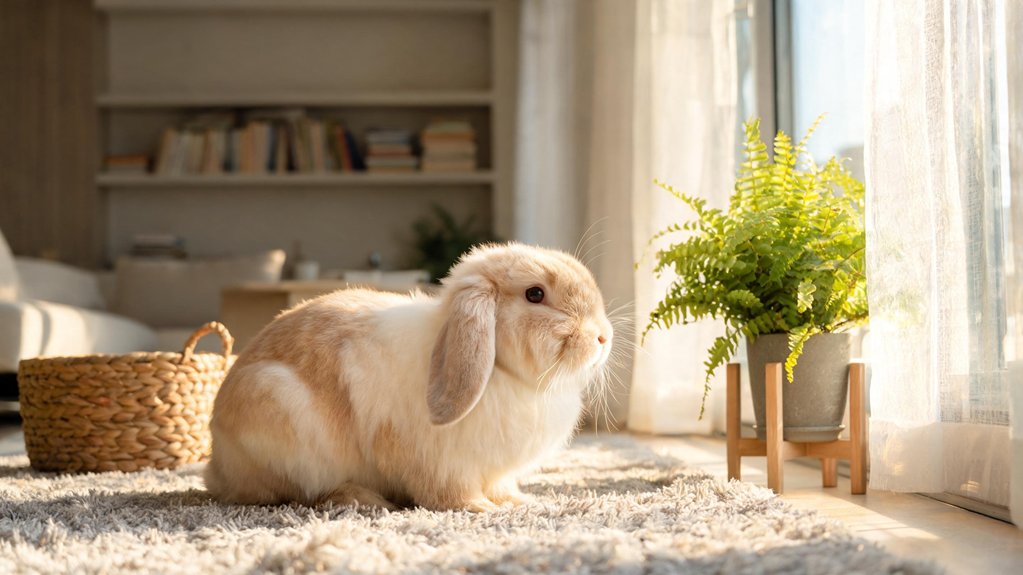
As you’re considering adding a rabbit to your household for Easter, it’s essential to prioritize comprehensive health care from the very beginning. Rabbits are prey animals that naturally hide signs of illness until they’re quite sick, making proactive veterinary care crucial. Schedule a thorough veterinary examination soon after bringing your new bunny home to establish a health baseline, including diet recommendations, weight, and dental health.
Implement a routine of annual wellness visits with a rabbit-savvy veterinarian, ensuring key health checks such as dental assessments, nail trims, weight monitoring, and fecal tests for parasites are consistently performed. These preventive measures help detect and address health issues early, promoting a longer, healthier life for your pet.
Many rabbit owners find success with daily home checks to observe appetite, droppings, and coat condition, which serve as early indicators of health problems. For senior rabbits or those with pre-existing health concerns, professional evaluations should be scheduled every 6 to 12 months.
In case of an emergency or sudden change in your rabbit’s condition, seek immediate veterinary attention from an experienced, rabbit-savvy veterinarian to ensure prompt and effective treatment. Prioritize these proactive health measures for optimal rabbit well-being and peace of mind.

All-in-One Bunny Station: Combine feeding and potty time in one organized space with this rabbit litter box with hay feeder. The included disposal pee pads and broom set help create a cleaner bunny area and simplifies everyday rabbit care.

Spacious Comfortable: This large rabbit litter box offers ample space with dimensions of 16.9" long x 11.8" wide x 6.3" high, making it ideal for adult rabbits, guinea pigs, ferrets and chinchillas.The litter box rabbit, say goodbye to cramped corners

Material: This rabbit litter box is made of very thick plastic, so it doesn't bend. The build is solid enough to handle some chewing. The rabbits are adverse to chewing on this particular plastic. It's safe for pets
Choose Safe Indoor Housing Over Outdoor Hutches
When you bring a rabbit home, prioritize setting up a safe indoor habitat, as indoor housing offers significantly healthier and safer conditions compared to outdoor hutches.
Outdoor enclosures often fail to fully protect rabbits from a range of predators, including dogs, cats, raccoons, coyotes, and birds of prey, whose presence can induce extreme fear and stress in your pet.
Moreover, exposure to weather extremes can be quickly detrimental; temperatures above 80°F (27°C) may cause dangerous heat stress, while temperatures below 50°F (10°C), especially with poor insulation, pose risks of cold-related health issues.
Indoor living environments allow you to closely monitor your rabbit daily, providing an advantage for early detection of illness or health concerns.
By maintaining an indoor setup, you significantly reduce risks associated with parasites, lawn chemicals, and infectious diseases stemming from dirty bedding or neglect.
You can also ensure a controlled, clean, and comfortable space that promotes overall well-being.
Choosing an indoor enclosure such as a high-quality rabbit cage, exercise pen, or custom habitat is essential for long-term health and safety. Your rabbit can also enjoy a secure play zone when you set up a rabbit fencing boundary around its indoor exercise area.
These solutions enable consistent supervision, quick veterinary access, andenvironmentally controlled comfort, making them an ideal investment for responsible pet ownership.
Transitioning to a secure indoor habitat is a proactive step toward safeguarding your rabbit’s health, happiness, and longevity.

7-in-1 Rabbit Grooming Kit: Not only gentle and safe for small animals, such as rabbit, hamster, guinea pig, and chinchilla; but also work great for larger animals like cats and dogs. Soft silicone small animal massage comb can help you protect your pet's skin and effectively keep their fur clean, healthly.

7-in-1 Rabbit Grooming Kit: Not only gentle and safe for small animals, such as rabbit, hamster, guinea pig, and chinchilla; but also work great for larger animals like cats and dogs. Soft silicone small animal massage comb can help you protect your pet's skin and effectively keep their fur clean, healthly.

ALL-IN-ONE PET GROOMING KIT: Contains Double-Layer Needle Slicker Brush, Rubber Tip Shampoo Bath Glove Brush with adjustable ring handle, Double-Tooth Stainless Steel Comb, Pet Nail Clipper & File, Small Cleaning Comb.
Decide on Bonding: Solo Rabbit vs Pair
Deciding between a solo rabbit and a bonded pair significantly impacts your rabbit’s daily well-being and overall happiness. Rabbits are highly social prey animals, and reputable welfare organizations strongly recommend providing compatible same-species companionship to promote mental health and reduce stress.
Choosing a bonded pair often results in calmer behaviors, such as mutual grooming, relaxed resting, and playful interactions, which contribute positively to their physical and emotional health.
Additionally, bonded pairs tend to handle environmental changes, like travel or loud visitors, with less stress compared to solo rabbits.
From a practical standpoint, ensure you have enough space—approximately 20 square feet for a bonded pair—and be prepared for daily care routines, which are similar in workload regardless of whether you select one rabbit or a pair.
If a veterinarian suggests otherwise due to specific health considerations, a solo rabbit can still thrive and be happy with attentive care.
Ultimately, investing in a bonded pair supports not only your rabbit’s happiness but also simplifies social enrichment and overall well-being, making it the ideal choice for responsible pet owners focusing on long-term happiness and health.
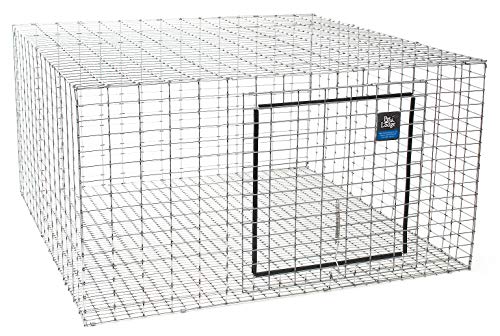
HEAVY-DUTY GALVANIZED BODY - This rabbit home's durable galvanized steel frame is easy to clean and prevents rusting over time. It is great for both indoor and outdoor use.

DIMENSIONS: Spacious 24 x 24 x 16 inch cage provides ample room for rabbits, guinea pigs, and other small pets to move comfortably

DIMENSIONS: Spacious 24 x 24 x 16 inch cage provides ample room for rabbits, guinea pigs, and other small pets to move comfortably
Learn How to Handle a Skittish Rabbit Safely
Before you attempt to pick up a skittish rabbit, it’s crucial to “read the room” first, as fear can escalate rapidly and cause stress or injury. Look for warning signs such as flattened ears, a tense crouch, a low head position, and dilated pupils, which indicate distress or alertness. If you observe freezing, hiding, or sudden bolting behavior, pause your approach immediately to avoid alarming the rabbit further.
If thumping sounds are heard, give the rabbit space and time to relax, as loud thumps are a clear signal of discomfort. Keep your handling quick—aim for under 30 seconds—and minimize frequency to prevent stressing the animal. When approaching, crouch inside the enclosure to reduce intimidation, move your arms slowly and deliberately, and provide calm recovery periods with hiding places so the rabbit can regain composure comfortably.
Lift only when necessary, supporting the chest and rump securely, or use a “football” carry technique that offers greater stability and comfort. Never lift the rabbit by its ears, as this causes pain and trauma. Constantly monitor your rabbit’s breathing and muscle tension as indicators of stress, and cease handling immediately if signs of anxiety or agitation appear. By adopting these careful, confident techniques, you ensure a safe, stress-free experience that promotes trust and wellbeing for your sensitive, easily frightened rabbit.
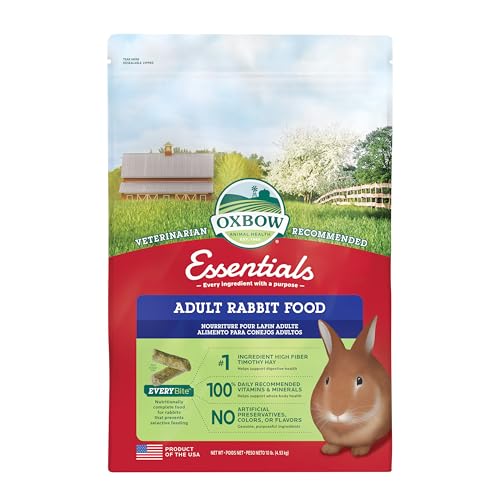
COMPLETE NUTRITION IN EVERY BITE: Oxbow EVERYBite foods are specially formulated to deliver balanced, complete nutrition in every serving; Each bite ensures your rabbit gets the essential vitamins and minerals needed for a healthy, active, and happy life

HAND-SELECTED TIMOTHY HAY is the first ingredient of this nutritious diet developed by a small animal nutrition expert

This formula uses whole natural ingredients and supplements to provide complete and balanced nutrition that covers all of your rabbits needs. This includes:
Pick Enrichment That Prevents Boredom and Stress
To keep your Easter bunny from getting bored or stressed, it’s essential to provide enrichment that stimulates their natural behaviors. Rotate chew toys every few days to maintain their interest and ensure they remain safe for gnawing. Incorporating a variety of textured toys will further engage your rabbit, preventing boredom and promoting healthy teeth. Using foraging toys that hide treats also encourages your rabbit to search and problem-solve, which keeps its mind active.
Enhance your bunny’s environment by adding tunnels and at least two to three hideouts, such as sturdy cardboard boxes or pipe sections with multiple entrances. These structures give your rabbit space to run, explore, and retreat when they need calm. Providing diverse hiding options encourages mental stimulation and reduces stress levels.
As you modify and enrich your rabbit’s habitat, closely observe for stress indicators, including excessive hiding or loss of appetite. Make immediate adjustments to the setup if signs of discomfort appear. Implementing these enrichment strategies with regular monitoring will foster a happier, healthier, and more relaxed pet, ultimately enhancing their quality of life.

Jumbo Hideaway & Chew Toy – 13.5" L x 12" W x 9.5" H tunnel combines hideout, chew toy, and activity center to satisfy exploring, chewing, and relaxing.

🌴【100% Natural Materials】All rabbit chew toy balls are made of natural materials and hand woven. The rolling balls use natural seaweed, rattan, corn husks, Timothy grass, etc, which are safe for your pet and can be used with confidence.

NATURAL CHEW AND HIDEOUT: A timothy hay tunnel made from natural fiber that provides guinea pigs, rabbits, chinchillas, hamsters, gerbils, and rats with a safe edible shelter and cage accessory while supporting dental health and boredom relief
Rotate Chew Toys Regularly
Rotate chew toys regularly to keep your rabbit engaged and reduce stress, especially if your bunny appears restless or is persistently gnawing on the same spot.
Providing a variety of safe chew items is essential for natural dental health, as it helps wear down their constantly growing teeth and offers a secure outlet for gnawing, preventing damage to cage bars or furniture.
Choose a selection of 5 to 8 high-quality chew toys made from safe materials such as untreated wood, hay cubes, willow balls, or plain cardboard.
To maximize interest and prevent boredom, only place 2 to 3 toys in the enclosure at a time.
Swap out 1 or 2 toys every 3 to 5 days or rotate full sets on a weekly basis.
When removing toys, store them in a clean, dedicated box, and reintroduce them later to make them feel new and exciting for your rabbit.
By implementing this rotation strategy, you ensure your rabbit’s dental health and mental stimulation are consistently supported with safe, engaging, and varied chew options.
This proactive approach keeps your pet happy, healthy, and less prone to stress-related behaviors.
Add Tunnels And Hideouts
After you rotate chew toys, incorporate tunnels and hideouts into your rabbit’s habitat to create a safe retreat where your pet can “disappear” when feeling stressed or in need of quiet. Tunnels also encourage active play and exploration, which keeps your rabbit mentally and physically engaged.
Select tunnels measuring approximately 20–25 centimeters in diameter; opt for larger sizes if you have a heavier or more robust rabbit, ensuring they’ve enough space to comfortably navigate.
Choose structures with two open ends to prevent your rabbit from feeling trapped, allowing for natural escape routes that promote a sense of security.
Position hideouts strategically near abundant hay supplies, along walls, and between designated play and exercise zones.
This placement provides your rabbit with readily accessible options for refuge and relaxation, promoting overall well-being and reducing stress-related behaviors.
Make sure all structures are stable and secure to prevent rolling, collapsing, or tipping, which could cause injury or discomfort.
Use safe and durable chewable materials such as wicker, water hyacinth, seagrass, unprinted cardboard, or untreated wood to encourage natural chewing behaviors and prevent destructive habits.
By integrating a variety of shelters, tunnels, and safe chewables into your rabbit’s environment, you’ll observe fewer signs of restlessness, less excessive grooming, and a decrease in bar-gnawing behaviors.
These enhancements foster an enriching, stress-reducing habitat that appeals to your rabbit’s natural instincts and promotes long-term health and happiness.
Upgrade your rabbit’s enclosure today with enduring, pet-safe hideouts and tunnels designed specifically for optimal safety and enrichment.
Avoid Easter Impulse Buys and Post-Holiday Surrender
Before you buy a “cute Easter bunny” on impulse, remember what happens next—rescue organizations see a significant increase in unwanted rabbits in the weeks following Easter. Animal welfare groups report that hundreds of rabbits are purchased as holiday gifts each year, with up to 80% of these pets being abandoned or dying within the first year due to inadequate care.
To prevent this heartbreaking outcome, pause and consider your preparedness before Easter arrives. Ask yourself about essential supplies like spacious enclosures, rabbit-safe bedding, and the time required for daily care and socialization.
Instead of impulsive buying, support local rescue efforts by donating to trusted rabbit rescues, fostering a rescue rabbit, or giving a thoughtfully curated, bunny-themed plush toy as a safe and meaningful gift.
Choosing these responsible actions helps ensure the well-being of rabbits and promotes compassionate pet ownership—making this Easter truly joyful for both your family and our animal friends.
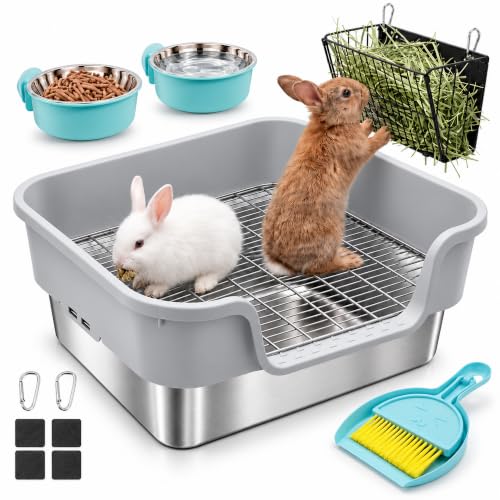
4-in-1 Rabbit Litter Box Set - This complete rabbit litter box kit includes a large bunny litter box, hay feeder, 2 blue stainless steel bowls, and a small broom set, creating one tidy station for potty time, hay, food, and water.

【Innovative Two-Tier Design】This litter box features a smart two-part construction. The top section is crafted from sturdy, lightweight grey ABS plastic, providing an open-top design for easy rabbit access. The bottom basin is made entirely of rust-resistant stainless steel, ensuring exceptional longevity and effortless cleaning

Deep Design for Less Cleaning: Our Bunny Litter Box features a specially deep design that provides ample space for rabbit litter and rabbit droppings, reducing the frequency of cleaning and saving you time on maintenance
Celebrate Easter With Alternatives That Still Delight
Celebrate Easter with fun, meaningful alternatives that still feel special without turning your home into a chaotic pet scenario. Instead of impulsively getting a live bunny, consider choosing safer, more sustainable traditions that bring family joy and environmental consciousness.
Engage in activities like egg-rolling races inspired by historic White House events, or enjoy egg-tapping contests with hard-boiled eggs to foster friendly competition and fun.
Looking to boost community involvement and create lasting memories? Host a lively Polish-style water fight in your neighborhood or organize a garden planting event featuring vibrant pansies, cheerful tulips, and marigolds that will bloom beautifully throughout the season.
These activities promote outdoor play and community bonding while encouraging eco-friendly fun.
For those who love DIY projects and creative expression, dye real-boiled eggs with natural colors or craft reusable decor by wrapping plastic eggs in rustic twine for eco-conscious festive decorations.
Exploring craft options not only enhances sensory engagement but also offers environmentally sustainable ways to celebrate.
Culinary festivities can be elevated with delicious, health-conscious options. Serve a hearty, multi-egg omelet packed with fresh vegetables or bake colorful vegan cupcakes to satisfy sweet cravings without compromising dietary choices.
These tasty dishes make your celebration more nourishing and inclusive.
If you’re seeking even more meaningful ways to observe Easter, consider fostering animals through local shelters or donating to animal rescue organizations to support vulnerable pets in need.
These acts of kindness extend the spirit of renewal and compassion, enriching your holiday with purpose and generosity.

🐹 One Box, One Fluffy Finish – This all-in-one small-animal grooming kit packs every comb, clipper & brush a hamster, guinea pig or bunny could wish for—perfect for daily upkeep on long-haired guinea pigs or dwarf rabbits.Precise scissor-style clippers + mini file trim tiny nails safely, while the bonus cleaning comb pops debris from every bristle.

High-Quality Materials: Puppy grooming kit is made of high-quality materials. The handle of the comb fits the curve of the palm, providing a firm grip and preventing slipping, so your hands won't feel sore after long-term use. The nail clippers have sharp and tough blades, which can cut pet nails without getting stuck. The file has a fine sand surface, making the grinding process smooth and labor-saving.
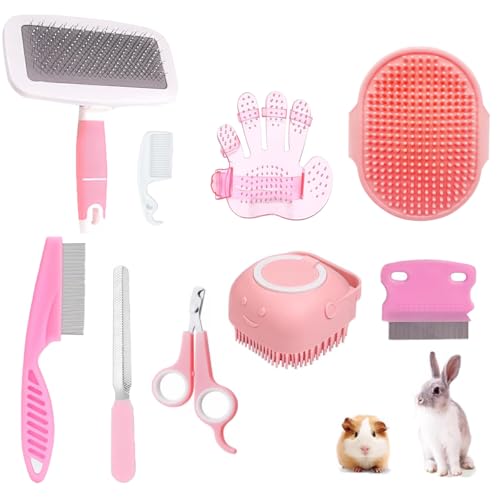
【9 Pieces pet Kits】Small Animal Grooming Kit grooming accessories ,The set contains pet nail clipper and file, flea comb*2, pet shampoo bath brush, pet shedding brush, Shampoo Brush,Which is enough to meet your pet's cleaning needs.
Frequently Asked Questions
Should I Get an Easter Bunny if I’M Not Ready for 10+ Years?
No, you should not get an Easter Bunny if you’re not ready for a decade-long commitment. Rabbits require daily access to fresh hay, a clean and secure indoor environment, routine veterinary care, and gentle, quiet handling to ensure their health and well-being. Failing to meet these needs can lead to stress, illness, and a poor quality of life for your pet.
If you’re unable to dedicate the necessary time, resources, and attention, consider alternatives such as adopting a plush bunny stuffed animal for seasonal enjoyment or fostering rabbits through reputable rescue organizations. These options allow you to celebrate Easter responsibly while avoiding the long-term responsibilities associated with caring for live animals. Investing in the right pet or decorative item ensures a joyful and humane holiday experience without compromising animal welfare.
What’s the Minimum Safe Enclosure and Exercise Space Indoors?
Aim for a minimum of 3 meters by 2 meters by 1 meter of continuous indoor space for two rabbits, ensuring ample room for natural behaviors like hopping, exploring, and play. Additionally, allocate a dedicated sleeping area measuring approximately 1.8 meters by 0.6 meters by 0.6 meters, providing a cozy and secure retreat that promotes rest and comfort.
To meet their daily exercise needs, plan for at least 4 hours of active, enriched playtime and physical activity within the enclosure or in a safe, supervised environment. Ensuring generous space and regular exercise opportunities is essential for maintaining your rabbits’ physical health, mental stimulation, and overall well-being. Investing in a spacious, well-designed indoor setup tailored to these specifications will maximize their happiness and health, providing a safe, engaging environment that supports their natural behaviors and lifestyle.
What Should I Budget Monthly for Hay, Greens, Pellets, and Water?
You should budget approximately $35 to $95 monthly to cover essential dietary needs for your rabbit, including high-quality hay, fresh greens, nutritious pellets, and clean water. Allocate around $20 to $45 toward premium hay, ensuring your rabbit receives adequate fiber for healthy digestion and dental wear. Plan for about $10 to $25 for a variety of fresh greens, providing vital vitamins and enriching their diet.
Additionally, budget $5 to $15 for rabbit-specific pellets that support balanced nutrition, while water, being a cost-free essential, requires minimal expenditure. Investing in reliable sources of hay, greens, and pellets guarantees your rabbit’s optimal health, vitality, and happiness. Proper budgeting ensures you consistently provide essential, nutrient-rich foods that promote a long, active, and stress-free life for your beloved pet.
How Soon Do I Need a Rabbit Vet Exam After Bringing One Home?
Schedule a comprehensive rabbit vet exam within 48 hours to one or two weeks after bringing your new rabbit home. This initial checkup is essential for assessing your rabbit’s overall health, including dental condition, gut function, and respiratory status. Regular veterinary exams help identify any underlying health issues early and ensure your rabbit’s well-being from the start.
During this appointment, your veterinarian will provide personalized guidance on optimal diet plans, suitable housing, and necessary spay or neuter procedures to promote lifelong health and prevent common behavioral or reproductive issues. Investing in these preventive measures through a professional vet ensures your rabbit receives expert care tailored to its specific needs. Prioritize scheduling this important exam promptly to establish a strong foundation for your rabbit’s health and happiness.
Why Do Many People Surrender Rabbits After Easter, and How Can I Avoid It?
Many people surrender rabbits after Easter because they purchase these affectionate, social pets impulsively as seasonal gifts. They quickly realize that providing a healthy, enriching life requires ongoing commitments, including daily hay feeding, proper housing, litter training, bonding efforts, and veterinary care, which can be more challenging and costly than initially expected.
You can prevent this by conducting thorough research beforehand to understand the long-term responsibilities involved in caring for a rabbit. Adopting from reputable rescue organizations or shelters ensures a responsible choice, and careful planning for year-round care can help you meet a rabbit’s unique needs effectively. Focusing on education and preparation allows you to provide a loving, sustainable environment for your pet, avoiding the regret and difficult surrender process after the holidays.